Plant-Based vs Synthetic Ingredients: What the Science Actually Says
May 28, 2026
Author: Ray Spotts
Tags:
The choice between plant-based and synthetic ingredients is at the heart of the modern wellness movement. Labels proudly boast "all-natural" formulas, while others rely on science-backed synthetics. But what does the research actually reveal about this divide? Is one category inherently superior, or is the truth more nuanced?
This article cuts through the marketing hype to explore the scientific evidence behind plant based vs synthetic ingredients, helping you make informed decisions based on facts, not fear. For a practical look at how these principles apply to pain relief specifically, read our guide on natural pain relief oil vs ibuprofen.
Defining the Terms
First, let's clarify the terminology — it's often misunderstood in the plant based vs synthetic ingredients debate.
Plant-Based (Botanical) Ingredients: Compounds extracted directly from plants — roots, leaves, seeds, flowers. Examples include aloe vera gel, cold-pressed argan oil, and turmeric curcumin extracted from the root.
Synthetic Ingredients: Compounds created through chemical reactions, often in a laboratory. They may be copies of molecules found in nature (nature-identical) or entirely novel creations. Examples include synthetic Vitamin C (ascorbic acid), most synthetic preservatives, and synthetic fragrances.
The core of the plant based vs synthetic ingredients discussion isn't just about origin — it's about bioavailability, efficacy, and safety.
The Case for Plant-Based Ingredients: The Entourage Effect
Proponents of plant-based ingredients often cite the "entourage effect" — the principle that a whole plant extract, with its complex mixture of vitamins, minerals, antioxidants, and phytonutrients, is more effective than a single isolated compound.
-
The science: A study on CBD published in the Journal of Pharmacology and Pharmacy found that full-spectrum CBD (containing multiple cannabinoids) was more effective than its isolated counterpart due to synergistic interaction
-
The argument: Our bodies have evolved to recognize and utilize nutrients as they are packaged in whole foods. A synthetic vitamin may be chemically identical but lacks the supporting co-factors that aid in absorption and function
-
The benefit: This synergy can lead to better absorption, enhanced efficacy, and additional benefits beyond the primary target
The Case for Synthetic Ingredients: Precision and Purity
The argument for synthetic ingredients in the plant based vs synthetic ingredients debate centers on control, consistency, and accessibility.
-
The science: Synthetic versions of vitamins like folic acid are often more stable and have a longer shelf life than plant-derived counterparts. They can be produced to pharmaceutical-grade purity, free from environmental contaminants like pesticides or heavy metals (Source: American Journal of Clinical Nutrition)
-
The argument: Synthetics allow for precise dosing — you know exactly how much of an active ingredient you are getting in every dose, which is crucial for addressing specific deficiencies
-
The benefit: Guaranteed potency, reduced risk of contamination, and lower cost — making vital nutrients accessible to more people
The Third Way: Biotechnology (Nature-Identical Synthesis)
The plant based vs synthetic ingredients debate is evolving with biotechnology, which blurs the lines between both categories.
Precision fermentation uses microorganisms like yeast or bacteria to produce compounds that are bio-identical to those found in plants. The end molecule is structurally identical to its natural counterpart — but created sustainably in a controlled environment.
Example: The Coenzyme Q10 (CoQ10) in most high-quality supplements is produced this way. It is not synthetic in the traditional sense — it is a nature-identical molecule grown from biological processes, combining the purity of a synthetic with the biological integrity of a plant-derived compound.
This third way represents the most significant development in the plant based vs synthetic ingredients debate. For a full explanation of how this process works, read our guide on what biotech means in natural health products.
Plant Based vs Synthetic Ingredients: A Scientific Comparison
|
Aspect |
Synthetic / Nature-Identical Ingredients |
|
|
Molecular Structure |
Complex mixture of compounds |
Single, isolated compound |
|
Bioavailability |
Potentially enhanced by entourage effect |
Consistent, but may lack co-factors |
|
Purity & Consistency |
Can vary by harvest, soil, climate |
Highly consistent and pure, batch-to-batch |
|
Sustainability |
Can require large amounts of land and water |
Often more resource-efficient to produce |
|
Cost |
Typically more expensive |
Typically less expensive |
What the Science Says About Safety and Efficacy
The research on plant based vs synthetic ingredients shows that one is not universally safer or more effective than the other.
-
Safety: Both natural and synthetic ingredients must undergo rigorous safety testing. "Natural" does not automatically mean "safe" — poison ivy is natural. Similarly, well-studied synthetics like ascorbic acid have an impeccable safety record
-
Efficacy: Effectiveness depends entirely on the specific ingredient and its application. Synthetic Vitamin E (dl-alpha-tocopherol) is only half as active in the body as its natural counterpart (d-alpha-tocopherol). However, synthetic folic acid is more bioavailable than the folate found in food (Source: Journal of Nutrition)
The key takeaway in the plant based vs synthetic ingredients debate is to evaluate each ingredient on its own scientific merits — not just its origin.
How to Choose What's Right for You
Choose plant-based if:
-
You believe in the holistic entourage effect of whole-plant extracts
-
You prioritize ingredients in a form closest to how they appear in food
-
You are addressing general wellness, antioxidant support, or topical pain relief
Choose synthetic or nature-identical if:
-
You need a precise, therapeutic dose of a specific nutrient to correct a deficiency
-
You have allergies to certain plants or require a guaranteed purity level
-
You are looking for a more affordable and accessible option
What Actually Works: Applying the Plant Based vs Synthetic Ingredients Debate to Pain Relief
In the plant based vs synthetic ingredients debate, pain relief is one of the clearest examples of where botanical ingredients outperform synthetic alternatives for daily, long-term use.
Synthetic topical pain relievers — like diclofenac gel or menthol-based creams with petroleum carriers — provide fast-acting relief but carry cumulative skin barrier disruption risks and are not suited for daily long-term application. Plant-based botanical oils, by contrast, deliver anti-inflammatory and analgesic compounds while simultaneously nourishing the skin and supporting tissue health.
-
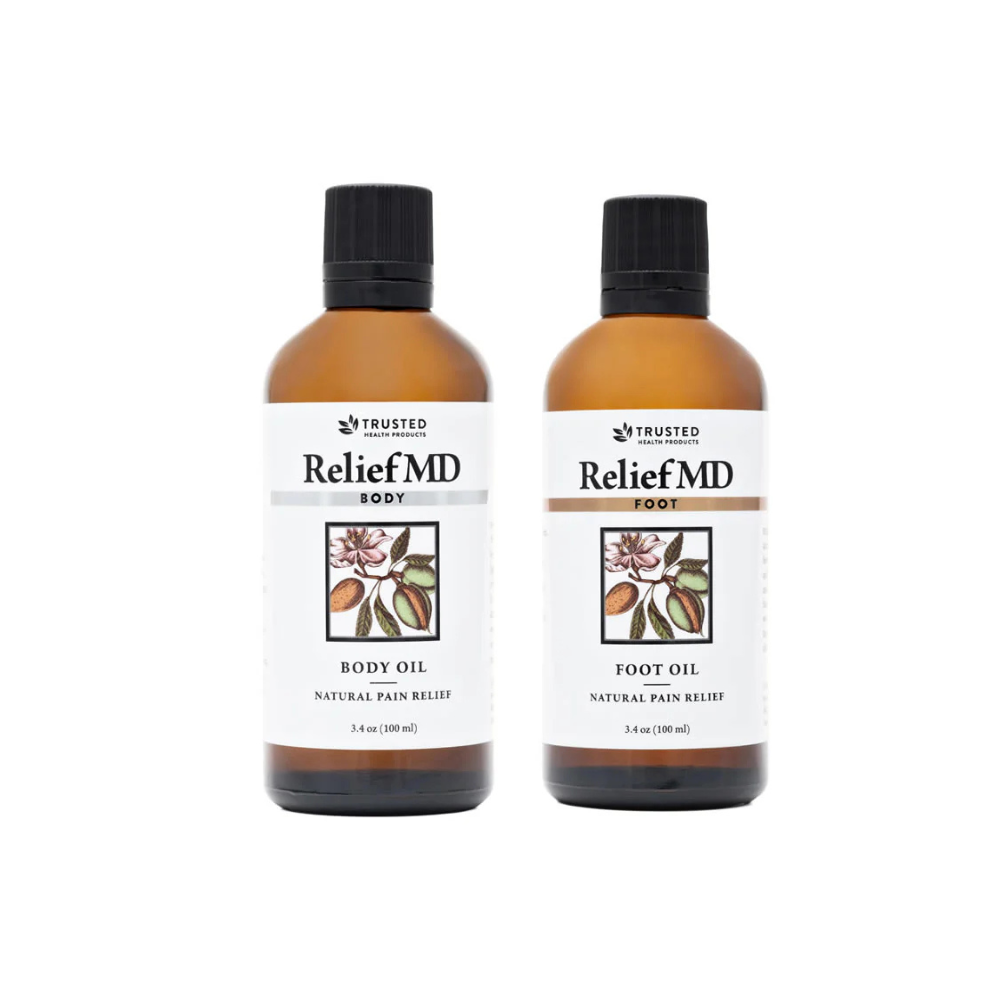
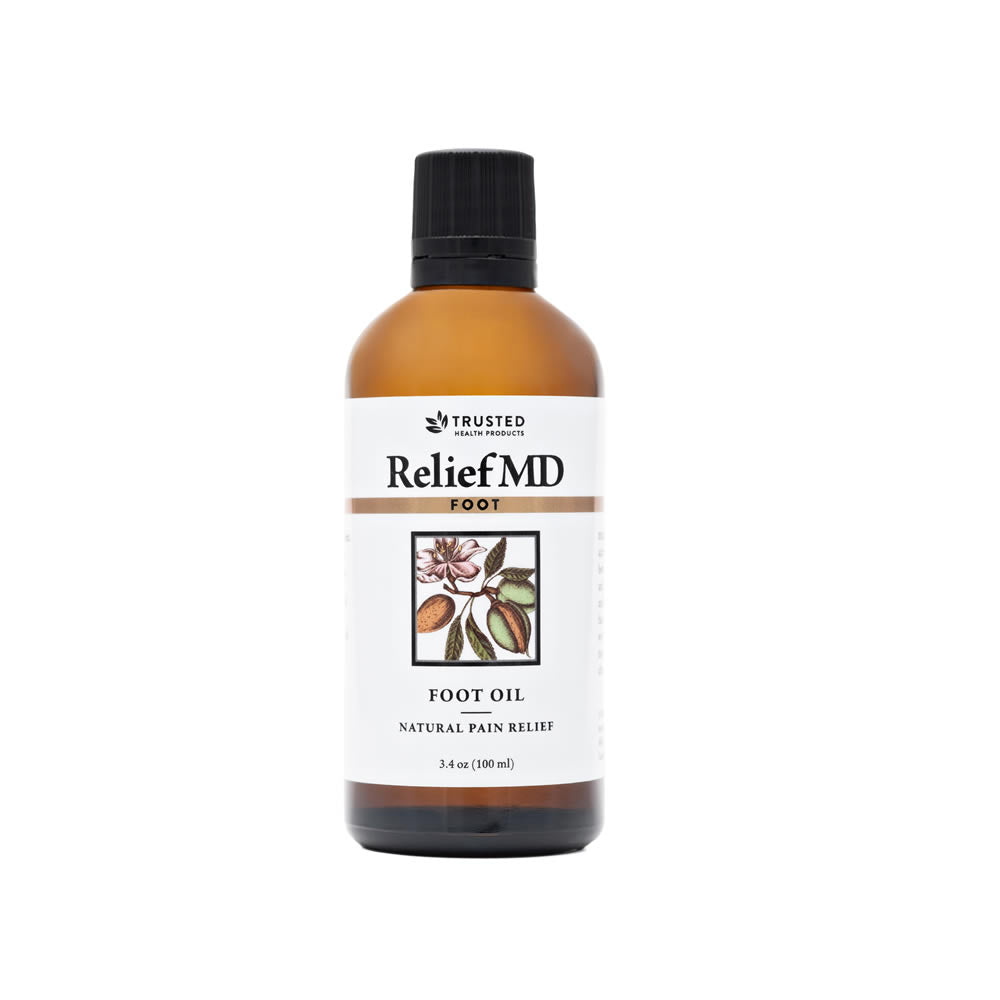
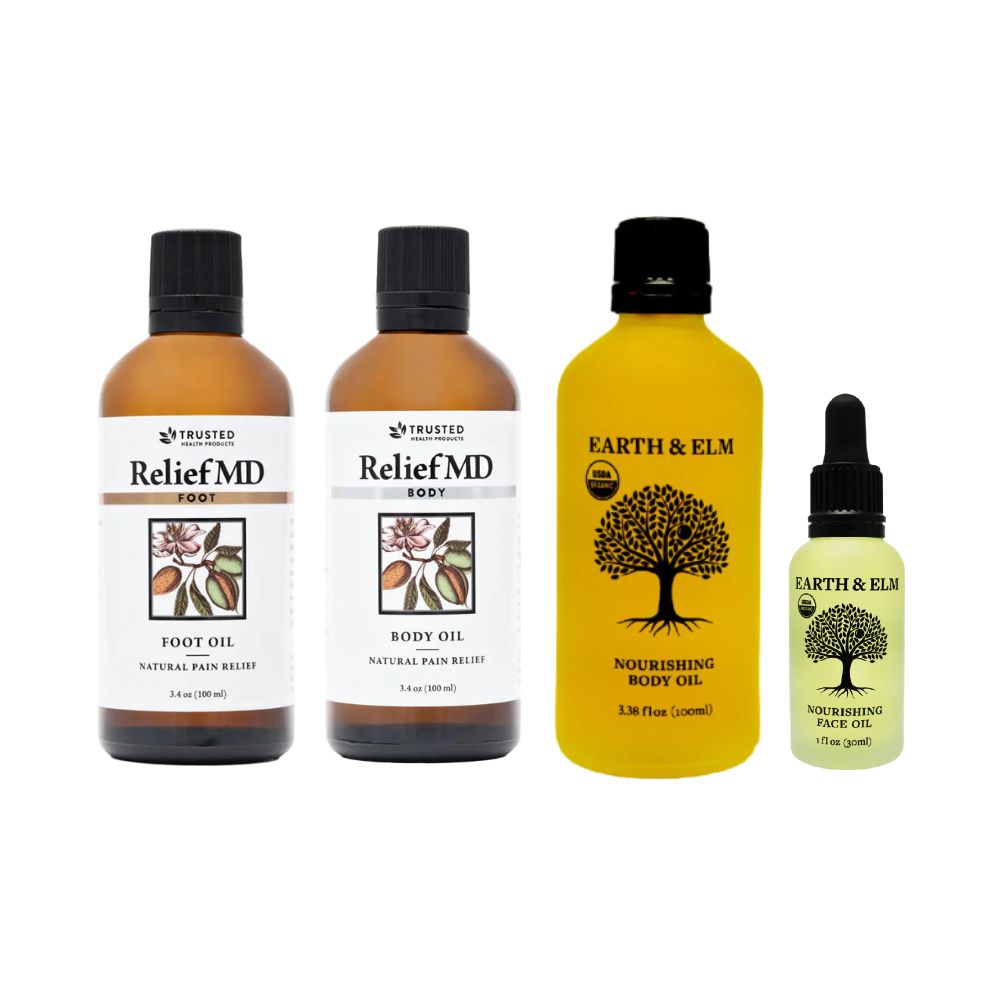
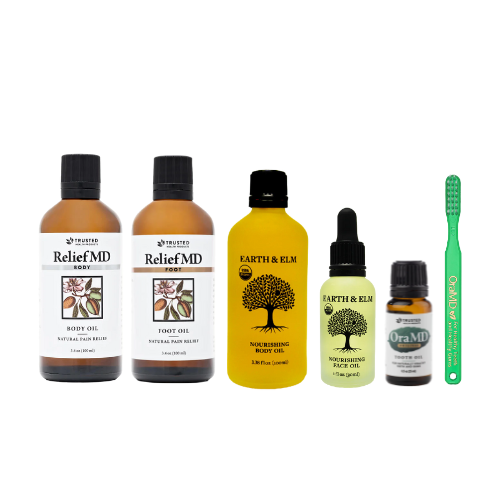
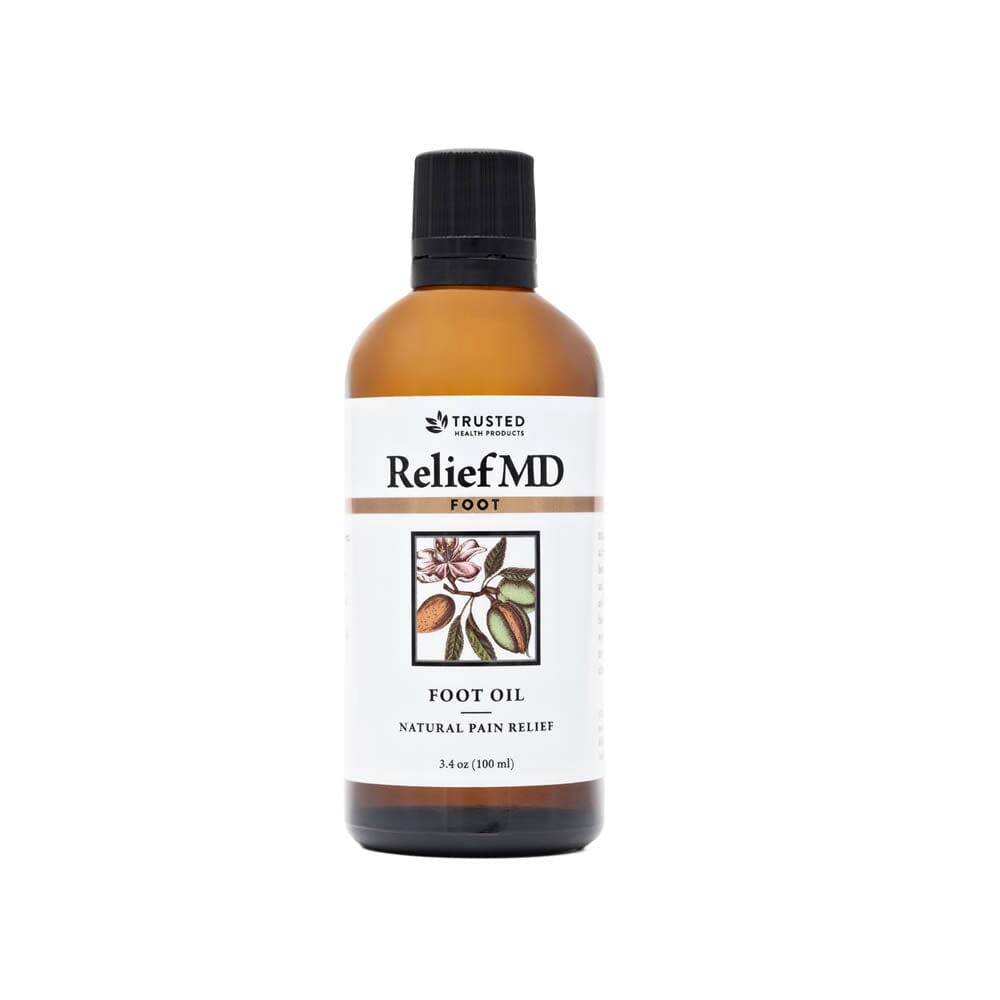
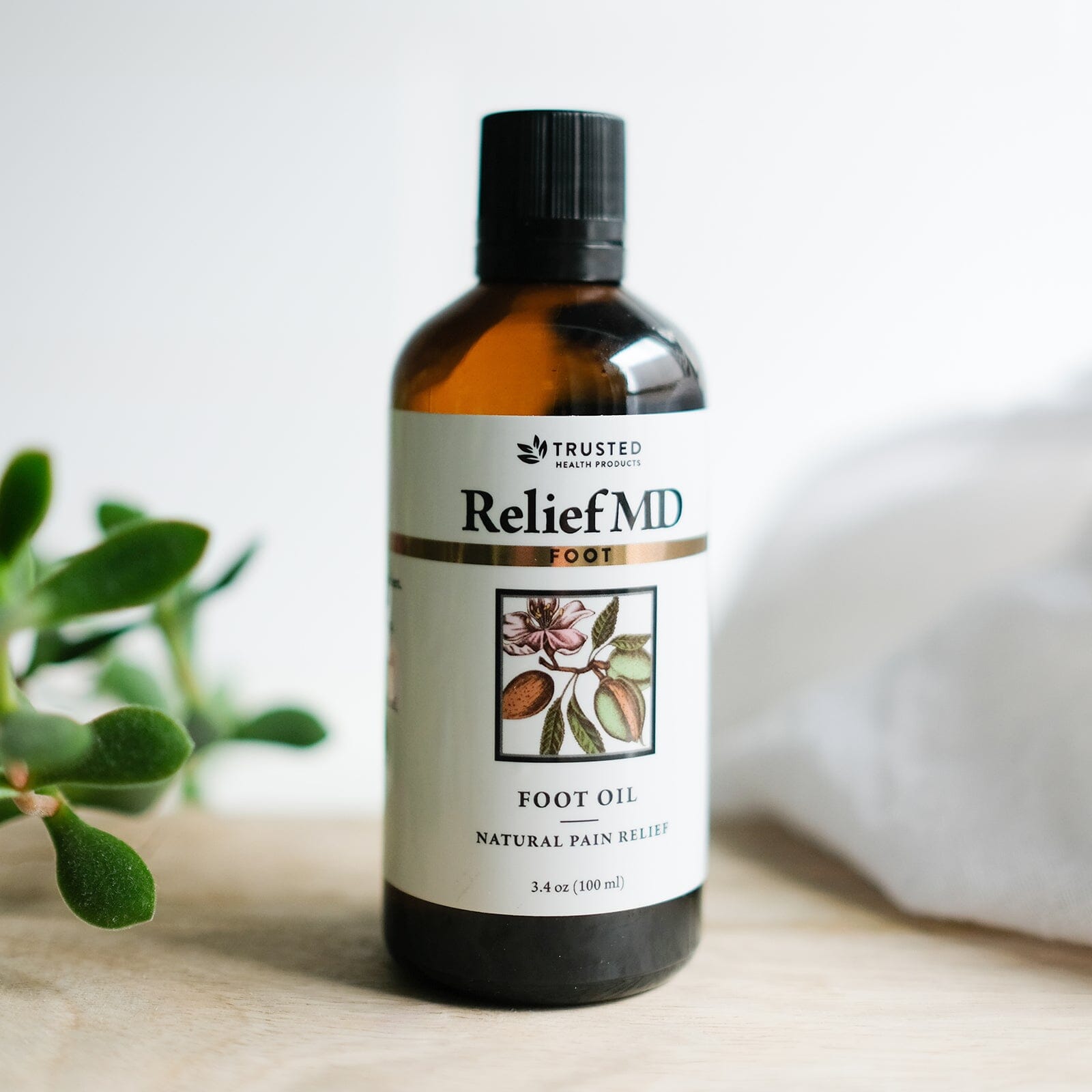
ReliefMD Foot Oil applies the plant based vs synthetic ingredients principle directly to foot pain management — using whole botanical extracts of peppermint, arnica, and ginger rather than isolated synthetic analgesics. The result is targeted relief with the added benefit of the entourage effect from multiple synergistic botanical compounds
-
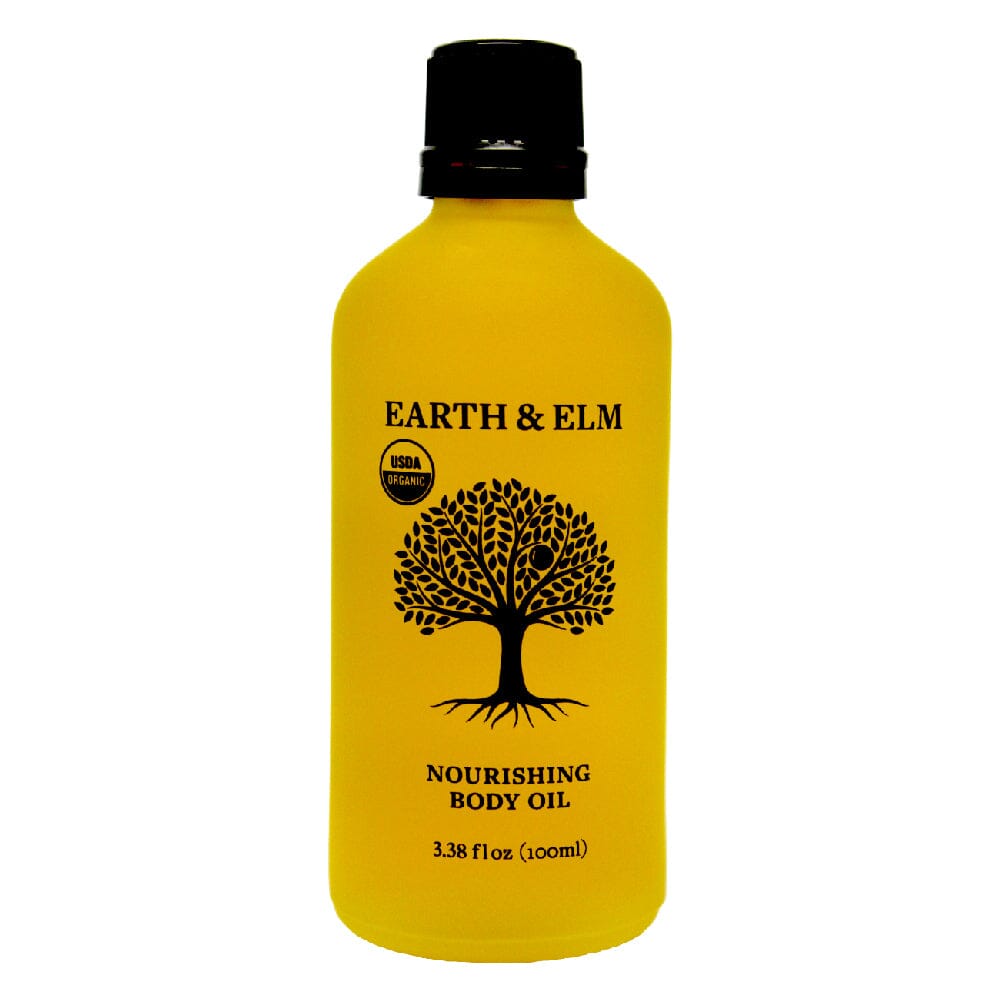
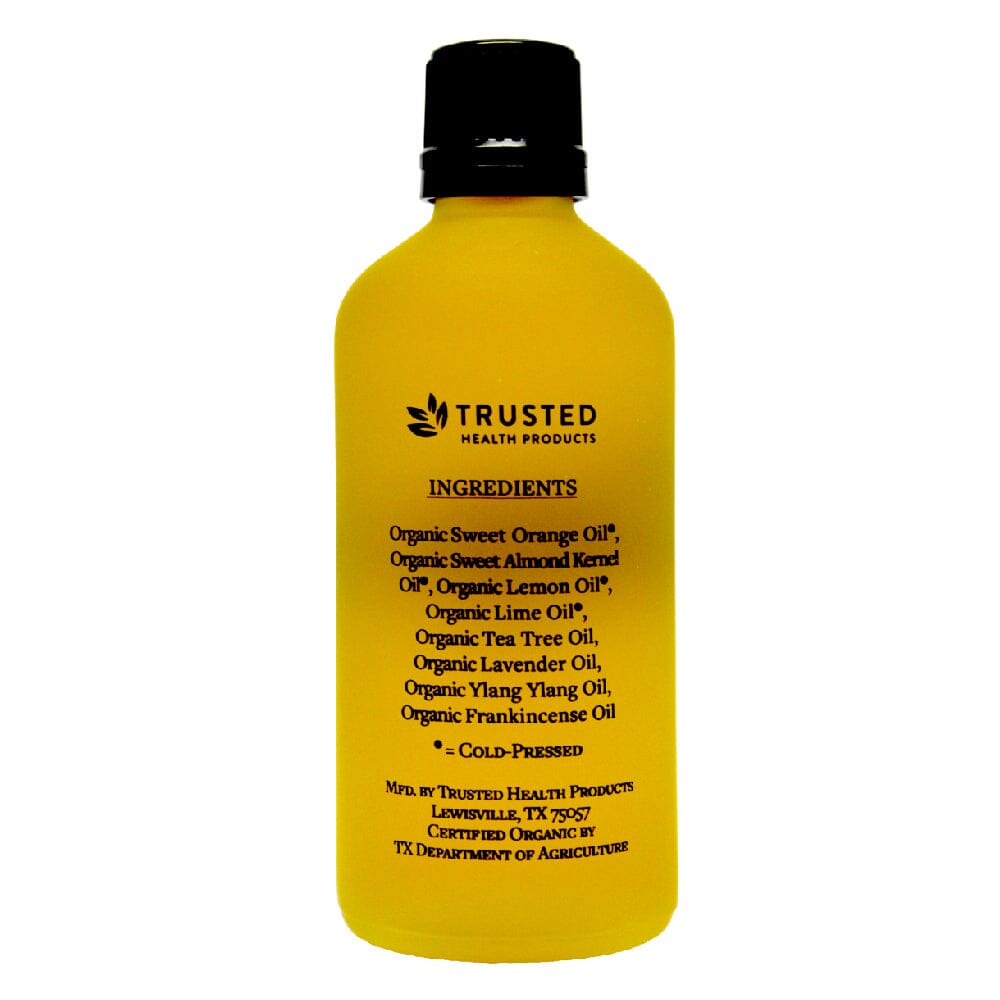
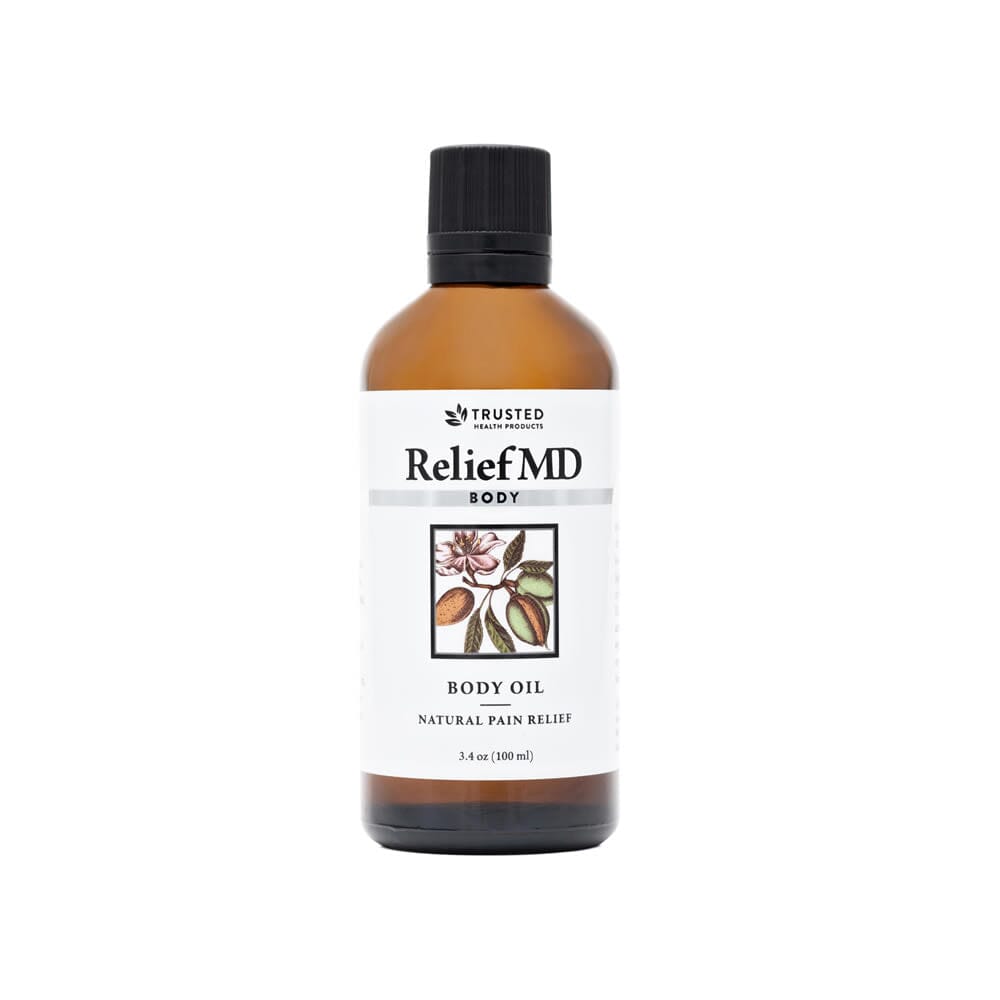
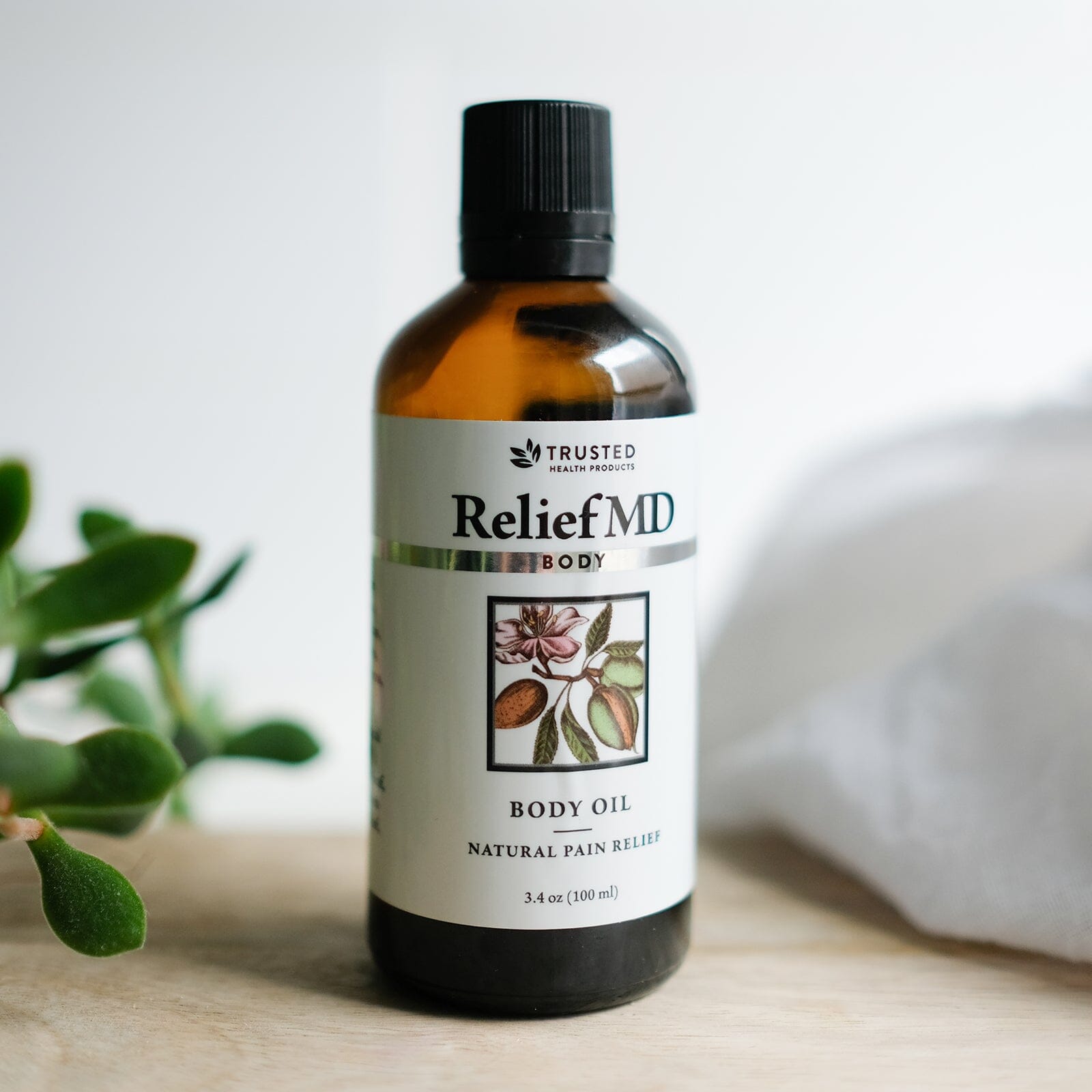
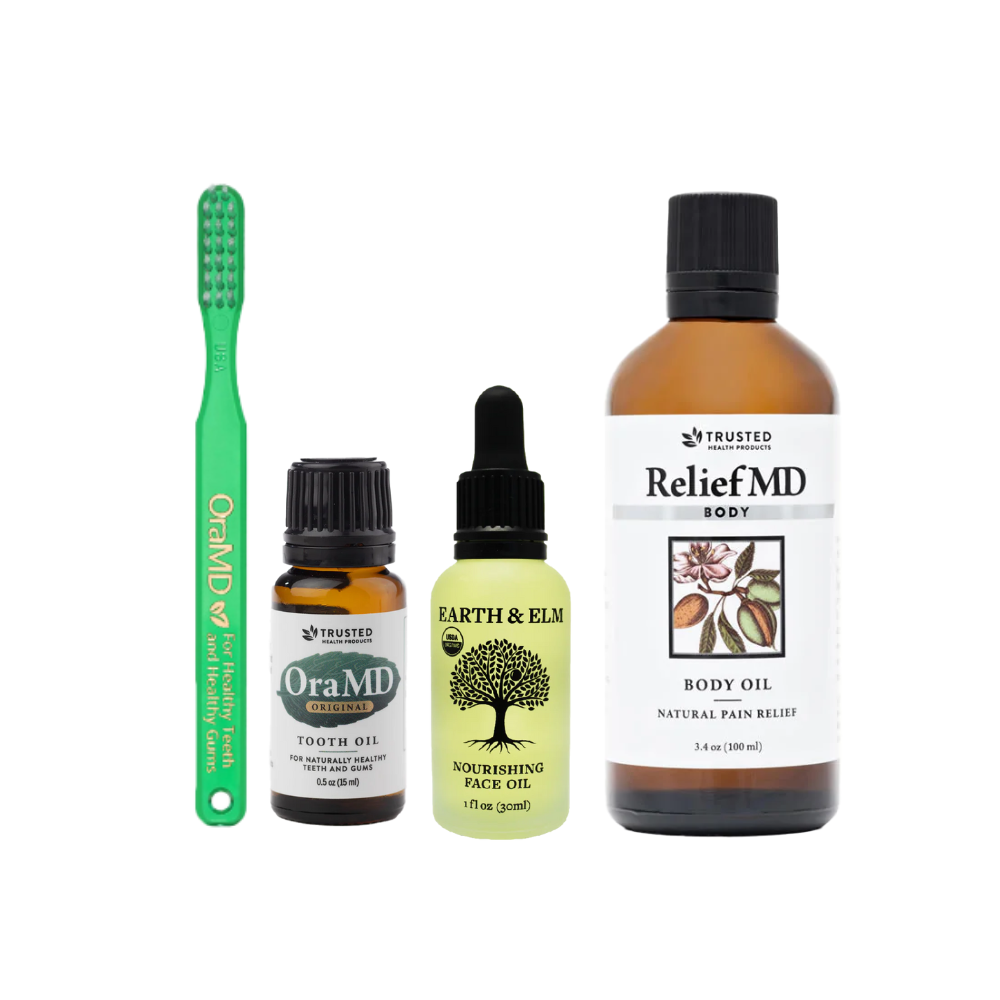
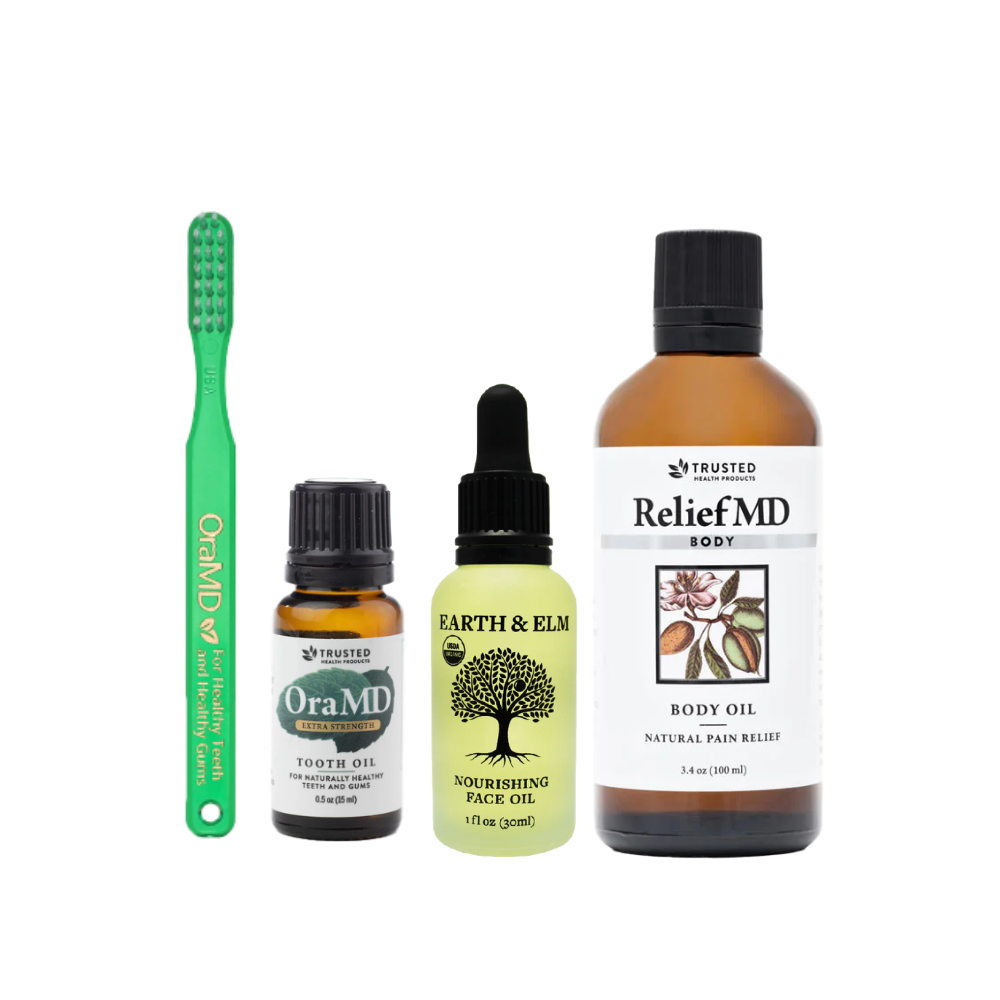
ReliefMD Body Oil extends the same botanical philosophy to full-body pain relief — delivering a complex of plant-based anti-inflammatory compounds across muscles, joints, and larger surface areas without synthetic carriers, preservatives, or artificial additives
Both represent the practical application of what the plant based vs synthetic ingredients science actually recommends for daily topical pain management: whole botanical extracts, consistently sourced, in a clean carrier base.
Conclusion
The plant based vs synthetic ingredients discussion is not a black-and-white issue. The most intelligent approach to wellness leverages the best of both worlds — the holistic synergy of well-sourced botanicals and the precise, proven power of clean, nature-identical compounds.
The goal should always be efficacy, safety, and sustainability — regardless of origin. For pain relief specifically, the evidence strongly supports botanical oils as the superior daily-use option.
For those ready to apply the plant based vs synthetic ingredients science to their pain management routine, ReliefMD Foot Oil is the most targeted botanical option for foot and lower extremity pain. For full-body muscle and joint support, ReliefMD Body Oil delivers complete plant-based anti-inflammatory coverage — making it one of the most evidence-aligned natural pain relief products available in 2026.