Natural Pain Relief Oil vs Ibuprofen: Pros, Cons & What Works
May 28, 2026
Author: Ray Spotts
Tags:
The natural pain relief vs ibuprofen debate comes down to speed, safety, and how the pain is being managed. Ibuprofen can work quickly for acute pain, while natural topicals may fit better for localized, repeat-use care.
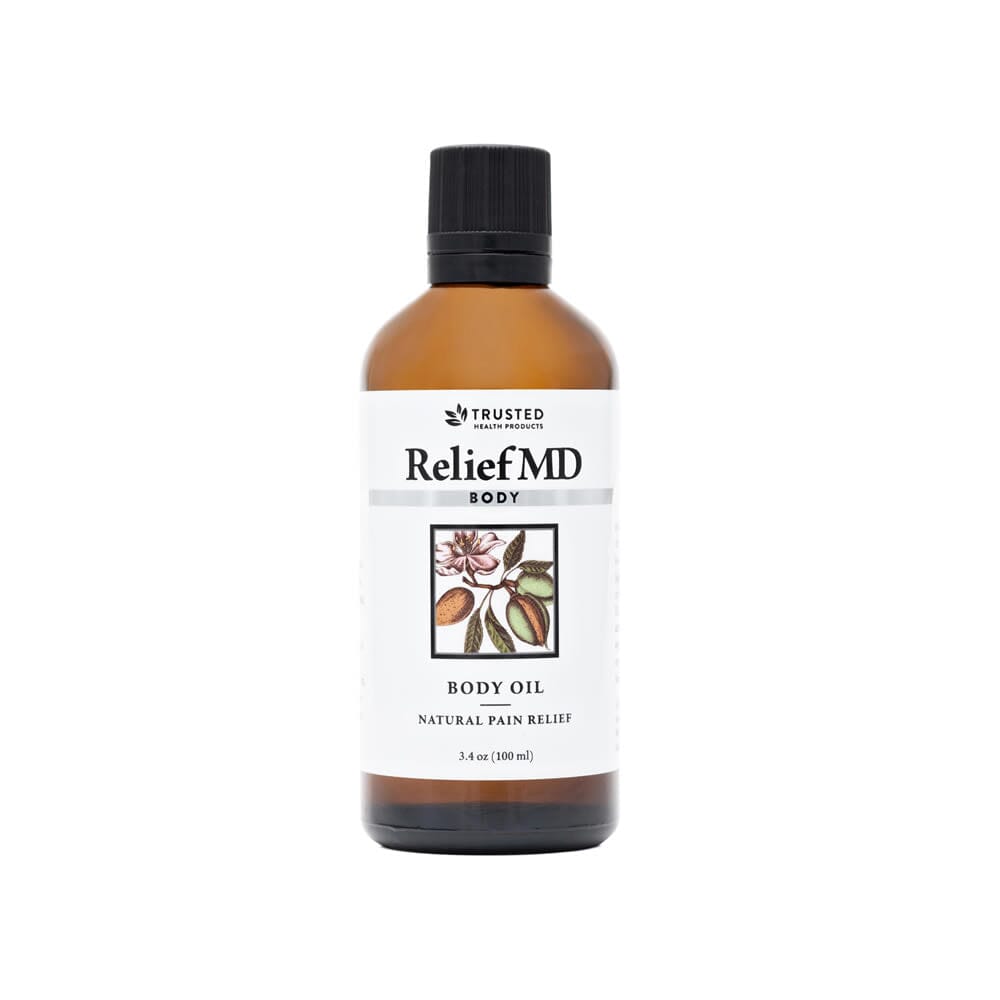
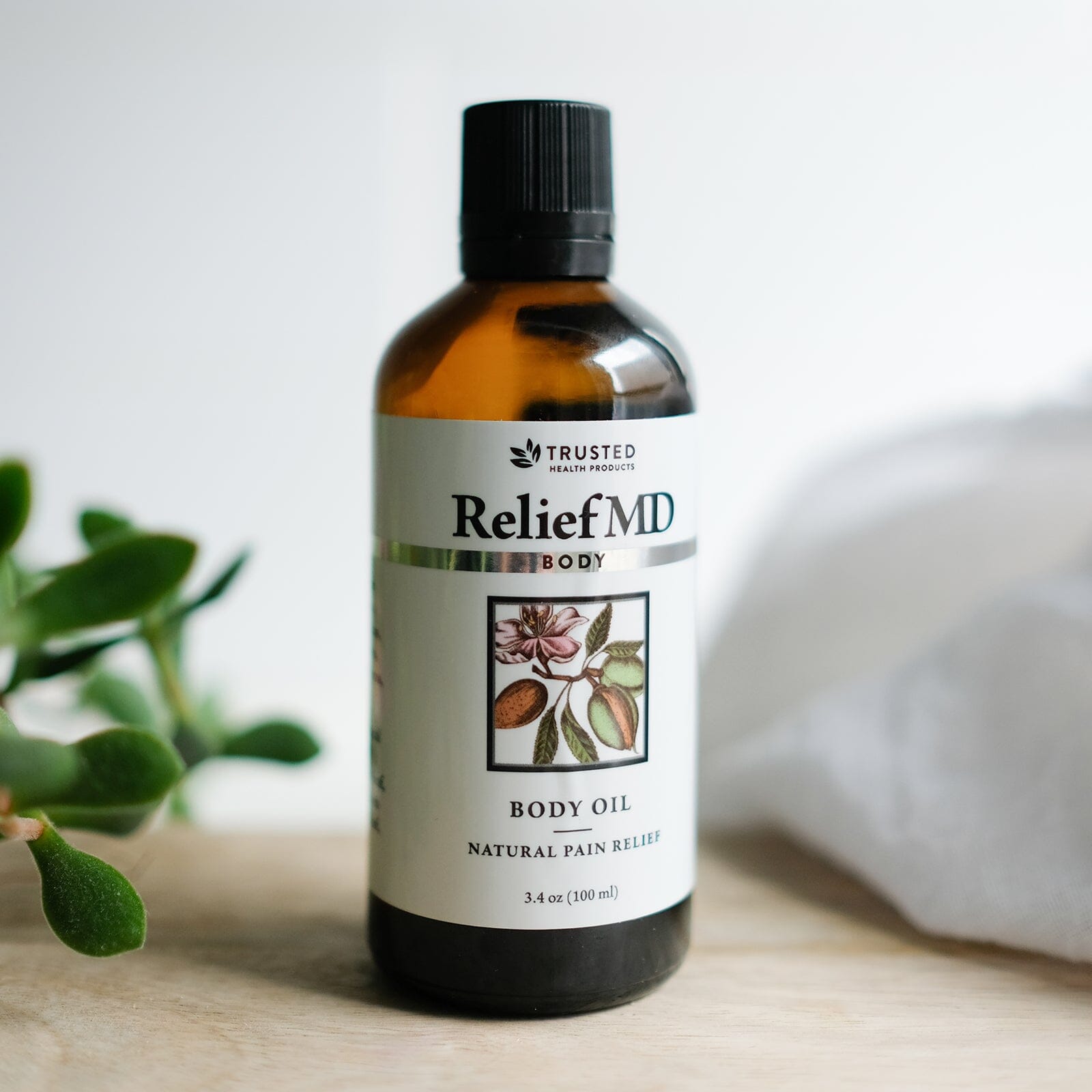
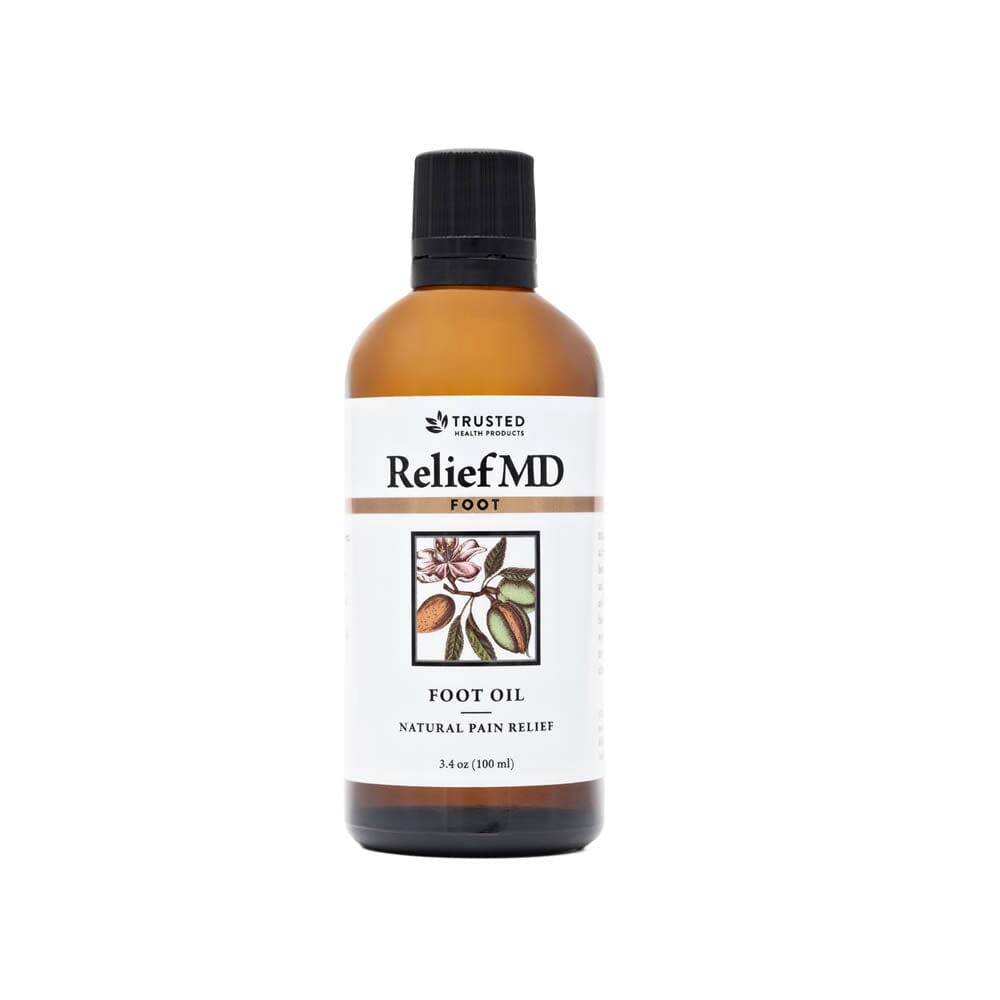
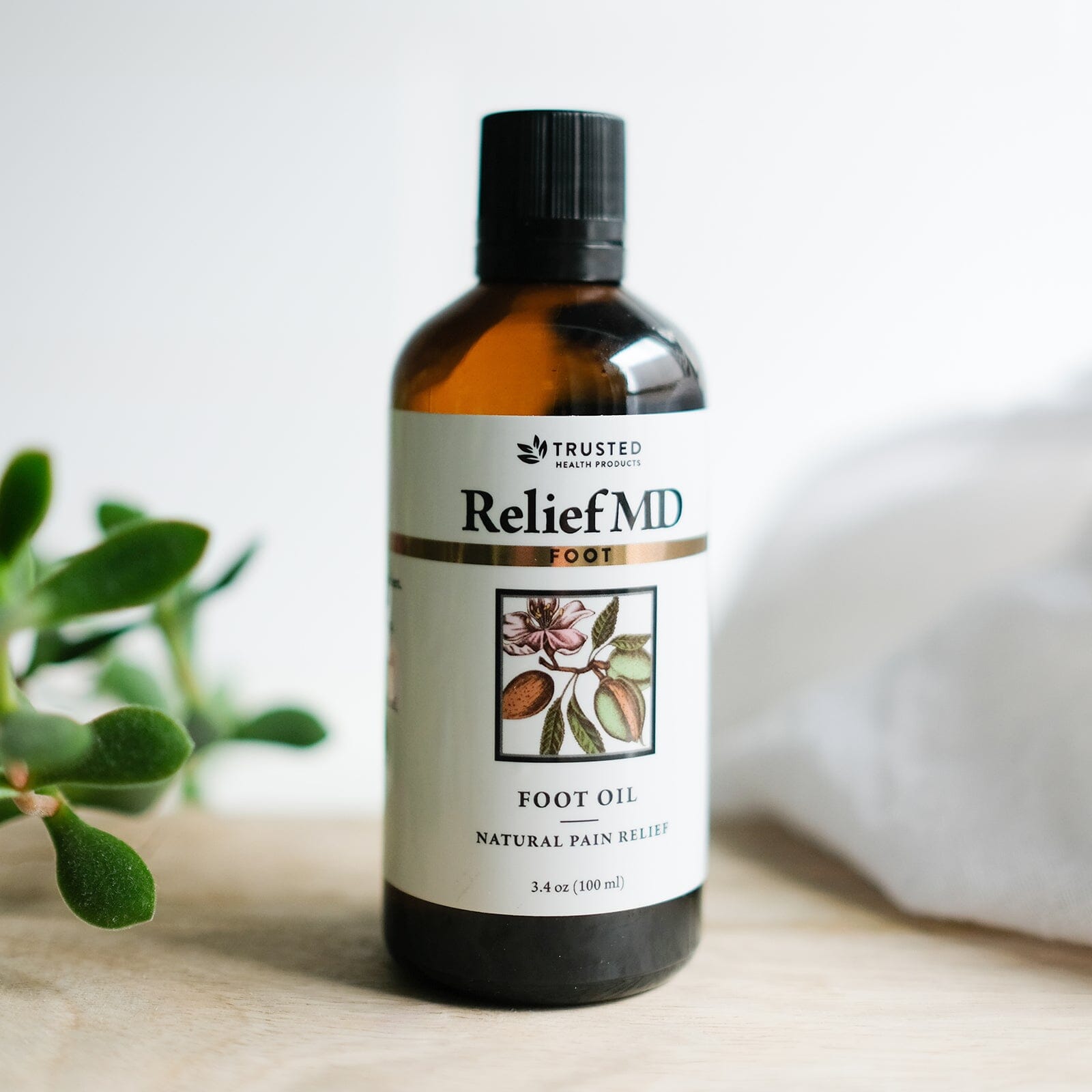
ReliefMD Foot Oil and ReliefMD Body Oil offer a practical botanical option for people who want targeted support without relying on oral medication every day.
What Is Ibuprofen?
Ibuprofen is a nonsteroidal anti-inflammatory drug, or NSAID, used for pain, inflammation, and fever. It is widely used because it works quickly and has strong evidence for short-term pain relief.
It also carries known risks. Oral ibuprofen can cause stomach irritation, bleeding, kidney problems, blood pressure concerns, and rare serious skin reactions.
What Are Natural Pain Relief Oils?
Natural pain relief oils usually refer to topical plant-based products that are applied directly to sore areas. They may include ingredients such as peppermint, eucalyptus, lavender, ginger, arnica, or other botanical extracts.
Topical essential oils have evidence for helping reduce pain and stiffness in musculoskeletal conditions when used as add-on care. They are most useful when the pain is localized and the routine is used consistently.
Key Differences Between Natural Pain Relief and Ibuprofen
|
Factor |
Natural Pain Relief Oils |
Ibuprofen |
|
Onset |
Slower, usually with repeated use |
Faster, often within 30–60 minutes |
|
Delivery |
Topical and localized |
Oral and systemic |
|
Side effects |
Usually milder, but skin irritation can occur |
GI, kidney, cardiovascular, and skin risks |
|
Best use case |
Local soreness, tension, daily care |
Acute pain, short-term relief |
|
Long-term use |
Often preferred for daily topical care |
Requires more caution with repeated use |
When Natural Pain Relief Makes More Sense
Natural pain relief oils often fit better when the pain is:
-
Localized to feet, calves, shoulders, back, or joints
-
Mild to moderate and recurring
-
Part of a daily care routine
-
Better managed with massage, heat, or movement
ReliefMD Foot Oil is the better fit for tired feet, heel discomfort, and lower-leg soreness. ReliefMD Body Oil works better across larger areas like the back, shoulders, thighs, and joints.
When Ibuprofen Makes More Sense
Ibuprofen may be more appropriate when a person needs:
-
Faster relief for acute pain
-
Short-term support during a flare-up
-
A medication already recommended by a clinician
-
Relief for pain that feels too intense for topical care alone
It is not ideal for repeated everyday use without medical guidance, especially in people with stomach, kidney, heart, or bleeding risks.
What Most Articles Miss About Natural Pain Relief vs Ibuprofen
Most comparisons focus only on effectiveness. They miss the bigger decision-making factors.
-
Ibuprofen is not a daily wellness product.
-
Topical oils are not direct substitutes for severe pain care.
-
Skin tolerance matters with botanical products.
-
The best choice depends on pain type, not preference alone.
-
Many people benefit from using both methods in different situations.
How to Choose the Right Option
Choose natural pain relief oils if the goal is localized, repeat-use support with fewer systemic concerns. Choose ibuprofen if the goal is short-term relief for a stronger pain episode and it is safe for that person to use.
For foot and lower-leg discomfort, ReliefMD Foot Oil offers targeted topical support. For broader pain across the body, ReliefMD Body Oil provides wider application and daily-use convenience.
Safety Notes
-
Patch test topical products before regular use.
-
Avoid oral ibuprofen if a clinician has warned against NSAIDs.
-
Seek medical care for severe, persistent, or unexplained pain.
-
Do not assume “natural” always means risk-free.
Conclusion
Natural pain relief vs ibuprofen is not a simple winner-takes-all choice. Ibuprofen is strong for short-term relief, while botanical topicals fit better for localized, everyday pain care.
ReliefMD Foot Oil and ReliefMD Body Oil give readers a practical natural option for daily support, especially when they want to reduce reliance on oral NSAIDs and keep care focused on the painful area.