Natural Muscle Pain Relief: The Complete Drug-Free Strategy Guide
May 28, 2026
Author: Ray Spotts
Tags:
Natural muscle pain relief attracts millions of searches every month, and for good reason. More people are reconsidering long-term NSAID use and looking for evidence-based, drug-free alternatives that work with the body instead of simply masking its signals. The challenge is that not all muscle pain stems from the same source.
Reaching for the wrong remedy at the wrong time can delay healing or worsen an injury. This guide breaks down the physiology behind four distinct pain types, then maps each natural intervention,topical, internal, and lifestyle, to the situations where it is most effective.
Understanding the Four Types of Muscle Pain
Identifying the pain category is the non-negotiable first step in any natural muscle pain relief strategy. Each type originates from a distinct physiological process and requires a different response.
Delayed Onset Muscle Soreness (DOMS)
DOMS is the familiar dull ache that appears 24 to 72 hours after unfamiliar or intense exercise. A widespread misconception attributes it to lactic acid buildup. Lactate levels actually normalize within an hour of exercise cessation. The true mechanism involves microscopic structural damage to muscle fibers and surrounding fascia. The immune system recruits cells to the damaged area to clear debris. That process — called supercompensation — is beneficial but generates localized swelling and activates pain neurons. DOMS represents the body adapting, not breaking down.
Acute Muscle Strain
An acute strain results from a specific event: overstretching, overloading, or forcibly contracting a muscle beyond capacity. This is a structural injury involving partial or complete tearing of muscle fibers or tendons.
Sharp, sudden pain, localized weakness, visible swelling, and sometimes bruising (ecchymosis) characterize an acute strain. The pain signals direct tissue damage. Applying heat within the first 48 hours can significantly worsen the injury by increasing blood flow to an already inflamed site.
Myofascial Trigger Points
Myofascial trigger points, commonly called muscle knots, are hyperirritable spots within a taut band of skeletal muscle. They feel like palpable nodules and refer pain to distant areas. A trigger point in the shoulder blade, for instance, commonly refers pain up the neck and into the head.
The prevailing model attributes them to neuromuscular junction overload, which creates a small cluster of chronically contracted fibers. That cluster becomes hypoxic (oxygen-deprived), producing metabolic waste that further sensitizes local pain nerves.
Chronic Muscle Pain and Tension
Chronic muscle pain involves persistent discomfort lasting weeks, months, or longer. Three underlying mechanisms drive most cases. Repetitive stress from daily motions, typing, driving, manual labor creates constant low-grade inflammation in specific muscle groups.
Postural dysfunction places sustained, uneven load on the neck, upper back, and hip muscles, leading to adaptive shortening and pain. Systemic conditions like fibromyalgia cause widespread pain amplification through central sensitization, a process where the nervous system amplifies pain signals regardless of peripheral tissue damage.
Essential Oils for Muscle Pain: Mechanisms and Applications
Essential oils represent one of the most researched categories of natural muscle pain relief. Their small molecular size allows them to penetrate the skin barrier and interact with local receptors, tissues, and nerve endings.
Peppermint Oil
Peppermint oil contains 35–50% menthol. Menthol activates transient receptor potential melastatin 8 (TRPM8) receptors in the skin, the same receptors that respond to cold temperatures. That activation produces a strong cooling sensation that competes with deeper pain signals at the neurological level. Peppermint oil also carries mild antispasmodic properties, making it particularly effective for DOMS and muscle tension.
Eucalyptus Oil
Eucalyptus oil's primary active compound, 1,8-cineole (eucalyptol), produces a cooling and anti-inflammatory effect similar to menthol. Research suggests peppermint oil taken orally may effectively relieve pain, and some evidence supports the topical use of peppermint oil for sprains, providing a cooling effect, pain relief, and muscular relaxation. Eucalyptus works through a comparable pathway, improving local circulation and reducing tissue inflammation simultaneously.
Lavender Oil
Lavender oil's primary constituents, linalool and linalyl acetate, exert anxiolytic, sedative, and anti-inflammatory effects on the central nervous system. For pain rooted in tension, stress, or postural fatigue, lavender oil addresses the neurological amplification component that pharmaceutical analgesics typically ignore entirely.
Wintergreen Oil
Wintergreen oil contains over 95% methyl salicylate. The skin metabolizes methyl salicylate into salicylic acid. Salicylic acid inhibits cyclooxygenase (COX-1 and COX-2) enzymes, the same pathway targeted by aspirin and ibuprofen, but delivers the effect transdermally with reduced systemic exposure.
Safe dilution standard: Essential oils require dilution before skin application. Two to three drops per teaspoon (5 mL) of carrier oil represents the standard adult dilution. A patch test on the inner forearm before full application is standard practice.
Trusted Health Products offers the Essential Oils for Muscle Pain All-in-One Oil, which combines targeted botanical oils for topical muscle support in a single ready-to-use formula.
Therapeutic Body Oils for Targeted Muscle Relief
Carrier oils serve as more than dilution vehicles. Several carry clinically recognized anti-inflammatory and analgesic properties in their own right.
1 - Arnica Oil
Arnica montana contains helenalin and dihydrohelenalin, compounds that inhibit NF-κB, a primary transcription factor governing the inflammatory response. Arnica is most specific to acute trauma: strains, impacts, and bruising. It reduces pain, swelling, and discoloration when applied to the surrounding tissue of an acute injury (never on open or broken skin).
2 - Ginger Oil
Gingerols and shogaols in ginger oil create a warming effect that promotes capillary dilation and increases local blood flow. That increased circulation flushes inflammatory metabolites from the tissue and delivers fresh oxygen and nutrients to healing fibers. Ginger oil is most effective for deep muscle aches, stiffness, and arthritic discomfort — particularly in the chronic tension category.
3 - Castor Oil
Castor oil's primary component, ricinoleic acid, carries documented anti-inflammatory and analgesic properties. Castor oil penetrates most effectively when applied with gentle heat via a warm compress.
The thermotherapy drives the oil deeper into underlying tissues and enhances the anti-inflammatory effect — a particularly useful approach for lower back pain and deep joint inflammation.
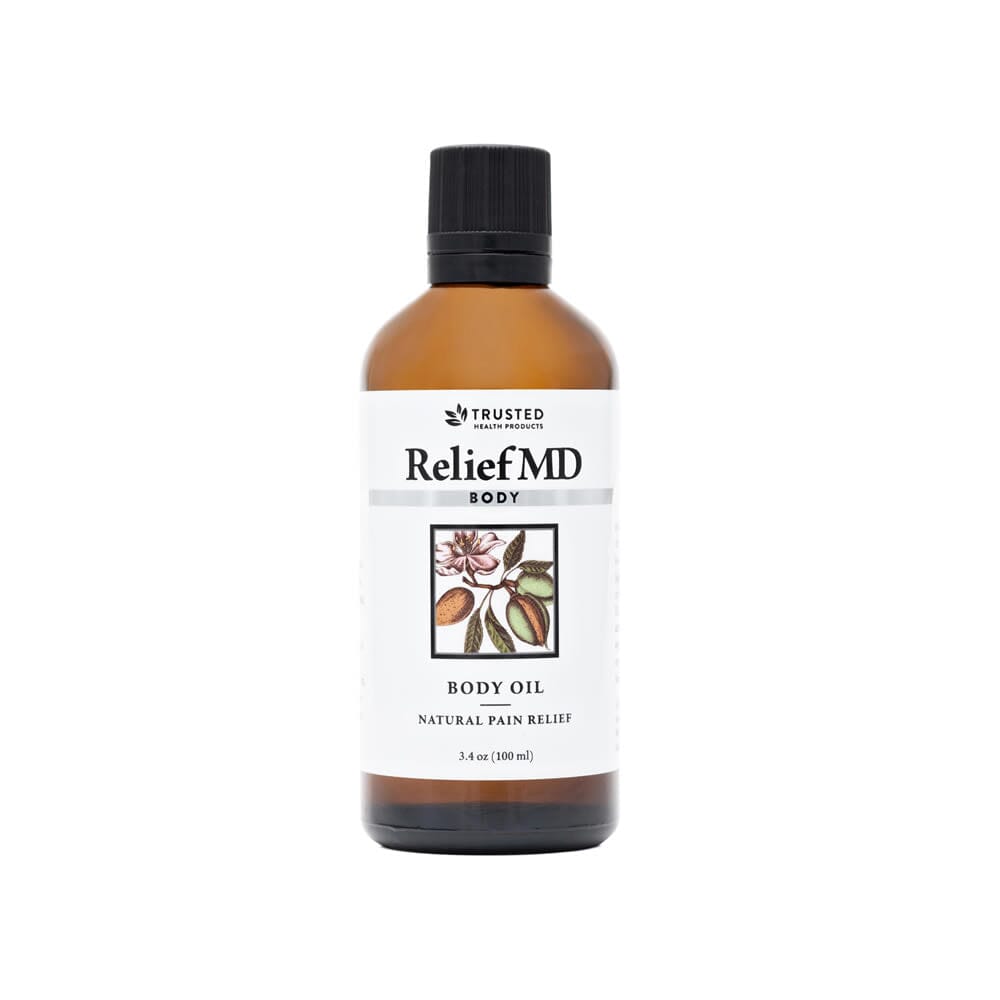
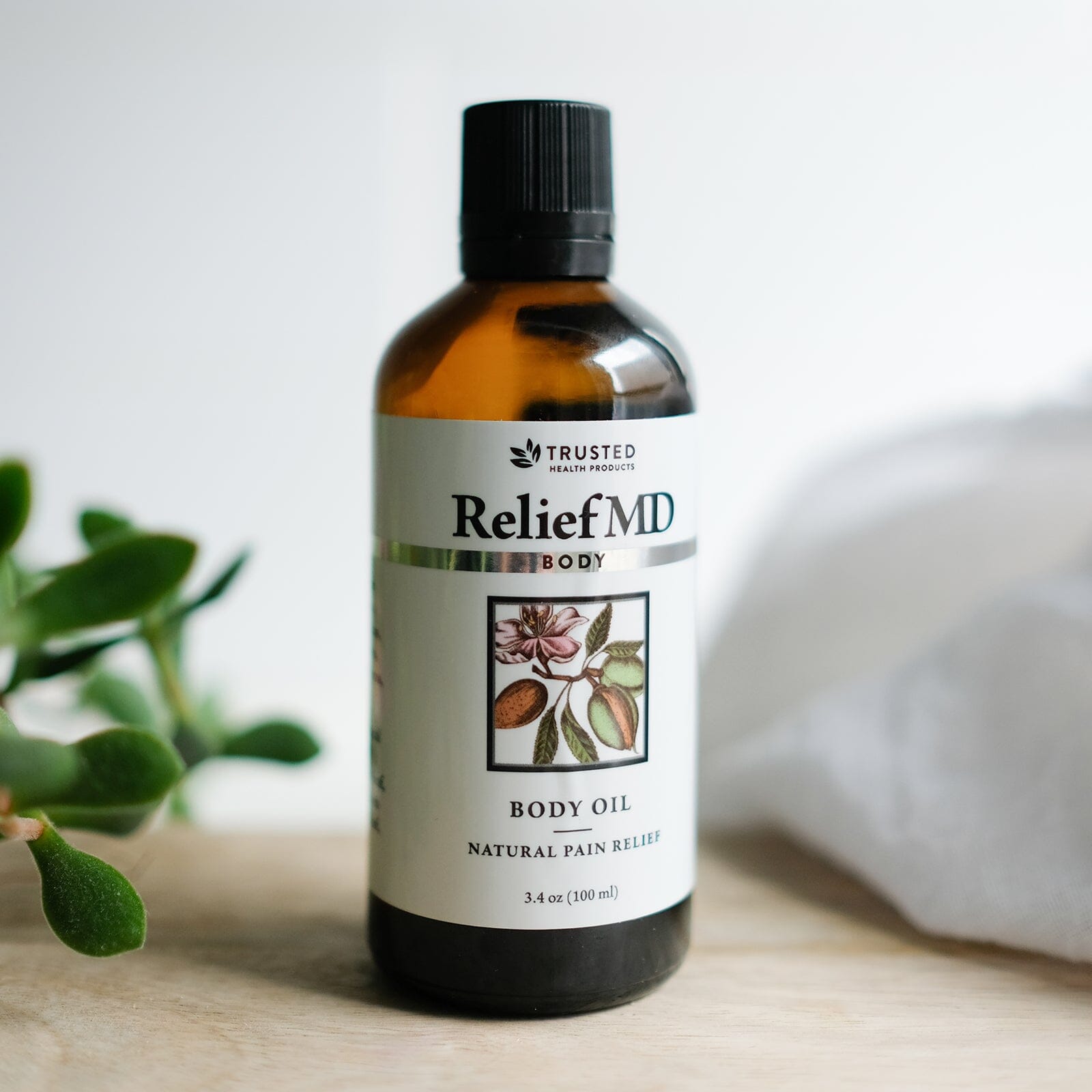
For a comprehensive plant-based body oil formulated for aching muscles and joints, Trusted Health Products stocks ReliefMD Body Oil, a natural oil blend designed for direct topical application to sore or tight muscle groups.
Botanical Supplements That Address Inflammation at the Source
White Willow Bark: Nature's Aspirin Precursor
Willow bark has been used for centuries as a treatment for pain, headache, and inflammatory conditions such as bursitis and tendinitis. The bark of white willow contains salicin, the chemical that was used to develop aspirin. Today, willow bark is often referred to as the herbal counterpart of aspirin, with similar analgesic and anti-inflammatory properties and a lower risk of gastrointestinal upset.
In a Cochrane systematic review of studies, white willow bark standardized to 120–240 mg salicin per day significantly promoted comfort in the short-term compared to placebo. It suits chronic low back pain, post-exercise soreness, and arthritic muscle tension most specifically. Individuals sensitive to aspirin or taking blood-thinning medications should consult a healthcare professional before use.
Boswellia Serrata: The Leukotriene Blocker
Boswellia serrata resin contains boswellic acids, of which acetyl-11-keto-beta-boswellic acid (AKBA) is the most pharmacologically active. AKBA binds to a dedicated site on the 5-lipoxygenase (5-LOX) enzyme that governs leukotriene production. This represents targeted, not nonspecific, anti-inflammatory action. A randomized, double-blind, placebo-controlled study found that full-spectrum boswellia extract at 400 mg per day alleviated pain and stiffness associated with musculoskeletal conditions over 28 days.
Unlike NSAIDs, boswellia does not inhibit COX enzymes, meaning it does not carry the associated gastrointestinal risks. This makes it a viable long-term supplement for chronic tension and inflammatory muscle pain.
Turmeric and Curcumin: The NF-κB Inhibitor
Curcumin, the active compound in turmeric, blocks NF-κB activation, the same transcription factor that arnica targets topically. Poor bioavailability limits curcumin's effectiveness in standard supplement form. Pairing curcumin with piperine (a compound in black pepper) increases absorption by up to 2,000% by slowing hepatic metabolism. Formulations using phospholipid complexes provide further bioavailability enhancement for consistent therapeutic effect.
Magnesium: The Muscle Relaxation Mineral
Magnesium functions as a cofactor in over 300 enzymatic reactions. It governs the relaxation phase of muscle contraction. A deficiency manifests as muscle cramps, spasms, twitches, and elevated pain sensitivity. Magnesium glycinate provides the highest bioavailability with minimal gastrointestinal disturbance. Magnesium citrate offers a reliable and widely available alternative. Topical absorption through Epsom salt baths (magnesium sulfate) provides an additional route for individuals who prefer non-supplemental delivery.
Omega-3 Fatty Acids: Resolving Systemic Inflammation
The long-chain omega-3 fatty acids EPA (eicosapentaenoic acid) and DHA (docosahexaenoic acid) serve as precursors to resolvins and protectins, molecules that actively resolve, not merely inhibit, inflammatory processes. The typical American diet carries a heavily skewed omega-6 to omega-3 ratio, which sustains a pro-inflammatory state that lowers pain thresholds across the board. Supplementing with high-quality fish oil or algae-derived omega-3s helps rebalance this ratio and reduce systemic inflammation.
Recovery Practices That Change the Physical Architecture of Pain
Epsom Salt Baths
A 20-minute soak in one to two cups of Epsom salts in warm water combines magnesium sulfate absorption through the skin with the vasodilatory benefits of heat. Warm water promotes parasympathetic nervous system activity, the body's "rest and digest" state — which actively counteracts the stress-driven muscular tension that contributes to chronic pain.
Foam Rolling and Myofascial Release
Foam rolling applies sustained pressure to taut muscle bands and trigger points, mechanically releasing contracted fibers and adhesions in the fascia.
The benefits operate across four pathways:
Breaking up myofascial knots, improving local circulation, increasing range of motion by loosening connective tissue, and reducing DOMS severity when practiced after exercise. Holding pressure on a tender spot for 30 to 60 seconds until a release is felt delivers more targeted benefit than rolling continuously.
Heat vs. Cold: Applying the Right Therapy
The distinction between these two modalities is essential. Applying the wrong one actively worsens the condition.
Cold therapy (cryotherapy) applies to acute injuries in the first 24 to 48 hours. Cold causes vasoconstriction, reducing blood flow to the injured area. This minimizes swelling, numbs the immediate pain, and slows metabolic activity that might extend tissue damage.
Heat therapy (thermotherapy) applies to chronic muscle pain, stiffness, and trigger points. Heat causes vasodilation, widening blood vessels and increasing circulation. That increased blood flow delivers oxygen and nutrients, flushes inflammatory metabolites, and softens tight tissue — the opposite of what an acute injury needs in its first 48 hours.
Breathwork and the Nervous System
Diaphragmatic breathing activates the vagus nerve and shifts the autonomic nervous system toward the parasympathetic state. Chronically elevated sympathetic tone — the stress response — directly increases muscular tension and lowers pain thresholds. Progressive muscle relaxation, which combines sequential contraction and release of muscle groups with deep breathing, reduces sympathetic nervous system activity, thereby lowering anxiety, stress levels, and improving both sleep quality and pain sensitivity.
A practical protocol: breathe in for four counts, hold for four counts, breathe out for four counts, hold for four counts. Five to ten cycles before sleep or during a pain flare modulates the neurological amplification of pain without any substances or equipment.
Sleep: The Overlooked Recovery Variable
Sleep deprivation measurably lowers pain thresholds. Research confirms that sleep loss impairs central pain modulation — the brain's capacity to dampen pain signals — independently of any peripheral tissue damage. Meta-analyses across large population samples confirm that severe sleep disturbances strongly associate with chronic pain across multiple conditions. Magnesium glycinate, tart cherry juice (a natural melatonin source), and the parasympathetic breathing techniques above all support sleep quality and, through sleep, support pain recovery.
When to See a Healthcare Professional
Natural muscle pain relief strategies are appropriate for DOMS, mild-to-moderate acute strains, myofascial tension, and most chronic discomfort. Several presentations require professional evaluation: pain that does not improve within 72 hours of conservative care for an acute injury, pain accompanied by numbness or tingling that radiates down an arm or leg, sudden severe pain with no clear mechanical cause, significant weakness in a limb, or any pain following direct trauma that might involve bone rather than soft tissue. A physician or physiotherapist can identify whether the underlying issue falls outside the scope of natural interventions.
Personalized Action Plans by Pain Type
For DOMS (Post-Workout Soreness)
Hydrate immediately after exercise. Consider 8–12 oz of tart cherry juice within two hours. Take a warm Epsom salt bath 24 hours after training. Foam roll the affected muscle groups for 60 to 90 seconds per area. Massage a cooling blend of peppermint and eucalyptus oils diluted in a carrier into the sore muscles. The next day, engage in light active recovery — walking, swimming, or gentle yoga — to restore circulation without causing additional damage.
For Acute Strain (First 48–72 Hours)
Follow the R.I.C.E. protocol: Rest (stop using the muscle), Ice (15–20 minutes every two to three hours), Compression (elastic bandage to minimize swelling), Elevation (keep the area above heart level). Apply diluted arnica oil gently to the surrounding tissue — not to open skin — after icing. After 72 hours, transition to gentle heat to promote blood flow. Begin very gradual, pain-free range-of-motion exercises to prevent stiffness.
For Chronic Tension and Trigger Points
Commit to a daily internal anti-inflammatory protocol: curcumin with piperine, magnesium glycinate, and omega-3 fatty acids taken consistently for at least four to six weeks. Apply daily heat to tight areas — neck, shoulders, lower back — for 15 to 20 minutes. Use warming topicals with ginger or wintergreen oil, pressing focused pressure into knotty areas. Address postural root causes through stretching and strengthening guided by a physical therapist.
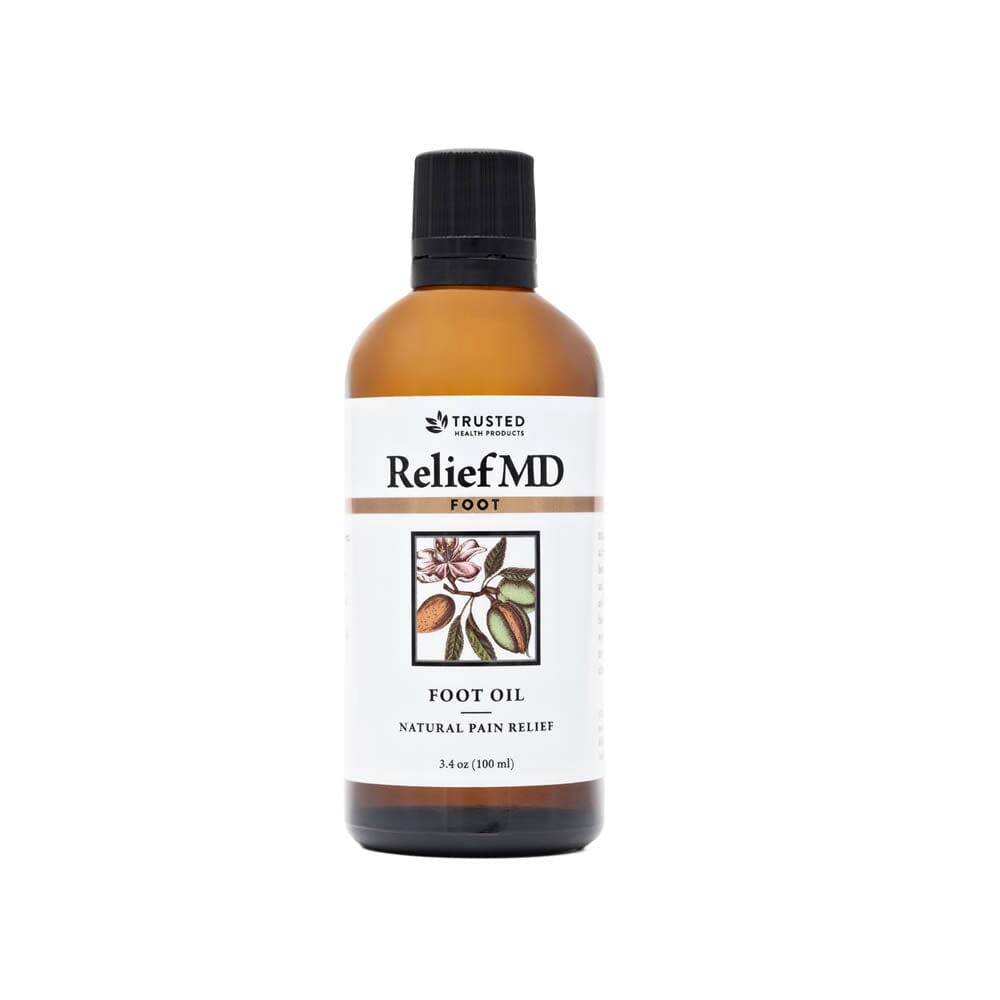
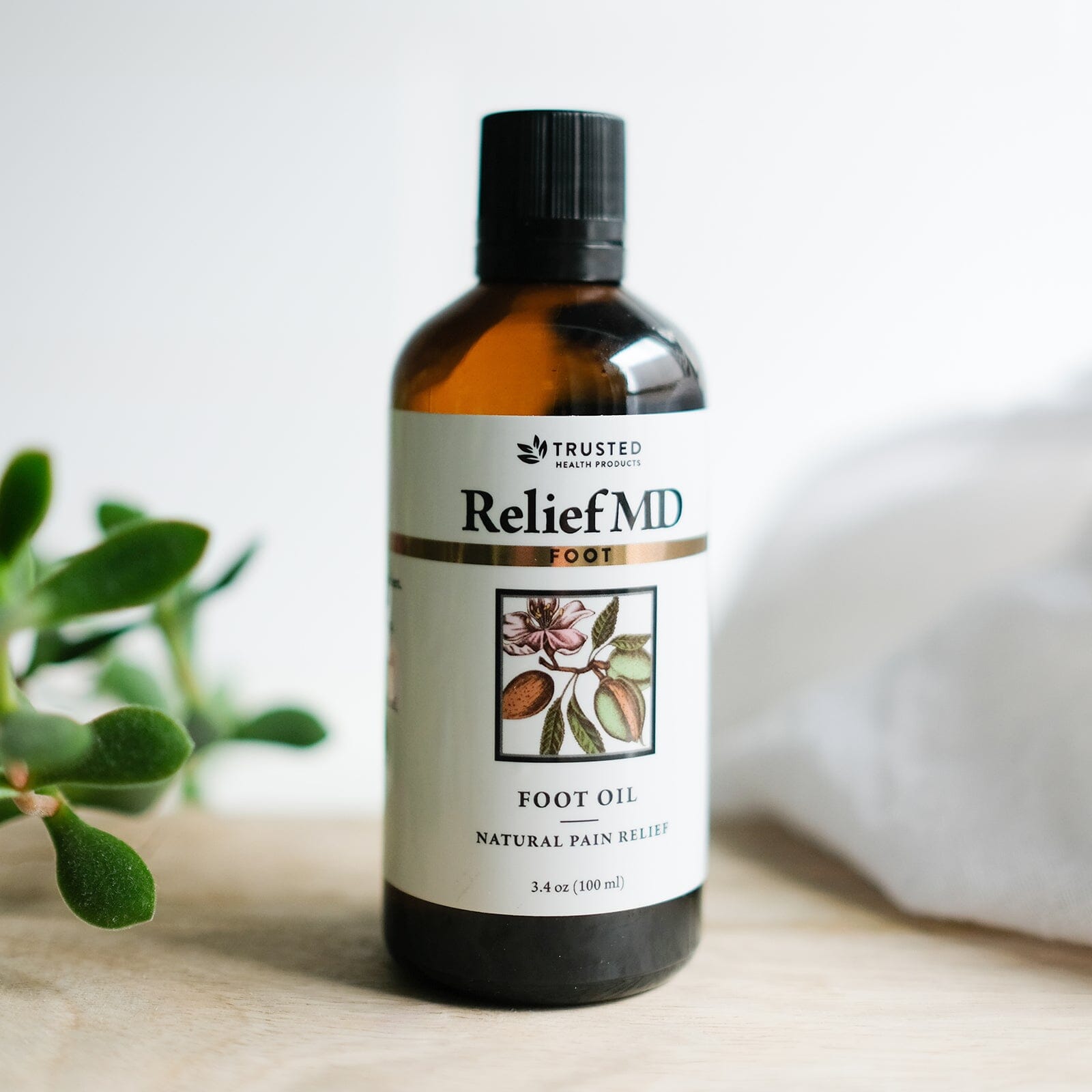
For readers managing ongoing muscular discomfort, Trusted Health Products stocks the Pain Relief Bundle combining ReliefMD oils formulated specifically for muscle and joint application.
Conclusion
Natural muscle pain relief is not a single intervention, it is a layered strategy that addresses pain from every angle at once. Topical essential oils and body oils target the local site. Botanical supplements like white willow bark, boswellia, and curcumin address the enzymatic drivers of inflammation from within.
Recovery practices like foam rolling, breathwork, and optimized sleep recondition the body's structural and neurological relationship with pain. The approach that produces lasting results combines all three tiers consistently, matched to the specific type of pain driving the discomfort.
Trusted Health Products carries the all-natural pain relief collection for those seeking plant-based topical options to support this integrated strategy.