5 Best Essential Oils for Joint Pain (Backed by Research)
May 28, 2026
Author: Ray Spotts
Tags:
As we navigate the demands of an active lifestyle in 2026, joint health has become a primary pillar of longevity. Whether it is the dull ache of age-related wear, the sharp flare-up of an old sports injury, or the stiffness that accompanies a sedentary workday, joint discomfort can significantly impact your quality of life.
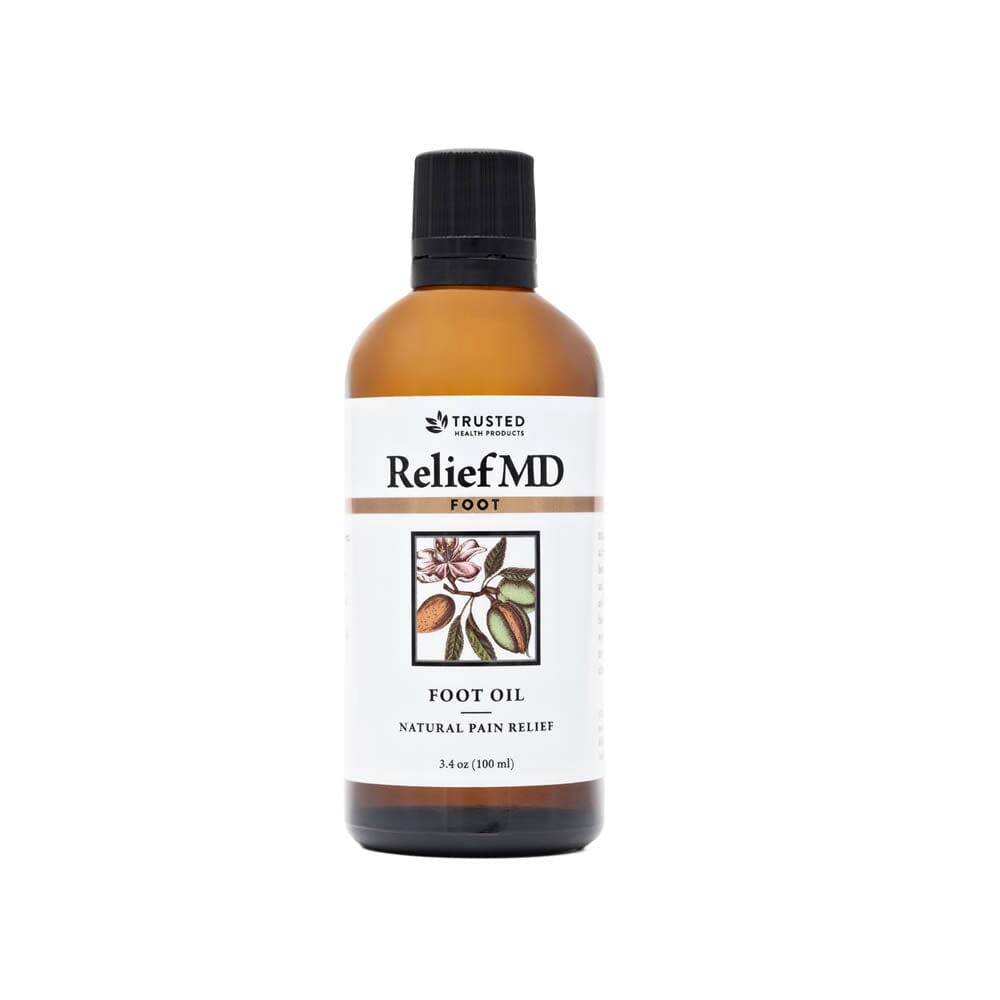
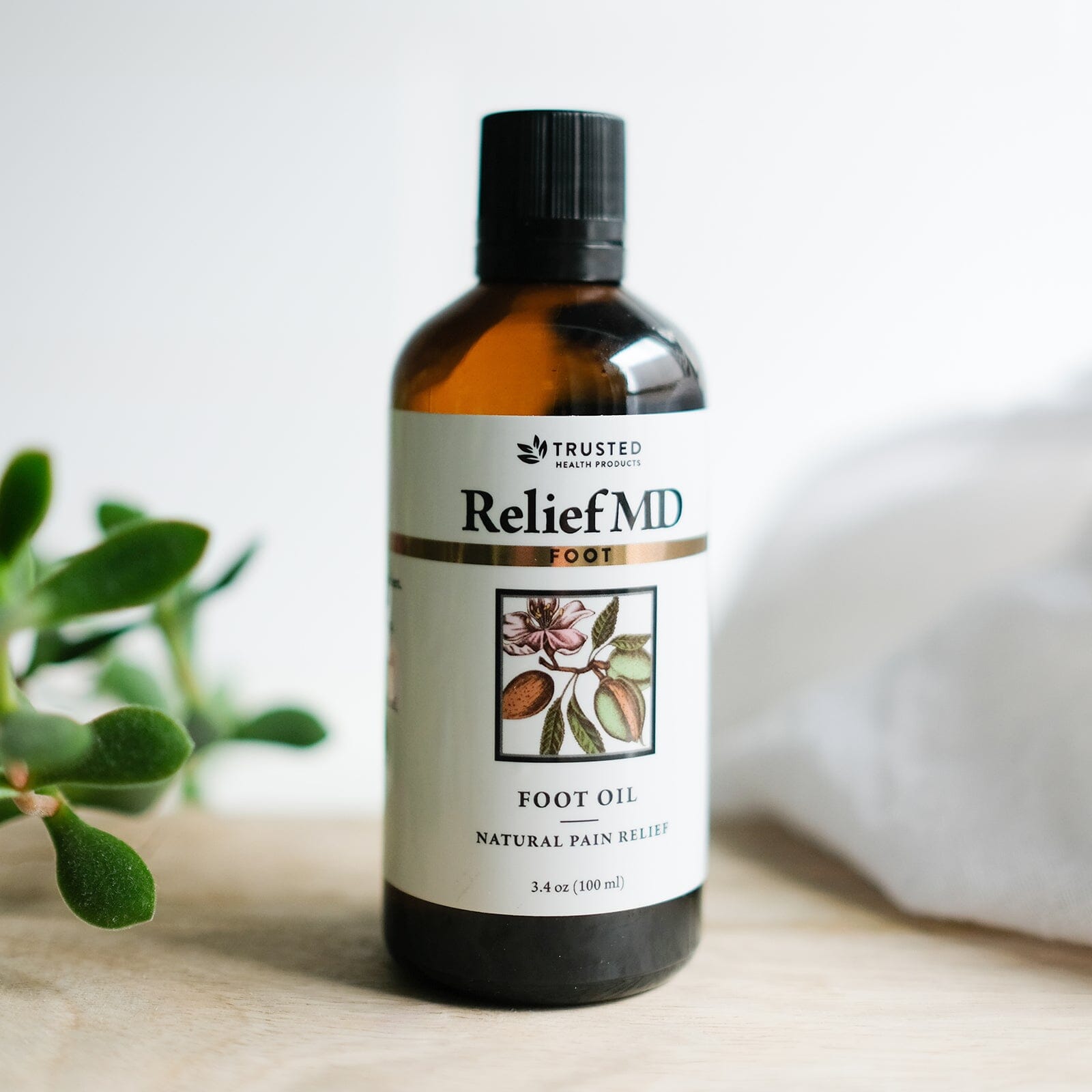
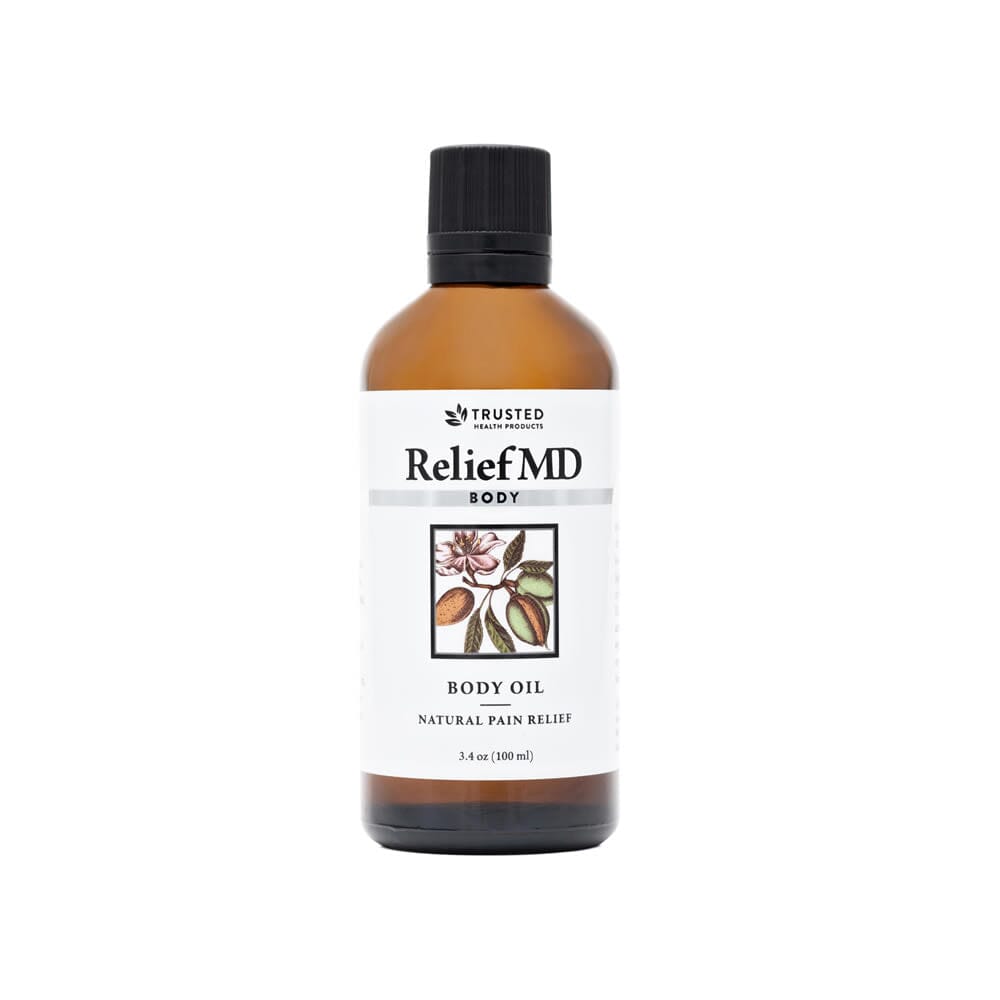
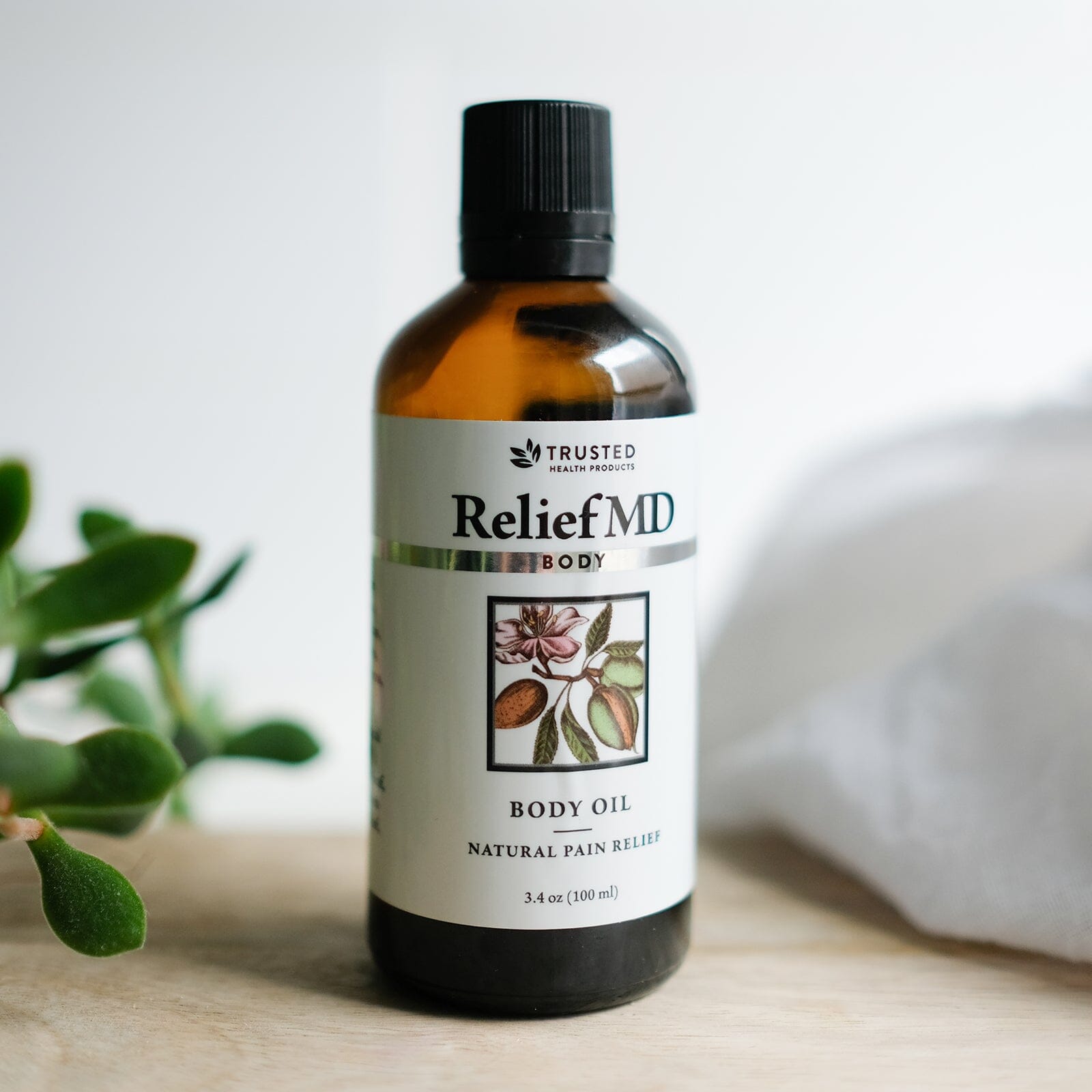
While conventional approaches often rely on oral NSAIDs, a growing body of clinical research supports the use of essential oils for joint pain as a valid, non-toxic alternative. By applying bioactive plant compounds directly to the skin, you can modulate inflammation and interrupt pain signals without the systemic side effects associated with pills. ReliefMD Foot Oil and ReliefMD Body Oil simplify this science, providing expertly balanced, pre-diluted formulas that make consistent joint care accessible and effective.
How Essential Oils Interact with Joint Pain
Essential oils are not merely "scents"; they are concentrated chemical messengers. When applied topically, these lipid-soluble molecules penetrate the skin barrier to reach the underlying connective tissues and synovial fluid. For joint care, they primarily work through three biological mechanisms:
-
Anti-inflammatory Action: Chronic joint pain is almost always driven by pro-inflammatory cytokines. Certain oils inhibit the enzymes (like COX-2) that produce these cytokines, helping to reduce the swelling, redness, and heat associated with flare-ups.
-
Analgesic (Pain-Blocking) Effect: Oils rich in menthol or methyl salicylate interact with sensory receptors in the skin. This creates a "gate control" effect, where the cooling or warming sensation distracts the nervous system and interrupts pain signals before they reach the brain.
-
Circulatory Stimulation: Warming oils promote vasodilation. Increased blood flow to a stiff joint brings fresh oxygen and nutrients while helping to carry away metabolic waste products that contribute to stiffness.
The 5 Best Essential Oils for Joint Pain
1. Ginger Oil (Zingiber officinale)
Ginger is a potent warming oil renowned for its ability to improve micro-circulation.
-
The Science: Research indicates that gingerols—the active components in ginger—act as powerful anti-inflammatory agents. A study published in the Journal of Medicinal Food found that topical ginger application significantly reduced knee pain and improved physical function in individuals with long-term joint wear.
-
Best For: Morning stiffness and "cold" joints that feel better after movement.
2. Turmeric Oil (Curcuma longa)
Turmeric is perhaps the most famous anti-inflammatory botanical in the world, and its essential oil form is highly concentrated.
-
The Science: Turmeric contains curcumin and turmerones, which help calm the localized inflammation that drives swelling. Topical application allows these compounds to target the joint capsule directly.
-
Best For: Swelling, heat, and visible inflammation in the fingers, knees, or ankles.
3. Frankincense Oil (Boswellia serrata)
Derived from the resin of the Boswellia tree, Frankincense has been a staple of traditional medicine for centuries.
-
The Science: It contains boswellic acids, which have been shown in clinical trials to inhibit the breakdown of connective tissue. This makes it one of the best essential oils for joint pain related to structural wear and tear.
-
Best For: Deep, aching pain and supporting long-term joint integrity.
4. Orange Oil (Citrus sinensis)
Citrus oils are often overlooked in joint care, but their chemical profile is impressively therapeutic.
-
The Science: Orange oil is exceptionally rich in d-limonene, a compound with significant antioxidant and anti-inflammatory activity. It helps neutralize the oxidative stress that can damage joint cartilage over time.
-
Best For: Mild inflammatory pain and improving the sensory experience of a massage.
5. Peppermint Oil (Mentha piperita)
Peppermint provides an immediate, "ice-pack" sensation due to its high menthol content.
-
The Science: Menthol acts as a natural calcium channel blocker, which helps relax the muscles surrounding a painful joint. It provides immediate sensory relief during acute flare-ups.
-
Best For: Sharp pain, post-activity throbbing, and hot, inflamed joints.
Comparison of Essential Oils for Joint Support
|
Essential Oil |
Primary Mechanism |
Best Application |
Research Focus |
|
Ginger |
Warming / Circulation |
Morning Stiffness |
Circulation improvement |
|
Turmeric |
Anti-inflammatory |
Swelling & Heat |
Cytokine inhibition |
|
Frankincense |
Structural Support |
Chronic Wear |
Cartilage protection |
|
Orange |
Antioxidant |
Daily Maintenance |
Oxidative stress |
|
Peppermint |
Cooling / Analgesic |
Acute Flare-ups |
Pain signal interruption |
What Most Articles Miss About Essential Oils for Joint Pain
Many guides list oils but overlook the practicalities of biological absorption and consistency.
1. The Power of Synergy
A single oil is rarely as effective as a blend. When you combine warming oils (Ginger) with structural supporters (Frankincense) and cooling analgesics (Peppermint), you target the pain from multiple angles simultaneously. This is the logic behind the ReliefMD formulas—they provide a "multi-pathway" approach to relief.
2. The Importance of the Carrier Oil
Essential oils must never be applied "neat" (undiluted). The carrier oil—such as Sweet Virgin Almond Oil—does more than just protect the skin from irritation. It acts as a delivery vehicle, slowing the evaporation of the volatile essential oils and allowing them to penetrate deeper into the joint tissues.
3. Timing and Temperature
For maximum penetration, apply your oils to warm, damp skin. Using ReliefMD Body Oil immediately after a warm bath or shower takes advantage of your open pores and increased blood flow, significantly enhancing the absorption of the active botanicals.
Safety and Application Standards
To ensure your journey with essential oils for joint pain is both safe and effective, follow these professional standards:
-
Dilution is Non-Negotiable: If you are blending your own, keep the concentration between 2% and 5%. Alternatively, use a pre-balanced formula like ReliefMD.
-
Patch Test: Always test a new oil on a small area of the inner forearm before applying it to a large joint.
-
Sun Sensitivity: Citrus oils like Orange and Lemon can cause photosensitivity. Avoid direct sunlight on the treated area for 12 hours after application.
Conclusion: Reclaiming Your Mobility
Managing joint discomfort naturally is a marathon, not a sprint. While essential oils for joint pain can provide immediate sensory relief, their true power lies in their cumulative ability to modulate inflammation over time.
For those seeking a targeted solution for the feet and ankles, ReliefMD Foot Oil offers concentrated botanical support for the small, intricate joints of the lower extremities. For larger joints like the knees, hips, and shoulders, ReliefMD Body Oil provides a broad-spectrum anti-inflammatory solution. By choosing high-quality, 100% botanical oils, you aren't just masking the pain, you are nourishing your joints and supporting your body’s natural ability to move with ease.