Why Do Toothaches Hurt More at Night? Causes and Relief
July 30, 2026
Author: Team Farrisi
Tags:
A toothache rarely stays quiet after dark. Many people ask why toothaches hurt more at night, especially once the house settles and the pillow meets the jaw. Daytime activity can mask a mild ache. Nighttime removes that distraction and adds physical changes that intensify pain.
This guide explains the biology behind nighttime tooth pain. It also covers the dental problems most likely to cause it, the warning signs that call for prompt care, and simple daily habits that support healthier gums.
What Happens Inside a Tooth When Pain Builds
Each tooth holds a soft inner layer called the pulp. The pulp contains nerves, connective tissue, and small blood vessels. Decay, a crack, or infection can irritate this tissue and trigger swelling.
The pulp sits inside a hard, enclosed chamber. Swelling has nowhere to expand. Pressure builds against the nerve fibers instead, and that pressure produces sharp or throbbing pain.
Mild pulp irritation, known as reversible pulpitis, often causes brief sensitivity to cold or sweet foods. Advanced inflammation, called irreversible pulpitis, can cause pain without any trigger at all. According to the National Library of Medicine, dental cavities, infection, or irritation of a tooth are the most common causes of a toothache, and poor dental hygiene is frequently the root cause.
Why Toothaches Hurt More at Night When Lying Down
Blood pressure around the head rises slightly while lying down. Gravity no longer pulls blood away from the face. Inflamed tissue inside or near a tooth receives more blood flow as a result, and that added pressure intensifies throbbing pain.
Circadian rhythm research also points to a hormonal factor. Cortisol, a hormone that helps regulate inflammation, naturally dips in the evening hours. Lower nighttime cortisol may allow inflammatory activity to increase during sleep. This shift can make existing tooth or gum inflammation feel more intense after dark.
A quiet bedroom plays a role as well. Daytime conversation, tasks, and screens compete for attention. Nighttime removes most of that competition. Pain that felt manageable at noon can feel unbearable at midnight. No new damage has to occur for that shift to happen.
Common Dental Problems Behind Nighttime Tooth Pain
Several dental conditions tend to produce pain that spikes at night. Each one follows a distinct pattern worth recognizing.
Tooth Decay and Pulpitis
Untreated cavities let bacteria reach the inner pulp. Early decay causes brief sensitivity to hot or cold food. Advanced decay often produces spontaneous, throbbing pain that worsens while lying flat.
Dental Abscess
An abscess is a pocket of infection near a tooth root or within the gum. Symptoms include constant, severe pain, swelling, and sometimes fever. An abscess will not resolve without professional treatment.
Cracked or Fractured Tooth
A crack can irritate the nerve on and off before becoming constant. Pain often appears when biting down. Jaw movement during sleep can aggravate a hidden crack.
Gum Disease
Gum disease, also called periodontal disease, is an infection of the tissue that holds teeth in place. According to the National Institute of Dental and Craniofacial Research, it typically starts with plaque buildup along the gumline. Swollen or receding gums can make nearby teeth feel sore, especially at night.
Teeth Grinding
Bruxism, or grinding the teeth during sleep, places repeated force on the jaw. Many people never notice the habit until morning jaw soreness appears. Over time, grinding can wear enamel and raise tooth sensitivity.
Sinus Pressure
Upper back teeth sit close to the sinus cavities. Sinus congestion can create pain that mimics a toothache. This referred pain often feels worse while lying down too.
Signs a Nighttime Toothache Needs Urgent Care
Not every toothache calls for an emergency visit. Certain signs, however, point to a problem that needs fast attention. Prompt evaluation is warranted for:
Pain severe enough to prevent sleep
Swelling of the face, gum, or jaw
Fever alongside tooth pain
A foul taste or visible discharge
Pain that lasts more than one to two days
Difficulty swallowing or opening the mouth fully
An untreated abscess or advanced infection can spread beyond the tooth. Waiting rarely improves the outcome on its own. A dentist can confirm the exact cause through an exam and, when needed, an X-ray.
What to Weigh Before Choosing a Next Step
A nighttime toothache calls for a decision. Some pain calls for a same-day dentist visit. Other pain allows time for a scheduled appointment paired with supportive daily care.
Over-the-counter pain medication can dull discomfort temporarily, but it does not treat decay, infection, or a crack. A warm salt water rinse may ease irritation and costs little to try. Ice held against the outside of the jaw can reduce swelling from minor irritation.
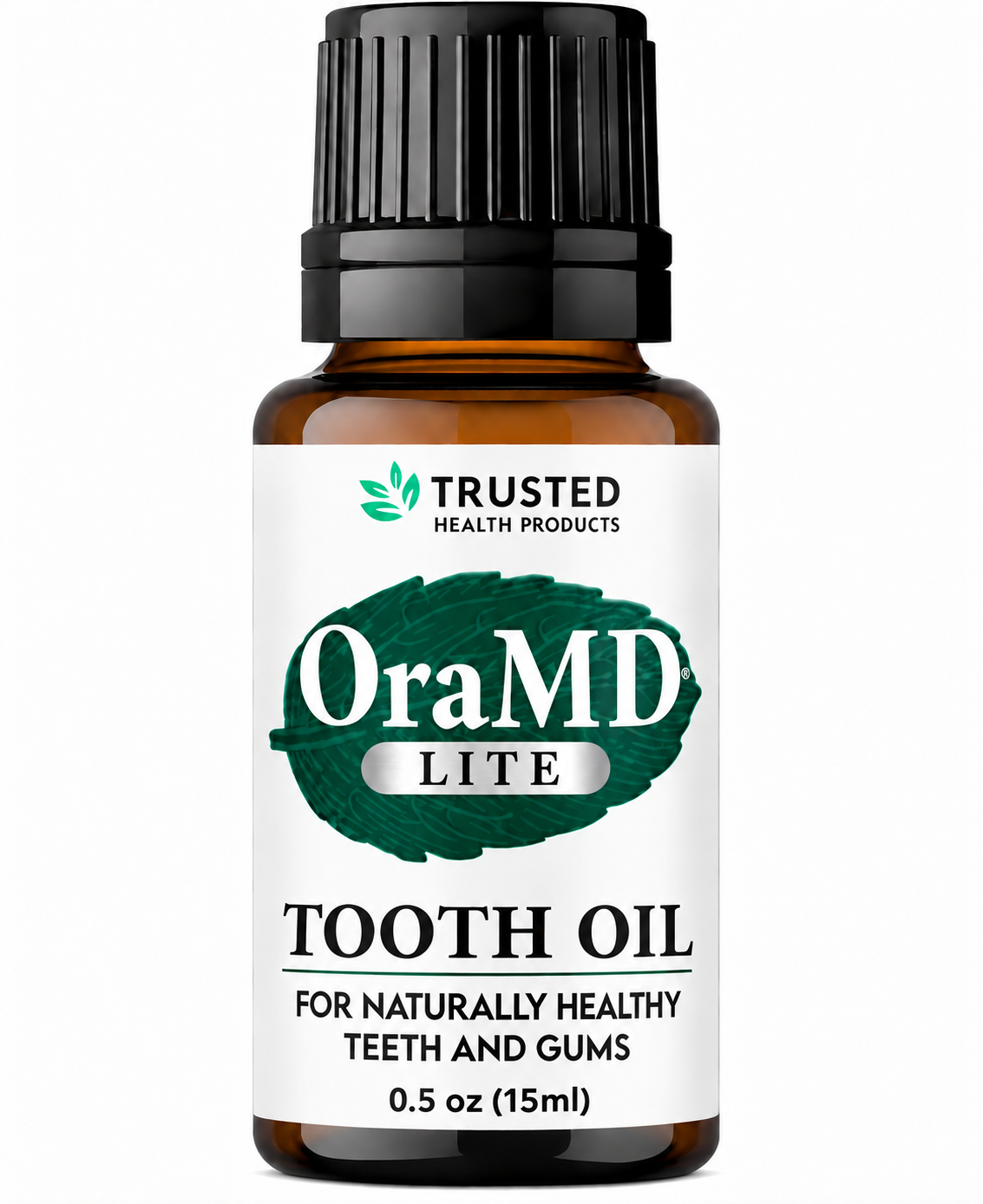
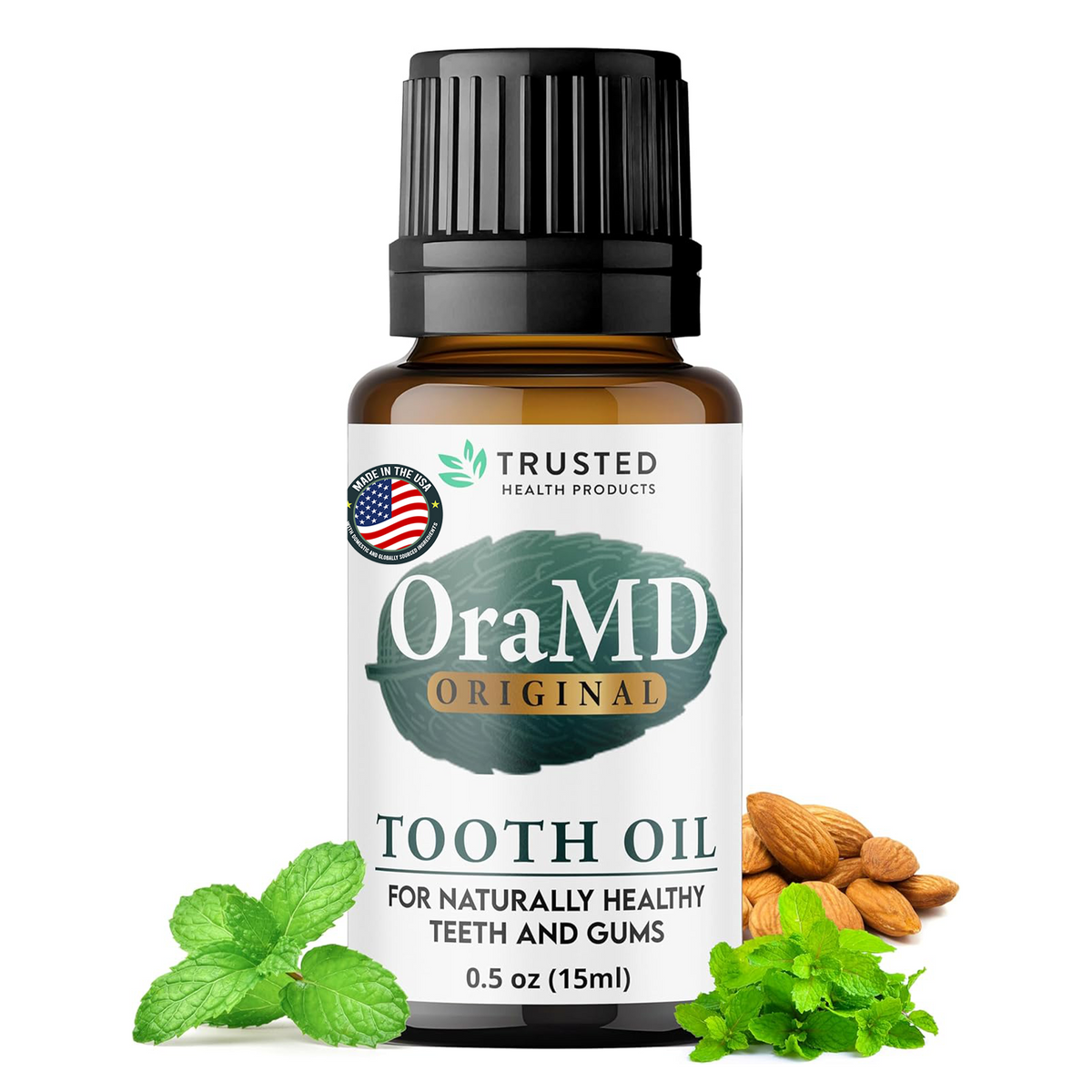
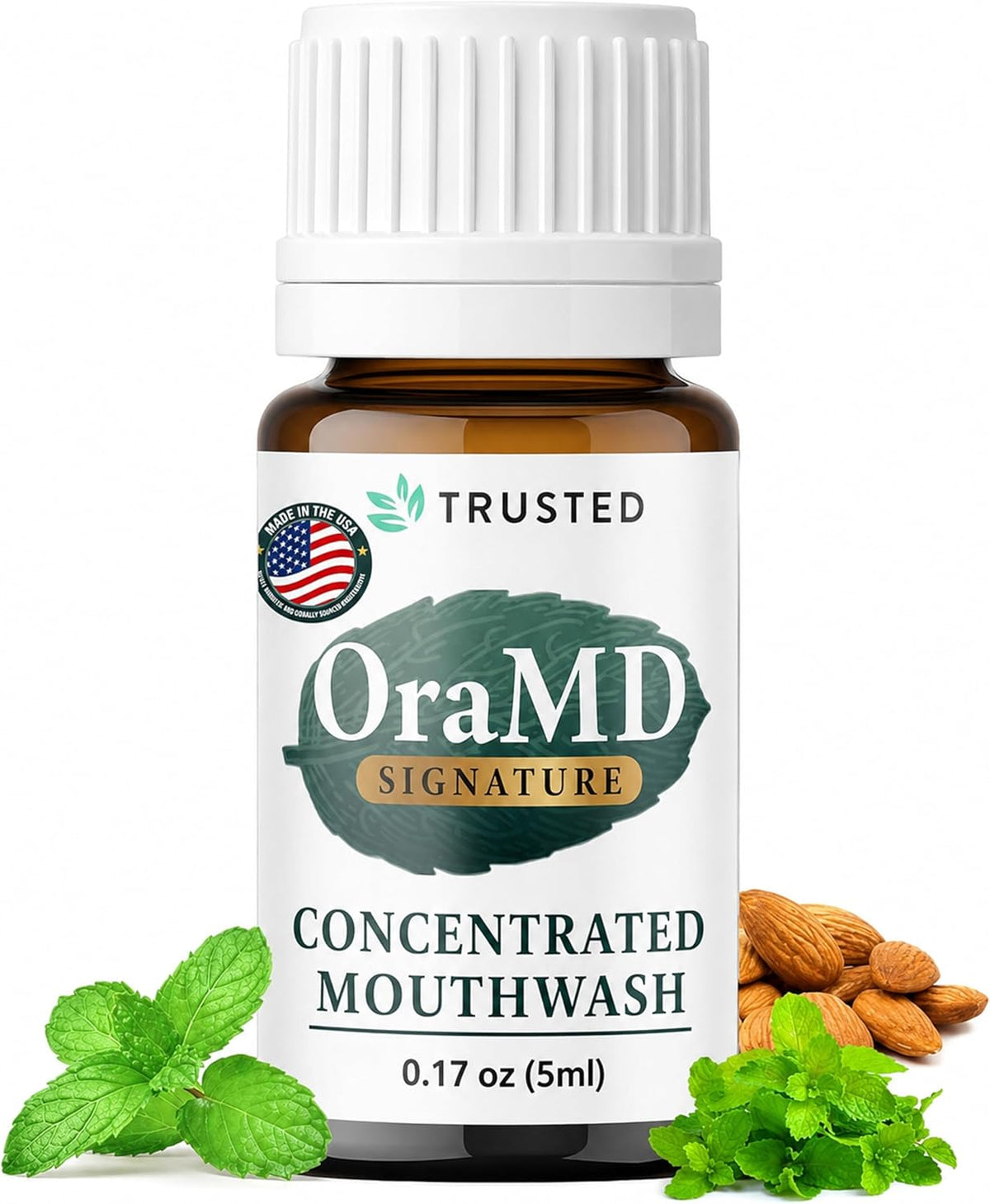
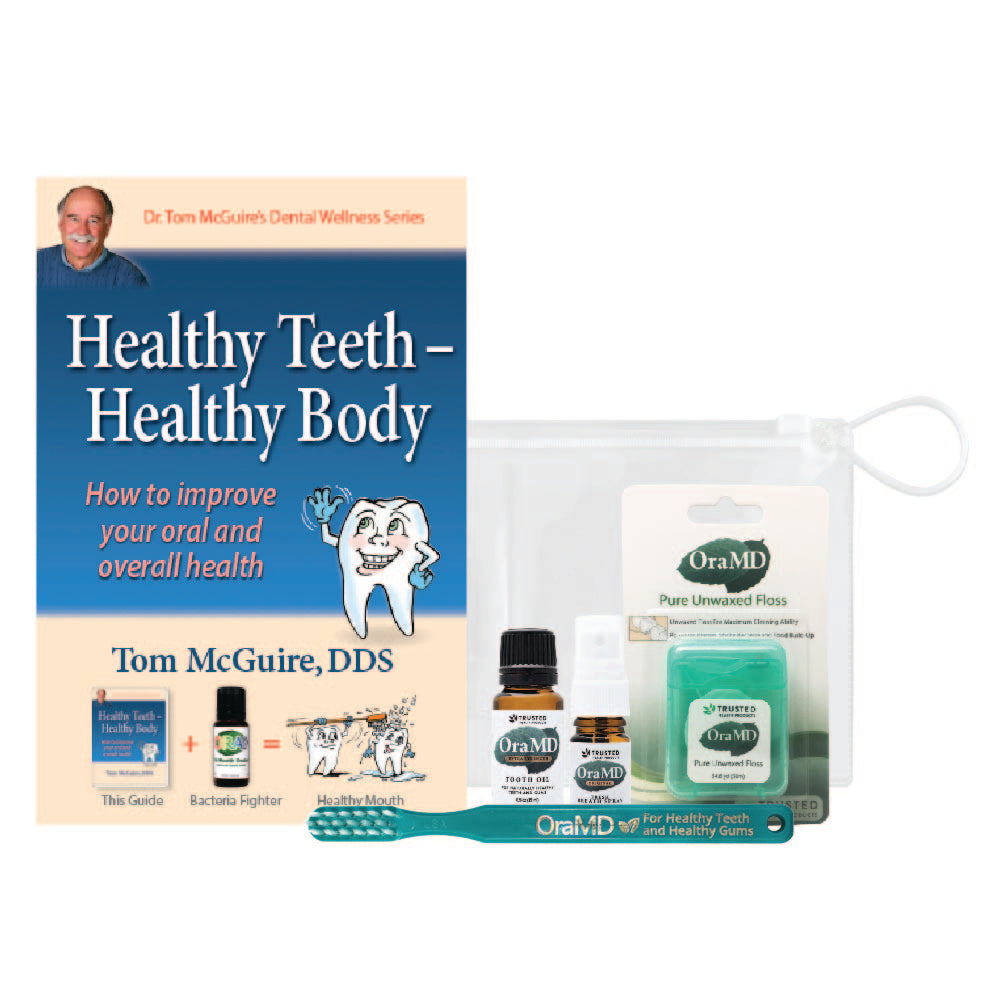
Daily oral hygiene serves a different purpose. It cannot fix an existing cavity, crack, or infection. Consistent brushing and gentle care along the gumline, though, support healthier gum tissue over time. Many people add a natural option like OraMD Original Strength Tooth Oil to that daily routine, alongside regular brushing and flossing, as part of long-term gum support rather than emergency relief.
The right approach always depends on the underlying cause. Persistent, severe, or worsening pain should prompt a call to a dentist rather than a longer wait.
How Daily Oral Care Supports Calmer Nights
Good oral hygiene will not replace treatment for an infected or cracked tooth. It plays a meaningful role, though, in reducing the gum irritation that often intensifies at night.
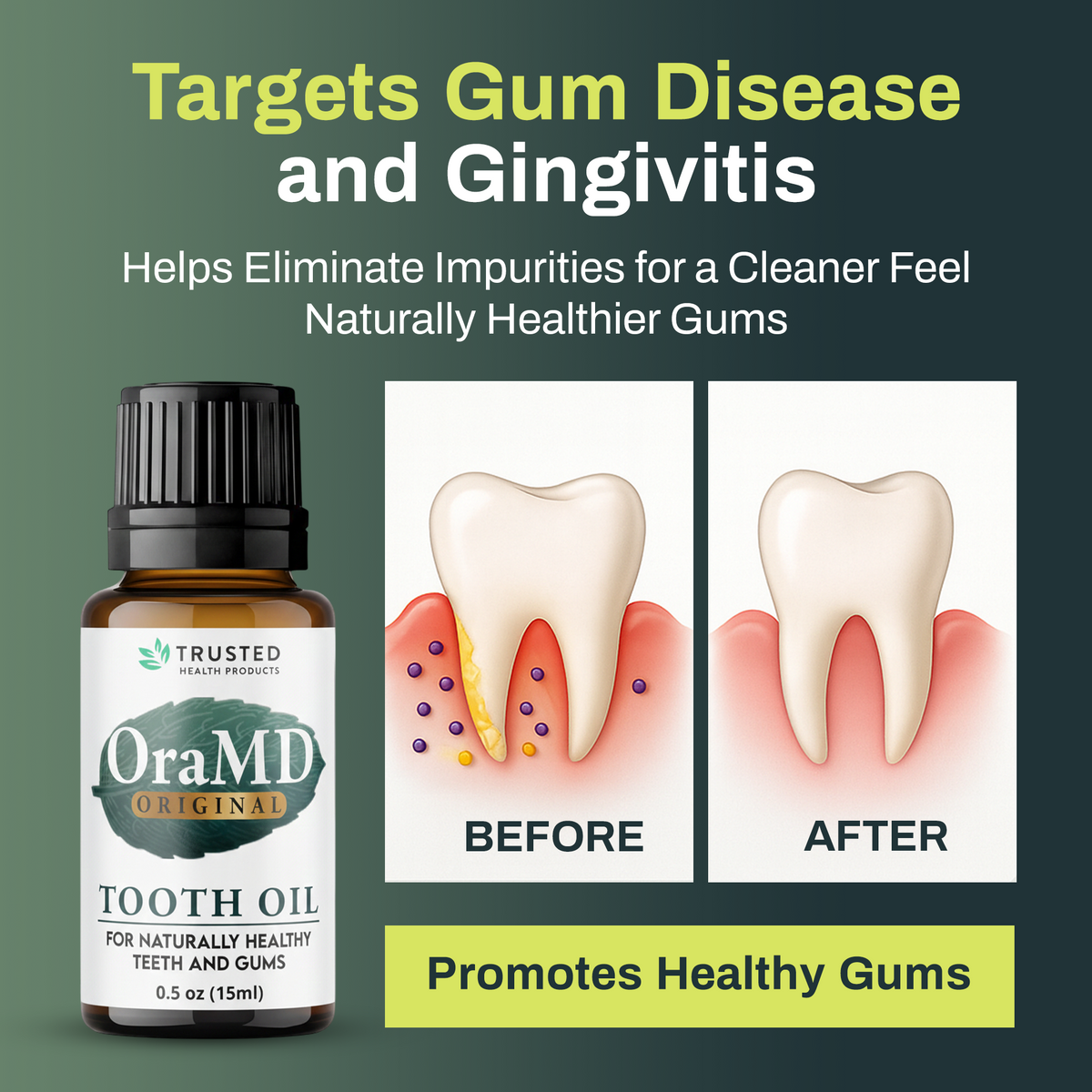
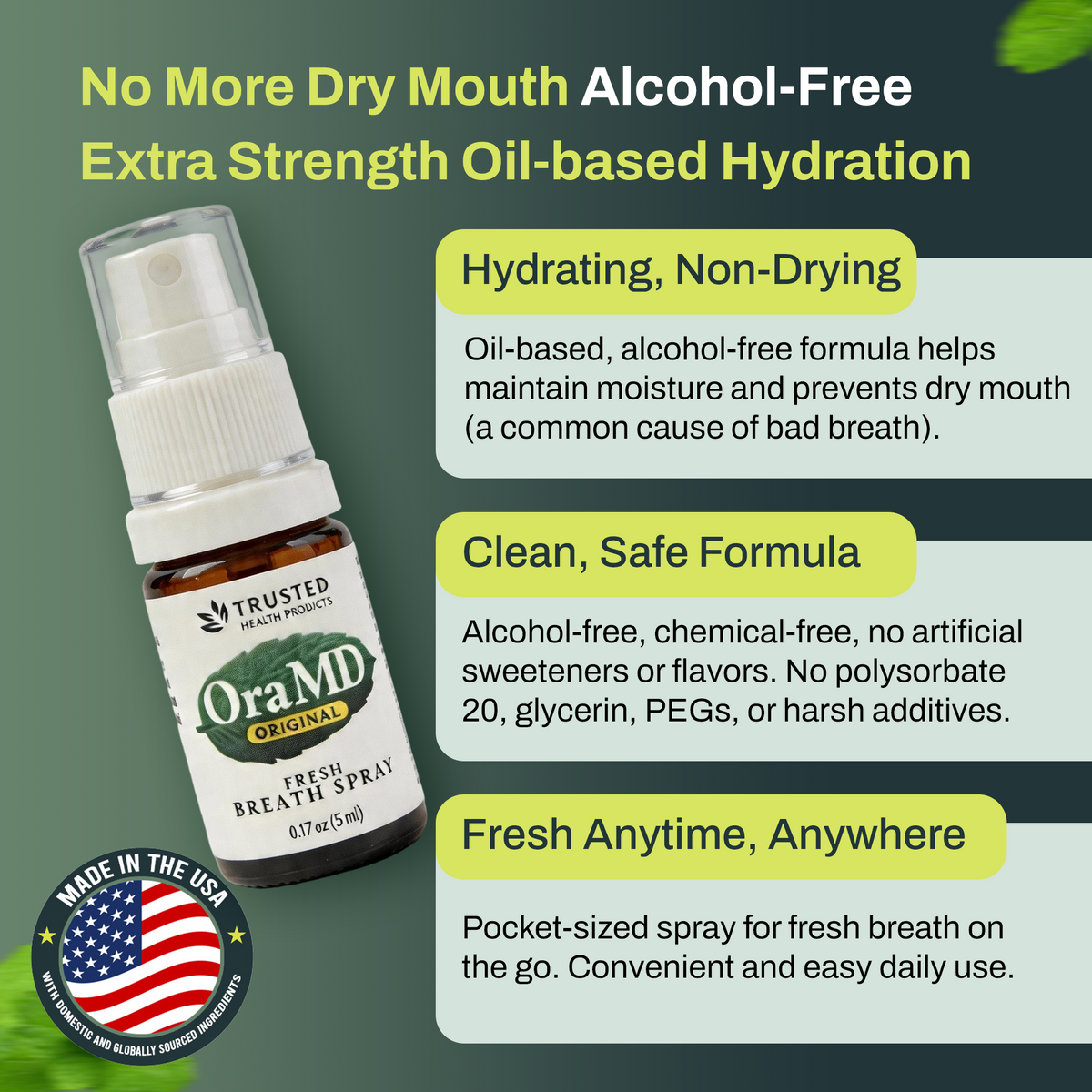
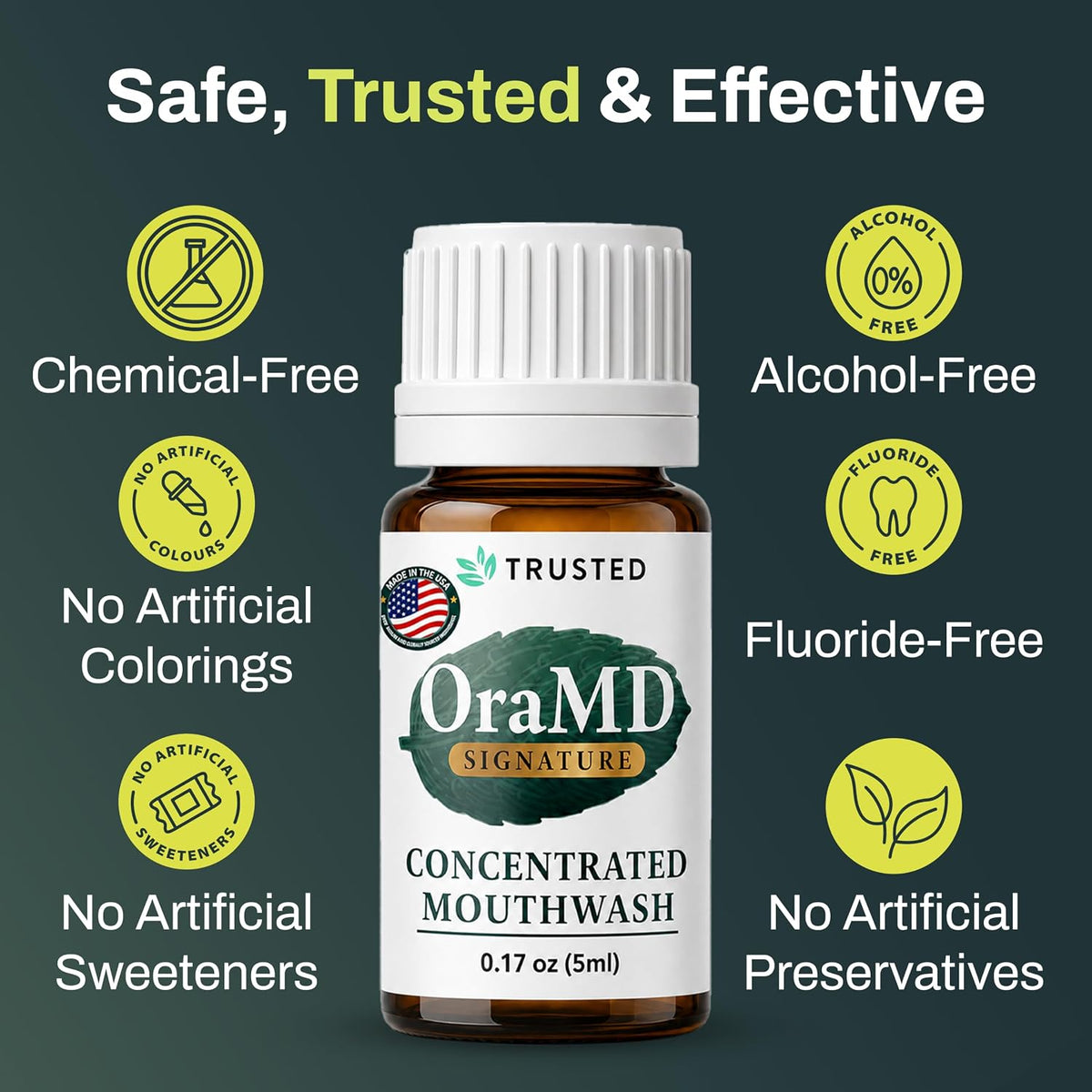
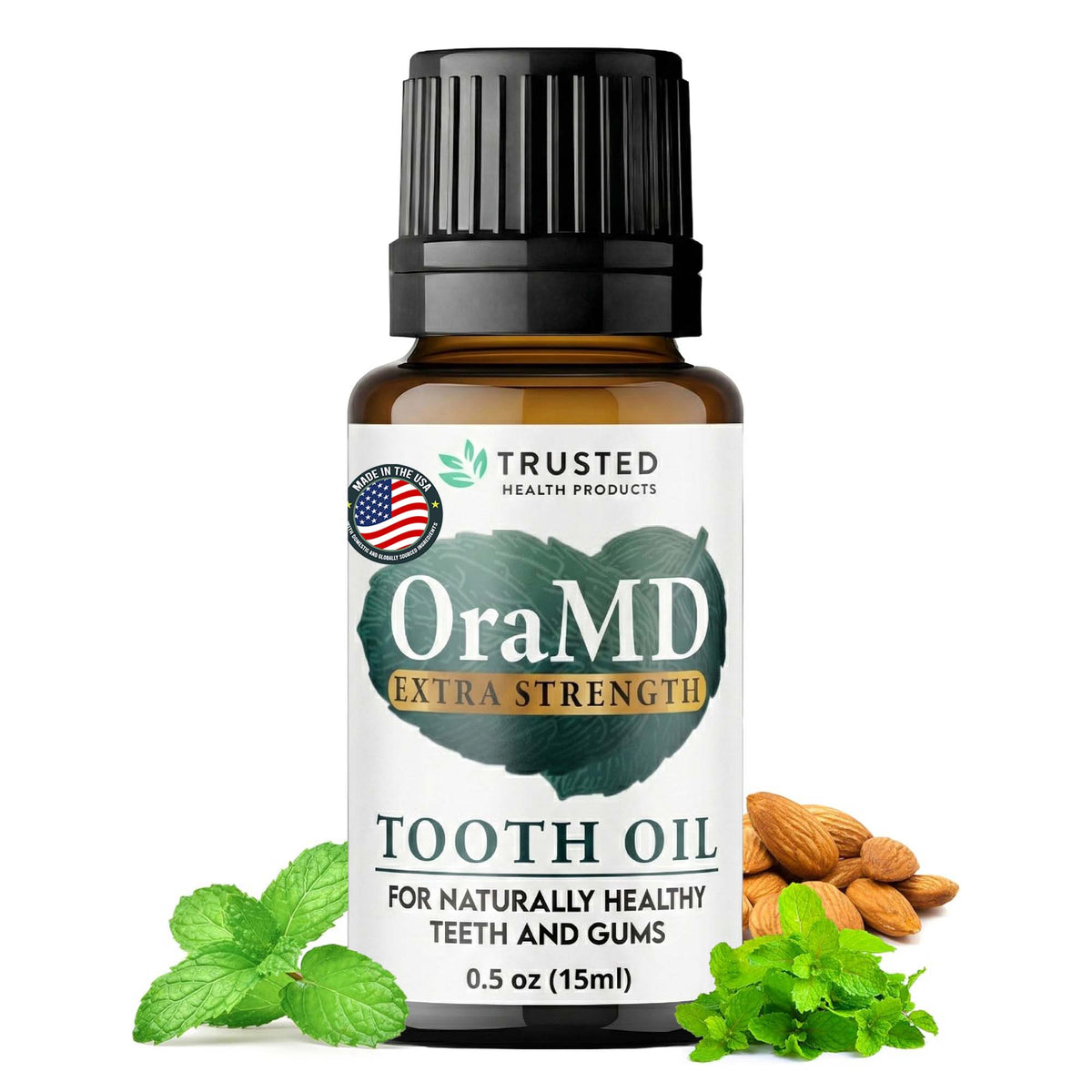
OraMD is a fluoride-free tooth oil made from sweet almond, peppermint, and spearmint oils. The formula is designed to reach below the gumline, an area a toothbrush alone cannot always clean well. Research conducted at the Center for Oral Health Research at the University of Kentucky found the oil blend showed antibacterial activity against bacteria linked to periodontal inflammation, according to the brand. The oils are also formulated without fluoride, foaming agents, or added abrasives, and the brand notes the product is safe for use around braces, crowns, and dentures.
OraMD Original Strength suits people building a simple daily prevention routine. For more persistent gum tenderness, redness, or swelling, OraMD Extra Strength offers a more concentrated version of the same essential oil blend. Neither product treats an active infection, a cracked tooth, or advanced decay directly. Anyone with those symptoms still needs a dental evaluation first.
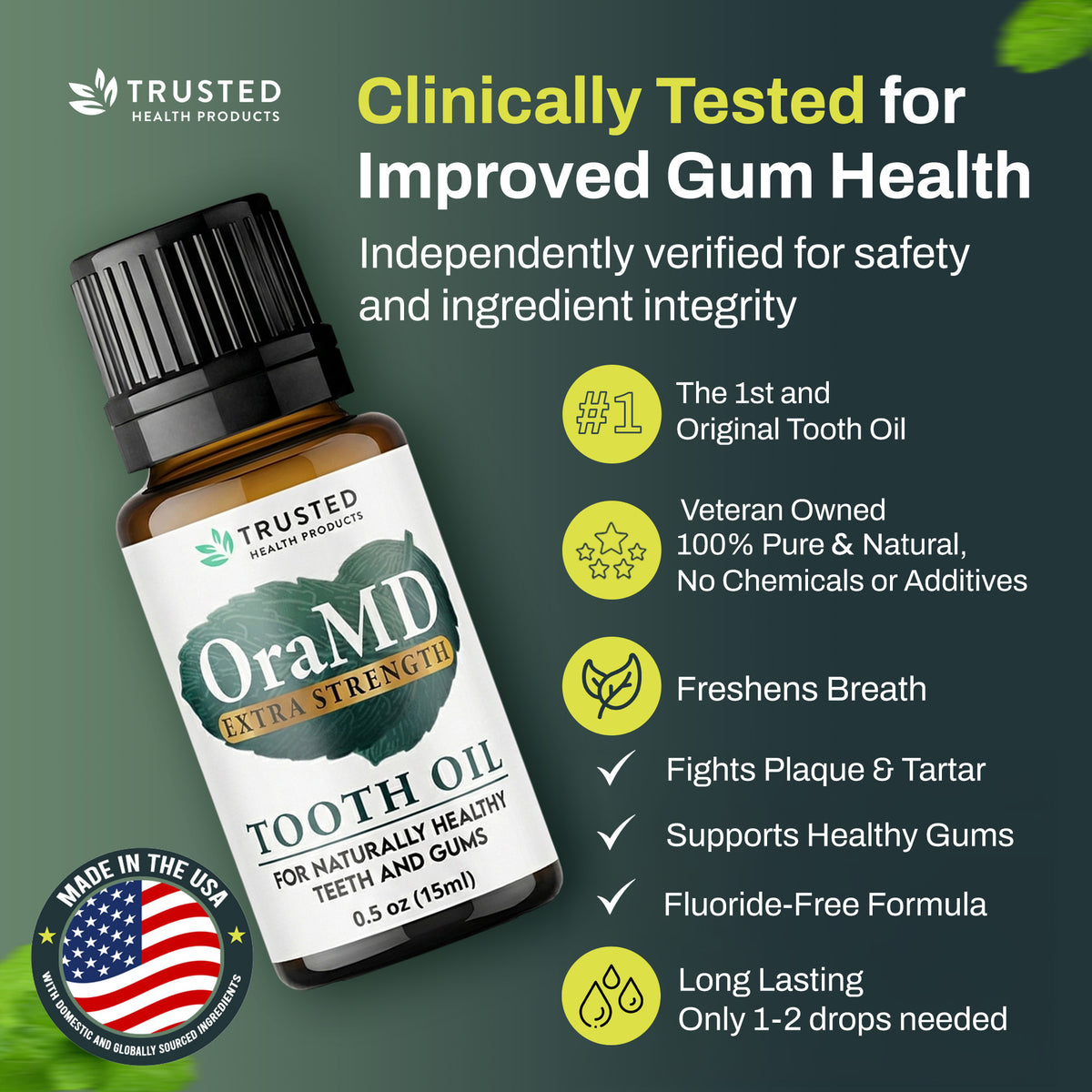
For everyday gumline support between checkups, the OraMD Extra Strength Tooth Oil gives people a fluoride-free option built for sensitive or irritated gums, used alongside a normal brushing and flossing routine.
Key Takeaways
Nighttime toothaches usually stem from a mix of physical and environmental factors working together. Increased blood flow while lying down raises pressure around inflamed tissue. A quiet bedroom removes the daytime distractions that once masked the discomfort.
Persistent or severe pain deserves a dental evaluation rather than a guess. Daily gumline care, including consistent brushing and a supportive product such as OraMD, helps many people maintain healthier gums between checkups. Small, consistent habits today can mean fewer disrupted nights later on.