How to Treat Sensitive Teeth Naturally at Home
May 22, 2026
Author: Ray Spotts
Tags:
Tooth sensitivity affects millions of people — that sharp, sudden discomfort when eating ice cream, drinking hot coffee, or even breathing cold air is one of the most common oral health complaints in 2026. The good news is that there are proven sensitive teeth natural remedies you can use at home to reduce discomfort, protect your enamel, and address the root cause rather than just masking the pain.
This guide covers what actually causes sensitive teeth, which natural remedies have real evidence behind them, and how to build a daily routine that delivers lasting relief — without relying on harsh chemicals or synthetic desensitizing agents.
What Causes Sensitive Teeth?
Before exploring any sensitive teeth natural remedy, it's important to understand why sensitivity happens in the first place. Sensitivity occurs when the protective enamel on your teeth wears down or when gum tissue recedes, exposing the underlying dentin — a porous layer of tissue that connects directly to the nerve of the tooth.
Common causes include:
-
Enamel erosion — from acidic foods, drinks, or acid reflux
-
Gum recession — exposing the root surface, which has no enamel protection
-
Brushing too hard — wearing down enamel and pushing gums back over time
-
Teeth grinding (bruxism) — placing excessive pressure on enamel
-
Whitening treatments — temporarily increasing sensitivity through peroxide exposure
-
Tooth decay or cracked teeth — creating direct pathways to the nerve
-
SLS in toothpaste — a synthetic foaming agent linked to increased oral irritation and canker sores in sensitive individuals
Understanding your specific cause is the first step toward choosing the most effective sensitive teeth natural remedy for your situation.
Why Natural Remedies Work for Sensitive Teeth
Most conventional desensitizing toothpastes rely on potassium nitrate or strontium chloride to block pain signals — they address the symptom but not the underlying cause. Natural remedies, by contrast, work by:
-
Remineralizing enamel — rebuilding the protective surface layer
-
Reducing inflammation in the gum tissue surrounding exposed roots
-
Eliminating harmful bacteria that accelerate enamel erosion and gum recession
-
Coating and sealing exposed dentin tubules to reduce nerve stimulation
This is why a consistent natural approach can produce longer-lasting relief than simply switching toothpaste brands.
The Best Sensitive Teeth Natural Remedies
1. Switch to an Oil-Based Oral Care Formula
One of the most effective sensitive teeth natural remedies is replacing conventional toothpaste — particularly those containing SLS and harsh abrasives — with a concentrated botanical tooth oil. Oil-based formulas clean without abrasion, reduce the bacterial load that contributes to enamel erosion, and coat the gumline with anti-inflammatory botanicals.
Two options specifically suited for sensitive teeth:
-
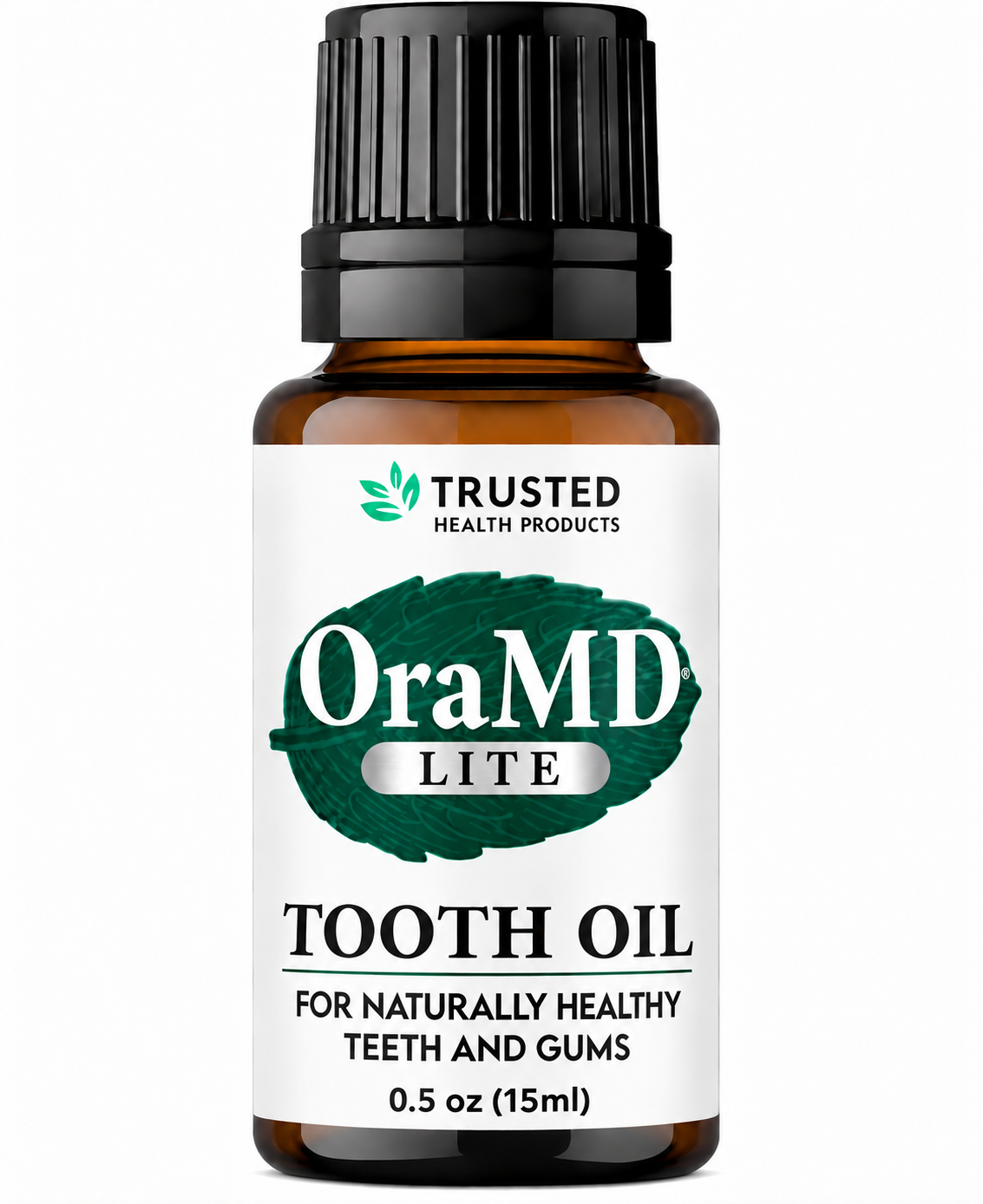
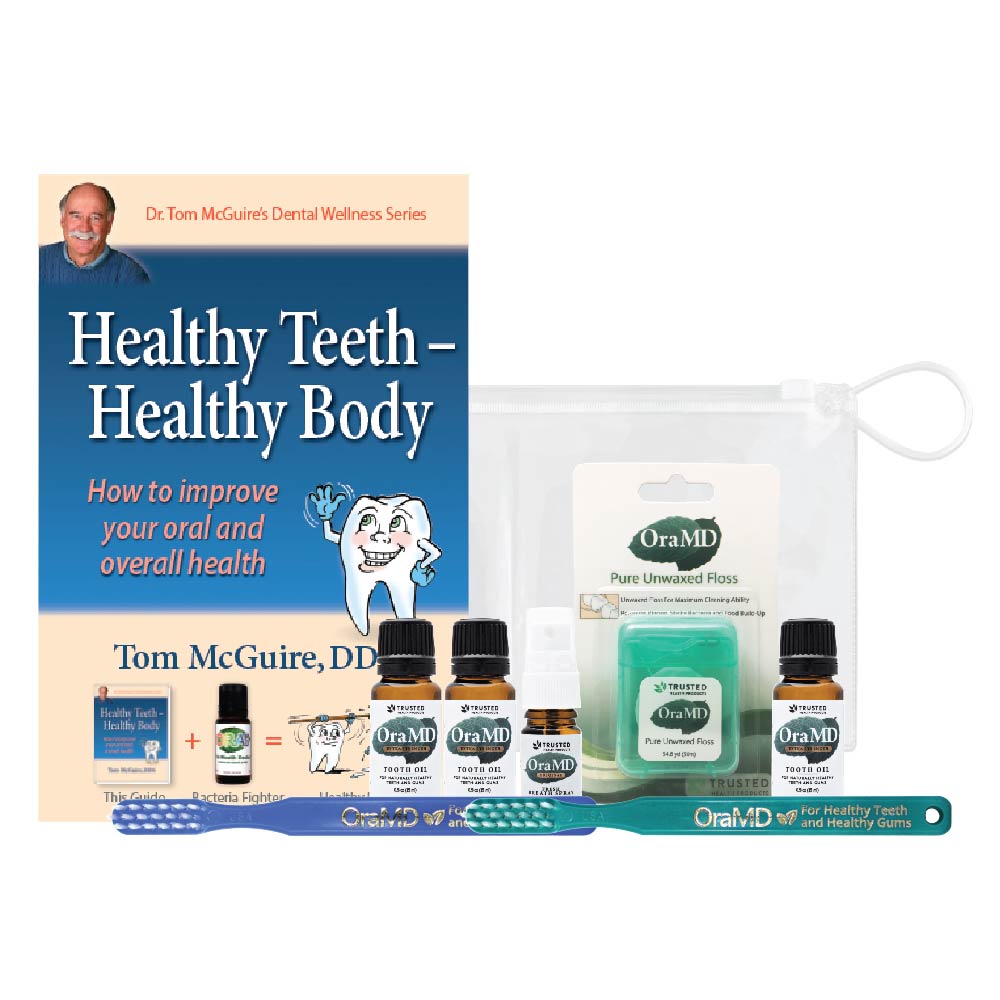
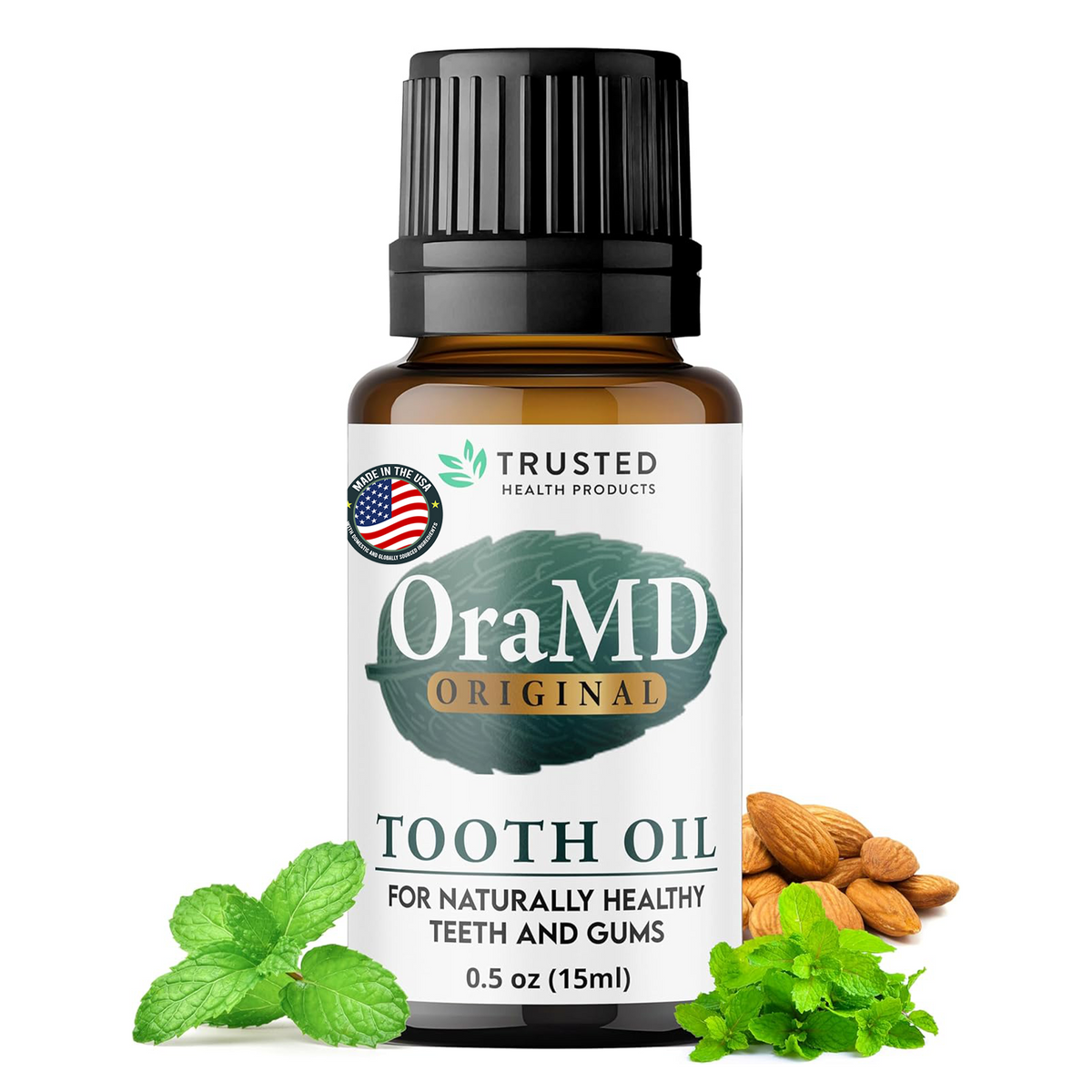
OraMD Original Strength Tooth Oil — ideal for those with mild to moderate sensitivity who want a gentle daily formula. Its blend of coconut oil, sesame oil, peppermint, and clove provides antimicrobial action and gum support without any abrasive ingredients that could worsen sensitivity over time
-
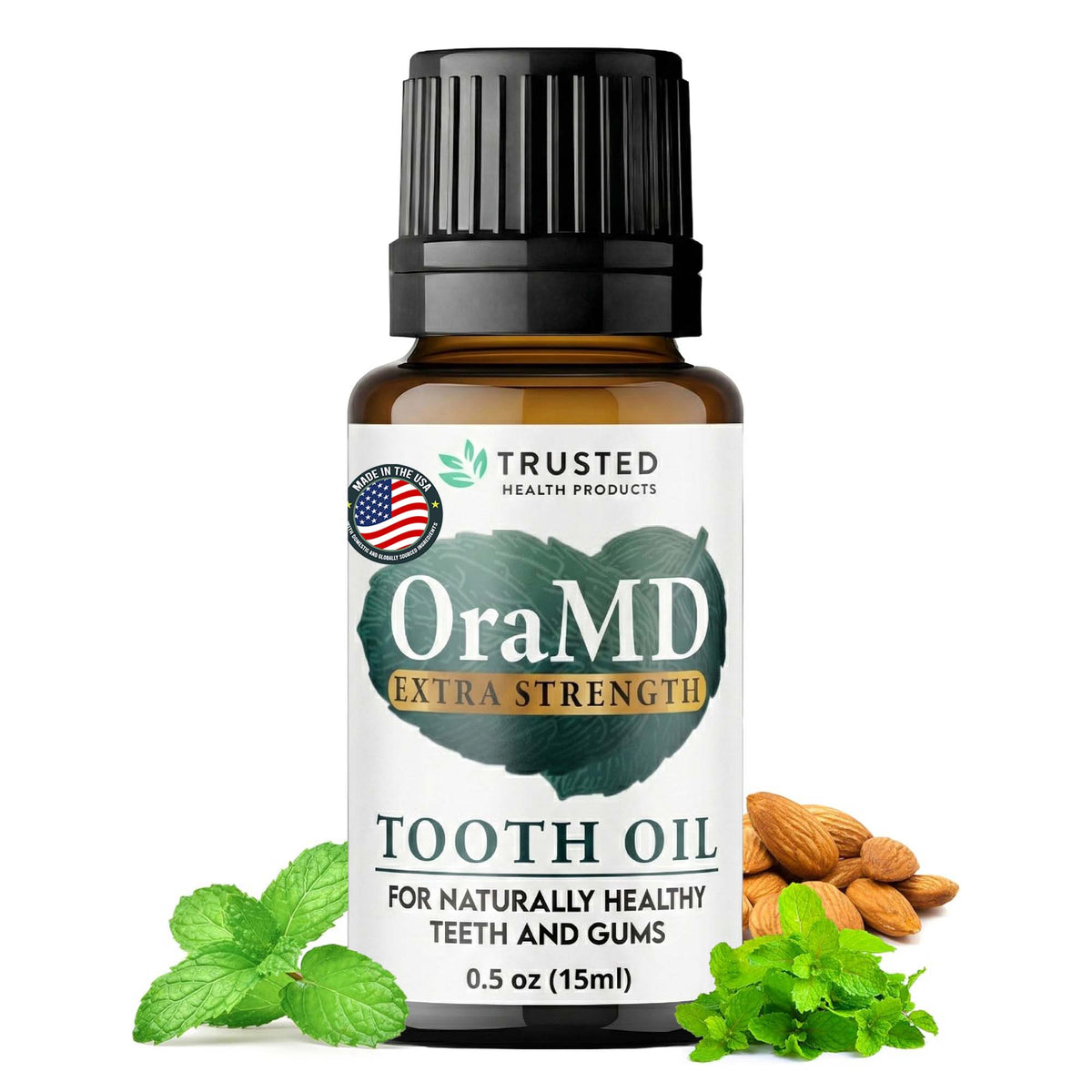
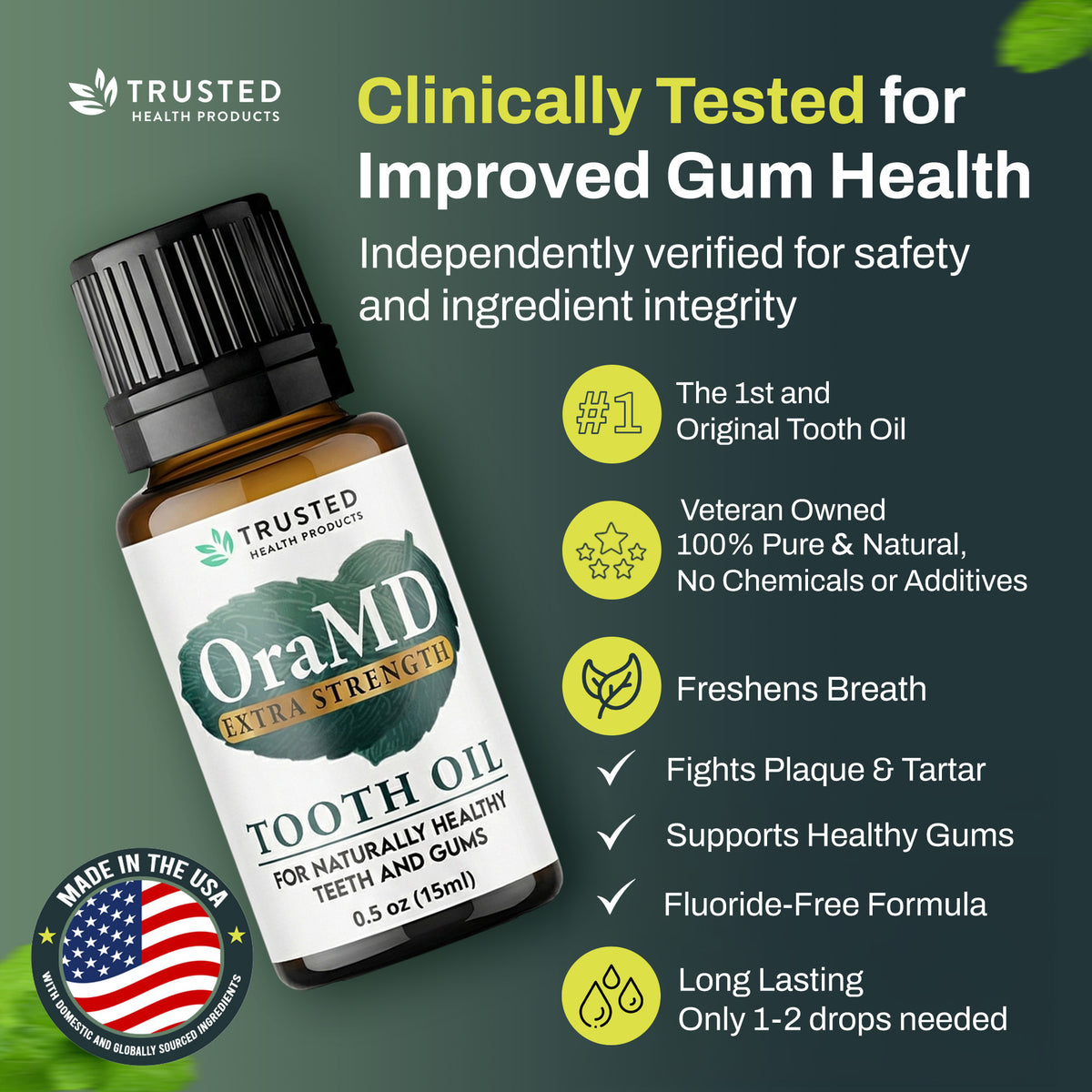
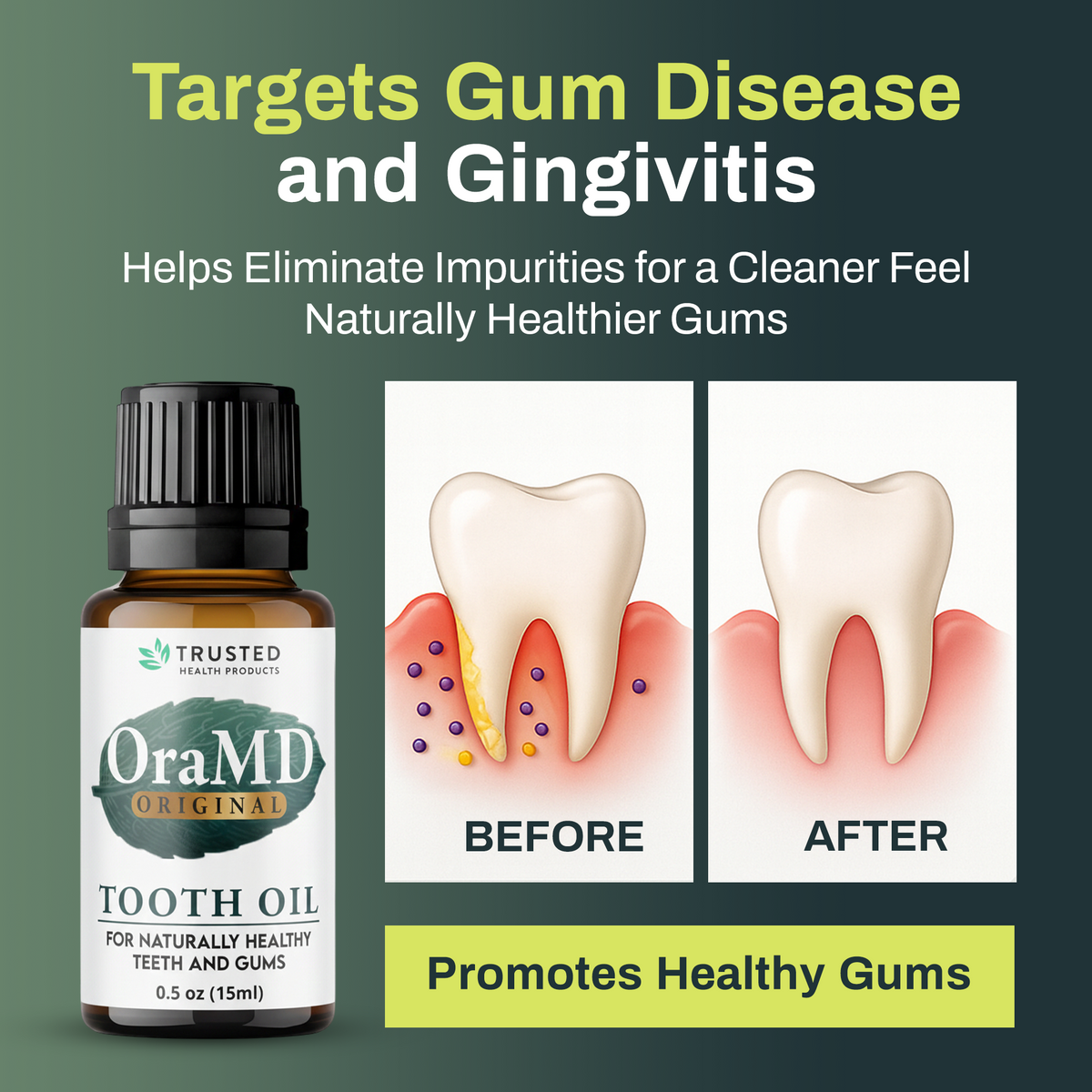
OraMD Extra Strength Tooth Oil — the better choice for those with more significant sensitivity, active gum recession, or inflammation. Its higher-concentration botanical formula delivers deeper antimicrobial and anti-inflammatory action directly to the gumline and exposed root surfaces
Apply 3–5 drops to a soft-bristled toothbrush and brush gently for two minutes, focusing on the gumline and sensitive areas. Unlike conventional toothpaste, neither formula contains SLS, artificial abrasives, or synthetic additives that can aggravate sensitivity.
2. Oil Pulling with Coconut Oil
Oil pulling is one of the most well-researched sensitive teeth natural remedies available. Coconut oil — rich in lauric acid — has documented antimicrobial properties that reduce the bacterial load responsible for gum recession, enamel erosion, and plaque buildup. Multiple clinical studies have shown it to be as effective as chlorhexidine mouthwash at reducing plaque and gingivitis indices, both of which directly contribute to tooth sensitivity. (Source: Nigerian Medical Journal)
How to do it:
-
Take 1 tablespoon of organic coconut oil on an empty stomach each morning
-
Swish gently for 10–15 minutes, pushing the oil through your teeth and along the gumline
-
Spit into a trash bin — never the sink
-
Rinse with warm water and follow with brushing
Consistent daily oil pulling can reduce the bacterial environment that drives gum recession and enamel erosion — two of the most common causes of chronic sensitivity. For a full breakdown of what the research says, read our oil pulling benefits evidence review.
3. Salt Water Rinse
A warm salt water rinse is one of the simplest and most accessible sensitive teeth natural remedies. Salt is a natural disinfectant with well-documented anti-inflammatory properties — it reduces swelling in gum tissue, draws out fluid from inflamed areas, and creates an alkaline environment that harmful bacteria struggle to survive in.
How to do it:
-
Dissolve ½ teaspoon of natural sea salt or Himalayan salt in a glass of warm water
-
Swish gently for 30–60 seconds, focusing on sensitive areas
-
Spit and repeat once more
-
Use twice daily — morning and evening — for best results
Salt water rinses are particularly effective as a sensitive teeth natural remedy for those whose sensitivity is driven by gum inflammation or early-stage gum recession.
4. Clove Oil Application
Clove oil has been used for centuries as a natural analgesic for oral pain, and modern research supports its effectiveness. Its active compound, eugenol, is a proven numbing agent that temporarily blocks nerve signal transmission in sensitive teeth — the same compound used in many professional dental procedures. (Source: Journal of Dentistry)
How to do it:
-
Dilute 2–3 drops of clove oil in a teaspoon of coconut oil as a carrier
-
Apply to a cotton ball and press gently against the sensitive area for 10–15 minutes
-
Use as needed for acute sensitivity flare-ups
For a more convenient daily application, both OraMD Original Strength and OraMD Extra Strength Tooth Oil contain clove oil as a core ingredient — delivering its analgesic and antimicrobial benefits as part of a complete brushing routine rather than a standalone spot treatment.
5. Aloe Vera Gel
Aloe vera is one of the gentlest sensitive teeth natural remedies available, making it ideal for those whose sensitivity is driven by gum inflammation or soft tissue irritation. Its anti-inflammatory and antimicrobial properties help soothe inflamed gum tissue, promote healing, and reduce the irritation that makes exposed root surfaces more reactive. A clinical study found aloe vera juice to be effective in reducing both plaque and gingivitis scores. (Source: Journal of Dental Hygiene)
How to use it:
-
Apply a small amount of pure, food-grade aloe vera gel directly to sensitive gum areas
-
Massage gently with a fingertip for 1–2 minutes
-
Leave on for 5–10 minutes before rinsing
-
Use once daily as part of your evening routine
6. Dietary Changes to Protect Enamel
No sensitive teeth natural remedy works in isolation if your diet is continuously eroding enamel. Acidic foods and drinks are among the leading contributors to enamel loss and worsening sensitivity.
Reduce or limit:
-
Citrus fruits and juices
-
Carbonated drinks — including sparkling water
-
Vinegar-based foods and dressings
-
Coffee and alcohol consumed in high frequency
Increase:
-
Calcium-rich foods — dairy, leafy greens, almonds — to support enamel remineralization
-
Vitamin C — bell peppers, kiwi, broccoli — for collagen production and gum tissue repair
-
Omega-3 fatty acids — fatty fish, walnuts, chia seeds — to reduce systemic and oral inflammation
-
Water — staying hydrated supports saliva production, your mouth's natural enamel defense
Practical tip: If you consume acidic foods or drinks, rinse your mouth with water immediately after rather than brushing — brushing within 30 minutes of acid exposure can accelerate enamel wear.
7. Upgrade Your Brushing Technique
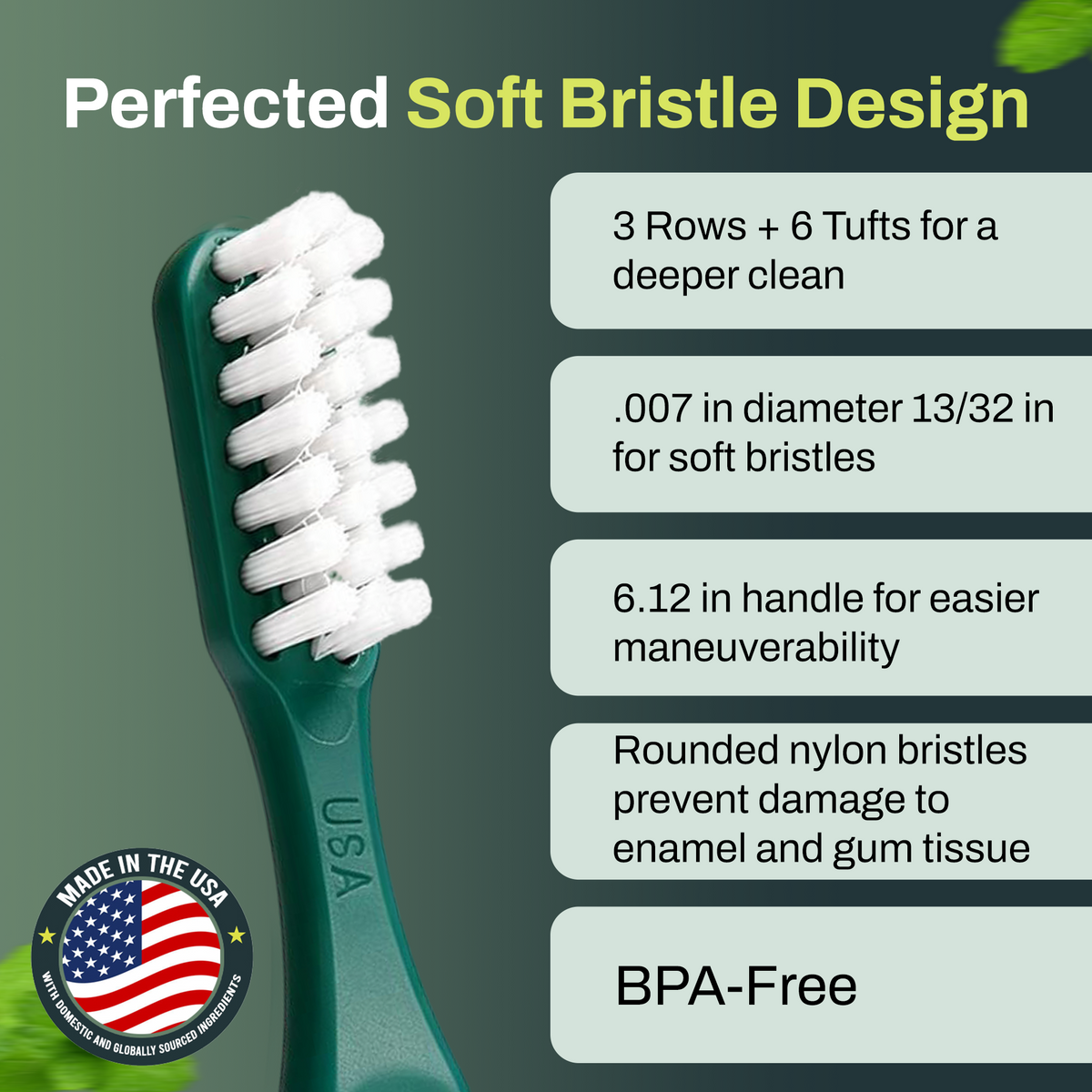
One of the most overlooked sensitive teeth natural remedies is simply changing how you brush. Aggressive brushing with a hard-bristled brush is one of the most common causes of enamel wear and gum recession — both direct drivers of sensitivity.
Best practices:
-
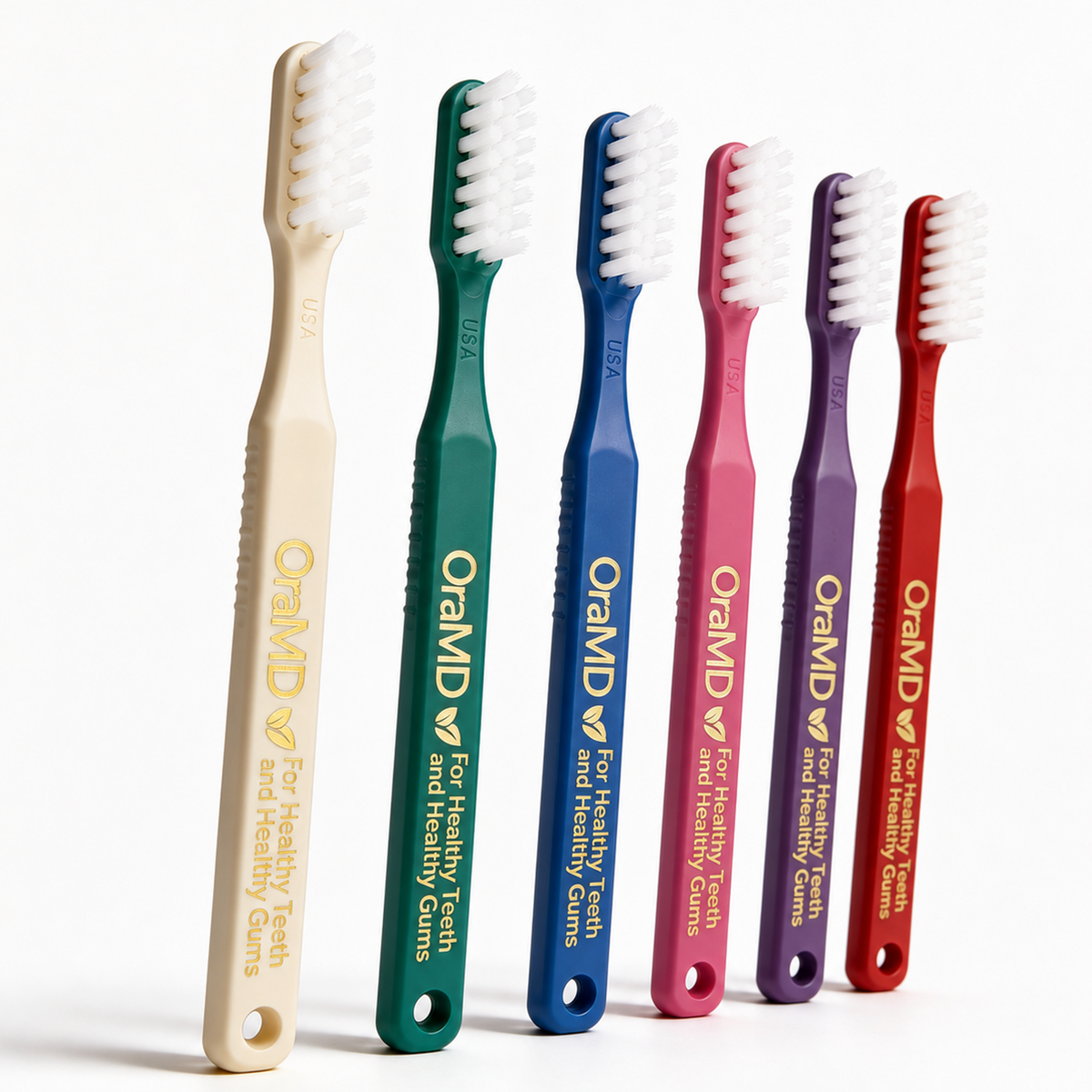
Use a soft-bristled toothbrush exclusively
-
Hold the brush at a 45-degree angle to the gumline
-
Use gentle circular motions — never back-and-forth scrubbing
-
Apply light pressure — the bristles should barely flex against your teeth
-
Brush for two minutes, twice daily
Pairing proper technique with a non-abrasive formula like OraMD Original Strength Tooth Oil removes the two most common mechanical causes of sensitivity simultaneously — aggressive abrasion from paste and improper brushing motion.
Building a Daily Sensitive Teeth Natural Remedy Routine
Consistency is what separates temporary relief from lasting improvement. Here is a complete daily routine built around the most effective sensitive teeth natural remedies:
Morning:
-
Oil pull with coconut oil for 10–15 minutes on an empty stomach
-
Spit, rinse with warm water
-
Brush with OraMD Original Strength or Extra Strength Tooth Oil using a soft-bristled brush
-
Salt water rinse — 30–60 seconds
Evening:
-
Brush gently with OraMD Tooth Oil
-
Apply aloe vera gel to sensitive gum areas if needed
-
Avoid eating or drinking for 30 minutes after
As needed:
-
Clove oil application for acute sensitivity flare-ups
-
Dietary adjustments following acidic food consumption
What to expect:
-
Reduced gum inflammation and fresher breath within the first week
-
Noticeable reduction in sensitivity during eating and drinking within 2–4 weeks
-
Improved gum texture and reduced bleeding within 4–6 weeks of consistent use
What Actually Works for Sensitive Teeth Long-Term
Most sensitive teeth natural remedies provide relief by addressing one specific cause — clove oil numbs the nerve, salt water reduces inflammation, aloe vera soothes tissue. But the most effective long-term approach combines antimicrobial action, gum support, and enamel protection in a single daily formula.
This is where switching from conventional toothpaste to a botanical tooth oil makes the most meaningful difference. By eliminating SLS, synthetic abrasives, and artificial additives — and replacing them with concentrated botanical oils — you remove the daily irritants that worsen sensitivity while actively supporting the gum health and bacterial balance that protects enamel over time.
For mild to moderate sensitivity, OraMD Original Strength Tooth Oil provides the gentlest, most consistent daily coverage — antimicrobial, anti-inflammatory, and completely free of the abrasive ingredients that drive enamel wear.
For more significant sensitivity, active gum recession, or persistent discomfort that hasn't responded to other natural remedies, OraMD Extra Strength Tooth Oil delivers a higher-potency botanical formula designed for deeper gum penetration and faster tissue recovery.
For a broader look at how tooth oil compares to other natural oral care options, see our guide on natural alternatives to toothpaste. If gum recession is a primary driver of your sensitivity, our article on how to reverse gum disease naturally outlines a complete protocol for restoring gum health alongside sensitivity relief.
When to See a Dentist
Natural remedies are highly effective for sensitivity caused by enamel erosion, gum inflammation, and early recession — but some causes of sensitivity require professional diagnosis. See a dentist if:
-
Sensitivity is severe, constant, or getting progressively worse
-
You experience sharp pain that lingers for more than 30 seconds after a stimulus
-
Sensitivity is localized to a single tooth — this may indicate a crack or cavity
-
You suspect bruxism (teeth grinding) — a night guard may be necessary
-
Natural remedies show no improvement after 6–8 weeks of consistent use
Conclusion
Sensitive teeth don't have to be a permanent condition. With the right combination of sensitive teeth natural remedies — oil pulling, botanical tooth oil, salt water rinses, dietary adjustments, and proper brushing technique — most people see meaningful, lasting improvement within a few weeks of consistent daily care.
The key is addressing the root cause rather than just numbing the symptom. By reducing the bacterial environment, eliminating abrasive ingredients, and supporting gum tissue health every day, you create the conditions for enamel to stabilize and sensitivity to fade naturally.
For those ready to make the switch to a complete natural oral care routine, OraMD Original Strength Tooth Oil is the most accessible starting point for everyday sensitivity relief. For more persistent or advanced sensitivity concerns, OraMD Extra Strength Tooth Oil provides the deeper botanical potency needed for lasting results — making it one of the most effective sensitive teeth natural remedies available in 2026.