How To Get Rid Of Bad Breath Permanently: A Complete Guide
July 31, 2026
Author: Team Farrisi
Tags:
Chronic halitosis affects millions of people daily. Many individuals seek information on how to get rid of bad breath permanently. Short-term fixes only mask the underlying problems temporarily. Bacteria feed on food particles inside the mouth constantly. These bacteria release volatile sulfur compounds during digestion.
Sulfur compounds create highly unpleasant smells. Effective oral hygiene stops this bacterial process at the source. Natural solutions provide safer alternatives to harsh chemical treatments. Maintaining a balanced oral microbiome prevents odor recurrence.
This guide explains the mechanisms behind chronic oral malodor. Readers will discover actionable steps for achieving lasting freshness. Identifying specific triggers allows for targeted treatment strategies.
Understanding The Science Behind Halitosis
Halitosis stems primarily from microbial activity in the mouth. Anaerobic bacteria thrive in dark, low-oxygen oral environments. Plaque buildup provides a perfect home for these microbes. As microbes digest proteins, they excrete odorous chemical byproducts. Hydrogen sulfide and methyl mercaptan represent the most common offenders. Dentists classify these specific chemicals as volatile sulfur compounds (Causes and Management of Halitosis).
Poor dental habits accelerate this microbial reproduction significantly. Saliva normally washes away food debris and stray bacteria. Dry mouth conditions reduce this natural cleansing effect dramatically (NIH NIDCR: Dry Mouth). Reduced saliva flow allows bacteria to multiply very rapidly. Dehydration directly impacts the body's natural saliva production. Medical professionals emphasize proper hydration for optimal oral health.
Certain medications also reduce saliva output as a side effect. Antihistamines and decongestants frequently cause dry mouth symptoms. Individuals taking these medications require extra oral care and diligence. Consistent hydration helps mitigate medication-induced dry mouth. Maintaining moisture in the oral cavity prevents bacterial overgrowth. A balanced oral environment naturally resists severe odor formation. People must understand these biological processes when discovering how to get rid of bad breath permanently.
Exploring Causes Of Really Bad Breath In Adults
Dental issues rank as the primary source of halitosis. Gum disease creates deep periodontal pockets around the teeth. These pockets trap food and harbor dangerous anaerobic bacteria. Tooth decay also contributes to chronic oral malodor heavily.
Food particles lodge inside untreated cavities and begin rotting. This ongoing decay produces continuous, foul-smelling emissions. Plaque hardens into porous tartar without regular daily cleaning. Tartar requires professional removal by a trained dental hygienist. Ignoring these dental issues leads to worsening odor problems.
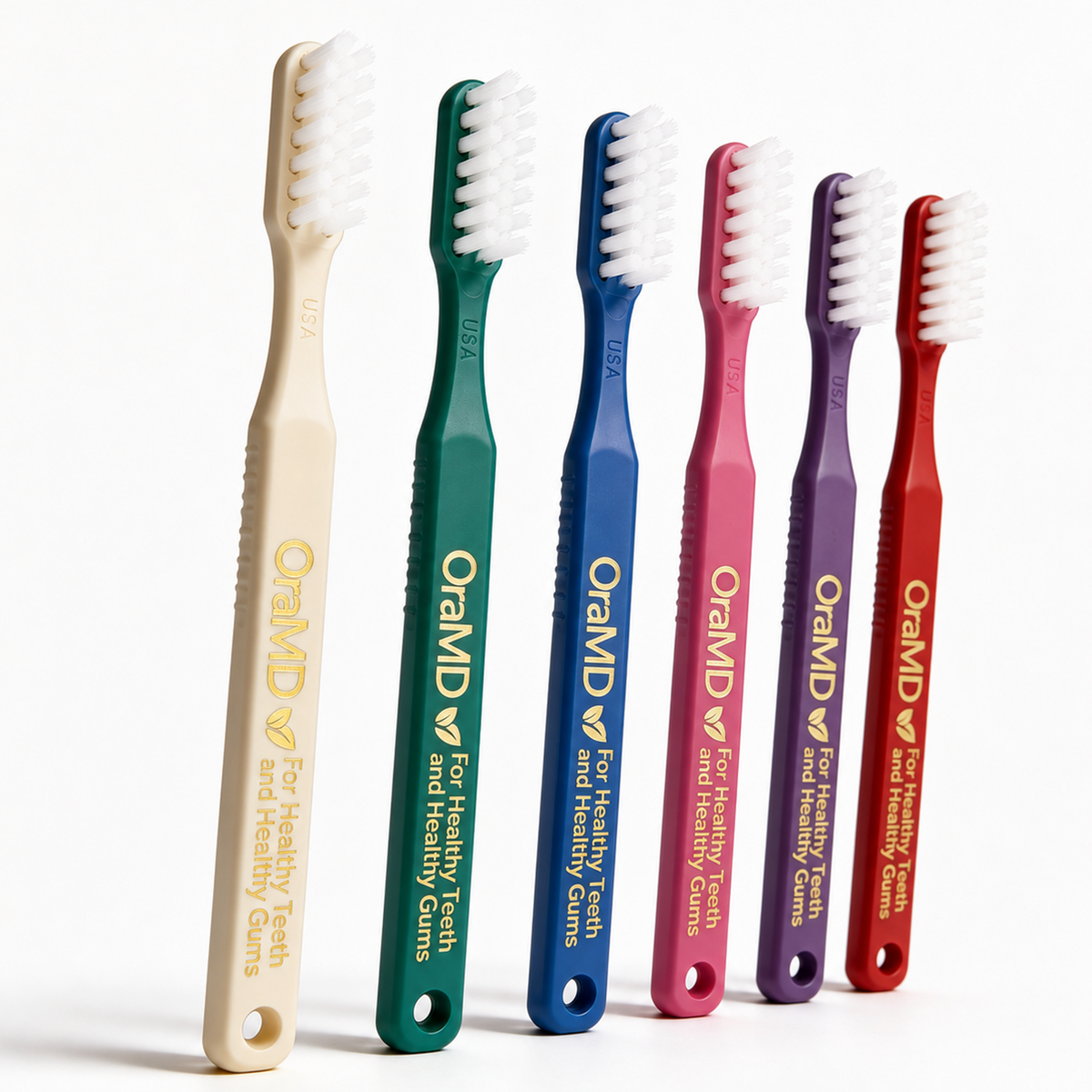
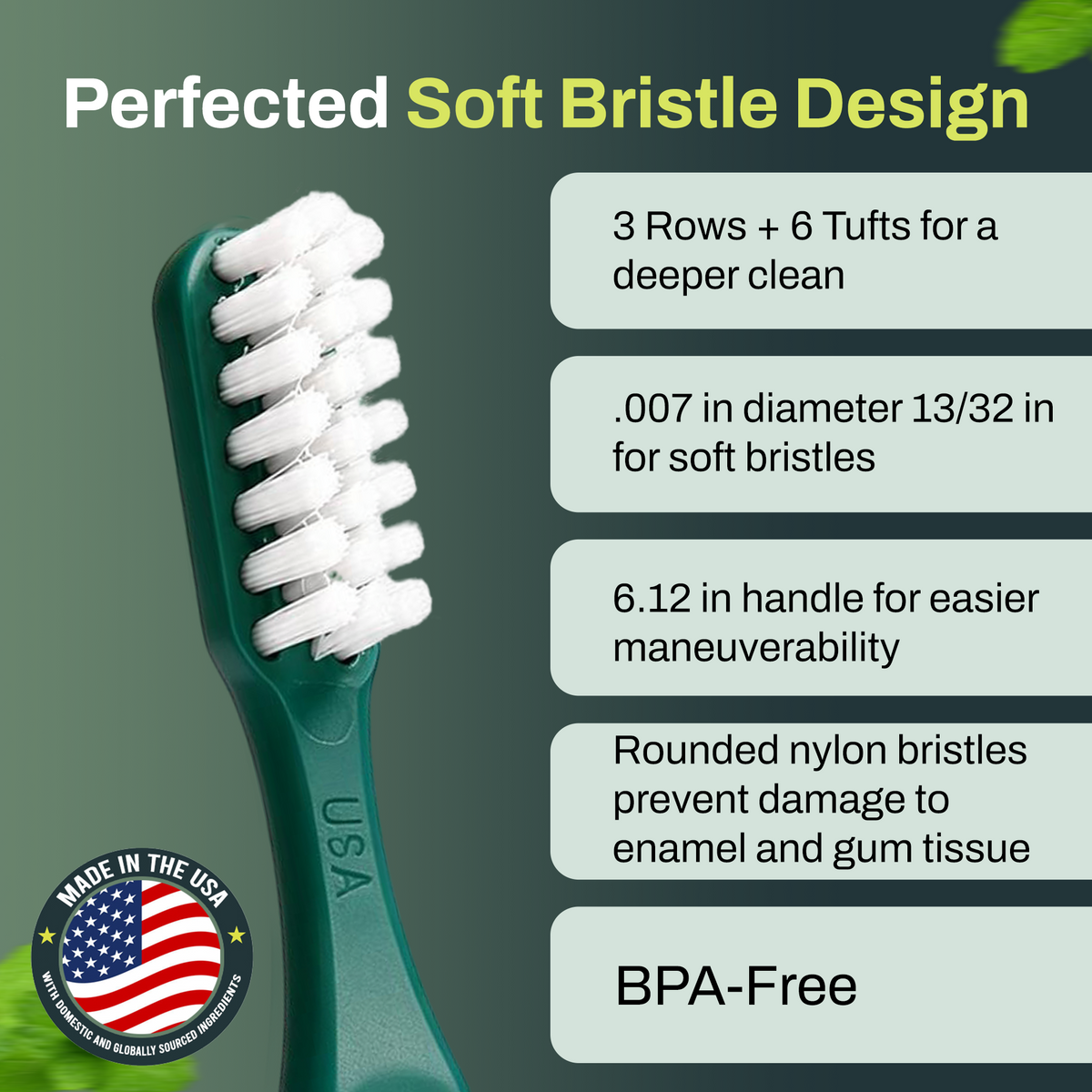
Proper brushing and flossing disrupt dangerous plaque formation. Individuals must maintain consistent daily oral care routines. Skipping routines allows bacteria to recolonize the mouth quickly. Impacted wisdom teeth also trap food debris and bacteria. Dentists often recommend extracting problematic wisdom teeth for hygiene. Poorly fitting dentures create hiding spots for odor-causing microbes.
Denture wearers must clean their appliances thoroughly every night. Orthodontic braces require specialized cleaning tools to remove food. Any structural irregularity in the mouth requires extra attention. Fixing dental problems helps those wondering how to get rid of bad breath permanently. Readers must visit a dentist for accurate structural diagnoses.
What Causes Bad Breath From The Stomach?
Oral bacteria do not cause every single case of halitosis. Gastrointestinal issues sometimes create foul odors originating internally (NIH: Causes and Management of Halitosis). Acid reflux pushes stomach acids upward into the esophagus . This backward flow brings unpleasant digestive smells into the mouth. Helicobacter pylori stomach infections also correlate with chronic halitosis.
These specific stomach bacteria produce detectable, foul-smelling gases. Digestion problems frequently delay normal stomach emptying times. Undigested food ferments in the stomach and releases gas. The human bloodstream absorbs gases from certain pungent foods.
The lungs then expel these gases during normal exhalation. Garlic and onions demonstrate this systemic odor process perfectly. Medical doctors can diagnose specific gastrointestinal causes accurately. Gastroenterologists perform tests to identify underlying digestive diseases. Treating stomach issues helps patients learn how to get rid of bad breath permanently. Individuals should consult physicians for persistent, non-dental halitosis.
The Impact Of Diet On Oral Odors
Daily food choices directly influence breath freshness. Sugary snacks provide excessive fuel for oral bacteria. Microbes convert sugars into harsh acids and smelly compounds. High-protein diets also increase the risk of halitosis. Bacteria break down proteins into volatile sulfur compounds quickly. Dairy products leave thick residues on the tongue surface. These residues attract bacteria and create a sour smell.
Coffee contains high acid levels that dry the mouth. The strong aroma of coffee lingers for hours. Spiced foods leave powerful essential oils in the oral cavity. Water washes away these lingering food particles effectively. Crunchy fruits and vegetables stimulate healthy saliva production. Apples and carrots act as natural toothbrushes during chewing.
Celery stalks scrub the teeth and hydrate the mouth. Drinking green tea helps suppress bacterial growth naturally. Green tea contains polyphenols that neutralize sulfur compounds (NIH: Green Tea Polyphenols and Halitosis-Related Bacteria). Careful dietary choices support a clean oral environment.
Individuals experience better morning breath after eating light dinners. Dietary changes support anyone researching how to get rid of bad breath permanently.
Brushing Tongue Bad Breath Solutions And Techniques
The tongue's rough surface traps millions of microscopic bacteria. Papillae create tiny, deep crevices across the entire tongue. Food debris and dead cells accumulate heavily within these crevices. A thick white coating often appears on the tongue surface. This opaque coating indicates severe bacterial colonization.
People must clean their tongues daily for optimal hygiene. A dedicated tongue scraper removes this sticky biofilm effectively. Brushing the tongue with bristles also dislodges hidden bacteria (NIH: Causes and Management of Halitosis). Individuals experience immediate freshness after thorough tongue cleaning. Proper technique involves gently scraping from the back forward. Rinsing the scraper between passes prevents redepositing harmful bacteria.
Daily tongue cleaning significantly reduces volatile sulfur compounds. Many people overlook tongue cleaning in their daily routines. Morning cleaning removes bacteria that multiplied overnight in the dark. Tongue scraping requires gentle pressure to avoid tissue damage. Consistency matters more than aggressive force during cleaning. This simple habit transforms overall oral hygiene drastically. Tongue scraping helps people understand how to get rid of bad breath permanently.
Evaluating Bad Breath Mouthwash Options
Consumers face many overwhelming choices in the oral care aisle. Commercial mouthwashes often contain very high alcohol concentrations. Alcohol dries out the sensitive oral mucosa rapidly. This severe drying effect actually worsens halitosis over time. Reduced saliva allows odor-causing bacteria to return quickly. Artificial dyes and synthetic sweeteners provide zero health benefits. Many conventional rinses only mask odors temporarily. Natural botanical extracts offer a safer, more effective alternative. Essential oils demonstrate proven antimicrobial properties in clinical studies.
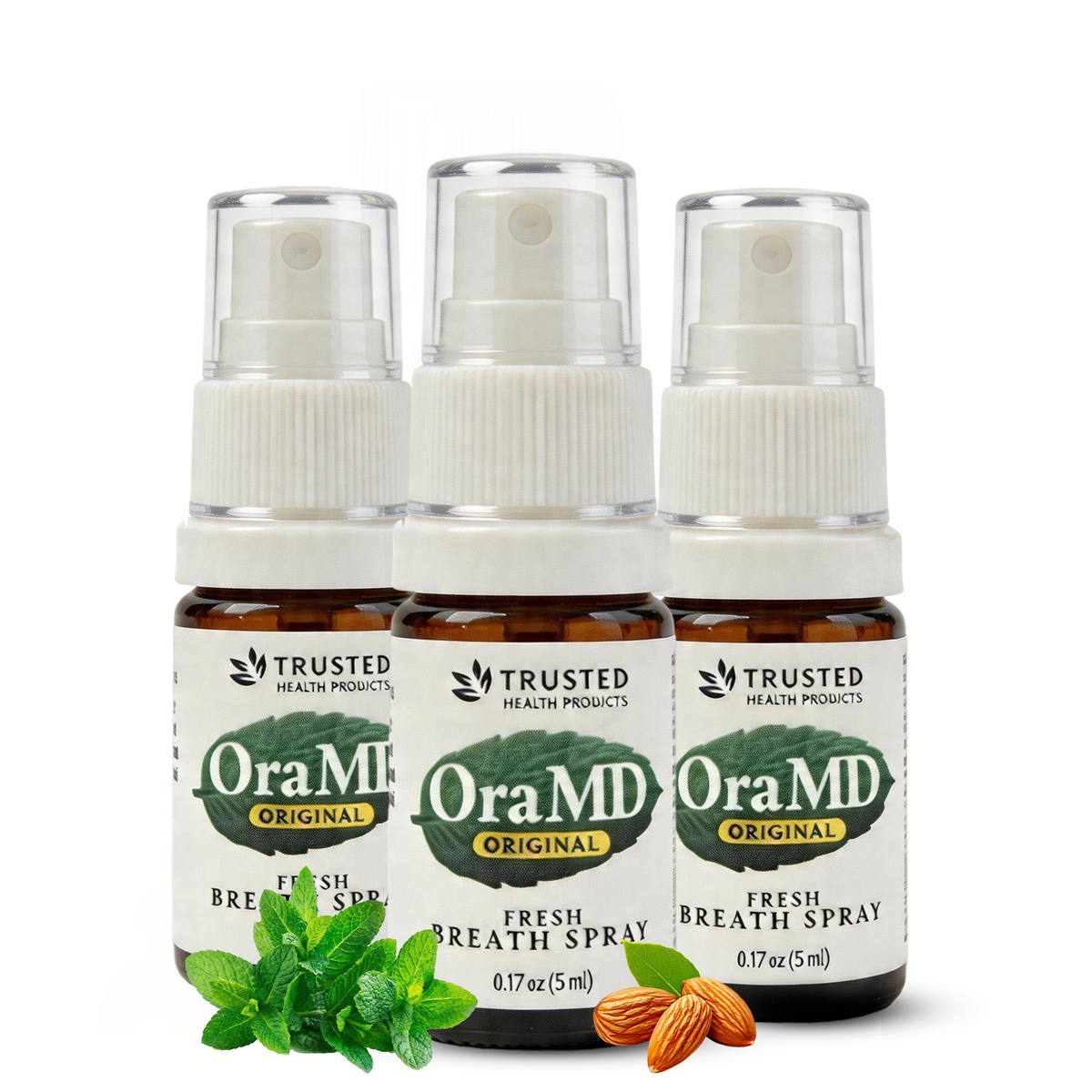
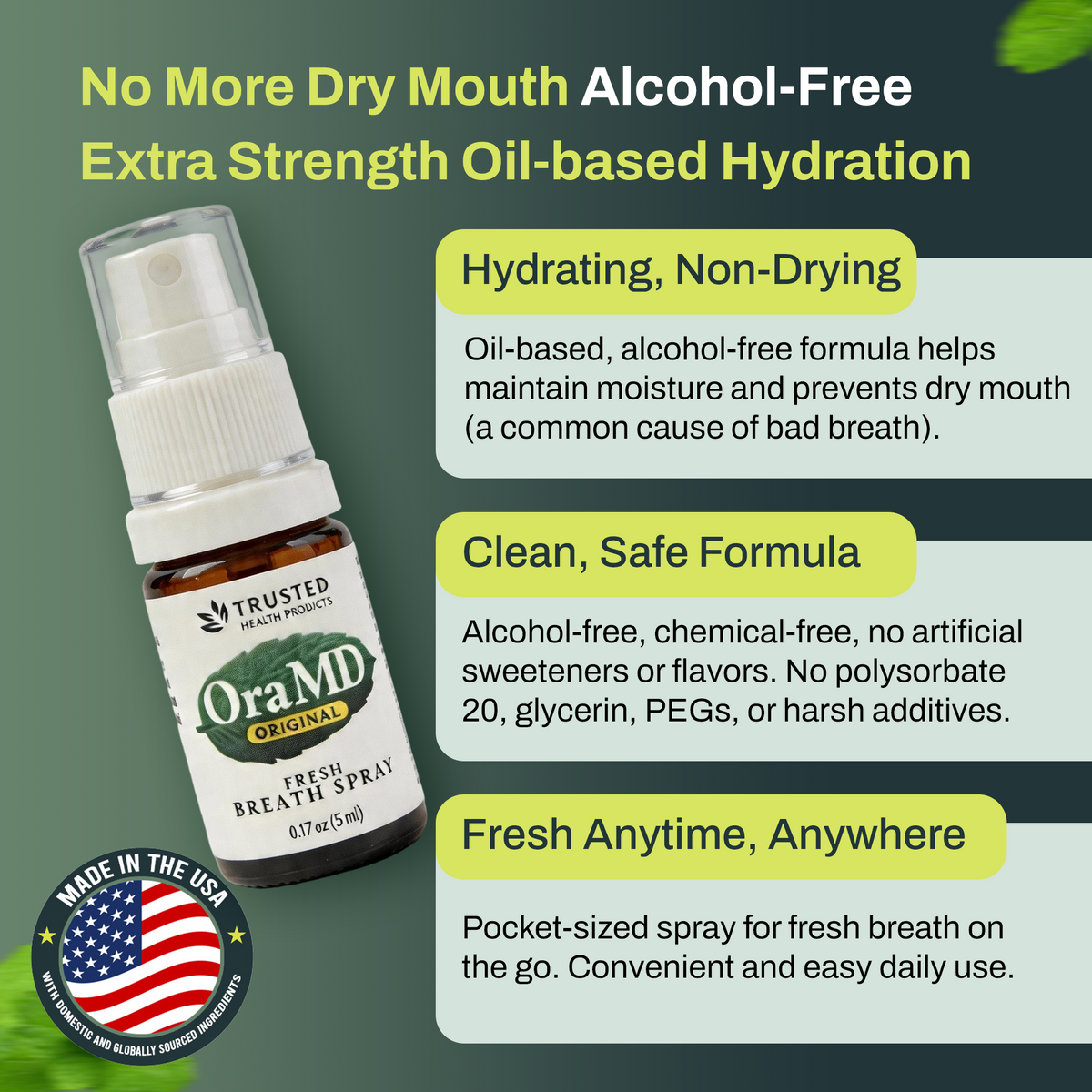
Trusted Health Products offers the OraMD breath spray for readers seeking natural oral care. Peppermint and spearmint oils leave a refreshing, clean taste. Plant-based ingredients align with the COSMOS Standard for natural products. Shoppers should read ingredient labels carefully before purchasing. Avoiding harsh detergents prevents unnecessary irritation of the gums.
Sodium lauryl sulfate frequently causes painful mouth sores. Botanical rinses maintain a balanced oral microbiome naturally. Effective mouthwashes neutralize odors without destroying beneficial bacteria. Educated consumers choose products with simple, recognizable ingredients.
Strategies For How To Get Rid Of Bad Breath Permanently
Permanent solutions require a comprehensive approach to oral hygiene. Masking odors never resolves the underlying bacterial overgrowth. Individuals must establish consistent, twice-daily cleaning routines. Professional dental cleanings remove hardened tartar safely every six months. Dentists identify and repair structural issues trapping bacteria. Dietary modifications reduce the fuel available for oral microbes. Hydration strategies maintain healthy saliva production continuously.
People learning how to get rid of bad breath permanently must prioritize natural ingredients. Synthetic chemicals often disrupt the delicate oral microbiome. Botanical oils provide gentle antibacterial action without side effects. Replacing worn toothbrushes prevents the reintroduction of old bacteria. Flossing removes hidden food particles between tight teeth spaces. Oral probiotics introduce beneficial bacteria to crowd out odor-producers. A holistic strategy addresses lifestyle, diet, and oral care habits. Consistency in these practices guarantees long-term success. Ignoring any single factor allows halitosis to return eventually. Comprehensive care protects both oral health and social confidence.
Addressing Bad Breath With Trusted Health Products
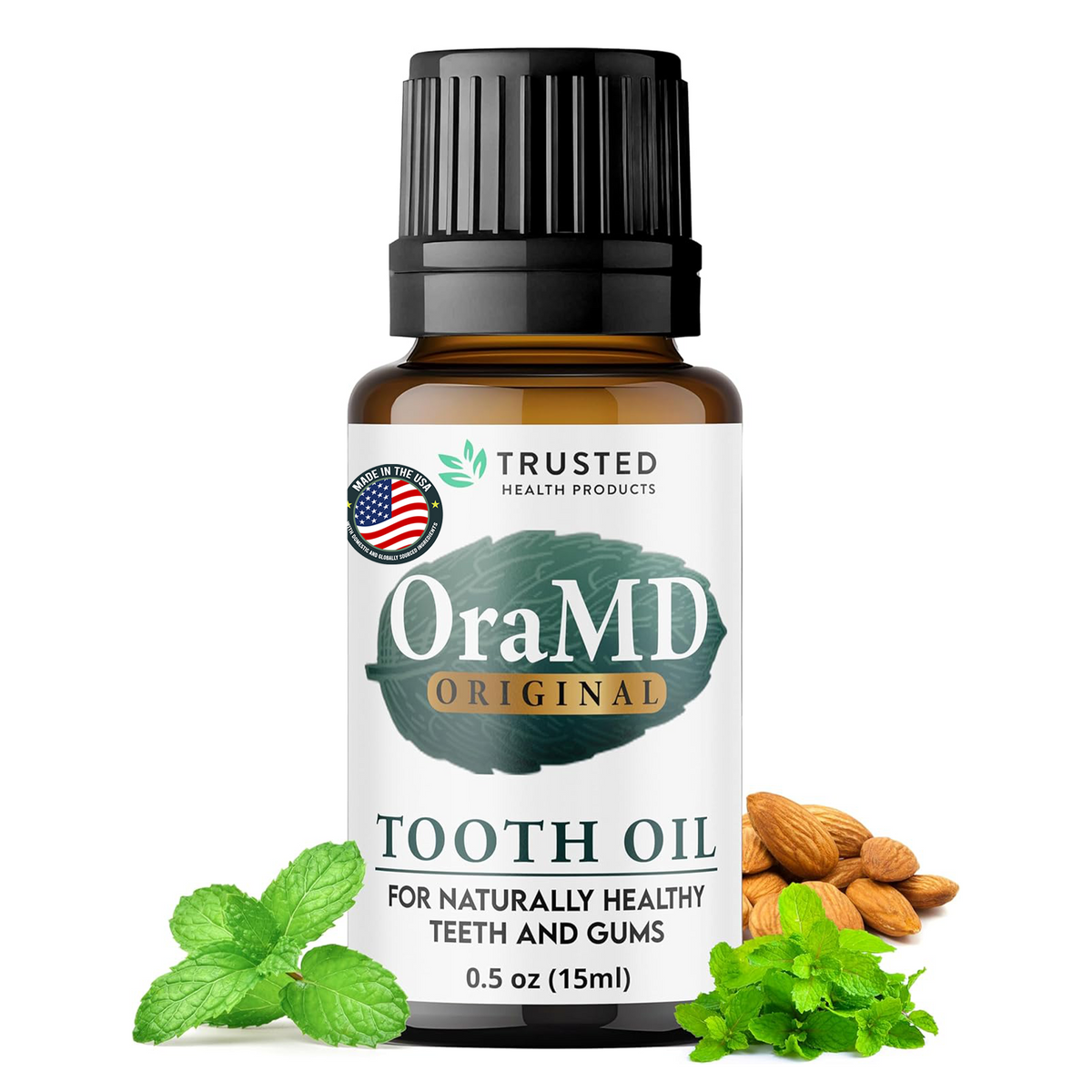
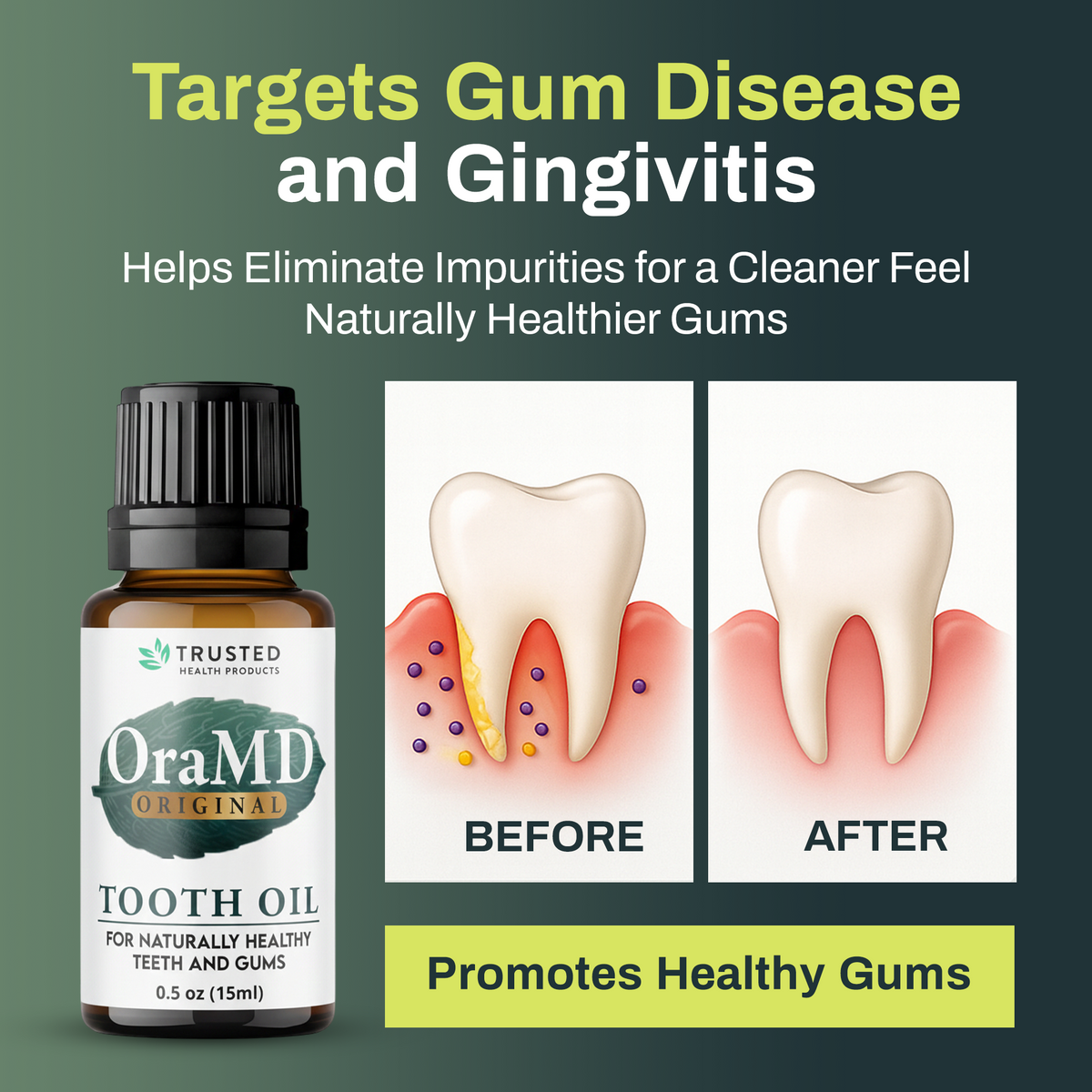
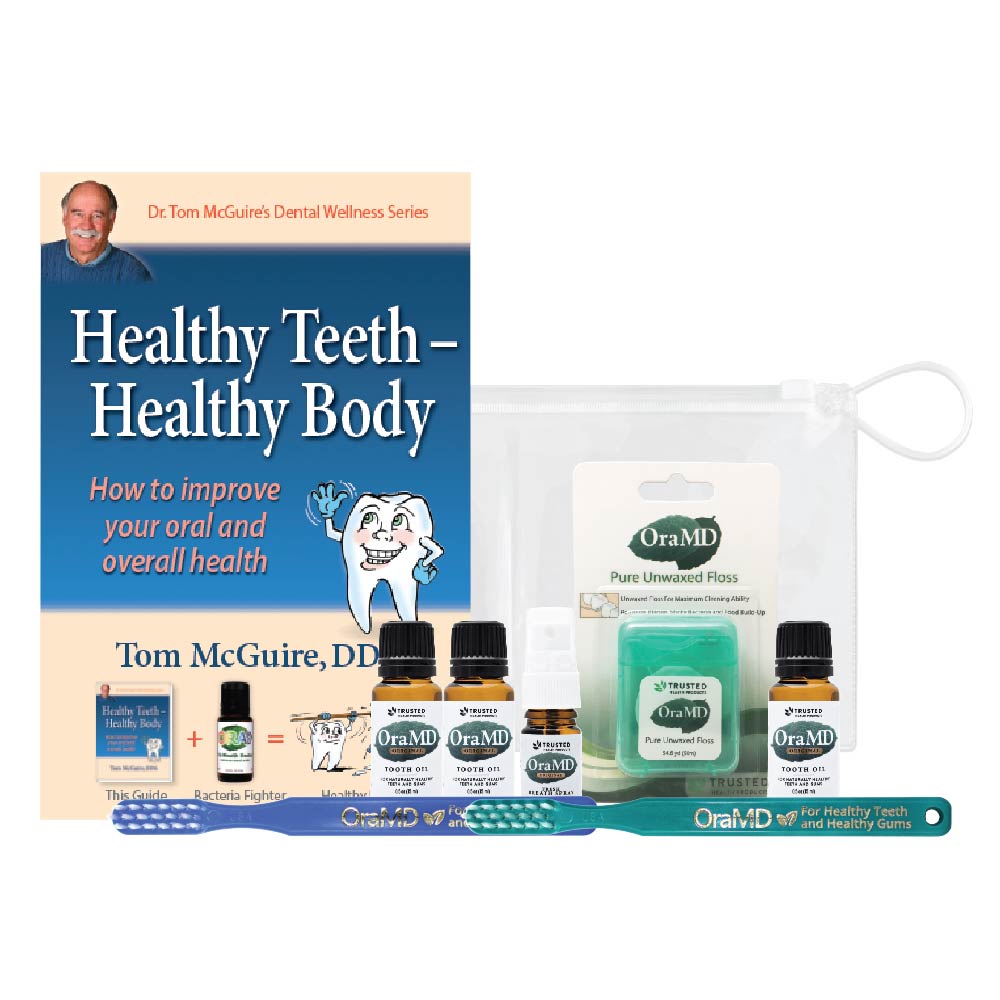
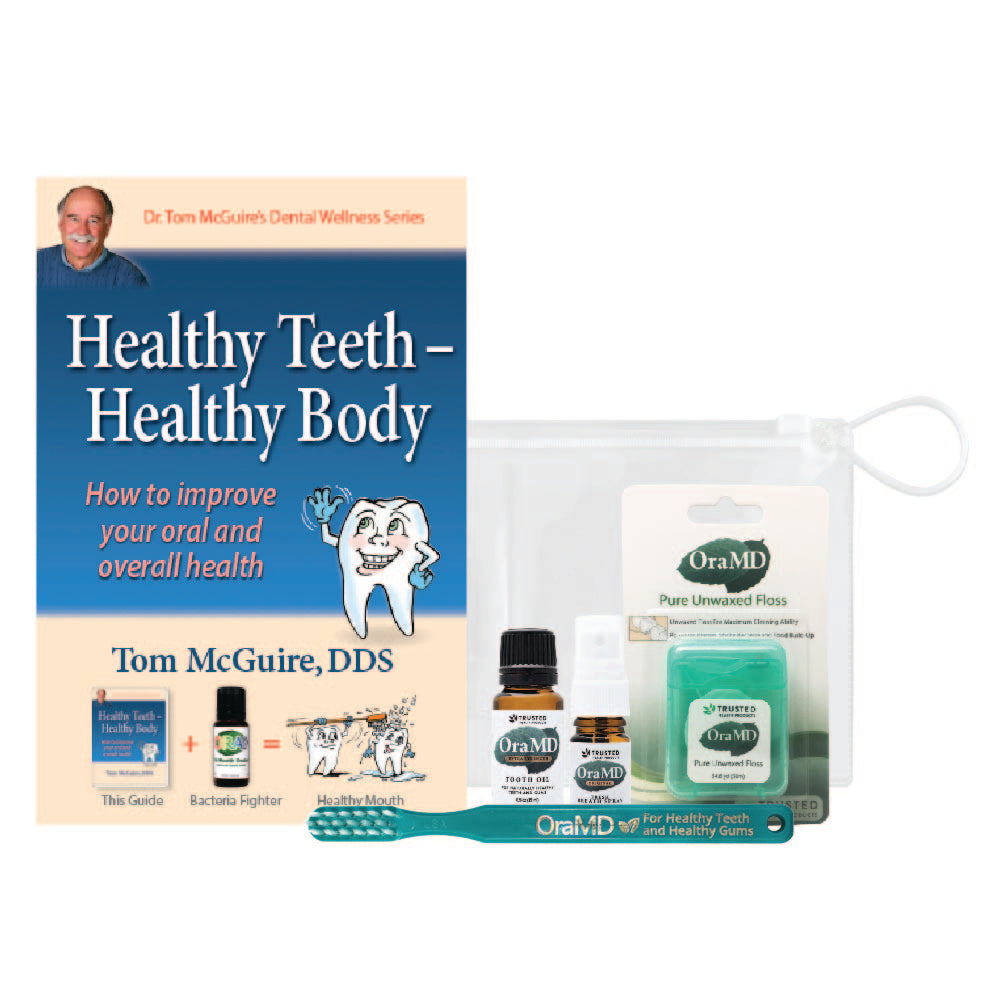
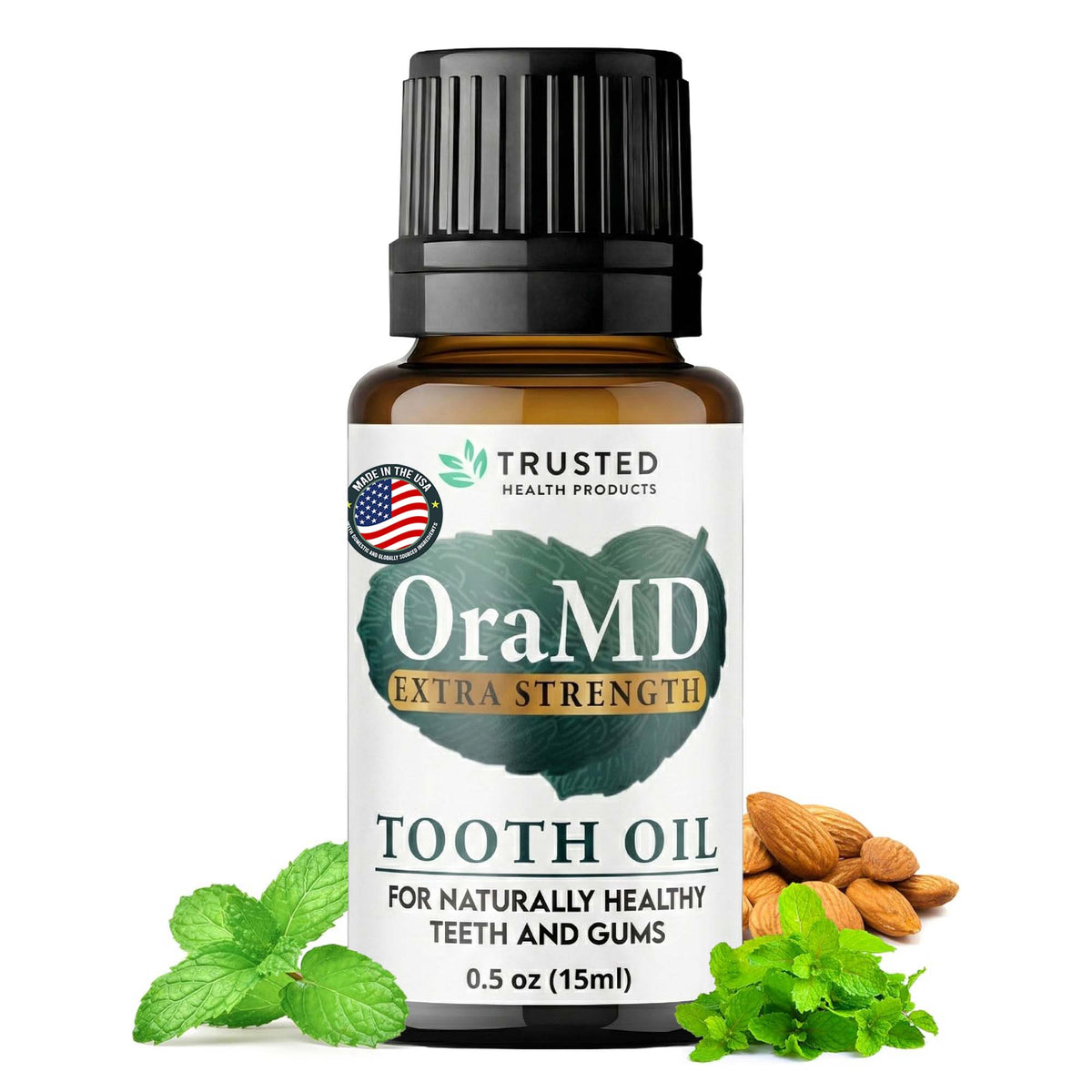
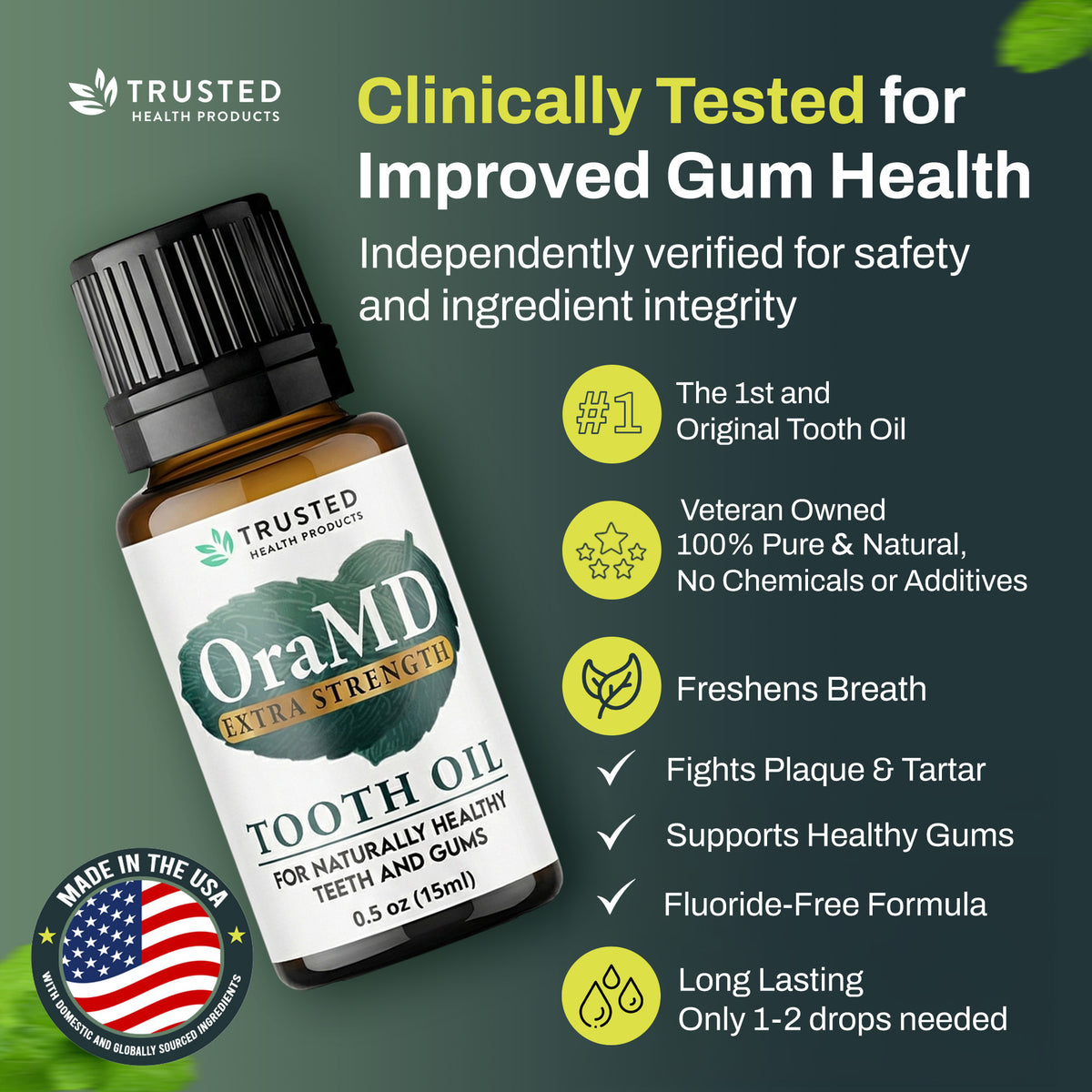
Natural solutions provide effective alternatives to synthetic oral chemicals. Trusted Health Products formulates pure botanical blends for daily use. The OraMD Original Strength Tooth Oil replaces traditional toothpaste entirely. This liquid toothpaste cleans teeth without using harsh abrasives. Users place drops directly onto their wet toothbrush bristles. The oil penetrates deep gum pockets to reach hidden bacteria.
Trusted Health Products formulates this tooth oil for consumers avoiding artificial additives. These botanical products contain absolutely no fluoride or synthetic detergents. Almond, spearmint, and peppermint oils fight bacteria naturally. Consistent use supports a significantly healthier oral microbiome. The OraMD line simplifies the daily oral care routine. Pure essential oils leave the mouth feeling professionally cleaned. Many users report noticeable improvements in morning breath. Embracing botanical solutions eliminates chemical exposure during daily hygiene. Nature provides effective tools for maintaining oral freshness.
The Role Of Flossing In Odor Prevention
Brushing alone cleans only sixty percent of the tooth surface. The remaining forty percent lies hidden between the teeth. Toothbrush bristles cannot reach into these tight interdental spaces. Adjacent teeth securely trap food particles every single day. Bacteria quickly colonize these trapped food particles.
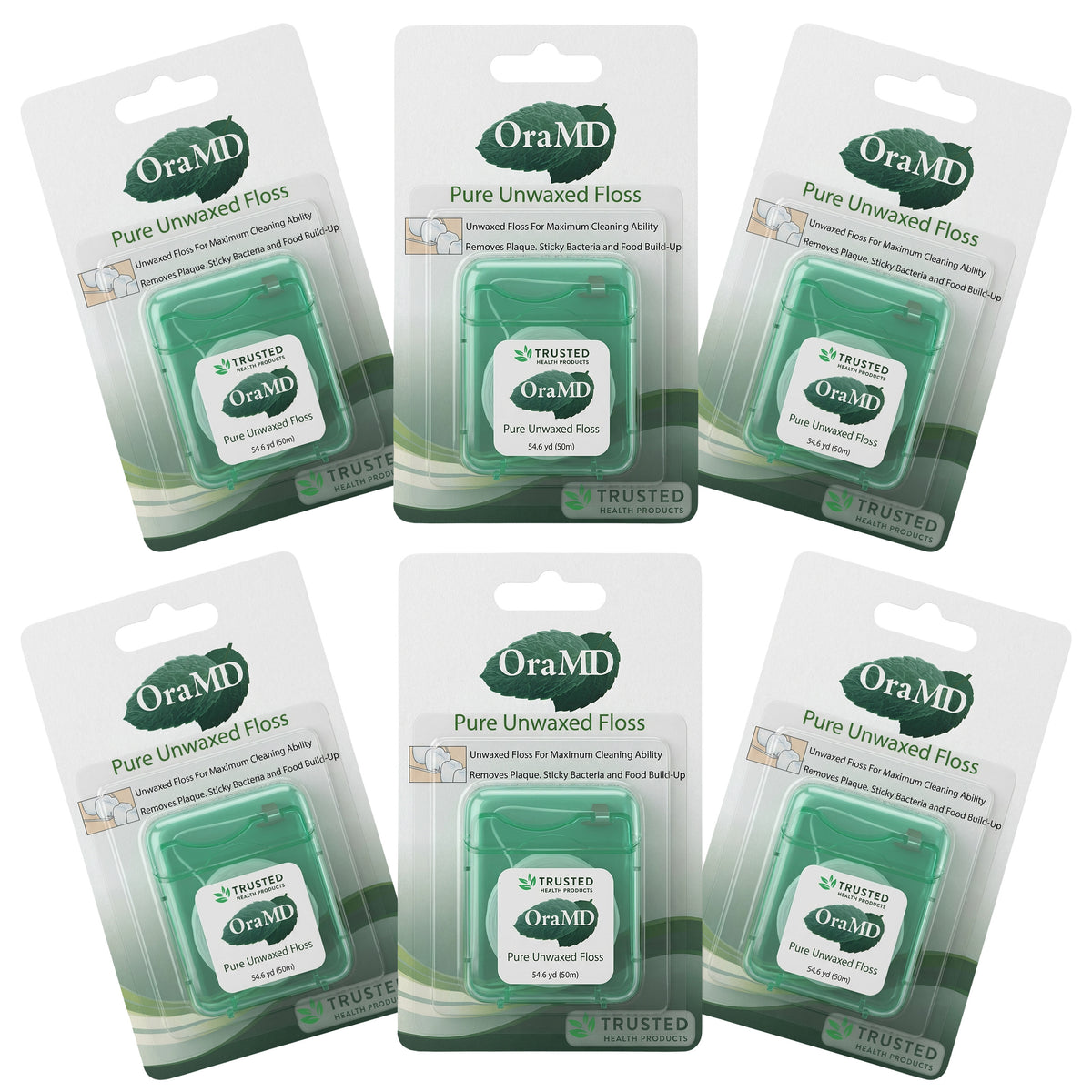
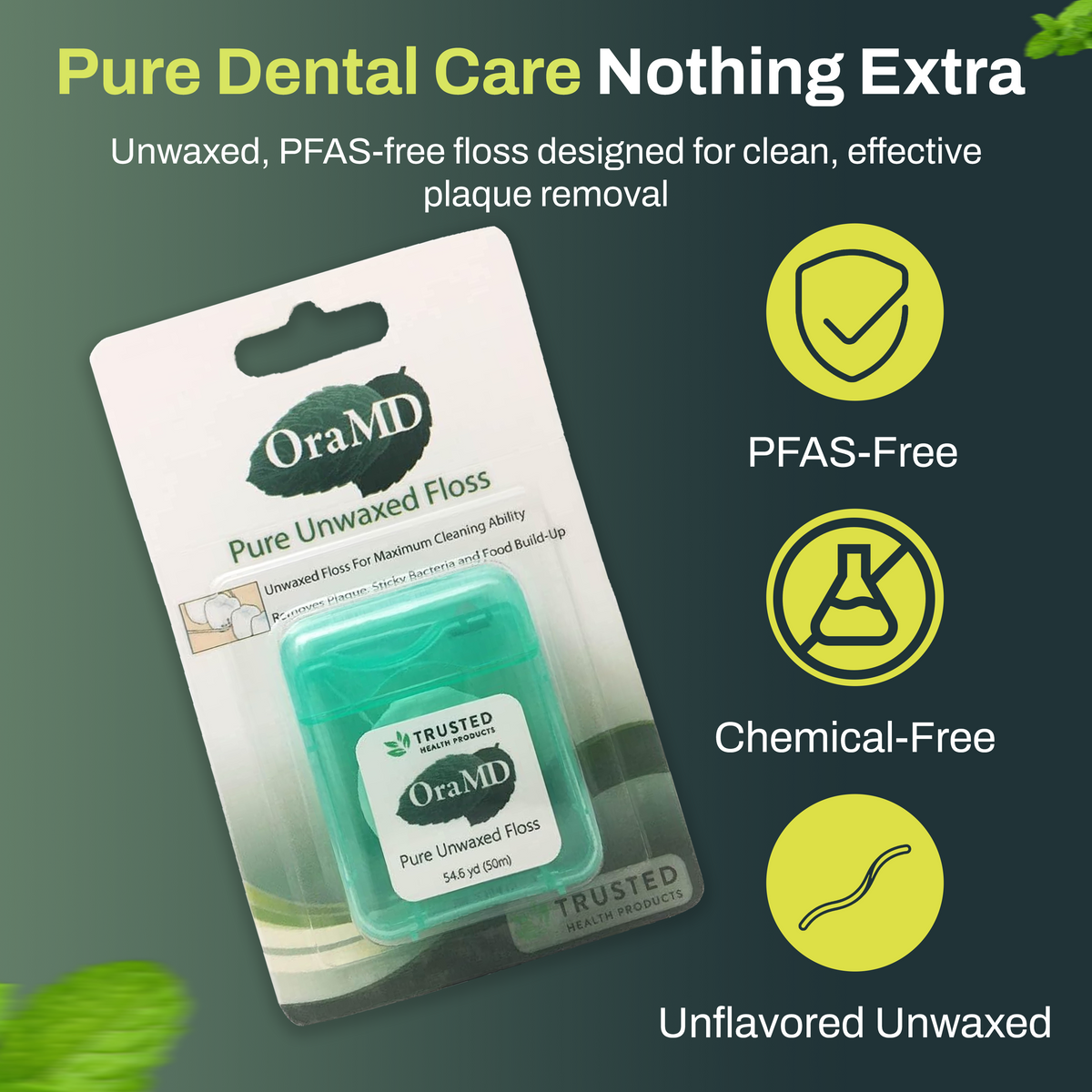
The resulting fermentation process produces severe, localized odors. Flossing physically disrupts this hidden bacterial biofilm effectively. Dentists consider flossing essential for preventing periodontal disease (ADA: Dental Floss/Interdental Cleaners). Inflamed gums release fluids that further feed anaerobic bacteria. Regular flossing reduces this dangerous gum inflammation significantly. Effective dental floss physically scrapes away sticky plaque from enamel surfaces. Water flossers also provide excellent interdental cleaning capabilities. A pulsed stream of water flushes out deep gum pockets. People must perform interdental cleaning at least once daily. Nighttime flossing prevents bacteria from feeding during sleep. Consistent interdental cleaning drastically reduces overall oral malodor. Skipping this step guarantees the survival of odor-causing microbes. Consistent interdental cleaning shows how to get rid of bad breath permanently.
Recognizing Symptoms Of Chronic Halitosis
People often struggle to detect their own breath odor. The human brain naturally adapts to constant personal smells. This sensory adaptation makes self-diagnosis extremely difficult. A simple wrist test helps identify foul odors quickly. Individuals lick their clean wrist and let it dry. Smelling the dried wrist reveals the true oral scent.
A bad taste in the mouth also indicates bacterial overgrowth. Many sufferers experience a constant sour or bitter taste. White or yellow coating on the tongue signifies heavy plaque. Dry mouth symptoms frequently accompany chronic odor issues. Friends or family members might offer subtle hints about halitosis. Asking a trusted confidant provides the most accurate assessment. Dental professionals use specialized gas detectors during examinations. These devices measure exact levels of volatile sulfur compounds. Early detection allows for prompt hygiene interventions. Addressing symptoms quickly prevents severe social embarrassment.
Conclusion: Maintaining Long-Term Oral Freshness
Discovering how to get rid of bad breath permanently requires daily commitment. Consistent oral hygiene remains the absolute most effective strategy. Individuals must address bacteria on the teeth, gums, and tongue. Natural botanical products offer safe alternatives to harsh commercial chemicals.
Trusted Health Products stocks holistic dental oils for readers finalizing their routines. Proper hydration supports natural saliva production throughout the day. Regular dental checkups identify hidden issues like cavities early. People can maintain lasting freshness through diligent daily care. Exploring natural oral care options provides significant health benefits. Choosing pure ingredients ensures a cleaner, healthier mouth over time. Consistent habits protect against the return of unpleasant odors.