The Ultimate Guide to Toothpaste: Types, Ingredients, and How to Choose the Best Toothpaste
March 12, 2026
Author: Ray Spotts
Tags:
Toothpaste is one of the most widely used personal care products in the world. Nearly every oral hygiene routine begins with brushing your teeth using toothpaste to remove plaque, freshen breath, and protect enamel.
However, not all toothpaste formulas are created the same. Today’s market includes dozens of varieties designed for specific needs such as whitening, sensitivity relief, gum health, and natural oral care.
Understanding how toothpaste works, the different types available, and the ingredients inside these formulas can help you choose a product that supports long-term oral health.
In this complete guide, we’ll explore:
-
What toothpaste is and how it works
-
The different types of toothpaste available today
-
The debate between fluoride and fluoride-free toothpaste
-
How to choose the best toothpaste for sensitive teeth
-
Natural toothpaste alternatives and emerging oral care solutions
-
Ingredients to avoid in conventional toothpaste
By the end of this guide, you’ll have a clear understanding of how toothpaste fits into your daily oral hygiene routine and how to select the best formula for your needs.
What Is Toothpaste?
Toothpaste is a semi-abrasive gel or paste designed to clean teeth and improve oral health when used with a toothbrush.
Although modern toothpaste formulas vary widely, most serve three primary purposes:
-
Removing plaque and bacteria
-
Polishing the surface of teeth
-
Delivering active ingredients that protect enamel and gums
Plaque is a sticky film of bacteria that forms continuously on the teeth. If not removed regularly, plaque can contribute to cavities, gum irritation, and long-term oral health problems.
Brushing with toothpaste helps disrupt this bacterial film while also introducing beneficial compounds that strengthen teeth and freshen breath.
Most dentists recommend brushing with toothpaste twice per day for at least two minutes as part of a complete oral hygiene routine that also includes flossing and professional dental cleanings.
How Toothpaste Works
Toothpaste formulas combine several categories of ingredients that work together to clean teeth and protect oral tissues.
Mild Abrasives
Mild abrasives help physically remove plaque and surface stains from teeth. Common abrasives include:
-
Calcium carbonate
-
Hydrated silica
-
Dicalcium phosphate
These particles gently polish the enamel without damaging it when used correctly.
Fluoride or Remineralizing Agents
Many toothpastes contain fluoride or other remineralizing compounds designed to strengthen tooth enamel and protect against cavities.
These ingredients help restore minerals to enamel that have been lost through acidic exposure from foods, beverages, and bacteria.
Detergents and Foaming Agents
Foaming agents help toothpaste spread evenly across teeth and gums while brushing.
One of the most common detergents used in toothpaste is sodium lauryl sulfate (SLS), which creates foam and helps break down debris.
However, some people with sensitive gums prefer formulas without strong detergents.
Flavoring Agents
Mint oils, herbal extracts, and other flavorings are added to toothpaste to create a refreshing taste and improve the brushing experience.
These ingredients do not necessarily contribute directly to oral health, but they make daily brushing more enjoyable and encourage consistency.
Types of Toothpaste
Not all toothpaste serves the same purpose. Different formulas are designed to address specific oral health concerns.
Understanding the different types of toothpaste can help you find a product that matches your needs.
Whitening Toothpaste
Whitening toothpaste is designed to remove surface stains and improve the brightness of your smile.
These formulas typically contain:
-
Stronger polishing agents
-
Peroxide compounds
-
Stain-lifting ingredients
Whitening toothpaste works primarily by polishing away surface discoloration caused by coffee, tea, wine, and tobacco.
However, whitening toothpaste usually does not change the natural color of enamel beneath the surface.
People with tooth sensitivity should be cautious with some whitening formulas, as stronger abrasives or peroxide ingredients can sometimes increase sensitivity.
Toothpaste for Sensitive Teeth
Sensitive teeth occur when the protective enamel layer becomes worn or when gums recede, exposing dentin beneath the surface.
Dentin contains microscopic tubules that connect to nerve endings inside the tooth. When exposed, hot, cold, or acidic foods can trigger sharp pain.
Toothpaste designed for sensitive teeth often includes ingredients that:
-
Block dentin tubules
-
Reduce nerve response
-
Strengthen weakened enamel
These formulas are commonly recommended for individuals who experience discomfort when consuming cold drinks, sweets, or acidic foods.
Tartar Control Toothpaste
Tartar is hardened plaque that forms when plaque is not removed effectively.
Once tartar develops, it cannot be removed by brushing alone and usually requires professional dental cleaning.
Tartar control toothpaste helps slow the formation of tartar by using compounds that reduce mineral buildup on the teeth.
While these formulas can help maintain cleaner teeth between dental visits, they should still be combined with proper brushing technique and regular professional care.
Gum Health Toothpaste
Gum-focused toothpaste is designed to support healthier gums by reducing bacteria that accumulate along the gumline.
These formulas may contain antibacterial agents or soothing ingredients that help reduce inflammation.
Healthy gums are essential to overall oral health because they protect the underlying structures that support the teeth.
Neglecting gum health can lead to irritation, bleeding, and long-term periodontal problems.
Natural Toothpaste
Natural toothpaste formulas have become increasingly popular among consumers seeking alternatives to conventional oral care products.
These products often avoid synthetic ingredients and instead rely on botanical oils, plant extracts, and mineral compounds.
Common features of natural toothpaste include:
-
Essential oils for freshness
-
Plant-based antimicrobial ingredients
-
Gentle abrasives derived from minerals
-
Fewer artificial additives
Some people choose natural toothpaste because they prefer simpler ingredient lists or wish to avoid strong detergents and artificial sweeteners.
Fluoride vs Fluoride-Free Toothpaste
One of the most debated topics in oral care is whether toothpaste should contain fluoride.
Fluoride Toothpaste
Fluoride has been widely used in dentistry for decades because it helps strengthen enamel and reduce the risk of cavities.
It works by helping teeth remineralize after acid exposure from foods and bacteria.
Fluoride toothpaste is commonly recommended for individuals who are prone to cavities or have a history of enamel weakening.
Fluoride-Free Toothpaste
Fluoride-free toothpaste has become more common as consumers seek alternative oral care products.
These formulas typically focus on:
-
Gentle cleaning agents
-
Botanical antibacterial ingredients
-
Enamel-supporting minerals
Many fluoride-free products aim to support the mouth’s natural balance rather than relying solely on synthetic compounds.
The choice between fluoride and fluoride-free toothpaste often comes down to personal preference, dental history, and individual oral health needs.
Toothpaste for Sensitive Teeth: What to Look For
Tooth sensitivity is one of the most common dental complaints.
Choosing the right toothpaste can make a significant difference in managing discomfort and protecting enamel.
When selecting toothpaste for sensitive teeth, consider the following factors.
Gentle Abrasives
Excessively abrasive toothpaste can wear down enamel over time.
People with sensitive teeth should look for formulas with mild polishing agents that clean effectively without increasing enamel wear.
Enamel Support
Toothpaste that supports enamel remineralization can help strengthen the outer surface of teeth and reduce sensitivity triggers.
Soothing Ingredients
Some toothpaste formulas include ingredients that calm irritated gums or reduce inflammation around exposed tooth surfaces.
Long-Term Use
Sensitive teeth toothpaste often works best when used consistently over time rather than occasionally.
Daily use helps maintain protection and gradually reduce sensitivity symptoms.
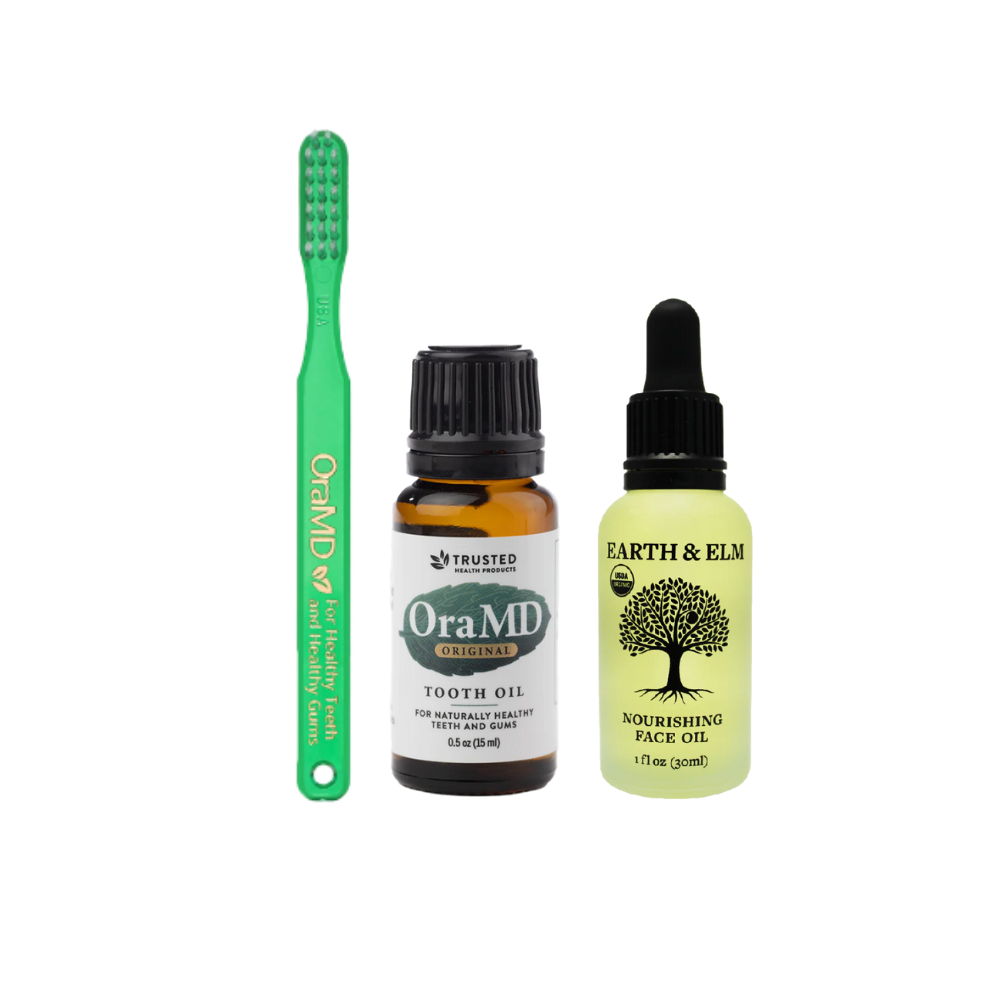
Tooth Oil vs Toothpaste: An Emerging Alternative
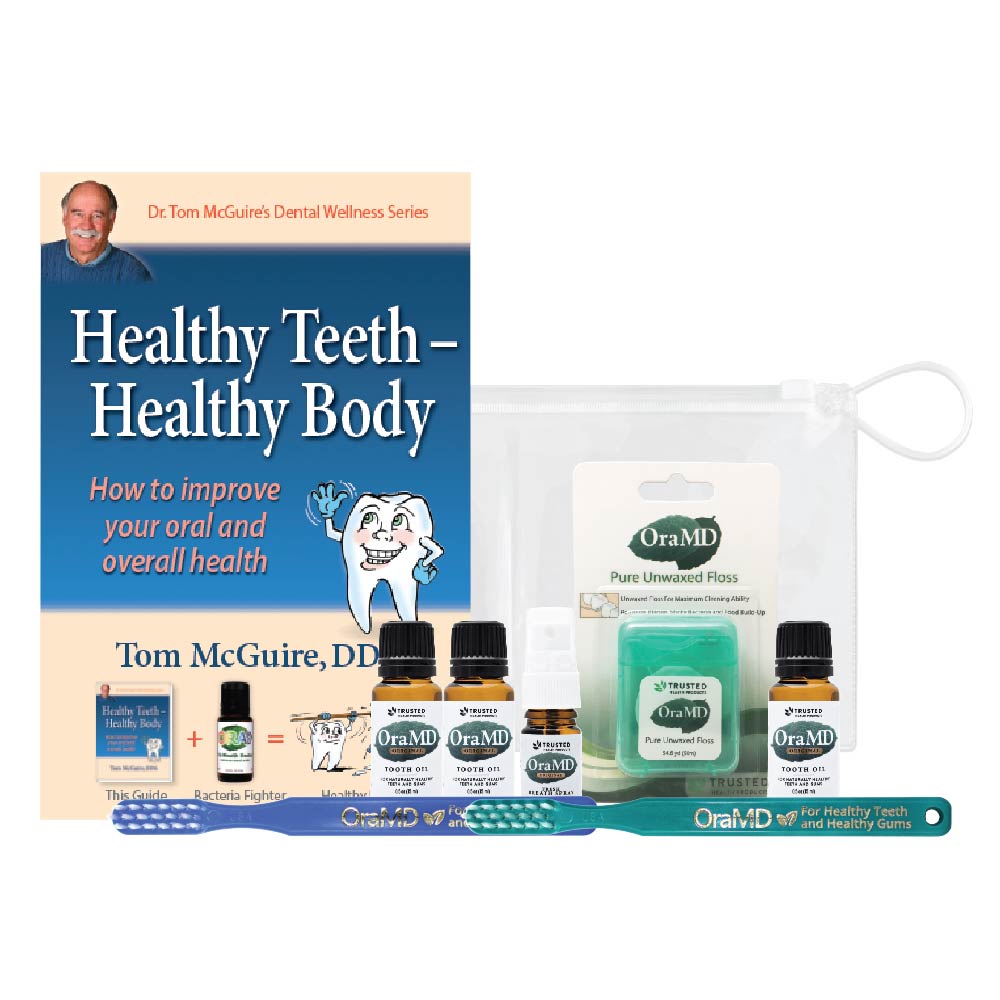
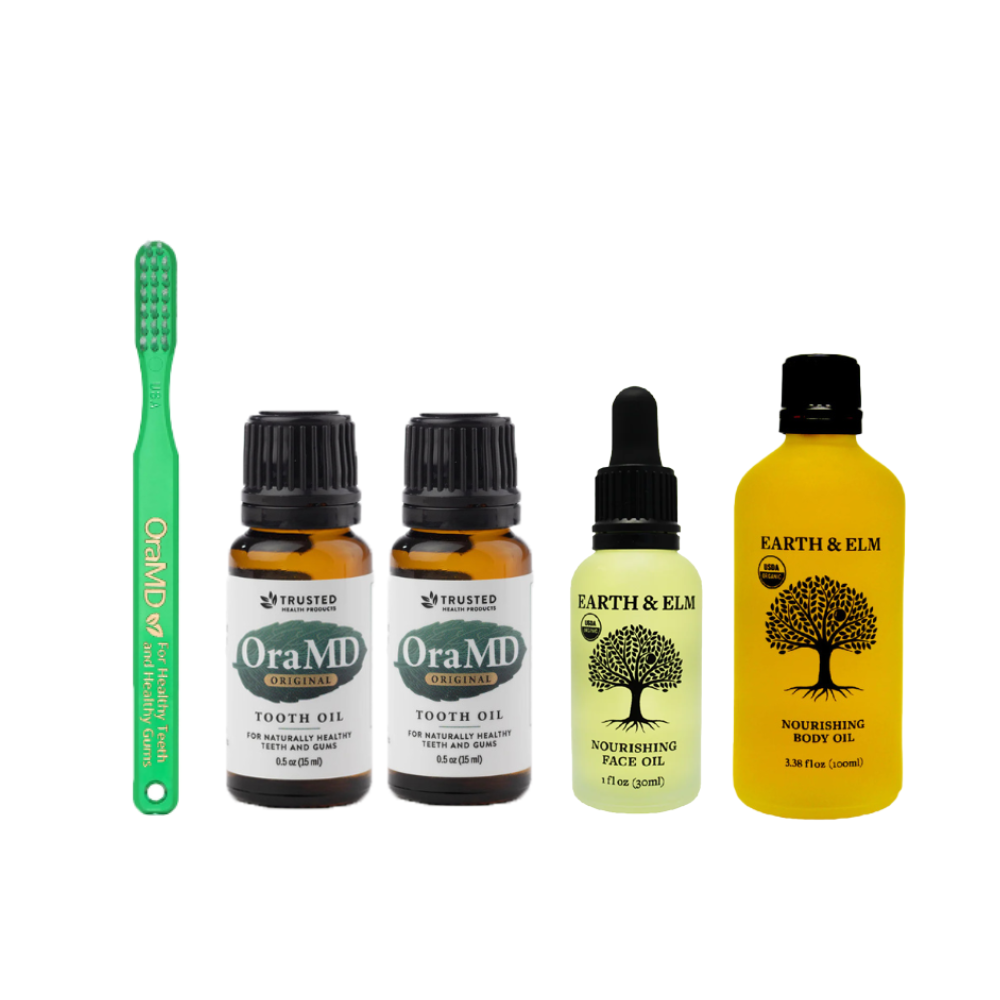
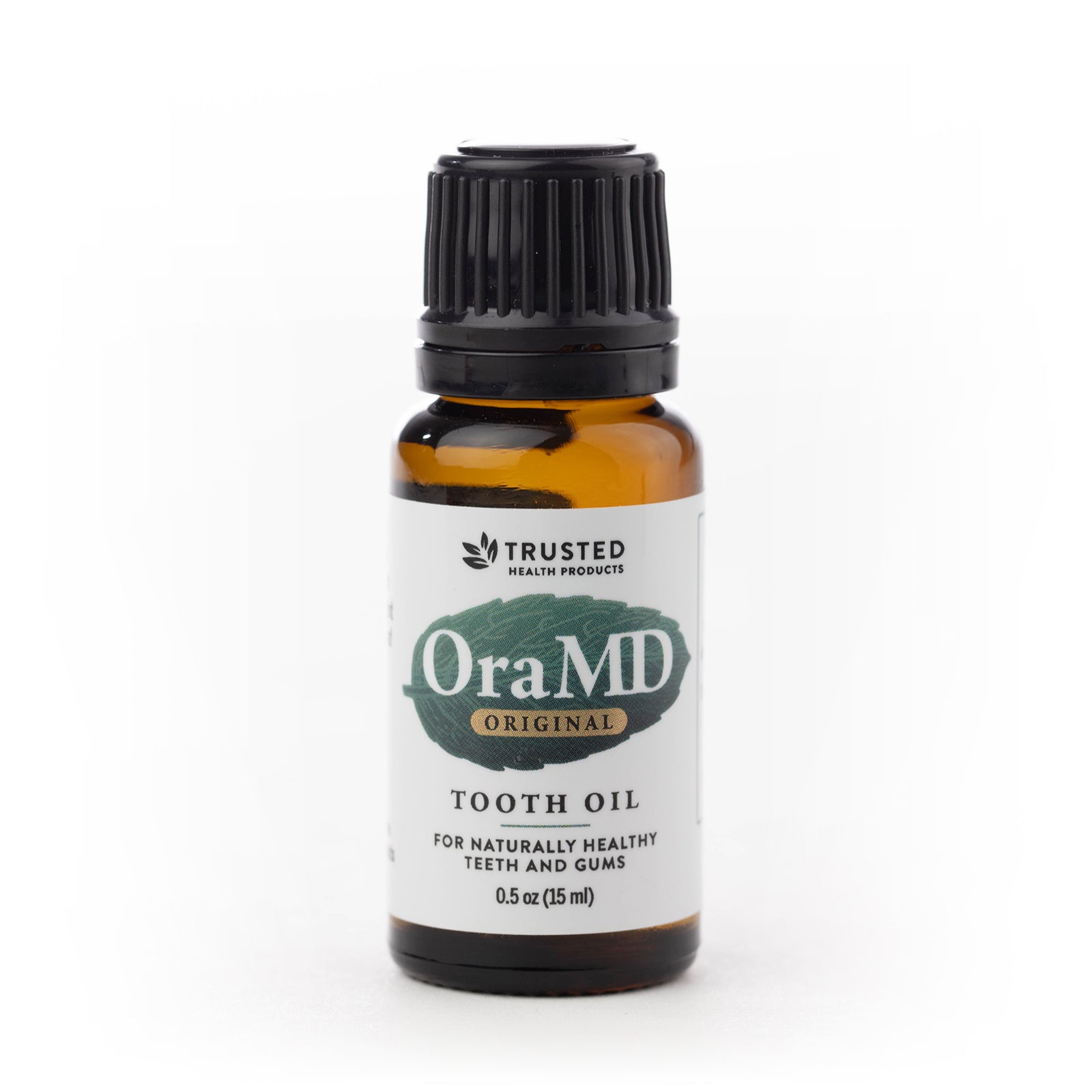
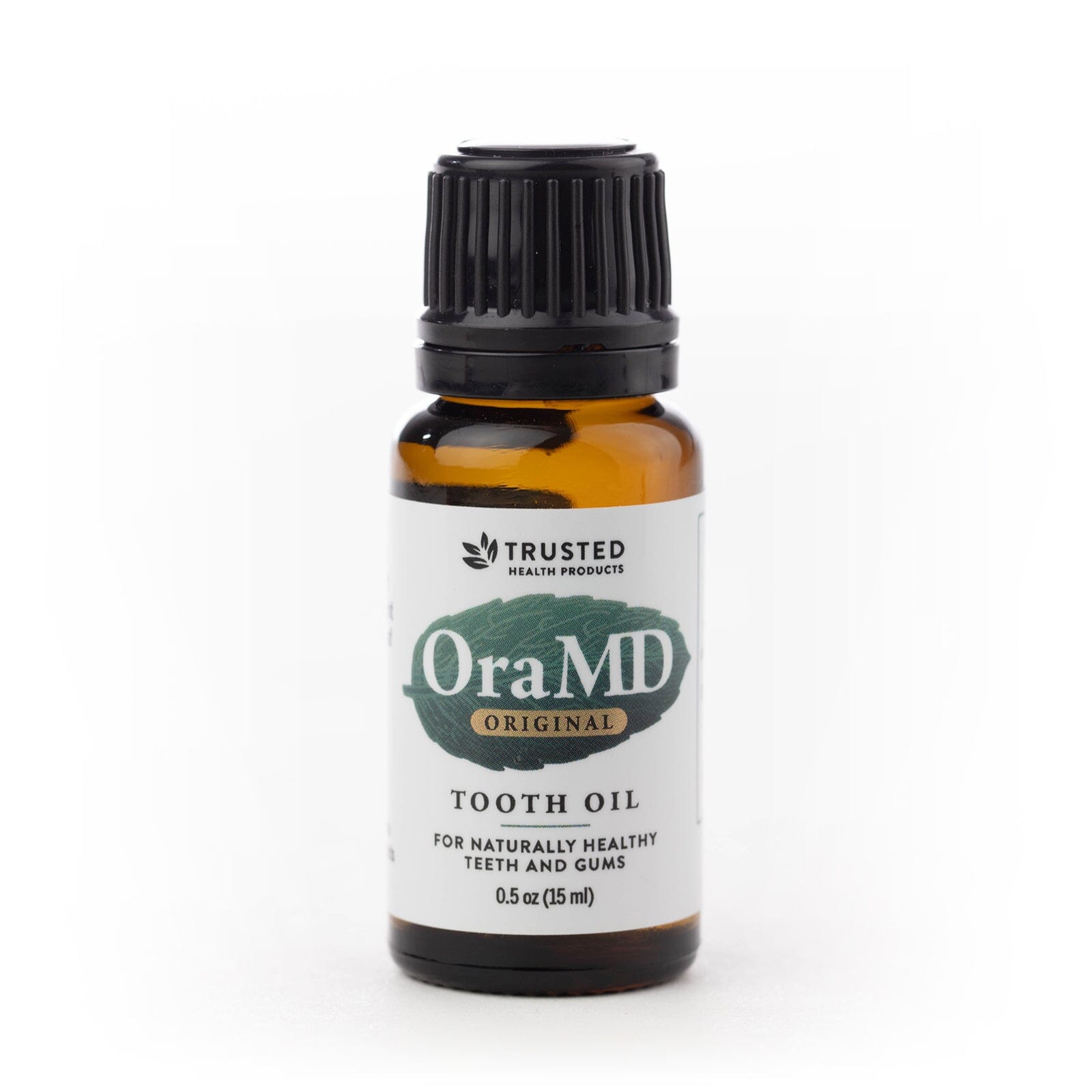
In addition to traditional toothpaste, some oral care routines now incorporate tooth oil or oil-based formulas.
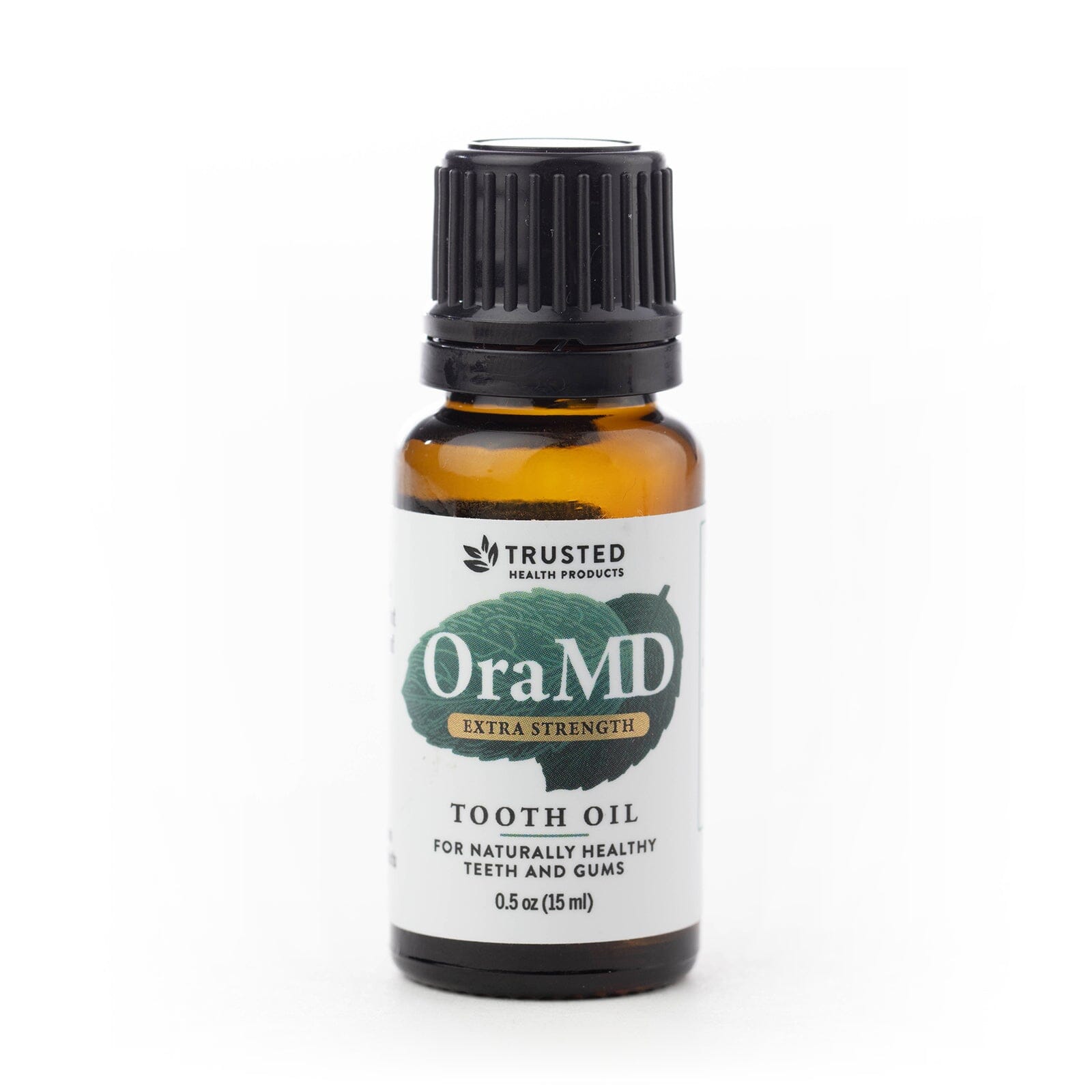
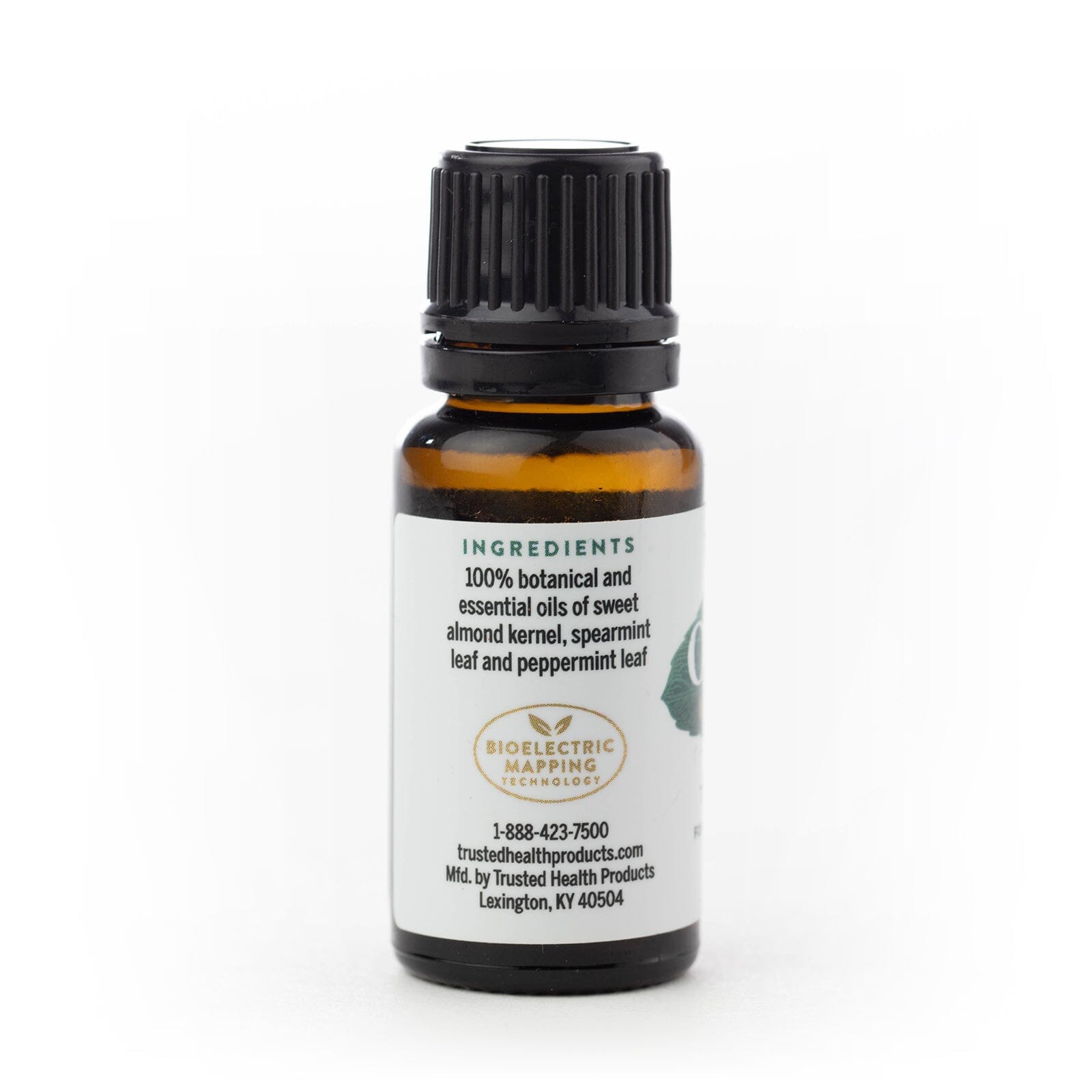
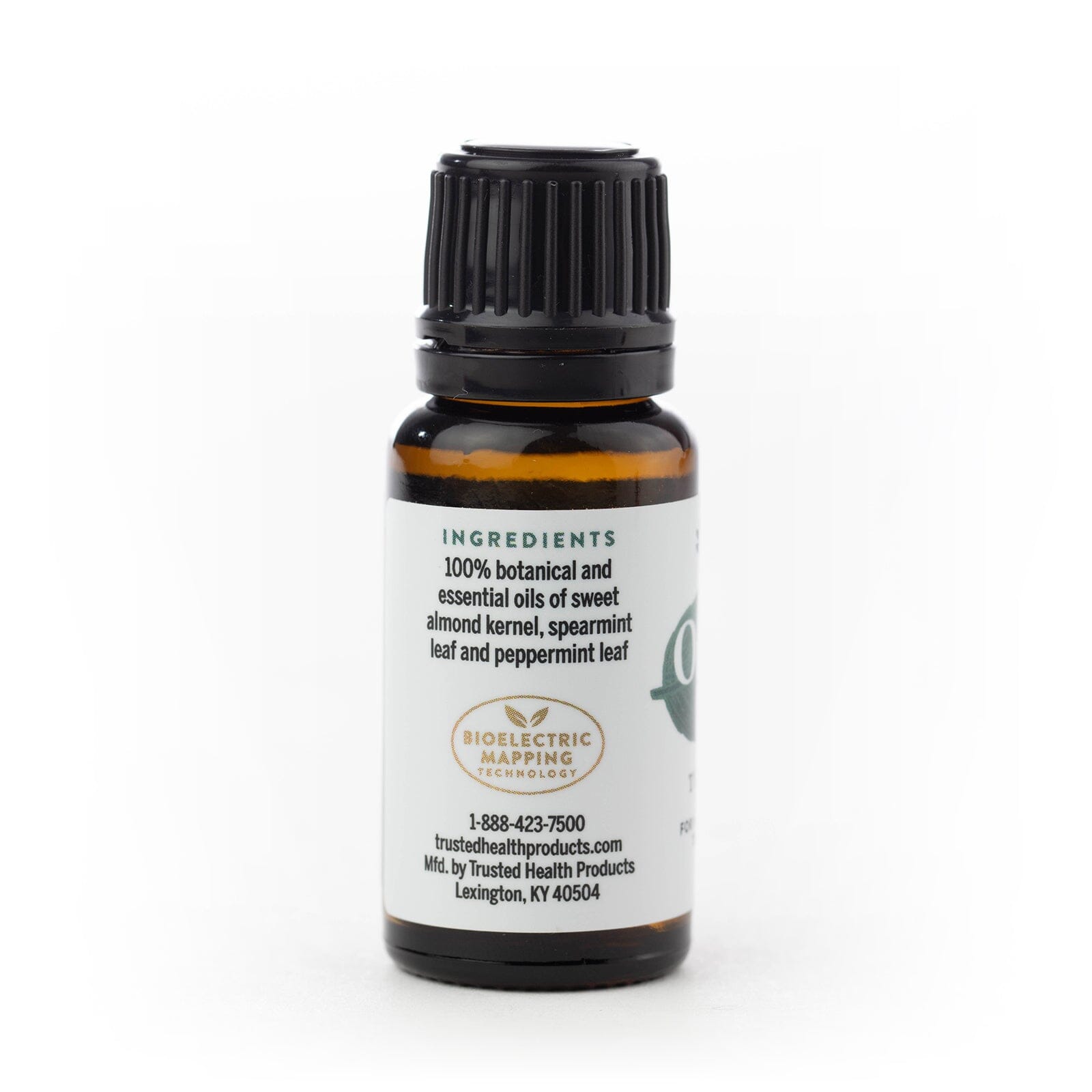
Tooth oil is typically made from concentrated botanical oils that are designed to support oral hygiene.
These formulas may include:
-
Peppermint oil
-
Spearmint oil
-
Almond oil
-
Clove oil
-
Other plant-derived antimicrobial compounds
Unlike traditional toothpaste, tooth oil does not rely on foaming detergents or abrasive particles.
Instead, the oils are designed to spread across teeth and gums, helping to disrupt bacteria while maintaining moisture in the mouth.
Some people combine tooth oil with oil pulling, an ancient practice that involves swishing oil in the mouth to support oral cleanliness.
While tooth oil is not a direct replacement for all toothpaste formulas, it represents an emerging approach to oral care for those interested in botanical or minimalist ingredient options.
Ingredients to Avoid in Toothpaste
While most toothpaste formulas are considered safe, some consumers prefer to avoid certain ingredients depending on their personal preferences.
Common ingredients people sometimes avoid include:
Sodium Lauryl Sulfate (SLS)
SLS is a detergent used to create foam in toothpaste.
Although effective at cleaning, some individuals with sensitive mouths report irritation from strong foaming agents.
Artificial Dyes
Certain toothpaste products contain artificial coloring agents that are not necessary for oral health benefits.
Artificial Sweeteners
Some formulas include synthetic sweeteners to improve taste.
Natural alternatives such as plant-derived flavorings are sometimes used instead.
Harsh Abrasives
Excessively abrasive toothpaste may gradually wear down enamel if used aggressively.
Checking a toothpaste’s relative dentin abrasivity (RDA) rating can help determine how gentle it is on teeth.
How to Choose the Best Toothpaste
With so many options available, choosing the best toothpaste may seem overwhelming.
However, focusing on a few key factors can simplify the decision.
Consider Your Oral Health Needs
Different toothpaste formulas are designed to address different concerns.
Ask yourself whether your priority is:
-
Sensitivity relief
-
Whitening
-
Gum health
-
Natural ingredients
Your primary concern should guide your selection.
Check the Ingredient List
Understanding the ingredients in your toothpaste can help you decide whether the formula aligns with your preferences.
Some people prefer simple formulas with fewer additives, while others prioritize specific dental compounds.
Evaluate Sensitivity
If you experience discomfort from cold drinks or sweets, choosing toothpaste designed for sensitive teeth may help protect exposed dentin and reduce irritation.
Maintain a Consistent Routine
Regardless of which toothpaste you choose, consistency matters most.
Brushing twice daily, flossing regularly, and maintaining professional dental visits are the most important factors for long-term oral health.
Final Thoughts: Finding the Right Toothpaste for Your Oral Care Routine
Toothpaste plays a central role in maintaining healthy teeth and gums.
From whitening formulas to sensitive teeth solutions and natural alternatives, today’s oral care market offers a wide range of options designed to meet different needs.
Understanding how toothpaste works, the ingredients it contains, and the types available can help you choose a formula that supports your long-term dental health.
Whether you prefer traditional toothpaste, fluoride-free formulas, or emerging alternatives like tooth oil, the most important factor is maintaining a consistent oral hygiene routine.
Brushing twice per day, flossing regularly, and scheduling professional dental checkups will help ensure that your teeth and gums remain healthy for years to come.