Is Sodium Lauryl Sulfate (SLS) Bad for Sensitive Gums? Understanding SLS in Toothpaste
March 12, 2026
Author: Ray Spotts
Tags:
Toothpaste is a key part of daily oral hygiene. Most people use toothpaste every day to remove plaque, freshen breath, and support healthy teeth and gums. However, many consumers today are paying closer attention to the ingredients found in their toothpaste.
One ingredient that often raises questions is sodium lauryl sulfate (SLS). This ingredient is commonly used in toothpaste and many other personal care products because it helps create foam during brushing.
While SLS toothpaste is widely used and considered safe for most people, some individuals with sensitive gums or oral irritation prefer to avoid it. As a result, SLS-free toothpaste options have become increasingly popular among people seeking gentler oral care formulas.
Understanding what sodium lauryl sulfate does in toothpaste and why some people choose SLS-free toothpaste can help you decide which toothpaste works best for your oral hygiene routine.
In this article, we’ll explore:
-
What sodium lauryl sulfate is
-
Why SLS is used in toothpaste
-
Whether SLS can irritate sensitive gums
-
The benefits of SLS-free toothpaste
-
How to choose the best toothpaste for sensitive gums
By understanding how toothpaste ingredients work, you can make more informed decisions about the oral care products you use every day.
What Is Sodium Lauryl Sulfate (SLS)?
Sodium lauryl sulfate, often abbreviated as SLS, is a type of surfactant commonly used in many cleaning and personal care products. Surfactants help break down oils and debris, making it easier for products to clean surfaces effectively.
In toothpaste, SLS acts as a foaming agent. When you brush your teeth, the toothpaste begins to foam and spread across your teeth and gums. This foaming action helps distribute the toothpaste throughout the mouth.
Because of its cleaning properties, SLS is frequently included in toothpaste formulas to help improve the brushing experience and assist with plaque removal.
Sodium lauryl sulfate can also be found in other everyday products such as shampoos, facial cleansers, and body washes because it helps create a lather that spreads easily during use.
What Does SLS Do in Toothpaste?
Sodium lauryl sulfate plays several functional roles in many toothpaste formulas. While it does not directly clean teeth by itself, it helps the other ingredients in toothpaste work more effectively.
Creates Foaming Action
The most noticeable effect of SLS in toothpaste is the foaming action that occurs when brushing. This foam helps spread toothpaste across the teeth, gums, and tongue, allowing the cleaning ingredients to reach more surfaces in the mouth.
Foam also helps loosen debris and plaque during brushing.
Helps Distribute Toothpaste Evenly
Without a surfactant like SLS, toothpaste would not spread as easily throughout the mouth. The foaming action allows the toothpaste to reach areas between teeth and along the gumline more effectively.
This helps the active ingredients in toothpaste interact with plaque and bacteria during brushing.
Assists with Debris Removal
SLS also helps break down oils and debris that accumulate on teeth. This makes it easier for brushing to remove plaque, food particles, and bacteria from tooth surfaces.
By supporting these cleaning processes, SLS contributes to the overall effectiveness of many toothpaste formulas.
Why Some People Avoid SLS Toothpaste
Although sodium lauryl sulfate is commonly used in toothpaste, some individuals report discomfort when using toothpaste that contains strong foaming agents.
People with sensitive gums or certain oral conditions may prefer toothpaste without SLS.
Oral Tissue Sensitivity
Some individuals find that SLS can irritate delicate oral tissues. People who experience gum irritation may notice that toothpaste with strong detergents feels harsher during brushing.
In these cases, switching to SLS-free toothpaste may feel more comfortable.
Mouth Dryness
Because SLS helps break down oils, it may contribute to dryness in the mouth for some individuals. People who experience dry mouth symptoms sometimes prefer toothpaste formulas that avoid strong surfactants.
Maintaining moisture in the mouth can be important for supporting healthy gums and oral tissues.
Mouth Ulcers or Canker Sores
Some people who experience frequent mouth ulcers or canker sores report that SLS toothpaste may worsen irritation in the mouth.
While this does not affect everyone, individuals prone to mouth sores sometimes choose SLS-free toothpaste to reduce potential irritation.
What Is SLS-Free Toothpaste?
SLS-free toothpaste is simply toothpaste that does not contain sodium lauryl sulfate as a foaming agent.
These toothpaste formulas often use alternative ingredients that provide cleaning benefits without relying on strong detergents.
SLS-free toothpaste has become more widely available as consumers seek gentler oral care products or prefer toothpaste with simpler ingredient lists.
Ingredients Used in SLS-Free Toothpaste
Instead of sodium lauryl sulfate, many SLS-free toothpaste formulas rely on alternative ingredients to help clean teeth and support oral hygiene.
Mild Plant-Based Surfactants
Some SLS-free toothpaste products use plant-derived surfactants that create lighter foam while still helping distribute toothpaste across the mouth.
These ingredients tend to be milder than traditional detergents.
Botanical Oils
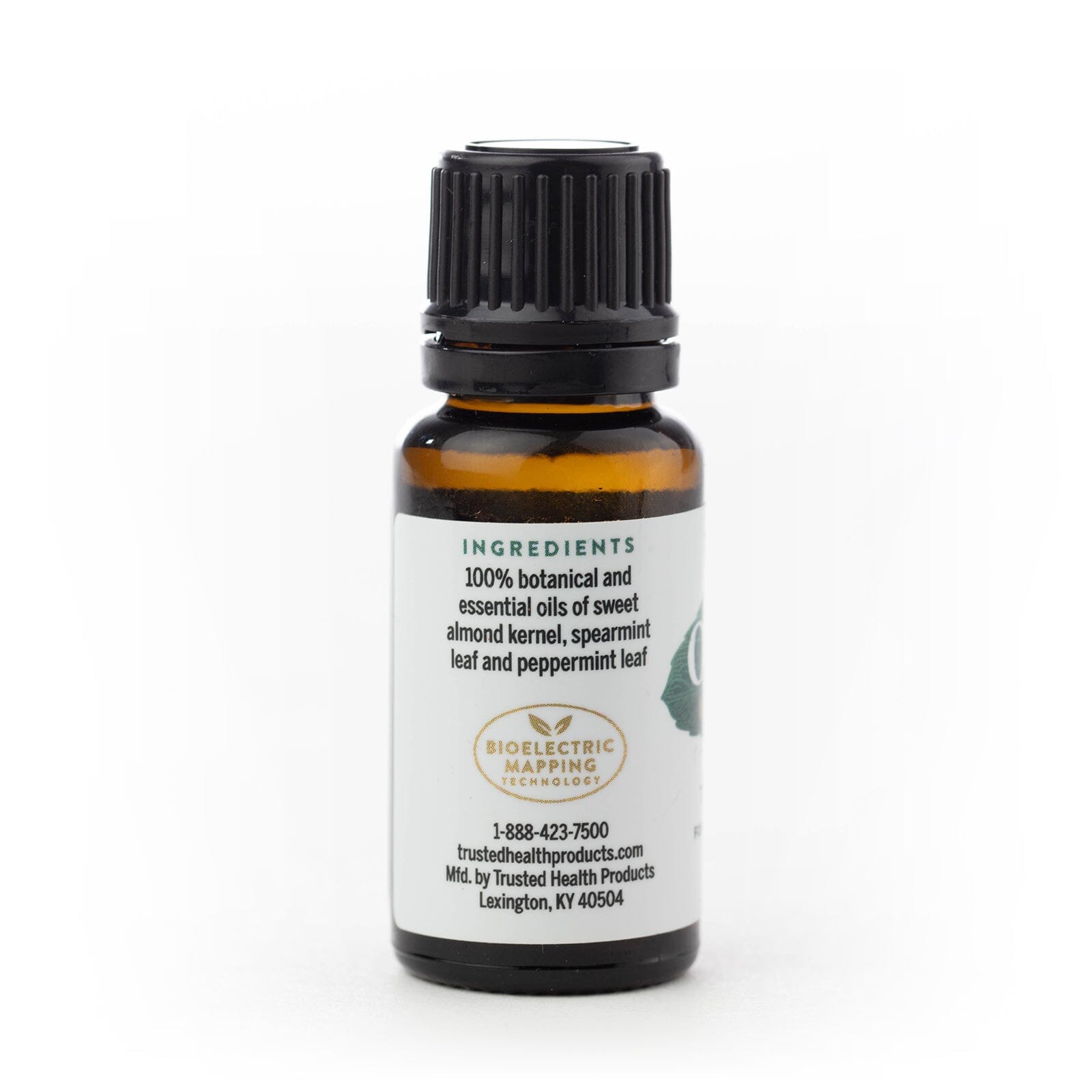
Certain natural toothpaste formulas incorporate botanical oils such as peppermint or spearmint oil.
These oils help provide freshness while supporting oral hygiene.
Gentle Cleaning Agents
Many SLS-free toothpaste formulas also rely on mineral-based cleaning agents to remove plaque and polish teeth.
These ingredients help clean the tooth surface without relying on strong detergents.
Benefits of SLS-Free Toothpaste for Sensitive Gums
For individuals with sensitive gums or oral irritation, SLS-free toothpaste may provide a gentler brushing experience.
Reduced Irritation
Without strong detergents, SLS-free toothpaste may be less likely to irritate sensitive oral tissues.
This can make brushing more comfortable for individuals with delicate gums.
Improved Comfort During Brushing
People with sensitive mouths sometimes prefer toothpaste formulas that produce less foam.
A lower-foaming toothpaste can feel milder during brushing while still cleaning teeth effectively.
Suitable for Sensitive Oral Conditions
Individuals who frequently experience mouth ulcers, gum irritation, or oral dryness sometimes find that switching to SLS-free toothpaste improves comfort.
However, individual experiences may vary depending on oral health conditions and personal sensitivity.
Should You Avoid Sodium Lauryl Sulfate in Toothpaste?
For most people, sodium lauryl sulfate does not cause problems and remains a common ingredient in toothpaste formulas.
Dental products containing SLS are widely used and approved for oral care.
However, individuals who experience irritation, dryness, or discomfort during brushing may benefit from trying SLS-free toothpaste to see if symptoms improve.
Because everyone’s oral sensitivity is different, choosing the right toothpaste may involve experimenting with different formulas to find the one that feels most comfortable.
Choosing the Best Toothpaste for Sensitive Gums
When selecting toothpaste, it is helpful to consider your specific oral health needs.
People with sensitive gums may benefit from toothpaste formulas that focus on gentle cleaning and minimal irritation.
Some factors to consider include:
-
Toothpaste designed for sensitive teeth and gums
-
Toothpaste with mild abrasives
-
Toothpaste without strong detergents
-
Toothpaste with simple ingredient lists
Reading toothpaste labels and understanding ingredient functions can help you select a product that supports your oral health while providing a comfortable brushing experience.
Maintaining Healthy Teeth and Gums
Regardless of which toothpaste you choose, consistent oral hygiene habits are the most important factor in maintaining healthy teeth and gums.
Dentists typically recommend:
-
Brushing with toothpaste twice per day
-
Flossing daily
-
Visiting a dentist regularly for professional cleanings
These habits help remove plaque, reduce bacteria, and protect both teeth and gums over time.
Final Thoughts on SLS and Toothpaste Ingredients
Sodium lauryl sulfate is a common ingredient in many toothpaste formulas because it helps create foam and distribute cleaning ingredients throughout the mouth.
While SLS toothpaste works well for many individuals, some people with sensitive gums or oral irritation prefer SLS-free toothpaste formulas that rely on gentler ingredients.
Understanding how toothpaste ingredients function can help you make informed decisions about the oral care products you use every day.
Ultimately, the best toothpaste is the one that supports your oral health while allowing you to maintain a consistent and comfortable brushing routine.