Best Toothpaste for Sensitive Teeth: What Actually Works
March 12, 2026
Author: Ray Spotts
Tags:
Tooth sensitivity is one of the most common dental concerns people experience. Many individuals feel sharp discomfort when drinking cold water, eating sweets, or brushing their teeth. Choosing the best toothpaste for sensitive teeth can make a major difference in managing these symptoms and protecting long-term oral health.
Sensitive teeth usually occur when enamel wears down or when gum tissue recedes, exposing the inner layer of the tooth known as dentin. Dentin contains tiny tubules that connect to nerve endings inside the tooth. When exposed to hot, cold, or acidic foods, these tubules allow sensations to travel directly to the nerves, creating the sudden pain many people experience.
Fortunately, several types of toothpaste are specifically designed to reduce tooth sensitivity while strengthening enamel and improving overall oral hygiene.
What Causes Sensitive Teeth?
Before choosing the best toothpaste for sensitive teeth, it is important to understand the underlying causes of tooth sensitivity.
Common causes include:
-
Enamel erosion from acidic foods or beverages
-
Gum recession that exposes dentin
-
Aggressive brushing with hard-bristle toothbrushes
-
Frequent whitening treatments
-
Tooth grinding that wears down enamel
When enamel becomes thinner or gums pull away from the tooth surface, the sensitive dentin layer becomes exposed. This is why many sensitive teeth solutions focus on protecting dentin and strengthening enamel.
Ingredients That Help Sensitive Teeth
Toothpaste for sensitive teeth usually contains specific ingredients that block nerve signals or protect dentin.
Some of the most common ingredients include:
Potassium Compounds
Potassium nitrate is frequently used in toothpaste for sensitive teeth. It works by calming nerve activity within the tooth, which can reduce the sensation of pain triggered by temperature changes.
Stannous Fluoride
Stannous fluoride helps strengthen enamel and form a protective barrier over exposed dentin. This can reduce sensitivity while also protecting against cavities.
Hydroxyapatite
Hydroxyapatite is a mineral that naturally occurs in tooth enamel. Some toothpaste formulas use it to help rebuild weakened enamel and protect sensitive areas.
Botanical Oils
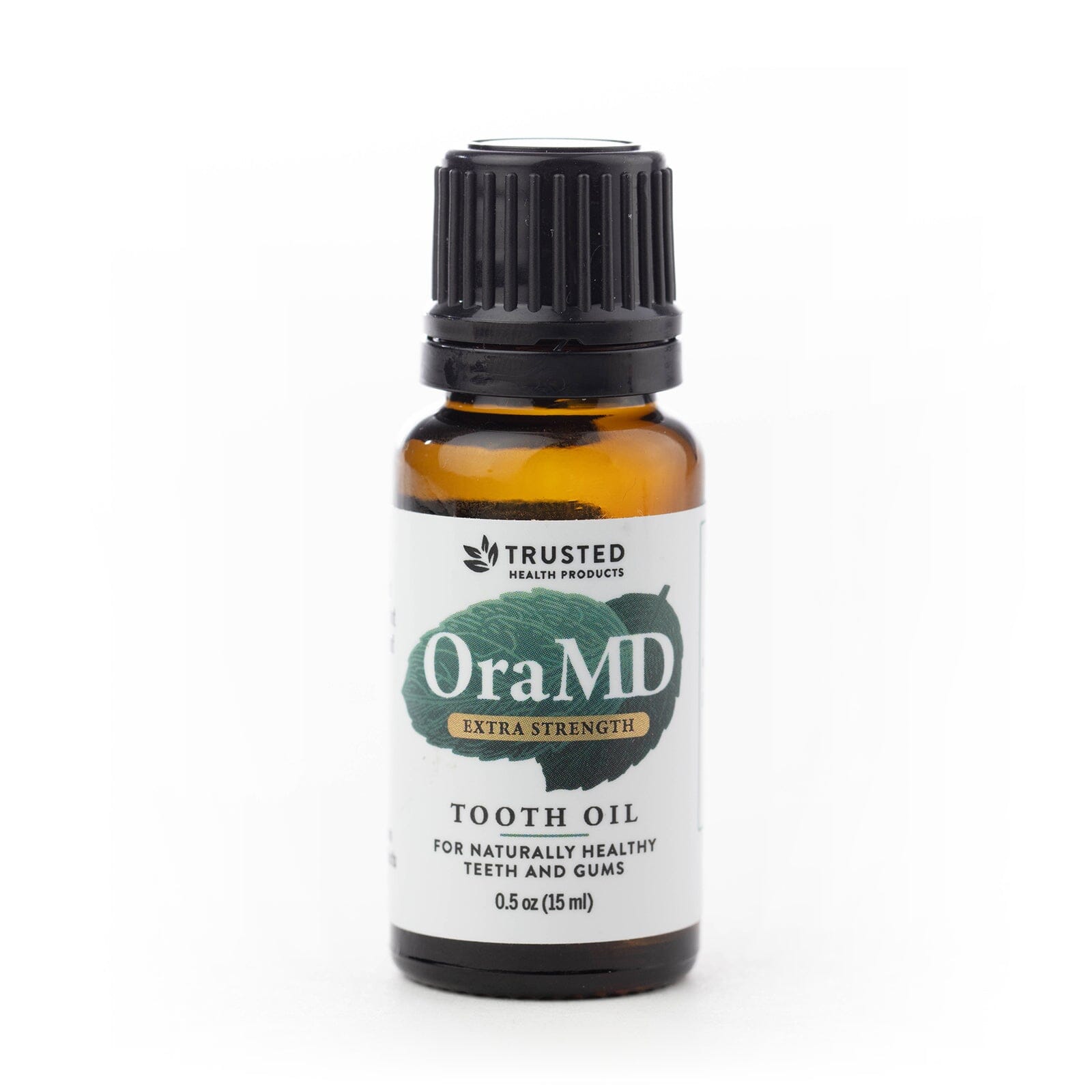
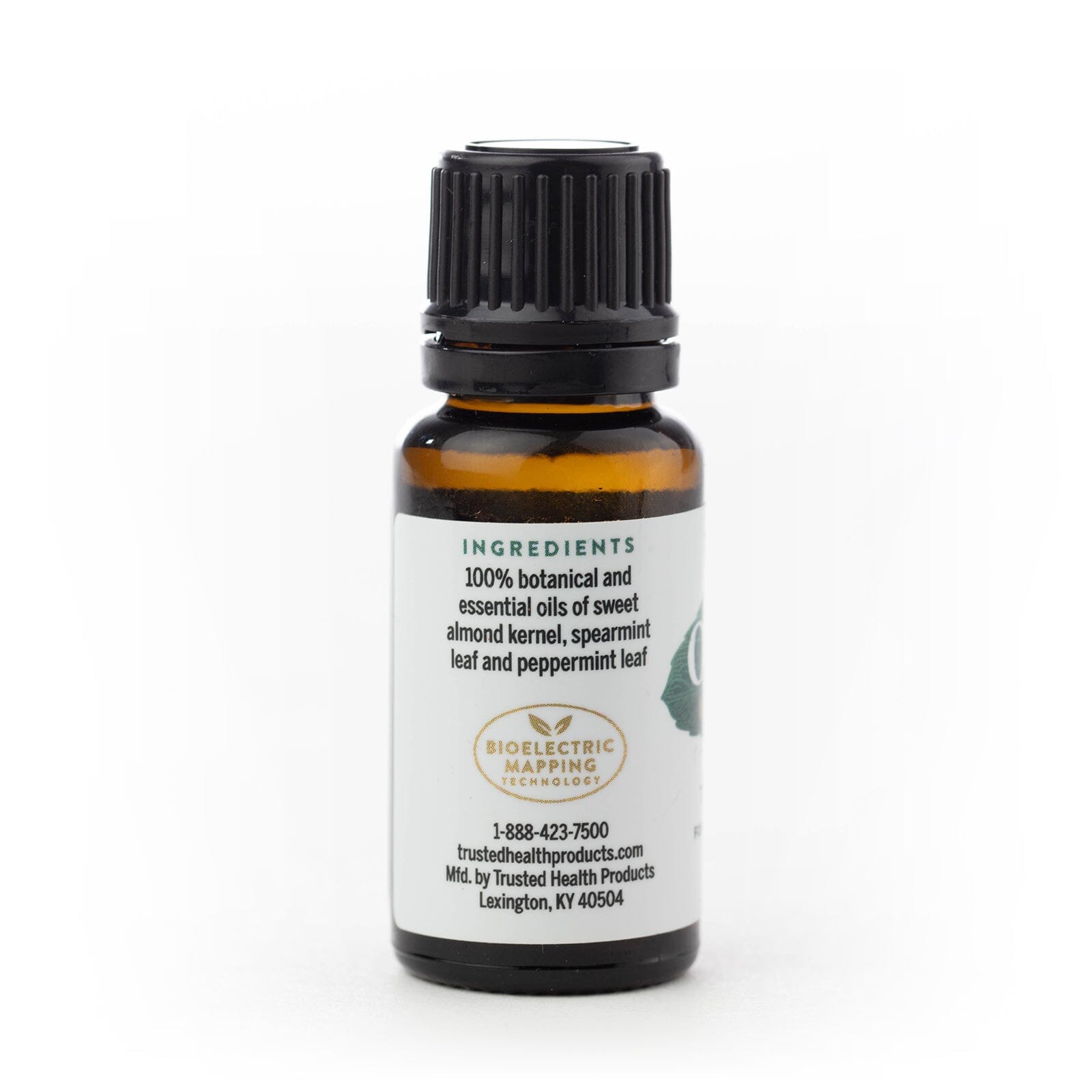
Some natural toothpaste alternatives rely on plant-based oils that help maintain oral balance and support healthy gums without strong detergents or harsh chemicals.
Natural Toothpaste Options for Sensitive Teeth
Many people with sensitive teeth prefer gentler formulas that avoid strong foaming agents or harsh abrasives.
Natural toothpaste options often focus on:
-
Essential oils for antibacterial support
-
Mineral-based cleaning agents
-
Mild abrasives that protect enamel
These formulas aim to support oral health while minimizing irritation that may worsen sensitivity.
Choosing the Best Toothpaste for Sensitive Teeth
When selecting a toothpaste for sensitive teeth, consider the following factors.
Low Abrasivity
Highly abrasive toothpaste can gradually wear down enamel. Look for formulas designed to polish teeth gently without damaging enamel.
Enamel Support
Ingredients that help remineralize enamel are important for protecting sensitive teeth and reducing long-term discomfort.
Gum Health
Healthy gums protect tooth roots. Toothpaste that supports gum health can help reduce gum recession and prevent additional sensitivity.
Building a Daily Routine for Sensitive Teeth
Toothpaste alone cannot eliminate sensitivity if daily oral care habits are not consistent.
A complete routine should include:
-
Brushing twice per day with a soft-bristle toothbrush
-
Using toothpaste specifically designed for sensitive teeth
-
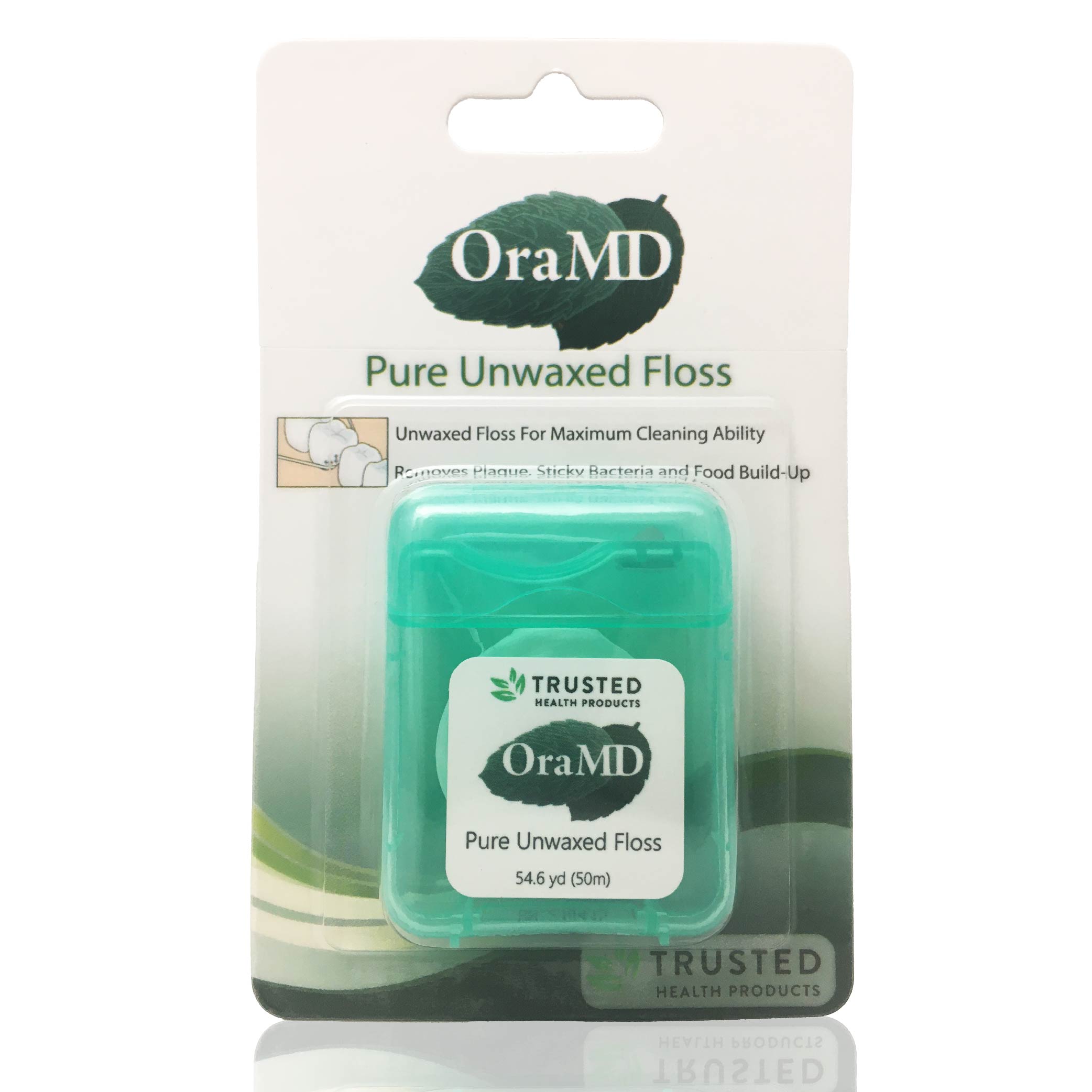
Flossing daily to remove plaque
-
Avoiding overly acidic foods and beverages
Over time, these habits help strengthen enamel and reduce sensitivity triggers.
Final Thoughts
Finding the best toothpaste for sensitive teeth involves understanding the cause of sensitivity and selecting a formula that protects enamel while calming exposed dentin.
Whether using traditional toothpaste or exploring natural alternatives, maintaining consistent oral hygiene habits is the most important factor in protecting sensitive teeth and maintaining long-term oral health.