How to Use a Tongue Scraper: A Step-by-Step Guide for Fresher Breath
August 31, 2026
Author: Team Farrisi
Tags:
A white or yellow film often coats the tongue by morning. This coating holds bacteria, dead skin cells, and leftover food particles from the day before. Learning how to use a tongue scraper helps clear this film in under a minute. Dentists frequently recommend the habit alongside brushing and flossing as part of a complete oral care routine. Bad breath, also called halitosis, often starts on the tongue rather than the teeth.
Research points to the back of the tongue as a major source of the bacteria that cause odor. A tongue scraper reaches this area more directly than a toothbrush ever can. This guide breaks down the correct technique step by step. It also covers the research behind tongue scraping and how the habit pairs with a broader natural oral care routine.
Why Tongue Cleaning Matters for Oral Health
The tongue holds far more bacteria than most people realize. Its rough surface traps food debris, dead cells, and microbes in deep grooves. Left alone, this buildup forms a visible coating within hours. Bad breath develops when bacteria break down proteins in that coating and release sulfur compounds, known as volatile sulfur compounds, or VSCs. A clinical trial published in the Journal of Periodontology found that about 85 percent of halitosis cases start inside the mouth, with roughly half tracing back to tongue residue rather than the teeth or gums. Brushing alone often misses this area, since bristles are built for flat, hard enamel surfaces. The tongue's uneven texture calls for a different tool. This is where tongue scraping enters a daily routine.
What Is a Tongue Scraper?
A tongue scraper is a small, curved tool built to lift buildup from the tongue's surface. Anyone searching for how to clean tongue surfaces effectively usually lands on two options: a standard toothbrush or a dedicated scraper. Most scrapers use stainless steel, copper, or medical-grade plastic. Stainless steel resists bacteria naturally and tends to last for years with basic care.
Copper scrapers work on a similar principle and appear often in Ayurvedic oral care traditions dating back centuries. Plastic versions cost less but wear out faster and can hold bacteria in surface scratches over time. Some tools combine a scraper edge with soft bristles in a single design known as a tongue cleaner. This hybrid style lifts debris and clears it away in one motion. Material choice usually comes down to personal preference, durability, and ease of cleaning.
How to Use a Tongue Scraper: Step-by-Step
The technique behind tongue scraping matters as much as the tool itself. A rushed pass misses bacteria and may irritate the tissue underneath. The steps below outline the correct method for daily use.
-
Extend the tongue forward as far as comfortable.
-
Place the scraper at the back of the tongue, near the throat.
-
Press down gently and pull the tool forward in one smooth stroke.
-
Rinse the scraper under warm water to clear away debris.
-
Repeat the motion three to five times, moving toward the front with each pass.
-
Rinse the mouth with water once the surface feels clean.
Morning use works best, before eating or drinking anything. Bacteria build up most heavily overnight, so a first-thing scrape clears the heaviest coating. Light, even pressure prevents soreness and helps avoid triggering a gag reflex. Anyone new to the habit should start near the middle of the tongue and work backward gradually over several days. The full process takes under a minute once it becomes routine, similar in length to a quick round of flossing.
Benefits of Tongue Scraping Backed by Research
Research on tongue scraping points to several measurable benefits. Studies on volatile sulfur compounds and tongue coating confirm that a coated tongue ranks among the leading sources of oral odor. Removing that coating lowers the compounds responsible for bad breath. A controlled study comparing tongue cleaning methods found that a tongue scraper lowered VSC levels by about 40 percent after a single use. A combination tongue cleaner performed slightly better, reducing levels by 42 percent, compared with 33 percent for brushing alone. These numbers show a real, though modest, advantage over brushing without a scraper. Interest in the benefits of scraping tongue surfaces has grown alongside wider interest in natural, low-chemical oral care. Beyond breath, many people report a sharper sense of taste after clearing tongue buildup, since taste buds sit closer to the surface once debris no longer blocks them. Tongue scraping also supports general oral hygiene by lowering the overall bacterial load inside the mouth.
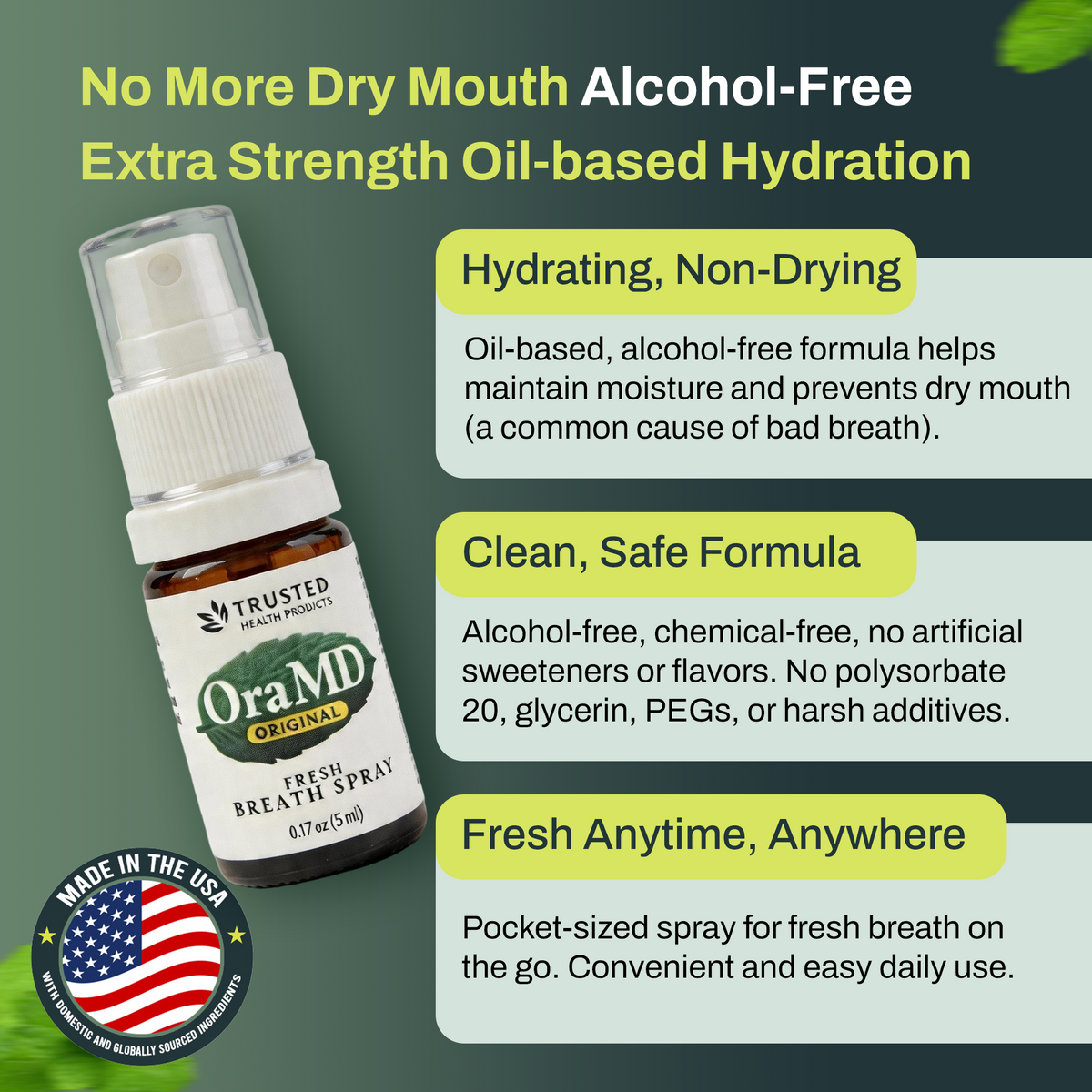
Fresh breath from tongue scraping typically lasts several hours before it fades as bacteria rebuild. OraMD All-Natural Bad Breath Freshener Spray gives readers searching for a tongue cleaner for bad breath a fast touch-up between scraping sessions. Combining mechanical removal with a natural spray covers both the source of odor and the moments in between when a quick refresh helps most.
Tongue Scraper vs. Toothbrush for Tongue Cleaning
Many people already brush their tongue with a regular toothbrush during their normal routine. This method removes some surface debris but rarely reaches the deep grooves near the back of the tongue. A Cochrane systematic review examined tongue scrapers against toothbrushing and found a small but statistically real difference in VSC reduction favoring scrapers. The review also noted that available evidence remains limited, based on a small number of trials with modest sample sizes.
This means tongue scraping helps, though it works best as one part of a full routine rather than a stand-alone fix for bad breath. Toothbrushing still handles the teeth and gumline, areas a tongue scraper cannot reach on its own. Flossing clears the spaces between teeth that neither tool touches effectively. A complete oral care routine includes all three habits: tongue scraping, brushing, and flossing. Skipping any single step leaves a gap somewhere in daily oral hygiene.
Building a Complete Oral Care Routine with OraMD
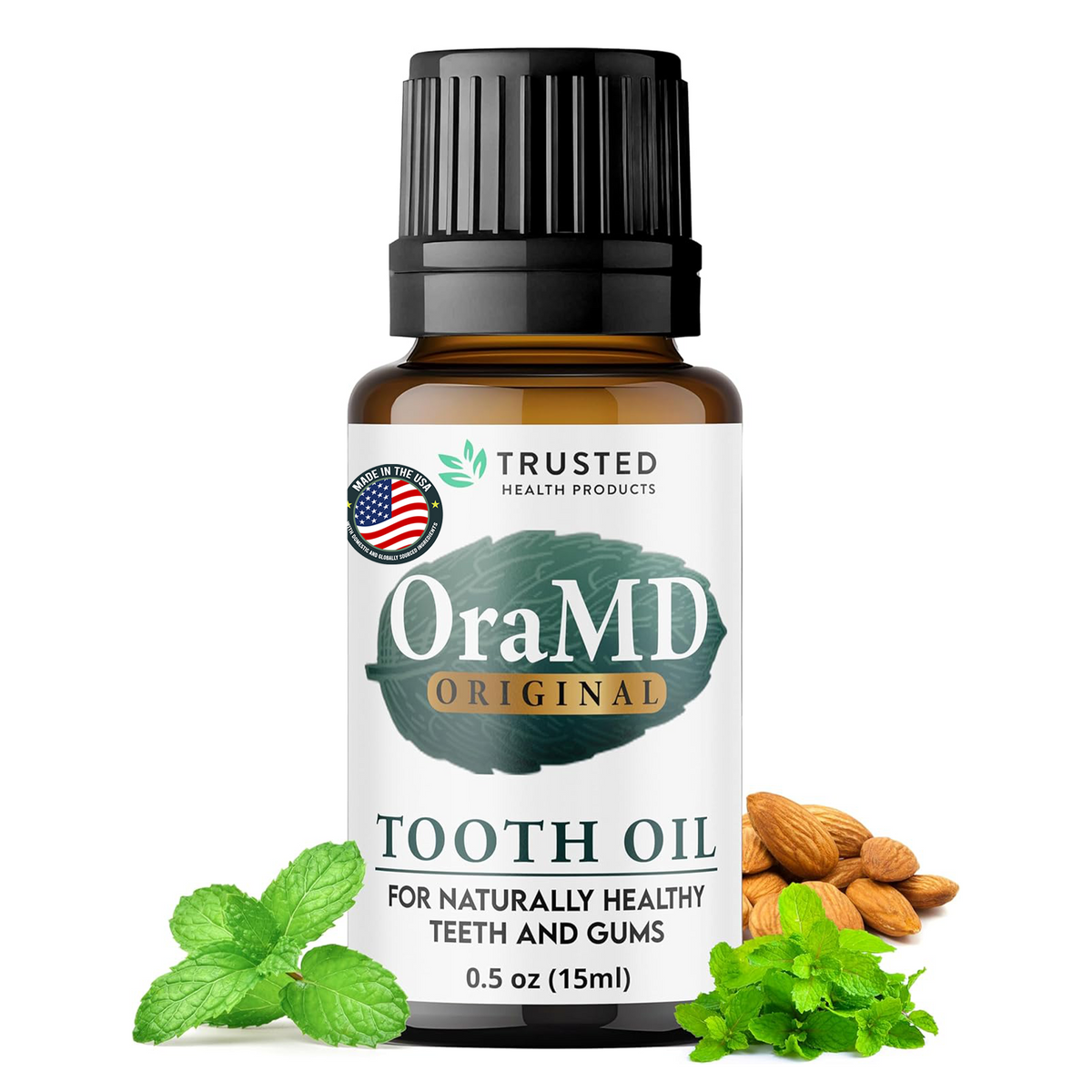
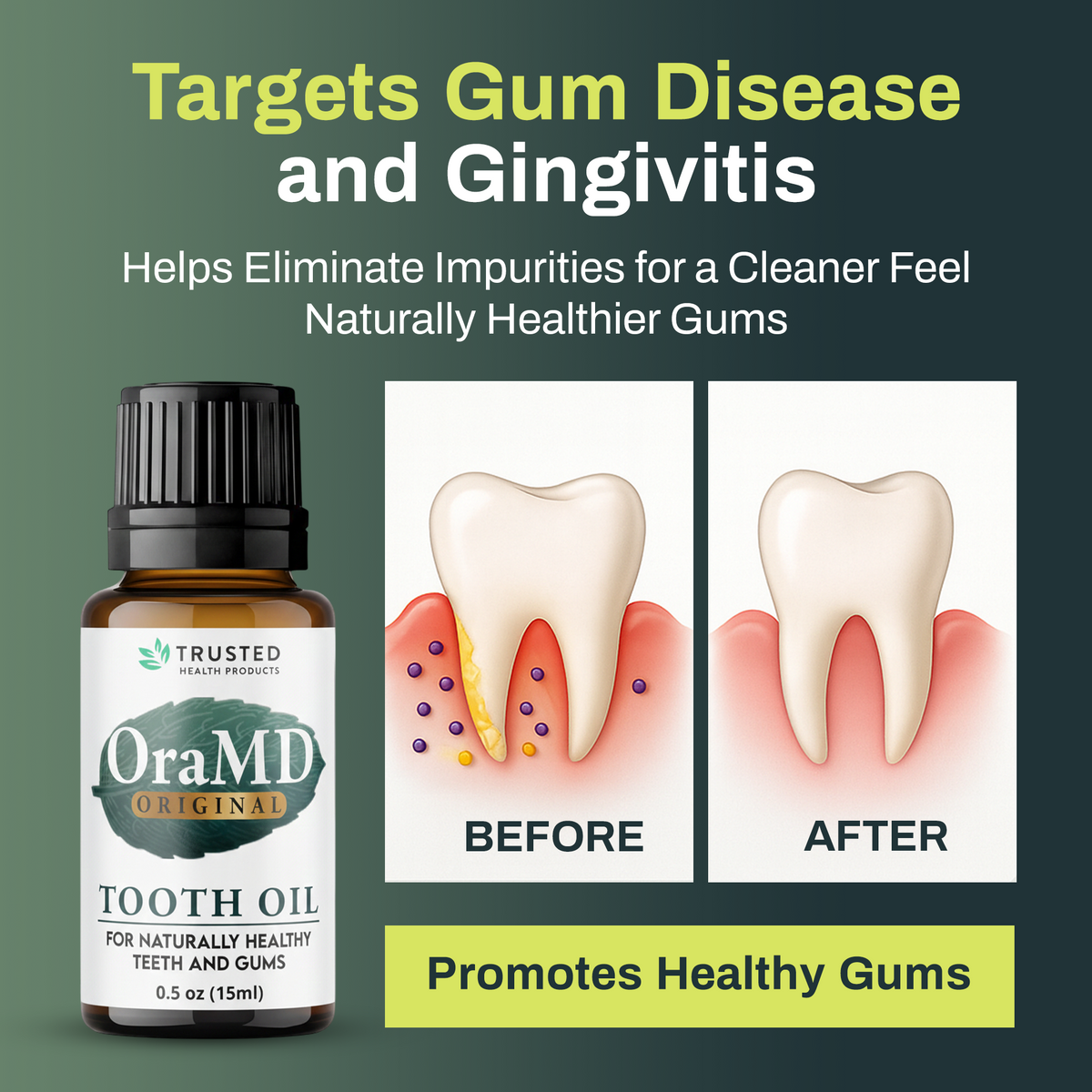
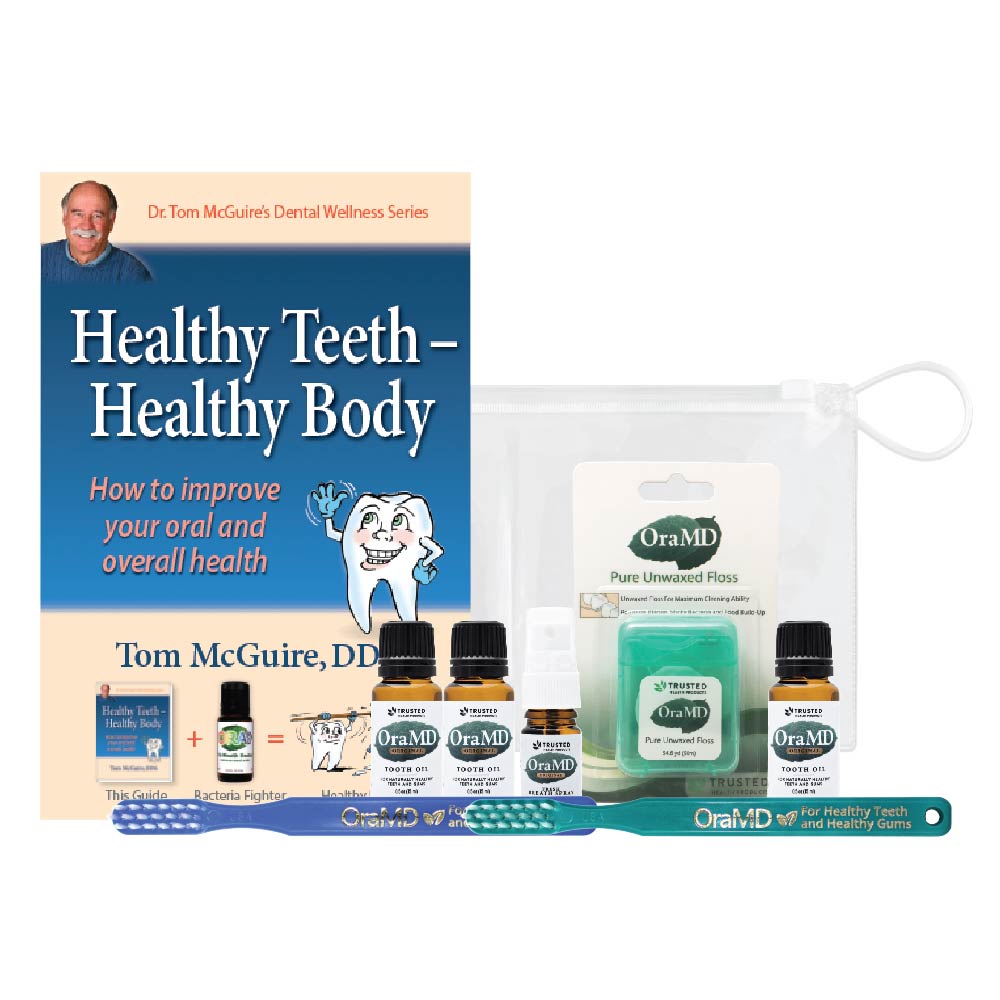
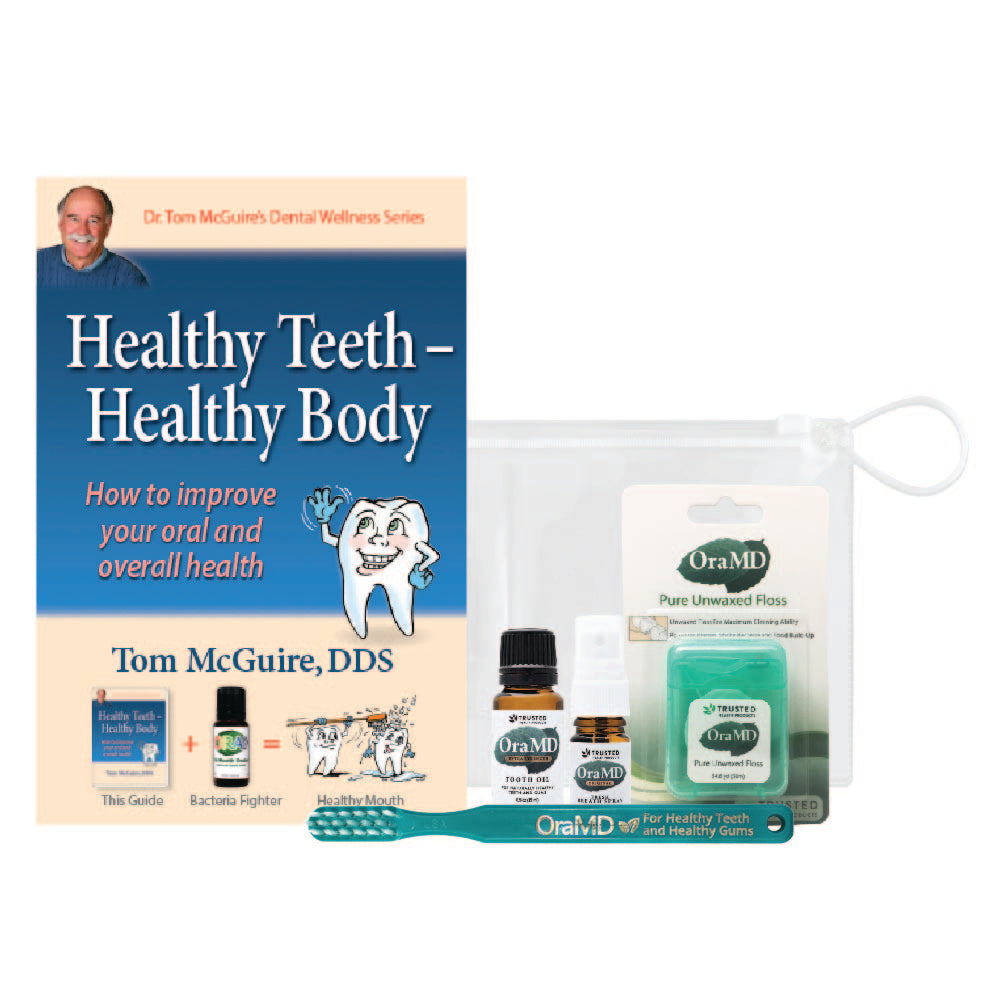
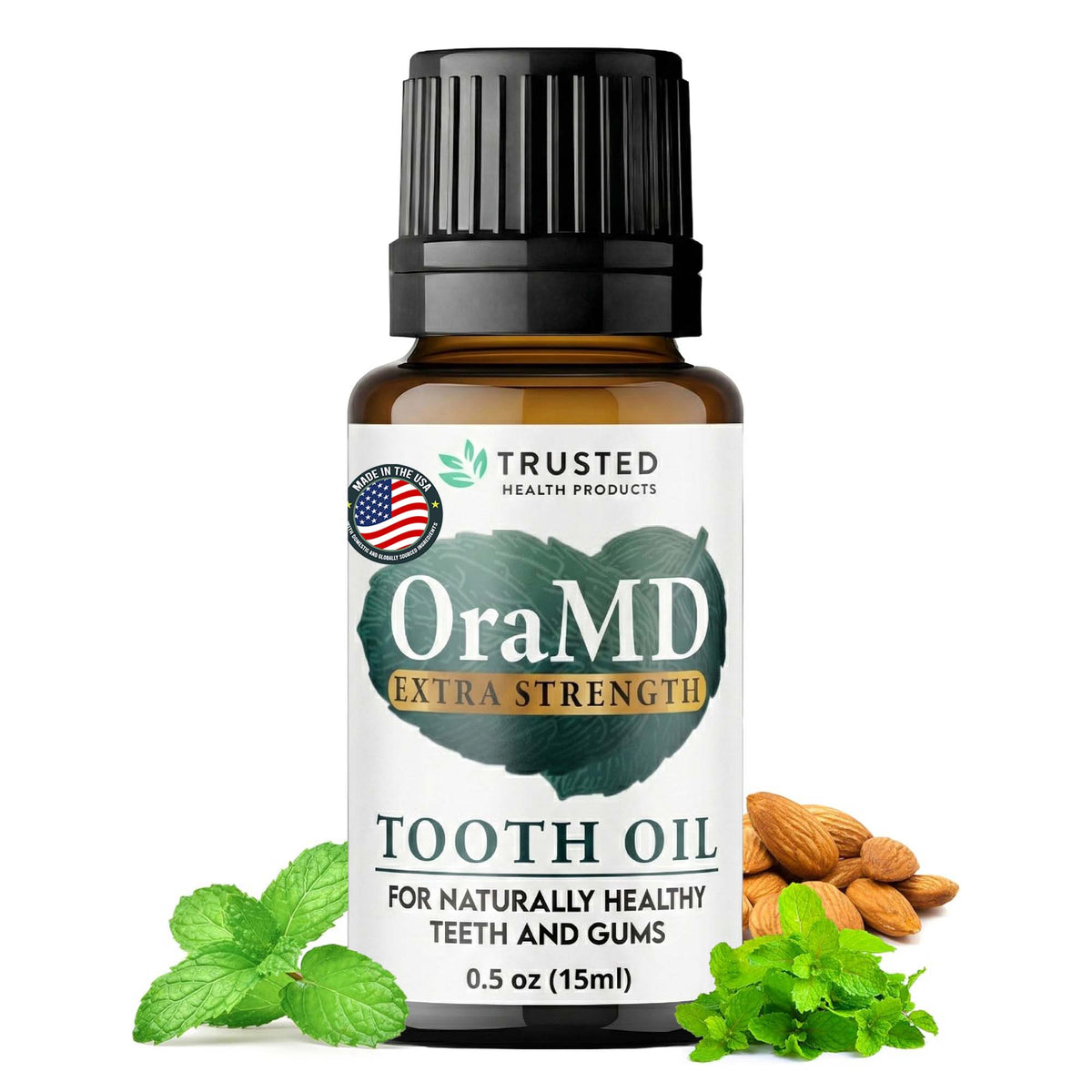
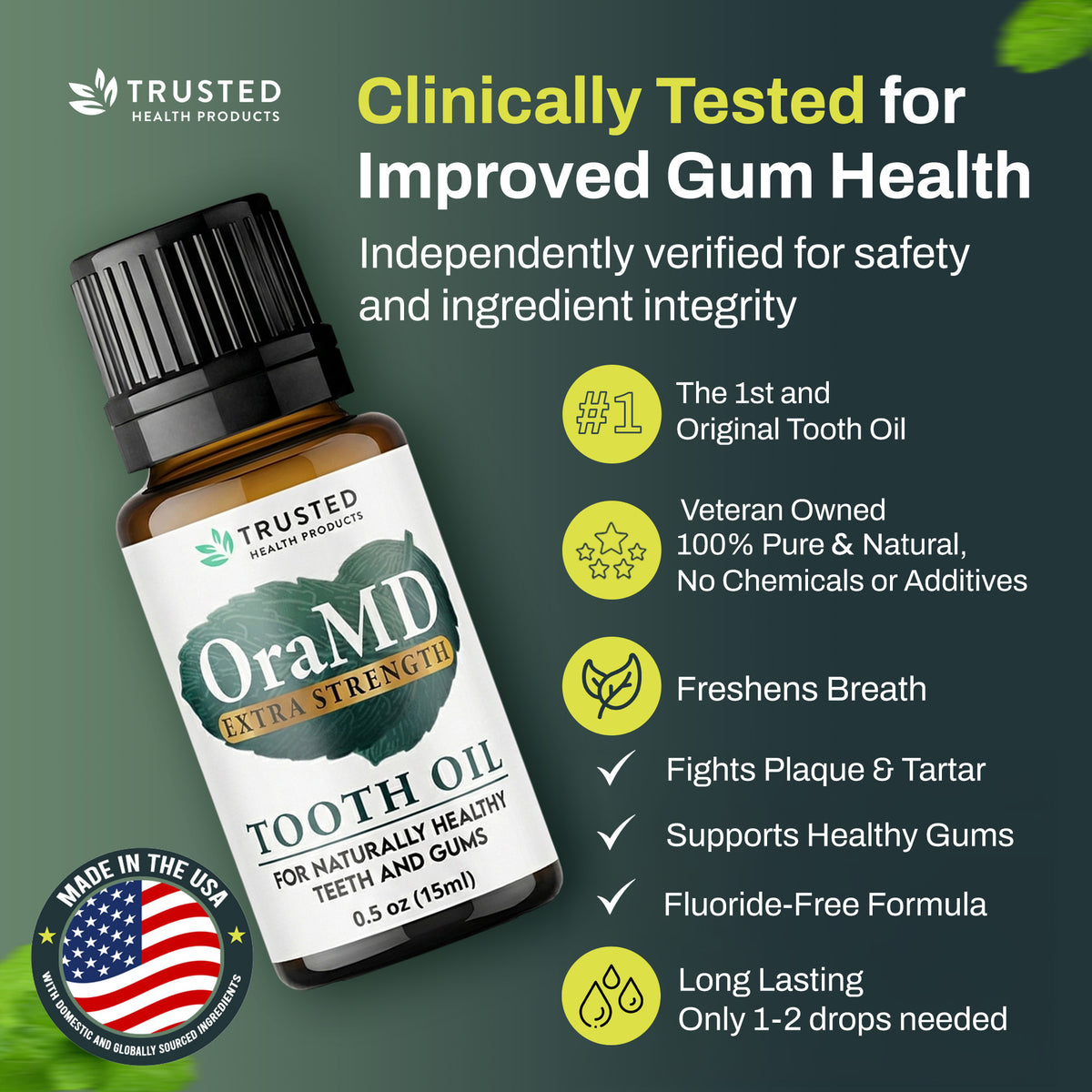
Trusted Health Products does not sell a dedicated tongue scraper, though the habit pairs naturally with its existing oral care line. OraMD Original Strength Tooth Oil replaces conventional toothpaste with a blend of sweet almond, peppermint, and spearmint oils. The formula contains no fluoride, no SLS, and no artificial flavors. Research conducted at the Center for Oral Health Research at the University of Kentucky found the oil blend active against both Gram-positive and Gram-negative oral bacteria, according to the brand.
Applying a few drops to a wet toothbrush after a morning tongue scrape targets bacteria along the gumline that scraping alone does not reach. OraMD Extra Strength Tooth Oil offers a more concentrated version for people managing persistent gum sensitivity or stronger odor concerns.
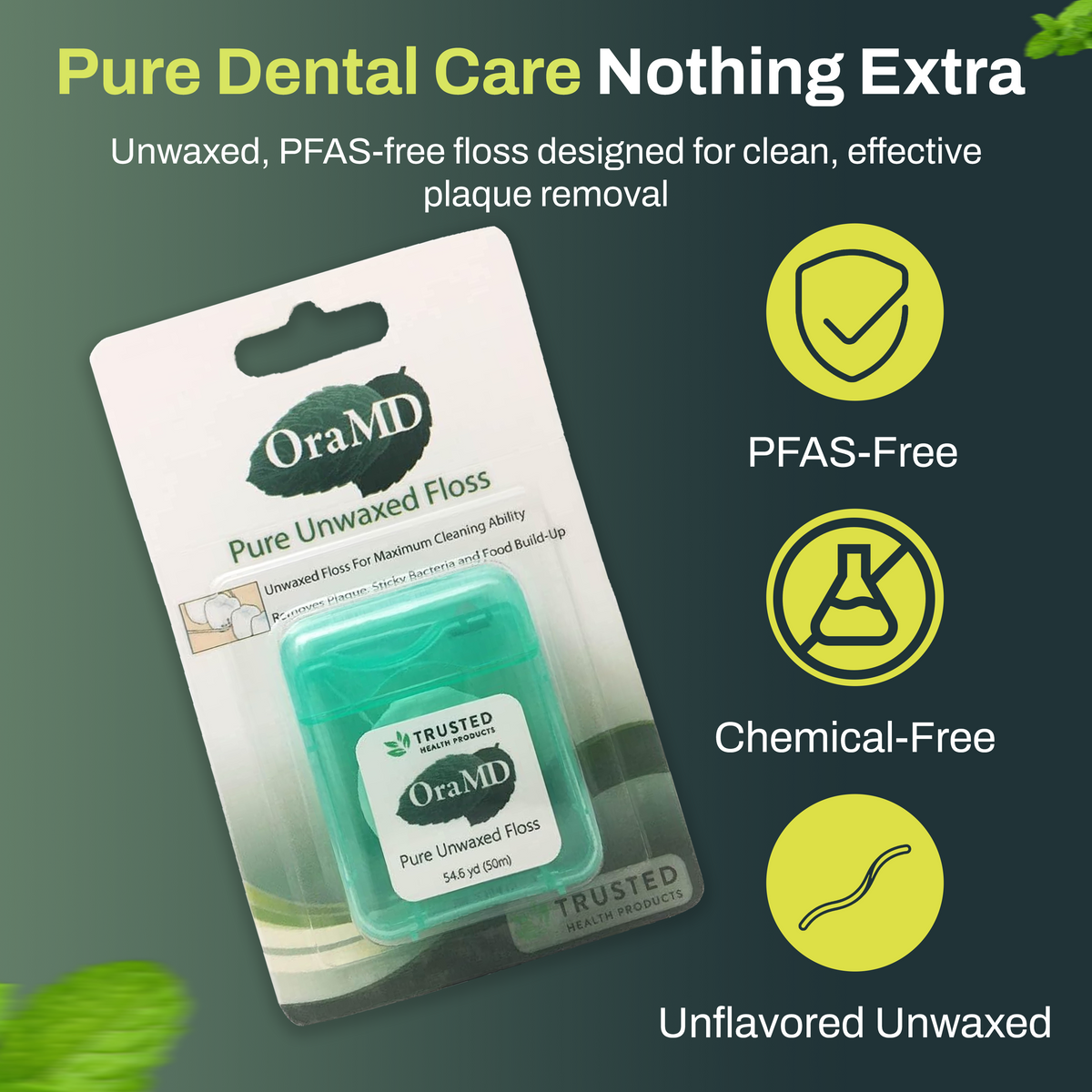
Readers building a full natural routine can pair daily tongue scraping with OraMD Original Strength Tooth Oil each morning for a cleaner start to the day. Rounding out the routine with daily flossing and an occasional breath spray covers the gaps that a scraper and a tooth oil leave behind on their own.
Conclusion
Tongue scraping addresses a source of bad breath that brushing alone often misses. The technique takes under a minute and fits easily into a morning routine alongside other habits. Research supports its role in lowering odor-causing compounds, even though evidence remains limited to a small number of clinical trials. Combining a daily scrape with brushing, flossing, and a natural toothpaste alternative builds a more complete approach to oral care. The OraMD oral care collection gives readers a fluoride-free way to round out that routine with plant-based ingredients. Small daily habits, done consistently over weeks and months, tend to produce the most lasting results for fresh breath and a healthy mouth.