How to Stop Bleeding Gums: Causes, Remedies, & Prevention Tips
July 16, 2026
Author: Team Farrisi
Tags:
Bleeding gums often show up as a light pink tinge after brushing. Many people ignore this early sign. Gums that bleed are the body's way of signaling inflammation or infection somewhere in the mouth.
Learning how to stop bleeding gums starts with identifying the root cause. This guide breaks down the most common triggers, effective home remedies, and daily habits that support healthier gums.
Why Gum Health Matters
Healthy gums do more than keep teeth in place. Gum tissue forms a protective barrier against bacteria entering the bloodstream. NIDCR research on the mouth-body connection links ongoing gum inflammation to heart and metabolic concerns.
The exact mechanisms are still being studied, and gum inflammation does not guarantee other health problems. Addressing bleeding gums early still supports both oral comfort and general wellbeing. This context makes learning how to stop bleeding gums, before the problem advances, especially worthwhile.
Why Are Gums Bleeding? Common Causes Explained
Gum tissue bleeds when it becomes inflamed or irritated. Plaque buildup along the gumline is the most frequent trigger. Bacteria inside plaque release toxins that irritate healthy tissue. Irritated tissue swells and bleeds easily during brushing or flossing.
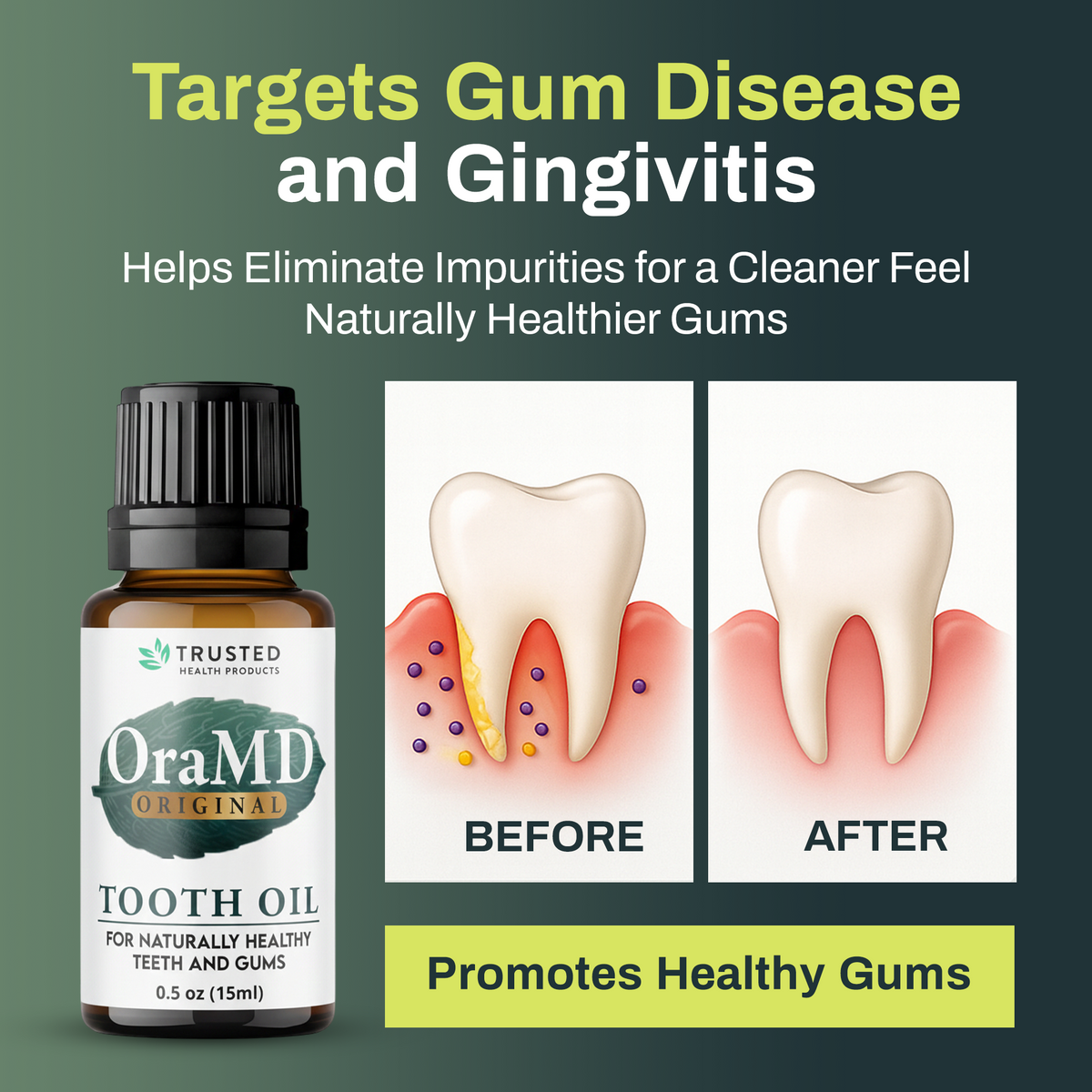
This early stage is called gingivitis, and it remains reversible with consistent care. CDC data on gum disease show nearly four in ten U.S. adults over 30 have some form of it. Left untreated, gingivitis can progress into periodontitis, damaging the bone and ligaments that support teeth.
What Deficiency Causes Bleeding Gums? Nutritional Triggers to Know
Nutrition plays a direct role in gum health. Vitamin C supports collagen production, which keeps gum tissue strong and resistant to bleeding. A prolonged lack of vitamin C can lead to scurvy, a severe deficiency linked to swollen, bleeding gums.
The National Institutes of Health vitamin C fact sheet lists gum inflammation as an early warning sign. Vitamin K deficiency also affects gum health because vitamin K helps blood clot properly. Low levels of either nutrient make gum tissue fragile and prone to bleeding, even with careful brushing.
Bleeding from Gums When Brushing or Flossing: What It Signals
Bleeding during brushing or flossing is common but not normal. It often points to plaque buildup near the gumline. Brushing too hard or using a stiff-bristled brush can also injure delicate gum tissue. New flossing habits can cause light, temporary bleeding as gums adjust.
This type of bleeding usually fades within a week of consistent, gentle flossing. Bleeding that continues past two weeks deserves closer attention from a dental professional.
How to Stop Bleeding Gums at Home
Several daily habits reduce gum bleeding within one to two weeks of consistent use.
Brushing the Right Way
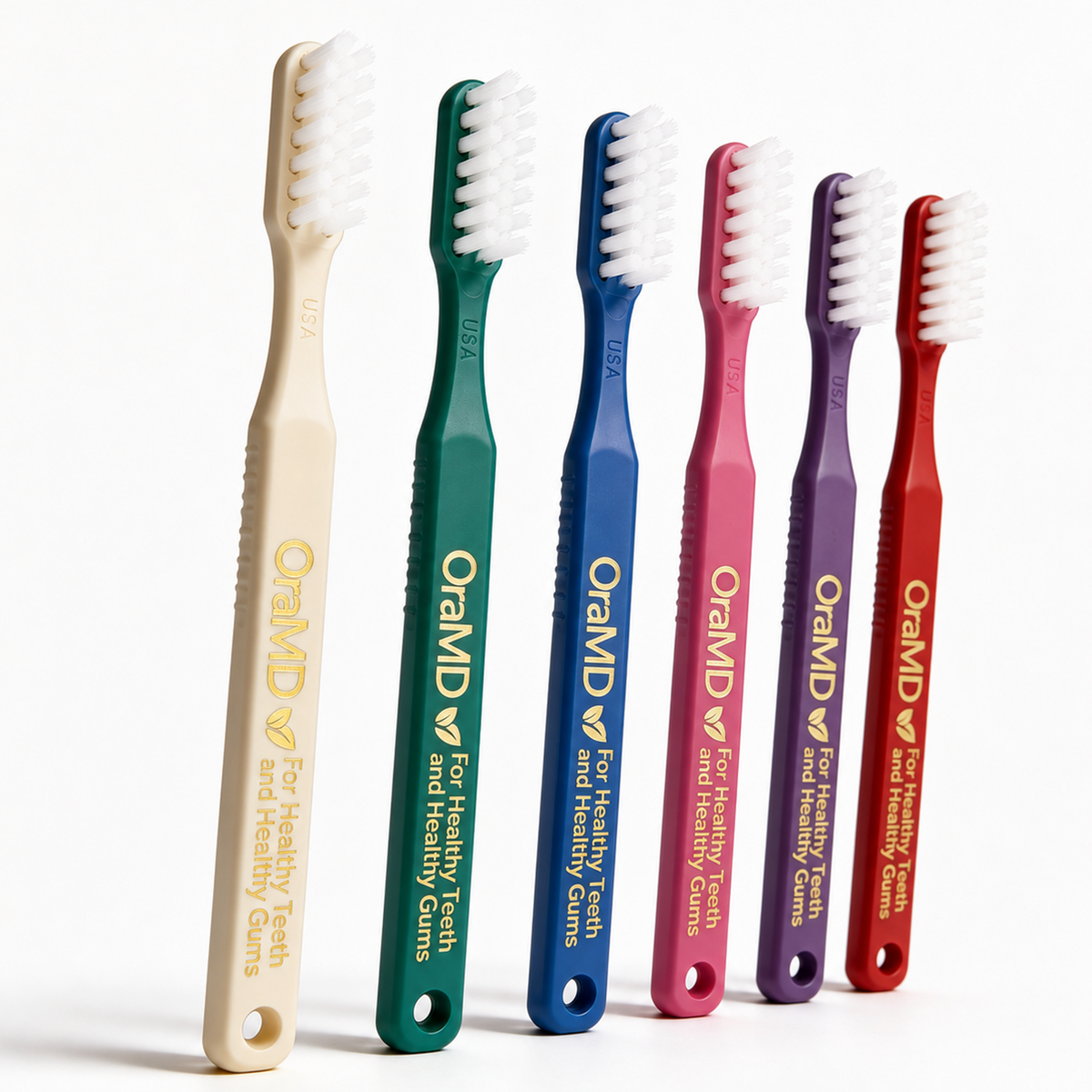
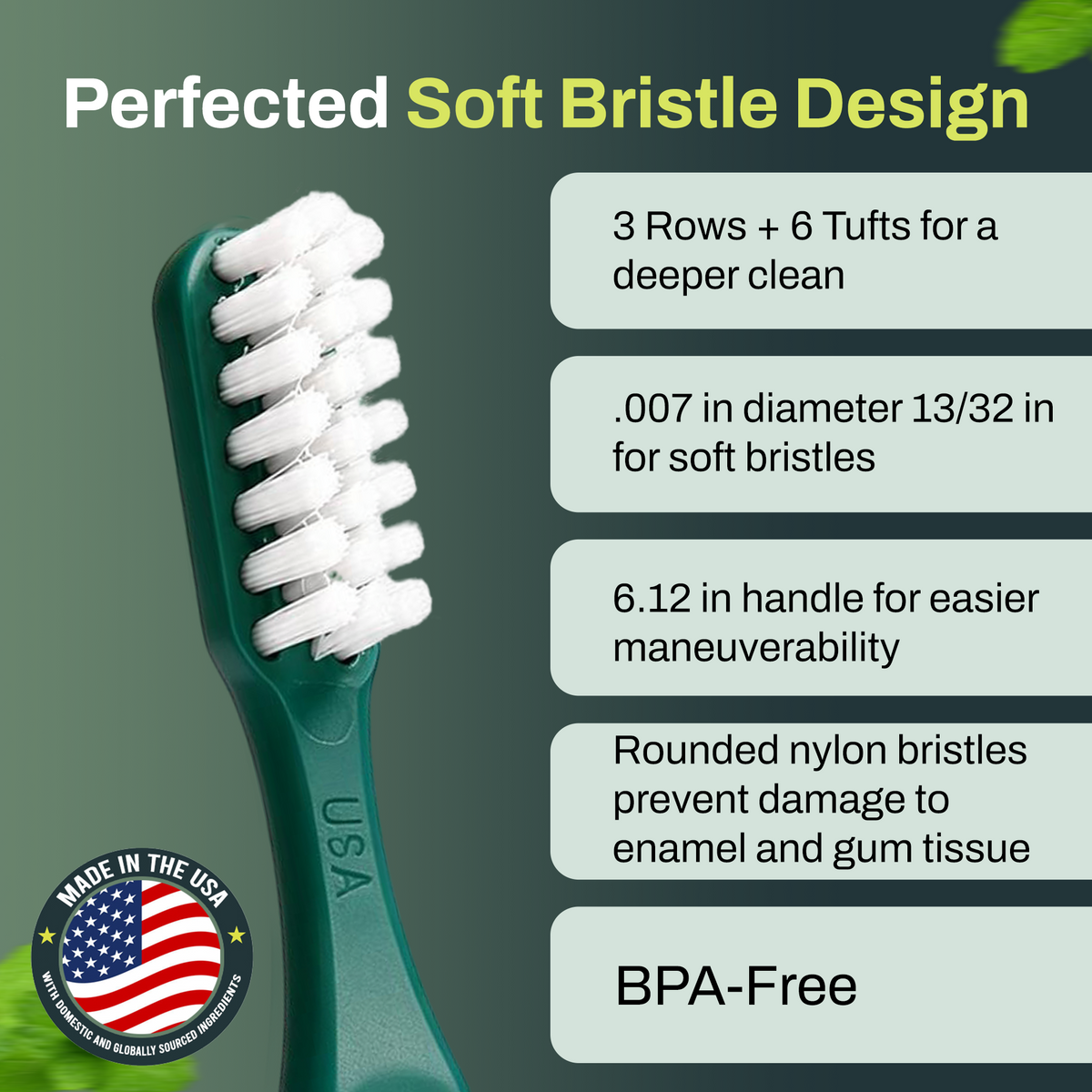
Gentle brushing, twice a day, removes plaque without damaging tissue. A soft-bristled toothbrush designed for sensitive gums lowers irritation while still cleaning effectively. Short, circular motions along the gumline work better than hard, back-and-forth scrubbing. Pressing too hard is one of the most common brushing mistakes.
Flossing Without Aggravating Gums
Flossing once daily clears plaque between teeth that a brush cannot reach. New flossers may notice light bleeding for the first week, which typically fades with practice. A gentle, C-shaped motion around each tooth reduces trauma to the gumline. Consistency matters more than pressure when it comes to flossing technique.
Rinse and Diet Adjustments
Warm saltwater rinses reduce bacteria and calm inflamed tissue after brushing. Mixing half a teaspoon of salt into warm water creates an effective rinse. Cutting back on sugary and starchy foods limits the fuel that feeds plaque-forming bacteria. Quitting smoking also matters. CDC research on smoking and gum disease links tobacco use to a higher risk of gum problems.
Consistency across these habits, more than any single fix, stops bleeding gums over time.
Home Remedies for Bleeding Gums That Actually Help
Several natural remedies support gum healing alongside daily hygiene. Rinsing with warm salt water reduces bacteria and soothes irritated tissue. Eating vitamin C-rich foods, like citrus fruits and bell peppers, strengthens the connective tissue in gums.
A cold compress applied to the outside of the cheek can ease swelling after an injury. Chewing crunchy, fibrous vegetables, like carrots or celery, helps clean teeth naturally between meals.
Staying well hydrated supports saliva production, which rinses away bacteria throughout the day. Reducing stress also helps, since chronic stress weakens the immune response needed to fight gum infections. These remedies work best as part of a steady oral care routine, not as a one-time fix.
Home Care vs. Professional Treatment: What Gums Bleeding Randomly Might Mean
Not all gum bleeding responds to home care alone. Gums bleeding randomly, without an obvious trigger like brushing, can signal an underlying health issue. Hormonal shifts during pregnancy or menopause can cause spontaneous bleeding.
Pregnancy-related gingivitis often resolves after childbirth but still benefits from dental monitoring. Blood-thinning medications and certain illnesses, including diabetes, can also play a role. Home remedies typically resolve bleeding tied to plaque or minor injury within one to two weeks.
Bleeding that persists, worsens, or appears without any clear cause warrants an evaluation by a dentist or physician. Professional care can rule out deeper issues that at-home methods cannot address.
Trusted Health Products' Natural Approach to Gum-Friendly Oral Care
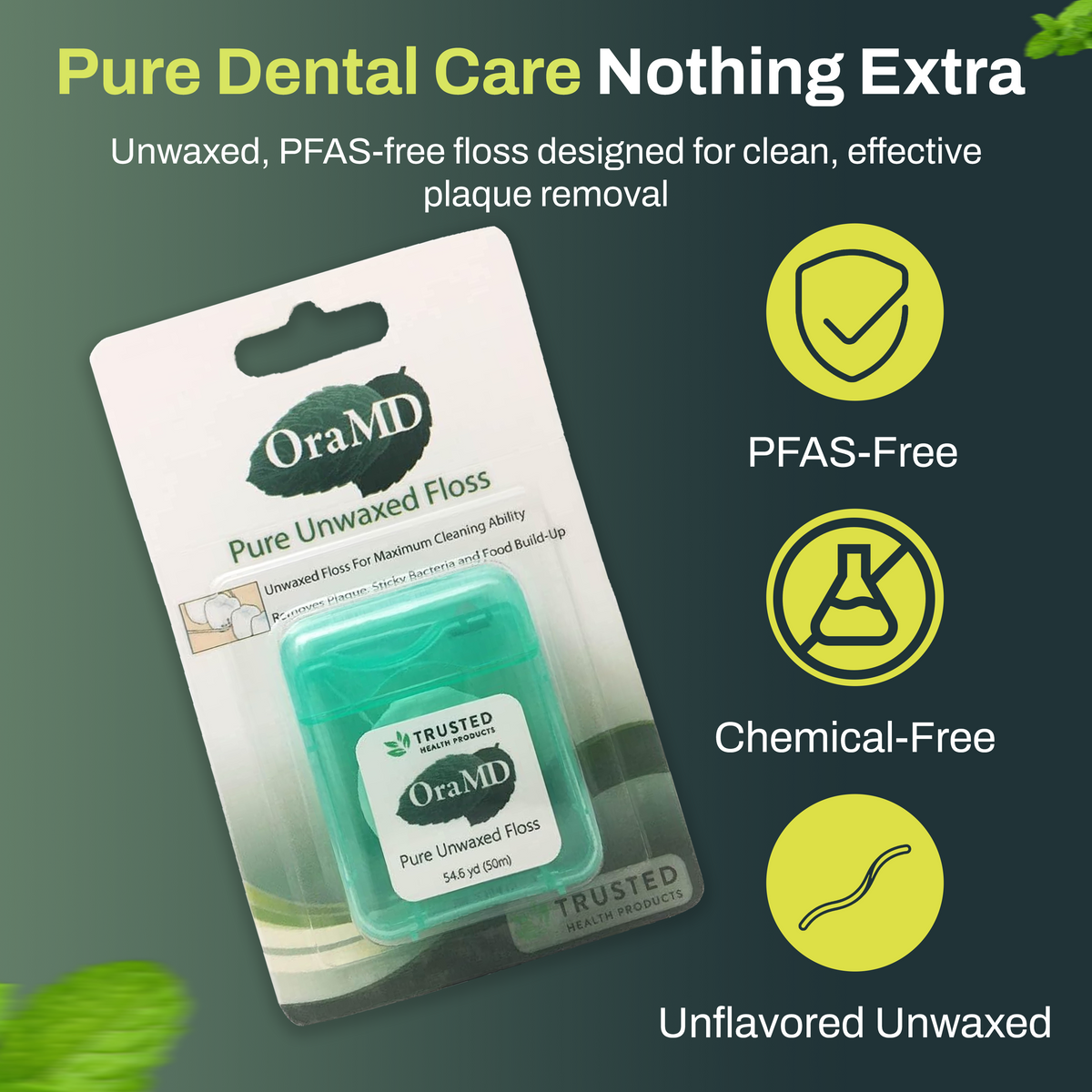
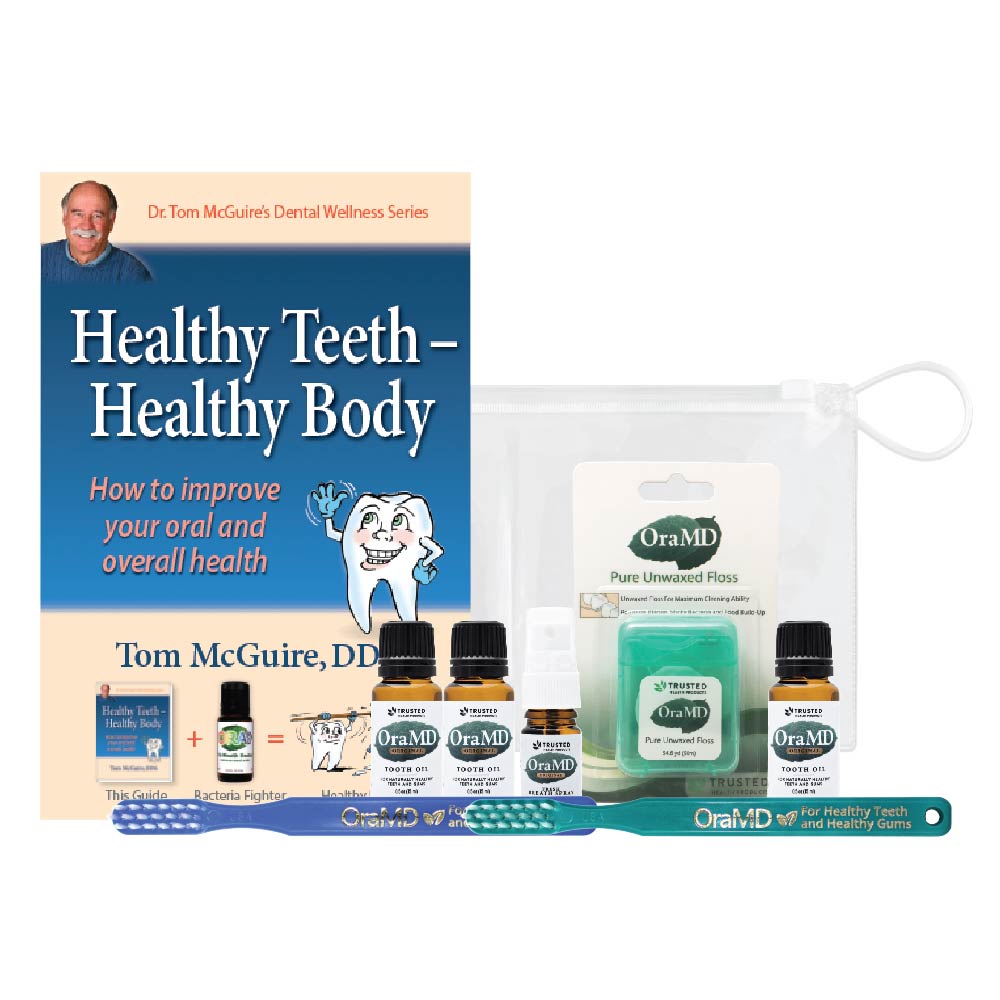
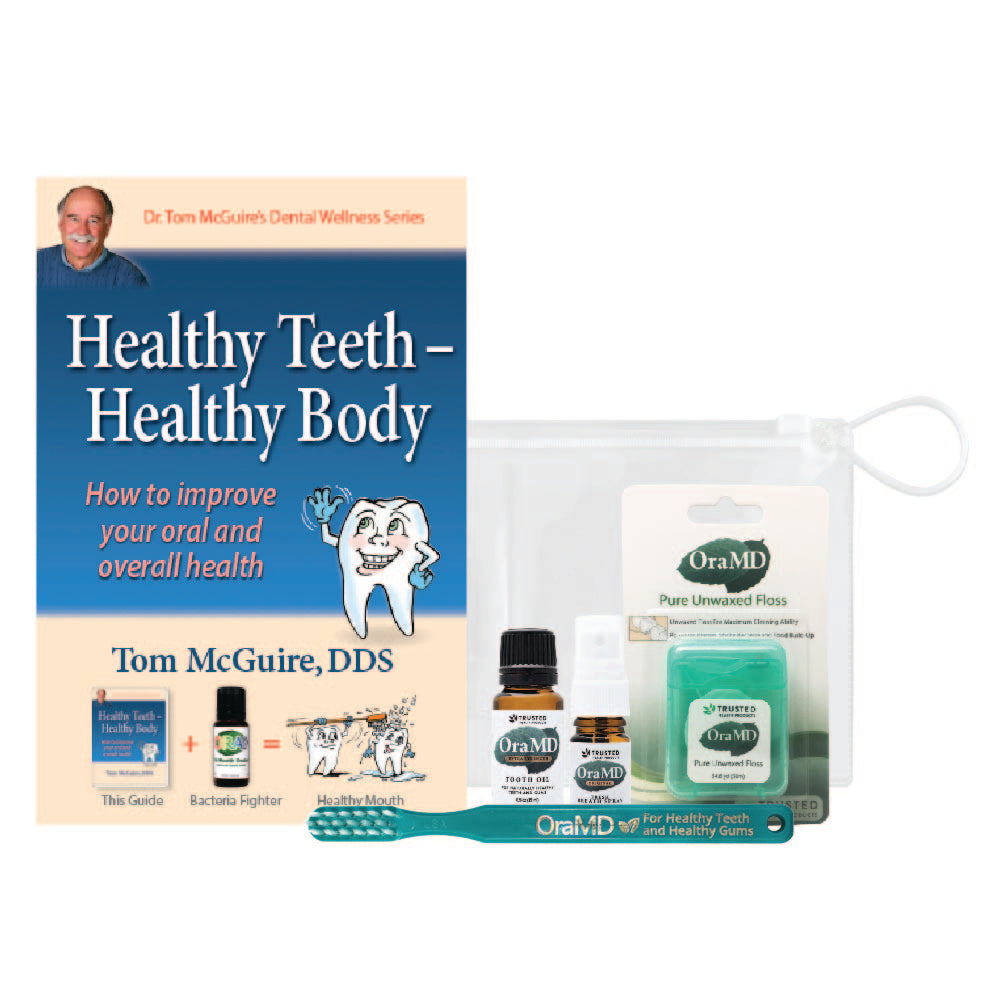
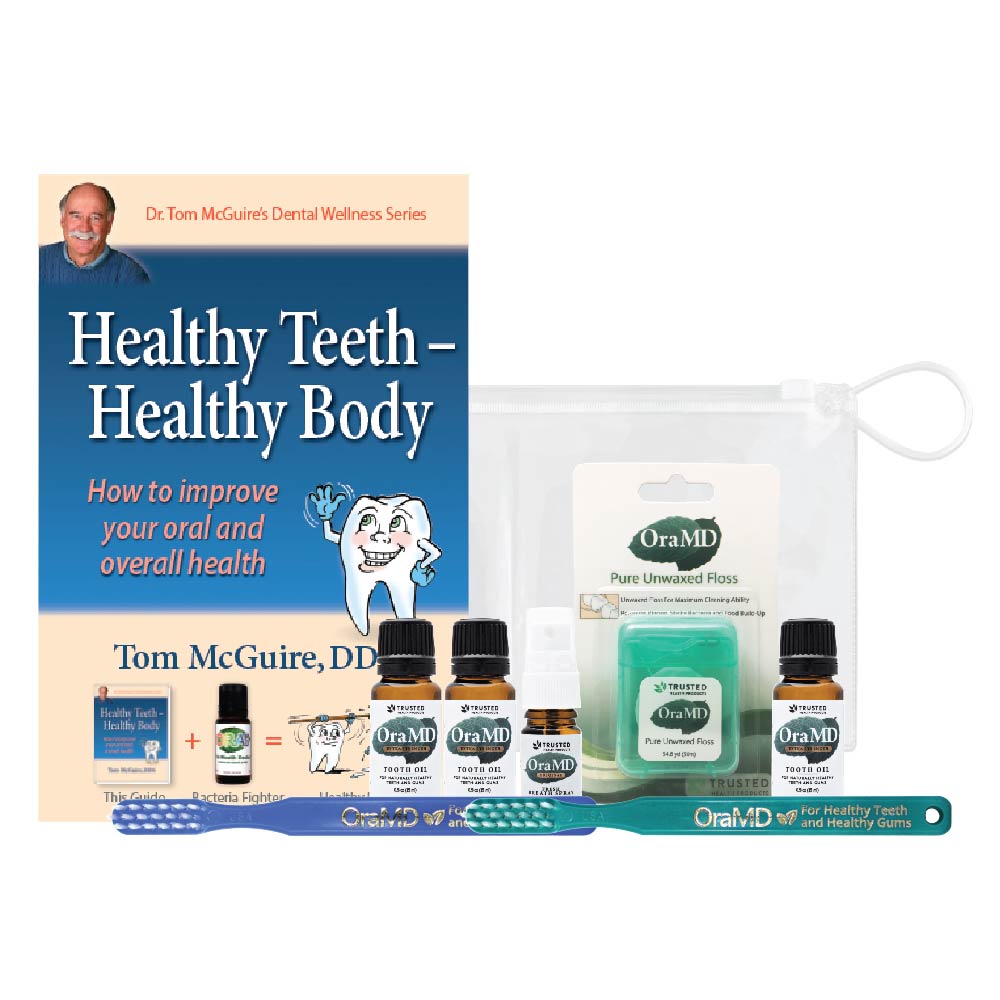
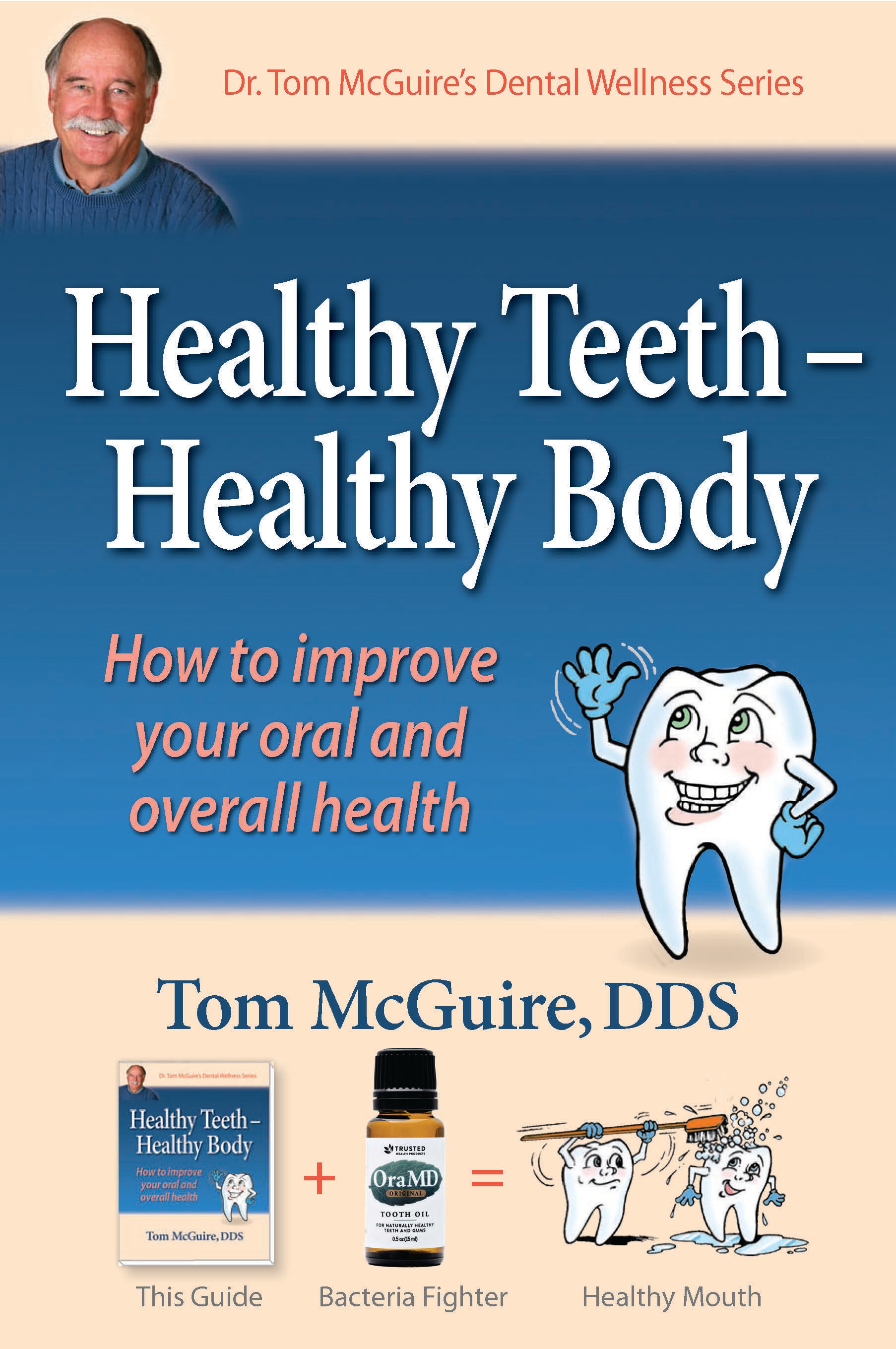
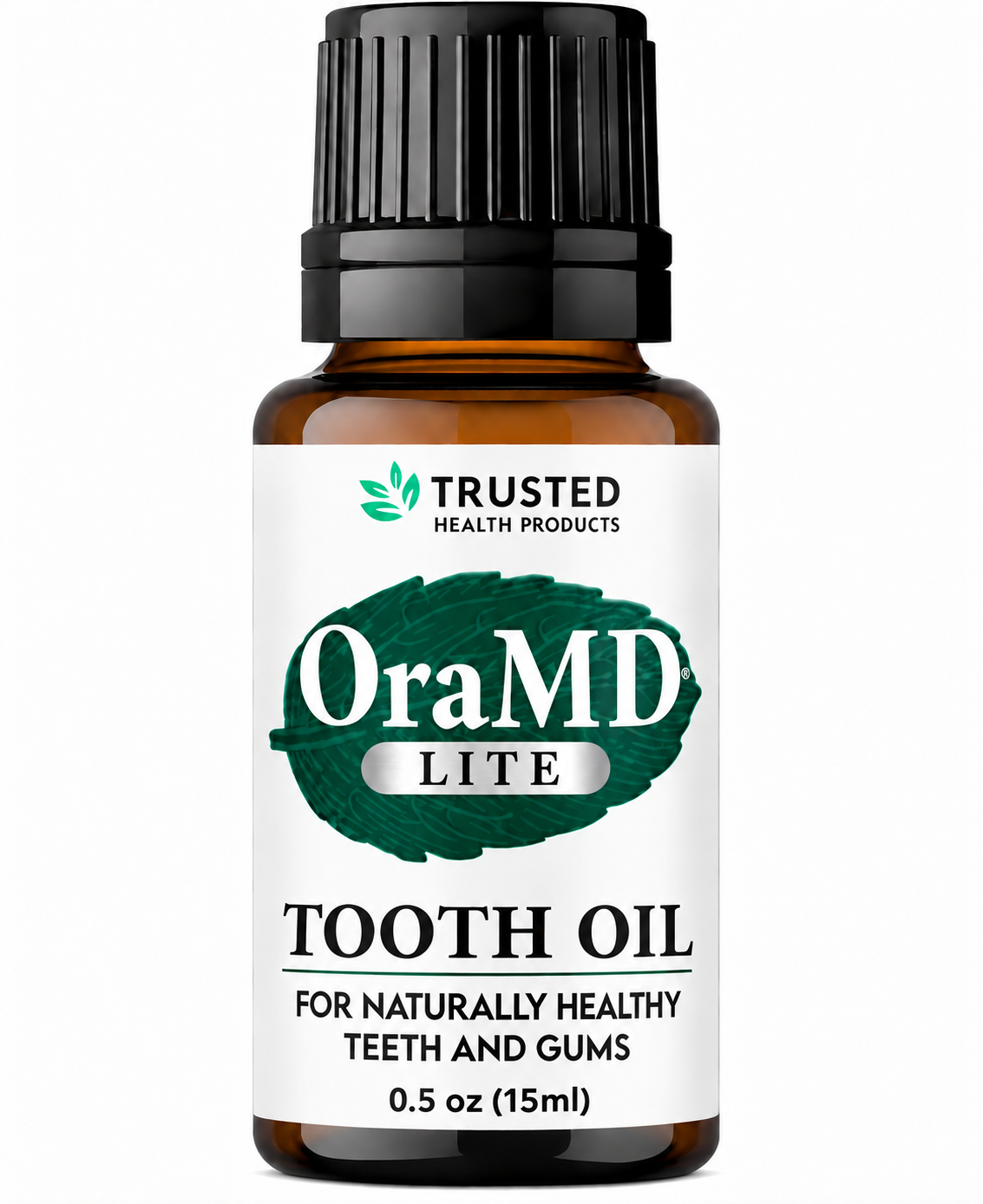
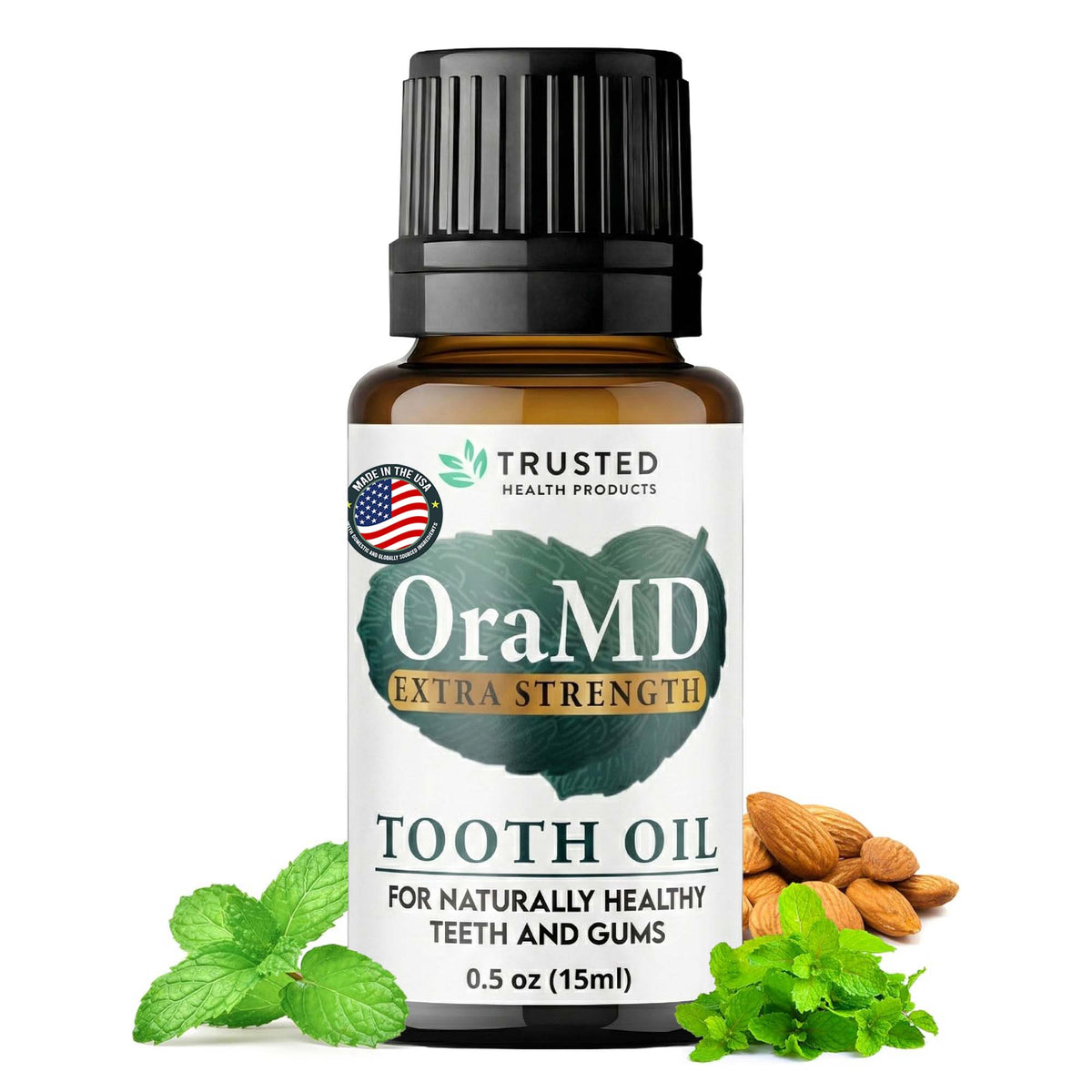
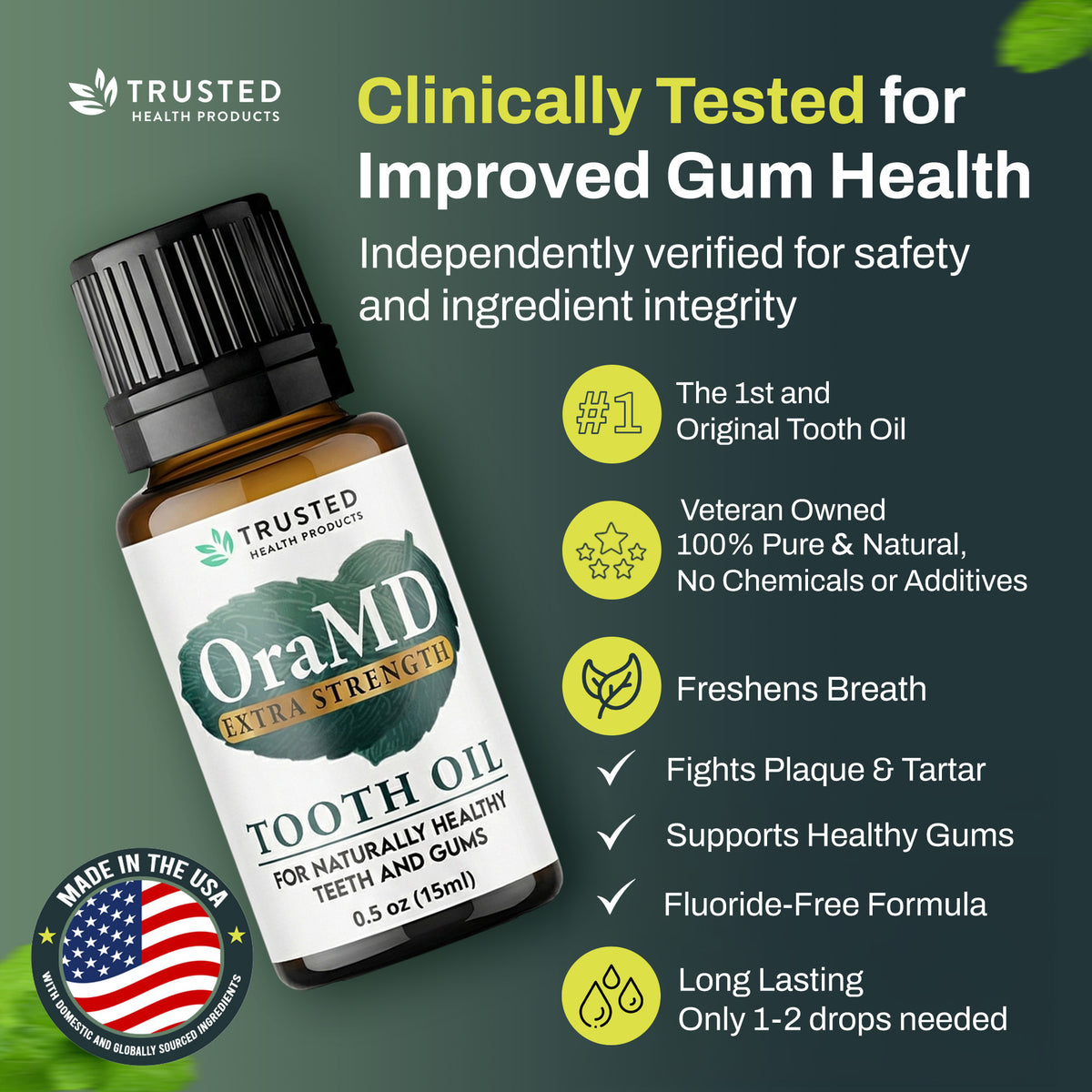
A gentle, natural oral care routine supports the habits described above. Trusted Health Products offers a fluoride-free tooth oil as an alternative to conventional toothpaste. The tooth oil is designed to clean without harsh abrasives that can further irritate sensitive gum tissue. For flossing, a natural, unwaxed dental floss glides between teeth with less friction on tender gums. Those building a complete natural routine can also consider an all-in-one oral health kit. The kit pairs tooth oil with guidance from Dr. Tom McGuire's Healthy Teeth, Healthy Body book. These products support a natural routine but do not replace regular dental checkups or treatment for existing gum disease.
Conclusion: Building a Gum-Healthy Routine
Bleeding gums are common, but they are not something to ignore. Most cases improve with consistent brushing, daily flossing, and a few targeted habit changes. The oral care collection offers additional fluoride-free options for building a gentle, natural routine. Persistent or unexplained bleeding still deserves attention from a dental professional. It can point to conditions beyond the mouth.