Home Remedies to Cure Dry Mouth: A Practical Guide
August 31, 2026
Author: Team Farrisi
Tags:
Dry mouth interrupts sleep, changes how food tastes, and makes talking uncomfortable. Many people search for home remedies to cure dry mouth before trying medication. The condition, known clinically as xerostomia, happens when the salivary glands slow down. Saliva protects teeth, controls bacteria, and keeps the mouth comfortable. Without enough of it, small problems can grow into bigger ones. This guide walks through the causes, the nighttime triggers, and the remedies that actually help.
Why Dry Mouth Deserves Attention
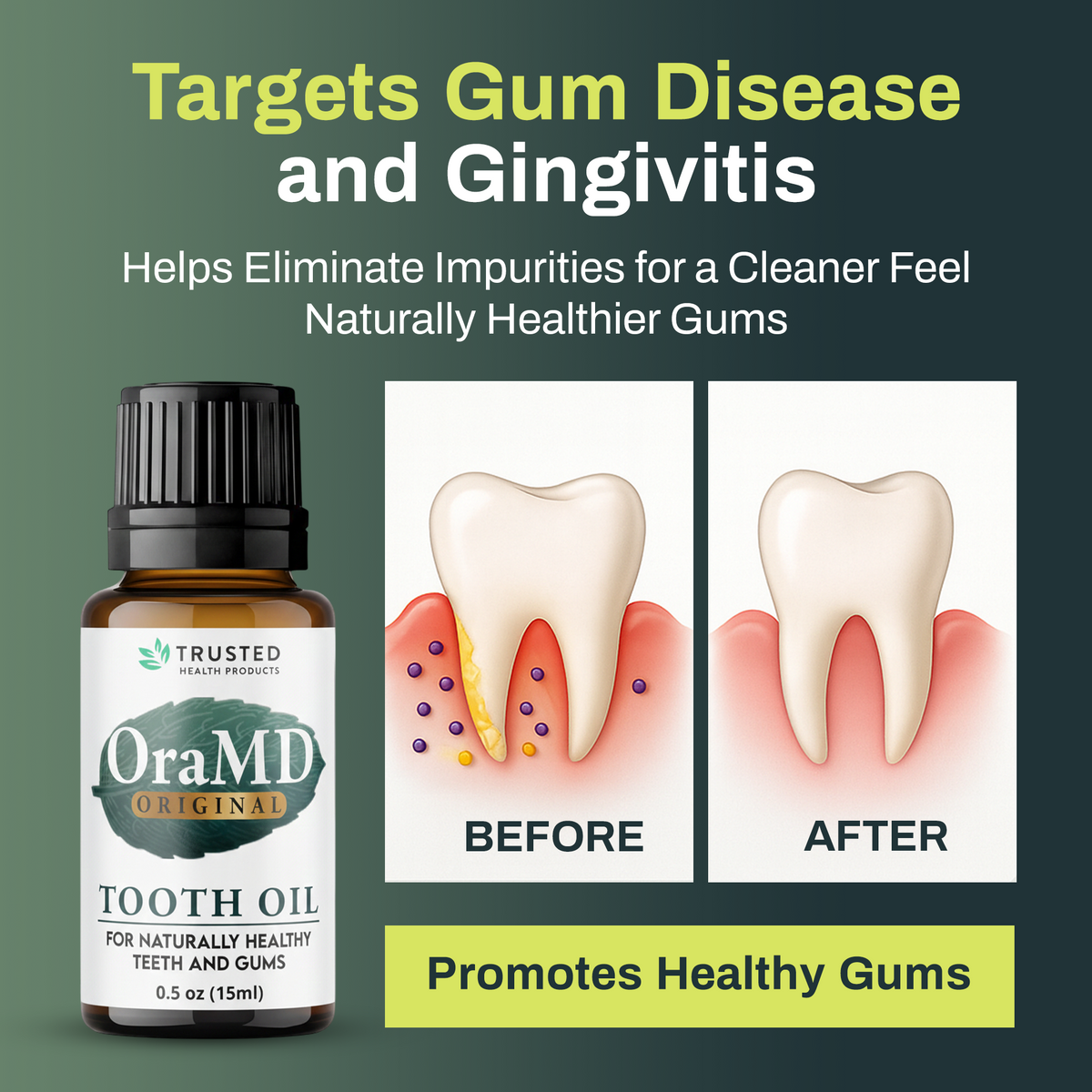
Saliva does more than moisten the mouth. It buffers acid, washes away food particles, and delivers minerals that protect enamel. The National Institute of Dental and Craniofacial Research explains that reduced saliva flow raises the risk of tooth decay, gum irritation, and infection. Dry mouth can also make it harder to floss teeth regularly and can encourage sticky, sugary food to cling to enamel longer. Ignoring the symptom rarely makes it disappear. Left untreated, chronic dryness can lead to persistent bad breath and mouth sores. A natural dental oil for gum health can support tissue comfort while the underlying cause gets addressed. Understanding the root cause is the first step toward lasting relief.
What Causes Dry Mouth
Dry mouth has several common triggers, and most people experience more than one at once. The American Dental Association notes that causes include dehydration, certain medications, chemotherapy or radiation near the head and neck, autoimmune conditions, and nerve damage. Medication is the most frequent culprit. Antihistamines, antidepressants, and blood pressure drugs can all reduce saliva output. Autoimmune conditions such as Sjögren's syndrome also play a role.
Stress and anxiety can trigger short-term dryness as well. Simple habits, including mouth breathing and low water intake, add to the problem. Readers looking for a gentler daily routine can browse the full range of all-natural oral care products to find options suited to sensitive tissue. Identifying the specific cause helps a person choose the right remedy instead of guessing.
What Causes Dry Mouth at Night
Nighttime dryness often has its own set of triggers. Mouth breathing during sleep is one of the biggest factors, especially for people with nasal congestion or sleep apnea. Saliva production naturally slows overnight, which makes any existing dryness feel worse. Snoring pulls air across the tongue and throat, drying tissue quickly. Alcohol and caffeine consumed in the evening reduce hydration further.
Some sleep medications and antihistamines taken before bed add another layer of dryness. Recognizing these patterns helps explain why morning symptoms feel more severe than daytime ones.
Home Remedies to Cure Dry Mouth Naturally
Several home remedies to cure dry mouth focus on restoring moisture without harsh chemicals. Drinking water throughout the day supports baseline hydration. Sipping small amounts instead of large gulps keeps the mouth moist longer. Chewing sugar-free gum stimulates saliva flow through natural jaw movement. A humidifier in the bedroom adds moisture to dry indoor air. Reducing caffeine and alcohol intake prevents additional water loss.
Nasal breathing exercises can reduce mouth breathing during sleep. Natural remedies for dry mouth, including plant-based oral sprays, offer targeted relief without alcohol or artificial sweeteners.
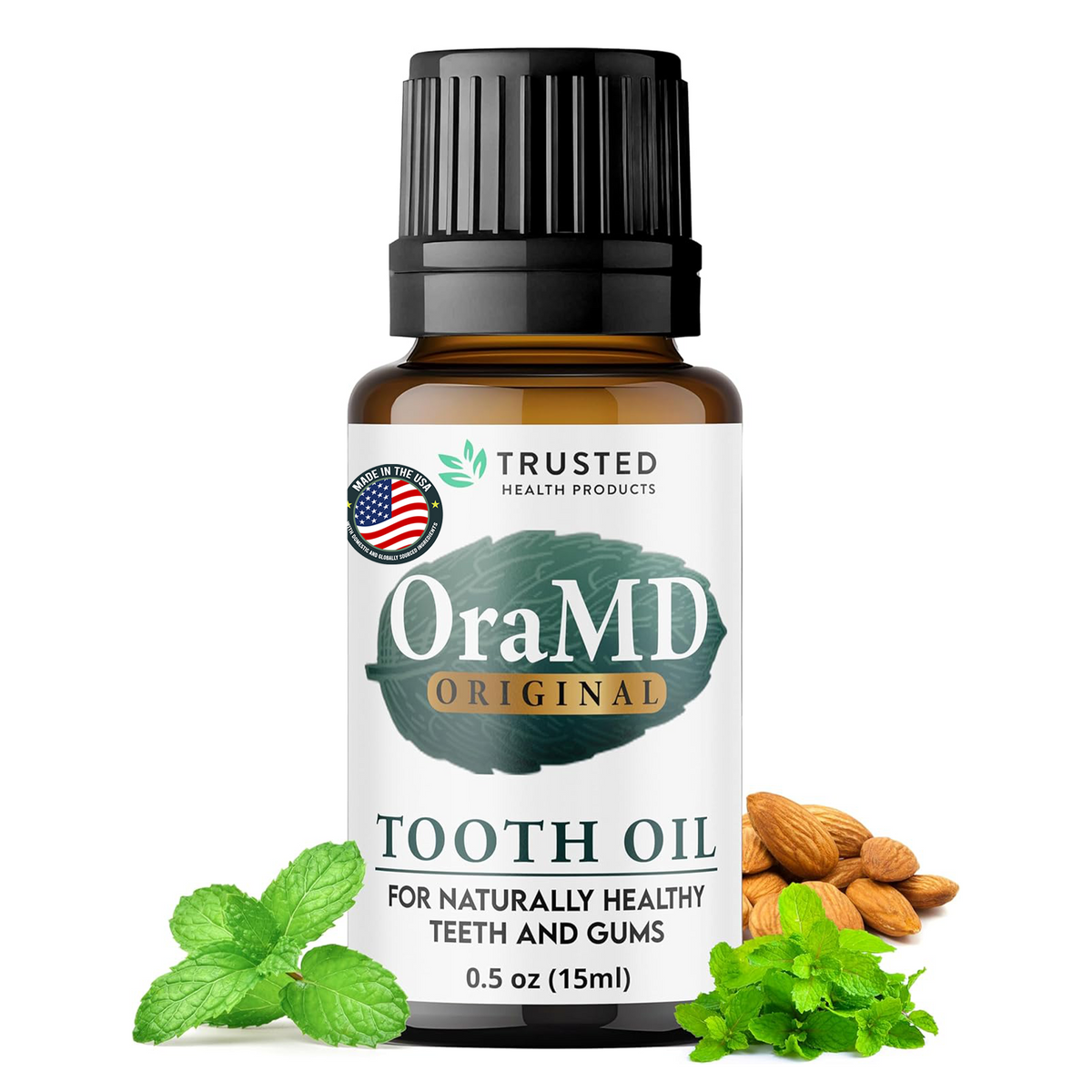
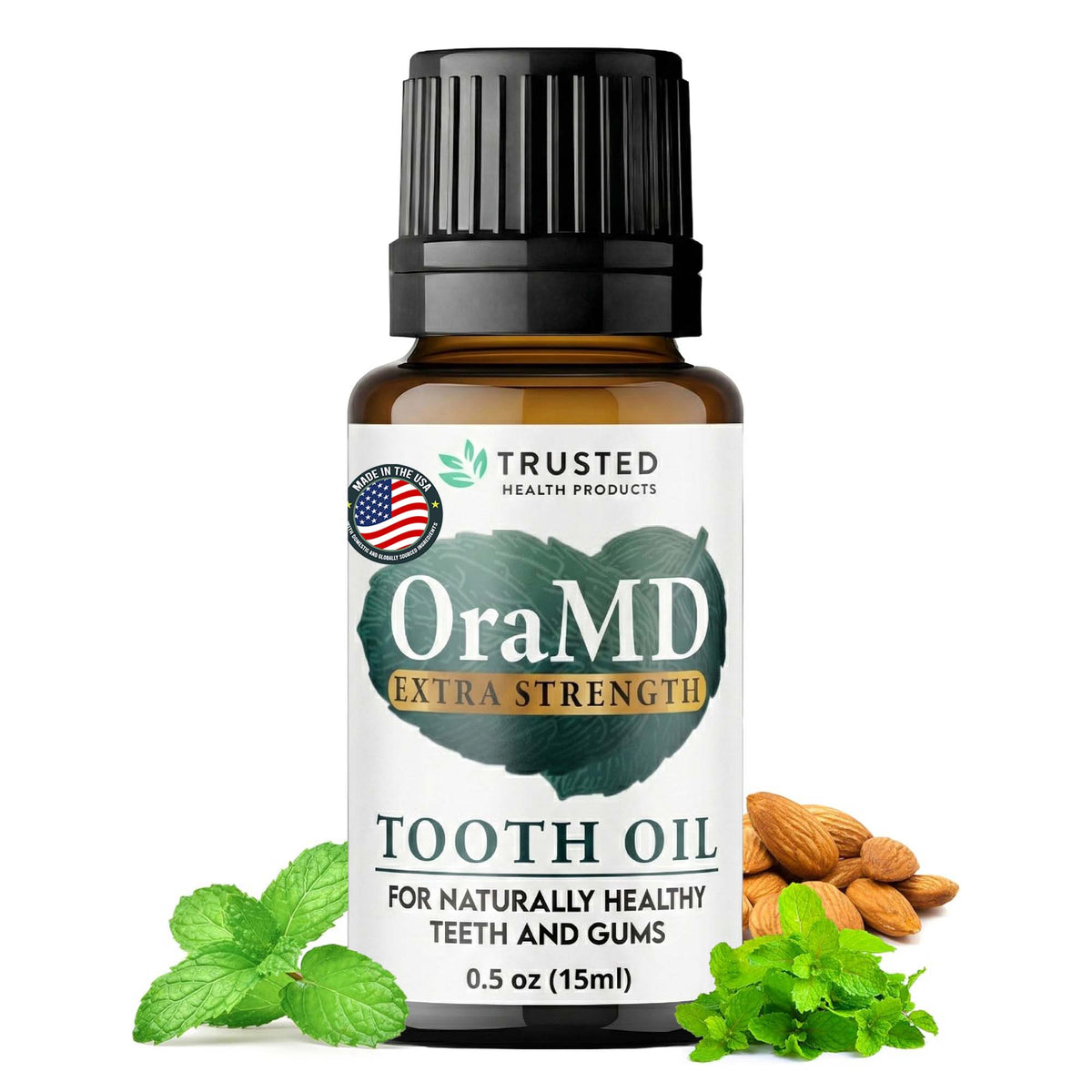
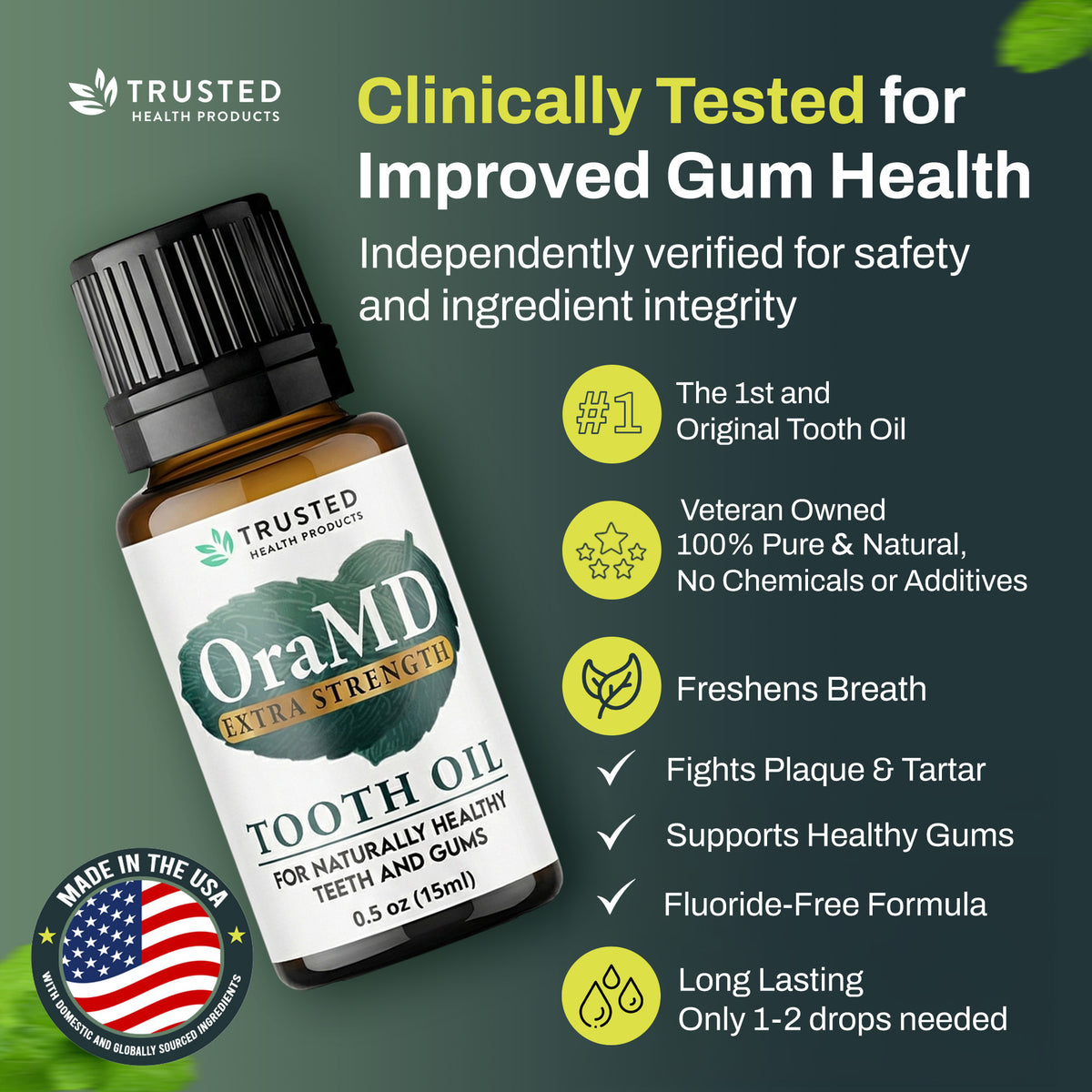
Botanical oils like sweet almond, peppermint, and spearmint are traditionally used to soothe oral tissue and support comfort. Some people also switch from foaming toothpaste to a tooth oil as a toothpaste alternative, since foaming agents can feel harsh on already-dry tissue and a milder daily formula tends to sit better paired with a hydration-first routine, along with a fluoride-free toothpaste for those avoiding fluoride specifically.
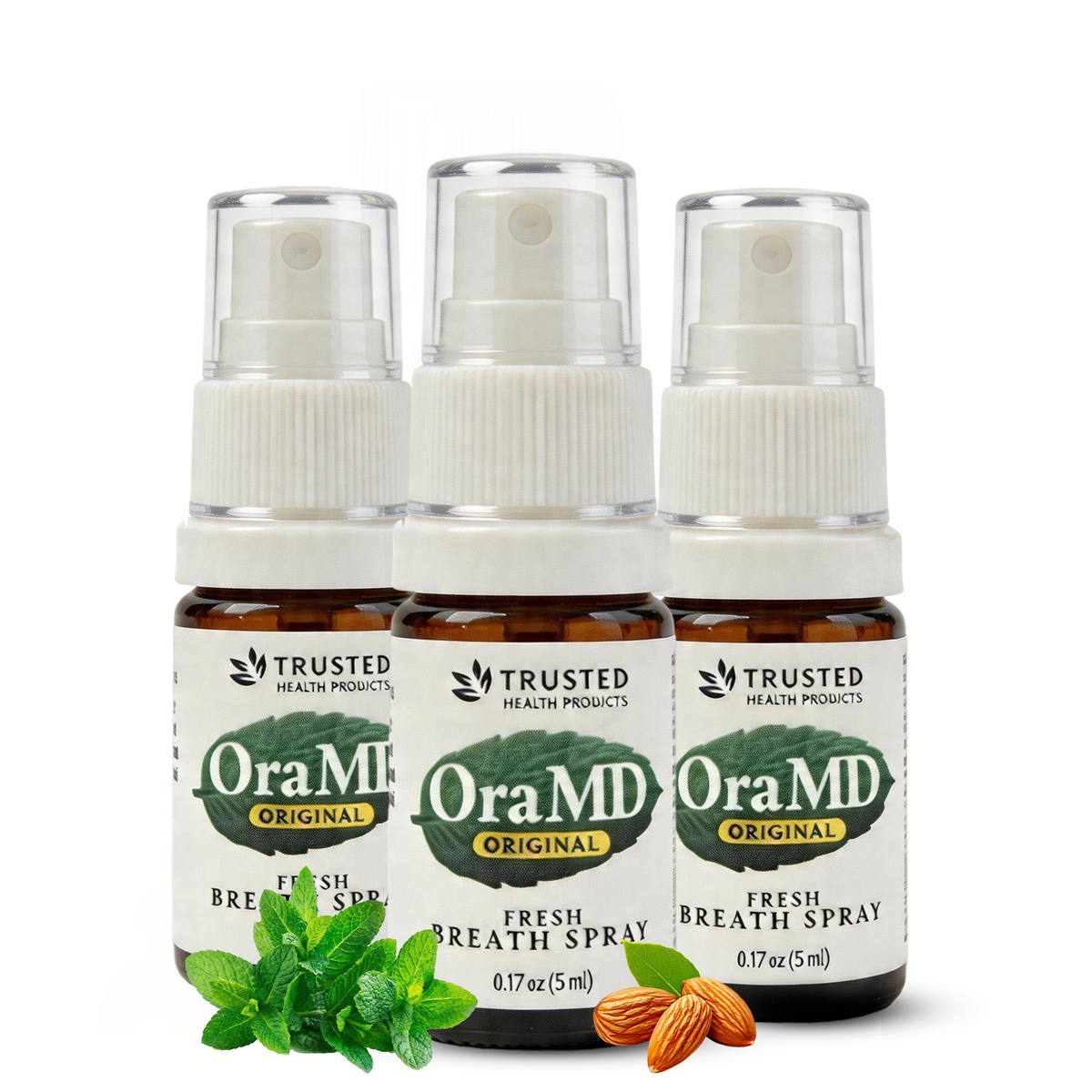
Trusted Health Products offers a botanical mouth spray for readers who want a fast, portable option between meals.
How to Prevent Dry Mouth While Sleeping
Prevention works best when it targets the specific cause of nighttime symptoms. Sleeping on the side, rather than the back, can reduce mouth breathing for some people. A bedroom humidifier keeps the air from pulling moisture out of oral tissue. Avoiding alcohol and heavy caffeine in the evening protects hydration levels overnight. A small glass of water by the bed helps during waking moments.
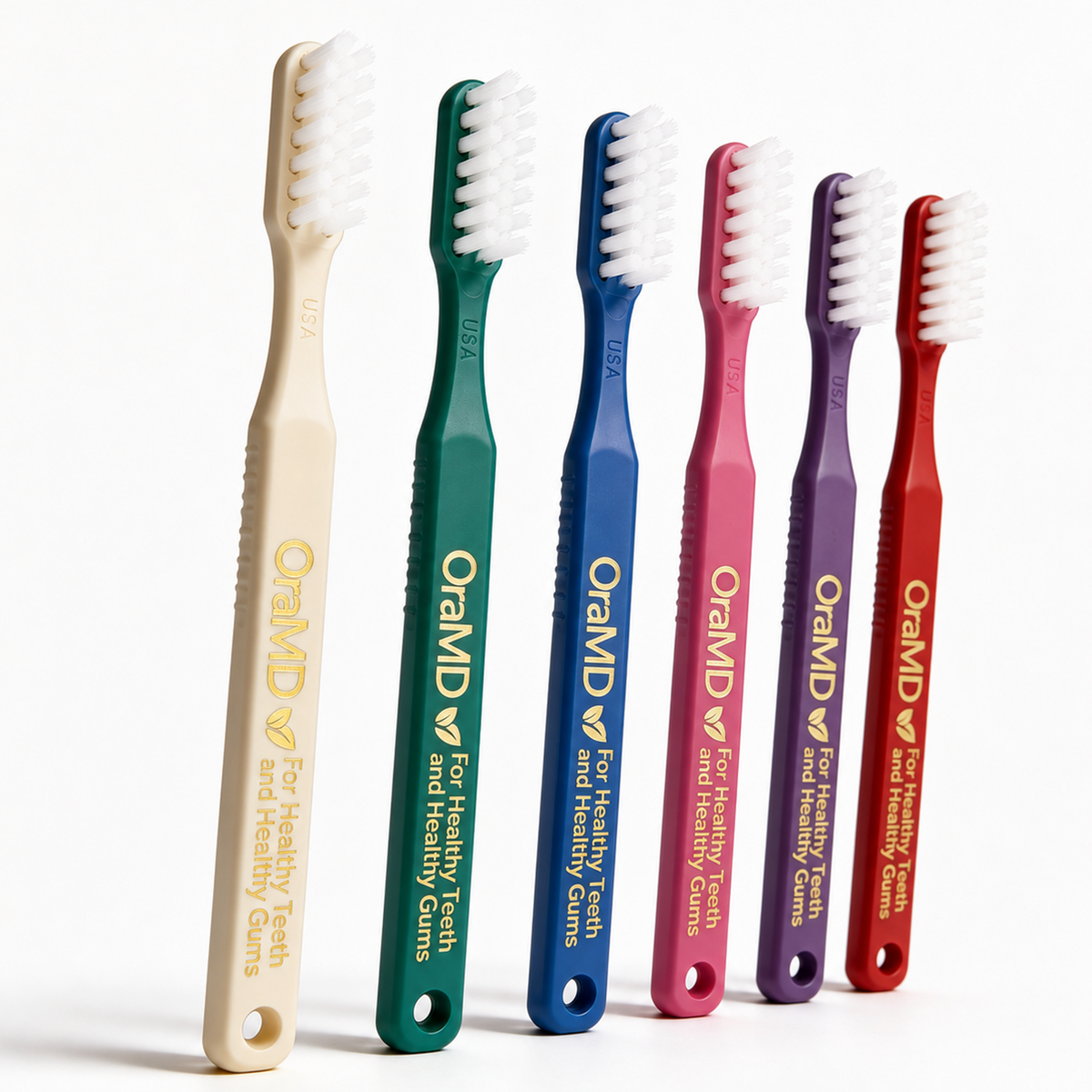
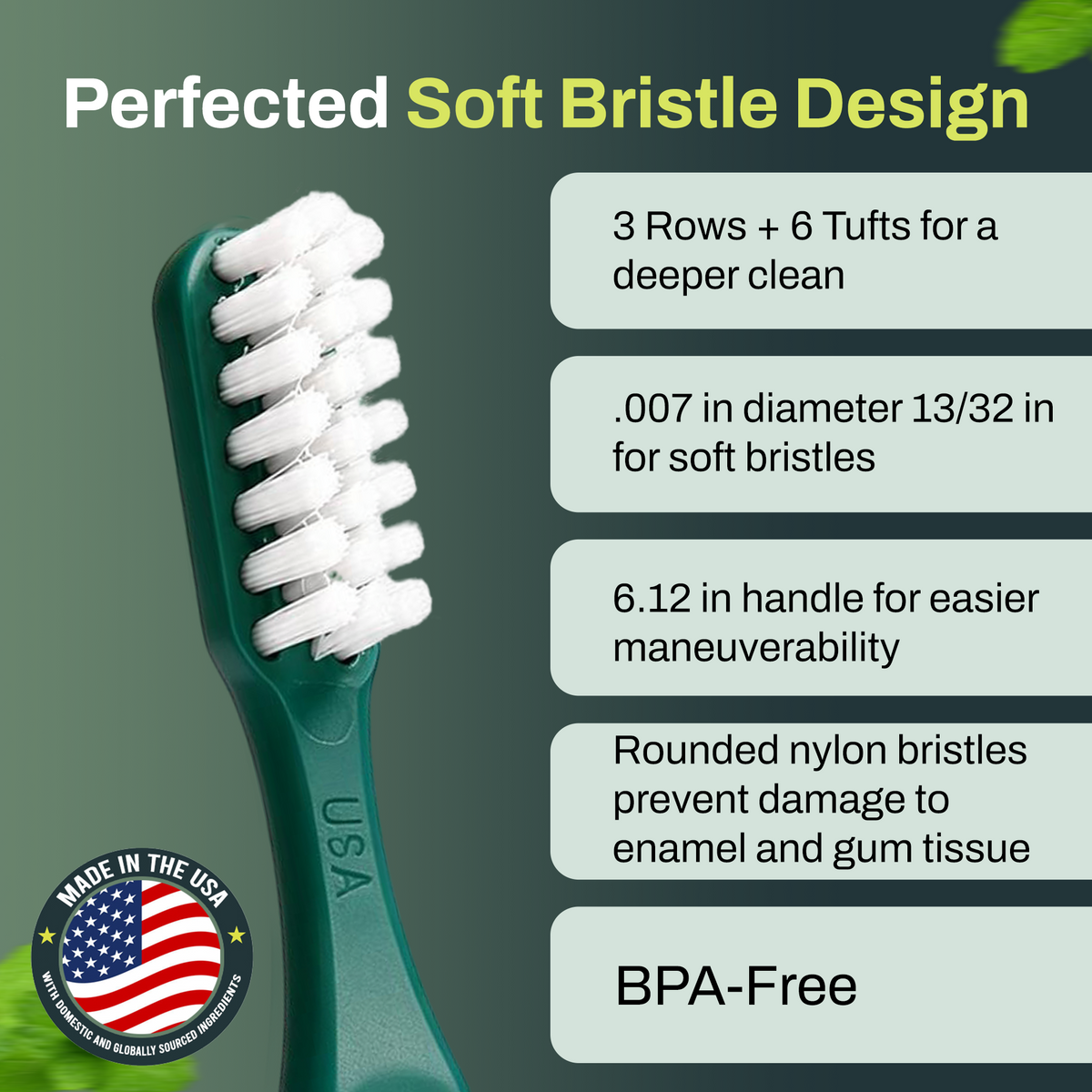
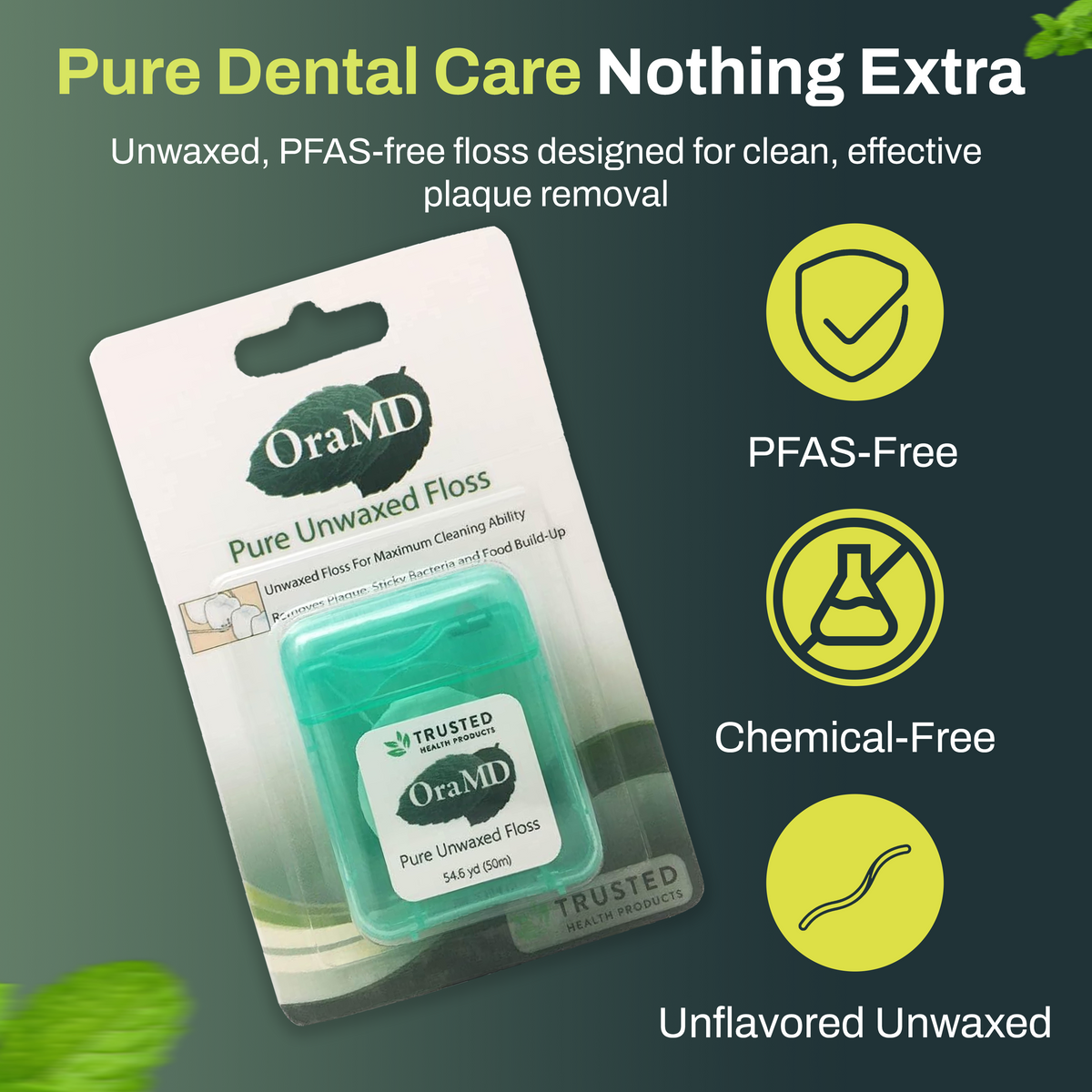
Reviewing medications with a doctor or pharmacist can reveal whether a prescription is contributing to the problem. Consistent oral care before bed, including a gentle rinse or spray, supports moisture through the night. A soft-bristle toothbrush for sensitive gums and gentle floss designed for sensitive gums round out a nighttime routine that won't further irritate already-dry tissue, and a Dr. Bass–style option from the Dr. Bass toothbrush collection is worth considering for anyone rebuilding their routine from scratch.
Choosing Between Remedies: What to Consider
Not every remedy suits every person, so a few factors matter before choosing one. Alcohol-based mouthwashes offer a strong initial sensation but often dry the mouth further afterward. Medication side effects remain the most common cause of xerostomia, so reviewing prescriptions with a healthcare provider is a reasonable first step. Lozenges and gum work well for daytime use but are less practical overnight. Humidifiers address the sleeping environment rather than the mouth directly, so they work best alongside another remedy.
Natural sprays offer portability and avoid the drying effects of alcohol, making them useful for both day and night. For readers with sensitive teeth, toothpaste for sensitive teeth is worth pairing with any remedy on this list, since dry mouth often makes teeth more reactive to temperature and pressure. Readers dealing with a diagnosed condition, such as Sjögren's syndrome, should still consult a dentist or physician for a full treatment plan.
Home remedies work well for mild to moderate dryness, not as a replacement for medical care.
A Natural Mouth Spray for Dry Mouth Relief
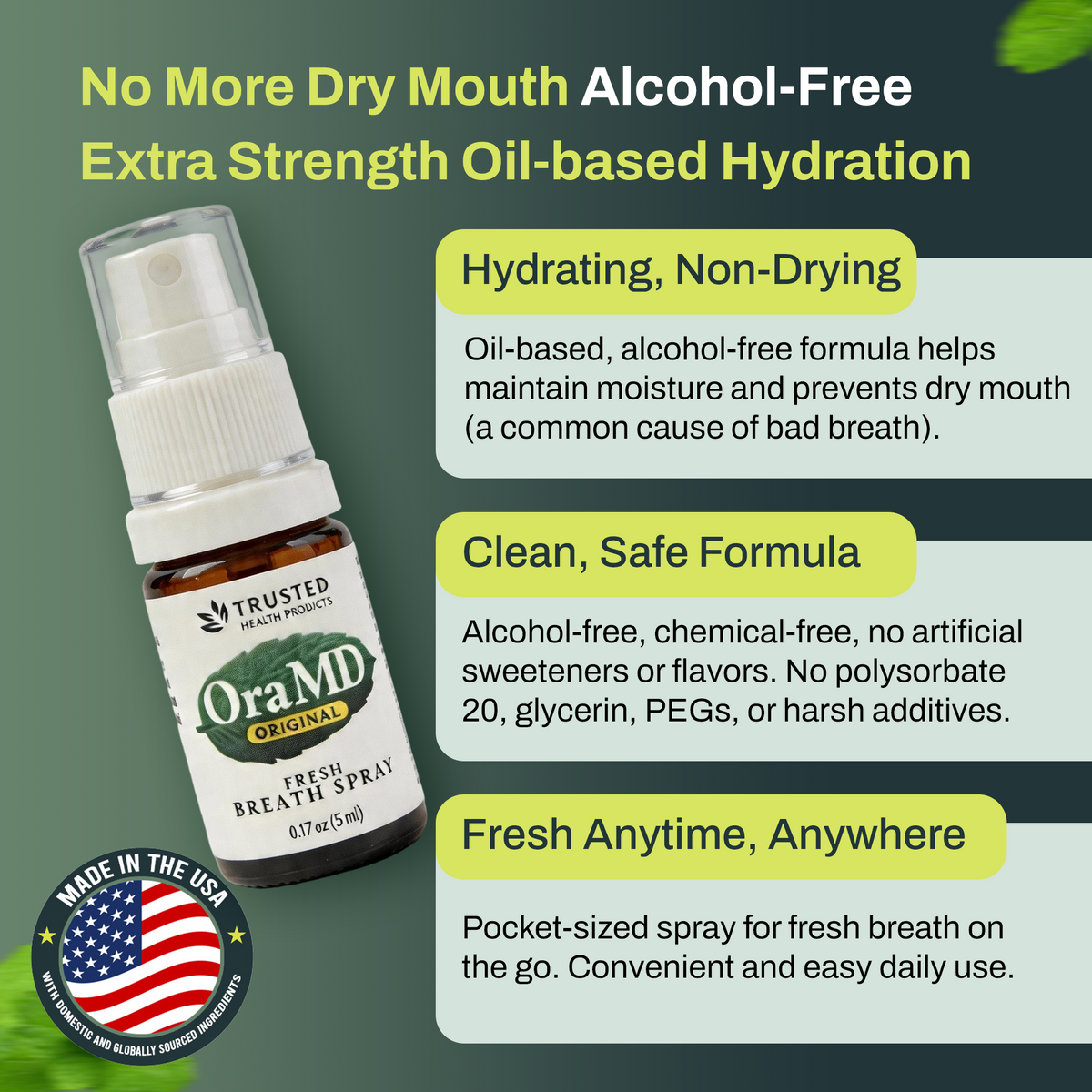
Trusted Health Products makes the OraMD All-Natural Bad Breath Freshener Spray from three ingredients only: sweet almond oil, peppermint oil, and spearmint oil. The formula contains no alcohol, no artificial flavoring, and no added sweeteners. Sweet almond oil forms the base of the spray and is traditionally used to support moisture in soft tissue. Peppermint and spearmint oils contribute a natural cooling sensation and support a fresh feeling after use. Because the spray skips alcohol, it avoids the drying rebound effect common in many commercial mouth sprays.
The compact bottle fits in a pocket or bag, making it practical for people managing dry mouth away from home. Readers comparing options for oral spray for dry mouth often look for a short ingredient list, and this formula meets that standard directly.
Trusted Health Products stocks this spray for readers who want an alcohol-free option for daytime and nighttime use.
Consumers who prioritize third-party verified natural formulas can review the COSMOS Standard to understand how organic and natural cosmetic certifications work across the industry.
Conclusion
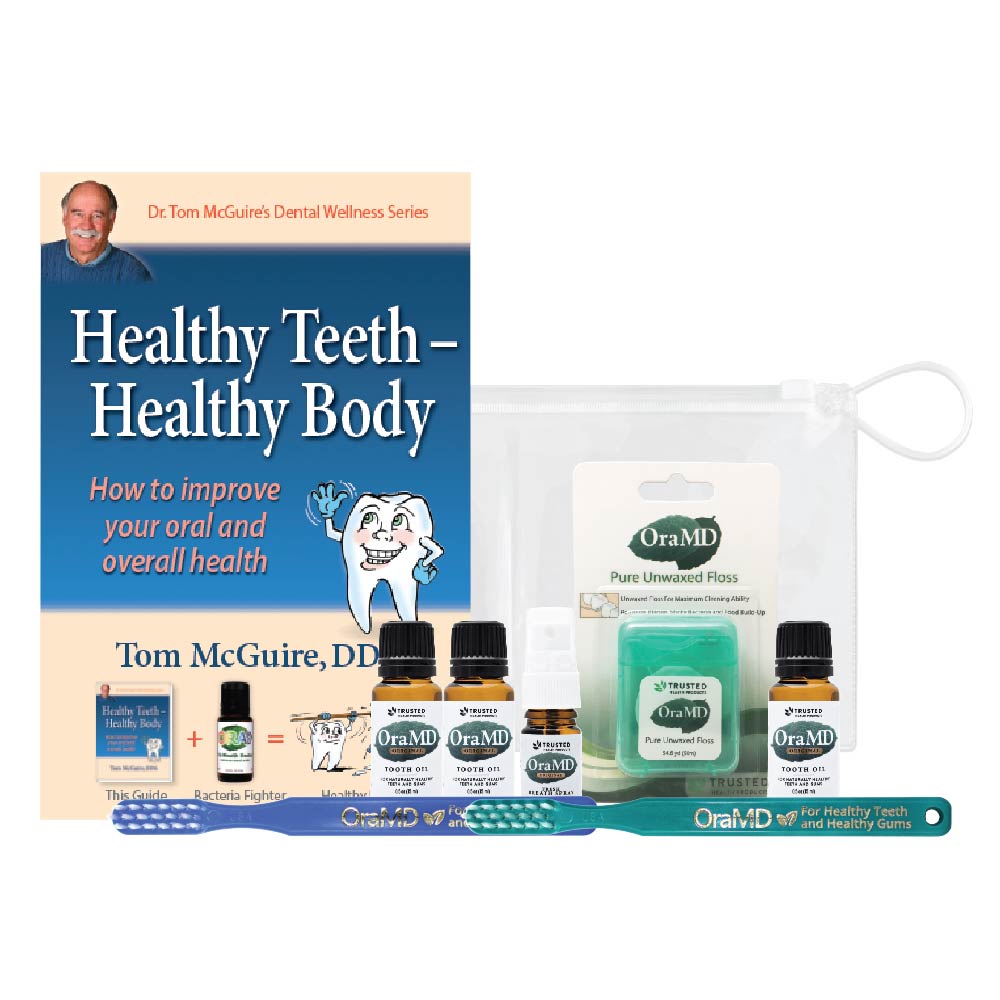
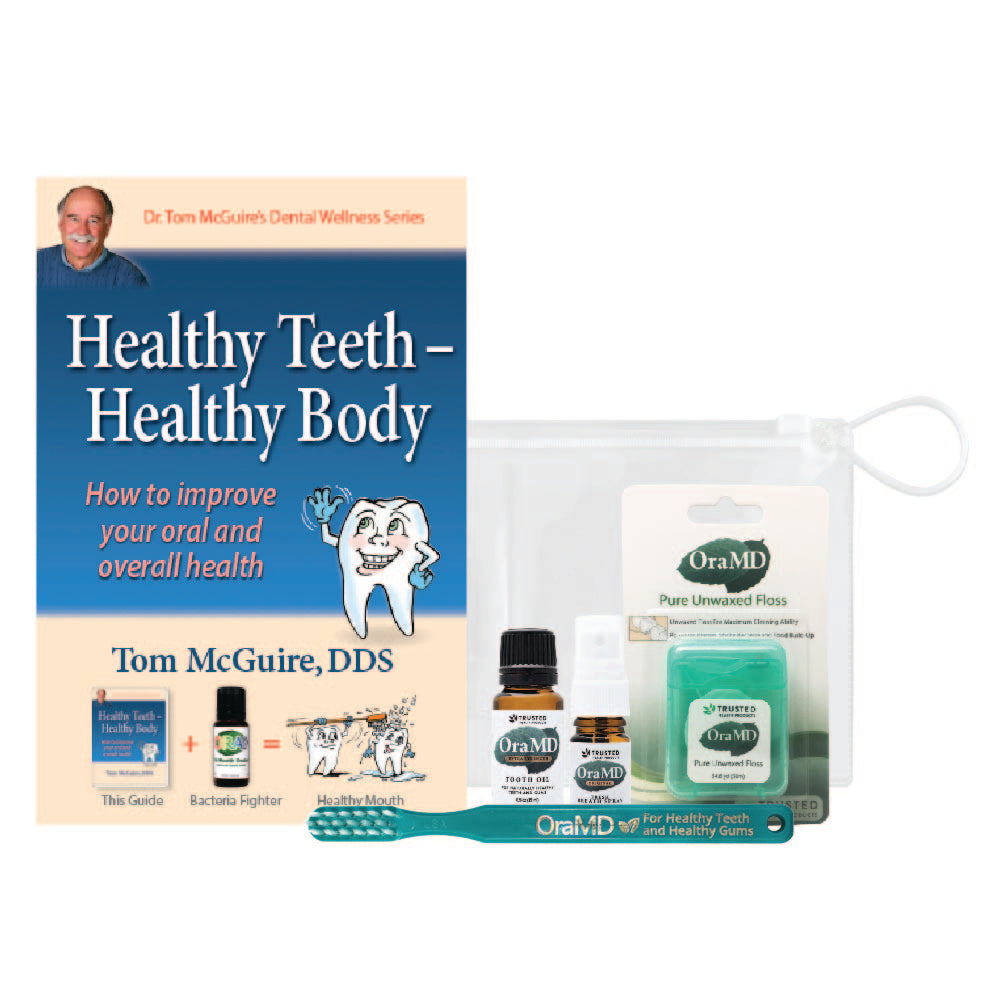
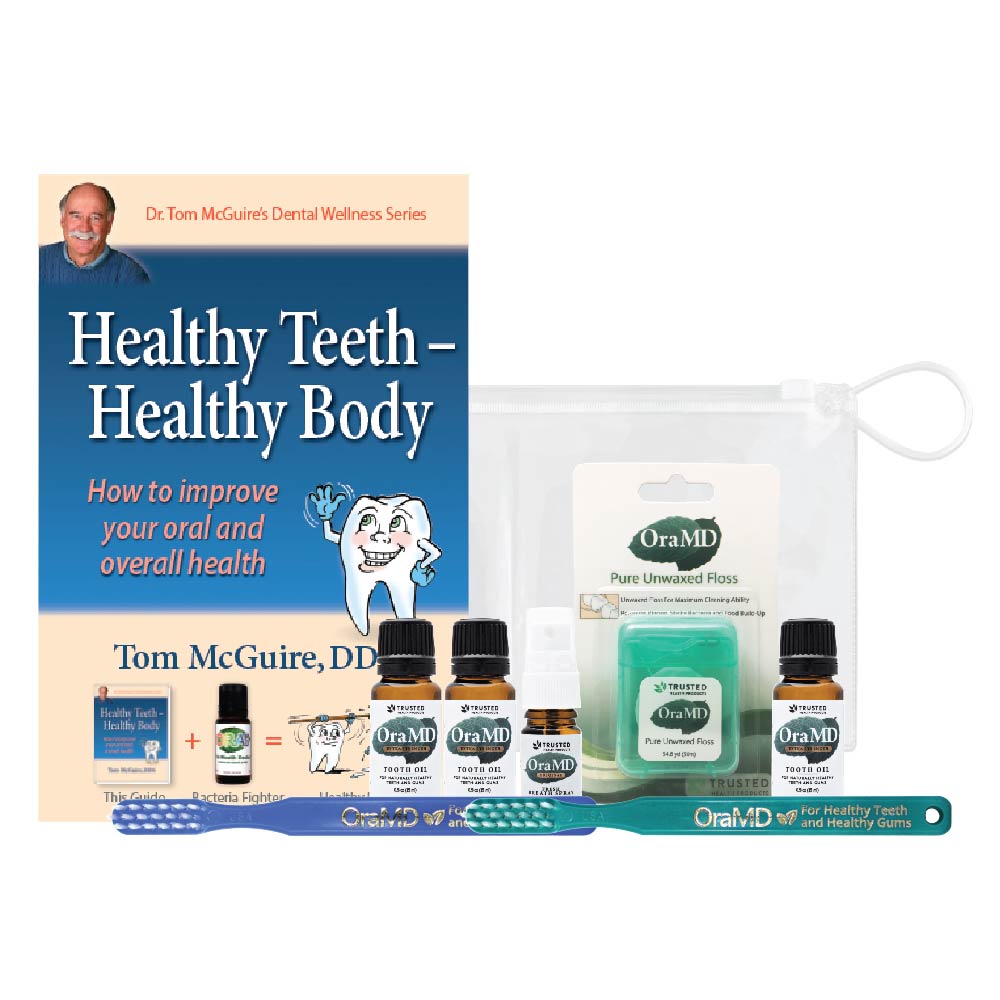
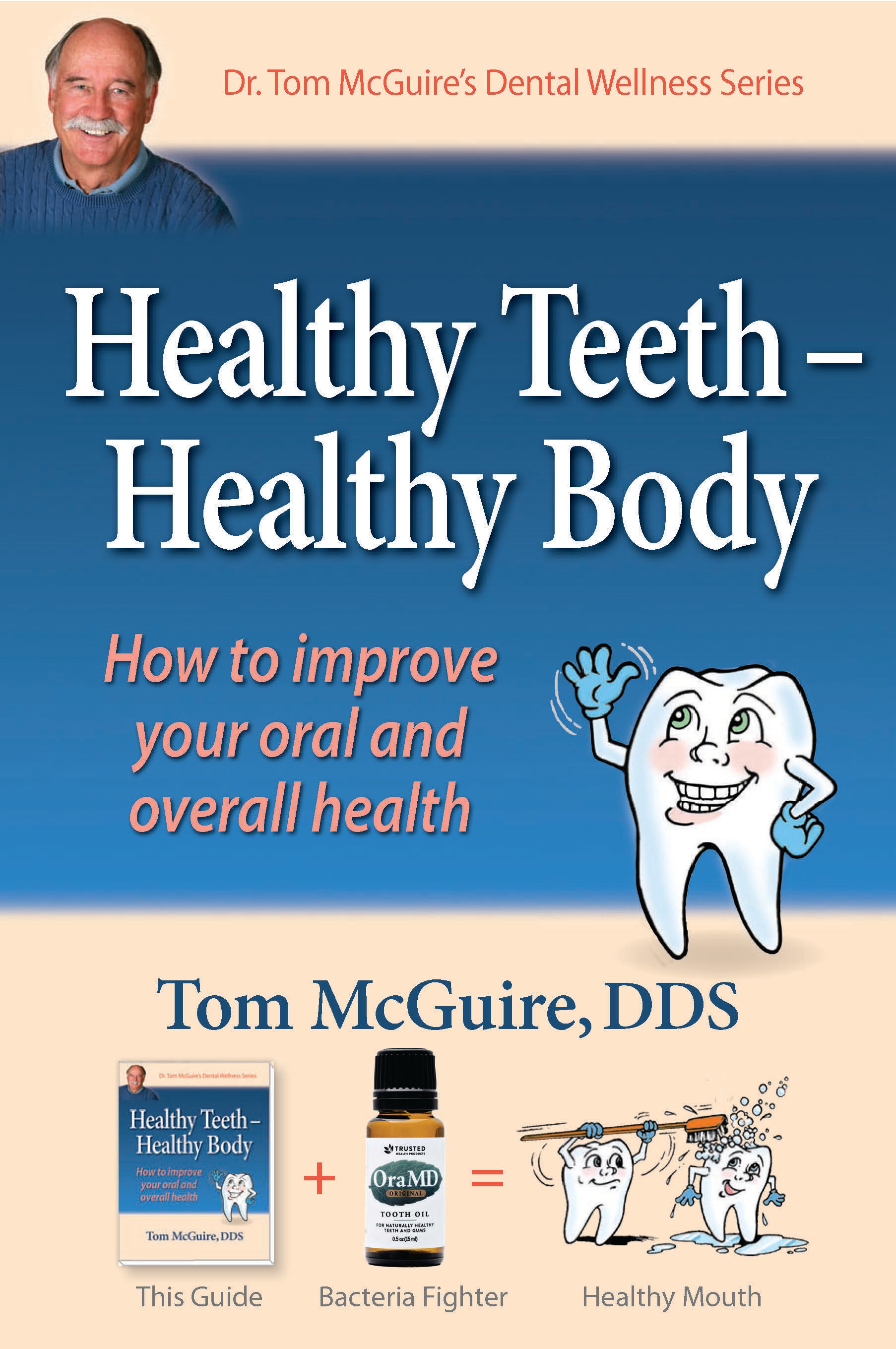
Dry mouth is common, but it responds well to the right combination of habits and products. Understanding what causes dry mouth, especially at night, makes prevention easier to plan. Simple steps, including hydration, humidifiers, and reduced caffeine, address many cases directly. For added relief, Trusted Health Products offers a three-ingredient, alcohol-free mouth spray built for daily comfort, part of the brand's broader oral care collection. Readers wanting to go deeper on the fundamentals of oral health may also find Dr. Tom's Healthy Teeth, Healthy Body a useful companion resource. Readers dealing with persistent symptoms should also loop in a dentist to rule out an underlying condition.