Rosacea Treatment: How to Calm Facial Redness Safely
August 31, 2026
Author: Team Farrisi
Tags:
Millions of adults face a flushed, stinging complexion with no clear plan. Rosacea treatment confuses people because the condition looks simple and behaves stubbornly. Redness fades, then returns weeks later. A product that soothes one person inflames the next.
This guide covers rosacea treatment at three levels: what dermatologists prescribe, what daily care achieves, and which ingredients raise risk. It also explains, plainly, what no product can do.
What Rosacea Is and Why It Behaves This Way
Rosacea is a long-term inflammatory skin condition affecting the central face. The National Institute of Arthritis and Musculoskeletal and Skin Diseases calls it a chronic disease. It causes reddened skin and pimples. It concentrates on the cheeks, nose, chin, and forehead.
Three things happen at once beneath the surface. Small blood vessels dilate and stay dilated. The skin barrier thins and loses water faster. Nerve endings and immune cells become hyper-reactive.
That last mechanism explains most of the frustration. Rosacea-prone skin treats ordinary exposures as threats. Heat, wind, alcohol, and skincare all register as irritants. The immune system answers with visible inflammation.
Rosacea also carries a genuine quality-of-life cost. Research consistently links visible facial redness to lower self-esteem and social withdrawal. The condition deserves proper clinical attention, not guesswork.
The Four Types of Rosacea and Why the Difference Matters
Clinicians recognize four main types of rosacea. Each type responds to different care, so identification comes first.
Erythematotelangiectatic rosacea
Persistent central redness dominates, often with visible surface blood vessels. Flushing episodes come and go. Inflamed bumps stay rare.
Papulopustular rosacea
Redness appears alongside inflamed papules and pustules. Many people mistake this pattern for adult acne. Acne products often make it worse.
Phymatous rosacea
Skin thickens and coarsens, most often across the nose. Texture changes become the main concern rather than color.
Ocular rosacea
Eyes and eyelids become inflamed, dry, or gritty. Skin symptoms sometimes stay mild or absent entirely.
Many people show features of more than one type. A dermatologist confirms which pattern applies. Guessing leads directly to the wrong product shelf.
Red Face Causes and the Triggers Behind Flare-Ups
Not every red face means rosacea. Sunburn, allergic reactions, seborrheic dermatitis, and lupus all produce facial redness. Persistent central redness lasting months points more strongly toward rosacea.
Trigger management drives most day-to-day improvement, and it costs nothing. It works alongside rosacea treatment rather than instead of it. Commonly reported triggers include sun exposure, heat, cold wind, and stress. Alcohol, spicy food, hot drinks, and intense exercise also feature heavily.
Skincare belongs on that list, and this surprises people. According to the National Rosacea Society, patient surveys named alcohol as an irritant for 66 percent of respondents. Witch hazel and fragrance each affected roughly 30 percent. Menthol, peppermint, and eucalyptus oil followed close behind.
Most respondents also avoided astringents and exfoliating agents. Those products strip a barrier that already struggles.
How Daily Skincare Supports Rosacea Treatment
Prescription therapy works better when daily care stops undoing it. Dermatologists treat gentle skincare as foundational rather than optional.
The American Academy of Dermatology recommends broad-spectrum SPF 30 or higher every day. Mineral filters containing zinc oxide or titanium dioxide suit reactive skin best. Sun exposure ranks among the most frequent flare triggers reported.
A workable routine stays short. Lukewarm water, a non-foaming cleanser, and fingertips instead of cloths. A bland moisturizer follows while skin stays damp. Mineral sunscreen finishes the morning.
Three habits matter more than any single product. Applying with light pressure, never scrubbing, and introducing one new item at a time.
How to Get Rid of Rosacea: What Is Realistic
Search interest around getting rid of rosacea permanently runs high. The honest answer disappoints, then helps.
Rosacea has no cure. Medicine can push it into long remission, sometimes for years. Symptoms return when treatment stops or triggers stack up. Any product promising permanent removal is overselling.
Realistic outcomes look like this. Papules and pustules often clear within eight to twelve weeks of prescription treatment. Background redness fades more slowly and less completely. Visible blood vessels rarely resolve without laser or light-based procedures.
Framing matters for adherence to any rosacea treatment plan. People who expect management stick with routines. People who expect a cure abandon them.
Medical Rosacea Treatment Options Worth Discussing
A dermatologist matches rosacea treatment to subtype and severity. Several categories exist, and most people combine two.
Topical prescriptions target inflammation directly. Azelaic acid, metronidazole, and ivermectin all appear in standard practice. Brimonidine and oxymetazoline constrict vessels to reduce visible redness temporarily.
Oral options handle stubborn inflammatory cases. Low-dose doxycycline works through anti-inflammatory action rather than antibiotic effect. Severe phymatous disease sometimes calls for isotretinoin under close supervision.
Energy-based procedures address what creams cannot. Pulsed dye laser and intense pulsed light target dilated vessels. Multiple sessions are standard, and results build gradually.
Cost and access shape real decisions here. Prescription topicals often run cheaper monthly than repeated cosmetic purchases. A single dermatologist consultation frequently saves months of trial and error.
Natural Treatment for Rosacea Redness: What the Evidence Supports
Interest in natural treatment for rosacea redness keeps growing, and some of it is well founded. Barrier repair, trigger avoidance, and sun protection all count as low-intervention care. Each has strong clinical backing.
Other claims need scrutiny. Natural does not mean non-irritating, and rosacea makes that distinction sharp. Essential oils carry concentrated plant compounds with real biological activity. Reactive skin responds to chemistry, not to marketing category.
Tea tree, lavender, peppermint, eucalyptus, and citrus oils appear repeatedly on dermatology irritant lists. That does not make them universally harmful. It means rosacea-prone skin needs individual testing before full-face use.
Anyone weighing botanical options can start with the ingredient disclosure on the Trusted Health Products natural skincare range. Checking each botanical against a clinician's advice comes next.
What to Weigh Before Choosing Skincare for Rosacea
Skincare choices sit alongside rosacea treatment rather than replacing it. Product selection improves when readers apply four filters honestly.
Fragrance load. Scent means volatile compounds, whether synthetic or botanical. Lower is safer for reactive skin.
Ingredient count. Short formulas make reactions traceable. Long ones hide the culprit.
Independent validation. The National Rosacea Society runs a Seal of Acceptance program for products clinically evaluated as unlikely to irritate. Seal-carrying products offer the lowest-risk starting point.
Skin state at the moment of purchase. Actively inflamed skin tolerates far less than stable skin. Timing changes what a routine can handle.
A patch test settles most uncertainty. Apply a small amount behind the ear or on the neck. Repeat daily for five to seven days. Watch for stinging, burning, or new redness before going near the face.
Where Trusted Health Products Fits Into a Rosacea Routine
Trusted Health Products makes USDA Certified Organic botanical oils. The company does not sell rosacea treatment products, and this section will not pretend otherwise.
The Earth & Elm Nourishing Face Oil blends nine organic, cold-pressed oils. The base includes sweet almond, apricot kernel, and avocado oils. Evening primrose supplies fatty acids that support barrier function. Frankincense, geranium, ylang ylang, lemon, and sweet orange complete the formula. Nothing synthetic appears: no parabens, phthalates, silicones, mineral oils, or added preservatives.
That composition carries a genuine trade-off, and readers deserve it stated clearly. The formula contains citrus and aromatic botanical oils. Survey data already covered ranks fragrance among the most reported rosacea irritants. So this oil suits a specific person, not everyone with facial redness.
It fits best where rosacea sits stable rather than actively inflamed. It fits where a clinician has confirmed the diagnosis and approved the ingredient list. It fits people who have patch tested without reaction across a full week.
It does not fit an active flare, and it does not replace prescription therapy. Anyone with papules, pustules, or eye involvement belongs in a dermatologist's chair first.
For readers who clear those conditions, the Earth & Elm Set pairs the face oil with a body oil. That combination supports a deliberately short routine. Trusted Health Products publishes the complete botanical panel on every product page, which makes clinician review straightforward.
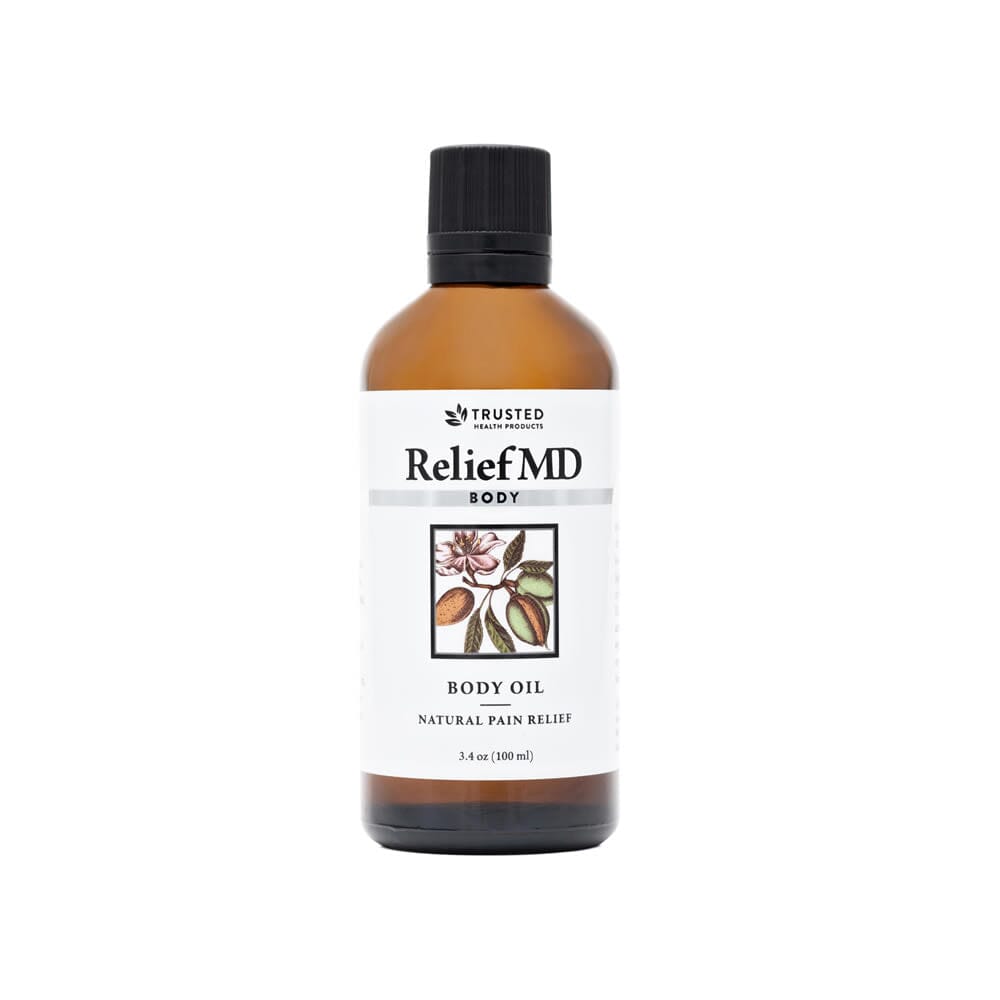
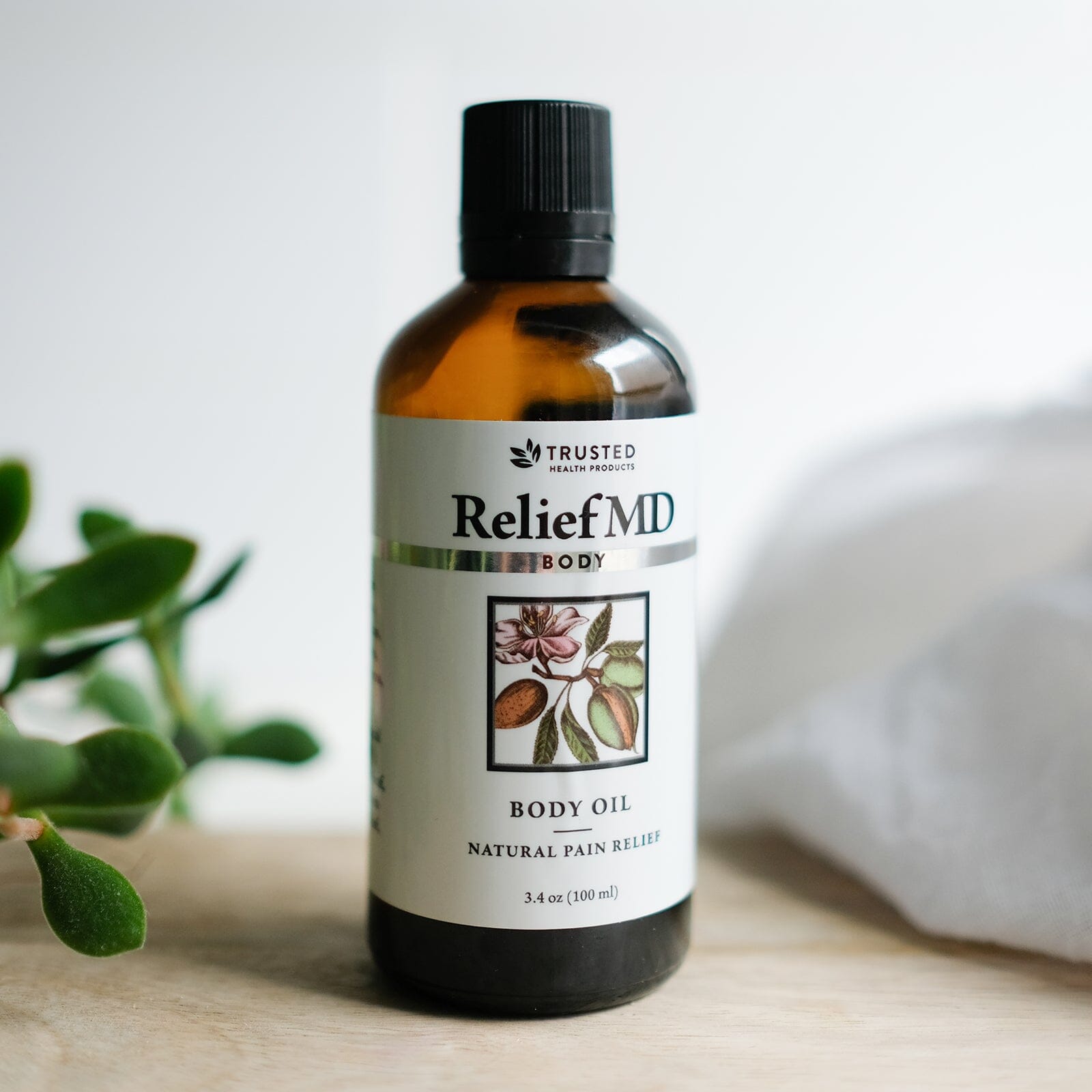
Body skin generally tolerates more than facial skin. The Earth & Elm Nourishing Body Oil offers a lower-risk trial away from reactive facial areas. Readers building a wider routine can compare steps in the natural skincare routine guide.
Conclusion
Effective rosacea treatment combines three things: an accurate subtype diagnosis, appropriate medical therapy, and daily care that avoids irritation. Skipping any one of them slows progress.
The most useful step for most readers is a dermatologist appointment, followed by a deliberately boring routine. Products introduced one at a time, patch tested first, and judged over weeks rather than days. Readers with stable skin who tolerate botanical formulas can review the ingredient disclosure on the face toner alternative bundle. Bringing that panel to a clinical appointment turns a purchase into an informed decision.