How to Repair Skin Barrier Damage: A Complete Guide
August 31, 2026
Author: Team Farrisi
Tags:
Skin that stings after a plain moisturizer signals trouble underneath. The outer layer has stopped holding water and blocking irritants. Thousands of people search how to repair skin barrier damage every month. Most land on conflicting advice and long ingredient lists. This guide takes a different route. It explains what the barrier does, how damage starts, and which steps restore normal function. It also sets realistic timelines and honest product criteria.
What the Skin Barrier Does Every Day
The skin barrier sits in the stratum corneum, the outermost layer of the epidermis. Dead skin cells stack like bricks inside a lipid mortar. That mortar holds ceramides, cholesterol, and free fatty acids.
Research on the cutaneous permeability barrier breaks that mortar down by weight. The matrix runs roughly 50% ceramides, 25% cholesterol, and 15% free fatty acids. Those lipids handle two jobs. They lock water inside the body. They also block irritants, allergens, and microbes from getting in.
Dermatologists measure barrier strength through transepidermal water loss, shortened to TEWL. A healthy barrier keeps TEWL low. Damage pushes the number up. Rising water loss dries the surface further and starts a cycle.
Damaged Skin Barrier Signs Worth Checking
Damage rarely announces itself through one dramatic symptom. It builds across several small changes.
Physical Signs
Tightness after cleansing ranks as the earliest damaged skin barrier sign. Flaking follows, often around the nose and cheeks. Redness spreads across areas that once stayed calm. Fine lines look deeper because dehydrated skin loses plumpness. Rough patches replace the usual smooth texture. Small bumps that resemble mild acne sometimes appear.
Reaction-Based Signs
Familiar products start to sting. A serum that worked for months now burns on contact. Skin flushes in cold wind and heated rooms. Breakouts turn up in new places. Scratches and spots heal more slowly.
Two or more of these signs together point toward a damaged skin barrier. One sign alone may reflect the weather or a single harsh wash.
What Breaks the Barrier Down
Most barrier damage traces back to routine choices rather than bad luck.
Over-exfoliation leads the list. Daily acids strip lipids faster than skin rebuilds them. High-strength retinoids create the same problem when a routine adds them too fast. Harsh surfactants in foaming cleansers remove natural oils along with dirt. Hot water speeds that loss further.
The environment adds pressure. Low humidity pulls water from the surface. Indoor heating repeats the effect all winter. Ultraviolet exposure degrades barrier lipids over time.
Age matters too. Lipid production slows after the mid-thirties. Skin then rebuilds more slowly after each insult. Some conditions, including eczema, involve a barrier that struggles from the start.
Medication plays a role in some cases. Oral isotretinoin reduces oil production across the whole face. Topical steroids thin skin over long periods. Neither effect signals misuse, but both change what a routine needs.
How to Repair Skin Barrier Damage Step by Step
Anyone asking how to repair skin barrier damage can follow one principle. Remove the stressor first, then replace what the skin lost. Order matters here. Adding rich products while acids continue simply wastes money.
Step One: Strip the Routine Back
Pause every acid, retinoid, and physical scrub. Keep the routine to three items. A gentle cleanser, a barrier-supporting moisturizer, and sunscreen cover everything needed. Two weeks of simplicity beat any single hero product.
Step Two: Change the Wash
Swap foaming cleansers for cream or oil textures. Use lukewarm water instead of hot. Very dry skin often does better with one cleanse at night. A plain water rinse handles the morning.
Step Three: Replace the Lipids
Useful formulas contain ceramides, cholesterol, fatty acids, squalane, or plant oils. Clinical references group moisturizers into humectants, emollients, and occlusives. Humectants draw water in. Emollients smooth the gaps between cells. Occlusives seal the surface. Barrier recovery needs all three categories working together. Trusted Health Products stocks short-ingredient plant oil formulas for readers rebuilding a stripped routine. Timing then decides how much of that formula actually works.
Step Four: Seal Damp Skin
Apply moisturizer within three minutes of washing. NIAMS recommends the same timing in its atopic dermatitis skin care guidance. Damp skin traps more water under an occlusive layer.
Step Five: Protect Daily
Sunscreen prevents further lipid breakdown. Barrier repair stalls without it.
How to Repair Skin Barrier Naturally With Plant Oils
Plant oils suit people who prefer shorter, less synthetic ingredient lists.
Several oils supply fatty acids that mirror the skin's own profile. Sunflower oil carries linoleic acid, a fatty acid present in barrier lipids. Jojoba closely resembles human sebum. Squalane, refined from olives or sugarcane, spreads easily without heaviness. Rosehip adds antioxidants alongside its fatty acids.
Oils carry limits worth naming. They act mainly as emollients and occlusives. They do not pull water into skin the way glycerin does. Oil applied over dry skin simply seals dryness in. Damp skin first, oil second, and the order matters.
Coconut oil deserves caution. It suits body skin but clogs pores on many faces.
How Long Till Skin Barrier Is Repaired
Timelines shape expectations more than any product does. Anyone learning how to repair skin barrier damage should plan in weeks, not days. Skin repairs itself on a fairly predictable schedule. Severity changes the pace.
Mild damage from one harsh weekend often settles within a few days. Moderate damage from months of over-exfoliation usually needs two to four weeks. Severe damage can run past six weeks. Full epidermal turnover takes roughly four weeks in younger adults and longer with age.
Progress arrives in stages. Stinging fades first. Redness settles next. Texture and flaking resolve last.
Skin that shows no change after six weeks needs a dermatologist. Ongoing redness, weeping, or cracking can indicate eczema or another medical condition. A cosmetic routine cannot treat those.
Choosing a Skin Barrier Repair Moisturizer or Oil
A skin barrier repair moisturizer comes in two broad formats. Lipid-replacement creams sit on one side. Plant-oil blends sit on the other. Both work, and neither suits every reader.
Ceramide creams rebuild the exact lipids skin has lost. They suit people who want a close biological match. Plant-oil blends deliver fatty acids and antioxidants through a shorter ingredient list. They suit people avoiding synthetic additives and fragrance.
Three checks help in either direction.
First, scan the ingredient list for fragrance and drying alcohols. Both irritate compromised skin.
Second, test certification claims against an independent register. The COSMOS-standard defines what organic and natural mean on a cosmetic label. Its public database confirms whether a specific product holds that signature.
Third, match texture to skin type. Rich balms suit very dry skin. Lighter oils suit combination skin. Layering also solves the trade-off. A light hydrating layer under an oil delivers water and a seal together.
Price deserves a mention. Expensive formulas do not repair faster than affordable ones. Ingredient quality and consistent use decide the outcome.
No product repairs a barrier on its own. Routine changes do most of the work.
Earth & Elm Skincare From Trusted Health Products
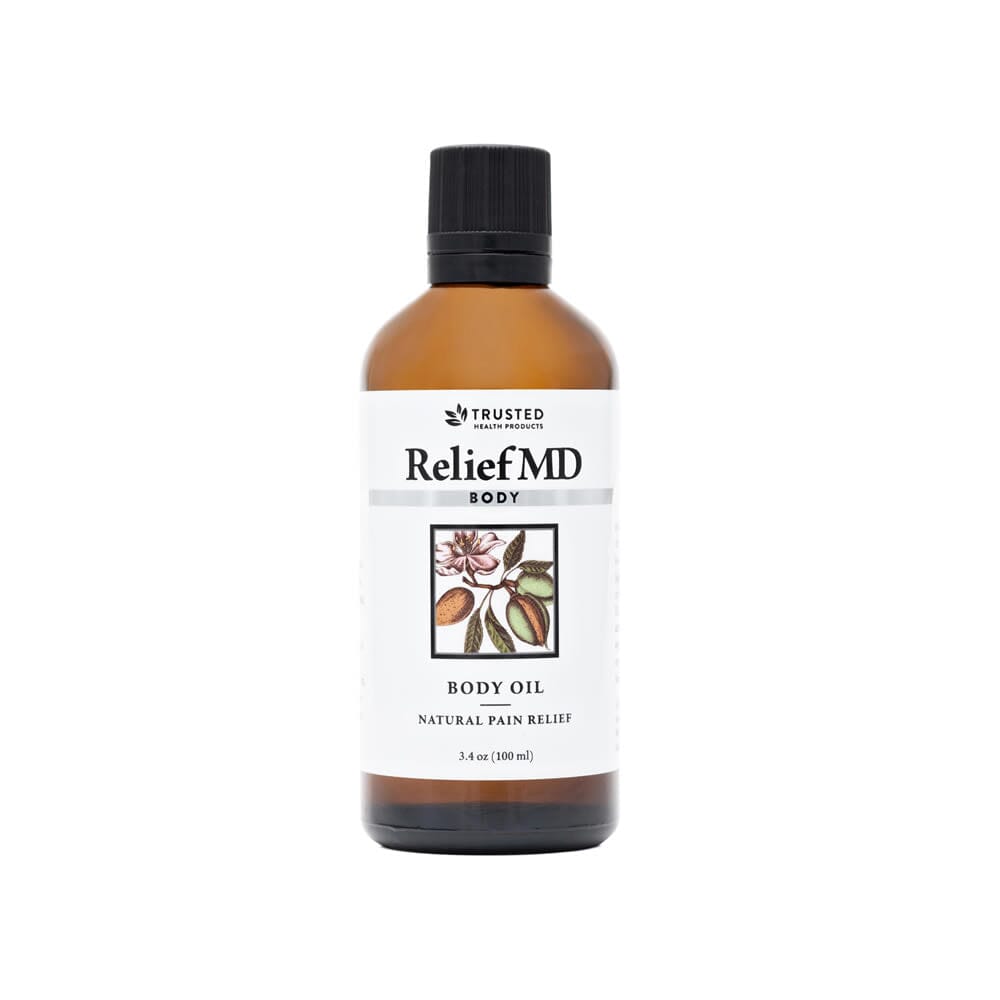
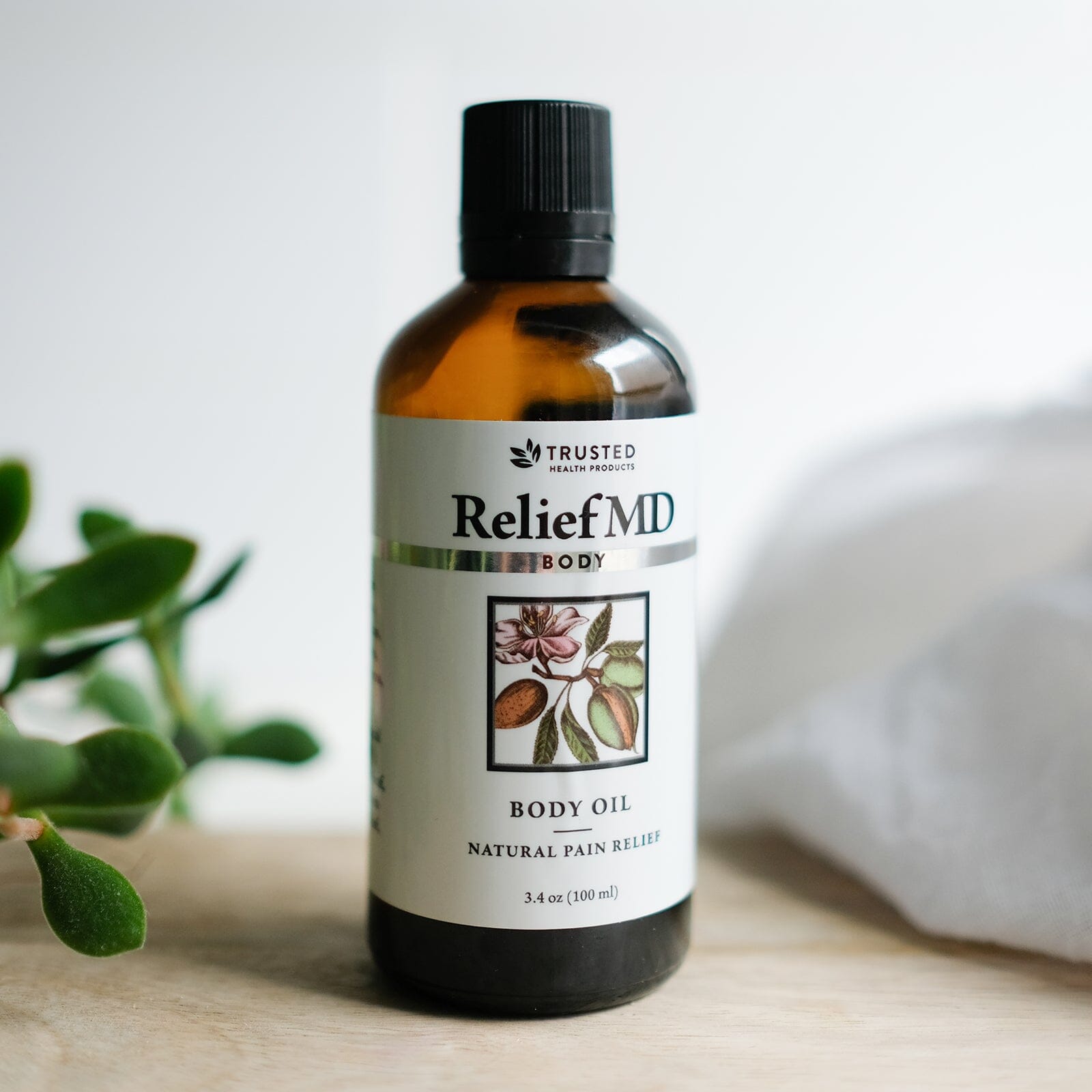
Trusted Health Products sells the Earth & Elm range for readers who prefer plant-based skincare. The line covers a nourishing face oil, a body oil, and a face toner.
Short ingredient lists reduce the number of possible irritants during recovery. That matters most in the first two weeks, when skin reacts to almost everything. Fewer inputs also make troubleshooting simple. A reaction points to one product rather than seven. Readers can start with one product and add the next only after skin settles. Trusted Health Products groups the range in a natural skincare bundle for readers who want one complete routine. Anyone with diagnosed eczema or a persistent rash should speak with a clinician first.
Key Takeaways
Learning how to repair skin barrier damage rewards subtraction more than addition. A stripped-back routine, gentle cleansing, and lipid-rich products on damp skin cover the essentials. Timelines stretch from days to six weeks depending on severity. Readers rebuilding overnight can review the night skincare routine set before committing to a full range. Persistent symptoms past six weeks belong with a dermatologist, not a shopping cart.