The Ultimate Natural Oral Care Guide: Building a Healthier Mouth Naturally
May 22, 2026
Author: Ray Spotts
Tags:
For generations, the oral care aisle has been dominated by a standardized set of promises: maximum fluoride protection, extreme whitening, and minty-fresh foam. We've been taught that these synthetic benchmarks are the unequivocal signs of a healthy mouth. However, a profound shift is underway. Informed by a growing desire for ingredient transparency, holistic health, and wellness practices rooted in nature, millions are re-evaluating what they put in their mouths.
This comprehensive natural oral care guide is designed to be your definitive, authoritative resource on this topic. Natural oral care is not a trend nor a rejection of science; it is the intentional application of evidence-based, biocompatible ingredients—many with millennia of traditional use—to clean, protect, and heal the oral microbiome. It moves beyond a singular focus on cavity prevention to embrace whole-mouth health: strong gums, balanced bacteria, resilient enamel, and fresh breath, all achieved without a cocktail of synthetic detergents, artificial sweeteners, and controversial additives.
This guide will demystify the entire ecosystem of natural oral care. We will delve deep into the history and science of practices like oil pulling, analyze the compelling research behind modern alternatives like nano-hydroxyapatite, and provide a practical, step-by-step framework for building a non-toxic oral care routine that delivers tangible, effective results. Whether you're a curious beginner or looking to optimize your existing routine, this guide will provide the knowledge you need to make informed decisions for your long-term health.
Why the Shift? Understanding the Motivations for Natural Oral Care
The migration towards natural oral care is driven by a confluence of factors, primarily centered on health consciousness, ingredient awareness, and a preference for holistic wellness.
Deconstructing Conventional Oral Care: Key Concerns A closer look at the labels of mainstream toothpaste and mouthwashes reveals a list of ingredients that many now seek to avoid:
-
Sodium Lauryl Sulfate (SLS): This ubiquitous foaming agent is a detergent known to cause mucosal irritation, exacerbate canker sores (aphthous ulcers), and strip away the protective mucous layer in the mouths of sensitive individuals. Its primary function is to create a satisfying lather, which is a sensory experience, not a therapeutic one.
-
Artificial Sweeteners and Flavors: Ingredients like saccharin, aspartame, and synthetic "natural flavors" are added to mask the unpleasant taste of other chemicals. For those pursuing a clean-label lifestyle, these additives offer no health benefit and are unnecessary.
-
Triclosan: This powerful antibacterial agent was once a common additive in toothpaste until the FDA banned it in 2017 due to concerns about its role in fostering antibiotic-resistant bacteria and its potential as an endocrine disruptor. Its history serves as a cautionary tale about the long-term safety of synthetic additives.
-
Propylene Glycol: Derived from petroleum, this chemical is used as a wetting agent and surfactant. While generally recognized as safe, it is an ingredient many in the natural health community prefer to avoid.
-
Artificial Colors: Dyes like FD&C Blue No. 1 serve no purpose other than aesthetics and have been linked to hyperactivity in children and other health concerns.
-
The Fluoride Debate: This is the most complex and debated aspect. While organizations like the American Dental Association (ADA) vigorously endorse fluoride for its proven efficacy in preventing cavities, a segment of the population chooses to avoid it. Reasons include concerns about dental fluorosis (a condition caused by excessive fluoride intake during childhood that leads to white spots on teeth), desire to minimize cumulative synthetic intake, and emerging research exploring potential links to other health issues with chronic overexposure. It is crucial to note that the scientific consensus strongly supports the safety and efficacy of topical fluoride use at recommended levels.
This natural oral care guide exists to explore the alternatives for those who, for whatever reason, are seeking a different path—one built on transparency, tradition, and emerging science.
The Foundation: What is Oil-Based Toothpaste?
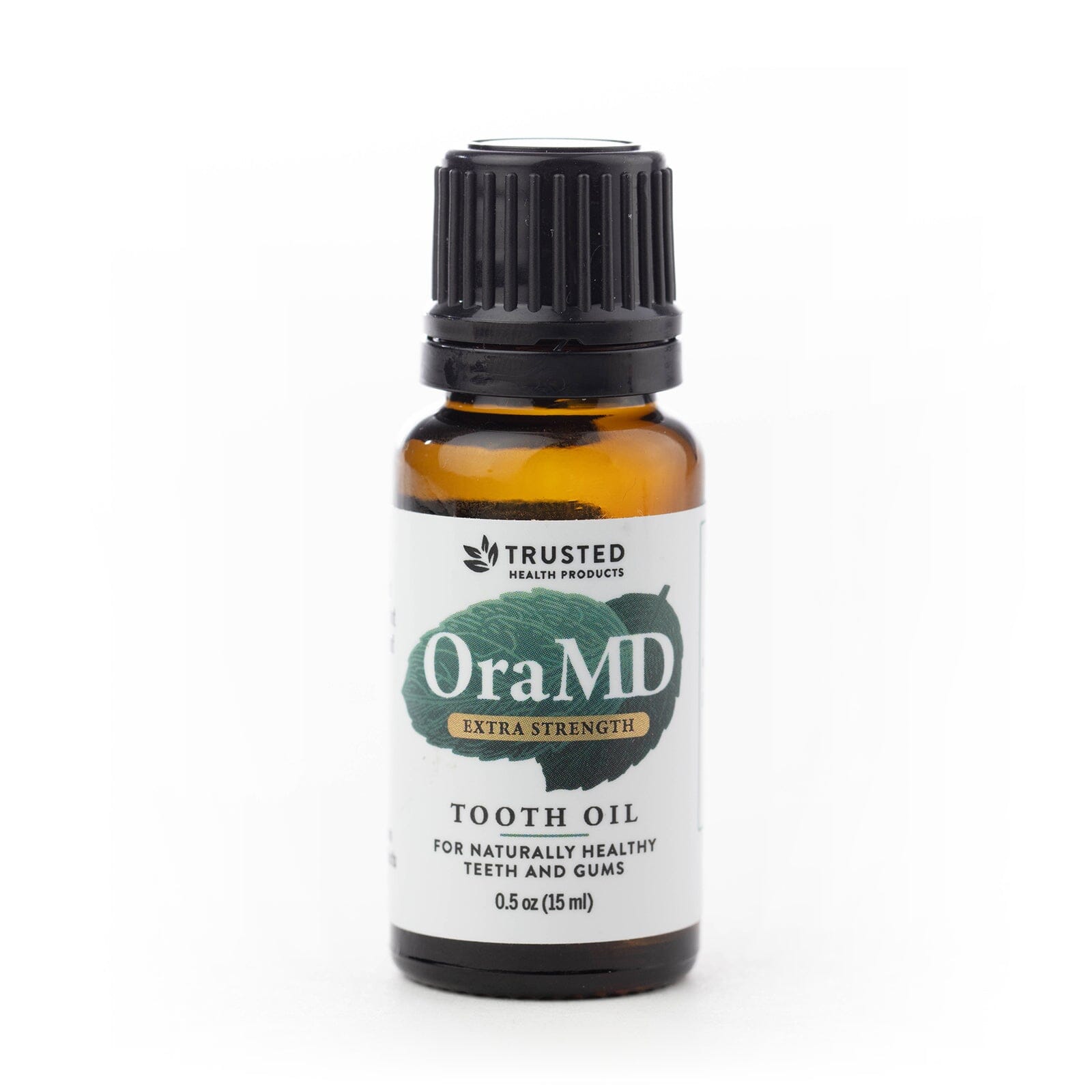
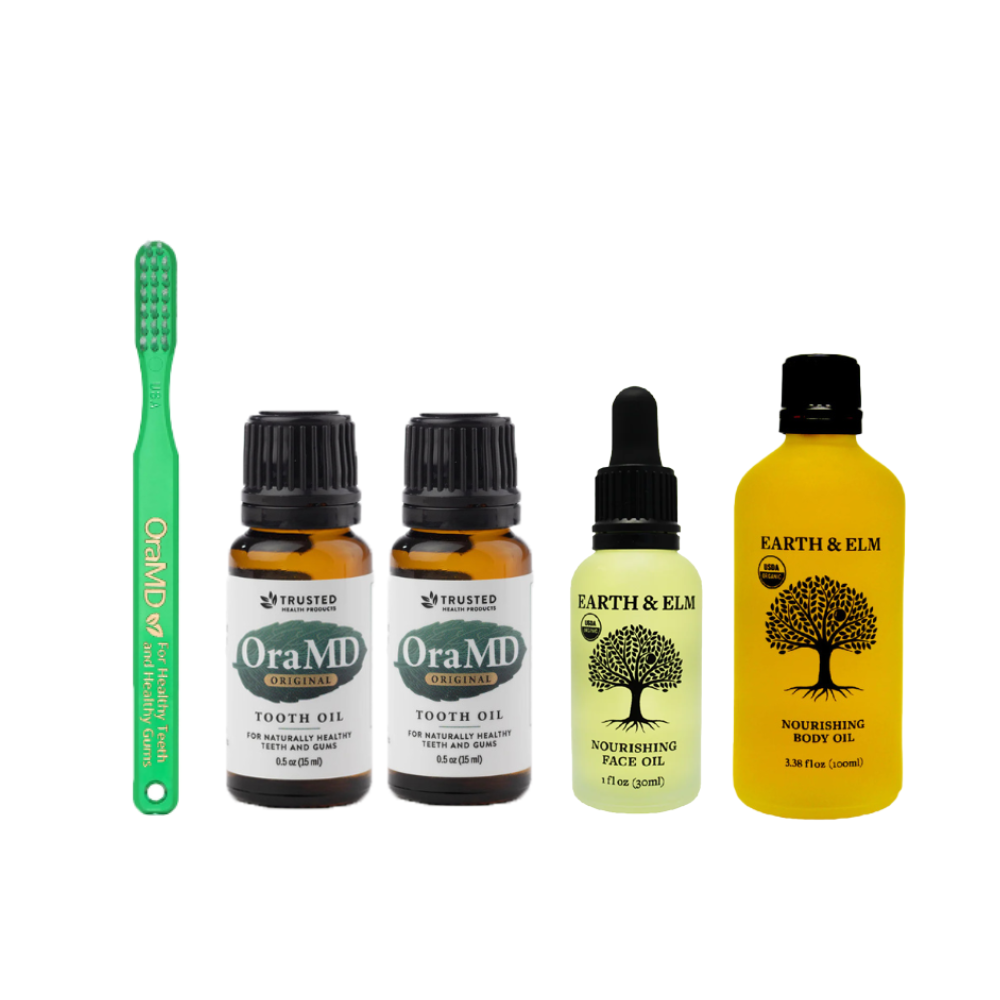
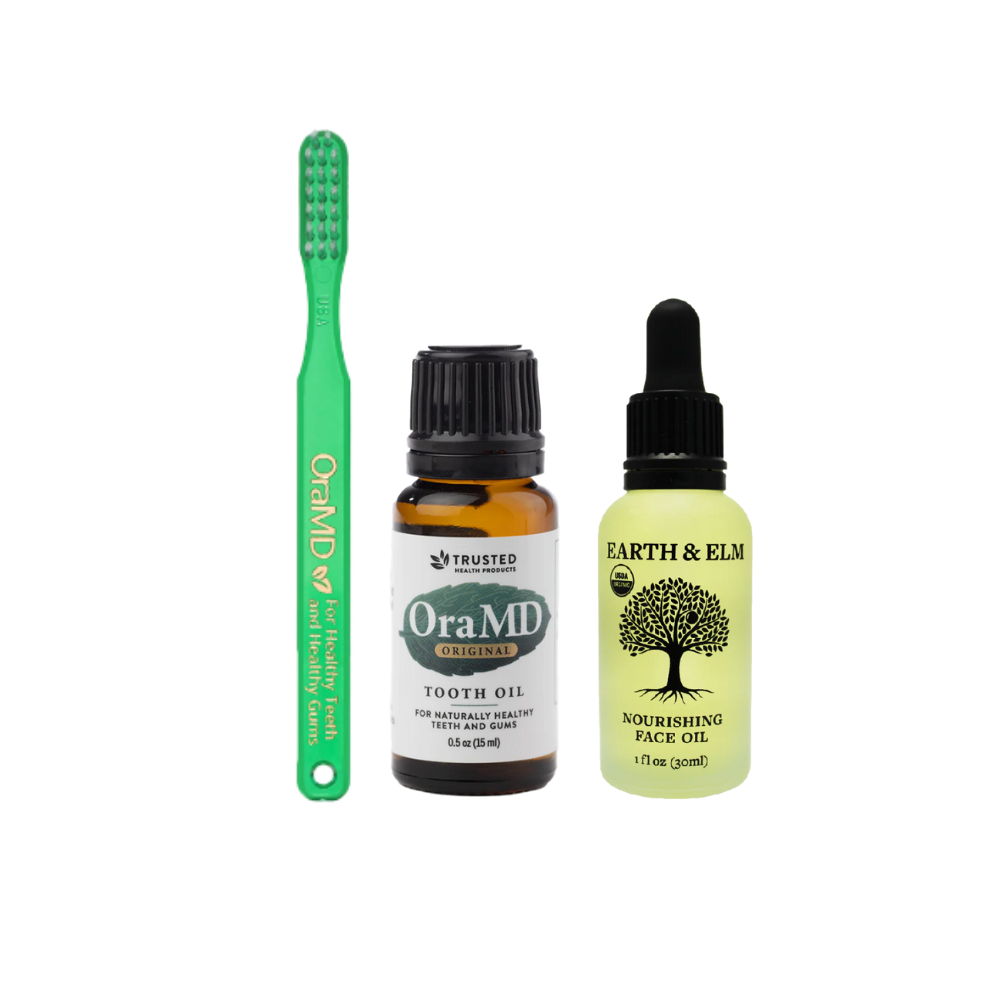
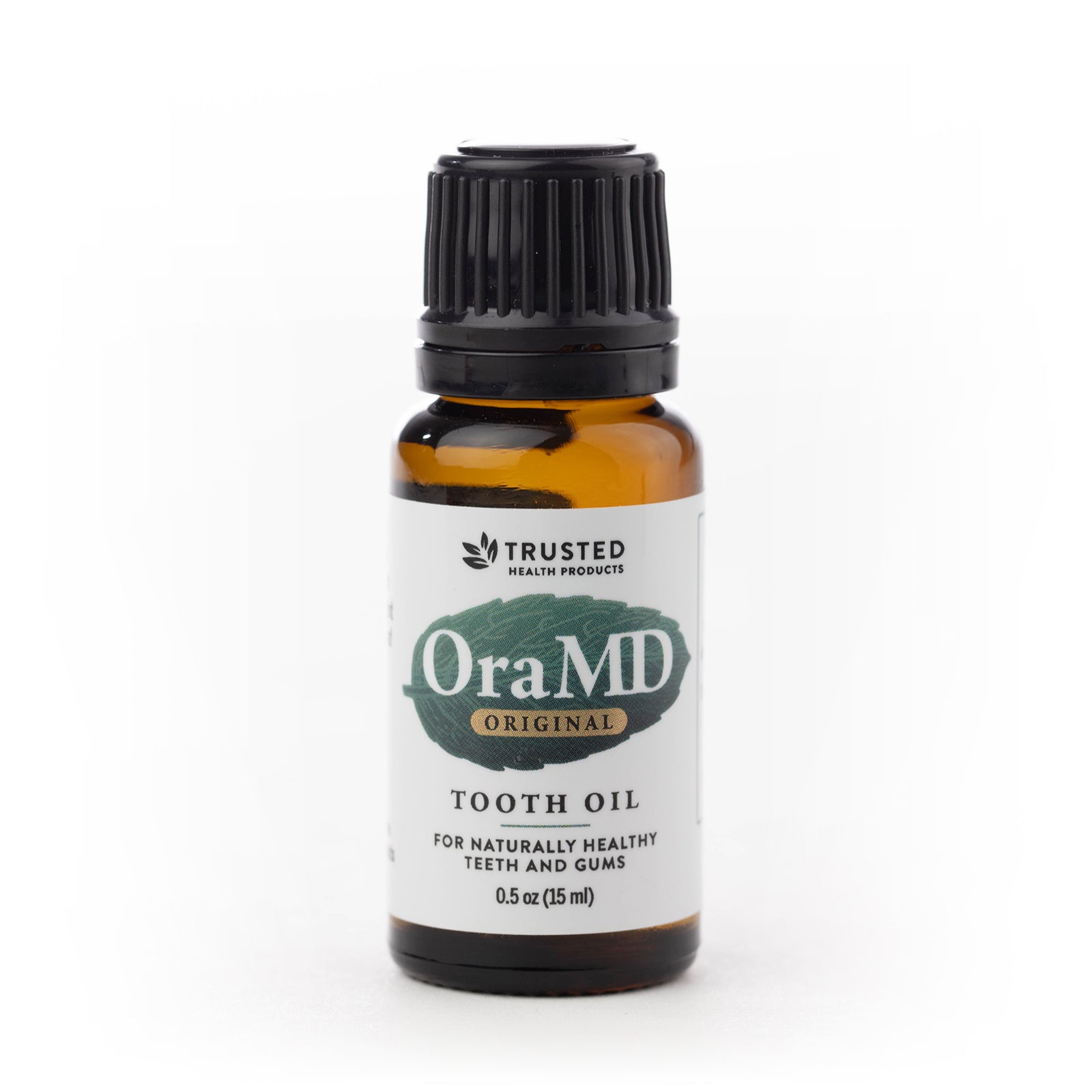
At the heart of the modern natural oral care revolution is oil-based toothpaste. This innovative product category represents a fundamental departure from conventional formulations.
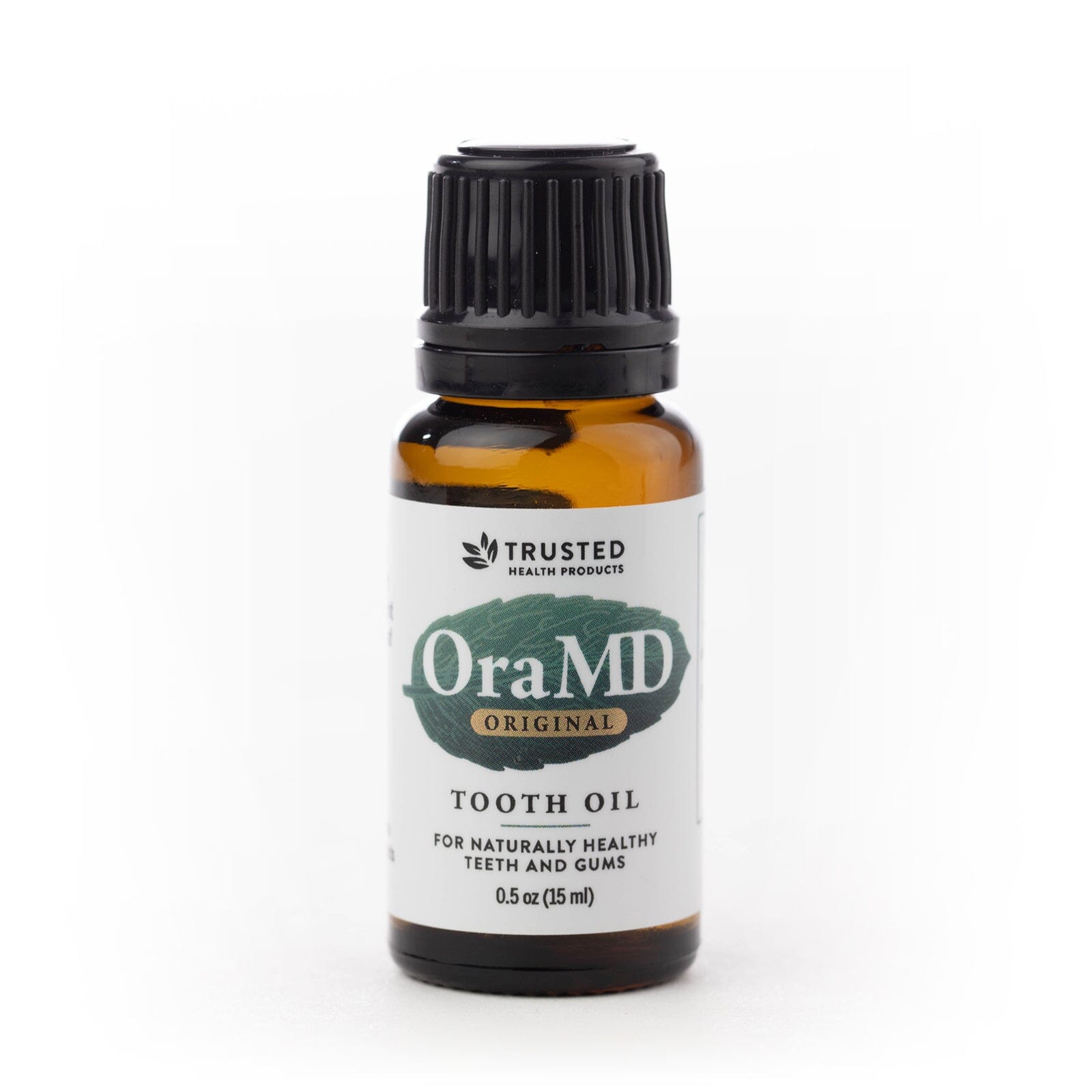
Beyond Paste: A New Paradigm Traditional toothpaste relies on a water-based paste containing abrasives (like hydrated silica), synthetic binders, thickeners, and detergents (SLS). In contrast, oil-based toothpaste—often called "tooth oil" or "dental serum"—uses concentrated botanical oils as its primary vehicle. These aren't just carriers; they are active participants in the cleaning process.
The mechanism of action is different. Water-based pastes sit on the surface of teeth, relying on abrasives and surfactants to scrub and foam away debris. Oil-based formulas, with their lipid-soluble nature, possess a unique ability to penetrate the biofilm (plaque) along the gumline and interproximal spaces (between teeth), areas often missed by traditional pastes. They work by emulsifying plaque and disrupting the cellular membranes of harmful bacteria.
The Ancient Roots: Oil Pulling The concept of using oil for oral health is not new. It is the cornerstone of oil pulling ("Kavala" or "Gundusha" in Ayurveda), a ancient detoxification practice that involves swishing a tablespoon of oil (typically sesame or coconut) in the mouth for 10 to 20 minutes before spitting it out. This process is believed to "pull" toxins (AMA) from the body, improve oral hygiene, and strengthen the teeth and gums.
Modern oil-based toothpaste is a pragmatic evolution of this ancient ritual. It condenses the benefits into a practical, twice-daily brushing format by pre-blending potent, therapeutic oils and delivering them directly via a toothbrush, making the benefits accessible without a lengthy time commitment.
Oil-Based vs. Conventional Toothpaste: A Detailed Comparative Analysis
Understanding the stark differences between these two product categories is key to making an informed choice. The table below breaks down the core distinctions.
|
Feature |
Conventional Toothpaste |
|
|
Base Ingredient |
Botanical oils (coconut, sesame, sunflower) |
Water, hydrated silica, synthetic binders |
|
Foaming Agent |
None (or minimal, from natural sources like soapberry) |
Sodium Lauryl Sulfate (SLS) or similar detergents |
|
Primary Antimicrobial Action |
High (via natural compounds: lauric acid, carvacrol, terpenes) |
Moderate (via synthetic chemical additives like triclosan*, now banned) |
|
Gum & Soft Tissue Support |
Excellent (soothing, anti-inflammatory botanicals like neem and clove) |
Varies; often not a primary focus and can be irritating due to SLS |
|
Whitening Mechanism |
Gentle enzymatic & mechanical action; polishes without abrasion |
Peroxide-based chemical bleaching and/or highly abrasive silica |
|
Typically fluoride-free |
Almost always contains fluoride (sodium fluoride, stannous fluoride) |
|
|
Remineralization Strategy |
Often via nano-hydroxyapatite or calcium phosphate |
Primarily via fluoride creating fluorapatite layer |
|
Packaging |
Often glass bottles or minimal, recyclable materials |
Primarily plastic tubes |
*Note: Triclosan is now banned, but other synthetic antimicrobials may be used.
The Ingredient Lexicon: Deconstructing Natural Oral Care Formulas
To navigate this space effectively, you must become fluent in the language of ingredients. Here’s a deep dive into the most powerful and common components.
1. Foundation Base Oils:
-
Coconut Oil: The superstar of modern natural oral care. It is rich in lauric acid (a medium-chain fatty acid comprising about 50% of its content), which has demonstrated potent antimicrobial and antiviral properties. Numerous studies, including one published in the Journal of Contemporary Dental Practice, have shown that coconut oil is effective at reducing the load of Streptococcus mutans, the primary bacterium responsible for tooth decay. Its pleasant taste and solid-at-room-temperature texture make it an ideal base.
-
Sesame Oil: The traditional choice for Ayurvedic oil pulling for over 3,000 years. Sesame oil is rich in antioxidants like sesamin and sesamolin, which have anti-inflammatory properties beneficial for gum health (gingivitis). Research, including a study in the Journal of Indian Society of Periodontology, has shown that oil pulling with sesame oil is as effective as chlorhexidine mouthwash in reducing plaque-induced gingivitis.
-
Sunflower Oil: A lighter, more neutral-tasting oil that is still rich in vitamin E and linoleic acid. It possesses good antimicrobial properties and is an excellent option for those who may have sensitivities to coconut or sesame.
2. Active Botanical Powerhouses: These ingredients transform a base oil into a therapeutic formula.
-
Neem: Perhaps the most important botanical for gum health. Extracts from the neem tree (Azadirachta indica) have been extensively studied. Research in the Journal of Ethnopharmacology and elsewhere has confirmed its potent antiplaque, antibacterial, and anti-inflammatory effects, making it a cornerstone for combating gingivitis and periodontitis naturally.
-
Clove Oil: Contains the active component eugenol, which is a natural analgesic (pain reliever) and antiseptic. It has been used for centuries to relieve toothaches and is highly effective against oral pathogens.
-
Peppermint & Spearmint Oil: Beyond providing a fresh, clean sensation, these essential oils contain menthol and other compounds that have natural antibacterial and antifungal properties.
-
Tea Tree Oil: A powerful broad-spectrum antiseptic from Australia. Its efficacy against a wide range of bacteria and fungi makes it a valuable addition for fighting plaque and bad breath.
-
Green Tea Extract: Packed with catechins (like EGCG), which are powerful antioxidants. Studies suggest these compounds can reduce inflammation, inhibit the growth of periodontal pathogens, and even help fight oral cancer cells.
-
Myrrh Oil: A traditional resin used for its potent anti-inflammatory and astringent properties, making it excellent for soothing bleeding gums and toning gum tissue.
3. Modern Fluoride-Free Remineralizing Agents: This is where modern science supercharges natural oral care.
-
Nano-Hydroxyapatite (n-Ha): The gold-standard fluoride alternative. Hydroxyapatite is the natural mineral that makes up over 90% of your tooth enamel and 60% of your dentin. Nano-hydroxyapatite is a biomimetic, biocompatible version of this same mineral, engineered into microscopic particles. These particles integrate seamlessly into the tooth structure, filling in microscopic imperfections, dentinal tubules (reducing sensitivity), and remineralizing early carious lesions. Dozens of clinical studies, including a 2019 review in the Japanese Dental Science Review, conclude that n-Ha is effective for preventing and reversing tooth decay and reducing hypersensitivity, with a safety profile that allows it to be swallowed. For a deeper understanding of this breakthrough ingredient, read our dedicated article on the science of nano-hydroxyapatite.
-
Xylitol: A natural sugar alcohol derived from birch wood or corn. It plays a crucial role in cavity prevention because cavity-causing bacteria (S. mutans) cannot metabolize it. When these bacteria consume xylitol, their energy production process is disrupted, effectively starving them and reducing their numbers. It also stimulates saliva flow, which is nature's way of remineralizing teeth and neutralizing acids.
-
Calcium Carbonate and Silica: These are common mild abrasives used in natural toothpastes to help remove surface stain and debris without being harsh on enamel. They are preferred over hydrated silica, which can be more abrasive.
Building Your Complete Holistic Natural Oral Care Routine
Adopting a natural routine is about more than swapping toothpaste; it's about adopting a mindful system. Consistency is the true key to success.
The Morning Ritual (~5-7 minutes):
-
Tongue Scraping (1 minute): Begin your day by using a copper or stainless steel tongue scraper. Gently pull the scraper from the back of your tongue to the front to remove the layer of bacteria, toxins, and debris (biofilm) that accumulates overnight. This is one of the most effective ways to improve breath and overall oral hygiene.
-
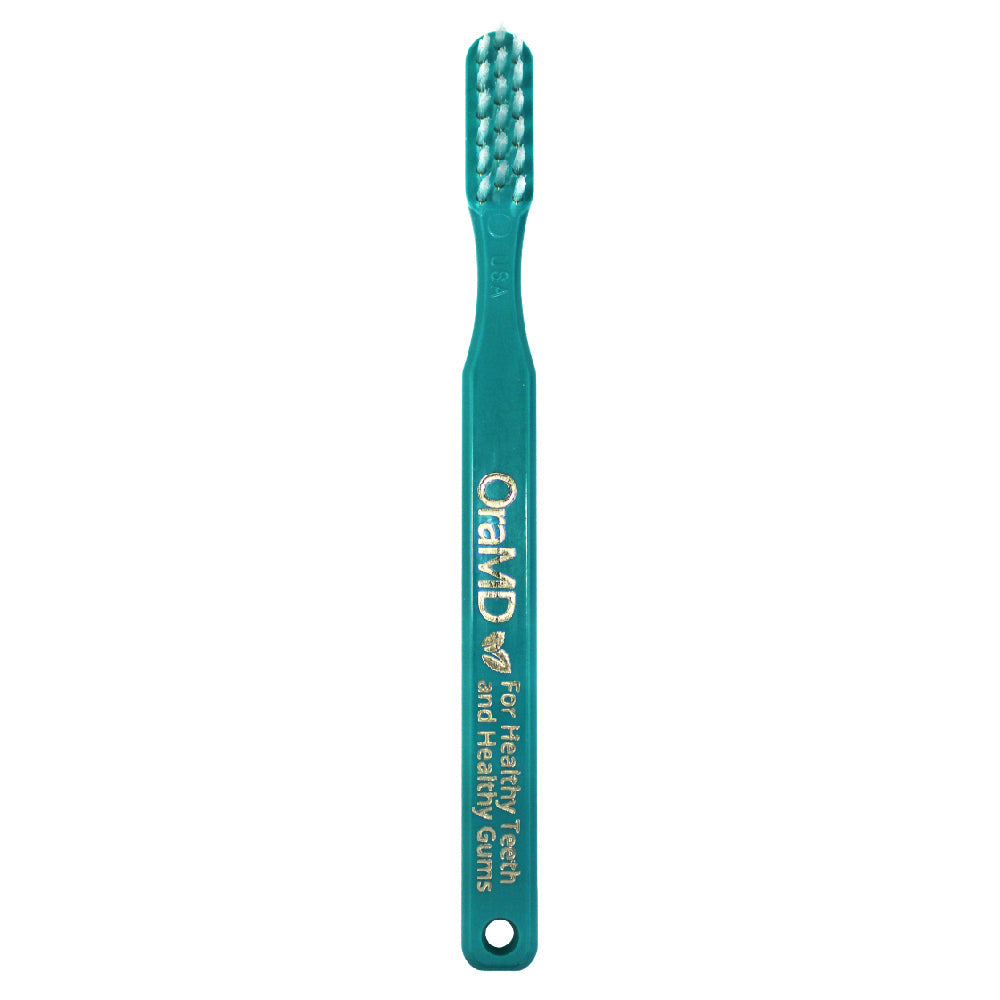
Brushing (2 minutes): Brush thoroughly with a high-quality oil-based toothpaste or a nano-hydroxyapatite powder/paste. Focus on technique: angle your brush at 45 degrees toward the gumline and use gentle, circular motions. Ensure you brush all three surfaces of your teeth: outer, inner, and chewing.
-
Mouth Rinse (1 minute): Finish with an alcohol-free, herbal mouthwash. Look for formulas containing aloe vera (soothing), green tea extract (antioxidant), or essential oils. Swish vigorously to dislodge any remaining particles.
The Evening Ritual (~7-10 minutes): The evening routine is arguably more important, as your mouth has hours of uninterrupted time to heal and remineralize.
-
Flossing (2-3 minutes): This is non-negotiable for gum health. Use an expanding natural silk floss or a water flosser to meticulously clean between every tooth. If you only floss once a day, make it this time.
-
Brushing (2 minutes): Repeat your morning brushing routine. Be even more thorough, as you are removing the entire day's accumulation of plaque and food debris.
-
No Rinse (Optional but Recommended): After spitting out the excess toothpaste, do not rinse your mouth with water. This allows the beneficial oils, botanicals, and nano-hydroxyapatite to form a protective film on your teeth and gums overnight, working continuously.
Weekly & Periodic Practices:
-
Deep Cleaning (Once a week): Use a gentle, non-abrasive whitening powder. A mix of activated charcoal and bentonite clay can help draw out stains and toxins. Alternatively, use a toothpaste with slightly more polishing action. Avoid harsh abrasives.
-
Gum Massage (2-3 times a week): After brushing, take a minute to massage your gums with a clean finger. This stimulates blood circulation, promoting gum health and strength.
-
Assessment: Pay attention to how your gums look and feel. Reduced bleeding, less redness, and a pinker appearance are signs of improvement. If sensitivity persists, consider formulas specifically designed for sensitive teeth.
Addressing Common Myths and Navigating Potential Challenges
Transitioning to a natural routine comes with questions and misconceptions. Let's clarify them.
-
Myth 1: "Natural toothpaste isn't as effective at fighting cavities."
-
Reality: This is only true if you choose a product without proven active ingredients. A natural toothpaste containing nano-hydroxyapatite has a robust and growing body of clinical evidence showing it remineralizes enamel and prevents cavities as effectively as fluoride toothpaste. Xylitol is also a powerful, evidence-based tool against decay.
-
Myth 2: "It's just expensive oil in a bottle."
-
Reality: While cost can be higher, you are paying for high concentrations of clinically-studied botanicals (neem, clove) and advanced biomimetic minerals (n-Ha). You also use less product per use (often just 3-5 drops), making a bottle last longer than a standard tube of paste.
-
Myth 3: "The lack of foam means it's not cleaning properly."
-
Reality: This is a conditioned response. Foam (SLS) is a cosmetic feature, not a functional one. Cleaning is achieved through the antimicrobial action of oils, the motion of the brush, and the polishing of mild abrasives—not foam.
-
Challenge: The Adjustment Period
-
What to Expect: Your mouth may feel different for the first 1-2 weeks. Without the SLS "squeaky clean" feeling, it may feel like a film is left behind (this is often the protective oil coating). This sensation typically passes as your oral microbiome adjusts and rebalances.
-
Challenge: The Temperature Factor
-
Solution: Oil-based toothpastes can solidify in cold climates. Simply run the bottle under warm water for a few seconds to liquefy the oil before use.
Conclusion: Empowering Your Journey to Oral Wellness
Embracing a natural oral care routine is a conscious choice to partner with your body's innate wisdom. It is a commitment to using the most biocompatible, evidence-supported ingredients available to support a healthy oral microbiome, strong gums, and resilient teeth—all while avoiding ingredients that raise concerns for your long-term wellness.
This ultimate natural oral care guide has provided you with the foundational knowledge, from the ancient wisdom of oil pulling to the cutting-edge science of nano-hydroxyapatite. You now understand the "why" behind the ingredients and the "how" behind building an effective routine.
Remember, this is a journey, not a destination. Be patient during the transition, listen to your body, and celebrate the small wins—less bleeding gums, fresher breath, and the satisfaction of taking control of your health.
Your next step is to dive deeper. We recommend starting with our detailed comparison of the best natural toothpaste ingredients to learn how to read labels and select the perfect product for your specific needs. Armed with this knowledge, you are now empowered to cultivate a vibrant, healthy smile that truly reflects your holistic values.