The Ultimate Guide to Toothpaste: Types, Ingredients, and How to Choose the Best Toothpaste
April 17, 2026
Author: Ray Spotts
Tags:
Toothpaste is one of the most widely used tools in daily hygiene routines. For most people, brushing with toothpaste is a consistent habit that supports cleanliness, freshness, and long-term oral maintenance.
Despite its widespread use, toothpaste is often approached as a routine product rather than something fully understood. In reality, different formulations are designed with varying purposes, ingredient profiles, and functional roles in oral care.
Exploring how toothpaste works, how formulations differ, and how oral care has evolved can provide a clearer perspective on how to build an effective routine.
In this guide, we’ll examine:
The role toothpaste plays in oral hygiene
How toothpaste formulations function
The different categories of toothpaste available
The ongoing discussion around fluoride use
How oral care routines adapt to individual needs
Emerging approaches in oral hygiene
Common ingredients found in toothpaste
This overview is designed to provide context and clarity, helping you better understand how toothpaste fits into a broader oral care routine.
What Is Toothpaste?
Toothpaste is a formulated gel or paste used alongside a toothbrush to assist in cleaning the teeth and maintaining oral hygiene.
Rather than serving a single function, toothpaste is designed to support multiple aspects of oral care, including:
Disrupting buildup that forms on teeth
Maintaining surface cleanliness
Supporting the condition of enamel and gums
Throughout the day, the mouth naturally accumulates a film made up of bacteria, food particles, and saliva. This buildup is a normal biological process, but if not managed consistently, it can contribute to long-term oral concerns.
Toothpaste works in combination with brushing to help manage this process as part of a regular routine.
How Toothpaste Works
Toothpaste is made up of several categories of ingredients that work together during brushing.
Mild Abrasives
Abrasive materials are included to help remove buildup from the surface of teeth.
These are typically fine particles such as:
Calcium carbonate
Hydrated silica
Dicalcium phosphate
Their role is to assist mechanical cleaning without damaging enamel when used properly.
Remineralization Support
Some toothpaste formulations include ingredients that contribute to maintaining the mineral balance of enamel.
These compounds support the natural process by which enamel responds to daily exposure from dietary acids and bacterial activity.
Detergents and Texture Agents
Certain ingredients help toothpaste spread more evenly during brushing.
Foaming agents are often included to assist with distribution, although not all formulations rely on strong foaming action.
Flavor Components
Flavoring elements are added to improve the sensory experience of brushing.
These may include mint-based oils or herbal extracts that contribute to a refreshed feeling after use.
Types of Toothpaste
Toothpaste is not a single standardized product. Instead, it includes a range of formulations developed to align with different oral care approaches.
Whitening-Focused Formulations
Some toothpaste types are designed to address surface discoloration.
These formulations typically focus on polishing the outer layer of the teeth to reduce visible staining that can occur from diet and lifestyle factors.
Sensitivity-Focused Formulations
Certain toothpaste options are structured around managing how teeth respond to temperature or external stimuli.
These formulations often focus on supporting the outer structure of the tooth and reducing exposure to internal pathways.
Tartar Management Formulations
Some products are designed to help slow the accumulation of hardened buildup on teeth.
While this type of buildup requires professional removal once formed, these formulations are used to help manage its development over time.
Gum-Focused Formulations
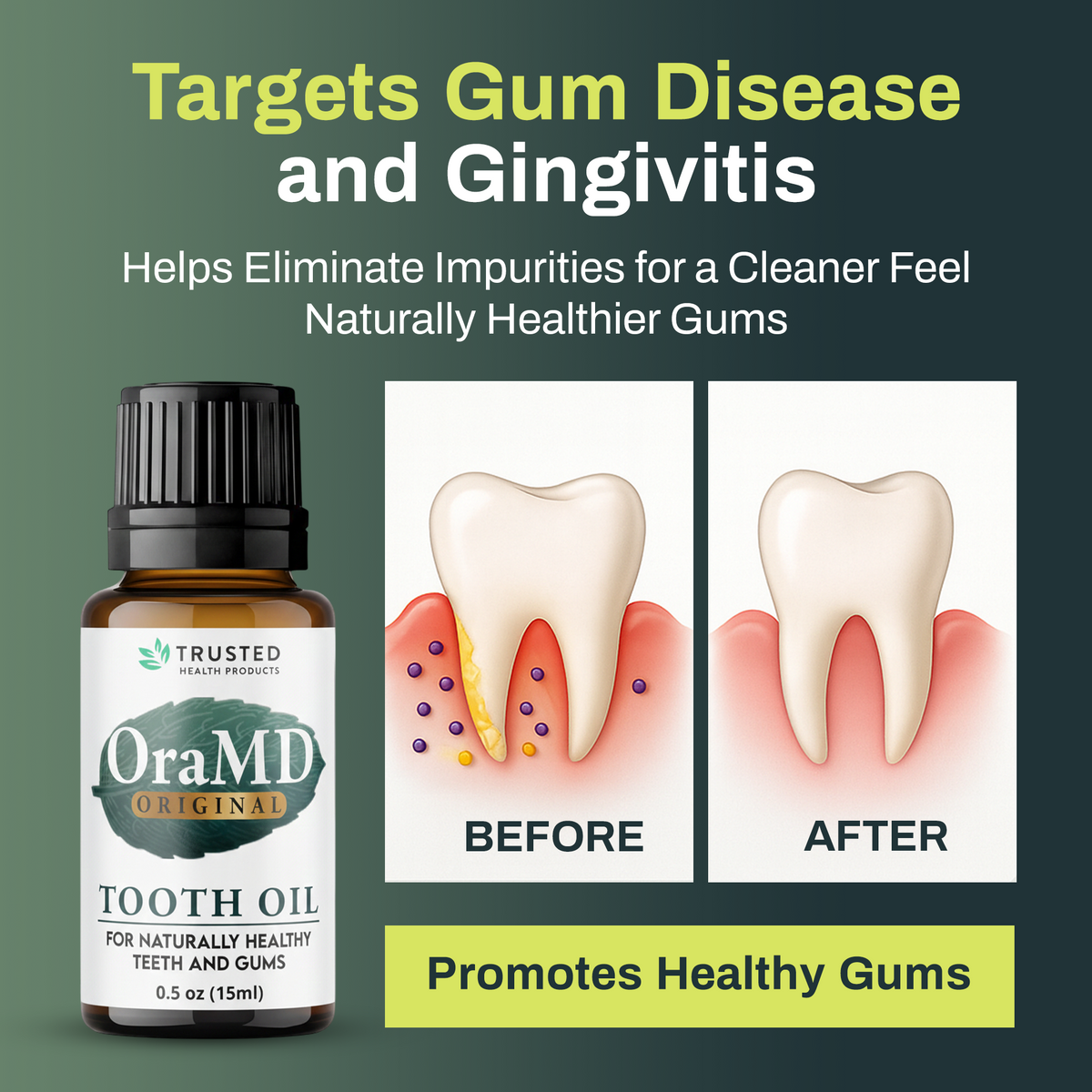
Toothpaste may also be designed with attention to the gumline.
These formulations often emphasize maintaining balance in the areas where teeth and gums meet.
Ingredient-Conscious Formulations
Some toothpaste products are developed with a focus on simplified or alternative ingredient profiles.
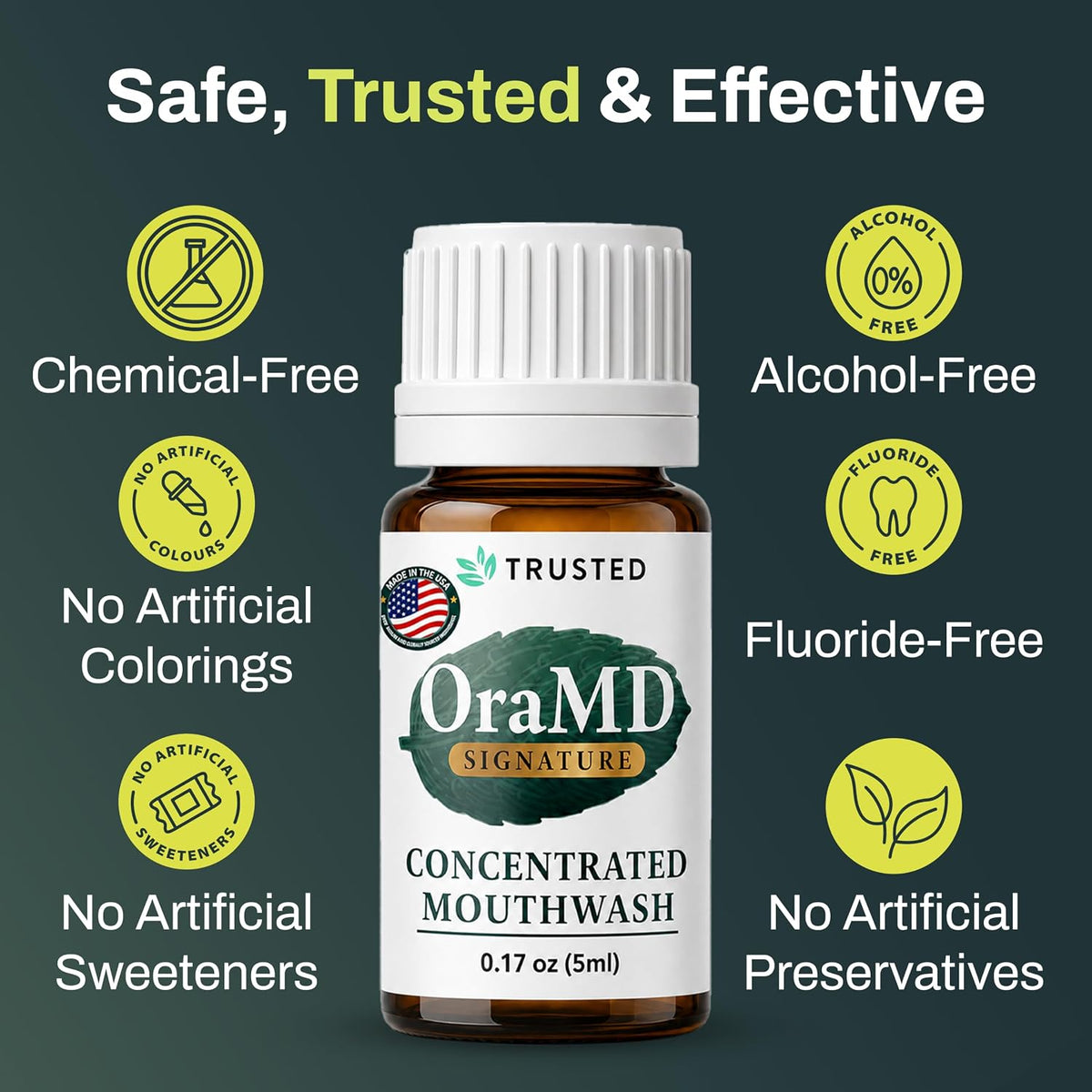
These approaches may emphasize plant-derived components or reduce the use of certain synthetic additives.
Fluoride and Non-Fluoride Approaches
Toothpaste formulations can differ based on whether they include fluoride.
Fluoride-Based Formulations
Fluoride is commonly used in oral care due to its interaction with enamel and its role in supporting mineral retention.
It has been widely incorporated into dental products for decades.
Non-Fluoride Formulations
Some formulations are developed without fluoride and instead focus on alternative ingredient systems.
These may include plant-based compounds or mineral-based approaches that align with different oral care preferences.
Adapting Toothpaste to Individual Needs
Oral care routines are not identical for everyone. Toothpaste selection often reflects personal habits, preferences, and how individuals respond to different formulations.
Surface Interaction
Some individuals prioritize how a toothpaste interacts with enamel during brushing, particularly in relation to texture and abrasion.
Ingredient Awareness
Others focus on understanding ingredient lists and selecting formulations that align with their preferences.
Sensory Experience
Taste, texture, and mouthfeel can also influence consistency in daily use.
Routine Consistency
Regardless of formulation, regular use plays a significant role in maintaining oral hygiene.
Evolving Approaches to Oral Care
In addition to traditional toothpaste, oral care has expanded to include a variety of complementary approaches.
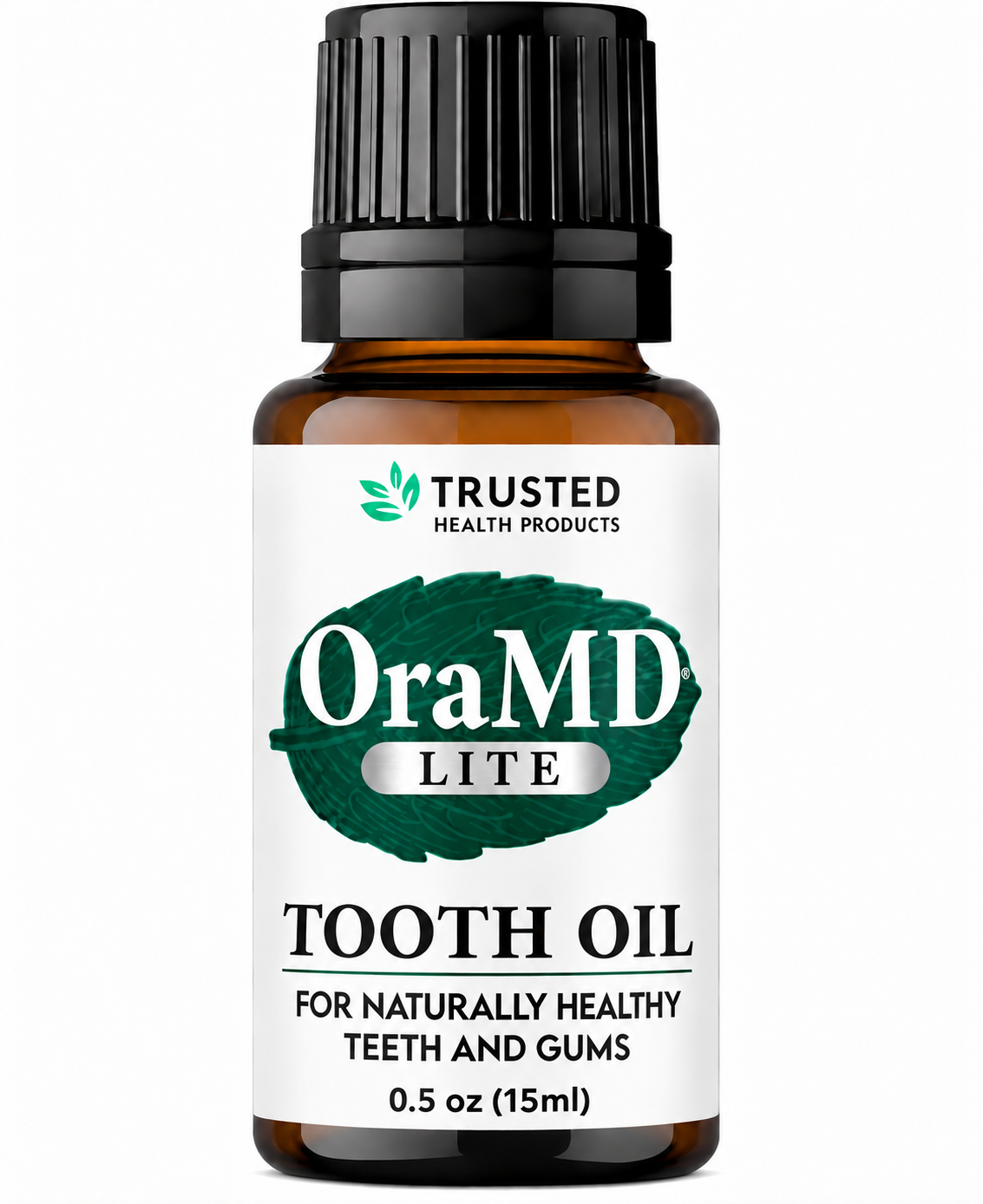
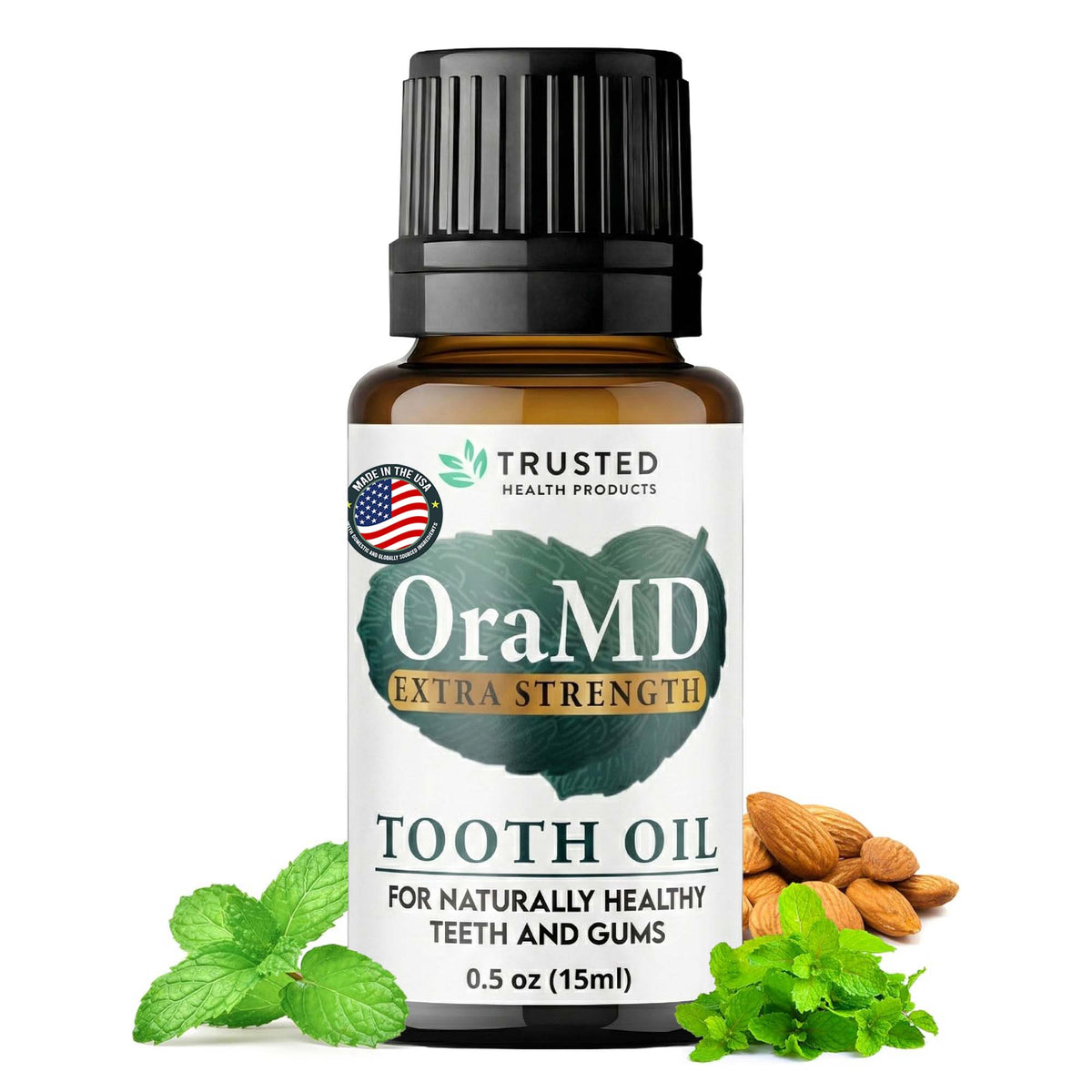
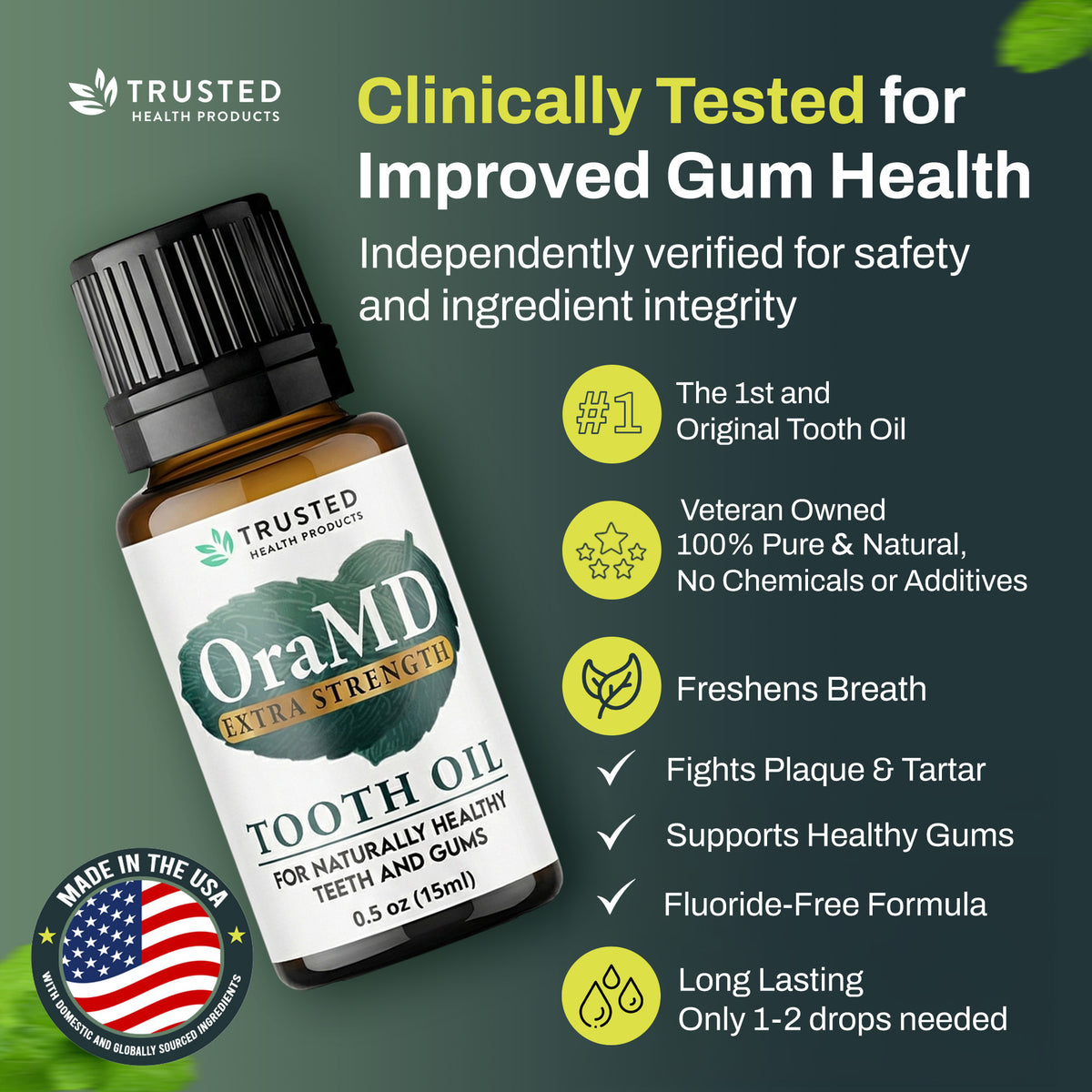
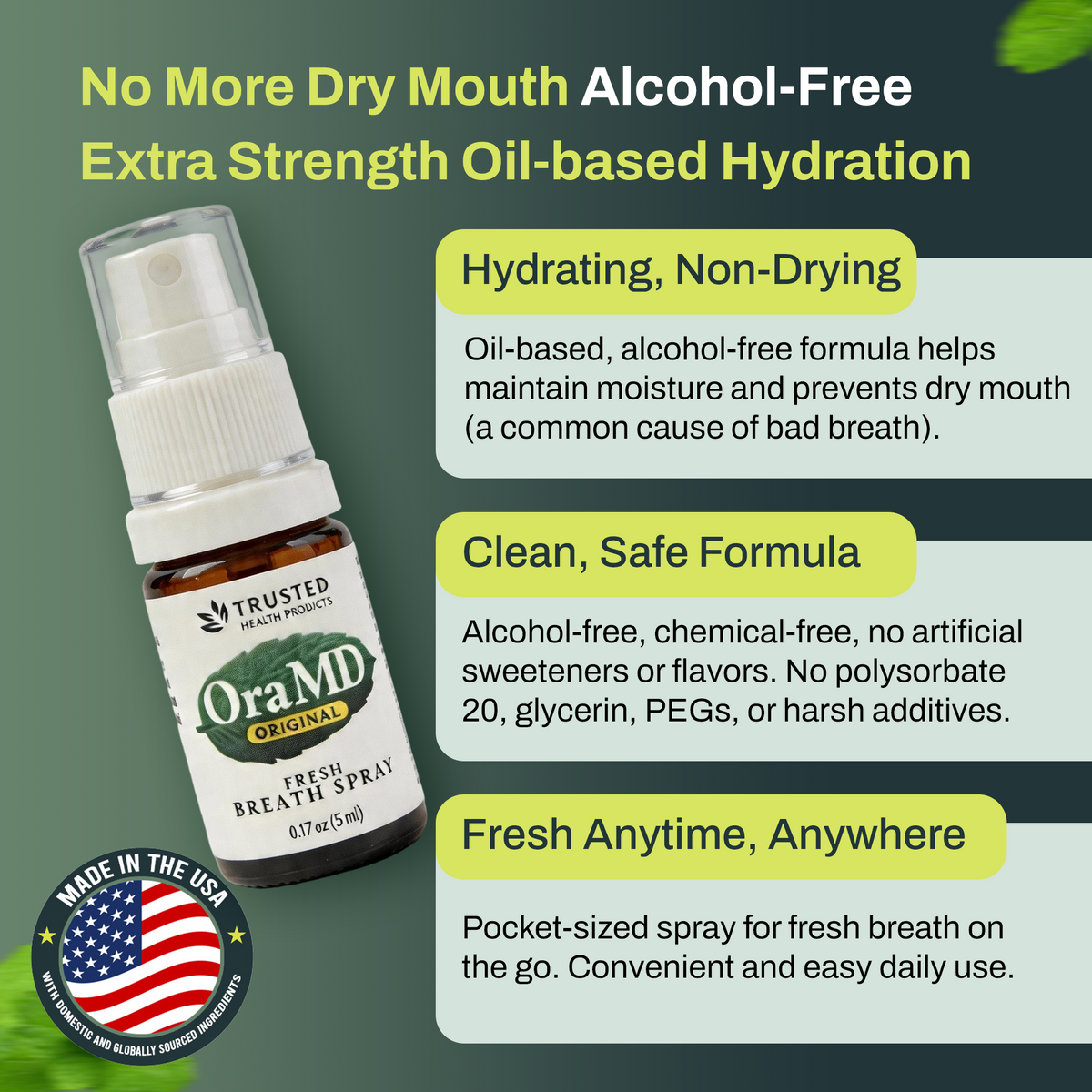
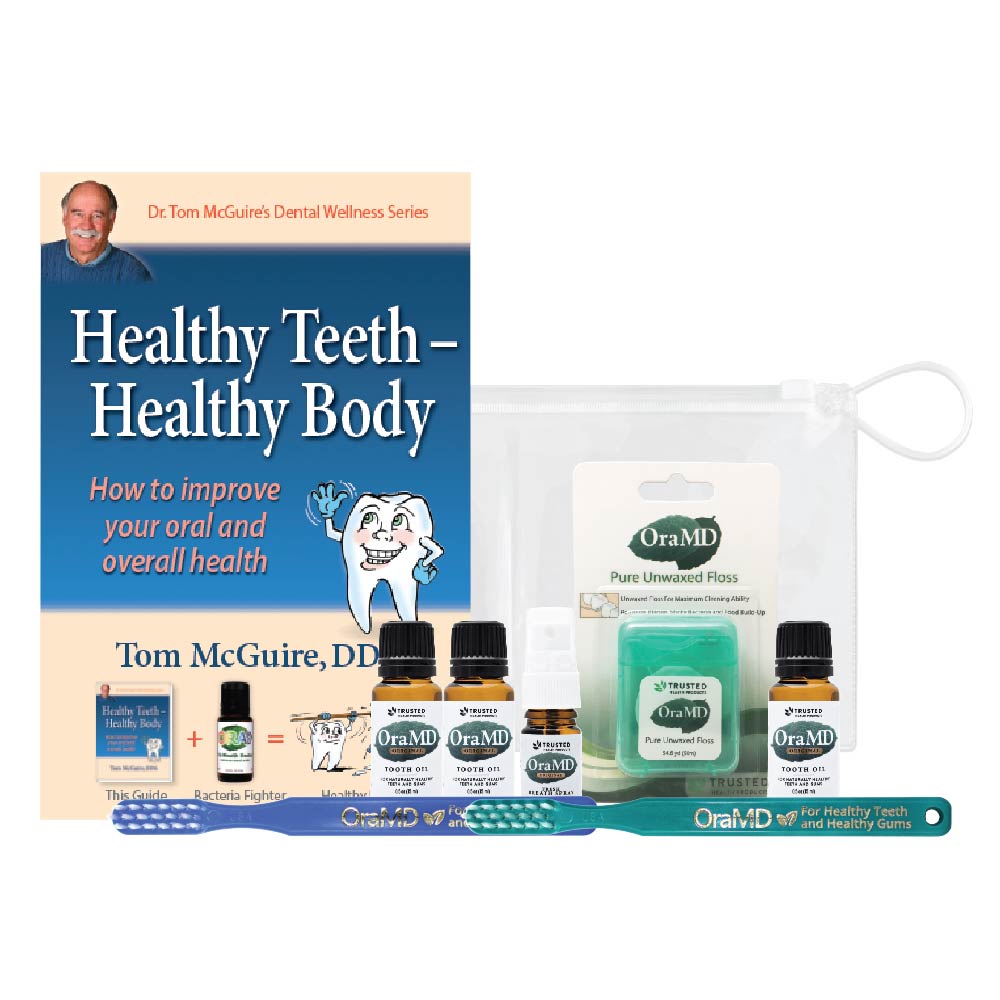
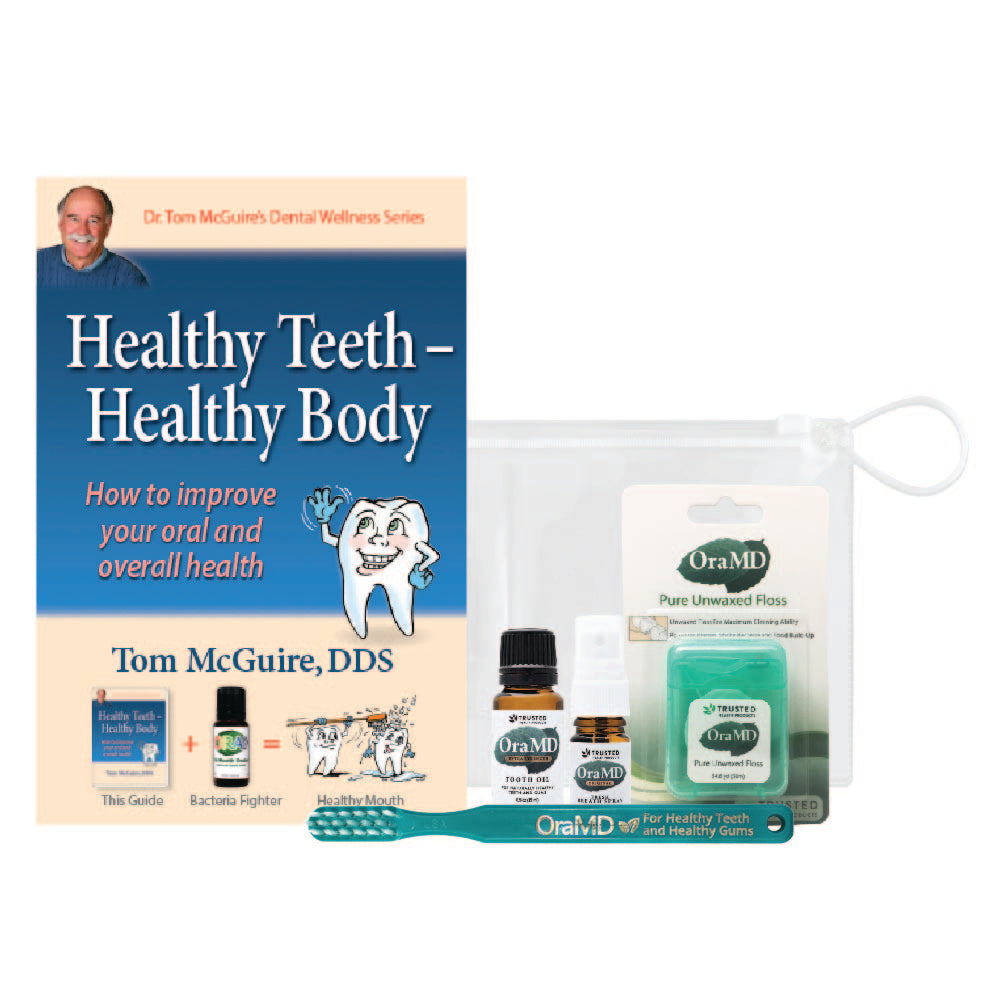
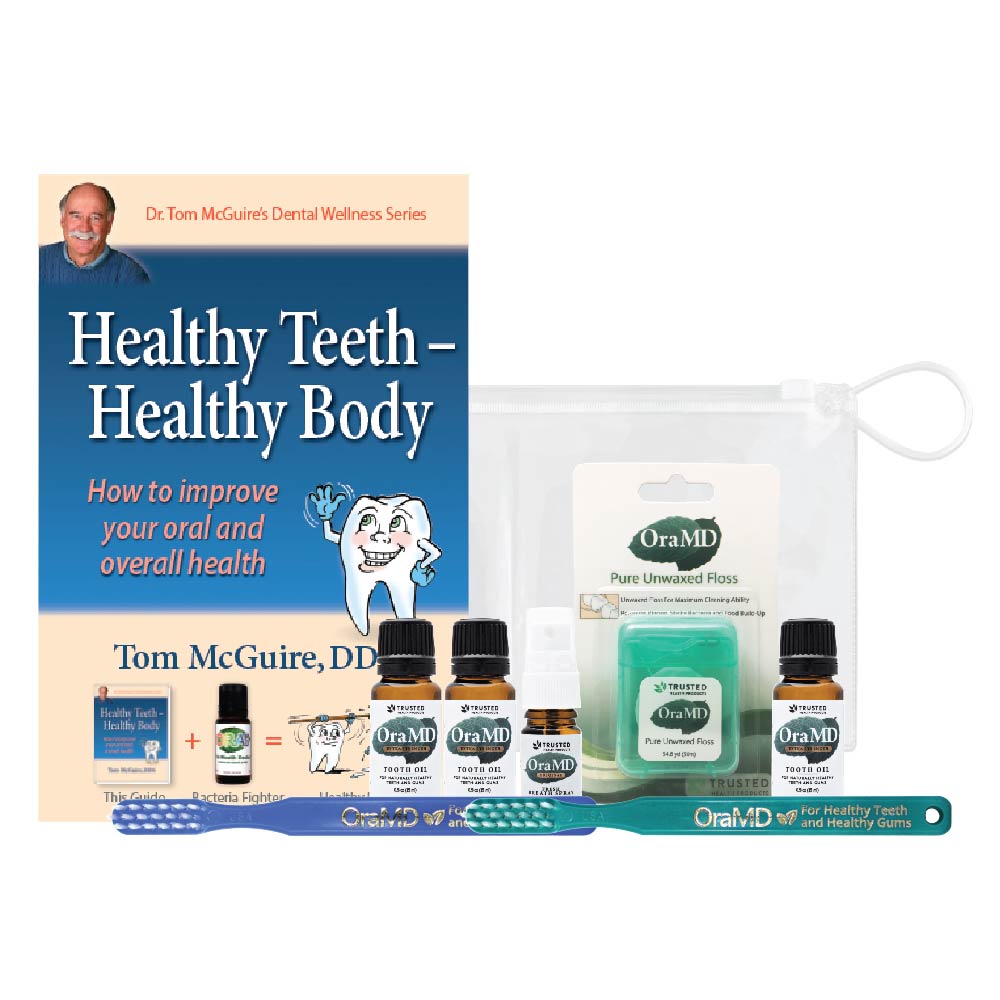
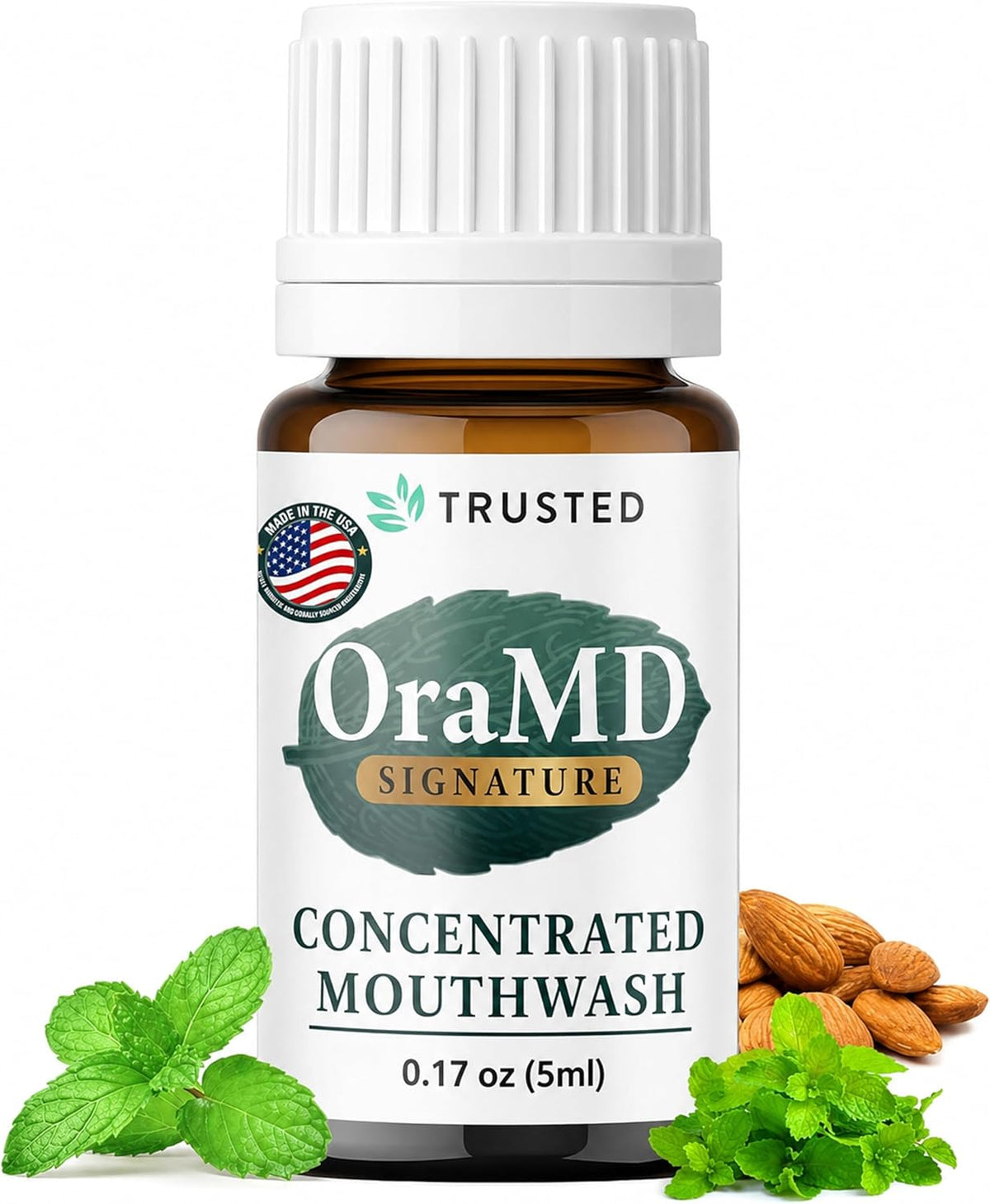
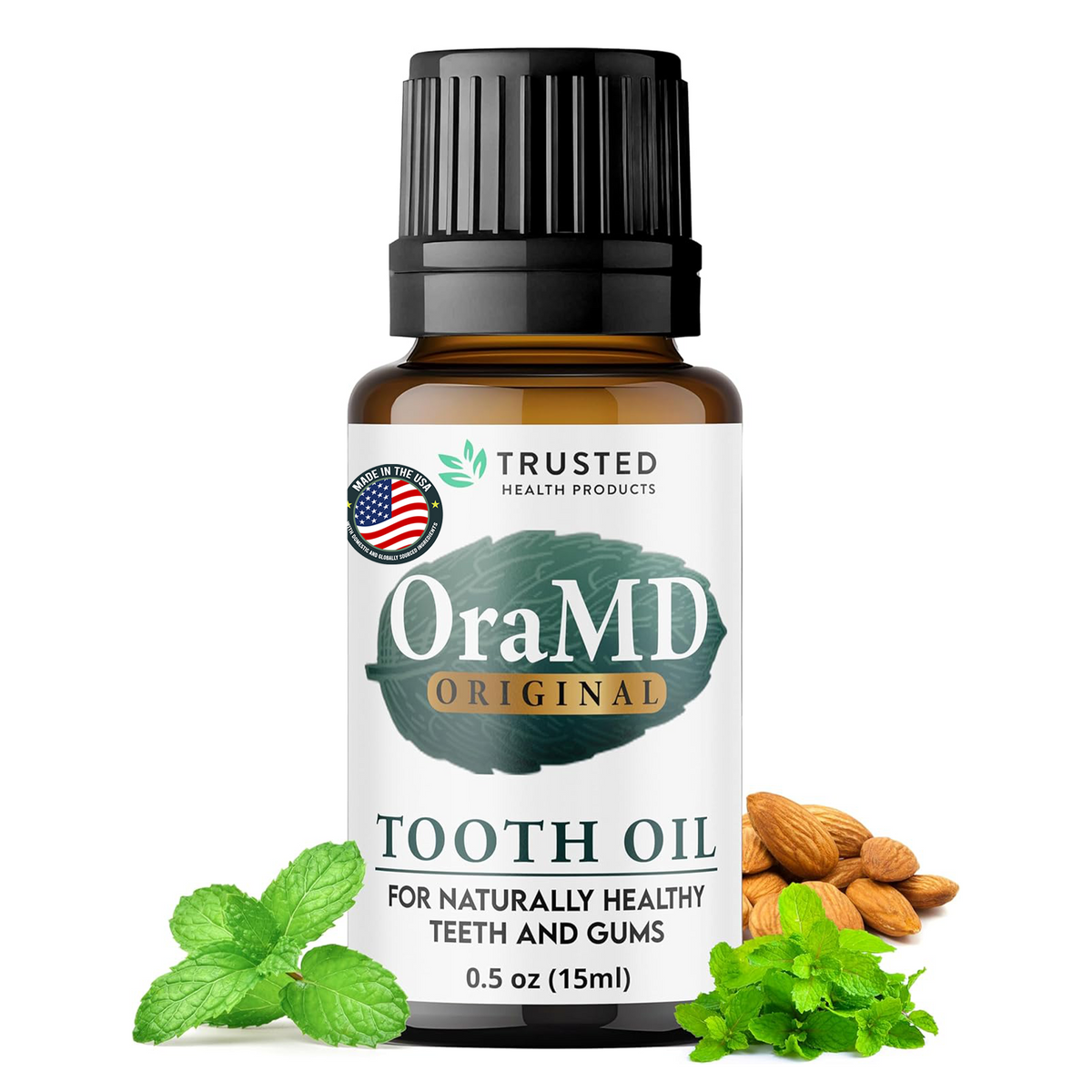
Some routines incorporate oil-based methods or simplified formulations that differ from conventional paste-based systems.
These approaches are often explored by individuals interested in alternative formats or ingredient structures, reflecting a broader shift toward personalized oral care routines.
Common Ingredients Found in Toothpaste
Toothpaste formulations often include a combination of functional and supporting ingredients.
Some commonly discussed components include:
Foaming agents
Flavoring compounds
Coloring agents
Abrasive materials
While these ingredients are widely used, individuals may choose to evaluate them based on personal preferences or sensitivities.
Building a Consistent Oral Care Routine
Toothpaste is one part of a larger oral hygiene system.
A consistent routine typically includes:
Regular brushing
Interdental cleaning
Periodic professional care
Rather than focusing on a single product type, long-term oral health is generally supported through consistent habits over time.
Final Thoughts: Understanding Toothpaste in a Broader Context
Toothpaste continues to play a central role in daily hygiene practices, but it represents just one component of oral care.
By understanding how toothpaste functions, how formulations differ, and how routines can vary, it becomes easier to approach oral care with greater awareness.
As oral care continues to evolve, individuals have more options than ever before. Exploring these options from an educational perspective can help support informed decisions and long-term consistency without relying on a one-size-fits-all approach.