Fluoride in Toothpaste: The Truth Most Brands Don't Tell You
May 22, 2026
Author: Ray Spotts
Tags:
For decades, fluoride has been the undisputed champion of dental care, hailed as the key to cavity prevention and proudly featured on every mainstream toothpaste tube. But a quiet revolution is underway. A growing number of health-conscious consumers and holistic dentists are asking a critical question: why choose fluoride free toothpaste?
This isn't just a trend — it's a movement driven by emerging science, a desire for pure ingredients, and a rejection of one-size-fits-all health advice. If you've ever wondered why fluoride free toothpaste is gaining so much traction, this article uncovers the reasons most big brands would rather you ignore.
By the end, you'll understand exactly what fluoride free toothpaste is, why the shift is happening, what the science actually says, and which products deliver real results without the trade-offs.
The Standard Narrative: Why Fluoride Was Crowned King
First, let's acknowledge the established position. Major dental associations like the American Dental Association (ADA) firmly endorse fluoride. The rationale is well-known: fluoride helps remineralize tooth enamel and makes it more resistant to acid attacks from plaque bacteria and sugars. This public health measure is credited with a significant drop in cavity rates since its introduction in the mid-20th century.
But the story doesn't end there. The conversation is becoming more nuanced, and the reasons to choose fluoride free toothpaste are more compelling than ever — particularly for parents, people with sensitivities, and those taking a whole-body approach to health.
The Hidden Side of Fluoride: The Case for Going Fluoride-Free
The decision to seek out fluoride free toothpaste isn't about denying science — it's about embracing a fuller picture of it. Here are the key reasons driving the shift.
1. The Risk of Dental Fluorosis
This is the most immediate and visible concern, especially for parents. Dental fluorosis is a condition caused by ingesting too much fluoride while teeth are still developing under the gums — typically in children under 8.
-
What it is: It manifests as white spots, streaks, or in severe cases, brown discoloration and pitting on the tooth enamel
-
The concern: Children often swallow a significant amount of toothpaste due to their underdeveloped swallow reflex. The appealing flavors of kids' toothpaste make this worse. For many parents, this visible and irreversible risk is the primary reason they choose fluoride free toothpaste for their families
2. The Problem of Cumulative Exposure
Fluoride isn't just in toothpaste — and this is a crucial point that often gets overlooked.
-
Multiple sources: Many municipal water supplies are fluoridated. It's found in processed foods and beverages made with fluoridated water, in some pesticides, and can be present in tea
-
The concern: The issue isn't necessarily toothpaste alone, but the total daily dose. When you add a fluoride toothpaste to an already fluoridated water supply and diet, some individuals — particularly children — may be exceeding the recommended daily intake. This question of cumulative exposure is a central argument for why fluoride free toothpaste is a prudent choice for controlling overall intake
3. Emerging Health Concerns and Regulatory Scrutiny
While the evidence is still evolving and often debated, several areas of concern have prompted further study:
-
Thyroid Function: Some studies suggest that excessive fluoride may act as an endocrine disruptor, potentially impacting thyroid function by competing with iodine
-
Neurological Development: A landmark meta-analysis funded by the National Institutes of Health (NIH) and published in Environmental Health Perspectives reviewed 27 studies and concluded that higher fluoride exposure is associated with lower IQ scores in children. While critics point to confounding factors, the authors called for more research, stating that the "potential for adverse effects should be a serious research concern"
-
Skeletal Fluorosis: In extreme cases of long-term, very high exposure, fluoride can accumulate in bones, leading to pain and stiffness. This is rare in countries with controlled water fluoridation but reinforces the principle of bioaccumulation
The mere existence of these studies — published in reputable peer-reviewed journals — is enough for many to err on the side of caution. This is a key reason why fluoride free toothpaste feels like the safer, more informed choice.
4. The "One-Size-Fits-All" Fallacy
Fluoridation is a public health policy, and by definition it treats the entire population as a monolith. It doesn't account for:
-
Individual sensitivity: Some people are simply more reactive to the effects of fluoride
-
Varied water consumption: A construction worker drinking a gallon of water a day is exposed to far more fluoride than an office worker who drinks mostly filtered water
-
Existing fluoride in water: If you already live in an area with fluoridated water, adding a concentrated dose directly to your teeth twice a day may be unnecessary — and potentially excessive
This lack of personalization is a powerful motivator for why so many people are now actively seeking fluoride free toothpaste.
What About Cavities? The Rise of Superior Fluoride Free Alternatives
The biggest pushback against fluoride free toothpaste is the fear of cavities. This is where modern science truly shines — because you no longer have to choose between fluoride and healthy teeth.
The most significant breakthrough in fluoride free toothpaste technology is Nano-Hydroxyapatite (n-HA).
-
What it is: n-HA is the primary mineral that makes up over 90% of your tooth enamel and dentin. It's a biomimetic material — meaning it perfectly mimics your body's own building blocks
-
How it works: Unlike fluoride, which creates a harder but chemically different fluorapatite layer, n-HA integrates directly into the enamel crystal structure. It fills in microscopic imperfections and seals exposed dentin tubules, remineralizing lesions and eliminating sensitivity with remarkable efficiency
-
The evidence: Dozens of clinical studies conducted over 40 years — particularly from Japan where it was developed — show n-HA is just as effective as fluoride at preventing and reversing early cavities, without any toxicity concerns
This is the most compelling answer to the fluoride free toothpaste debate: because now, you can have superior, biomimetic remineralization without the risks or the controversy.
But n-HA isn't the only fluoride free option delivering real results. Oil-based oral care formulas represent another powerful category — one that goes beyond remineralization to actively reduce the bacterial environment responsible for cavities and gum disease in the first place.
-
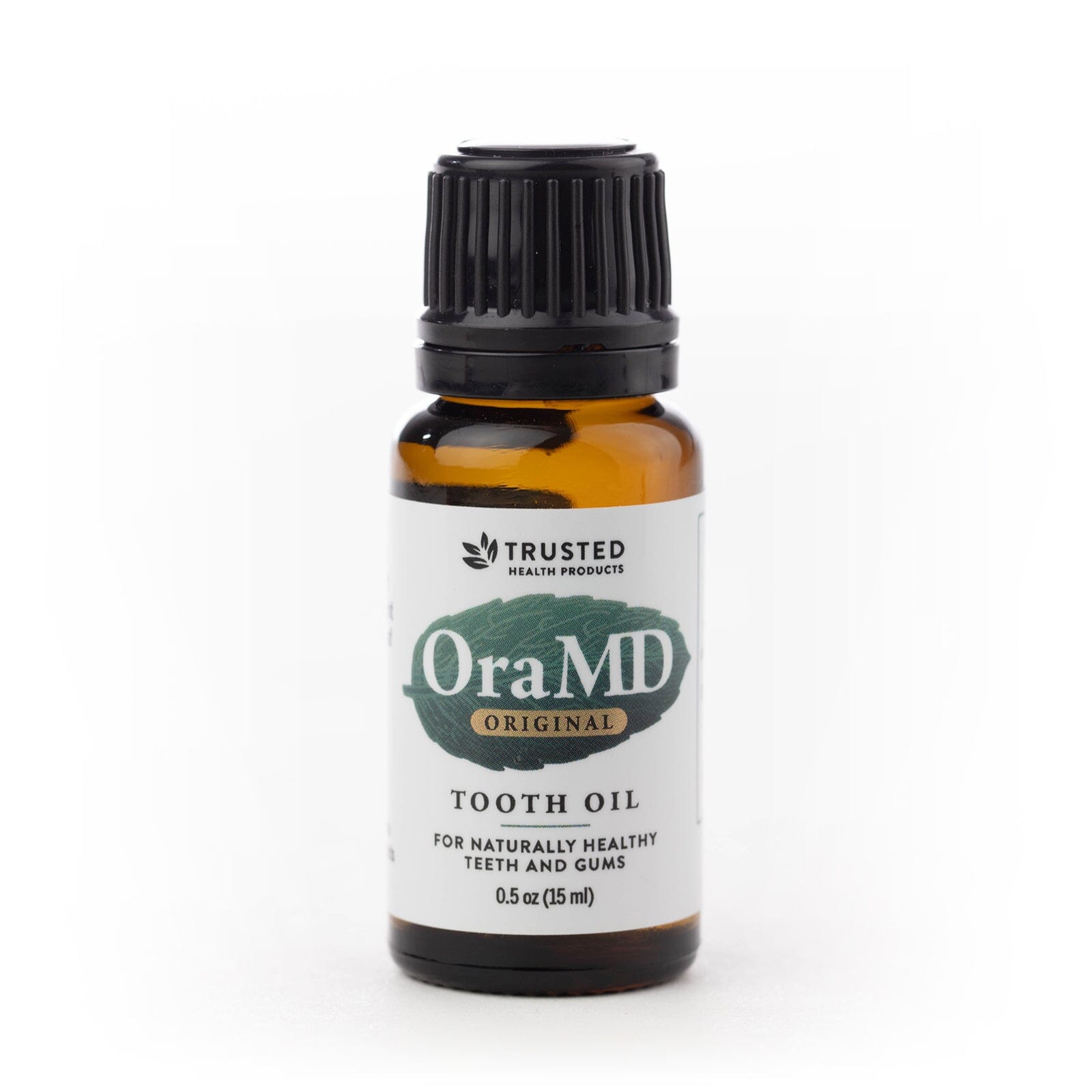
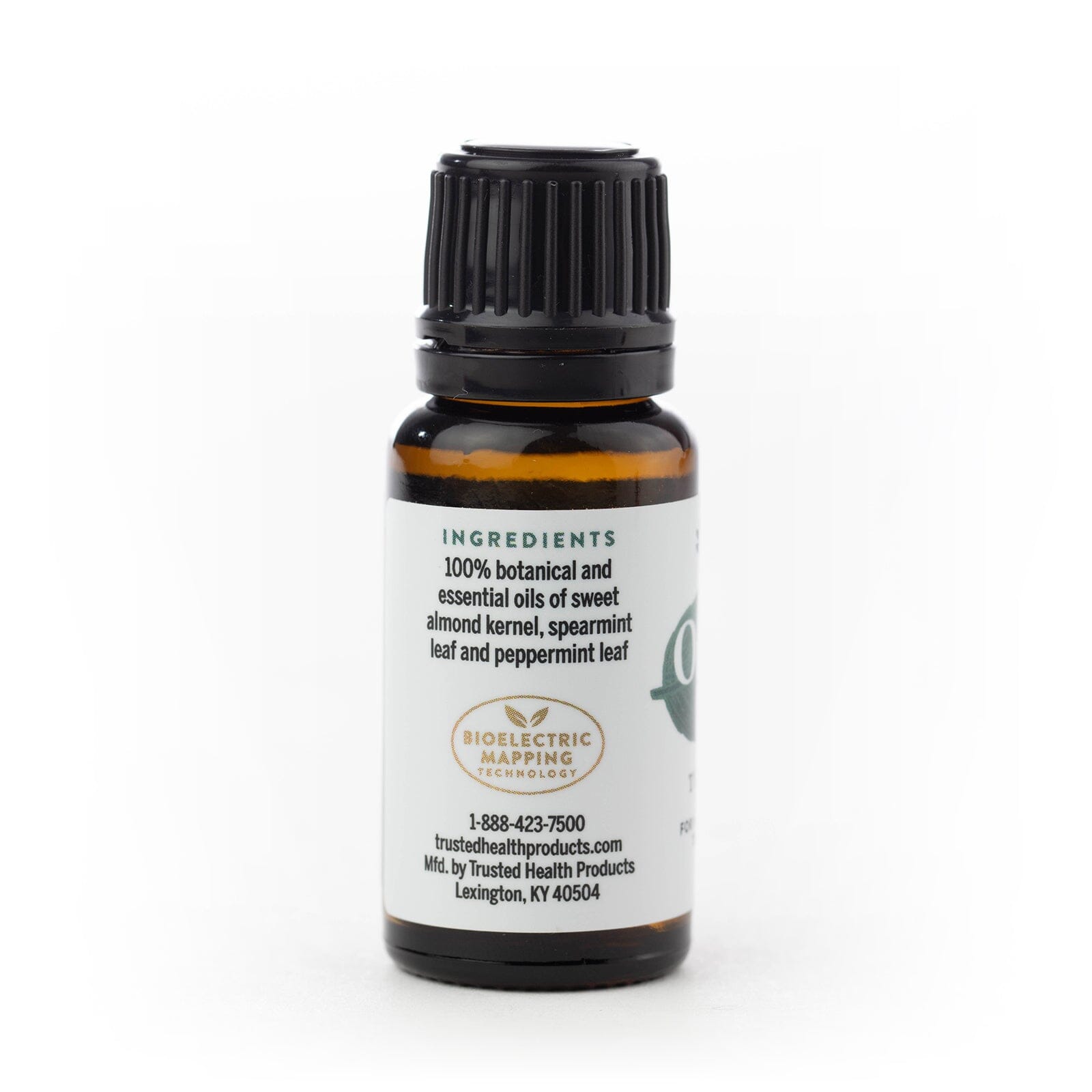
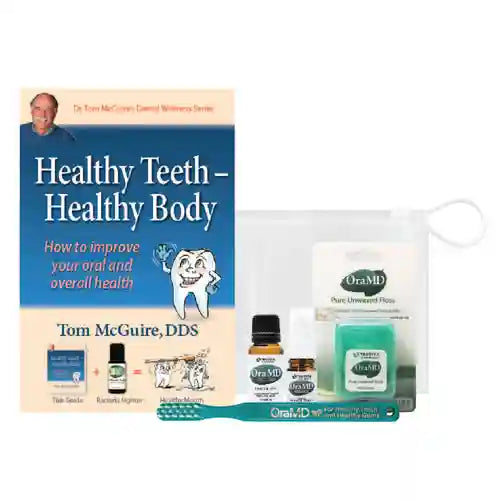
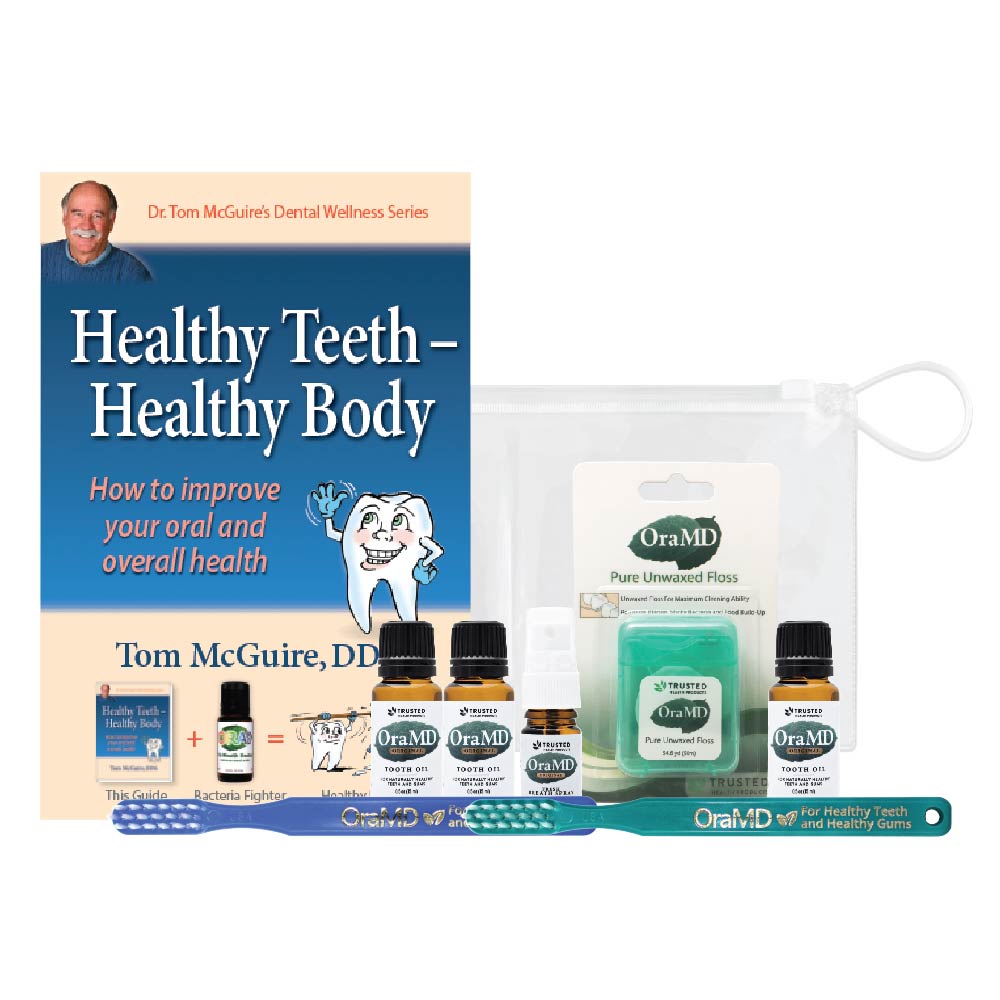
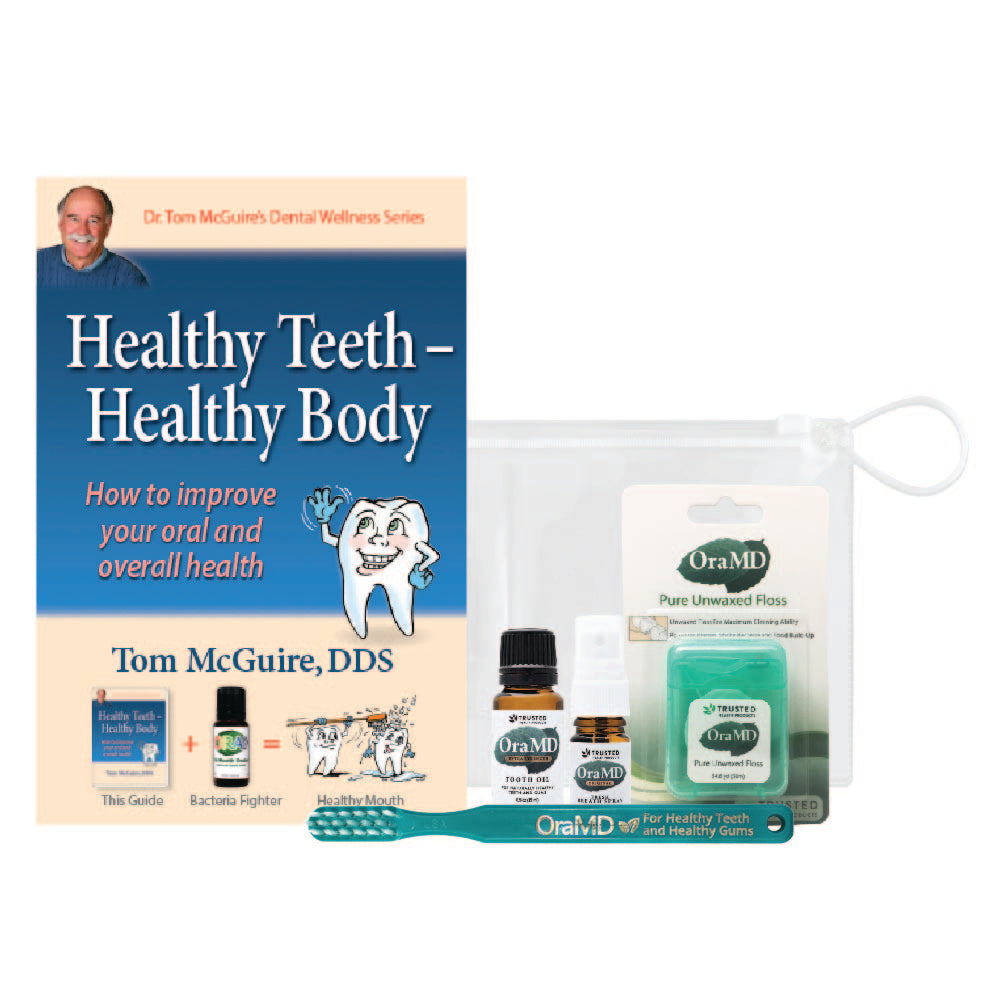
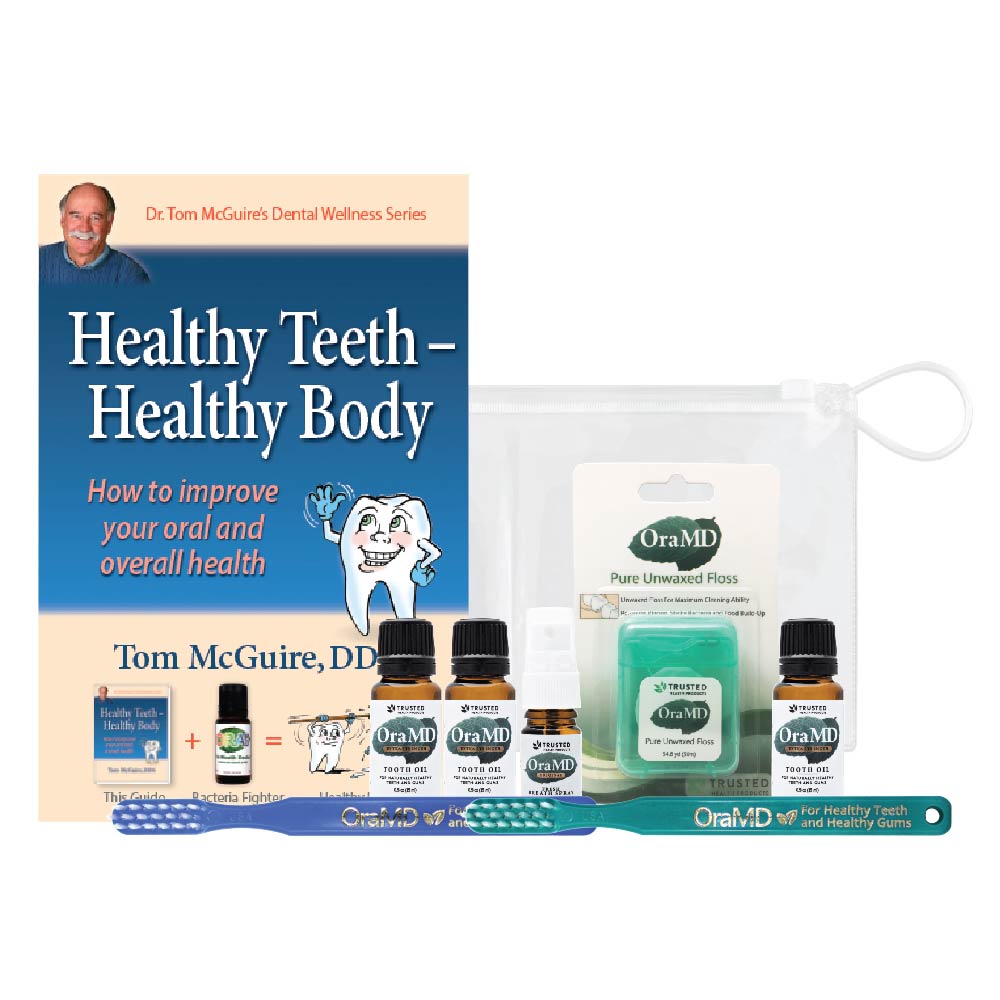
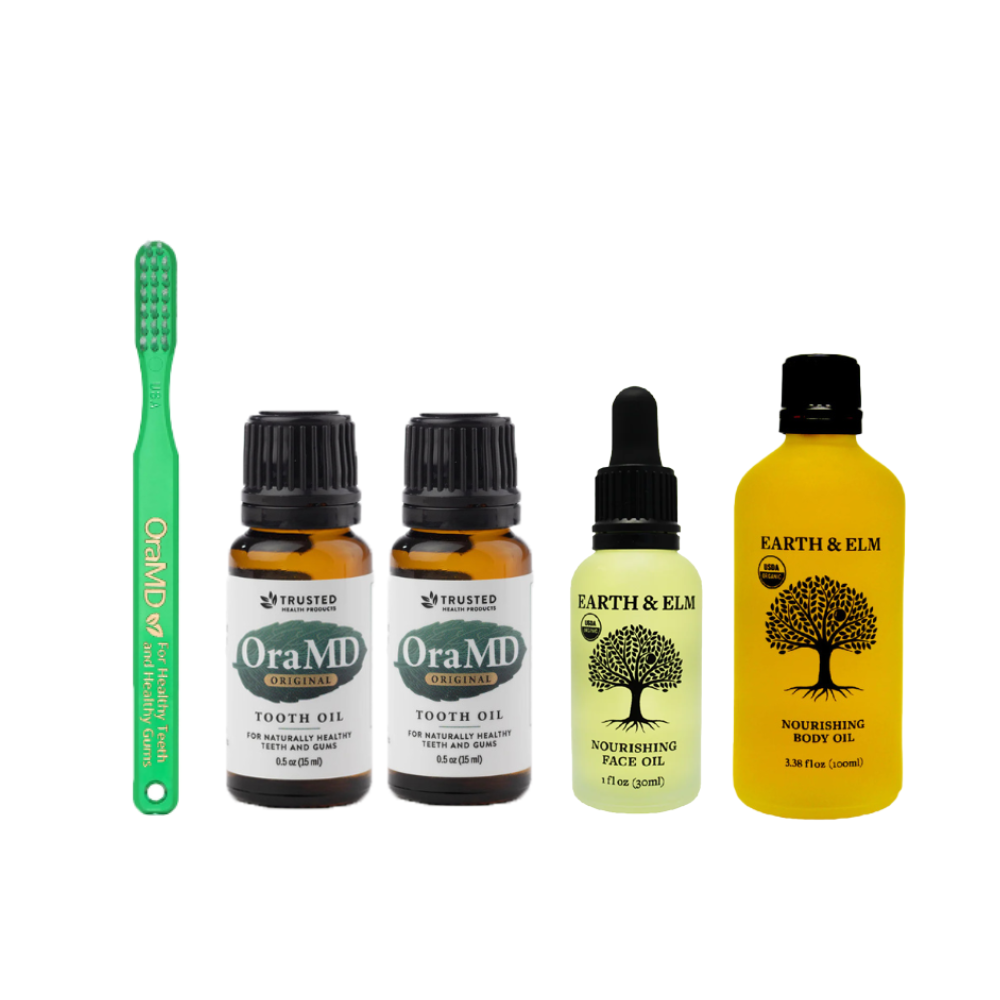
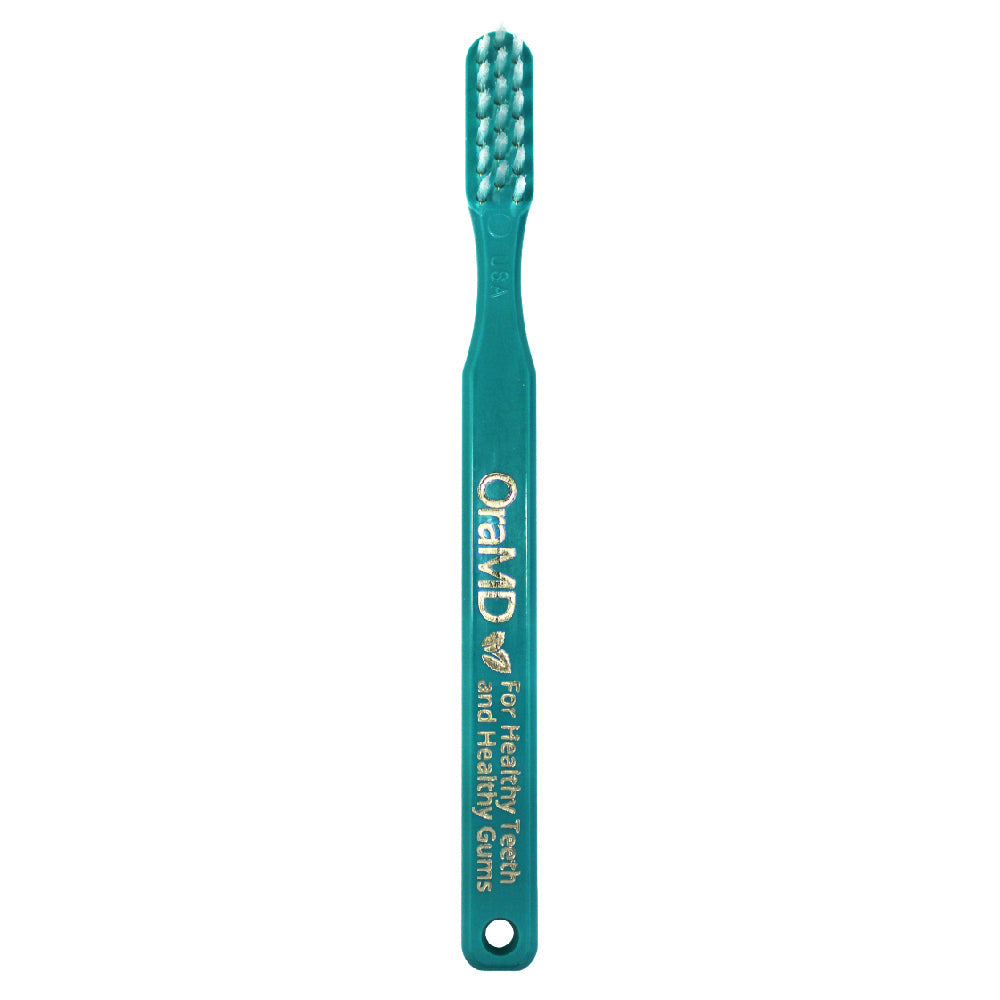
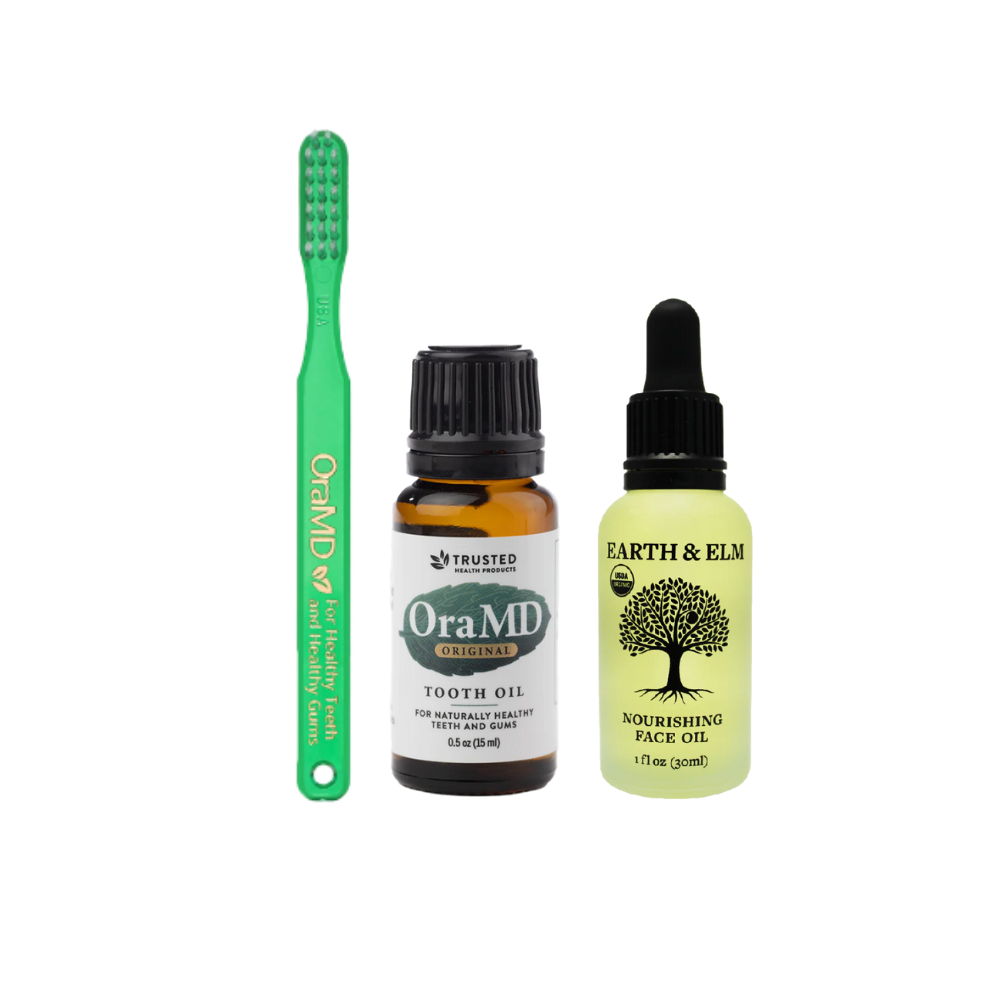
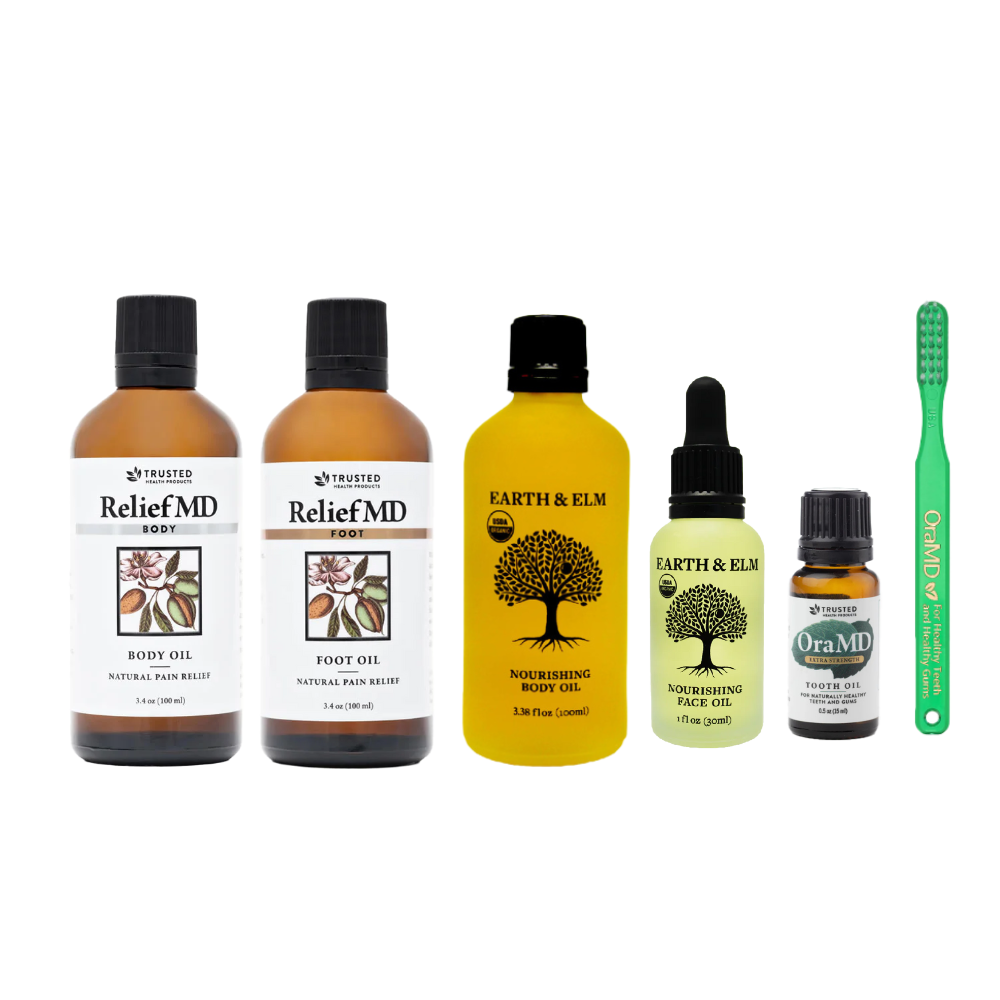
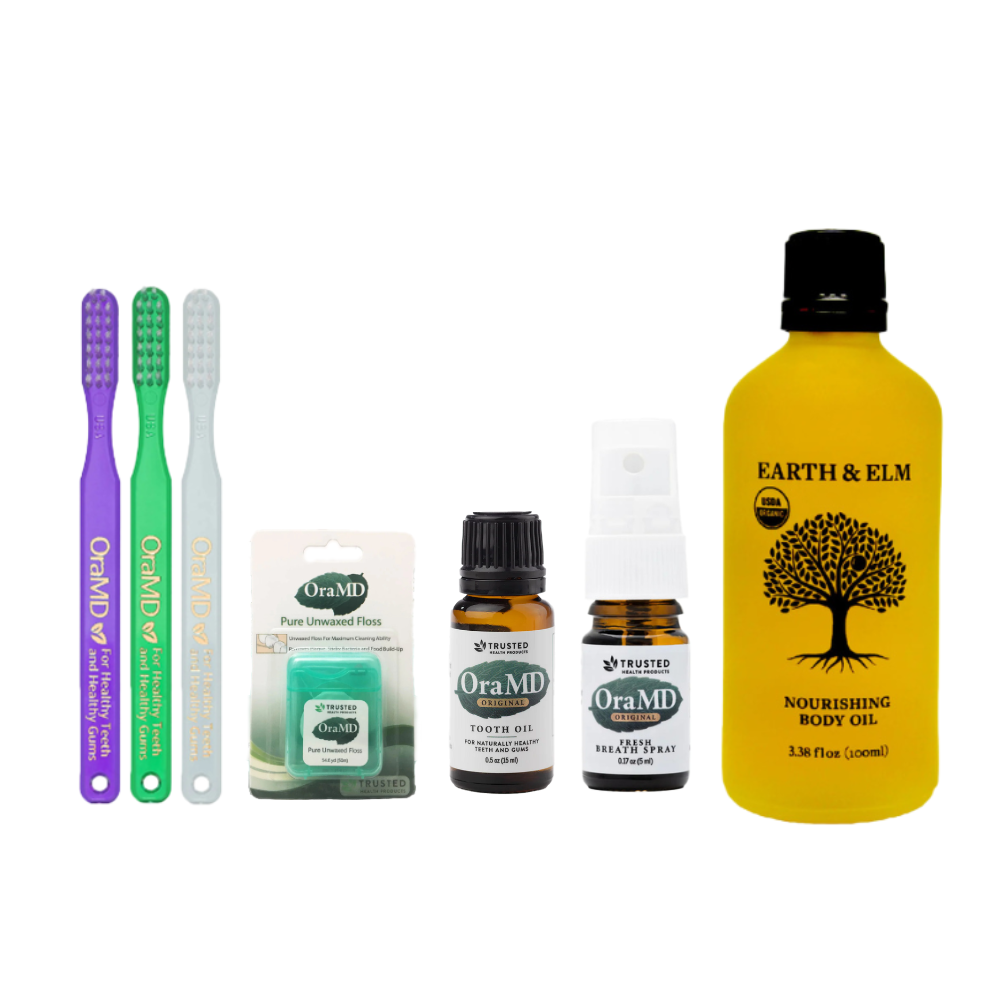
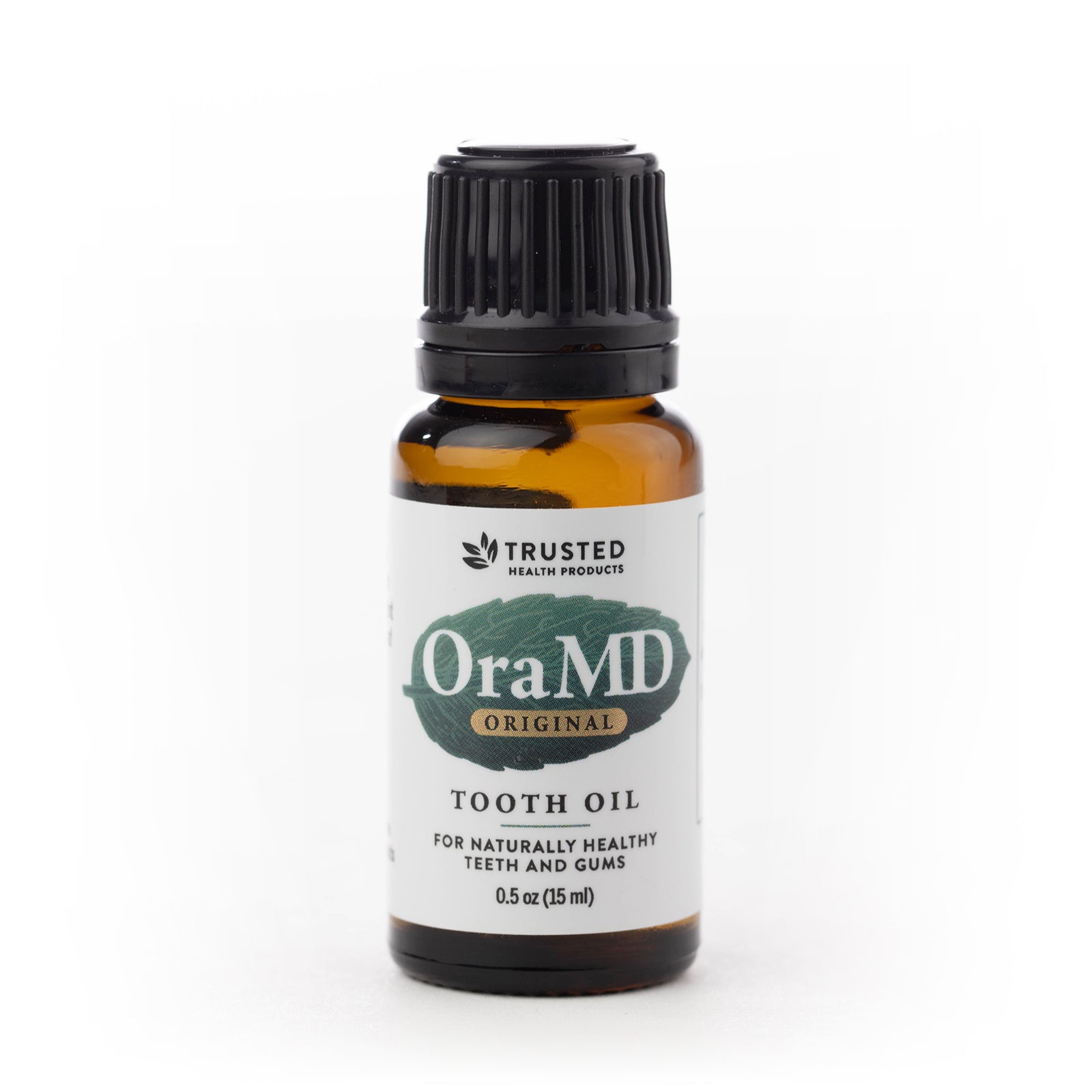
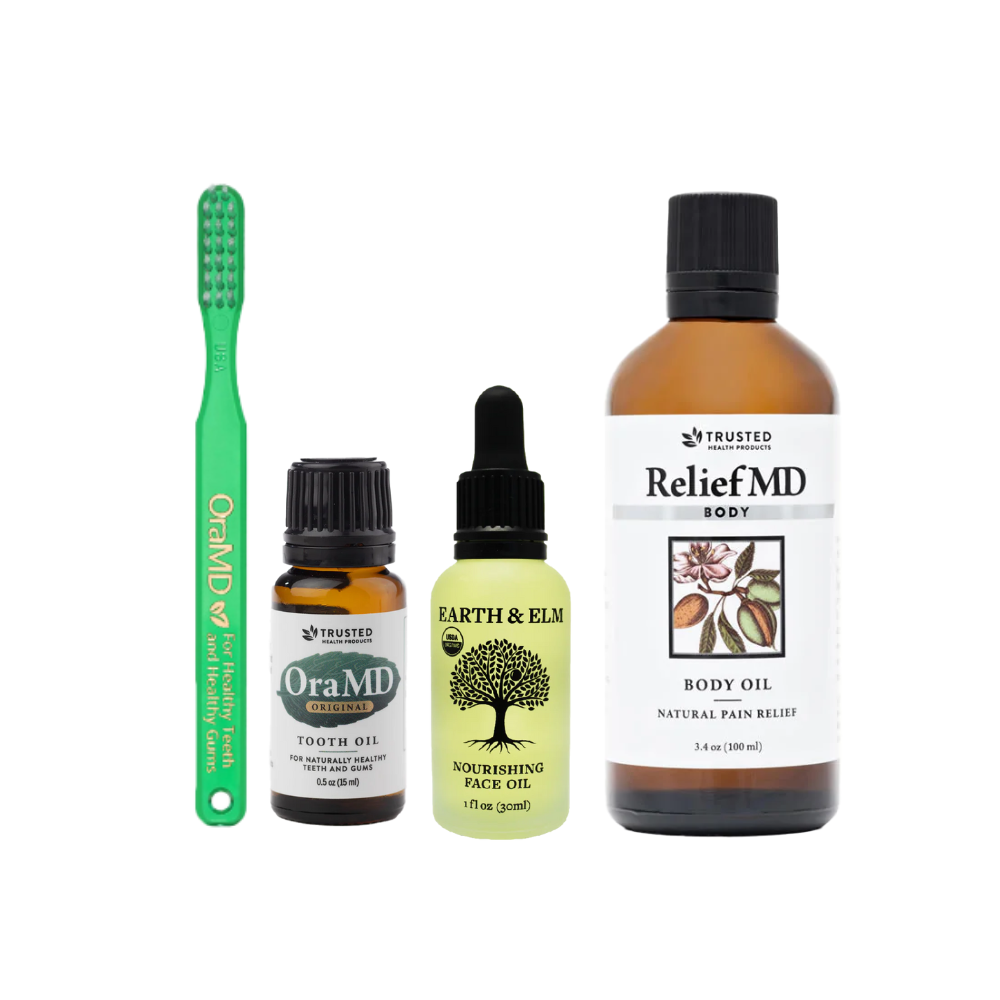
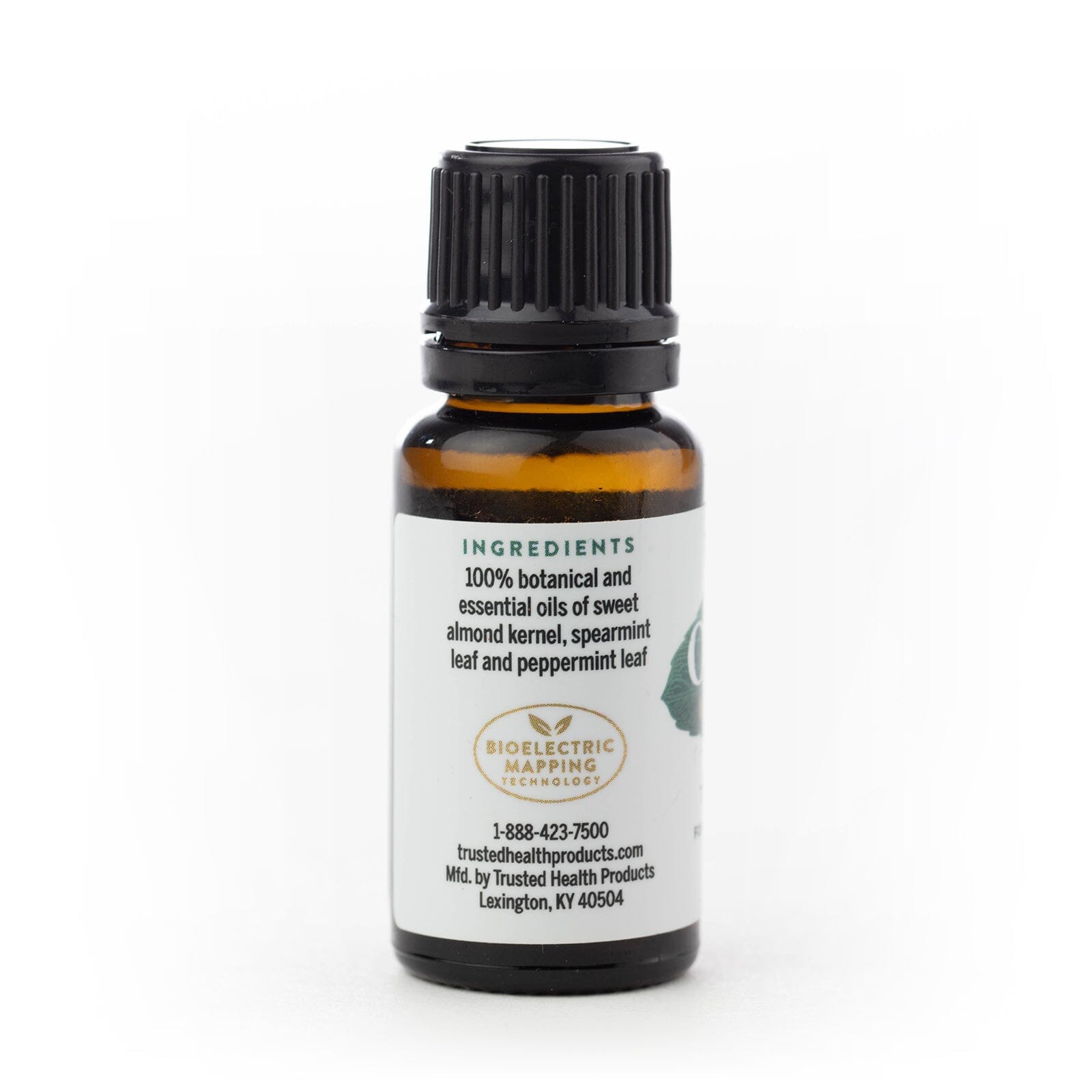
OraMD Original Strength Tooth Oil is a concentrated botanical formula built on coconut oil, sesame oil, clove, and peppermint. It cleans without abrasion, eliminates harmful bacteria like Streptococcus mutans, and supports gum health — all completely fluoride free and SLS free. It's ideal for daily use as a complete fluoride free toothpaste alternative for those with generally healthy gums
-
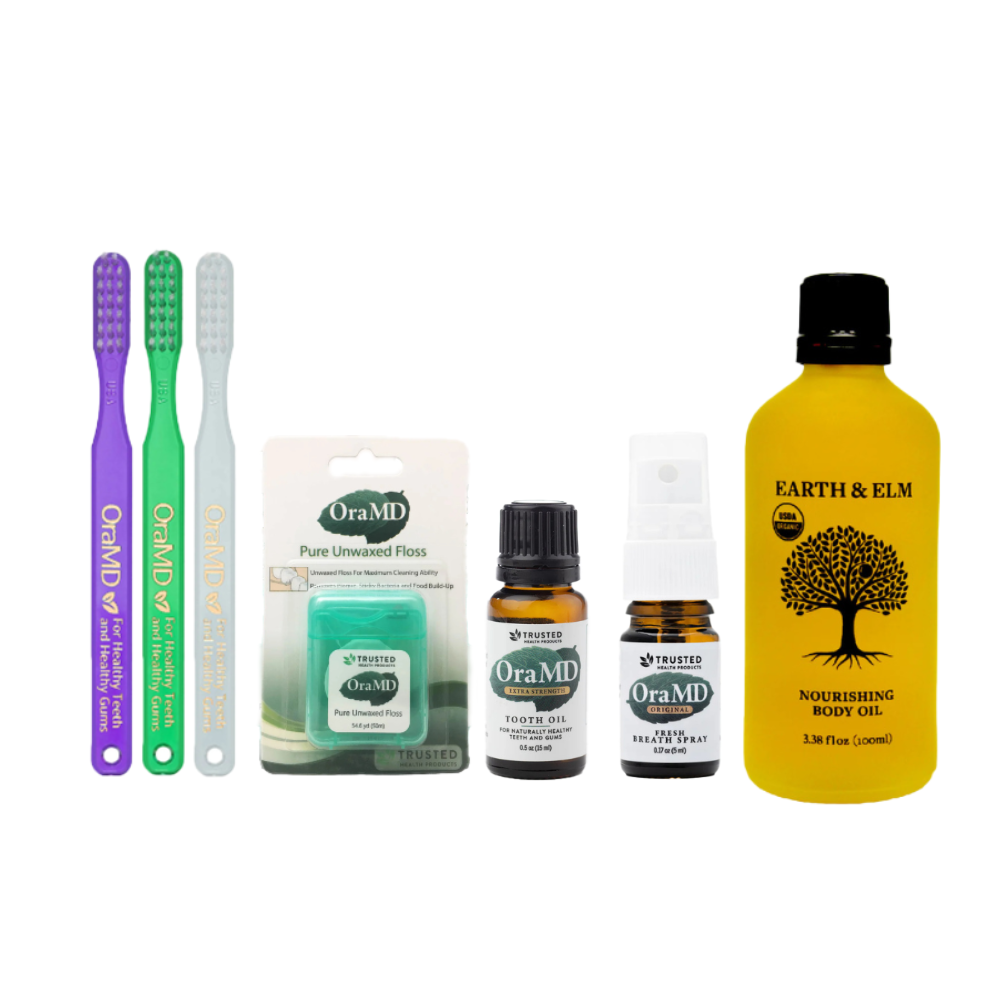
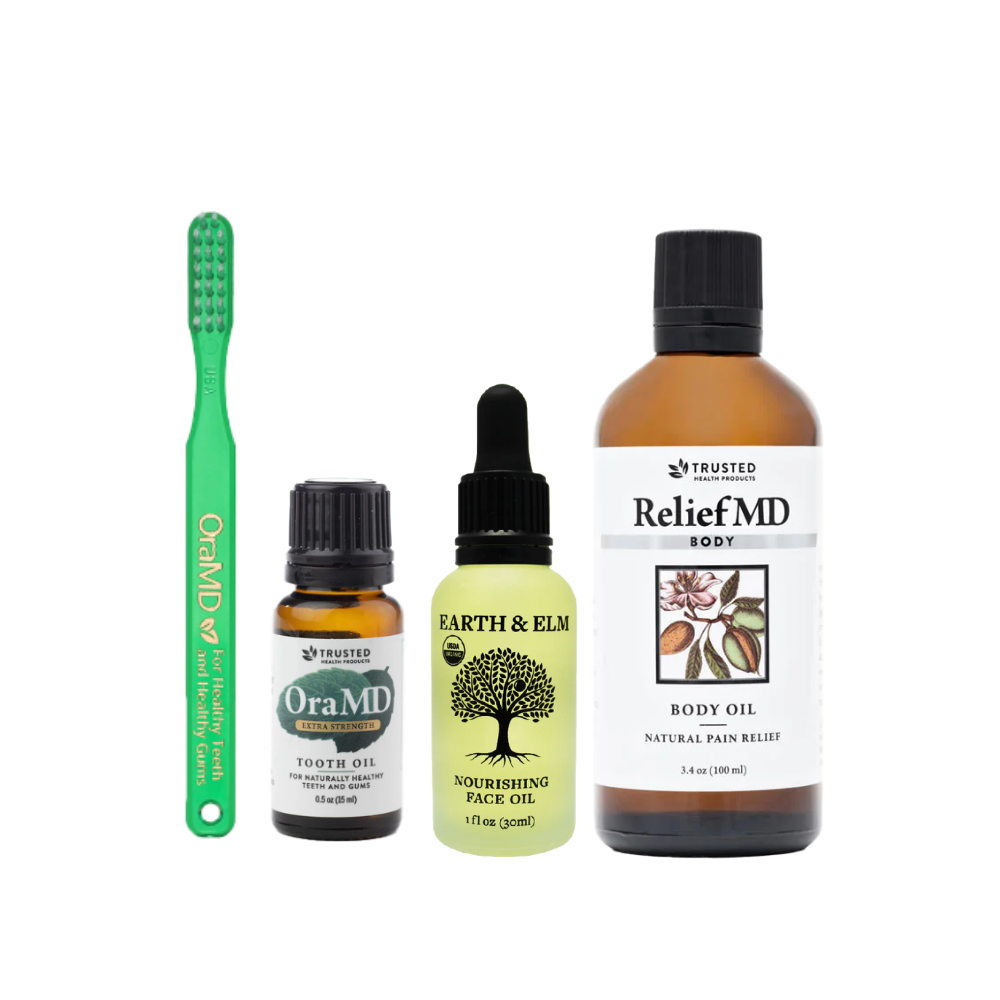
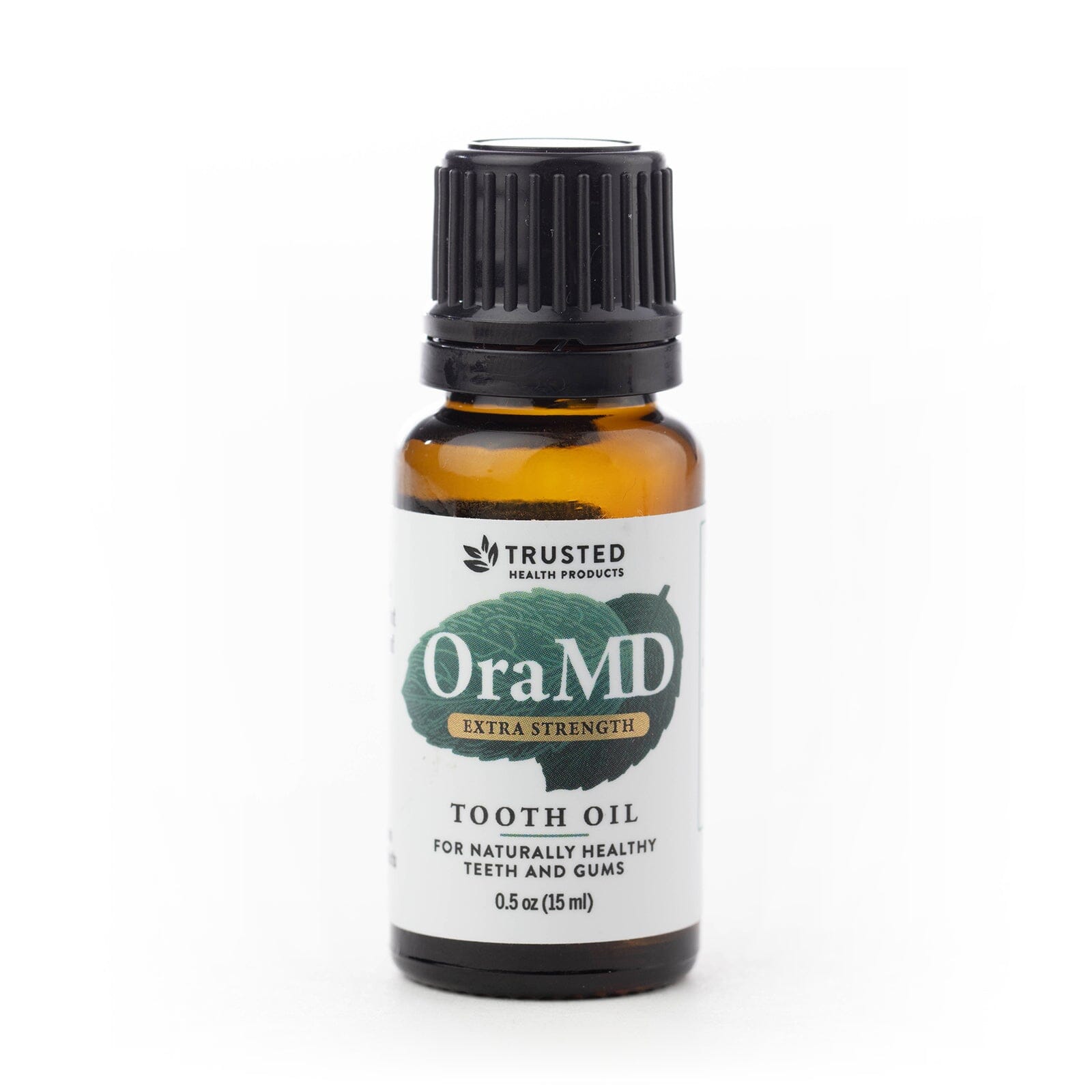
OraMD Extra Strength Tooth Oil delivers the same botanical foundation at a higher concentration, designed for those dealing with active gum inflammation, sensitivity, or heavier plaque buildup. It's one of the most potent fluoride free toothpaste alternatives available for those who need more intensive daily support
For a full side-by-side comparison of how oil-based oral care stacks up against conventional toothpaste, read our OraMD tooth oil vs regular toothpaste guide.
Fluoride vs. Fluoride Free Toothpaste: A Direct Comparison
|
Concern |
Fluoride Toothpaste |
Fluoride Free Toothpaste (with n-HA or Tooth Oil) |
|
Primary Mechanism |
Forms fluorapatite layer |
Integrates natural hydroxyapatite or antimicrobial oils |
|
Cavity Prevention |
Effective |
Equally effective per clinical studies |
|
Risk of Fluorosis |
Yes, if swallowed |
None |
|
Cumulative Exposure |
A concern |
Not a concern |
|
Sensitivity Relief |
Good |
Excellent — occludes tubules or non-abrasive formula |
|
Gum Health Support |
Limited |
Strong — especially with oil-based formulas |
|
Safety if Swallowed |
Not recommended |
Biocompatible and safe |
|
SLS / Synthetic Additives |
Almost always present |
Absent in quality fluoride free formulas |
Who Should Especially Consider Fluoride Free Toothpaste?
-
Families with young children — to eliminate the risk of fluorosis from swallowed toothpaste
-
Individuals in fluoridated areas — to manage total daily fluoride intake across all sources
-
Those with thyroid conditions — who may wish to minimize potential endocrine disruptors
-
People with sensitive teeth or gums — who want to avoid SLS and abrasive agents that worsen irritation
-
Anyone seeking a whole-body approach — who prefers biocompatible ingredients that work in harmony with the body's biology rather than against it
If sensitivity is a primary concern alongside switching to fluoride free toothpaste, our guide on how to treat sensitive teeth naturally outlines the most effective natural remedies and which ingredients actively support enamel recovery.
For those whose concern is gum health rather than cavities, our article on how to reverse gum disease naturally explains how oil-based oral care and natural antimicrobials address the bacterial root cause of gum disease without fluoride.
What Actually Works: Choosing the Right Fluoride Free Toothpaste
With so many fluoride free toothpaste options now available, the choice comes down to your primary oral health goal:
For remineralization and cavity prevention: Nano-hydroxyapatite formulas are the strongest fluoride free toothpaste choice for those whose main concern is enamel strength and early cavity reversal. Look for a minimum of 10% n-HA concentration for meaningful clinical effect.
For gum health, bacterial reduction, and sensitivity: Oil-based tooth oil formulas outperform conventional fluoride free toothpaste in this category. By penetrating below the gumline and reducing the bacterial biofilm that drives both gum disease and enamel erosion, they address the root cause of most oral health problems rather than just the surface symptoms.
-
For everyday fluoride free toothpaste replacement, OraMD Original Strength Tooth Oil is the most accessible and practical daily option — gentle, effective, and completely free of fluoride, SLS, and synthetic additives
-
For those with more demanding oral health needs, OraMD Extra Strength Tooth Oil provides the higher-potency botanical formula needed for deeper gum support and more intensive bacterial reduction
For a broader look at all the natural toothpaste alternatives available in 2026, see our complete guide to natural alternatives to toothpaste.
Conclusion
The narrative that fluoride is the only way to prevent cavities is outdated. Fluoride free toothpaste is a valid, science-supported choice — and for a growing number of people, it's the smarter one. Whether your concern is cumulative exposure, children's safety, thyroid health, or simply a preference for whole-ingredient products, the case for fluoride free toothpaste has never been stronger.
Modern alternatives like nano-hydroxyapatite and botanical tooth oils now match or exceed fluoride's cavity-prevention track record — without the risks, the synthetic additives, or the one-size-fits-all approach that makes conventional toothpaste increasingly hard to justify.
For those ready to make the switch to fluoride free toothpaste, OraMD Original Strength Tooth Oil is the most practical starting point for everyday use — clean, botanical, and completely free of fluoride and SLS. For those with more active gum concerns or sensitivity, OraMD Extra Strength Tooth Oil delivers the deeper botanical potency needed for lasting results, making it one of the most complete fluoride free toothpaste alternatives available in 2026.