
How to Stop Foot Pain From Standing All Day
August 27, 2026
Author: Team Farrisi
Tags:
Millions of workers end a shift with aching soles and stiff ankles. Nurses, cashiers, teachers, stylists, and warehouse staff report the same complaint. Learning how to stop foot pain from standing all day starts with one fact.
The pain rarely signals weak feet. It follows long hours in a fixed position on hard floors. Small changes to footwear, shift movement, and evening recovery resolve most cases.
This guide covers the causes and the practical fixes. It also compares common products and flags the symptoms that need a clinician.
Why Standing All Day Hurts the Feet
NIOSH reviewed the published research on prolonged standing in the workplace. The review connected standing jobs to muscle pain, leg swelling, and physical fatigue. Read the summary at the NIOSH Science Bulletin on prolonged standing at work.
Three things happen during a long static shift. Blood pools in the lower limbs. Calf and arch muscles hold a low-level contraction for hours. Joint cartilage in the foot stays compressed with no recovery window.
A survey of 7,757 Quebec workers measured the result. Roughly 9.4% reported ankle or foot pain that interfered with normal activity. Constrained standing postures raised that risk further, as the Quebec Health and Social Survey analysis reports.
Floor surface adds to the load. Concrete returns nearly all of each step's force back into the foot. Softer surfaces absorb part of that energy instead.
Where the Pain Shows Up First
Foot pain from standing all day follows predictable patterns. The location of the ache usually points to the cause.
Bottom of Foot Pain and Heel Strain
Bottom of foot pain normally begins in the arch or heel. The plantar fascia runs from the heel bone to the base of the toes. Long standing hours overload that band of tissue. The American Academy of Orthopaedic Surgeons describes the hallmark symptom in its guide to plantar fasciitis and bone spurs. Pain peaks during the first steps after rest, then eases as the tissue warms.
Foot tenderness across the bottom of the foot often shares the same origin. The arch fatigues first, and the heel absorbs the difference.
Pain on Top of Foot and Midfoot Pressure
Pain on top of foot points elsewhere. Extensor tendons that lift the toes run across the upper surface. Tight laces compress those tendons against bone. Feet swell across a shift, so a comfortable morning fit turns into pressure by mid-afternoon. Loosening the top two eyelets often relieves that pain within an hour.
How to Stop Foot Pain From Standing All Day: Start With Footwear
Shoes carry most of the responsibility for foot pain from standing all day at work. A shift shoe needs arch support, a firm heel counter, and cushioning under the ball of the foot.
Heel height changes the load distribution. Heels above two inches push body weight forward onto the forefoot. NIOSH specifically flagged high heels as a musculoskeletal risk for retail associates on long shifts.
Fit timing matters as much as size. Feet measure larger late in the day after hours of standing. Trying on work shoes in the evening prevents a shoe that tightens by hour six.
Rotation extends the benefit. Alternating two pairs across the week gives compressed midsole foam time to rebound. Foam does not fully recover inside a single overnight gap.
Movement Habits That Protect the Feet During a Shift
Static standing causes more harm than standing itself. Occupational research recommends interrupting standing time before symptoms build rather than after.
Micro-movement does the work. Shifting body weight between feet every few minutes restarts circulation. Rising onto the toes ten times pumps the calf muscles and clears pooled blood. A short walk across the floor resets the pressure map under each foot.
A footrest helps at fixed stations. Resting one foot on a low rail or box for a minute unloads the arch and lower back. Alternating feet spreads that relief evenly.
Anti-fatigue mats reduce discomfort where a worker stays in one place. NIOSH lists floor mats, shoe inserts, and sit-stand stools among the interventions studied for standing workers.
Evening Recovery: How to Relieve Foot Pain From Standing All Day
Recovery decides how the next shift feels. A ten-minute nightly routine beats one long weekend session.
Elevation comes first. Fifteen minutes with the feet raised above heart level drains fluid that gathered during the day.
Cold follows for inflamed arches. Rolling the sole slowly over a chilled bottle eases heel soreness and calms irritated tissue.
Stretching protects the tissue chain. A calf stretch against a wall loosens the muscles that pull on the heel. A seated plantar fascia stretch, with the toes drawn back by hand, targets the arch directly.
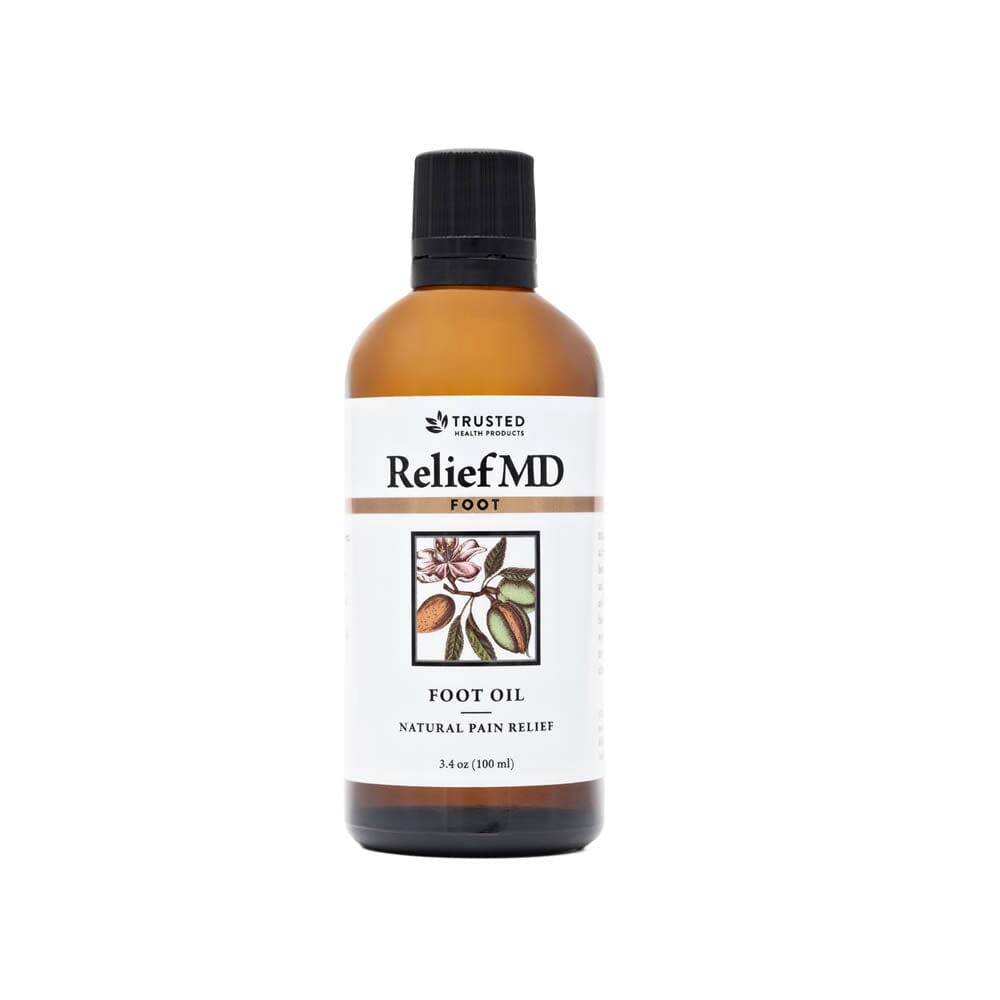
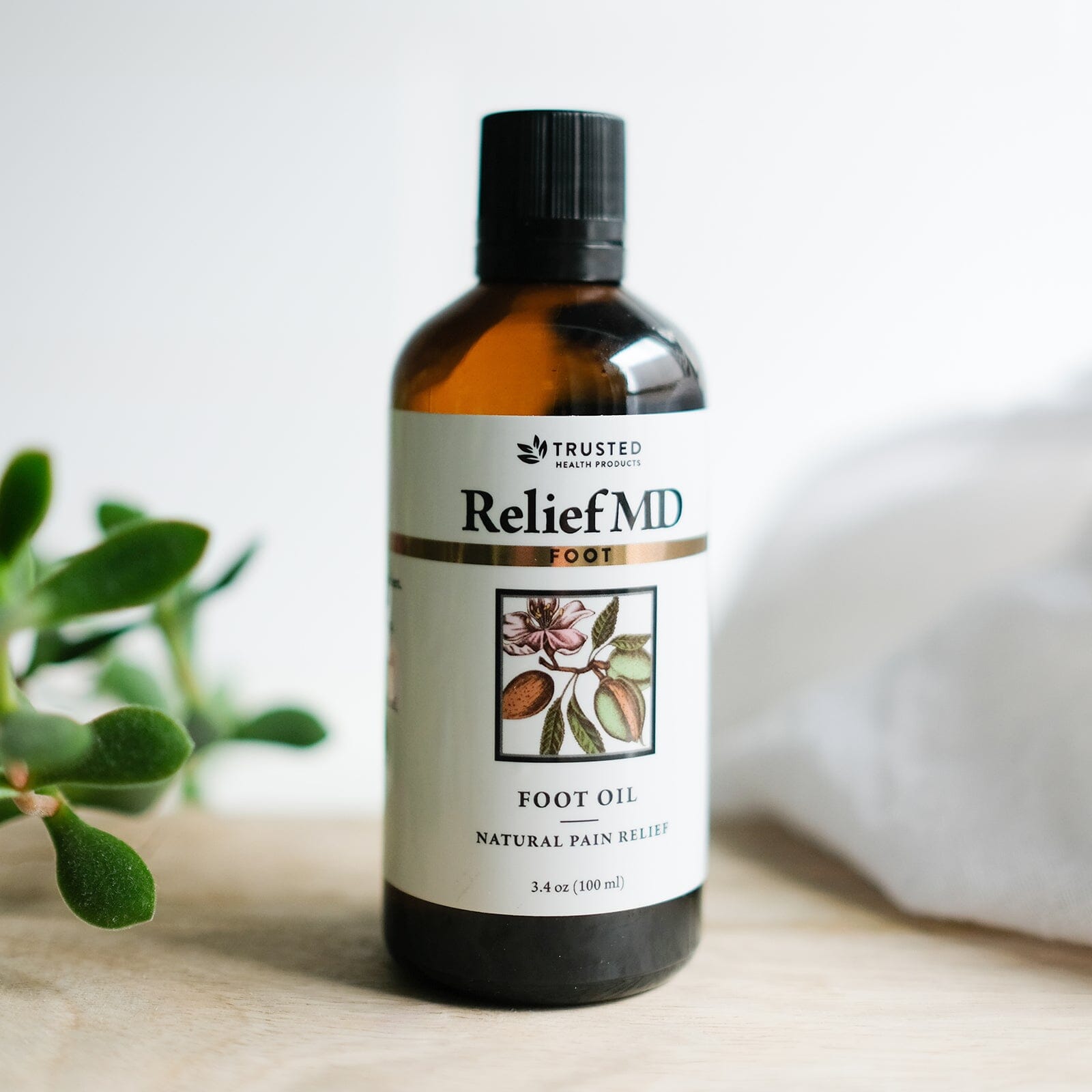
Massage closes the routine. Working a botanical oil into the arch and heel applies friction-free pressure to tired tissue. Trusted Health Products stocks ReliefMD Foot Oil for readers who want a plant-based option at this step. Slow thumb pressure for five minutes covers the whole underside of each foot.
Comparing Insoles, Mats, Compression, and Topical Oils
Each option solves a different part of the problem. Honest expectations prevent wasted money and repeat purchases.
Insoles redistribute pressure across the arch and heel. They suit workers whose pain sits underneath the foot. Insoles do little for ankle swelling.
Anti-fatigue mats change the surface, not the shoe. They help at a fixed station only. A worker who covers ground all shift gains almost nothing.
Compression socks target circulation and swelling. They reduce the heavy-leg feeling by evening. They do not correct arch mechanics or shoe problems.
Topical oils address the recovery window after the shift ends. One randomised trial tested nightly lavender oil foot massage in diabetic patients. Pain scores fell over a month, as this aromatherapy massage clinical trial on PubMed reports. Those results reflect massage and oil applied together, not oil alone. Oils support comfort between shifts; they cannot replace correct footwear. The wider all-natural muscle pain relief collection covers soreness above the ankle as well.
When Foot Pain Needs a Clinician
Most standing-related soreness settles with rest, better shoes, and consistent recovery. Several signs justify a professional opinion instead.
Pain lasting beyond two weeks deserves review. Numbness, tingling, or burning suggests nerve involvement. Swelling confined to one foot can indicate something other than fatigue. Sharp pain after a misstep may mean a sprain or stress fracture. Anyone managing diabetes should treat new foot pain as an early priority.
The Trusted Health Products Approach to Tired Feet
Trusted Health Products developed the ReliefMD line for people who spend full shifts standing. ReliefMD Foot Oil blends eucalyptus leaf oil, peppermint, and sweet almond oil. Peppermint delivers a cooling sensation on contact. Eucalyptus adds an aromatic counterpoint. Sweet almond oil carries both and softens the thicker skin of the sole.
The formula excludes parabens, menthol, camphor, dyes, petrolatum, and synthetic fragrance. That composition matters for anyone applying a product nightly across months. The oil absorbs without a greasy film, so socks go on immediately afterwards.
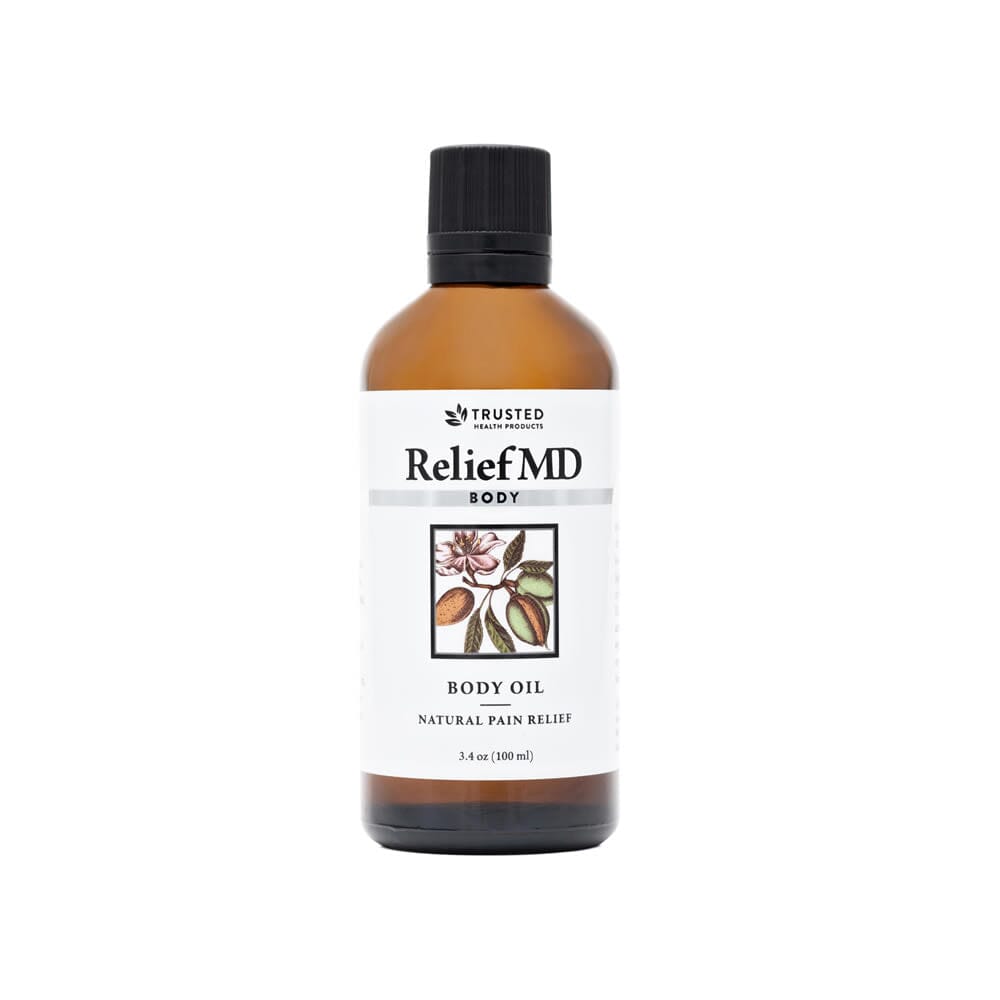
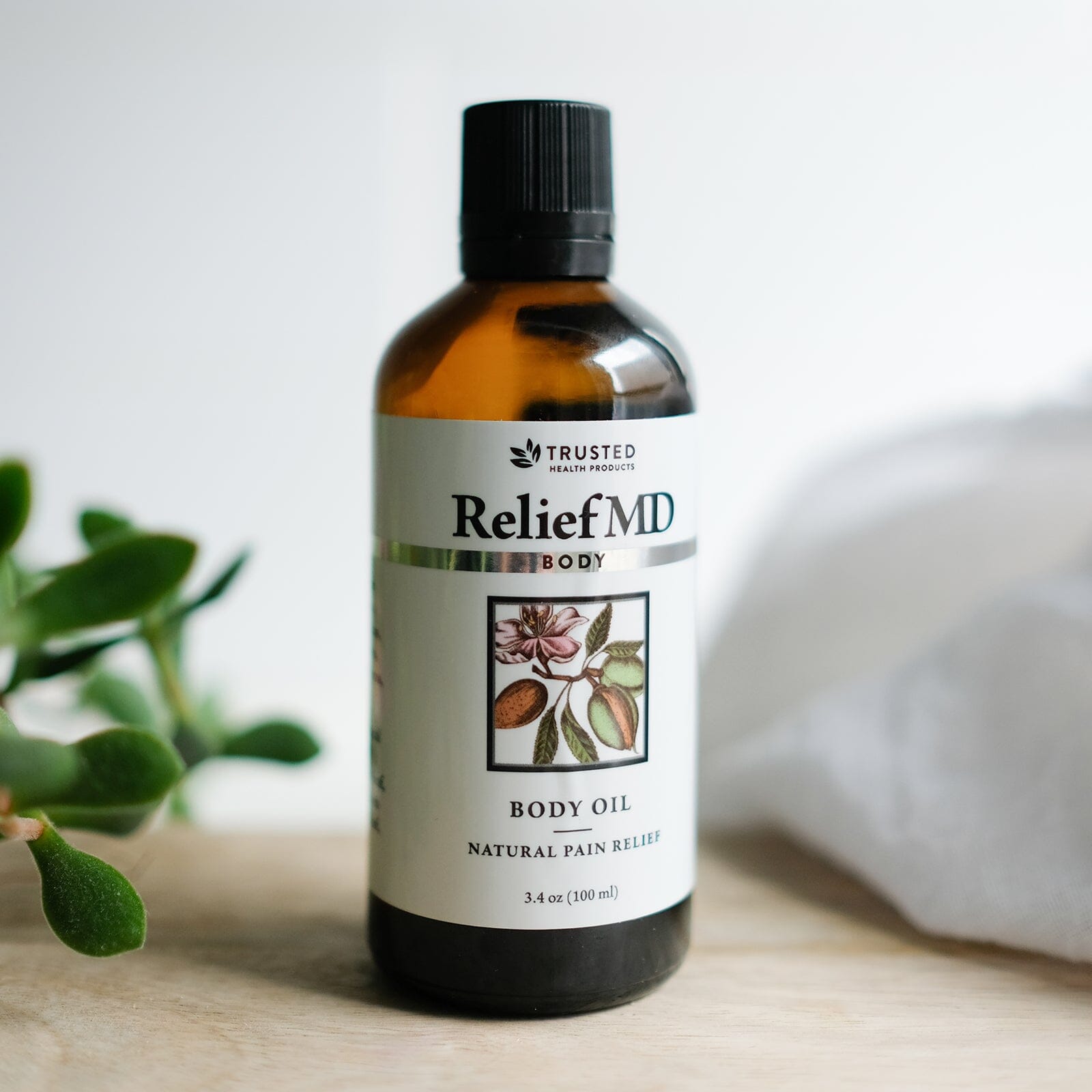
Application takes minutes. A person warms several drops between the palms, then works slow thumb pressure along the arch. Circles around the heel and ankle finish the sequence. Sore calves and lower backs need wider coverage. Workers can add ReliefMD Body Oil or the two-product pain relief bundle. The oils support comfort and recovery, and they do not treat a diagnosed medical condition.
Households already using botanical products may prefer the broader essential oils for muscle pain set. That kit covers skin and body care alongside recovery.
Conclusion
Foot pain from standing all day responds to a short list of changes. Supportive shoes fitted late in the day remove the largest cause. Micro-movement, footrests, and mats break up static loading during the shift. Elevation, cold, stretching, and massage restore the tissue overnight.
Anyone still asking how to stop foot pain from standing all day should start with the shoes. Workers who build that routine usually feel the difference within one week. The ReliefMD relief oil range supports the recovery half of that plan for readers who prefer plant-based formulas.
Anyone whose pain persists past two weeks should consult a clinician rather than adjust products again.