
How to Relieve Sciatica Pain: A Practical Home Care Guide
August 27, 2026
Author: Team Farrisi
Tags:
Sciatica sends sharp, burning pain from the lower back down one leg. It disrupts sleep, driving, and simple movements like standing up from a chair.
Most sufferers want one answer first: how to relieve sciatica pain safely at home. This guide covers what helps within minutes, what takes weeks, and what needs a doctor. It also sets realistic recovery timelines and names the honest limits of each option.
Why Sciatica Confuses So Many People
Sciatica names a symptom, not a diagnosis. The term describes pain that travels along the path of the sciatic nerve. That nerve forms from the L4 to S3 nerve roots in the lower spine. It then runs through the buttock and down the back of the leg.
Clinical references list it as the largest nerve in the human body, reaching two centimeters across. The sciatic nerve anatomy reference in the NIH StatPearls library maps its full route.
Many people label any lower back ache as sciatica. That habit sends them toward the wrong fix. True sciatica produces leg pain, and the leg usually hurts more than the back.
What Causes Sciatica in Most Cases
Something presses on or irritates a lumbar nerve root. A herniated disc explains the majority of cases, most often at the L5 or S1 level. Spinal stenosis, degenerative disc disease, and spondylolisthesis account for many of the rest. The clinical overview of sciatica in StatPearls sets out each mechanism in detail.
Non-spinal causes appear far less often. This group includes piriformis syndrome, direct trauma, and pressure during pregnancy.
The cause shapes the right response. Disc compression behaves differently from muscle tightness in the buttock. Anyone guessing at the cause also guesses at the treatment.
Does Sciatica Go Away Without Treatment?
Most cases settle on their own. NHS guidance on sciatica states that symptoms usually improve within a few weeks to a few months. Sciatica can also return in people who have had it before.
That timeline frames every home remedy honestly. Self-care reduces discomfort and keeps a person moving through recovery. It does not shrink a herniated disc or widen a narrowed spinal canal.
Pain that persists past twelve weeks counts as chronic. That mark calls for a professional assessment rather than more self-treatment.
How to Relieve Sciatica Pain at Home
Four habits carry the most support. Each one targets a different part of the problem.
Keep Moving Instead of Resting in Bed
Long bed rest slows recovery. NHS advice warns against sitting or lying down for extended stretches. Short walks, gentle stretching, and frequent position changes keep the nerve and nearby tissue mobile.
Movement often hurts at first. That discomfort does not signal fresh damage in most cases.
Alternate Cold and Heat
Cold packs calm the sharp, inflamed stage during the first forty-eight hours. Heat then loosens the muscles that tighten around an irritated nerve. Fifteen to twenty minutes per session suits most people. A cloth barrier protects the skin from direct contact.
Correct the Sleeping Position
Side sleepers gain relief from a pillow placed between the knees. Back sleepers gain relief from a pillow placed under the knees. Both positions cut the strain on the lower spine overnight. Broken sleep raises pain sensitivity the next day, so position changes pay off twice.
Massage the Surrounding Muscles
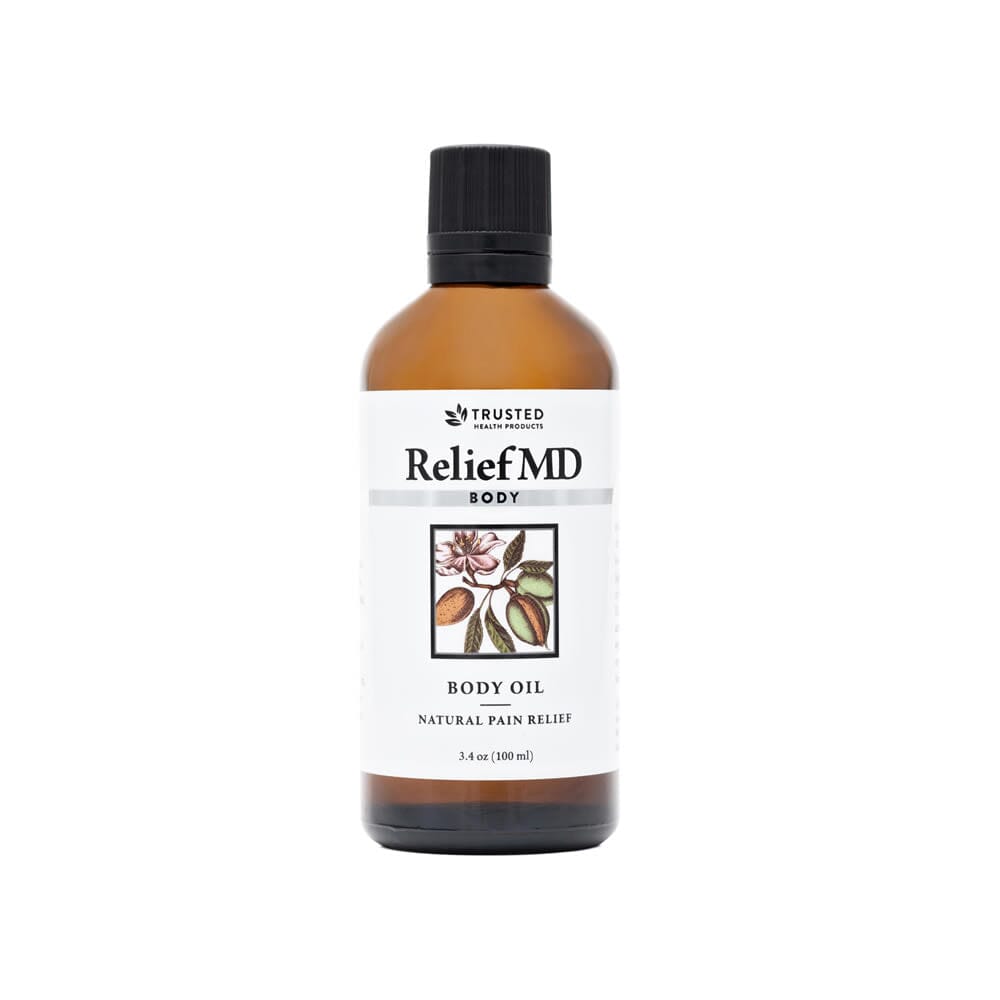
Massage does not decompress a nerve root. It does release the muscle tension that builds around a painful area. A Cochrane review of massage for low-back pain found short-term pain benefits across twenty-five trials. The same review rated the overall evidence quality as low. Trusted Health Products stocks ReliefMD Body Oil for readers who want a plant-based massage medium. Technique still decides the outcome. Slow, firm strokes along the glutes and hamstrings beat fast, shallow rubbing.
Immediate Relief for Sciatica Pain: What Actually Works Fast
Anyone researching how to relieve sciatica pain wants a fast answer. No home method erases nerve pain instantly. Several reduce it fast enough to matter.
A short walk often eases pain more than staying seated. Lying on the back with knees raised on a cushion unloads the lumbar spine. A cold pack on the lower back dulls a sharp flare within ten minutes.
Medication offers less than many people expect. NHS guidance notes that paracetamol is unlikely to help sciatica. The evidence for ibuprofen and similar drugs remains unclear. A pharmacist can advise on suitable options for an individual case.
Sciatica Pain Treatment Options Beyond Home Care
Physical therapy anchors most clinical plans. A therapist builds a program around the specific cause and the person's movement limits. Many health systems now allow direct access without a referral.
Doctors prescribe stronger medication when pain blocks sleep or walking. Epidural steroid injections target inflammation around the affected nerve root. Surgeons reserve operations for persistent pain or progressive leg weakness. Most people recover without ever reaching that stage.
What to Weigh Before Choosing a Sciatica Relief Method
Four factors separate the options.
Speed. Cold packs act within minutes. Physical therapy delivers results over several weeks.
Cause. Piriformis-related pain responds well to stretching and soft tissue work. Disc-related compression usually needs a structured therapy plan.
Cost and access. Home care costs almost nothing. Imaging, injections, and specialist appointments cost far more.
Evidence strength. Movement and physical therapy carry the strongest research support. Massage and topical oils carry weaker, shorter-term support. Honest expectations prevent wasted weeks on a single approach.
Where Botanical Massage Oils Fit Into a Sciatica Routine
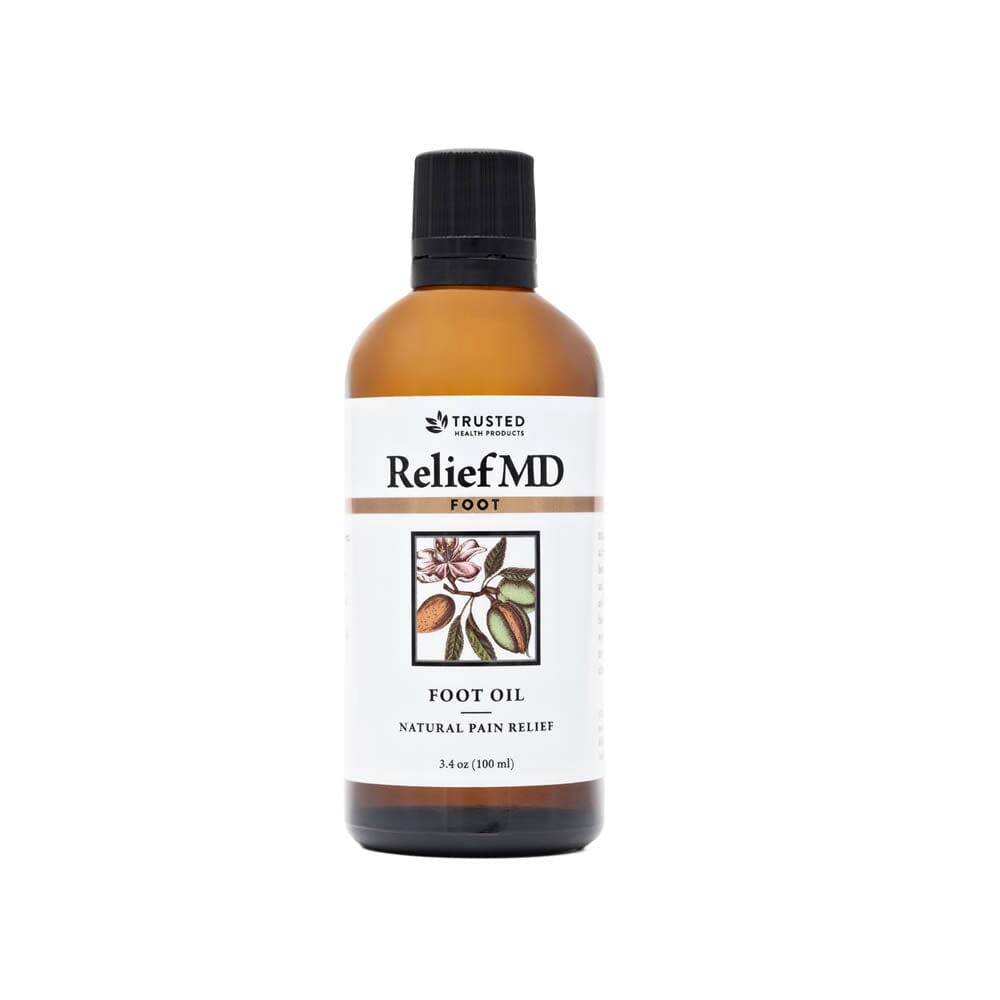
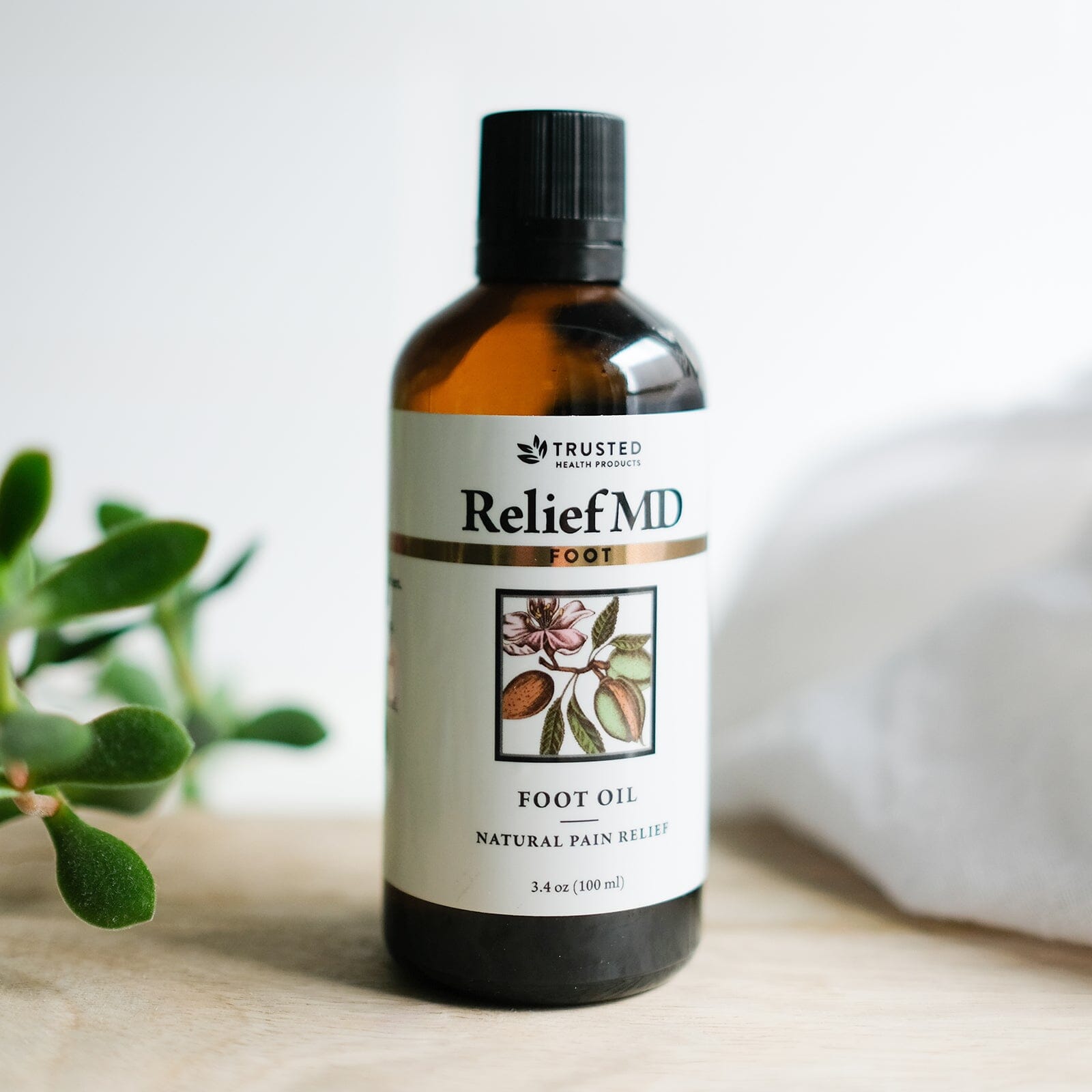
Trusted Health Products builds the ReliefMD line around plant oils rather than synthetic gels. ReliefMD Body Oil blends eucalyptus, peppermint, wintergreen, camphor, lavender, and sweet almond oil. Those botanicals create a cooling sensation and support circulation during massage. ReliefMD Foot Oil uses a more concentrated blend for the thicker skin of the feet and ankles.
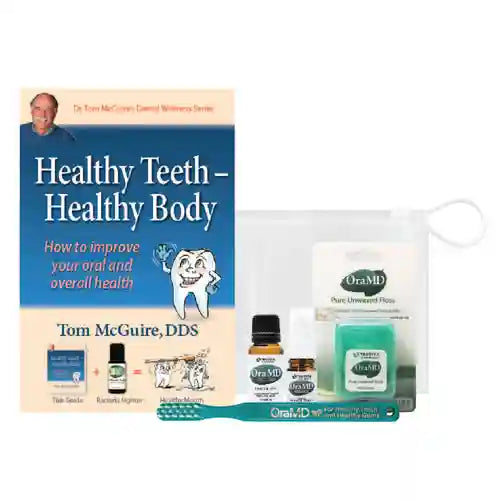
Sciatica frequently refers pain into the calf and foot. Massage on those areas can ease the secondary tension that builds there. Trusted Health Products offers the essential oils for muscle pain bundle for readers who want both formats. Neither oil treats nerve compression. Both act as a massage medium and a skin-friendly carrier.
Technique changes results more than formula strength. A thin, workable layer covers the area without waste. Evening application suits chronic stiffness better than one rushed daytime pass. The brand's guide on how to use pain relief oil breaks down timing and pressure.
Certification deserves scrutiny. Terms like "natural" and "chemical free" carry no legal definition in most markets. Independent schemes such as the COSMOS-standard for organic and natural cosmetics verify ingredient sourcing, processing, and labelling. Shoppers who value verified claims should look for a certifier's mark rather than marketing language. The full all natural muscle pain relief range lists complete ingredients on every product page. Ingredient transparency lets buyers check for known allergens before use.
Warning Signs That Need Urgent Medical Care
Some symptoms rule out self-care completely. Emergency services treat the following as urgent:
-
Numbness around the groin, buttocks, or inner thighs
-
Loss of bladder or bowel control
-
Sudden or worsening weakness in both legs
-
Sciatica that starts after a fall or serious accident
-
Fever alongside severe back pain
These signs can point to cauda equina syndrome. Delay risks permanent nerve damage. Anyone with these symptoms should seek emergency care straight away.
Key Takeaways
Anyone working out how to relieve sciatica pain should combine methods rather than pick one. Movement protects recovery. Heat, cold, and sleep positioning manage day-to-day discomfort. Massage releases the muscle tension that builds around an irritated nerve.
Home care supports the process without replacing medical assessment. Readers building a daily comfort routine can review the ReliefMD relief oil range. Every product page lists the full ingredient breakdown. Anyone whose pain persists past six weeks should speak to a clinician.