4 Apricot Kernel Oil Benefits: What the Science Says About This Lightweight Carrier Oil
April 15, 2026
Author: Kenneth Melicado
Tags:
Apricot kernel oil sits quietly in the shadow of more heavily marketed plant oils. Yet its nutrient profile, light texture, and broad application range make it one of the most versatile carrier oils available. Apricot kernel oil benefits span skin hydration, hair moisture retention, scalp health, under-eye care, and foot conditioning. Understanding what is inside this oil — and why those compounds matter — helps consumers make confident, informed choices about what goes on their bodies.
What Is Apricot Kernel Oil and Where Does It Come From?
Apricot kernel oil comes from the seeds found inside the pits of Prunus armeniaca, the apricot tree. The apricot tree has a history spanning thousands of years, with cultivation documented across ancient cultures for both nutritional and medicinal purposes. The fruit originated in China and spread to Armenia, Europe, and eventually the Americas through Spanish explorers. The kernels were used as a staple in Chinese and Ayurvedic medicine for their healing properties.
Oils extracted from apricot cultivars have an average saponification value of 189 mg of KOH per gram of oil, with oleic acid making up roughly 70.70% of total fatty acids, followed by linoleic acid at 22.41%, palmitic acid at 3.14%, and stearic acid at 1.4%. This fatty acid distribution directly explains the oil's light feel and fast absorption rate. The high proportion of unsaturated fats keeps viscosity low, which means the oil spreads easily and penetrates the upper skin layers without sitting on the surface.
Cold-pressed extraction preserves the oil's natural vitamin content and antioxidant activity. Refined versions are more stable for cosmetic manufacturing but may lack some of the bioactives present in cold-pressed forms.
The Fatty Acid Profile That Makes Apricot Kernel Oil Effective
Fatty acid composition determines how a plant oil behaves on skin and hair. Apricot oil is primarily composed of omega-9 oleic acid and omega-6 linoleic acid. This richness in unsaturated fatty acids is the source of many of its documented benefits.
Oleic acid (omega-9) reinforces the skin's natural lipid barrier. It helps trap moisture inside the epidermis and supports cell membrane integrity. Linoleic acid (omega-6) contributes anti-inflammatory activity and aids in repairing compromised skin barriers, making it especially useful for dry or reactive skin types.
The oleic and linoleic acids in apricot kernel oil create a protective layer around the skin and prevent moisture loss. The soothing properties make it suitable for sensitive skin and compatible with formulas designed for inflamed skin.
Beyond fatty acids, the oil also carries vitamins A and E. Vitamin A supports cell turnover, helping the skin renew damaged surface cells. Combined with beta-carotene, a vitamin A precursor, apricot kernel oil supports skin repair, improves elasticity, and helps protect against premature aging caused by UV exposure and environmental stress. Vitamin E acts as a lipid-soluble antioxidant, neutralizing free radicals that break down collagen over time.
Apricot Kernel Oil Benefits for Skin: Hydration Without the Grease
One of the most consistent reports from users and formulators alike is that apricot kernel oil hydrates deeply without leaving an oily film. It is lightweight, non-greasy, and easily absorbed by the skin. The oil deeply hydrates dry, flaky, or irritated skin and improves softness and elasticity. It is suitable for all skin types, especially sensitive or mature skin.
When applied topically, the emollient properties of apricot kernel oil help exfoliate and moisturize the skin, helping it retain moisture, eliminating patches of dry skin, and relieving inflammatory conditions such as rosacea, psoriasis, and eczema.
Its high vitamin A content promotes skin cell turnover, aiding in the healing of scars, blemishes, and minor injuries. It can also be beneficial for conditions like eczema and psoriasis.
For anti-aging applications, apricot oil helps fight free radicals and oxidative stress — two key contributors to premature aging. Regular use can minimize the appearance of fine lines, wrinkles, and dullness.
Trusted Health Products offers the Earth & Elm Nourishing Face Oil and Earth & Elm Nourishing Body Oil for consumers seeking plant-based facial and body hydration rooted in clean, natural ingredients.
Is Apricot Kernel Oil Safe for Acne-Prone and Sensitive Skin?
This question stops many consumers before they commit to a facial oil. The concern is valid: some heavier oils block pores and worsen breakouts. Apricot kernel oil is known to be non-comedogenic, meaning it does not clog pores, making it a popular choice for sensitive, dry, and acne-prone skin alike.
That said, a nuance exists. Both expeller and cold-pressed apricot kernel oil carry a comedogenicity rating of 2 due to the high percentage of oleic acid. Therefore, some people with acne or clog-prone skin might experience mild comedogenicity. Blending apricot kernel oil with a non-comedogenic oil such as hemp seed oil is recommended for oil cleansers and serums, rather than using it at 100% concentration.
For most skin types, including sensitive and reactive complexions, the oil is well-tolerated. A patch test on the inner forearm before full facial application is a standard precaution with any new topical oil.
For oily, hormone-reactive, or combination skin types that need to balance hydration without contributing to breakouts, apricot kernel oil's light texture offers long-lasting hydration without leaving a greasy residue.
Apricot Kernel Oil for the Face: Under-Eye Care and Brightening
Using apricot kernel oil around the eye area addresses two common concerns: puffiness and dark discoloration. The skin under the eyes is among the thinnest on the body. It absorbs light oils rapidly and responds well to anti-inflammatory compounds.
The linoleic acid content calms capillary inflammation that contributes to under-eye redness and puffiness. Vitamin E reduces oxidative damage to the delicate periorbital tissue. Vitamin A encourages surface cell turnover, which can help reduce the appearance of discoloration over consistent use.
Applying a very small amount — one or two drops — to clean fingertips and pressing gently around the orbital bone is sufficient. Rubbing or dragging the under-eye area can worsen the puffiness it is meant to address, so light tapping application works better. Apricot kernel oil absorbs quickly enough that it suits use under makeup without creating a barrier that interferes with foundation adhesion.
Those seeking a full natural skincare approach can explore the Earth & Elm Set from Trusted Health Products, which pairs the face oil and body oil for comprehensive skin nourishment.
Apricot Kernel Oil Benefits for Hair: Moisture, Shine, and Scalp Health
Hair care is an underreported application for apricot kernel oil, yet the research supporting it is substantive. Beyond its moisturizing and anti-inflammatory properties, apricot oil has demonstrated its ability to reduce oxidative stress within cells and eliminate free radicals. This antioxidant activity is particularly beneficial in protecting hair follicles at the root, which are vulnerable to free radical attacks.
Many people use this oil on hair and scalp. It strengthens weak hair strands and promotes the health of hair follicles. It can reduce the levels of certain chemicals that accumulate in the scalp in response to testosterone, which can slow hair growth and even lead to hair loss. Rubbing the oil into the scalp also reduces inflammatory conditions such as dandruff.
For use as a hair sealant, apricot kernel oil works at the end of a wash routine. Apply it to damp hair — not soaking wet — to lock in the moisture already present. The oil forms a light film over the hair shaft that slows moisture evaporation without making hair feel coated or heavy. It is recommended to incorporate a few drops into shampoo and not to apply it pure on the scalp, as the oil has a relatively greasy texture at the root.
Cold-weather months present specific challenges for hair. Low humidity and indoor heating strip moisture from the hair shaft faster than it can be replenished. A weekly pre-shampoo treatment with apricot kernel oil, left on for 30 minutes before washing, helps restore the hydrolipidic balance of the scalp and improve strand suppleness.
Using Apricot Kernel Oil as a Natural Foot Scrub Base
Feet take sustained mechanical stress and are among the last body parts to receive regular moisturizing attention. The heel and ball of the foot develop thick, dry skin that resists standard lotion formulas. Apricot kernel oil penetrates faster than many heavier oils and carries its emollient properties through even calloused surface layers.
A simple three-ingredient foot scrub works as follows: combine fine granulated sugar with apricot kernel oil and a small amount of freshly grated ginger. The sugar provides physical exfoliation, removing dead skin cells that prevent moisture from reaching the layers below. The apricot kernel oil delivers hydration to the newly exposed skin. Ginger contributes antioxidant activity and mild circulatory stimulation to the local tissue.
Use the scrub on dampened feet in the shower or bath. Massage in circular motions across the heel, arch, and ball of the foot for two to three minutes. Rinse thoroughly and apply a few additional drops of apricot kernel oil to still-damp feet before drying. The damp application method helps the oil absorb more effectively than application to fully dry skin.
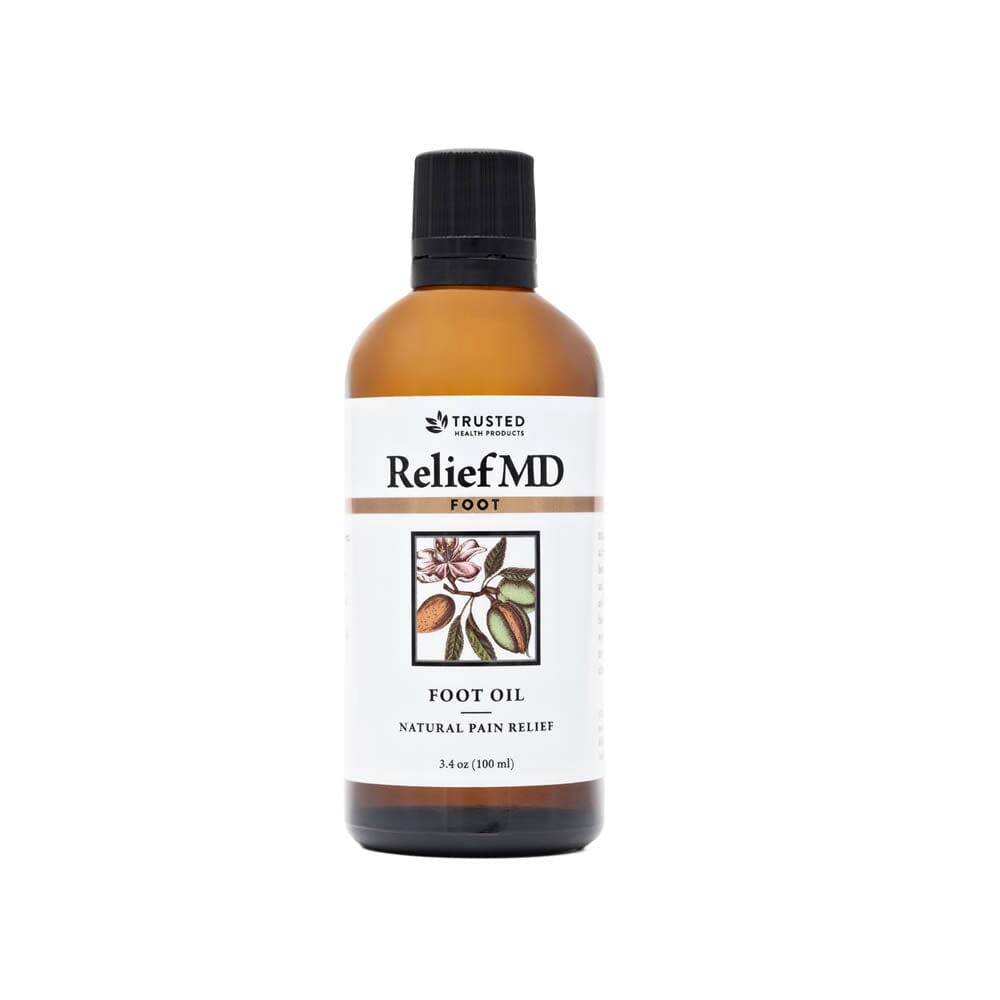
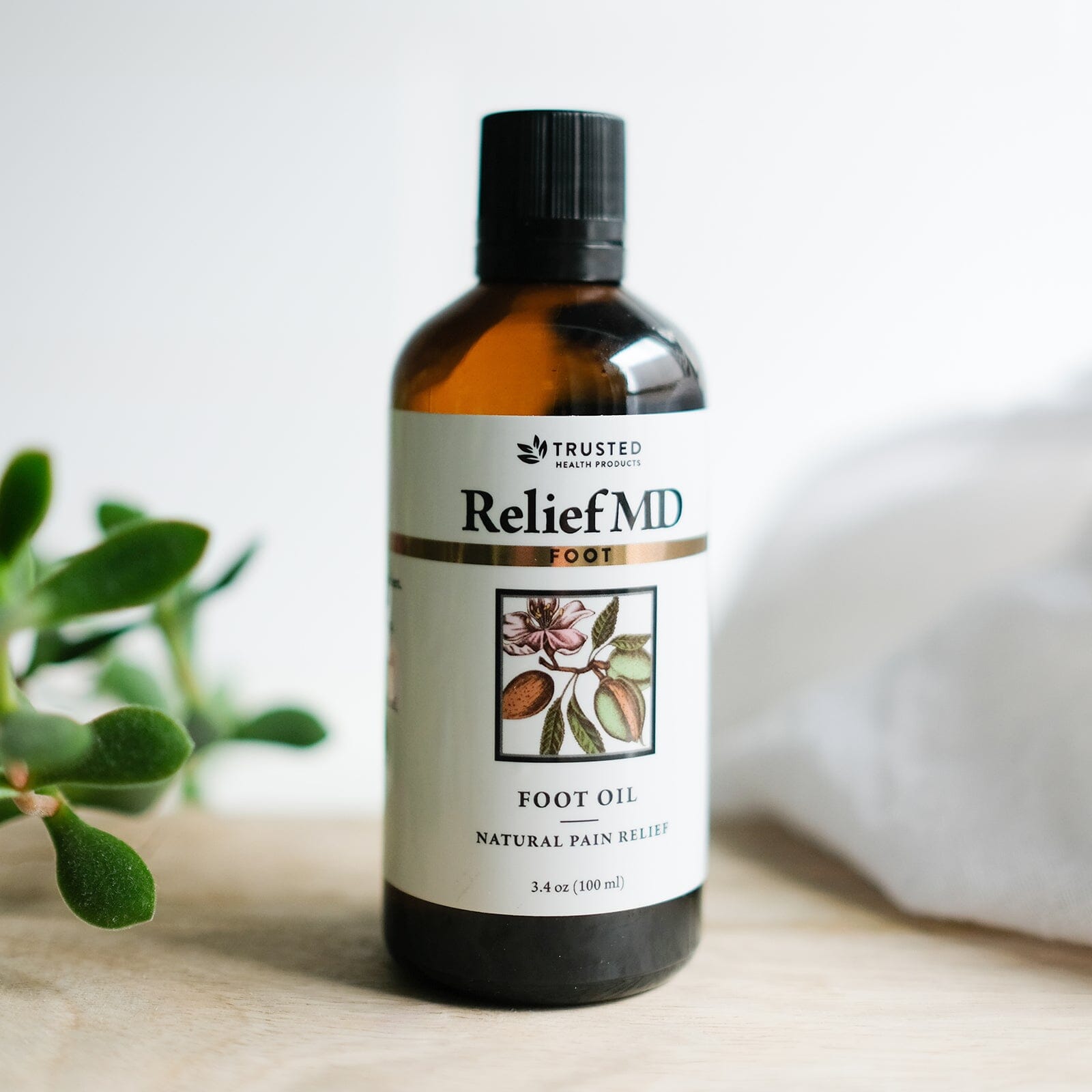
For consumers who want targeted foot support from a formulated product, Trusted Health Products carries ReliefMD Foot Oil, which uses natural oil-based ingredients for foot and sole care.
Apricot Kernel Oil vs. Almond Oil: Choosing Between Similar Carrier Oils
Both apricot kernel oil and almond oil are light, pale-yellow carrier oils with mild nutty aromas and overlapping fatty acid profiles. The comparison is worth addressing because consumers often encounter both when shopping for natural skin and hair oils.
The key practical difference is allergen considerations. Those with nut allergies who want to experience the healthful properties of oils such as sweet almond carrier oil can benefit from substituting it with apricot kernel oil.
Apricot kernels come from a stone fruit rather than a true tree nut, which may make the oil tolerable for some individuals who react to almond-derived products — though anyone with a serious tree nut or stone fruit allergy should consult a healthcare professional before use.
In terms of absorption, both oils sit at similar rates. Apricot kernel oil tends to have a slightly thinner viscosity, which some users prefer for facial application. Almond oil has a marginally higher vitamin E concentration in some comparative analyses. Either oil suits a massage base, leaving-in hair treatment, or body moisturizer role effectively.
How to Store and Use Apricot Kernel Oil at Home
Apricot kernel oil oxidizes when exposed to light, heat, and oxygen. Proper storage preserves the fatty acids and vitamins that give the oil its efficacy.
Store the oil in a dark glass bottle, away from direct sunlight and heat sources. A cool cupboard or drawer works well. Refrigeration extends shelf life but may cause the oil to cloud temporarily at low temperatures — this is normal and reverses at room temperature. When stored properly, apricot carrier oil typically lasts up to one year.
For topical use, two to four drops is sufficient for the face. More is not more effective. Excess oil that the skin cannot absorb will simply sit on the surface and may interfere with makeup or attract environmental particles. For hair and body, quantity scales with the surface area being treated.
Conclusion
Apricot kernel oil brings a well-supported nutrient profile to skin, hair, and body care. Its oleic and linoleic acid content supports barrier function and moisture retention. Its vitamin A and E concentrations provide antioxidant and cell-renewal activity. Its light viscosity makes it accessible for face, scalp, foot, and massage applications without the heaviness that discourages consistent use.
The benefits of apricot kernel oil are not marketing claims — they trace directly to the oil's measurable fatty acid and vitamin content, confirmed across multiple published analyses. Consumers choosing natural care options benefit from understanding this foundation.
For those looking to integrate clean, oil-based skincare into a daily routine, Trusted Health Products stocks the Earth & Elm Nourishing Face Oil and Earth & Elm Nourishing Body Oil — formulated with natural ingredients for consumers who prioritize what they put on their skin.