
How to Heal Cracked Heels: A Practical Guide
July 28, 2026
Author: Team Farrisi
Tags:
Rough, cracked heels rarely show up overnight. Dry skin builds up slowly, then splits under daily pressure. Learning how to heal cracked heels starts with understanding why they crack in the first place. This guide breaks down the causes, the warning signs, and the daily habits that support smoother feet.
Why Cracked Heels Happen So Often
Feet carry the full weight of the body with every step. That constant pressure thickens the skin around the heel rim over time. Thickened skin loses flexibility and cracks more easily under stress.
Dry climates, hot showers, and open-back shoes all speed up the process. Standing for long stretches on hard floors adds even more strain. Understanding these everyday triggers makes prevention far more manageable.
What Causes Cracked Heels?
Dry skin sits at the center of most cracked heel cases. The American Academy of Dermatology points to cold weather, walking barefoot, and long hot showers as common triggers. Thick callus around the heel edge often forms first. That callus loses moisture and splits when weight presses down on it.
Being overweight increases pressure on the natural fat pad under the heel. Open-back shoes let that fat pad spread sideways, adding further strain on the skin. Certain health conditions raise the risk too. MedlinePlus explains that dry skin develops when skin loses too much water and natural oil. Thyroid issues and skin conditions like eczema can make heels more prone to dryness.
Why Are My Heels Cracking More Than Before?
Heels that suddenly worsen often point to a change in daily habits. Longer, hotter showers strip natural oils from the skin faster. A new pair of open-back sandals can add fresh pressure on the heel rim. Cooler, drier weather pulls moisture from the skin more quickly each season. Reduced moisturizing during a busy stretch also allows dryness to build. Tracking recent changes in routine often reveals the simple cause behind worsening cracks.
How to Heal Cracked Heels at Home
Healing starts with restoring lost moisture and reducing pressure on the heel. Soaking feet in warm water for ten minutes softens thickened skin first. A pumice stone or foot file then gently removes dead, flaky layers.
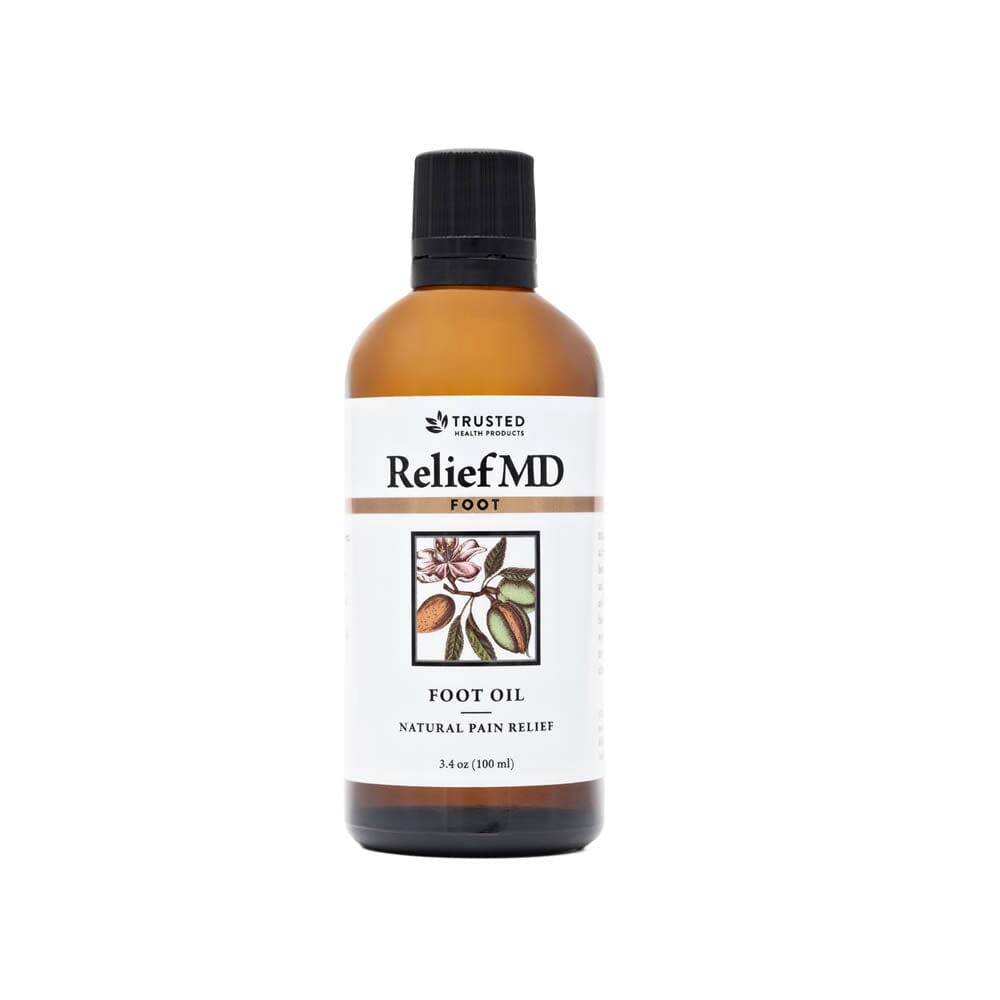
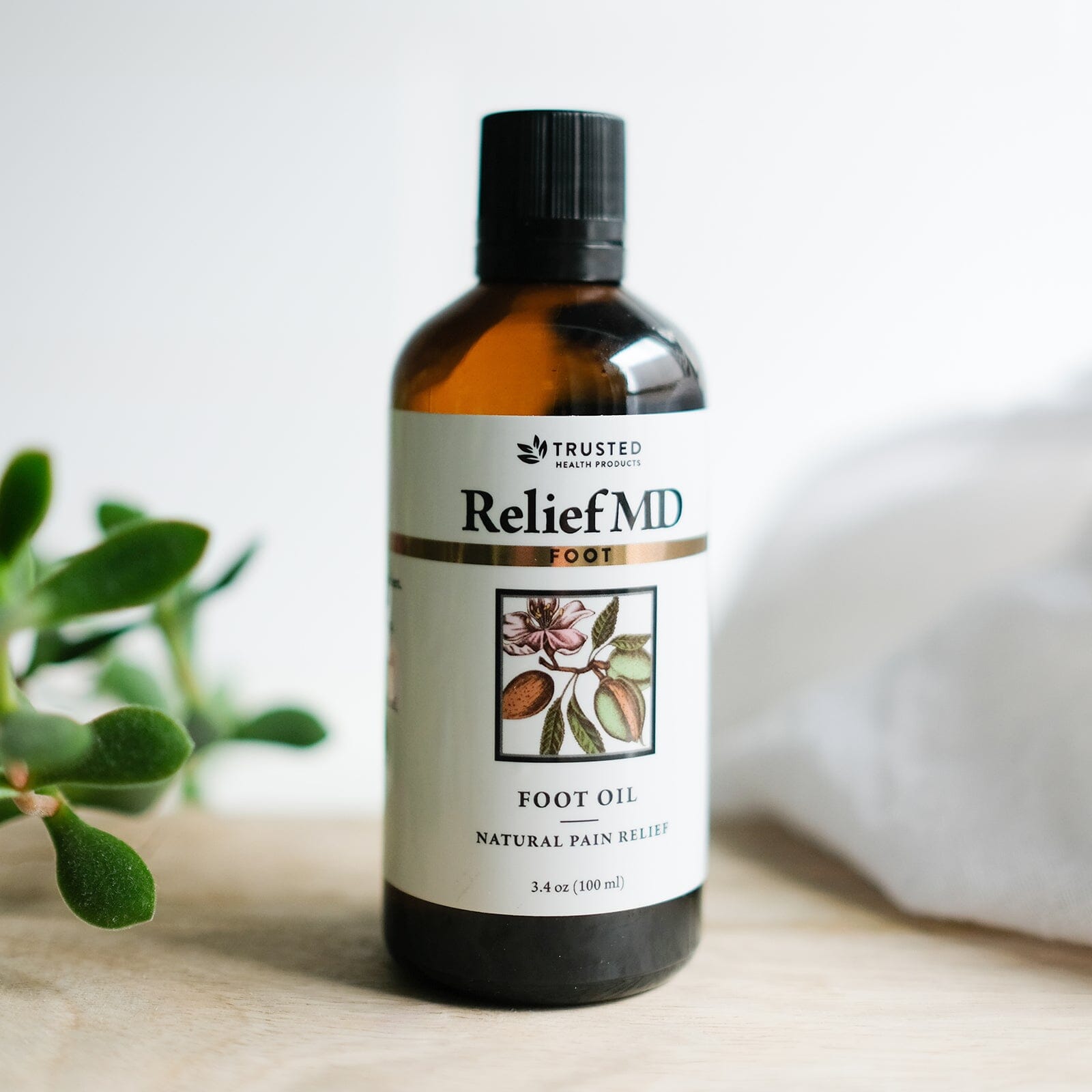
Moisturizer applied right after soaking locks in the most hydration. The AAD recommends creams with urea, alpha hydroxy acid, or salicylic acid for stubborn dryness. Trusted Health Products offers the ReliefMD Foot Oil for readers building a simple after-shower foot care habit.
Consistent daily care, not a single treatment, produces the most noticeable results over time.
Moisturizer for Cracked Heels: What to Look For
Not every moisturizer works equally well on thick, cracked heel skin. Thicker creams and balms trap moisture better than light lotions. Ingredients like glycerin, shea butter, and natural plant oils support the skin barrier.
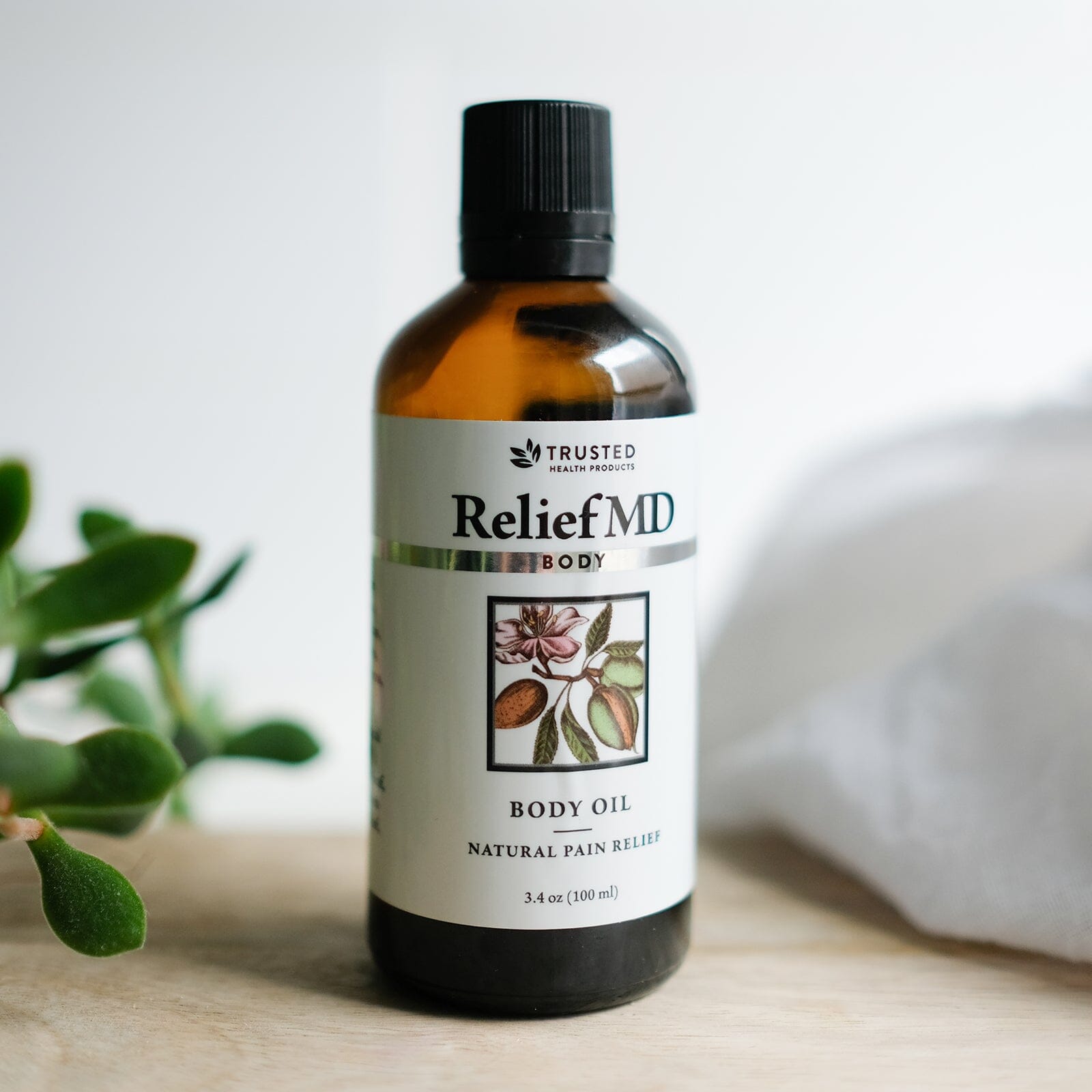
Petroleum jelly applied before bed helps seal in moisture overnight. Wearing socks afterward protects bedding and boosts the effect. Trusted Health Products carries the Earth & Elm Nourishing Body Oil for readers seeking a lightweight, natural option for daily moisturizing. Applying product to slightly damp skin, right after bathing, generally improves absorption.
Heel Cracks Ointment vs Daily Moisturizer: Choosing the Right Option
A standard moisturizer works well for mild dryness and light surface cracking. A heavier ointment or balm suits deeper cracks that catch on socks or cause pain. Liquid bandages offer another layer of protection during the day.
They cover open cracks and help reduce pain while walking. Ointments and liquid bandages both work best alongside, not instead of, daily moisturizing. Combining a gentle daily habit with targeted treatment tends to heal cracks faster than either step alone.
When Cracked Heels Signal a Bigger Issue
Most cracked heels respond well to consistent home care within a few weeks. Some cases point toward an underlying health condition instead. The CDC lists dry, cracked skin on the feet as a common sign among people with diabetes.
Reduced blood flow and nerve changes can slow healing and hide early pain signals. The National Institute of Diabetes and Digestive and Kidney Diseases recommends daily foot checks for anyone managing diabetes. Anyone with diabetes, poor circulation, or heels that keep splitting despite care should see a health care provider.
Deep cracks that bleed, ooze, or show signs of infection also need prompt medical attention.
Building a Daily Foot Care Routine
Small, consistent habits prevent most cracked heels from forming in the first place. Short, lukewarm showers protect natural oils better than long, hot ones. Gentle, fragrance-free cleansers help feet hold onto moisture during washing.
Moisturizing within minutes of bathing locks hydration into slightly damp skin. Trusted Health Products offers the Natural Skincare Bundle for readers building a full daily routine from morning through night. A weekly pumice session keeps callus buildup from thickening the heel rim. Supportive, closed-back shoes reduce pressure on the heel throughout the day.
Conclusion
Learning how to heal cracked heels comes down to consistent, simple daily care. Moisturizing after bathing, gentle exfoliation, and supportive shoes address most cases at home. Watching for deeper cracks, bleeding, or slow healing helps catch bigger issues early.
Trusted Health Products stocks the All-Natural Skin Care collection for readers ready to build a fuller foot and body care routine.