Gum Boil vs Abscess: What Sets Them Apart
July 17, 2026
Author: Team Farrisi
Tags:
Dental problems rarely fix themselves. A minor gum boil sometimes calms down with consistent care at home. A true abscess behaves differently. It marks a bacterial infection trapped beneath the gum surface.
Left alone, that infection can spread to the jaw or bloodstream. Confusing a boil with an abscess can delay treatment. Delayed treatment raises the risk of tooth loss and further infection. Learning the difference supports faster, safer choices for anyone facing gum pain.
What Is a Gum Boil?
A gum boil is a small, raised bump on the gum tissue. It often resembles a pimple in size and shape. The surface may look white, yellow, or red. A gum boil usually forms from a localized irritation.
Trapped food particles near the gum line can trigger one. Plaque buildup along the gum edge is another common cause. Mild cases feel tender but rarely cause severe, ongoing pain. Some gum boils drain small amounts of fluid and shrink on their own. Others linger and need professional attention to fully clear.
What Is a Gum Abscess?
A gum abscess develops when bacterial infection pushes deeper into gum or tooth tissue. Pus collects in a pocket beneath the surface. That pocket creates pressure, swelling, and often sharp, throbbing pain. An abscess frequently traces back to an untreated cavity or a cracked tooth. Advanced gum disease is another common trigger.
According to the CDC, periodontal disease involves ongoing infection and inflammation of the tissue and bone that support the teeth. Left unmanaged, that inflammation can progress into a periodontal abscess. Unlike a simple boil, an abscess rarely resolves without dental treatment.
Gum Boil vs Abscess: Key Differences
The gum boil vs abscess comparison comes down to depth, pain level, and cause. A gum boil sits close to the surface. It usually causes mild tenderness and stays small. A gum abscess forms deeper in the tissue.
It brings noticeable swelling, throbbing pain, and sometimes fever. A boil often links to surface-level irritation, like trapped debris. An abscess links to bacterial infection reaching the tooth root or gum pocket.
MedlinePlus notes that a tooth abscess causes a severe, continuous toothache that does not stop on its own. That constant pain pattern rarely appears with a simple gum boil. Size, pain intensity, and duration all help separate the two conditions.
Symptoms to Watch For
Certain signs point toward a gum boil rather than an abscess. A small white or red bump with mild tenderness fits this pattern. Little to no swelling in the surrounding face or jaw also fits. Other signs point toward a gum abscess instead.
Throbbing pain that worsens over time is a strong signal. Swelling in the face, cheek, or jaw often accompanies an abscess. A bad taste from draining pus can also appear. Fever or swollen lymph nodes in the neck suggest the infection has spread further.
Anyone noticing these more serious signs should contact a dentist promptly.
Causes and Risk Factors
Several habits and conditions raise the risk of both problems. Poor brushing and flossing routines allow plaque to build along the gum line. That buildup can irritate tissue and lead to a gum boil. Untreated cavities create an entry point for bacteria to reach the tooth pulp.
Cracked or chipped teeth create a similar opening for infection. Gum disease that goes untreated can progress into deeper pockets of infection. The Mayo Clinic lists poor dental hygiene and a diet high in sugar among the leading risk factors for a tooth abscess.
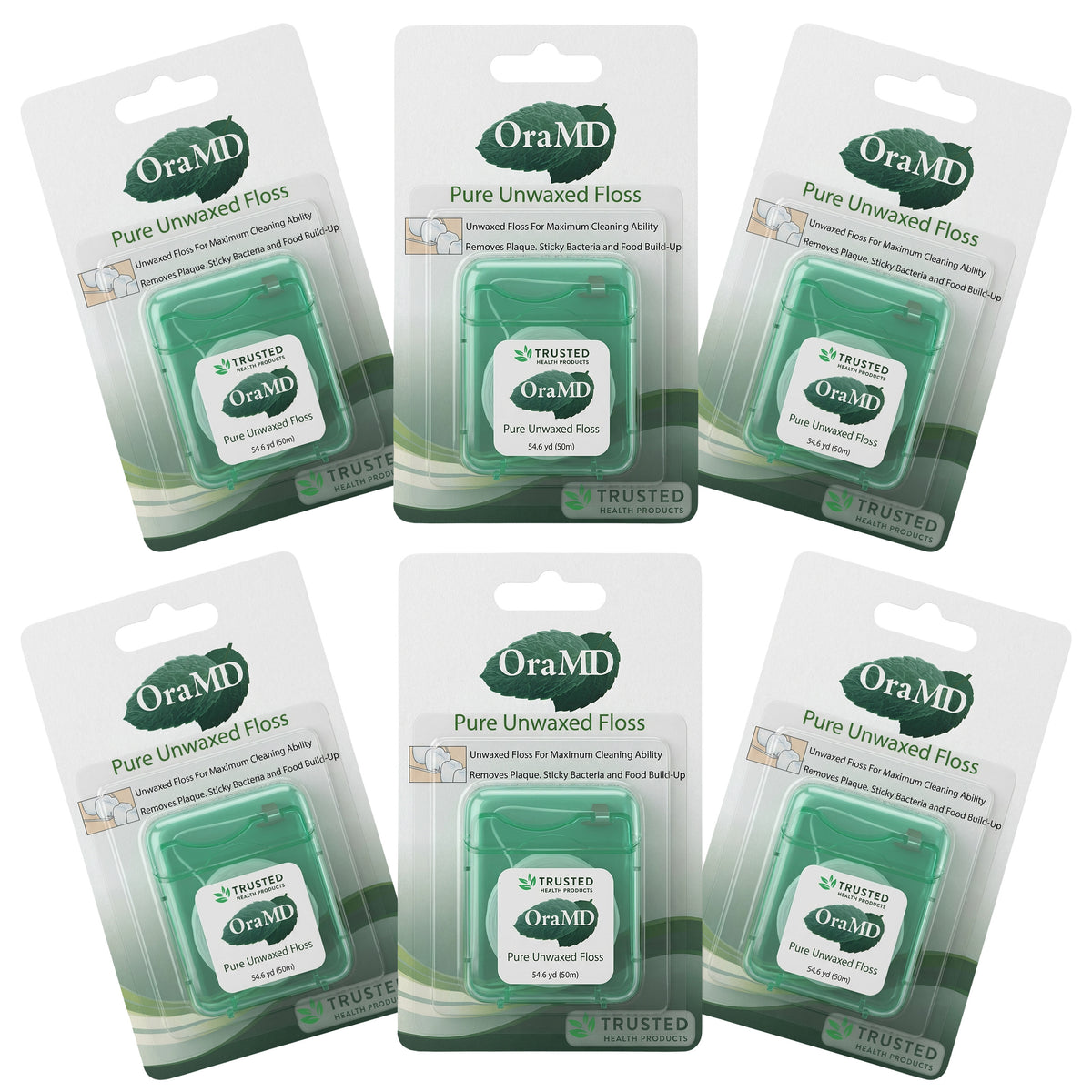
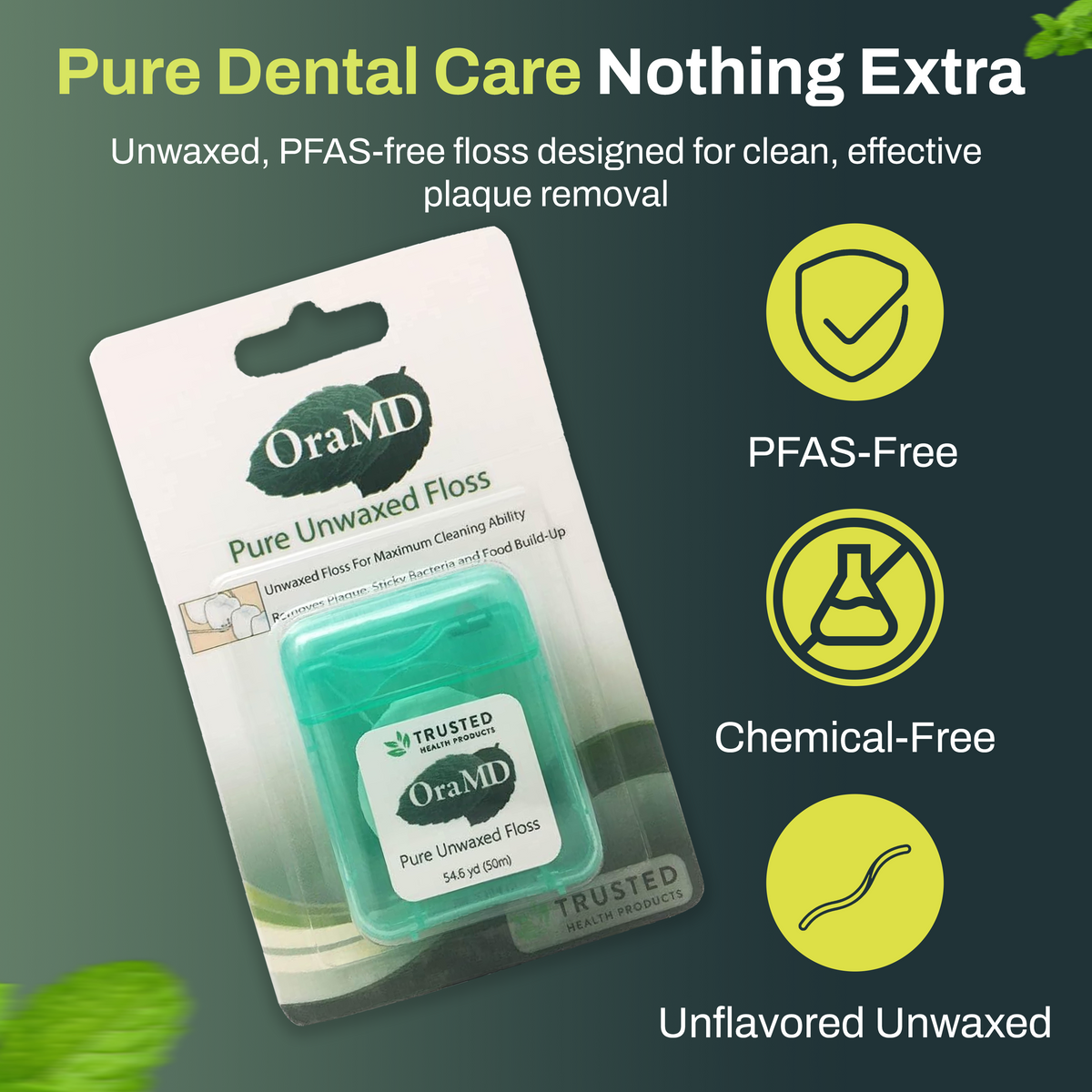
Trusted Health Products stocks OraMD Pure Unwaxed Dental Floss for readers looking for a gentle daily habit that helps clear debris from the gum line.
Is a Gum Boil Dangerous?
A simple gum boil is usually not an emergency. Most cases stay small and cause only mild discomfort. Still, any boil that grows, hardens, or returns repeatedly deserves a dental check.
Recurring boils can signal a low-grade infection that needs treatment. Ignoring the pattern allows bacteria to keep irritating the tissue. A single dental visit can confirm whether the bump is harmless or an early abscess forming beneath the surface.
Choosing the Right Response
Deciding how to respond starts with watching the bump closely for two or three days. A boil that shrinks and causes little pain often needs only better hygiene. A bump that grows, hardens, or brings sharp pain needs a dentist visit.
Anyone with facial swelling, fever, or trouble swallowing should seek care right away. The National Library of Medicine explains that an untreated abscess can lead to serious complications beyond the mouth. That risk makes prompt evaluation the safer path whenever symptoms feel severe or persistent.
Supporting Gum Health at Home
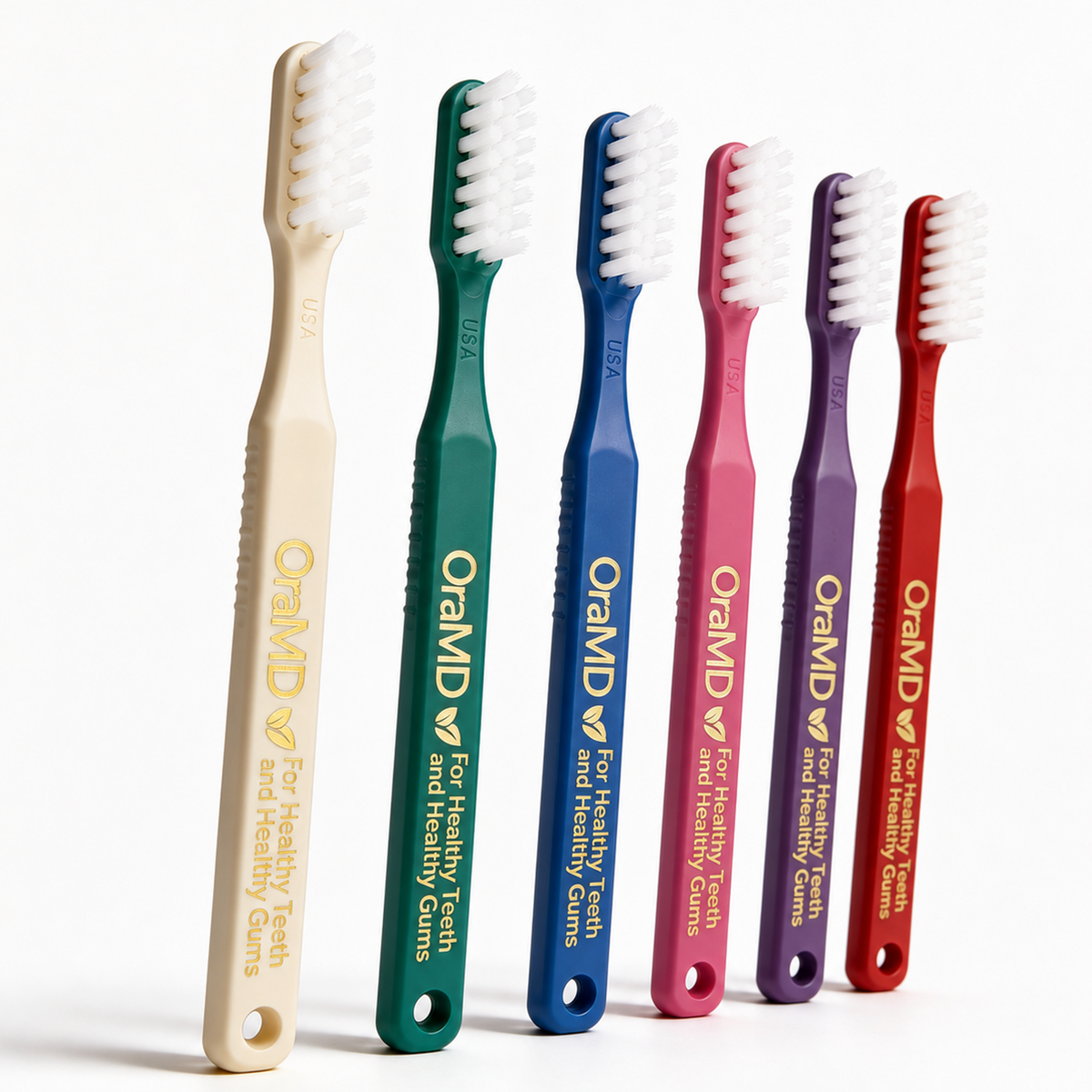
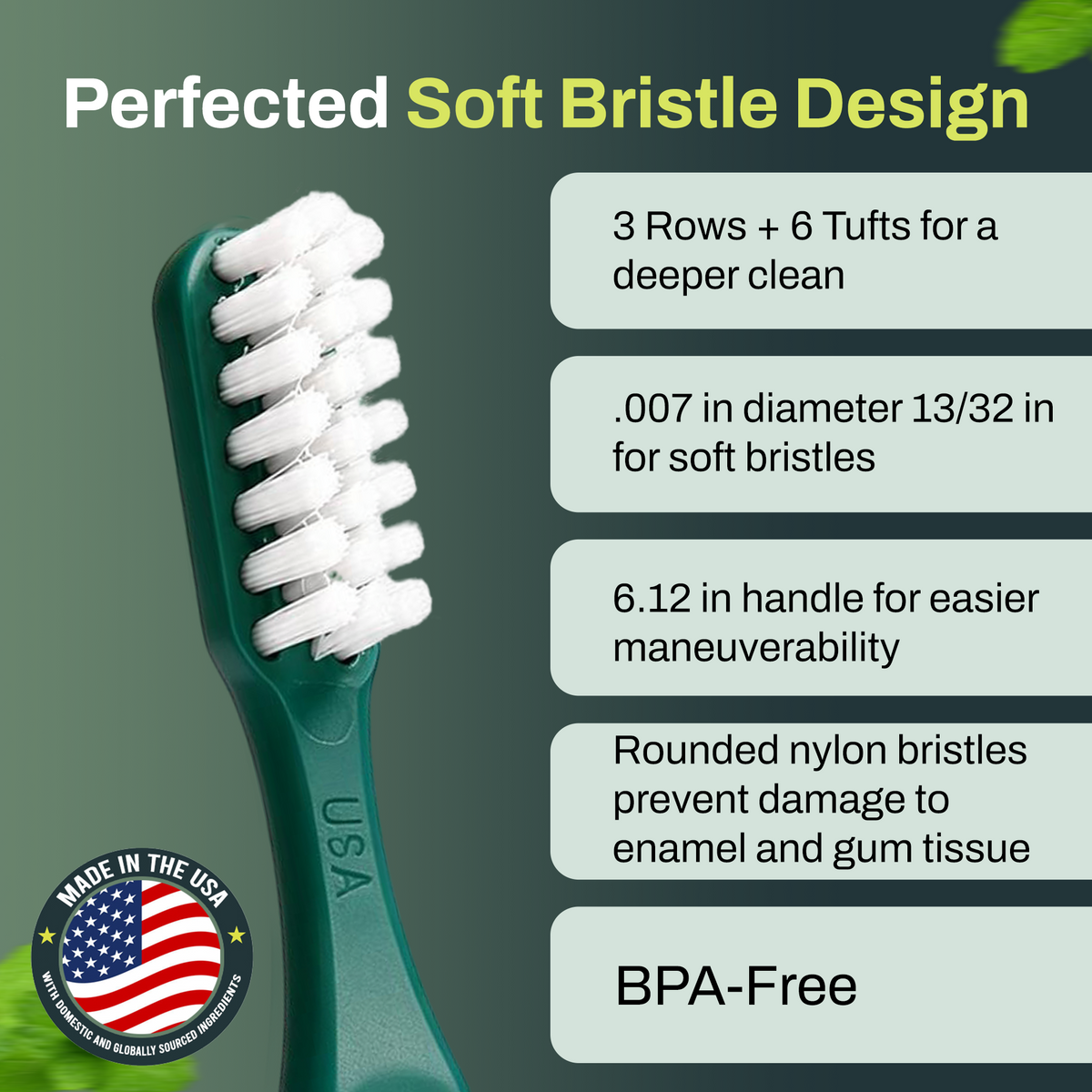
Daily habits play a major role in preventing both gum boils and abscesses. Gentle, consistent oral care removes the plaque and debris that trigger irritation. A soft-bristle routine paired with the right products supports healthier gum tissue over time.
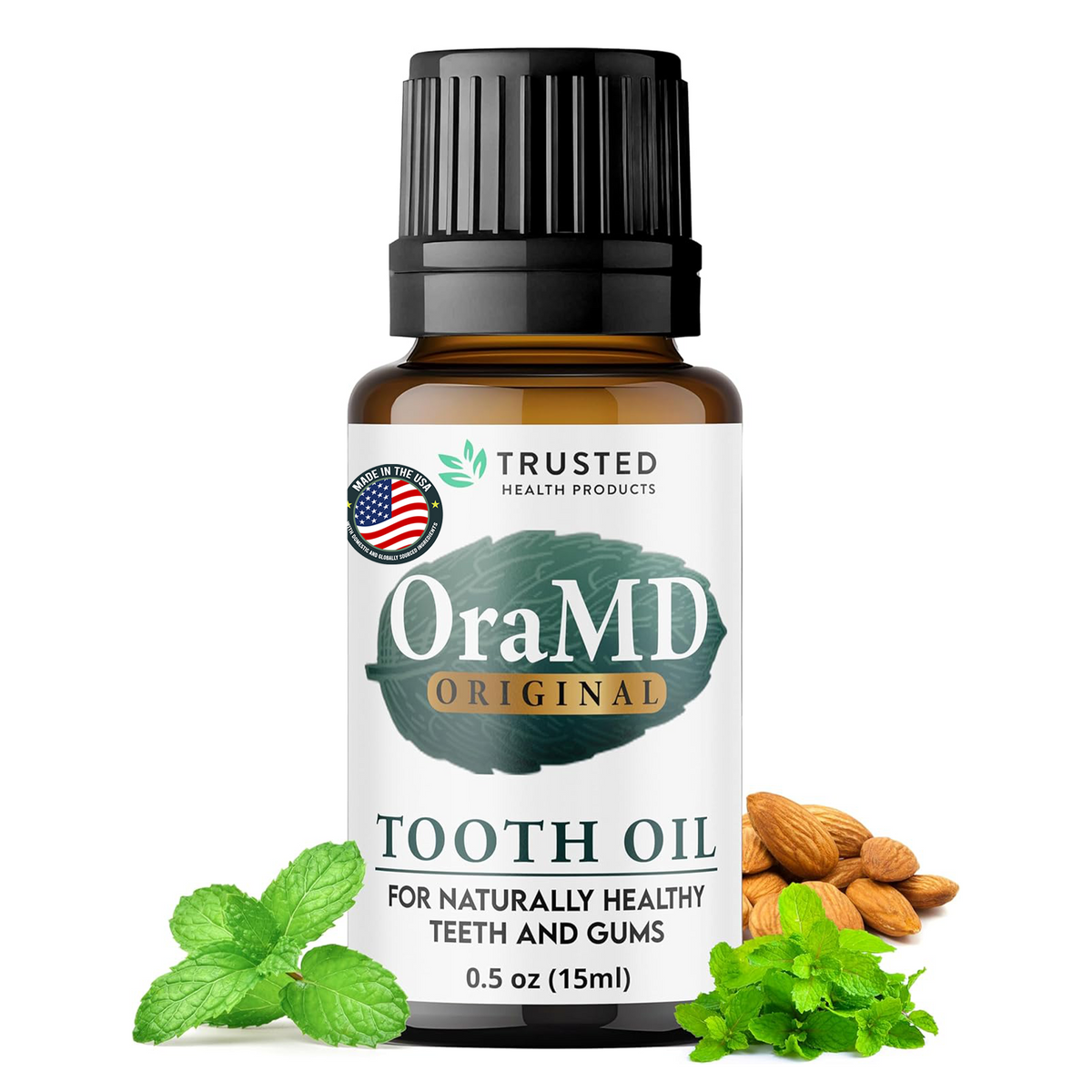
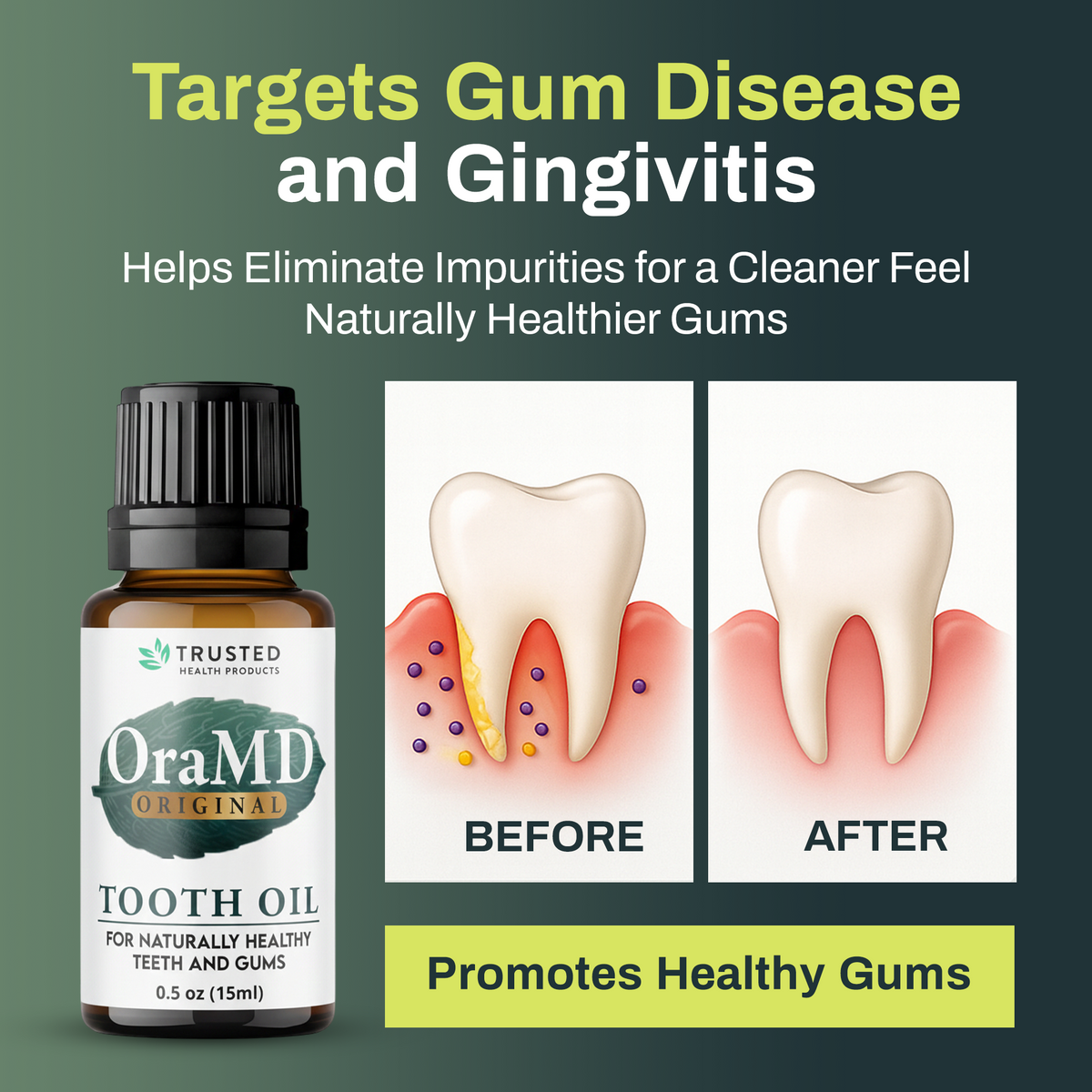
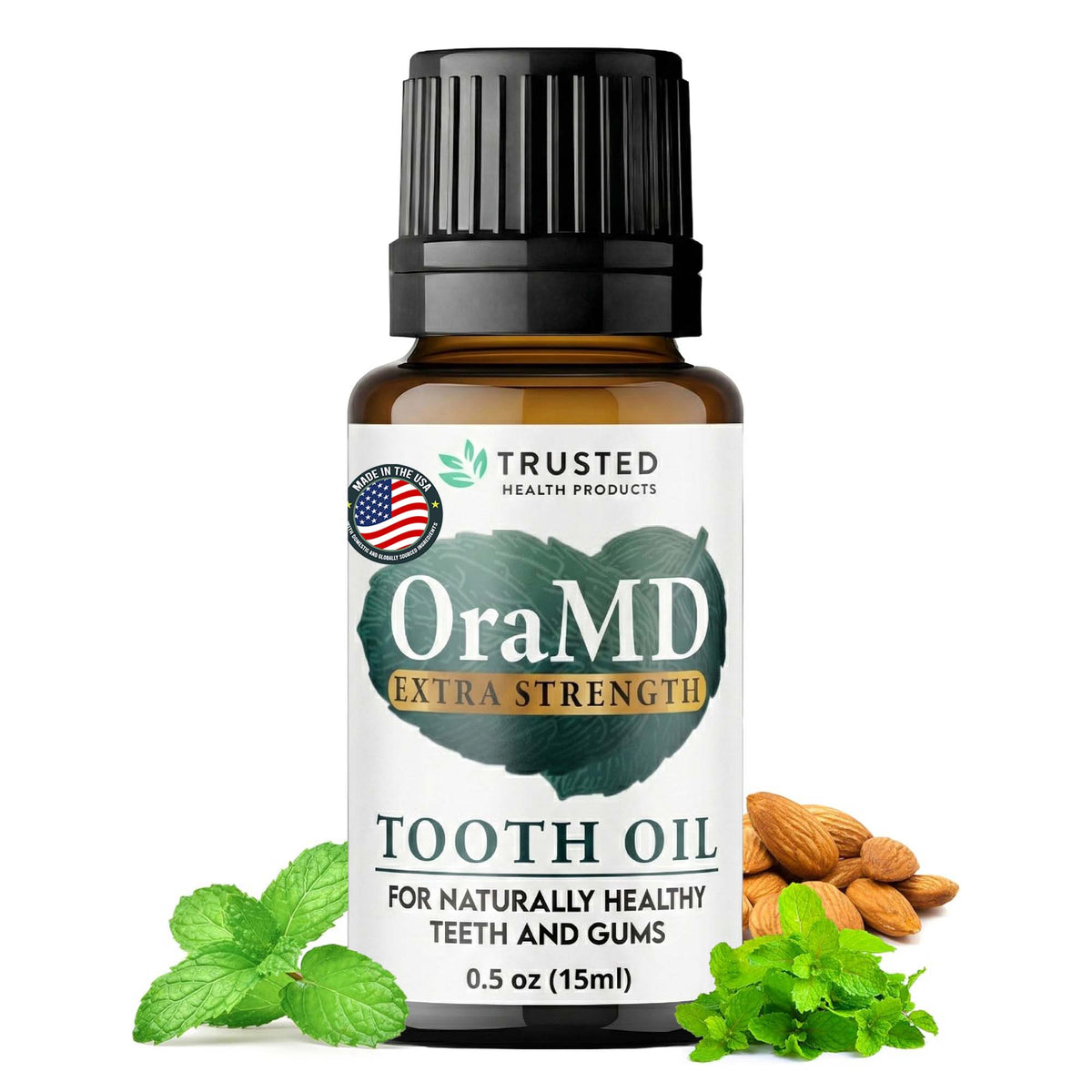
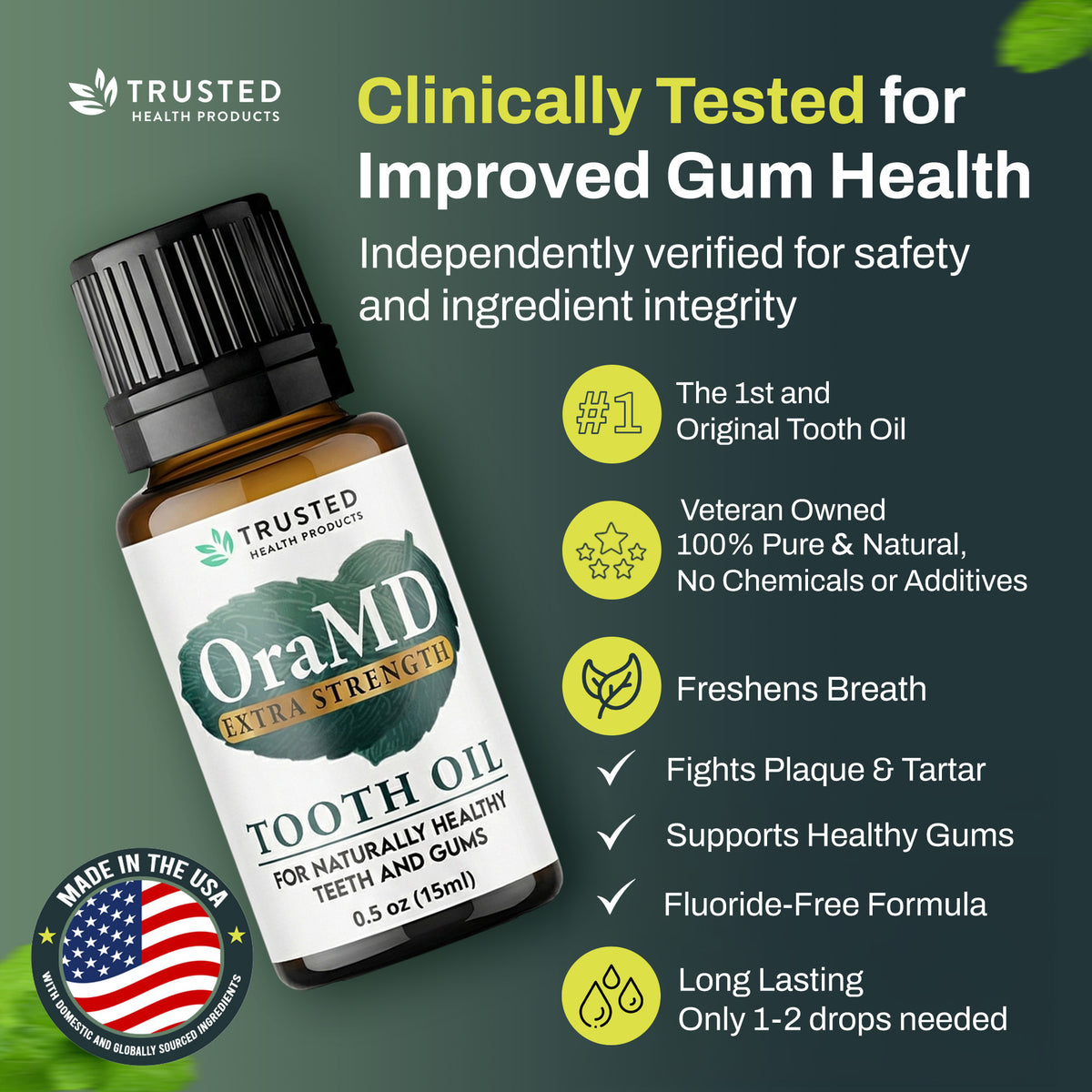
A gentle, natural oral care routine supports the habits described above. Trusted Health Products offers a fluoride-free tooth oil as an alternative to conventional toothpaste.
The tooth oil is designed to clean without harsh abrasives that can further irritate sensitive gum tissue. For flossing, a natural, unwaxed dental floss glides between teeth with less friction on tender gums.
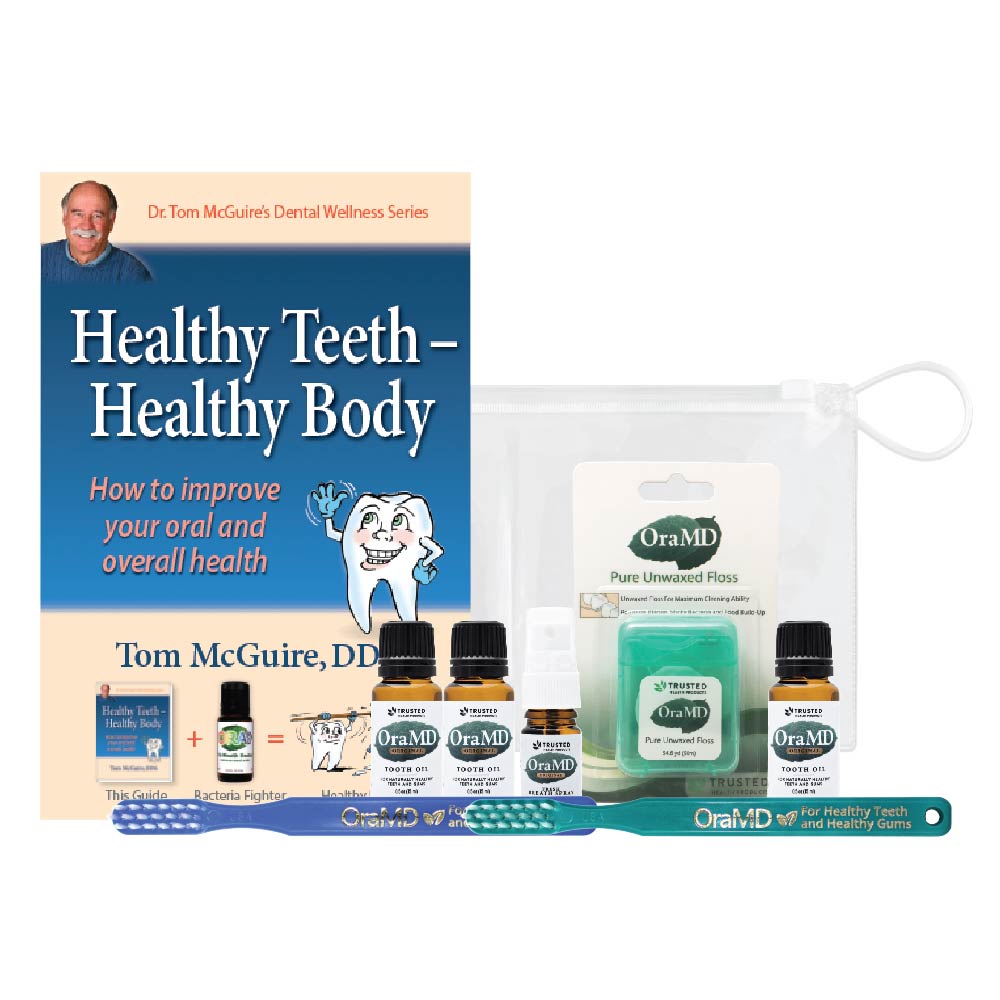
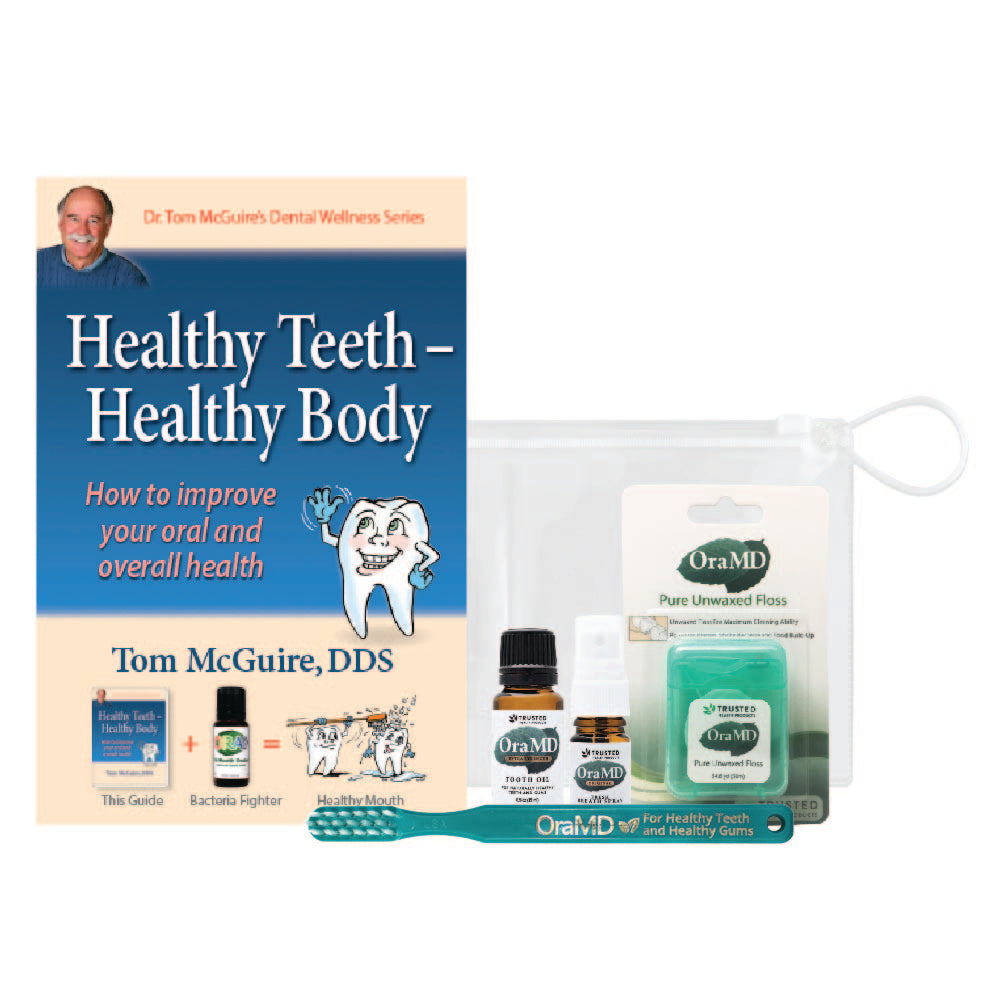
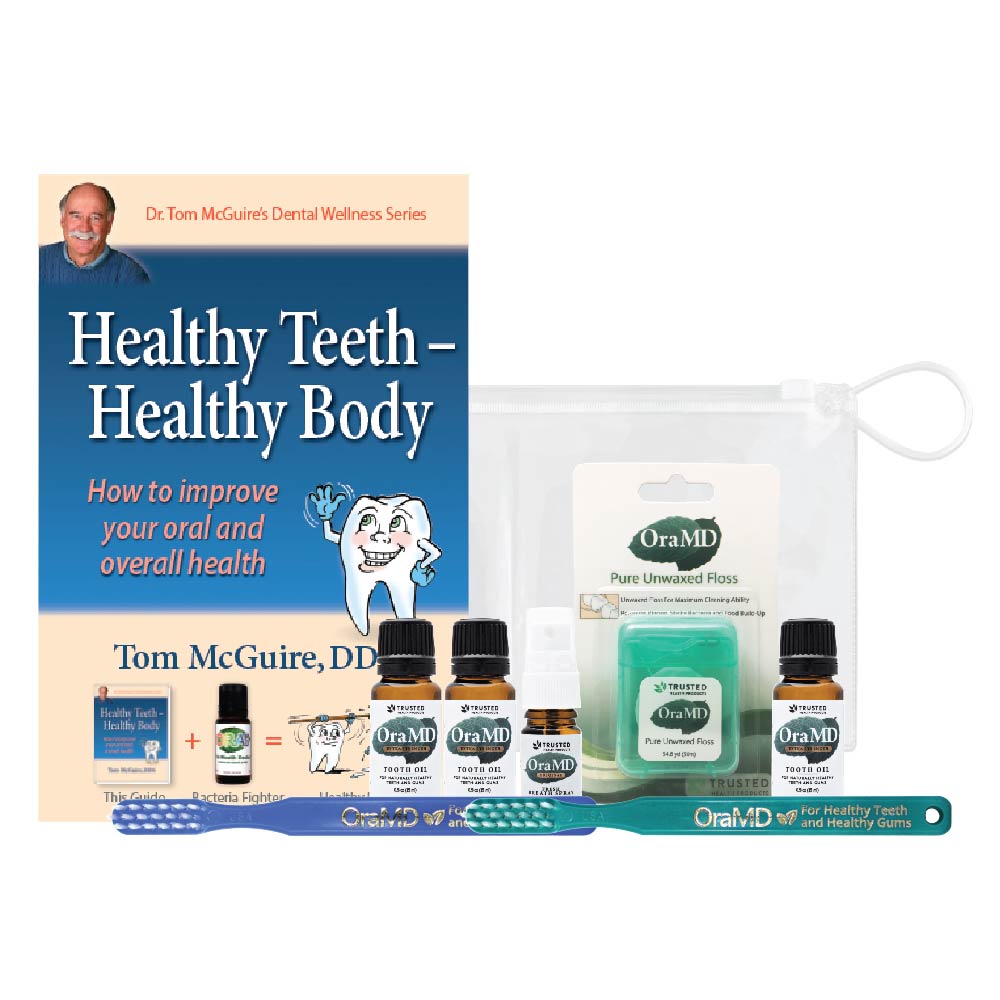
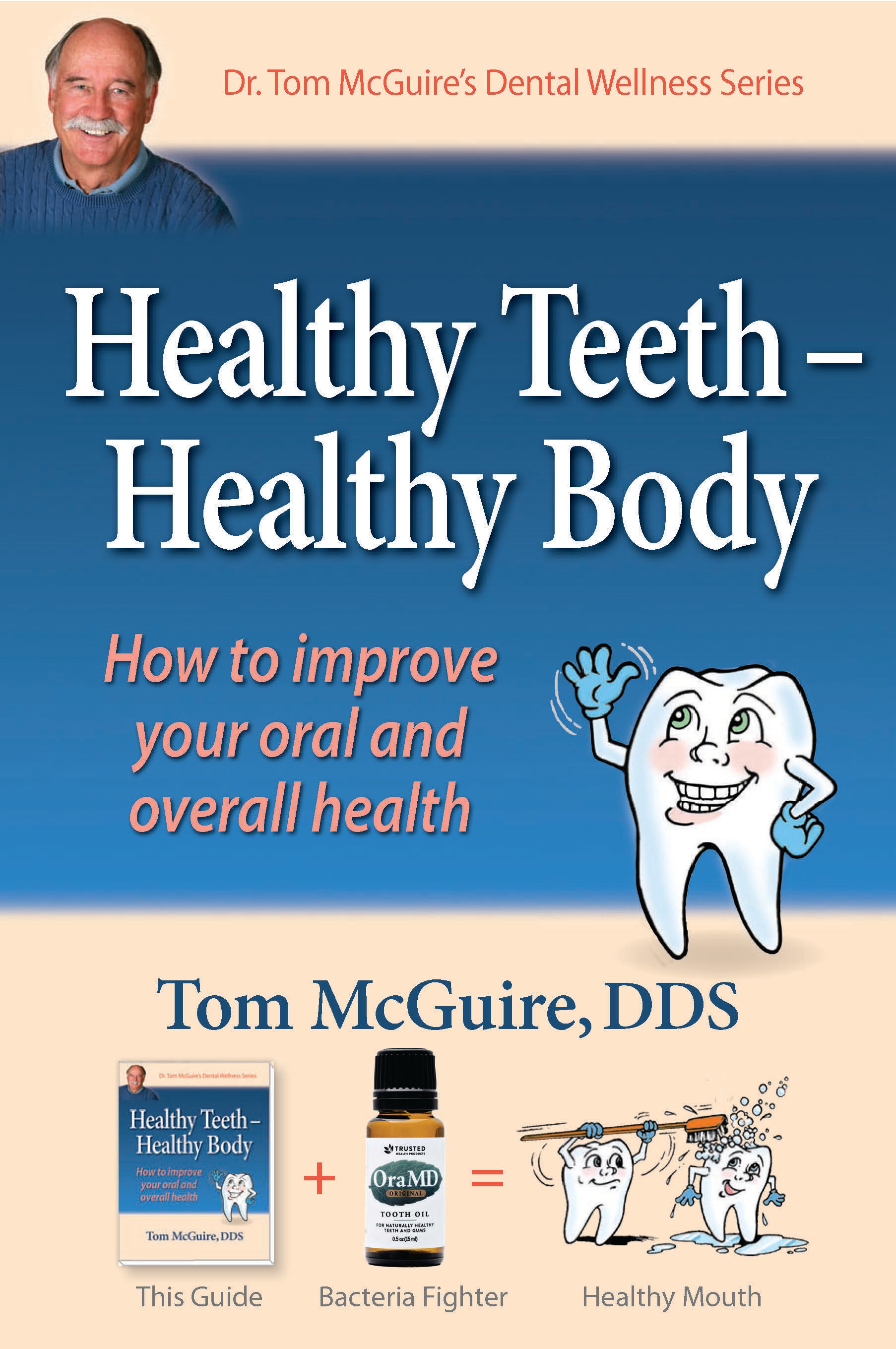
Those building a complete natural routine can also consider an all-in-one oral health kit. The kit pairs tooth oil with guidance from Dr. Tom McGuire's Healthy Teeth, Healthy Body book.
These products support a natural routine but do not replace regular dental checkups or treatment for existing gum disease.
Conclusion
The gum boil vs abscess comparison ultimately hinges on depth, pain, and cause. A gum boil tends to stay small, mild, and surface-level. A gum abscess signals a deeper bacterial infection that needs prompt dental attention. Watching for swelling, throbbing pain, or fever helps separate a minor irritation from a real emergency. Daily habits like gentle brushing and flossing lower the risk of both conditions. Trusted Health Products carries the OraMD Extra Strength Tooth Oil for readers building a stronger daily oral care routine alongside regular dental checkups.