Mustard Oil Benefits
April 15, 2026
Author: Admin Editor
Tags:
Mustard oil, also called sarson ka tel, has a long history in South Asian kitchens and skin care traditions. Mustard oil benefits range from antimicrobial activity to traditional use in scalp massage, though not every popular claim holds up under research. This article reviews what studies actually confirm, where the evidence runs thin, and what safety concerns matter before using it.
What Is Mustard Oil?
Mustard oil comes from the seeds of the mustard plant, most often Brassica juncea or Brassica nigra. Producers extract it either through cold pressing or a heat-based process. The oil carries a strong, pungent scent and a sharp taste from compounds called isothiocyanates.
Two forms exist commercially: expressed mustard oil for topical use, and a low-erucic-acid version approved for cooking in some markets. This distinction matters, since the two forms carry different safety profiles.
Mustard Oil Benefits for Skin
The benefits of mustard oil for skin center mainly on its antimicrobial and antifungal compounds, both documented in laboratory research.
Antimicrobial Properties
Mustard oil shows measurable antimicrobial activity against bacteria including Staphylococcus aureus and E. coli, along with the fungus Candida albicans. This activity comes largely from allyl isothiocyanate, a compound released when mustard seeds are crushed. These properties may explain why mustard oil has a long history of use in traditional skin remedies for minor irritation. Laboratory activity against microbes does not guarantee the same effect once applied to human skin, since skin barrier function changes how compounds behave.
Dark Spot Claims Examined
Traditional practice pairs mustard oil with lemon juice to fade dark spots and uneven tone. No published clinical trial has tested this specific combination on human skin. Lemon juice itself can increase sun sensitivity and irritate skin, which raises the risk of further discoloration rather than reducing it. Readers dealing with persistent dark spots or hyperpigmentation get more reliable results from a dermatologist-reviewed approach than from an unverified kitchen remedy.
Mustard Oil Benefits for Hair
Mustard oil benefits for hair rely mostly on traditional use rather than clinical trials. A review of hair oils used in traditional practice found that mustard oil shows antifungal and antimicrobial activity relevant to scalp health. The same review noted enhanced penetration into the hair shaft compared to some other oils.
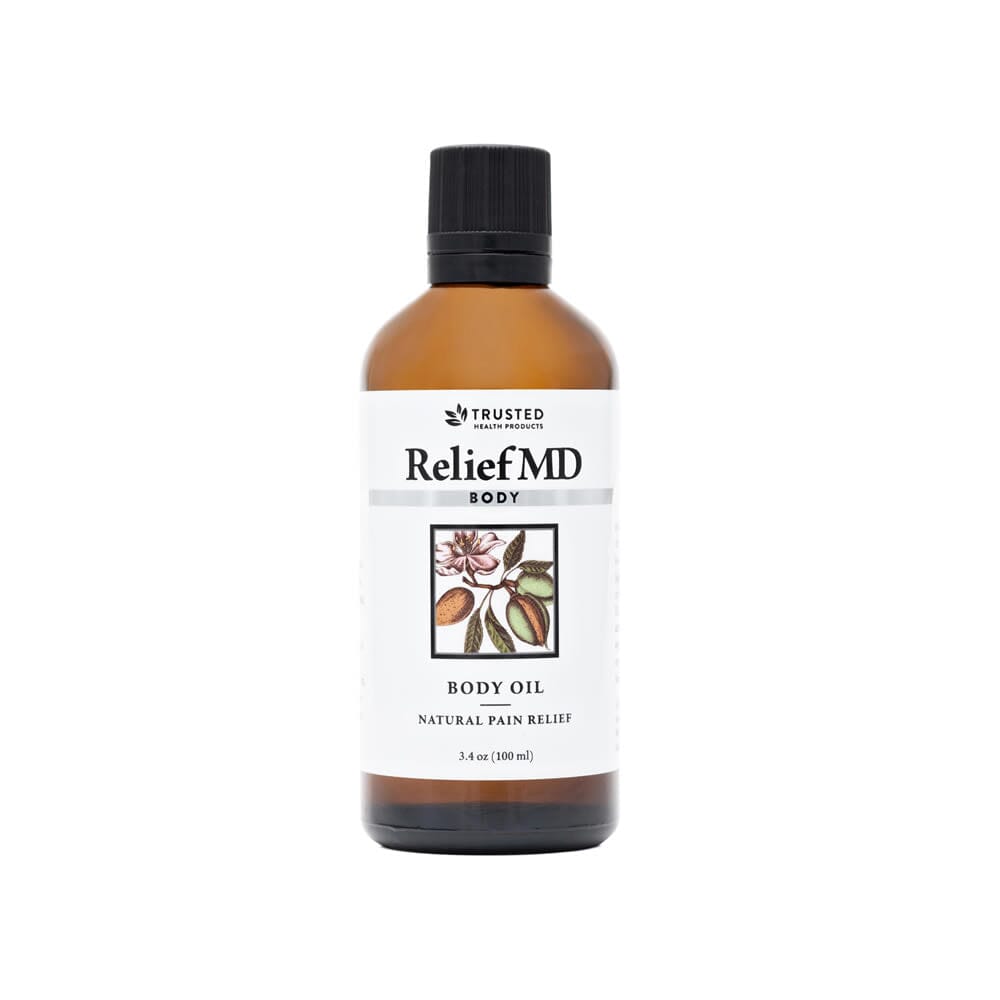
However, no controlled human trial has confirmed that mustard oil increases hair growth or reduces hair loss. People trying mustard oil on the scalp should expect moisturizing and antimicrobial support rather than a proven growth treatment. A nourishing body oil offers a gentler, well-documented option for daily moisture on skin and scalp.
Mustard Oil and Heart Health
Some interest in mustard oil stems from its fatty acid profile, which includes monounsaturated and polyunsaturated fats. These fat types are linked to healthier cholesterol levels when they replace saturated fats in the diet.
This benefit applies to dietary use, not topical application, and only to versions of the oil approved for cooking. The distinction matters because expressed mustard oil, the type most often sold for topical use, is not approved for consumption in the United States.
What to Consider Before Using Mustard Oil
Mustard oil carries erucic acid, a fatty acid linked to heart and kidney effects in animal studies. Analysis of commercial mustard oil samples found erucic acid levels exceeding safety limits in most tested products. Because of this, the FDA does not permit expressed mustard oil for sale as a cooking oil in the United States, and bottles are labeled for external use only.
Mustard oil applied to the skin can also cause irritation or allergic contact dermatitis in sensitive individuals, particularly bakers and food workers with frequent mustard exposure. It does not function as a sunscreen and offers no measured protection against UV rays, so it should never replace a tested sun protection product. A patch test on the inner arm can help confirm skin tolerance before wider use.
Building a Safer Natural Skin and Hair Routine
Traditional oils like mustard oil work best as a supplement to a well-documented skin care routine rather than a stand-alone treatment. Trusted Health Products offers a nourishing face oil formulated for daily use without the irritation risk associated with expressed mustard oil.
For sun protection specifically, a dedicated, tested sunscreen remains the only reliable option, and no natural oil should substitute for one. Readers building a complete regimen can browse the natural skincare collection for products formulated with safety data behind them.