Best Essential Oils for Sore Muscles: A Practical Guide to Natural Relief
August 30, 2026
Author: Team Farrisi
Tags:
Sore muscles interrupt training schedules, workdays, and sleep. Most people reach for a pill first. Many now want a topical option instead. Essential oils for sore muscles rank among the most searched natural recovery tools. Plant oils such as peppermint, eucalyptus, and ginger carry compounds that create cooling or warming sensations on skin. Massage adds pressure and circulation to the same area. This article explains which oils earn their reputation. It also covers safe dilution and product quality.
Why Muscles Ache After Hard Effort
Exercise scientists call the classic next-day ache delayed onset muscle soreness, or DOMS. Eccentric movements trigger it most often. Lowering a weight, running downhill, and walking down stairs all lengthen a muscle under load.
That load creates microtrauma in muscle fibres and surrounding connective tissue. An inflammatory response follows, with fluid shifts and occasional spasm. A review in Clinics in Sports Medicine describes six overlapping mechanisms behind muscle soreness rather than one single cause.
Soreness usually appears 12 to 24 hours after effort. It peaks between 24 and 72 hours. Most cases fade within a week without any treatment.
Manual labour, long drives, and heavy lifting produce the same pattern. Recovery tools do not erase the repair process. They reduce discomfort while the body finishes the work. That distinction matters when readers judge product claims.
How Essential Oils Affect Muscle Discomfort
Essential oils are concentrated plant extracts. Producers steam-distil or press flowers, leaves, bark, and roots to capture them. The National Center for Complementary and Integrative Health classifies aromatherapy as a complementary health approach.
Two routes matter for muscle relief. The first is sensory. Menthol and camphor activate skin receptors that register cold or heat. Those signals compete with pain signals travelling to the brain. Clinicians call this the counterirritant effect.
The second route is mechanical. Application requires massage, and massage raises local blood flow.
Evidence quality varies by oil and by claim. Trials on aromatherapy for pain remain small and mixed in quality. Honest brands present these oils as comfort tools, not cures. Anyone with persistent or worsening pain needs a clinician, not a bottle.
Best Essential Oils for Sore Muscles
Six oils appear most often in credible muscle formulas. Each brings a different sensation and scent profile.
Peppermint Oil
Peppermint delivers menthol, the compound behind that sharp cooling feel. It suits fresh soreness after a hard session. NCCIH notes that topical peppermint can cause skin rashes and irritation. Dilution reduces most of that risk. The scent also lingers on clothing and bedding.
Eucalyptus Oil
Eucalyptus contains eucalyptol, studied for anti-inflammatory activity in laboratory work. The aroma reads clean and medicinal. Formulators often pair eucalyptus with menthol for a layered cooling effect. Small children need extra caution around this oil.
Rosemary Oil
Rosemary supplies camphor, which produces warmth rather than cold. Warming oils suit stiff muscles before movement begins. Rosemary therefore fits a pre-activity blend well. People managing epilepsy or high blood pressure should consult a clinician first.
Ginger Oil
Ginger root oil warms tissue and carries a spicy, grounded scent. Traditional bodywork has used ginger compresses on stiff joints for centuries. Ginger blends smoothly with citrus oils when a medicinal smell feels heavy.
Lavender Oil
Lavender addresses the other half of recovery: rest. NCCIH reports that evidence for lavender aromatherapy in pain and sleep remains unclear. Lavender still softens the sharp edge of menthol blends. Its gentle profile suits evening application.
Marjoram Oil
Sweet marjoram has a long history in massage blends for tight muscles. The scent stays warm and herbaceous. Marjoram often partners with lavender in night-time formulas.
Wintergreen deserves a separate warning. It contains methyl salicylate, a compound chemically close to aspirin. That potency raises real toxicity risk, especially around children. Anyone taking blood thinners should avoid wintergreen completely.
Carrier Oils Turn Concentrates Into Massage Oil
Undiluted essential oil on skin invites irritation, sensitisation, and chemical burns. A carrier oil prevents that. Jojoba, sweet almond, fractionated coconut, and grapeseed all perform well.
Aromatherapy practice places adult body dilution near 2 to 3 percent. That works out to roughly 12 to 18 drops per ounce of carrier. Short-term spot treatment sometimes goes higher.
A patch test on the inner forearm confirms tolerance before full use. Twenty-four hours without redness signals a safe blend. Pre-diluted formulas remove the measuring step entirely. Trusted Health Products stocks ready-blended options in its natural muscle pain relief collection. That route suits readers who prefer a fixed ratio. Texture then decides comfort. A heavy carrier drags under the hands and slows every stroke. A lighter carrier absorbs faster and leaves less residue on sheets.
Safety Rules That Protect Skin and Health
Concentration creates both the benefit and the risk. Broken skin absorbs oil faster and reacts more strongly.
Pregnant readers should clear any blend with a midwife or doctor. Children need far lower dilution, and some oils suit no child at all. Citrus oils raise photosensitivity, so sun exposure after application can burn skin.
Essential oils belong nowhere near eyes or mucous membranes. Storage matters as well. Heat and light degrade the chemistry inside the bottle. Dark glass and a cool cupboard extend shelf life. Anyone taking regular medication should ask a pharmacist about interactions.
What Readers Weigh Before Buying
Shoppers comparing essential oils for sore muscles face two paths. Single oils give full control over a blend. Pre-blended relief oils give consistency and speed. Home blending costs less per millilitre but demands measuring, storage, and knowledge.
Certification separates marketing language from verified practice. The COSMOS-standard sets criteria for organic and natural cosmetics across sourcing, manufacture, and labelling. Words such as clean, pure, and chemical-free carry no legal definition anywhere.
Label transparency ranks next. A credible label prints the botanical name, such as Mentha piperita for peppermint. Vague entries like "fragrance" point toward a synthetic blend. Batch testing data and country of origin add further confidence.
Scent tolerance decides daily use. A blend that overwhelms a room ends up unused in a drawer. Cost per application beats bottle price as a comparison metric.
Trusted Health Products Formulas for Muscle Relief
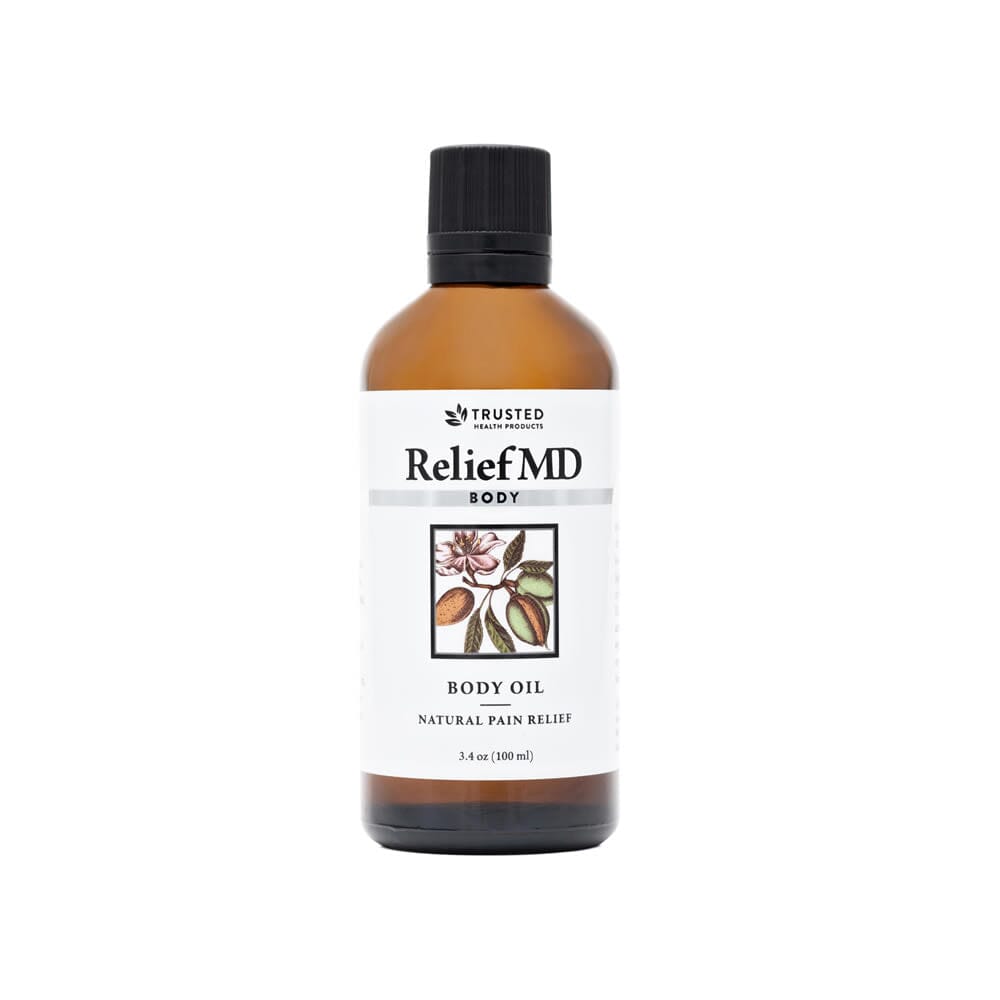
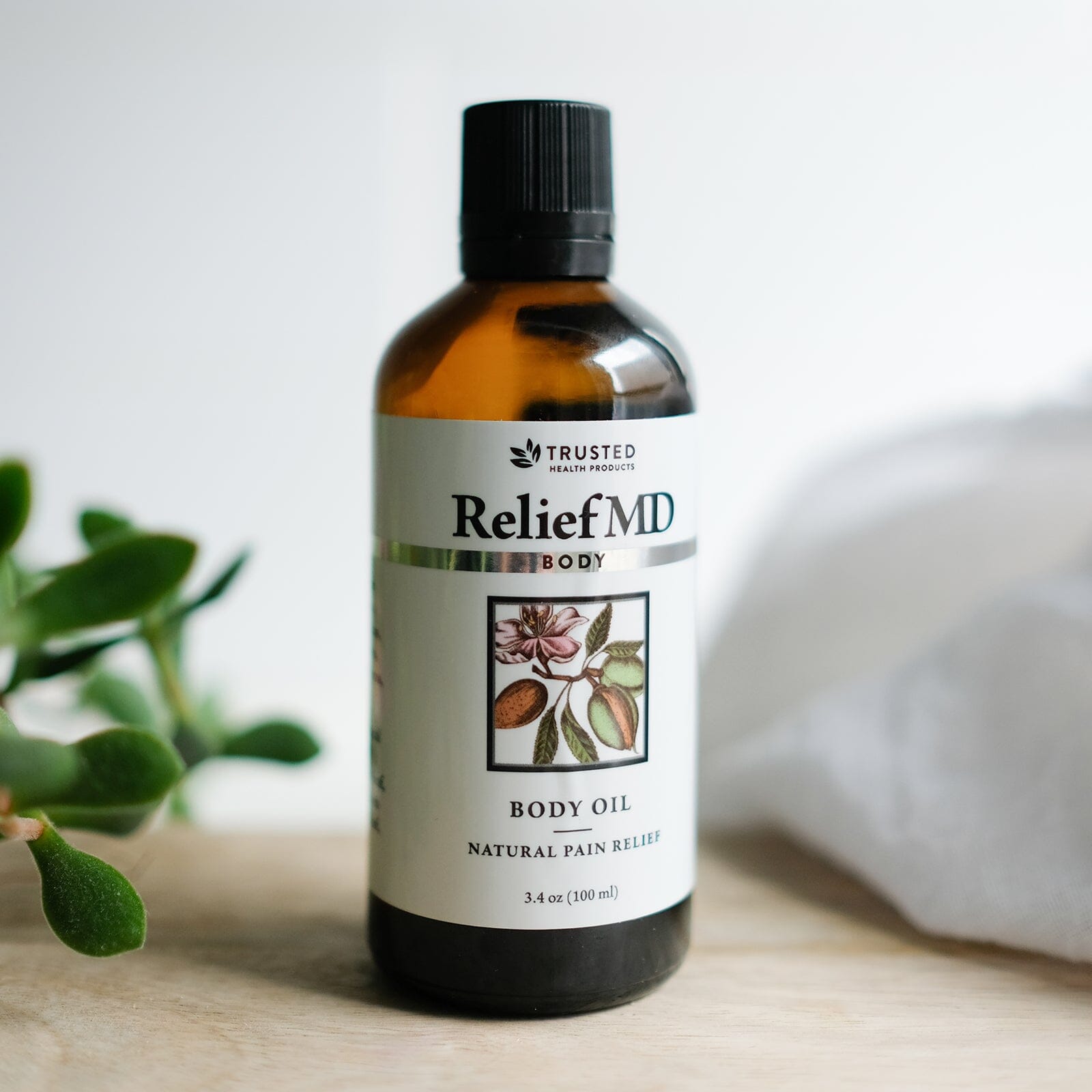
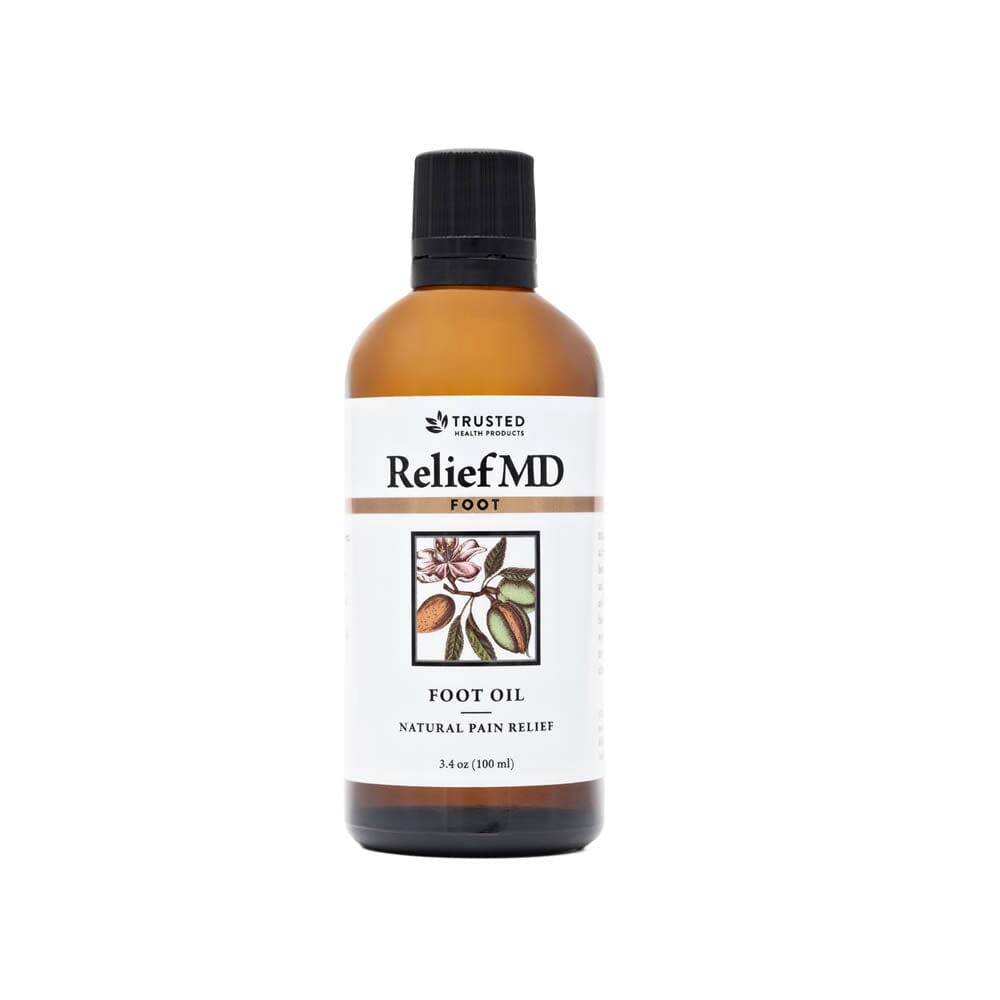
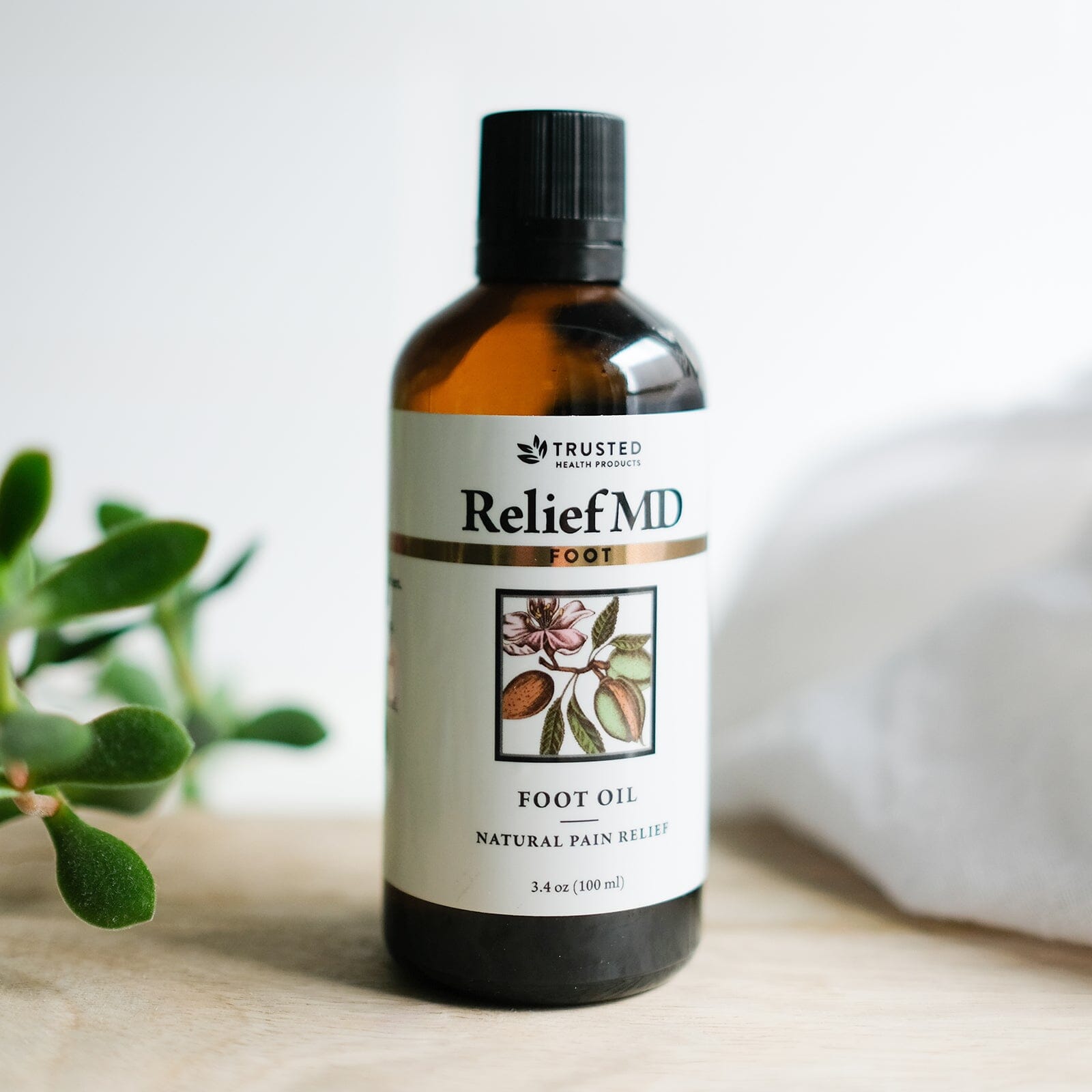
Trusted Health Products runs ReliefMD as its topical relief line. The ReliefMD body oil for muscle pain relief targets larger muscle groups across the back, shoulders, and legs. The ReliefMD foot massage oil serves feet and lower legs after long shifts on hard floors. Both formulas arrive pre-diluted, so neither needs measuring.
Households treating more than one complaint often compare single bottles against a set. Trusted Health Products lists multi-product options in its bundled collection. An essential oil bundle for muscle pain covers the same need. The wider relief oil range sits alongside the brand's skin care line, which keeps the two categories distinct.
Fit depends on the complaint. Broad post-exercise soreness points toward a body formula. Localised arch and heel fatigue points toward a foot formula.
Choosing a Relief Oil With Confidence
Sore muscles heal on their own timeline. The right topical product makes those days easier to move through. Essential oils for sore muscles deliver sensation, scent, and a reason to massage the affected area.
Three checks separate a good purchase from a poor one. Botanical names on the label confirm real plant content. A stated dilution percentage confirms safe formulation. Independent certification confirms sourcing claims.
Readers comparing options can review the ReliefMD range against a home-blended alternative and judge cost per application. Persistent pain, swelling, or weakness still calls for a clinician rather than another bottle.