How to Relieve Sore Muscles Naturally After Exercise
May 28, 2026
Author: Ray Spotts
Tags:
Whether you are a seasoned athlete or a weekend warrior, the physical toll of a high-intensity session is often felt long after you leave the gym. The stiffness and tenderness that peak 24 to 72 hours post-exercise can hinder your daily mobility and discourage consistent training.
Seeking sore muscles natural relief is a sophisticated approach to recovery. Rather than relying on synthetic anti-inflammatories that may actually blunt the body's natural hypertrophic (muscle-building) response, natural methods focus on improving circulation, reducing oxidative stress, and soothing the nervous system. By integrating tools like ReliefMD Foot Oil and ReliefMD Body Oil, you can provide your tissues with the topical support they need to recover comfortably and efficiently.
Why Muscles Get Sore: Understanding DOMS
To treat soreness effectively, we must understand its origin. DOMS is not caused by a buildup of lactic acid (which is actually cleared from the system shortly after exercise). Instead, it is the result of microscopic tears in the muscle fibers and the surrounding connective tissue.
This micro-trauma triggers a localized inflammatory response—a necessary part of the muscle-strengthening process. Sore muscles natural relief aims to manage this inflammation so it doesn't become chronic or excessively painful, while still allowing the "repair and rebuild" phase to occur. This is why gentle movement and botanical support often work better than total immobilization.
Immediate Post-Workout Action Plan
The "golden hour" following your workout is the most critical window for preventing extreme stiffness.
-
Rehydrate with Purpose: Water alone isn't enough. You must replace electrolytes—specifically magnesium, potassium, and sodium—to ensure proper muscle contraction and prevent cramping.[13]
-
Dynamic Cooling: Instead of stopping abruptly, engage in 5–10 minutes of low-intensity movement like walking or easy cycling. This keeps blood flowing to the "damaged" tissues, helping to flush out metabolic waste.
-
The Protein Window: Consuming a high-quality protein source within 60 minutes of exercise provides the amino acids necessary for the muscle fibers to begin the structural repair process.
Top Methods for Sore Muscles Natural Relief
1. The Power of Magnesium and Heat
Epsom salt (magnesium sulfate) baths are a traditional recovery staple for a reason. The warm water promotes vasodilation (opening of the blood vessels), which increases oxygen delivery to sore muscles. While the extent of transdermal magnesium absorption is debated, the combination of heat and the osmotic effect of the salt helps to draw out excess fluid and reduce the feeling of "heaviness" in the limbs.
2. Targeted Topical Botanical Support
Topical application is often the most efficient form of sore muscles natural relief because it bypasses the digestive system and delivers soothing compounds directly to the site of tension.
-
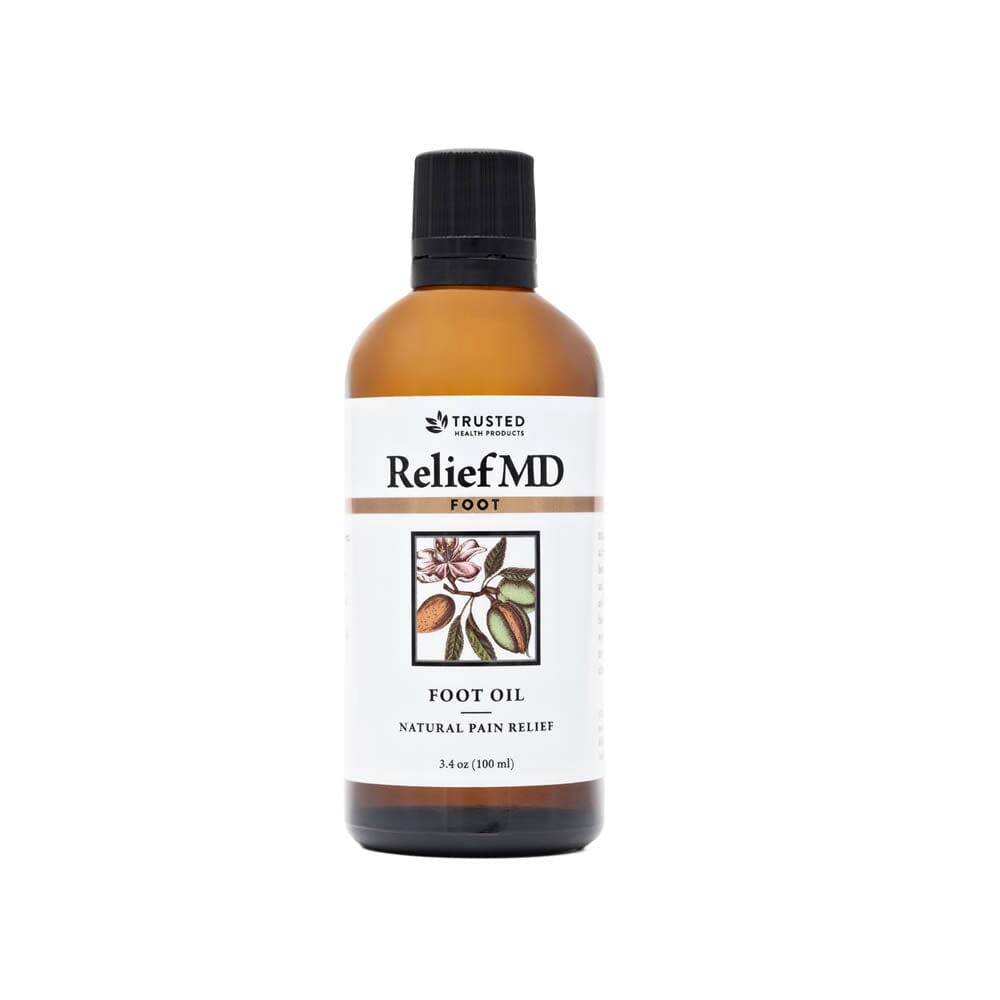
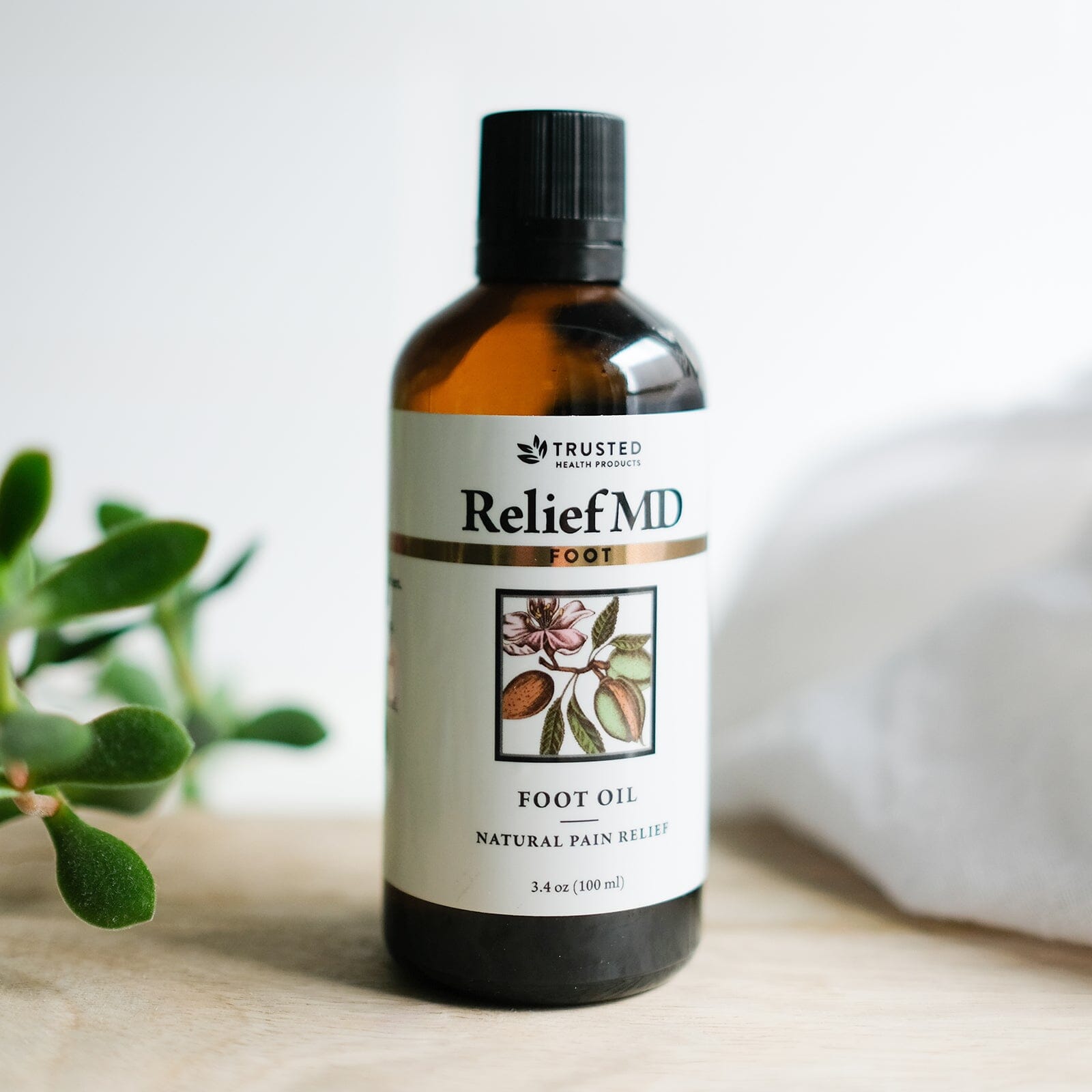
ReliefMD Foot Oil: Specifically formulated for the complex structures of the feet, heels, and lower legs. It is ideal for runners, hikers, or anyone who spends long hours on their feet.
-
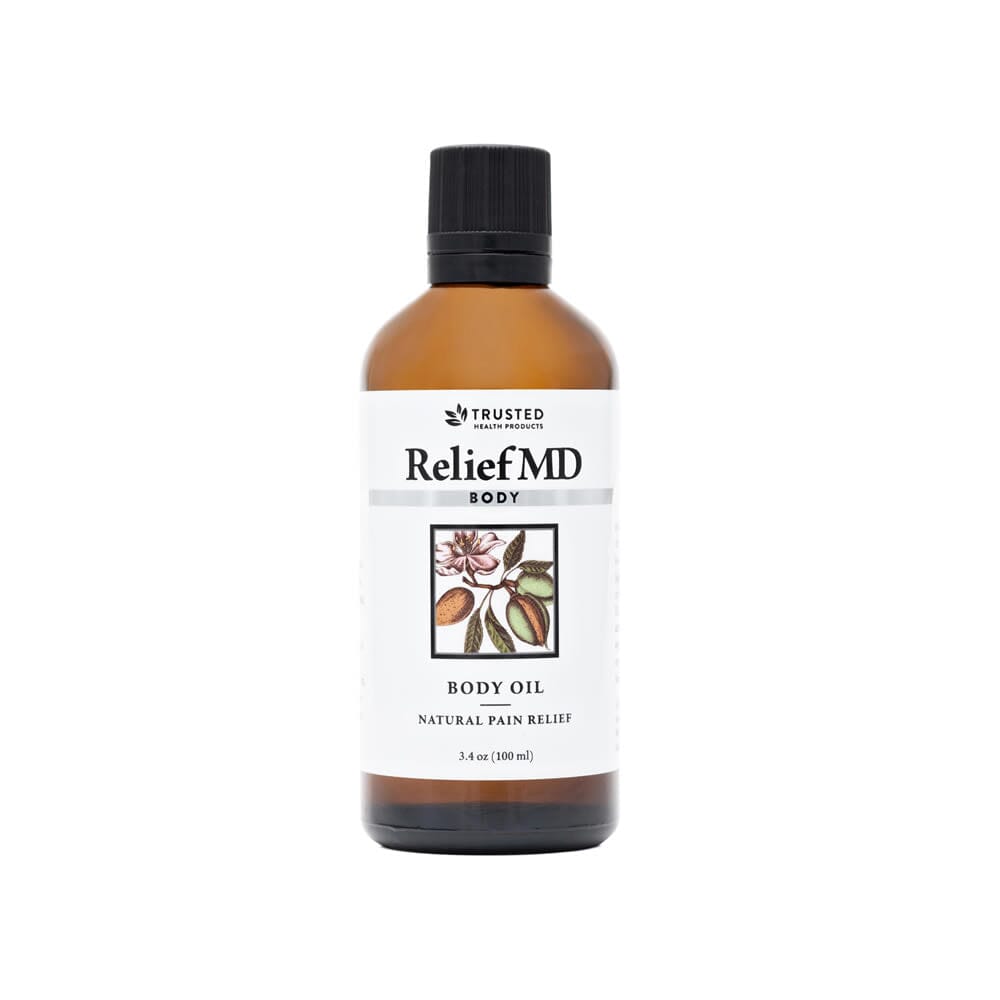
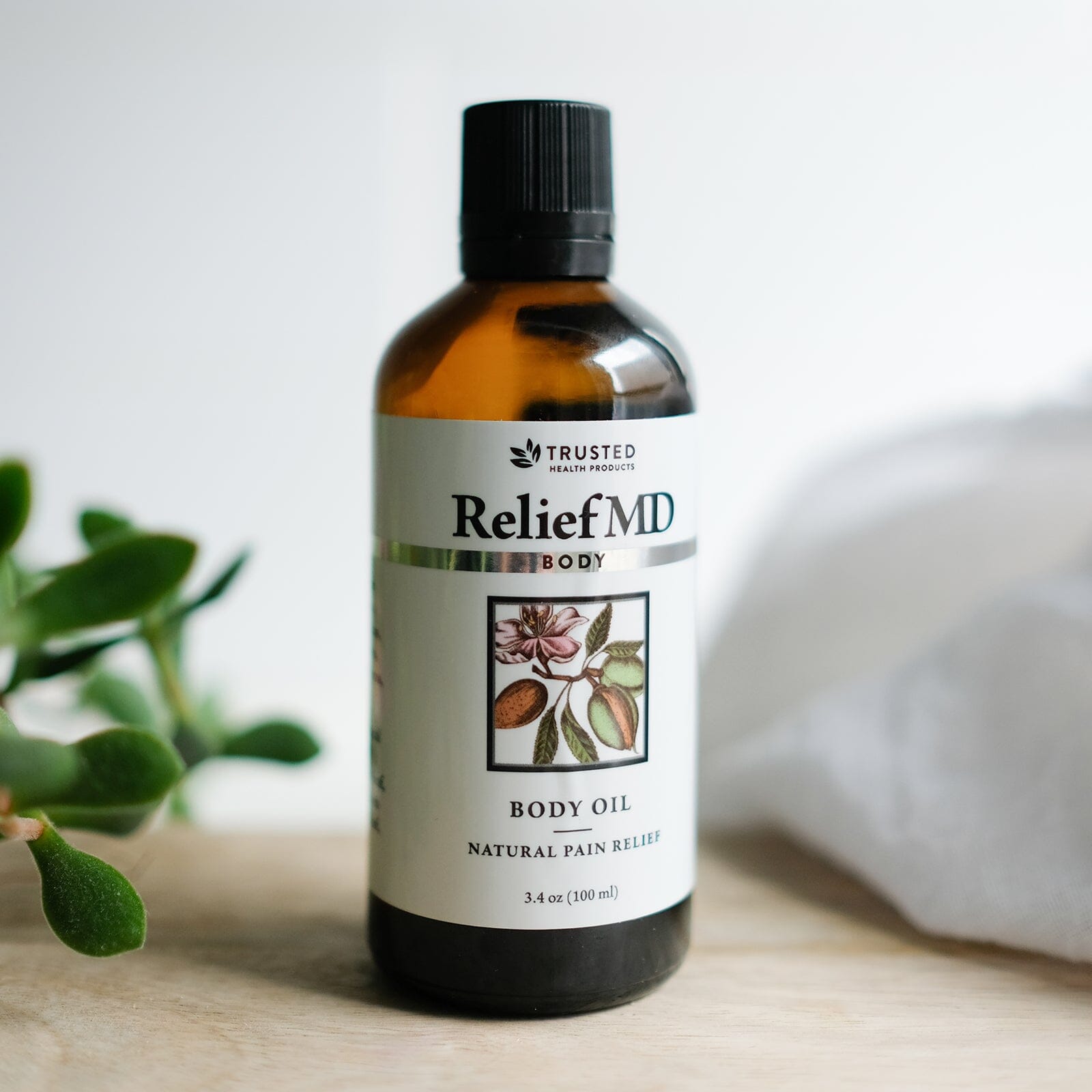
ReliefMD Body Oil: Designed for larger muscle groups such as the quads, hamstrings, back, and shoulders. It utilizes a concentrated blend of botanical oils that penetrate the skin to provide a cooling, soothing sensation that eases the "tight" feeling of DOMS.
3. Active Recovery: Movement as Medicine
It may seem counterintuitive, but the best cure for sore muscles is often more movement. "Active recovery" involves performing low-intensity exercise that stimulates blood flow without adding further stress to the fibers. Yoga, swimming, or a light walk can significantly reduce the duration of DOMS compared to sitting on the couch.
4. Anti-Inflammatory Nutrition
What you put in your body is just as important as what you put on it.
-
Tart Cherry Juice: Rich in anthocyanins, tart cherry juice has been clinically shown to reduce muscle pain and weakness after strenuous exercise.
-
Turmeric and Ginger: These roots contain powerful natural compounds (curcumin and gingerol) that help modulate the inflammatory response throughout the entire body.
Sore Muscles Natural Relief: Recovery Timeline
|
Time After Workout |
Recommended Action |
Biological Benefit |
|
0–1 Hour |
Hydration + Protein |
Initiates structural repair and replaces lost fluids. |
|
2–6 Hours |
Light Movement |
Prevents "pooling" of fluids and initial stiffness. |
|
Evening |
Epsom Salt Soak |
Relaxes the nervous system and promotes vasodilation. |
|
24–72 Hours |
ReliefMD Body Oil |
Targets the peak of DOMS with soothing botanicals. |
|
Ongoing |
Anti-Inflammatory Diet |
Supports long-term tissue resilience and recovery. |
What Most Articles Miss About Muscle Recovery
Many recovery guides treat all pain the same way, but workout soreness (DOMS) requires a different strategy than an acute injury (like a sprain or tear).
-
The "Ice vs. Heat" Debate: For chronic soreness and DOMS, heat is generally preferred as it encourages blood flow. Ice should be reserved for fresh injuries where swelling needs to be restricted.
-
Specificity of Application: Using a general lotion isn't as effective as using an oil-based serum. Oils like ReliefMD are anhydrous, meaning they are more concentrated and stay on the skin longer, allowing for a sustained release of botanical benefits.
-
Consistency Over Intensity: You don't need a 90-minute massage to find relief. Applying ReliefMD Foot Oil for just two minutes every night can have a cumulative effect on foot and ankle mobility.
Conclusion: A Holistic Path to Performance
Finding sore muscles natural relief is about respecting your body’s limits while supporting its potential. By combining internal hydration and nutrition with external botanical support, you can significantly reduce the "downtime" between your workouts.
For those focusing on lower-body recovery, ReliefMD Foot Oil provides the targeted care necessary for the intricate muscles of the feet. For broader relief across the back and limbs, ReliefMD Body Oil offers a comprehensive solution. By choosing natural, plant-based recovery tools, you ensure that your body remains as clean on the inside as it looks on the outside—ready for whatever your next training session brings.