How Often Should You Floss? A Daily Guide for Healthier Gums
July 20, 2026
Author: Team Farrisi
Tags:
Many people skip flossing, yet dentists treat it as essential as brushing. The most common question about it stays simple: how often should you floss?
The American Dental Association gives a clear answer: floss once daily. This single habit clears plaque and food particles from between teeth. A toothbrush cannot reach these tight spaces alone. Skipping floss lets bacteria build up and harden into tartar.
This guide covers frequency, timing, technique, and braces-friendly tools. It also looks at where a gentle, natural floss fits into a daily routine.
Why Daily Flossing Matters
Plaque forms quickly. Bacteria begin colonizing teeth within hours of eating. Without removal, this soft film hardens into tartar within one to three days. Only a dental professional can remove tartar. Brushing alone cannot solve this problem, since bristles miss the tight contact points between teeth.
NIH News in Health summarized research showing that flossing combined with brushing reduced gingivitis more than brushing alone. Gingivitis is early, reversible gum disease. Without treatment, it can progress into more serious periodontal disease.
Untreated gum disease can eventually loosen teeth and affect the surrounding bone, according to NIH's overview of gum disease. Catching it at the earliest stage keeps treatment simple. Dr. Tom McGuire, a dentist and preventive-care author, has long emphasized daily flossing. His work highlights it as a low-cost way to avoid larger dental problems later. Daily flossing interrupts this chain before it starts.
How Often Should You Floss Your Teeth?
The short answer stays consistent across dental organizations: floss once a day. According to ADA MouthHealthy, daily flossing removes food particles and plaque that brushing leaves behind. Flossing twice daily rarely adds extra benefit.
Over-flossing can even irritate healthy gum tissue. How often a person should floss depends less on preference than most assume. Consistency matters more than frequency. Someone who flosses once daily, every day, protects their gums better than someone flossing twice but skipping days. Building the habit into an existing routine makes daily flossing easier to maintain.
When Should You Floss: Before or After Brushing?
Timing causes less debate than people expect. The ADA confirms either order works, as long as flossing happens once daily. Flossing before brushing loosens debris first. This lets fluoride toothpaste reach between teeth more effectively afterward.
Flossing after brushing suits people who prefer a simple, familiar sequence. Evening flossing offers one clear advantage. It clears the day's food particles before bacteria multiply overnight. Morning flossing suits people who struggle to fit it into a nighttime routine. People who snack frequently throughout the day may benefit from an extra session. The best time to floss stays simple: whichever time gets done consistently, every day.
How to Floss With Braces
Learning how to floss with braces takes extra effort. Braces trap food and plaque around brackets and wires. Standard string floss cannot easily slide between teeth the usual way. A floss threader solves this problem. This small plastic tool guides floss behind the archwire and into the gap between two teeth.
Colgate's oral care guide recommends threading floss through the loop, then pulling it through gently before flossing each tooth. Shred-resistant floss works better with braces than delicate, fraying strands. A smooth, high-tensile floss like OraMD's unwaxed option resists shredding on brackets when guided with a threader. Interdental brushes and water flossers offer helpful backup options for tight spots. Trapped food around brackets can also cause bad breath and visible staining over time. Orthodontic patients should floss at least once daily, and after sticky meals when possible.
Flossing Alternatives Worth Considering
Traditional string floss works well for most people, but alternatives to flossing with string do exist. Water flossers use a pressurized stream to clear food and plaque from between teeth. They suit people with braces, dental work, or limited hand dexterity. A water flosser should still get used daily for consistent results.
Floss picks combine a small plastic handle with a short strand of floss. They offer convenience for travel or quick touch-ups. Interdental brushes work well for wider gaps between teeth, often found toward the back of the mouth. Each tool cleans differently, so the best choice depends on comfort and consistency. The most effective flossing alternative remains the one a person will use every day.
How Often Should You Use a Water Flosser?
Water flossers follow the same daily guideline as string floss. Once-daily use removes food particles and disrupts plaque before it hardens. People with braces or sensitive gums often find water flossers gentler than string floss.
A water flosser does not fully replace the mechanical action of floss against tooth surfaces. Pairing both tools covers more ground for people prone to plaque buildup. String floss most days, with a water flosser as backup, works well for many routines.
Best Flossing Technique for Healthier Gums
Technique matters as much as frequency. Start with about 18 inches of floss. Wrap most of it around the middle fingers. Leave one to two inches taut between the thumbs and index fingers. Guide the floss gently between two teeth using a back-and-forth motion.
At the gumline, curve the floss into a C shape against one tooth. Move it up and down against the tooth surface, staying just below the gumline. Repeat this motion on the neighboring tooth before moving to the next gap. Avoid snapping the floss down hard, since this can injure gum tissue.
A slow, gentle motion protects gums while still lifting plaque. Floss holders help people with limited hand dexterity maintain the same daily habit. Beginners can start with just a few teeth and build up gradually.
Choosing the Right Floss: What to Look For
Not all floss works the same way for every mouth. Waxed floss slides more easily between tight teeth and resists shredding. Unwaxed floss offers a thinner profile, reaching tighter contact points more precisely. People with sensitive gums often prefer unwaxed floss for its gentler glide. Ingredients matter too.
Many mainstream flosses contain synthetic coatings, artificial flavoring, or PTFE-based materials. Some brands use PFAS-based coatings to improve glide, a practice drawing growing scrutiny from health researchers. Reading the ingredient list helps shoppers compare products with more confidence.
Products carrying the ADA Seal of Acceptance have met independent testing for safety and effectiveness. Floss free from synthetic additives appeals to people building a cleaner personal care routine. Shred resistance, comfort, and daily usability matter more than any single feature alone.
A Natural Approach to Daily Flossing
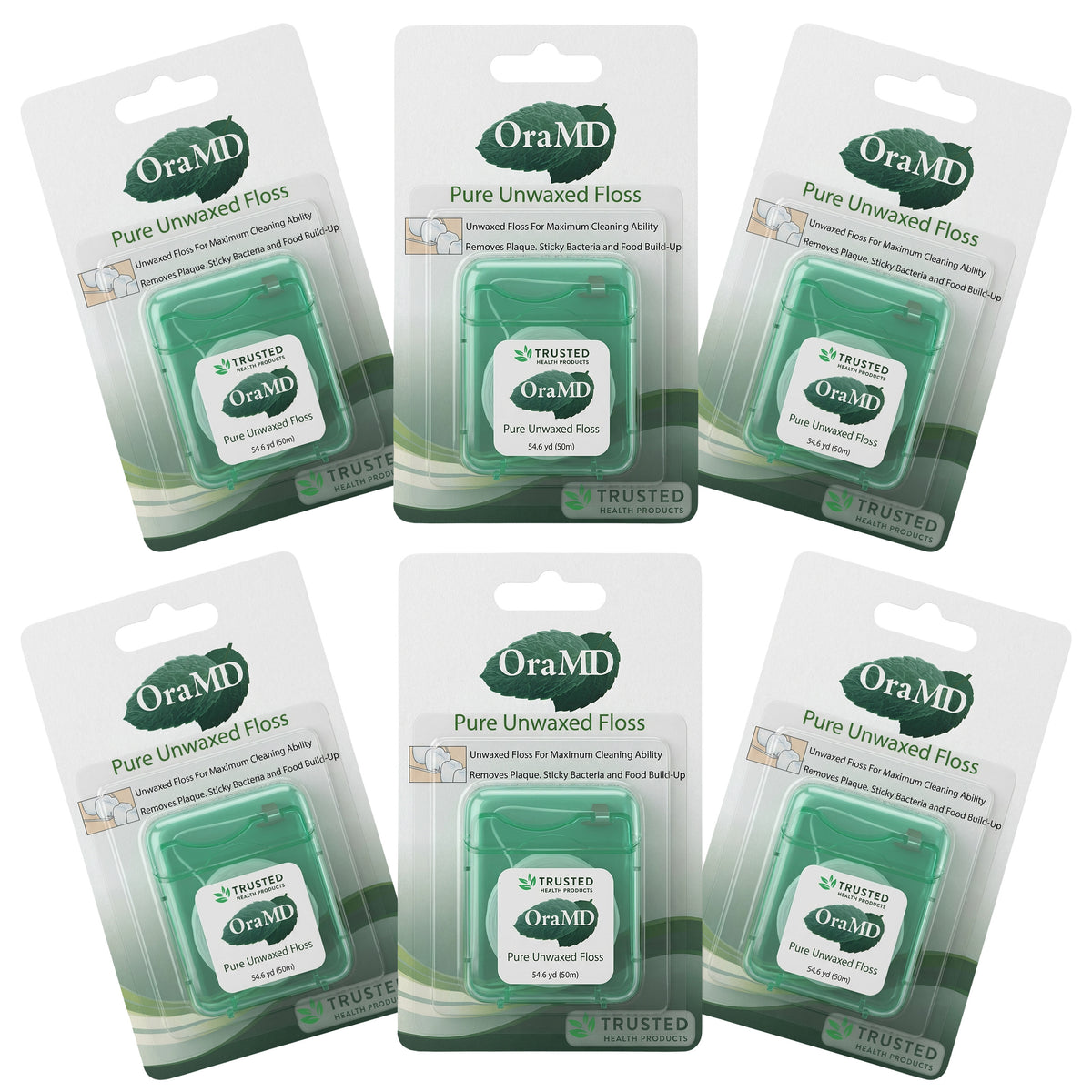
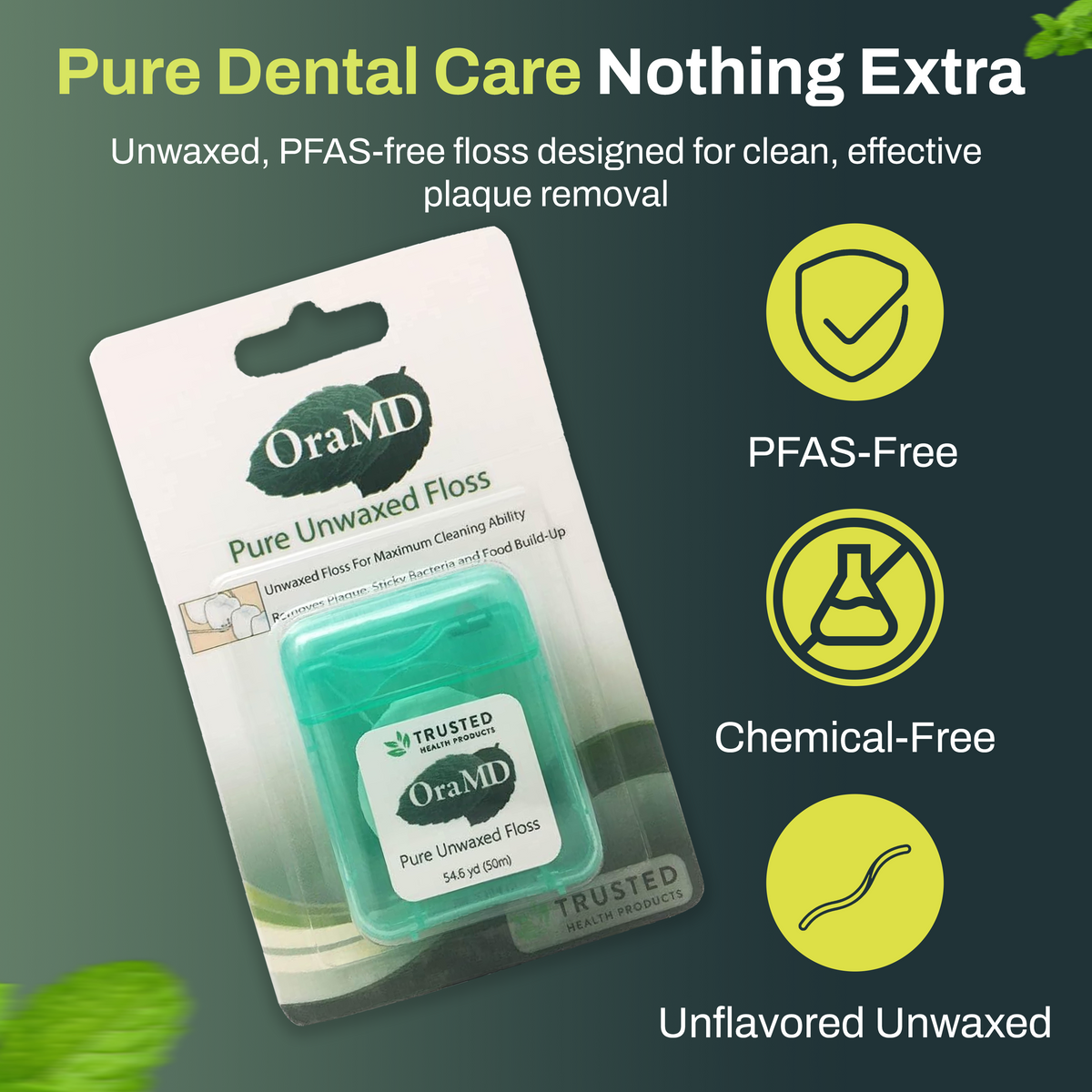
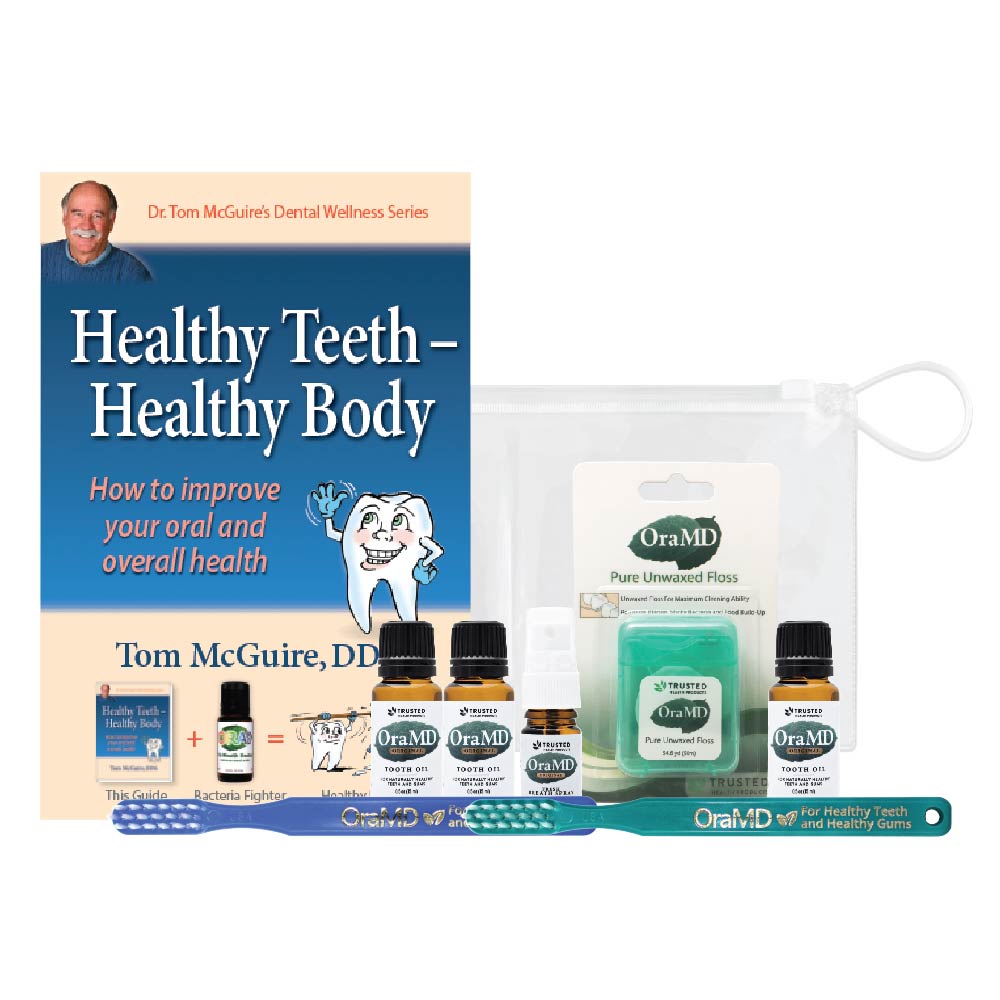
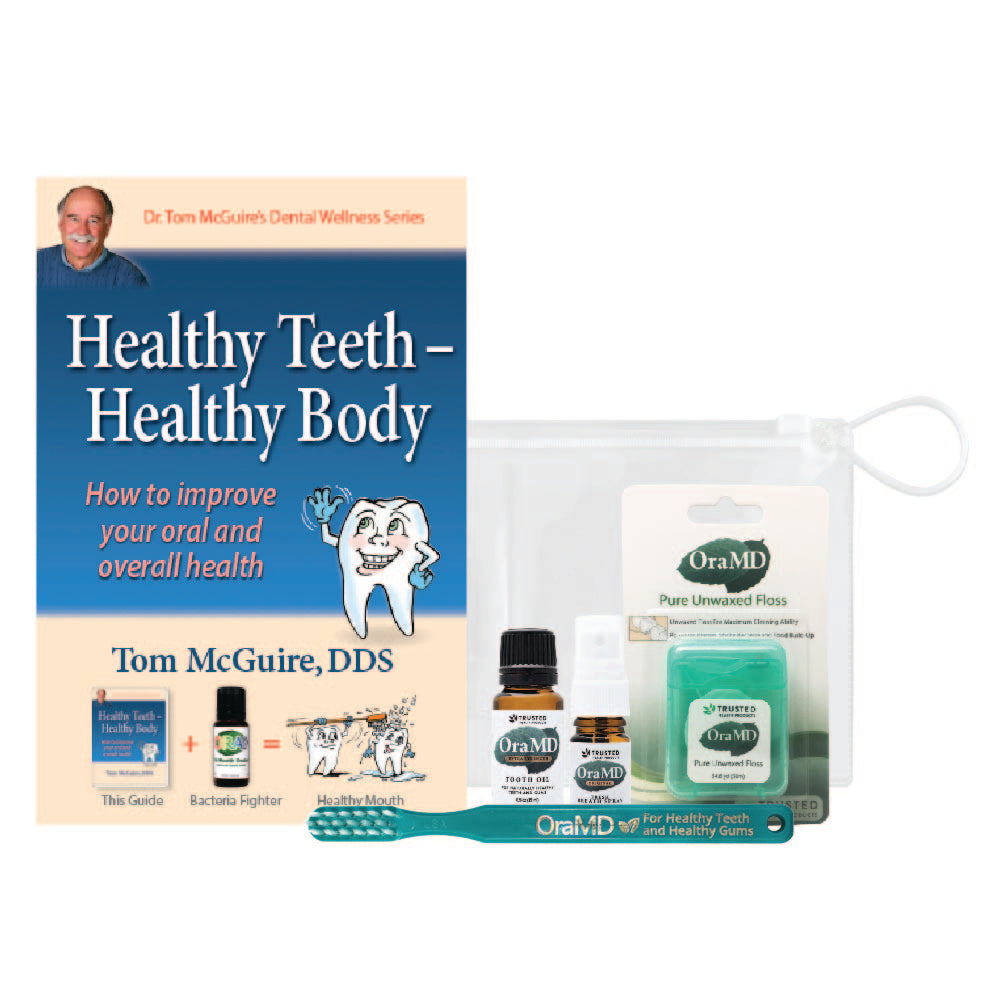
OraMD Pure Unwaxed Dental Floss offers one option for people seeking a cleaner daily routine. The floss uses uncoated, high-grade nylon fibers, without synthetic waxes or artificial coatings. Its unwaxed texture provides natural grip between teeth, helping prevent slipping during use.
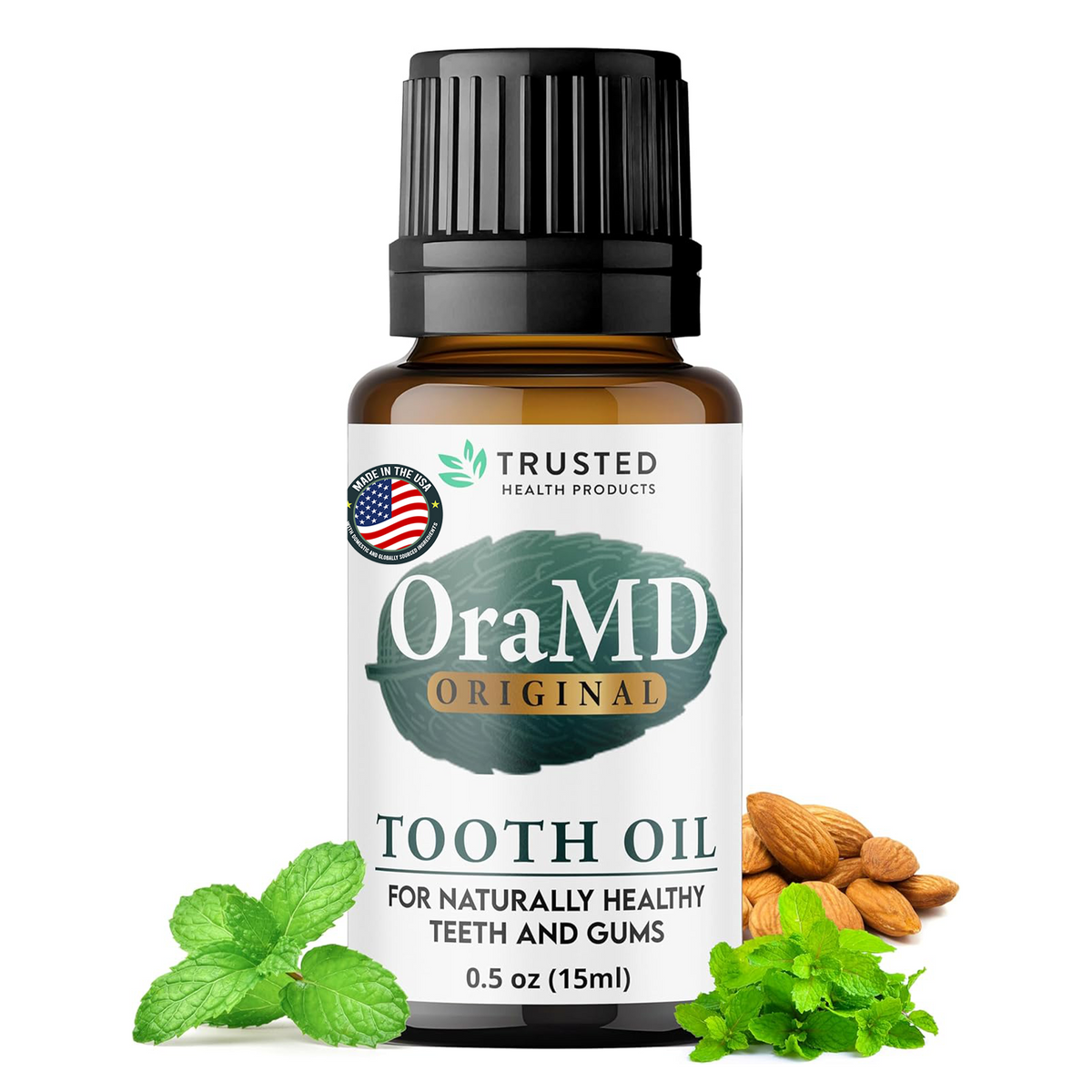
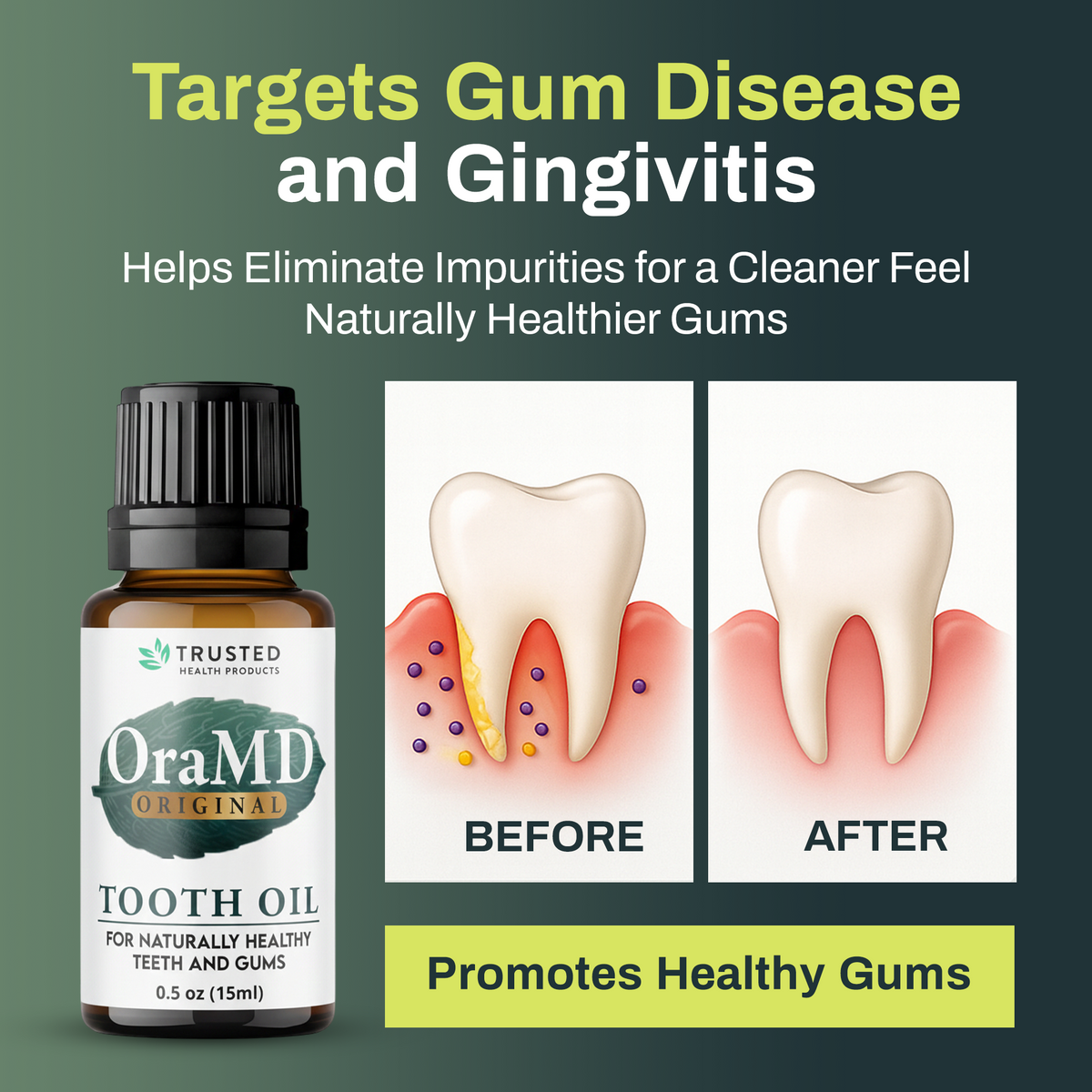
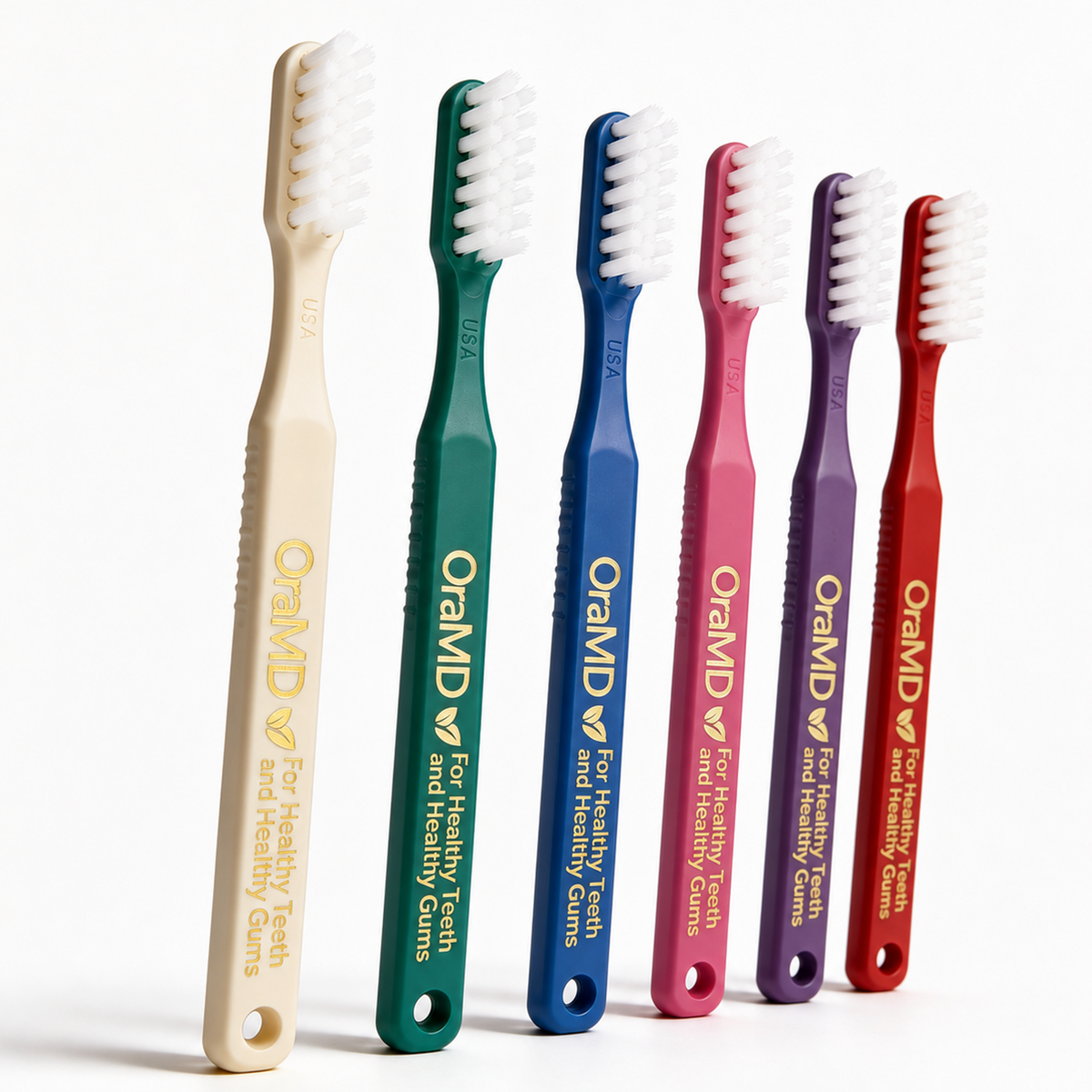
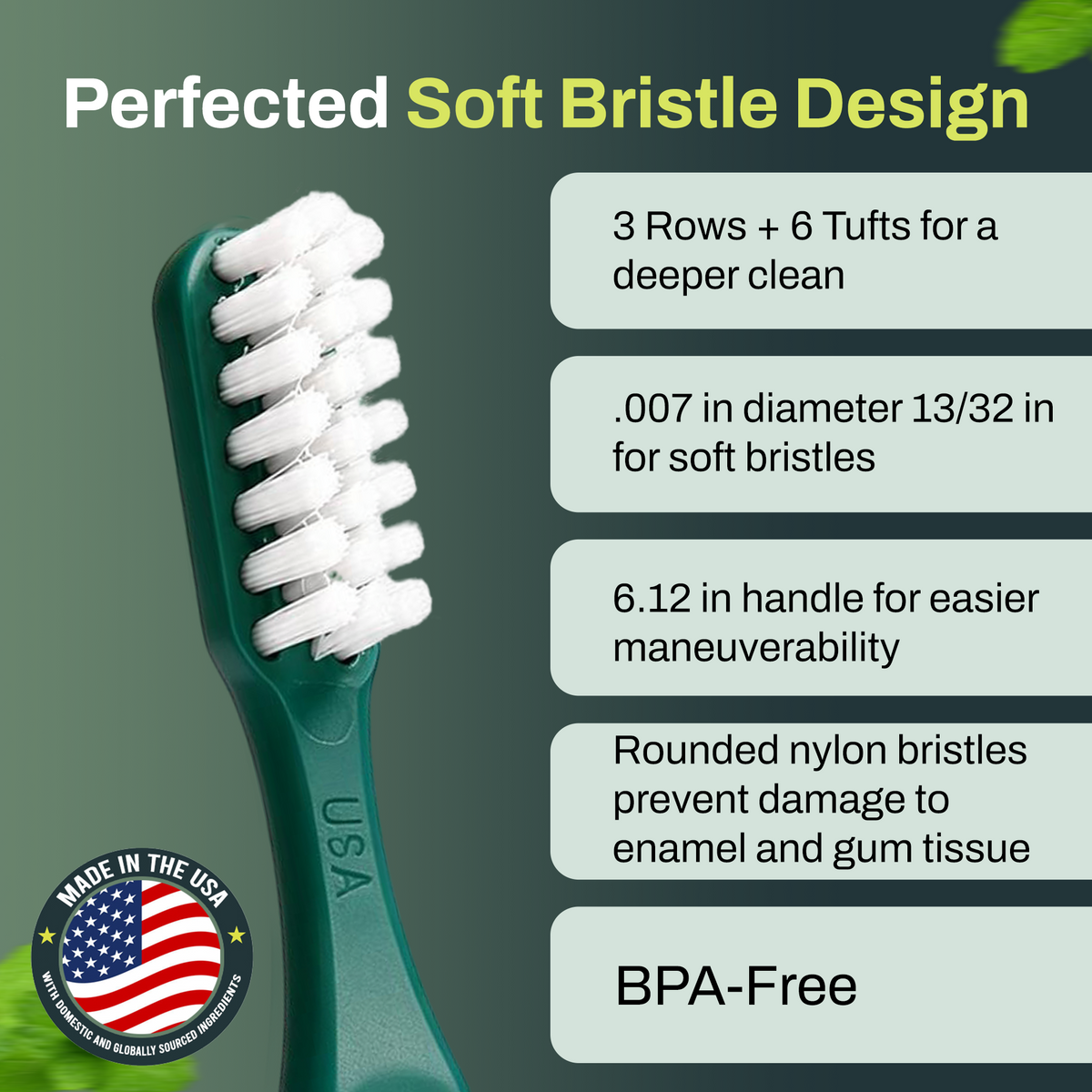
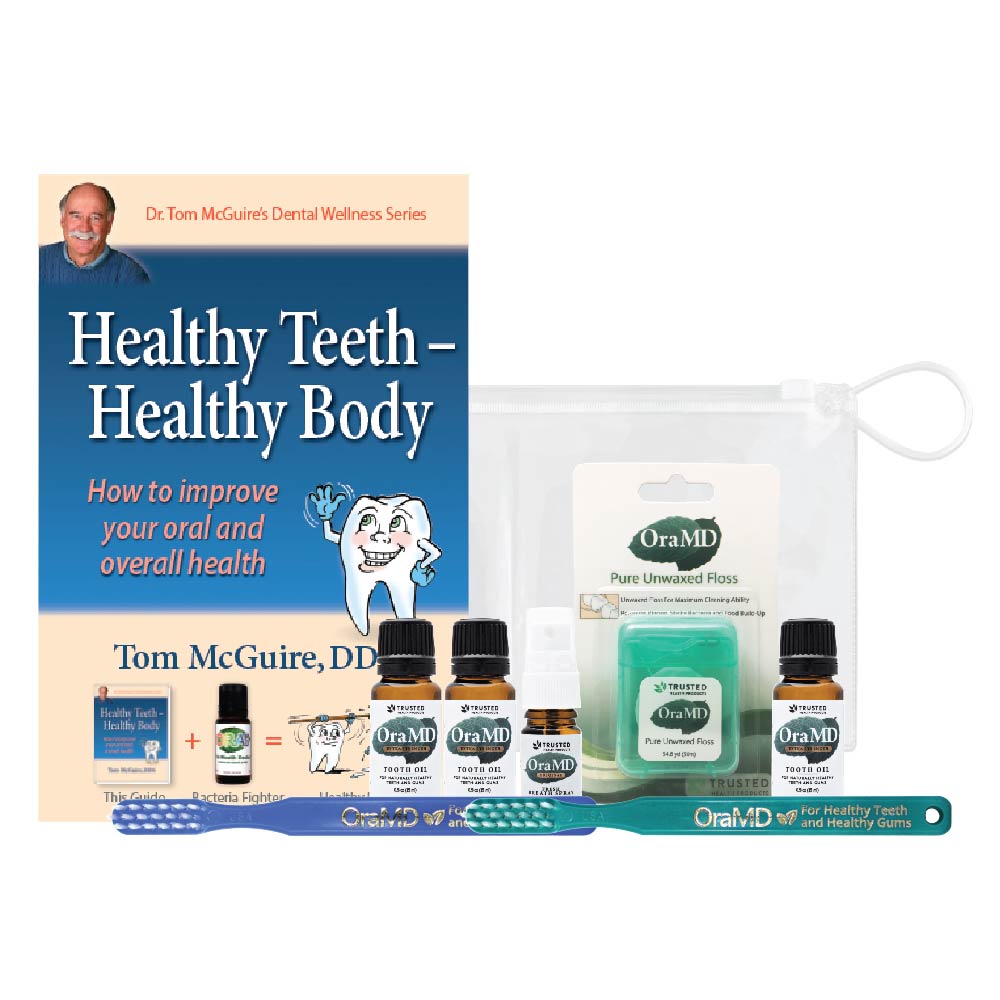
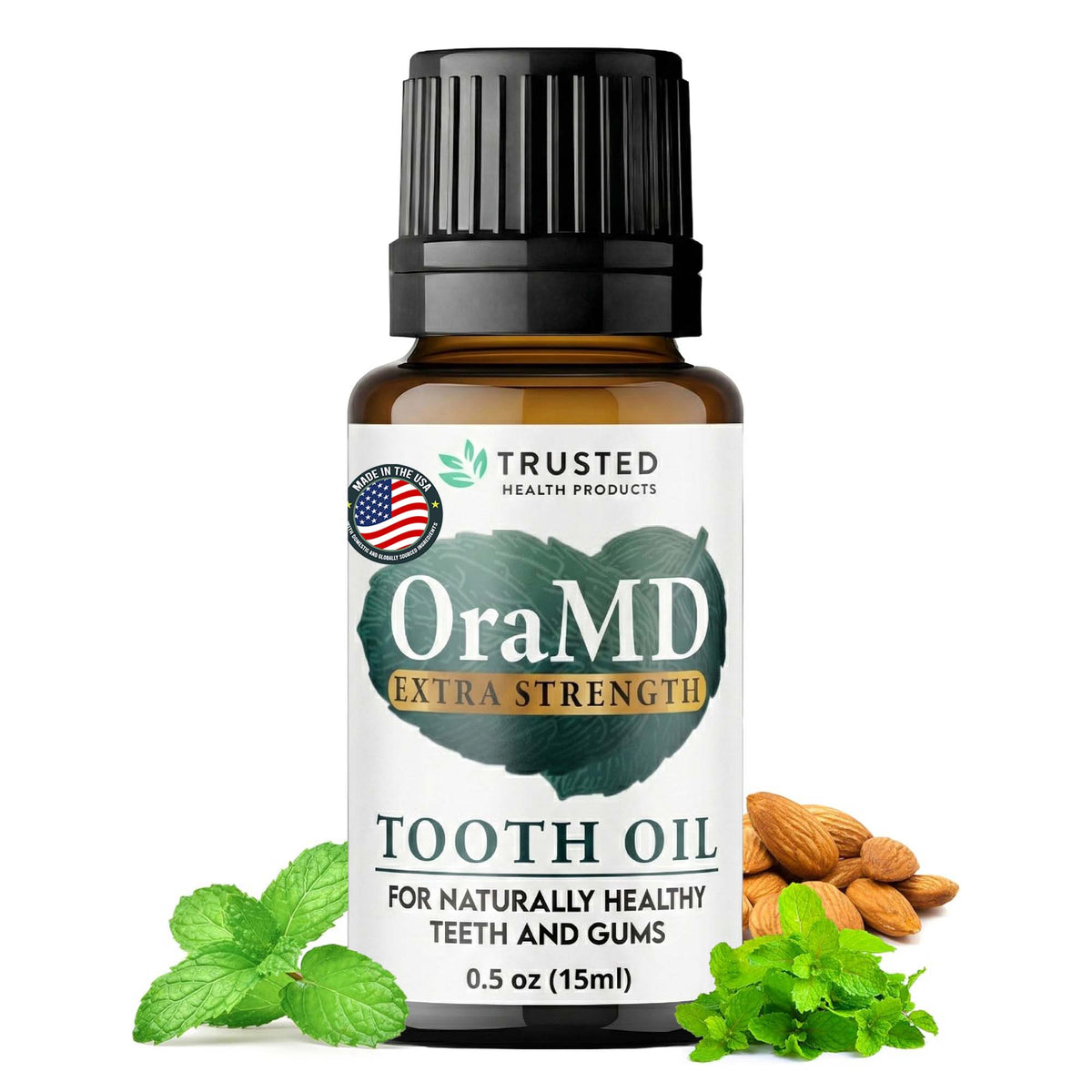
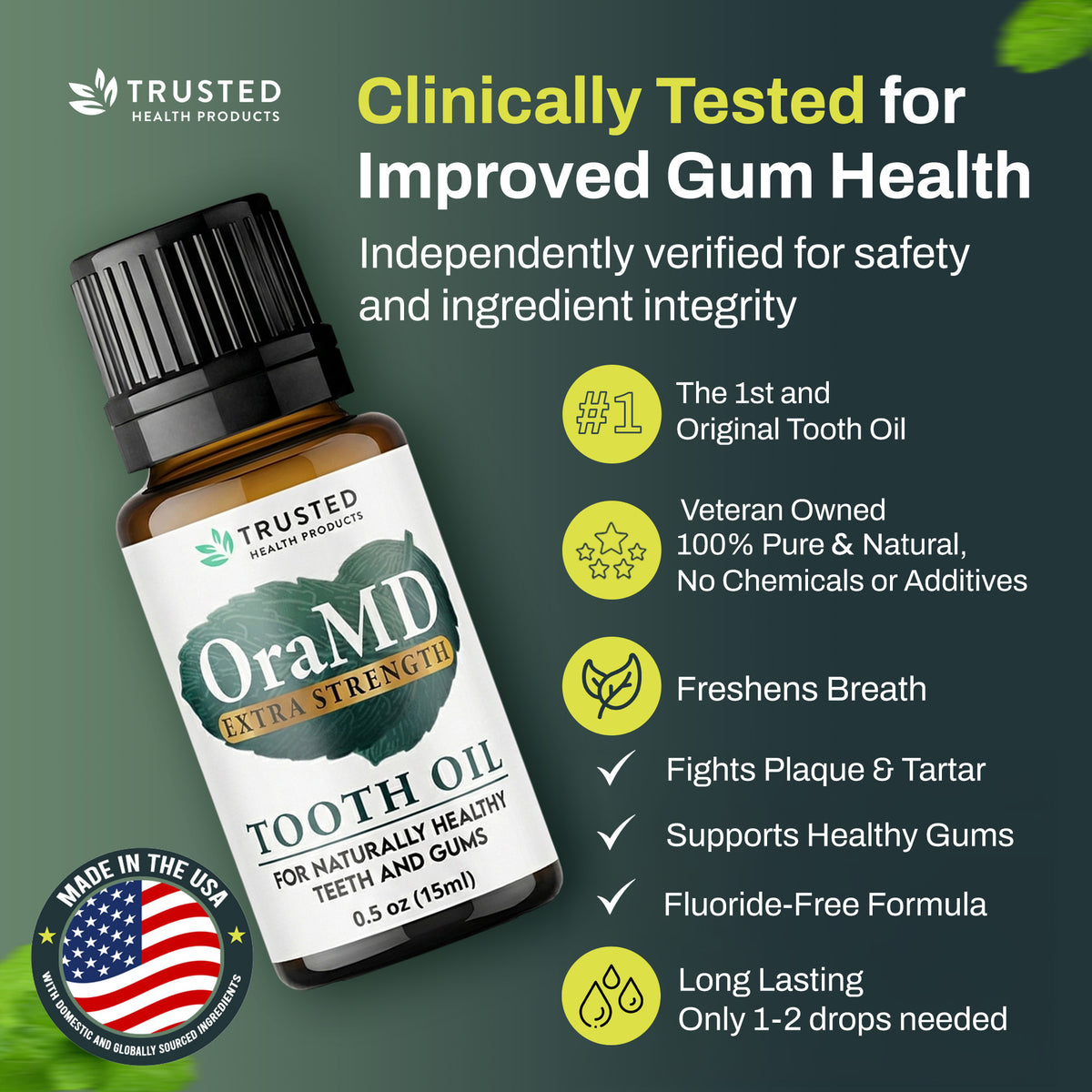
The floss stays free from PFAS, paraffin, and Teflon-like substances found in some conventional brands. Each spool is biodegradable, with minimal packaging waste. This unwaxed dental floss pairs naturally with the OraMD Dr. Bass Toothbrush and OraMD Original Strength Tooth Oil.
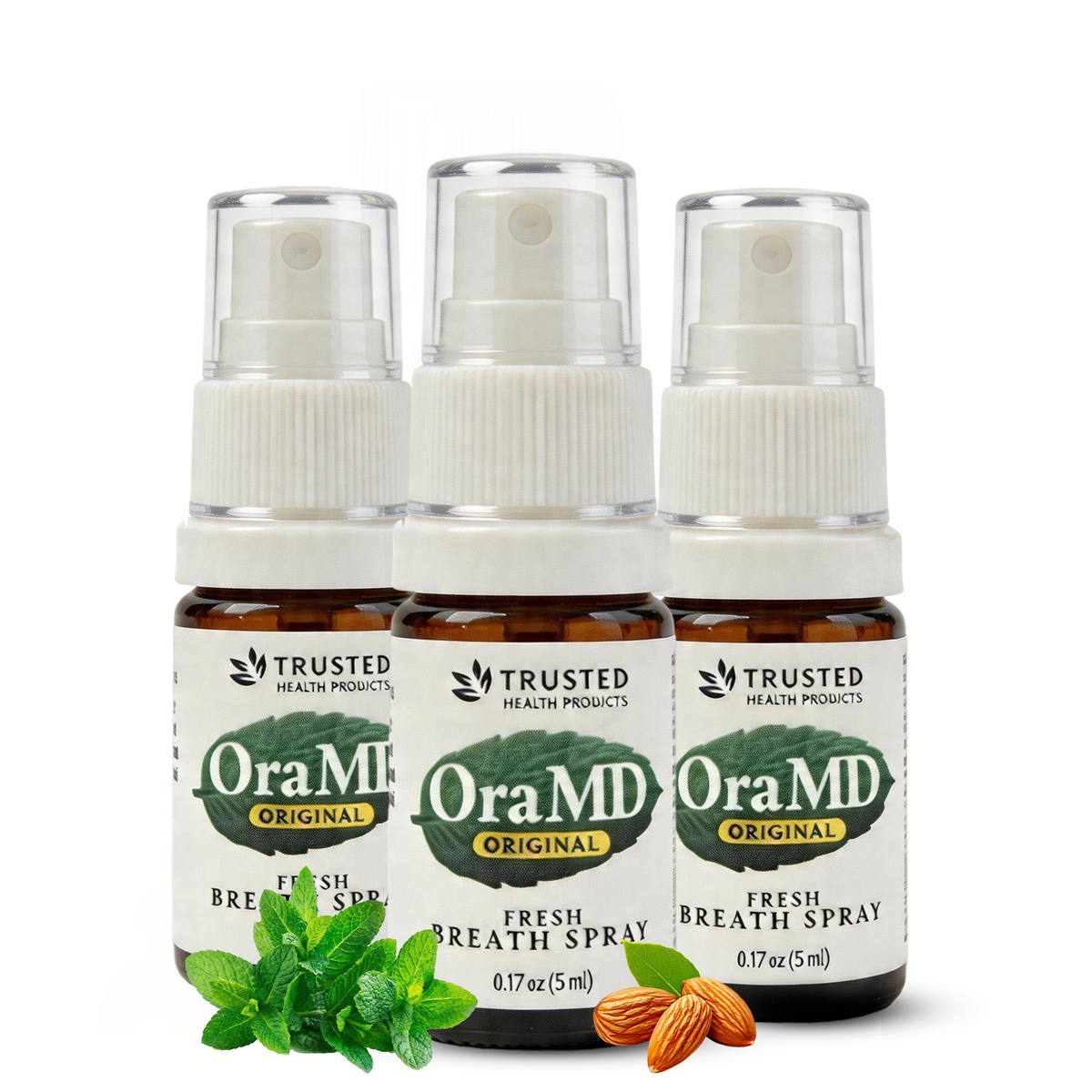
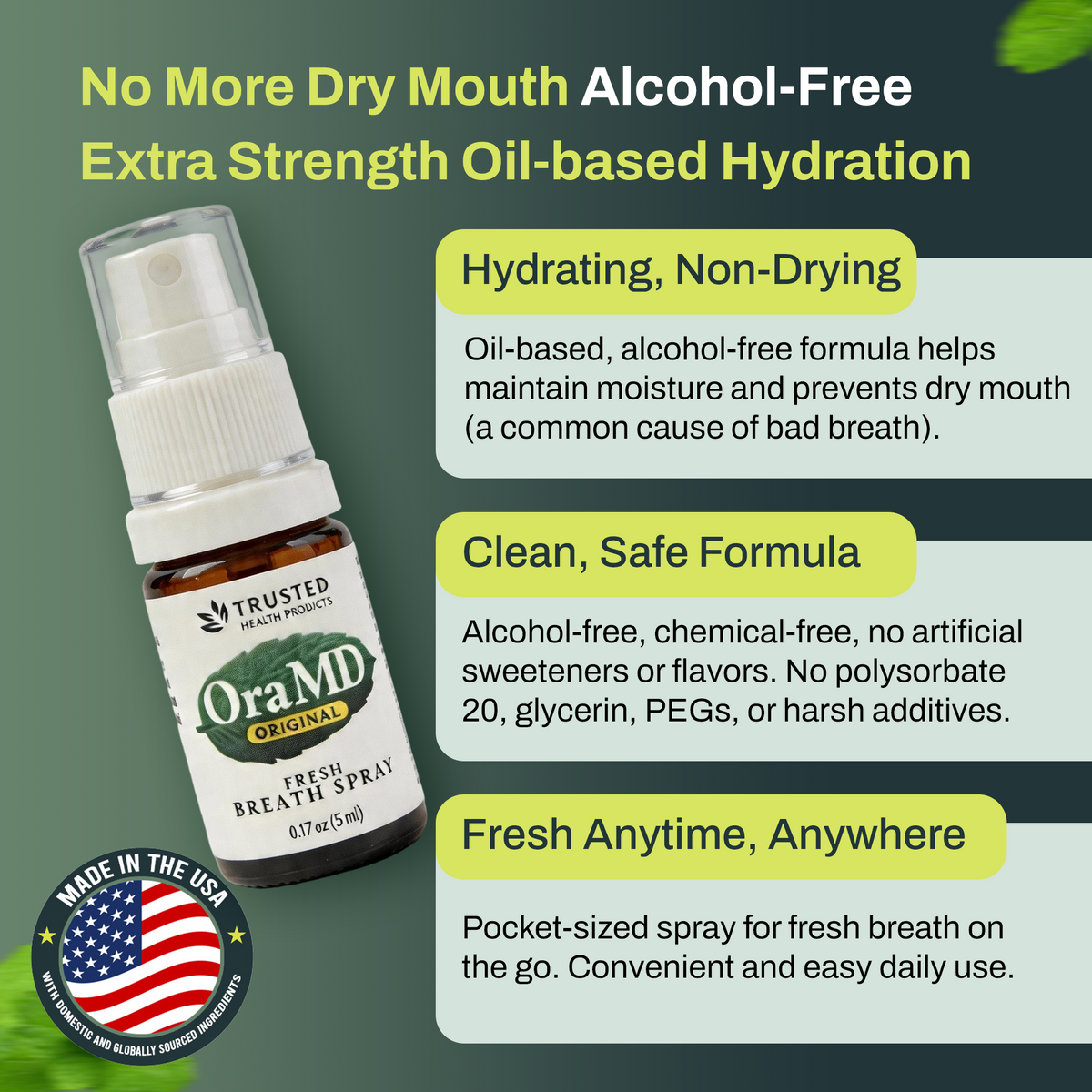
Together with the OraMD All-Natural Breath Spray, these products build a complete daily routine. The full OraMD oral care collection covers every stage of a natural hygiene practice. Each 6-pack includes six spools of floss, enough for months of daily use without reordering.
People building a consistent flossing habit may find a gentle, additive-free floss easier to maintain long term.
Conclusion
Flossing once daily remains the simplest, effective habit for healthier gums. The exact time of day matters less than consistency. Braces, sensitive gums, and personal preference all shape which tool works best. String floss, water flossers, and floss picks each lead to the same daily goal.
For anyone building a gentler routine, OraMD Pure Unwaxed Dental Floss offers a clean, additive-free place to start.