Parabens & Sulfates: Why They're Harmful and What to Use Instead
May 22, 2026
Author: Ray Spotts
Tags:
For generations, the standard for "effective" skincare was defined by chemical stability and sensory experience. If a cream could sit on a shelf for five years without separating or growing mold, it was considered a success. If a cleanser produced a mountain of foam, it was deemed "clean." However, as we move through 2026, our understanding of skin biology and systemic health has evolved.
The question "are parabens in skincare harmful?" is no longer just a niche concern for the ultra-health-conscious; it is a fundamental inquiry into how topical applications affect our internal endocrine systems and the environment.
What Are Parabens and Sulfates?
To understand the risks, we must first define the culprits. These two classes of chemicals serve very different functions, but they are often found together in conventional water-based lotions and washes.
Parabens: The Invisible Preservatives
Parabens are a class of synthetic preservatives (common names include methylparaben, propylparaben, and butylparaben). Their primary job is to prevent the growth of bacteria, mold, and yeast in products that contain water. Because water is a breeding ground for pathogens, any water-based cream must have a preservative. Parabens have been the industry favorite since the 1950s because they are incredibly cheap and effective at extending shelf life to extreme lengths.
Sulfates: The Industrial Degreasers
Sulfates are surfactants, most commonly Sodium Lauryl Sulfate (SLS) and Sodium Laureth Sulfate (SLES). Their role is to reduce the surface tension of water, allowing it to mix with oil and dirt so they can be washed away. They are responsible for the "lather" or "foam" in your face wash and shampoo. Interestingly, these same chemicals are used in industrial settings to degrease car engines and clean garage floors.
The Evidence: Why Parabens Are Concerning
The debate over whether parabens in skincare are harmful is rooted in three primary areas of scientific concern:
1. Endocrine Disruption and Xenoestrogens
The most significant concern regarding parabens is their role as xenoestrogens. This means they can mimic the hormone estrogen in the human body. Estrogen is a powerful signaling molecule that controls everything from reproductive health to bone density.
Research has detected paraben residues in human breast tissue samples, sparking ongoing global debates about their cumulative impact. When the body’s hormonal balance is disrupted by external mimics, it can lead to a cascade of issues, including reproductive toxicity and developmental concerns.
2. Chronic Skin Irritation and Sensitization
For those with a compromised skin barrier, eczema, or rosacea, parabens can act as a direct irritant. They are a common trigger for contact dermatitis. While a healthy person might not notice an immediate reaction, those with sensitive skin often experience chronic redness and "mystery" flare-ups that disappear once they switch to paraben-free, botanical formulas.
3. Environmental Bioaccumulation
Parabens do not simply disappear when you wash them down the drain. They are stable chemical structures that persist in the environment. They have been detected in various water systems and in the tissues of marine wildlife. This bioaccumulation affects the broader ecosystem, making parabens a concern for planetary health as much as human health.
The Immediate Impact of Sulfates
While parabens present long-term systemic concerns, sulfates cause immediate, measurable damage to the skin’s physical structure:
-
Lipid Stripping: Your skin barrier is made of essential lipids (fats). Sulfates are so effective at removing oil that they strip away these protective lipids, leading to "squeaky clean" skin that is actually dehydrated and vulnerable.
-
The 1,4-Dioxane Risk: The manufacturing process for SLES (ethoxylation) can produce a byproduct called 1,4-dioxane, a probable human carcinogen. Because it is a contaminant and not an "ingredient," it is not required to be listed on labels.
Comparison: Conventional vs. Clean Ingredients
|
Ingredient Type |
Conventional Choice |
Clean Alternative |
Why It's Better |
|
Preservative |
Parabens |
Vitamin E / Rosemary |
Non-hormonal; provides antioxidant support. |
|
Cleanser |
SLS / SLES |
Coco Glucoside |
Derived from coconut/sugar; gentle and biodegradable. |
|
Moisturizer |
Mineral Oil / PEGs |
Organic Plant Oils |
Bioavailable; repairs the lipid barrier. |
|
Fragrance |
Synthetic Phthalates |
Botanical Extracts |
Lower risk of allergic reaction and endocrine disruption. |
What Most Articles Miss: The Anhydrous Solution
Many guides focus on "swapping" one preservative for another. However, the most effective way to avoid parabens is to change the delivery system of your skincare.
The Water Variable
Bacteria need water to thrive. This is why conventional lotions (which are often 70-80% water) require heavy-duty synthetic preservatives. By choosing anhydrous (water-free) products like Earth & Elm Face Oil, you naturally bypass the need for parabens.
When a product is composed entirely of botanical oils—such as Organic Sweet Virgin Almond Oil, Evening Primrose, and Apricot Kernel Oil—it is self-stabilizing. Natural antioxidants like Vitamin E (Tocopherol) and Rosemary extract are sufficient to keep the oils fresh without interfering with your hormones.
Shelf Life vs. Freshness
One reason parabens are so popular is that they allow products to stay "fresh" for 3 to 5 years. In the clean beauty world, we prioritize freshness. A natural botanical oil typically has a shelf life of 12 to 18 months. While this is shorter than a chemical-laden cream, it ensures that you are applying active, potent nutrients to your skin rather than "dead" synthetic fillers.
Transitioning to a Clean Routine
The most straightforward way to eliminate the "Are parabens harmful?" worry is to shift toward oil-rich, plant-based formulas.
-
Earth & Elm Face Oil: This 100% botanical blend targets aging and dullness using Bakuchiol, Sea Buckthorn, and Frankincense. It is inherently paraben-free and sulfate-free, providing a concentrated dose of vitamins directly to the dermis.
-
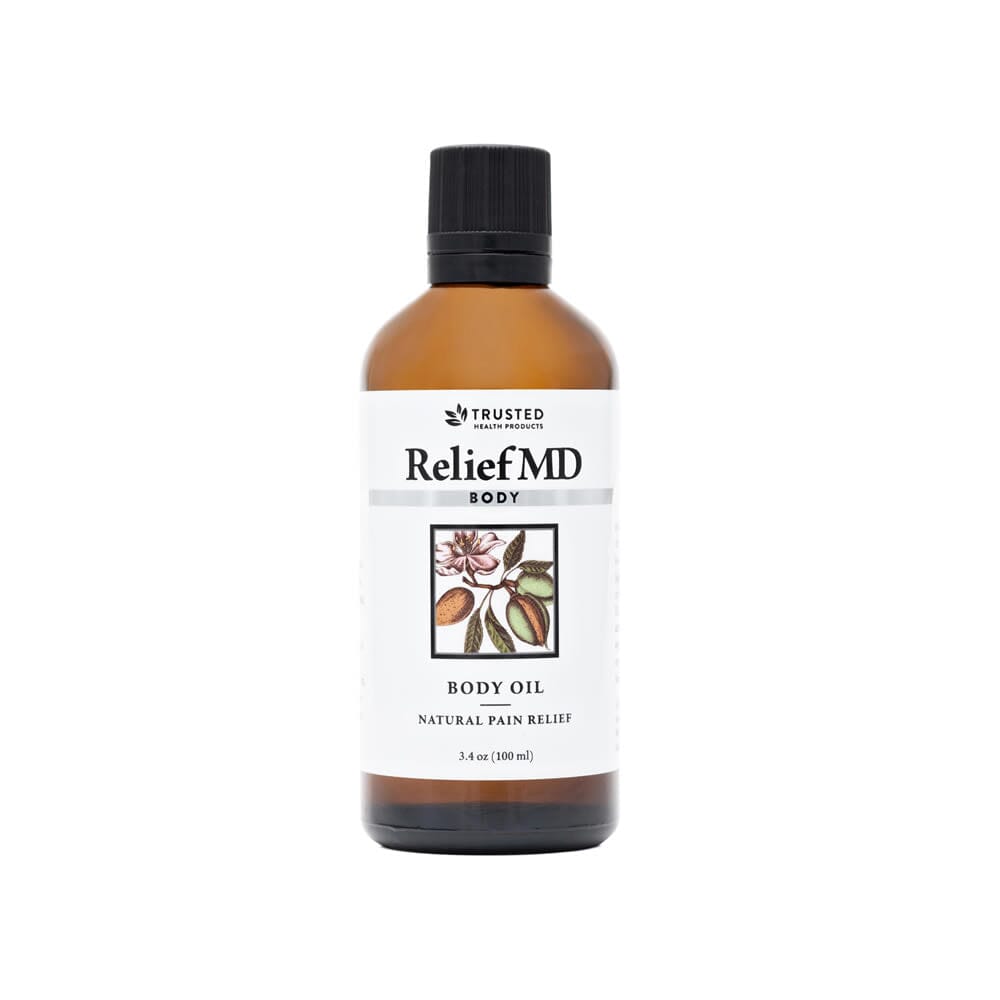
Earth & Elm Body Oil: Most body lotions are the biggest offenders for paraben and phthalate content because they are used in large volumes. Switching to a body oil ensures you are hydrating your entire skin surface without the risks of systemic absorption of xenoestrogens.
Conclusion
Are parabens in skincare harmful? The weight of evidence regarding endocrine disruption, skin sensitization, and environmental impact suggests that avoiding them is a prudent choice for long-term health. When paired with the barrier-stripping nature of sulfates, these conventional ingredients often do more harm than good.
By switching to plant-based, anhydrous formulas like Earth & Elm, you nourish your skin with bioavailable nutrients while completely bypassing the risks associated with synthetic preservatives and harsh detergents. Your skin is a living organ; it deserves to be fed with ingredients it recognizes and can actually use for repair and protection.