
How to Cure Plantar Fasciitis:A Step-by-Step Guide
July 23, 2026
Author: Team Farrisi
Tags:
Heel pain that strikes hardest with the first steps out of bed has a common cause. Plantar fasciitis affects roughly one in ten people at some point. Learning how to cure plantar fasciitis starts with understanding what triggers the pain. This guide walks through the symptoms, the recovery timeline, and the daily habits that support healing.
What Is Plantar Fasciitis?
The plantar fascia is a thick band of tissue along the bottom of the foot. It connects the heel bone to the base of the toes. This band supports the arch and absorbs shock with every step. Repetitive stress can strain or tear tiny fibers where the fascia meets the heel. According to OrthoInfo from the American Academy of Orthopaedic Surgeons, plantar fasciitis is one of the most common causes of heel pain. Long periods of standing, running, and worn-out shoes all raise the risk.
Symptoms of Plantar Fasciitis
Sharp pain near the heel marks the clearest sign of this condition. The pain typically feels worst with the first steps after waking.
It often eases after a few minutes of walking, then returns later. Standing up after long periods of sitting can trigger the same sharp pain. Pain after exercise, rather than during it, is another common pattern.
Tenderness when pressing on the bottom of the heel often confirms the diagnosis. Recognizing these signs early supports faster, more effective treatment.
Signs of Plantar Fasciitis vs Other Foot Pain
Not every case of foot pain points to plantar fasciitis. Pain centered under the heel, worse in the morning, fits the typical pattern. Pain spreading across the whole foot or toes may suggest a different cause.
Numbness or tingling often points toward nerve-related issues instead. Swelling or bruising after an injury suggests a sprain or fracture, not fasciitis. A doctor can rule out other causes with a simple physical exam.
How to Cure Plantar Fasciitis at Home
Most cases respond well to consistent, simple care over several weeks. Rest reduces the repetitive strain that keeps irritating the fascia. Ice applied to the heel for fifteen to twenty minutes helps calm soreness.
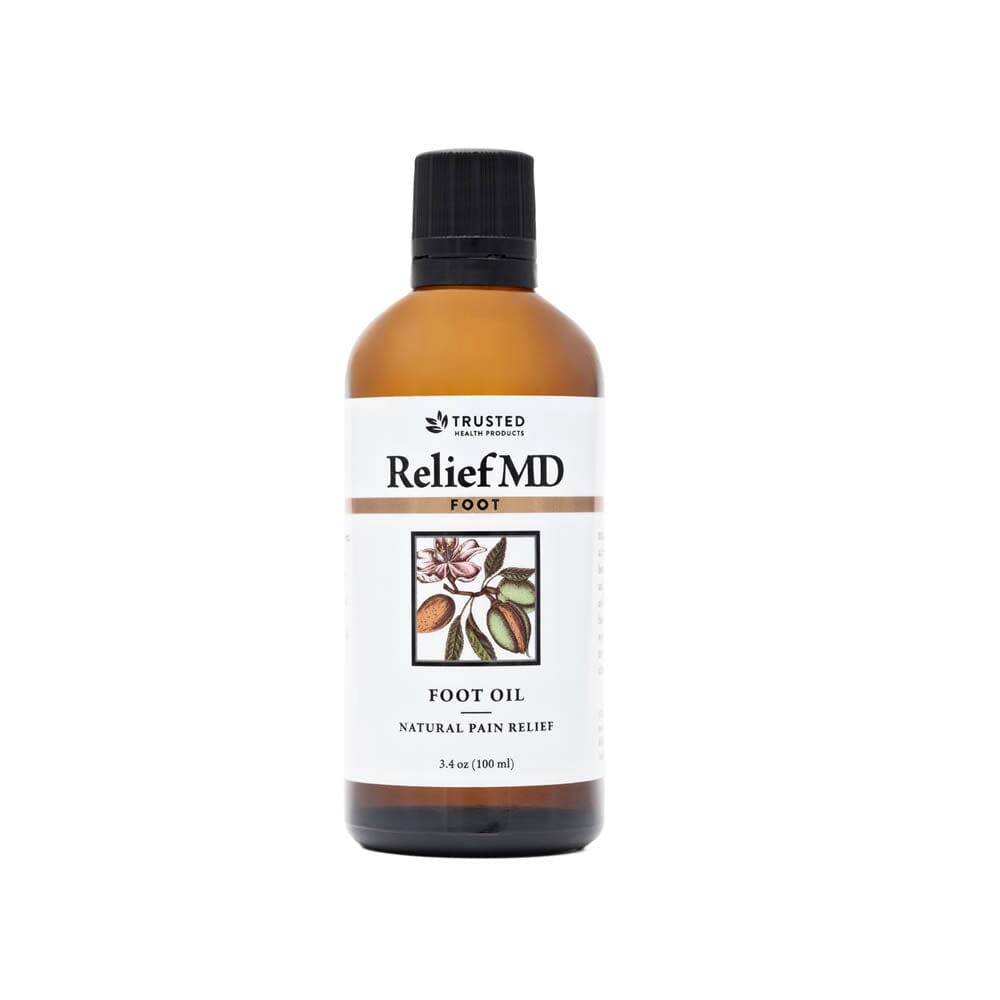
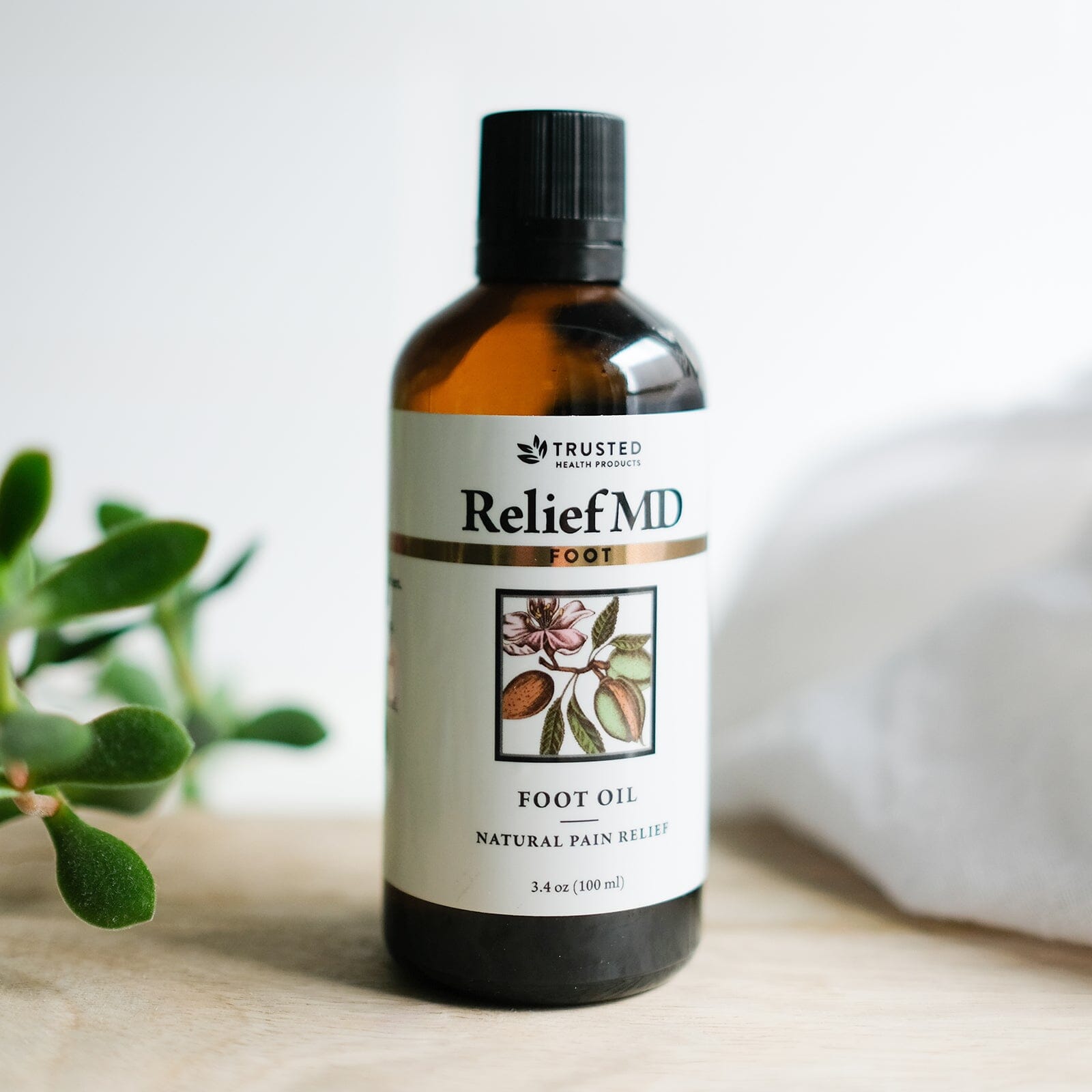
Calf and foot stretches, done daily, ease tension on the fascia over time. Supportive shoes with good arch support reduce strain on the heel with every step. Trusted Health Products offers the ReliefMD Foot Oil for readers building a soothing after-activity foot care habit. A consistent daily routine tends to matter more than any single remedy alone.
How to Get Rid of Plantar Fasciitis Pain During the Day
Daytime flare-ups often respond to quick, targeted steps. Rolling the foot over a cold water bottle eases pain during a break.
Switching to supportive, cushioned shoes reduces pressure with each step. Avoiding barefoot walking on hard floors limits added strain on the fascia. Night splints keep the foot gently stretched while sleeping, which some people find helpful.
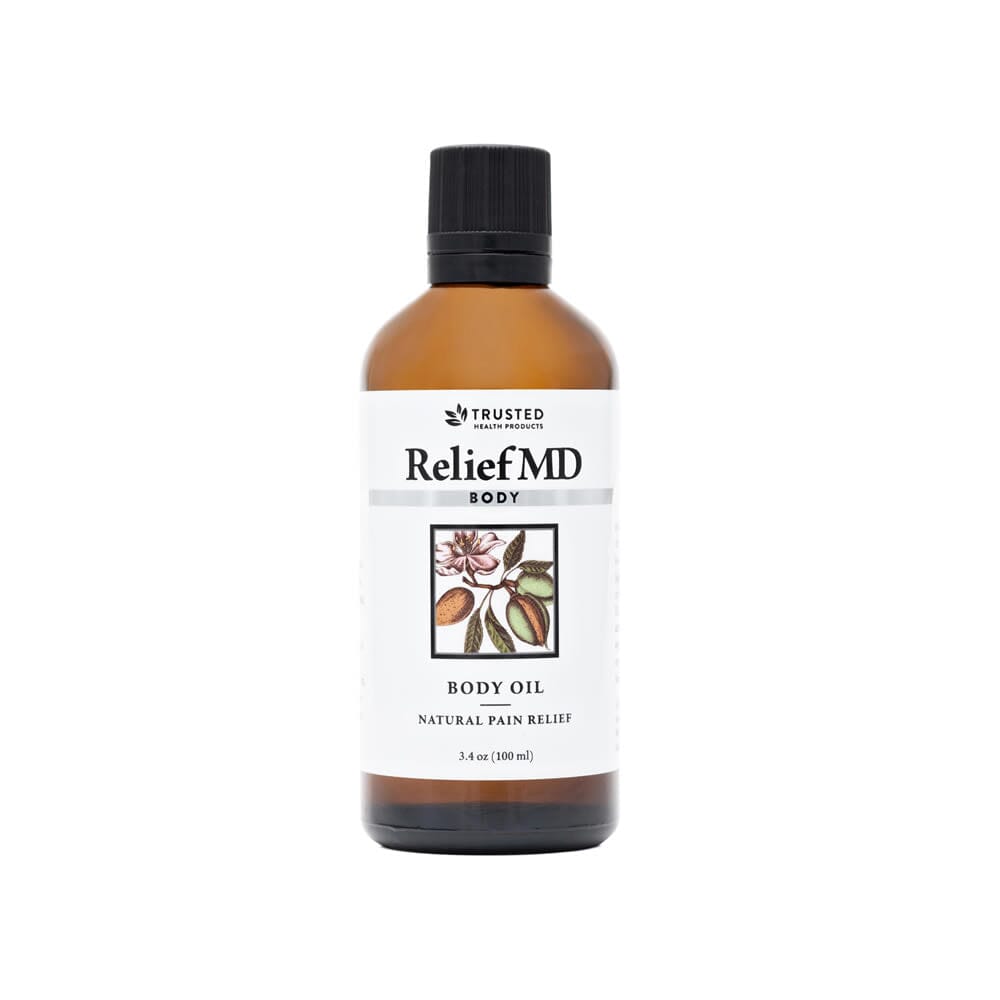
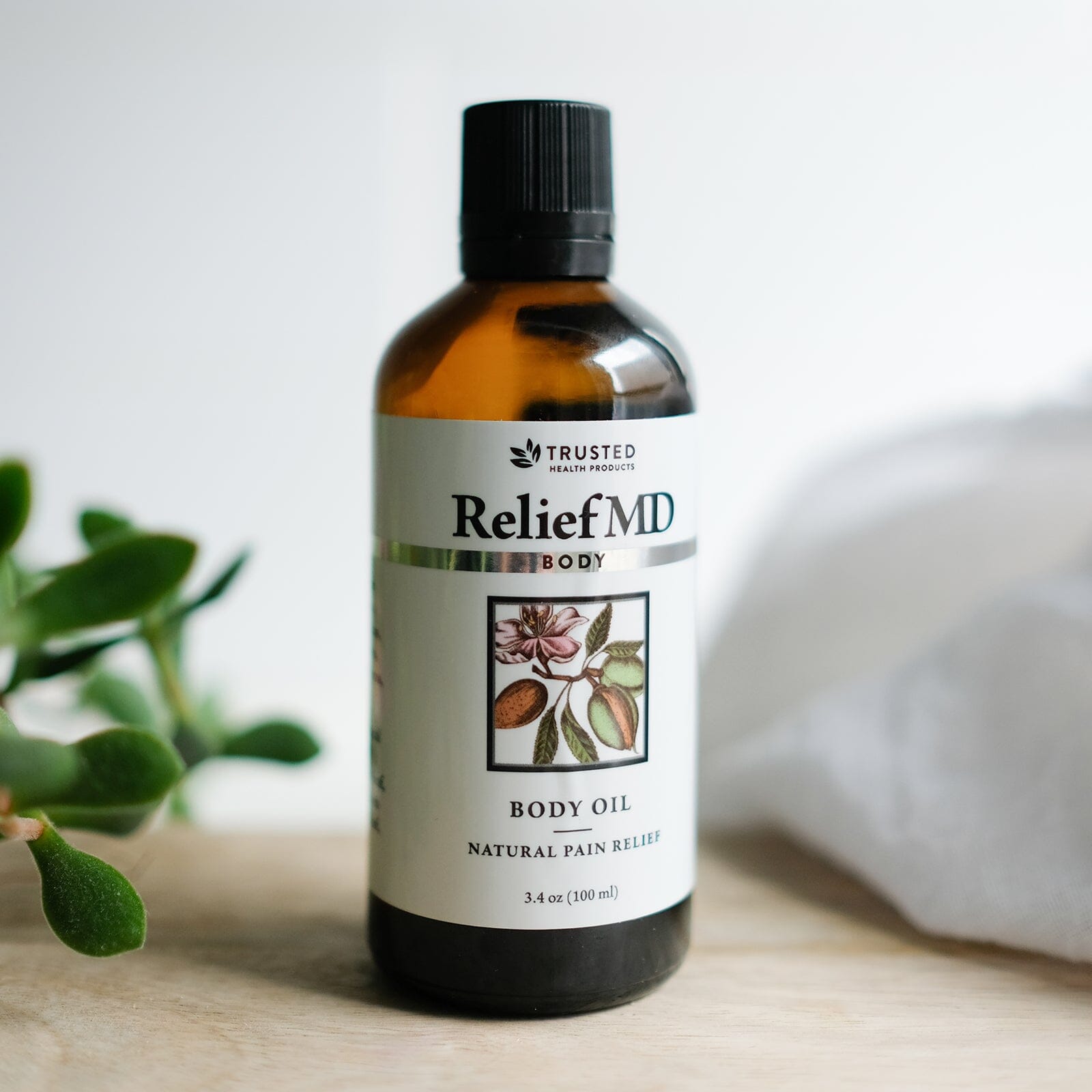
Trusted Health Products carries the ReliefMD Body Oil for readers looking to work a calming massage into sore, tired feet after a long day.
Plantar Fasciitis Recovery Time: What to Expect
Recovery time varies, but most cases follow a similar pattern. Mild improvement often begins within a few weeks of consistent care. The National Institutes of Health notes that plantar fasciitis usually results from overuse stress rather than ongoing inflammation.
That distinction matters, since healing depends on reducing repeated strain, not just treating swelling. Many people see significant relief within six to eight weeks of stretching and rest. More stubborn cases can take several months to fully resolve.
Does Plantar Fasciitis Ever Go Away? Can It Be Cured?
Plantar fasciitis resolves for most people with consistent nonsurgical care. The National Institute of Arthritis and Musculoskeletal and Skin Diseases describes it as a common, treatable cause of heel pain.
A small number of cases persist despite months of home treatment. Those cases sometimes need additional options like physical therapy or a cortisone injection. Surgery remains rare and is generally reserved for pain lasting beyond a year of aggressive nonsurgical care.
Comparing Treatment Options
Stretching and rest work well for mild, early-stage plantar fasciitis. Supportive shoes and orthotic inserts help distribute pressure more evenly across the foot. Night splints suit people whose pain feels worst first thing in the morning.
Massage and gentle heat can ease tight, sore muscles around the arch and calf. Professional treatments, such as physical therapy, help cases that resist several weeks of home care. Combining a few of these approaches often works better than relying on just one.
Building a Daily Recovery Routine
Consistency matters more than intensity when healing plantar fasciitis. Morning stretches before standing up ease the sharpest early pain. Icing the heel after activity limits irritation from building up again.
Trusted Health Products offers the All in One Oil for readers wanting one simple option to support tired feet and calves in a single routine. Supportive shoes worn throughout the day protect the fascia between stretching sessions. Small, repeated habits, done daily, tend to produce steadier progress than occasional intense effort.
Conclusion
Learning how to cure plantar fasciitis comes down to consistent, low-effort daily habits. Rest, stretching, supportive shoes, and icing address most cases within a couple of months. Watching for pain that persists or worsens helps catch cases that need extra support.
Trusted Health Products stocks the All-Natural Muscle Pain Relief collection for readers ready to build a fuller foot and calf care routine.