How to Fix Receding Gums: Causes, Treatment, and Prevention
July 15, 2026
Author: Team Farrisi
Tags:
Receding gums affect millions of adults, and many people start searching for how to fix receding gums the moment a tooth looks longer than it used to. Gum recession happens when tissue pulls back from the tooth, exposing the root underneath.
Left alone, it can lead to sensitivity, infection, and eventually tooth loss. The encouraging part: specific treatments and daily habits can stop gum recession from progressing and protect a smile for years to come.
What Causes Receding Gums?
Gum recession rarely has just one cause. Periodontal disease is the leading driver. Plaque buildup irritates the gums, and over time this inflammation destroys the tissue and bone that hold teeth in place. Brushing too hard is another common reason gums recede, especially with a stiff-bristled brush or a heavy hand. This habit wears down both enamel and gum tissue.
Genetics play a role too. Some people simply have thinner gum tissue and a higher risk of recession, regardless of how well they care for their teeth. Other contributing factors include smoking or tobacco use, hormonal shifts, teeth grinding or clenching, misaligned teeth, and lip or tongue piercings that rub against the gum line.
Certain medications that cause dry mouth can also raise the risk, since reduced saliva lets bacteria multiply faster.
Can Receding Gums Be Reversed?
This is the question most people actually want answered, and the honest answer matters more than a comforting one. Gum tissue that has already receded does not grow back on its own. The CDC confirms that periodontitis is an irreversible condition that can be slowed and managed but not undone through home care alone.
Gingivitis, the milder and earlier stage of gum disease, is reversible with better oral hygiene. That distinction matters: catching the problem early is what determines whether it can be stopped in its tracks or whether the recession becomes permanent.
Some natural remedies circulating online claim to rebuild or regrow gum tissue at home. Most of these lack strong clinical evidence for actual tissue regeneration. They may support gum health and reduce bacteria, but they are not a substitute for a dental evaluation once recession has started.
How to Stop Receding Gums From Getting Worse
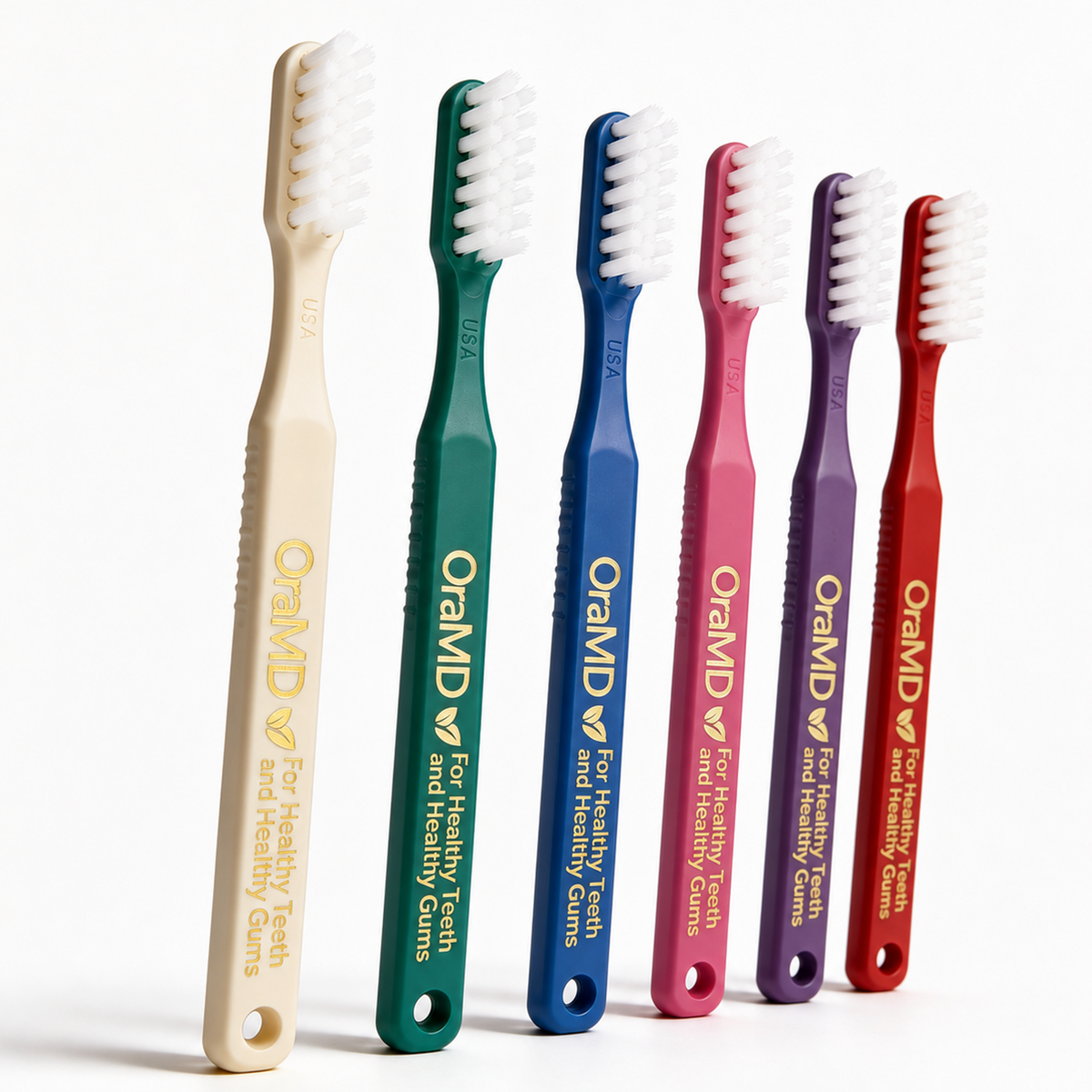
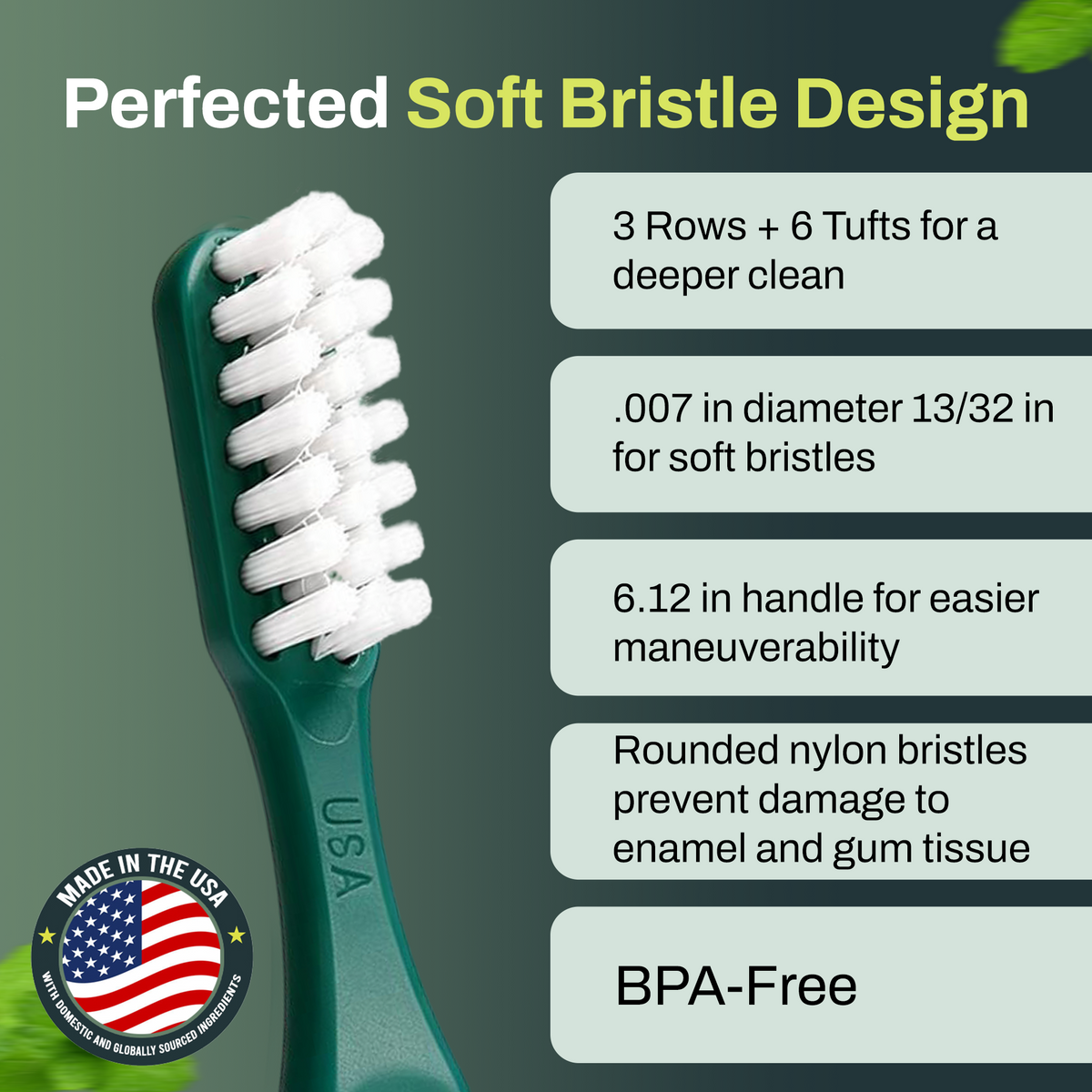
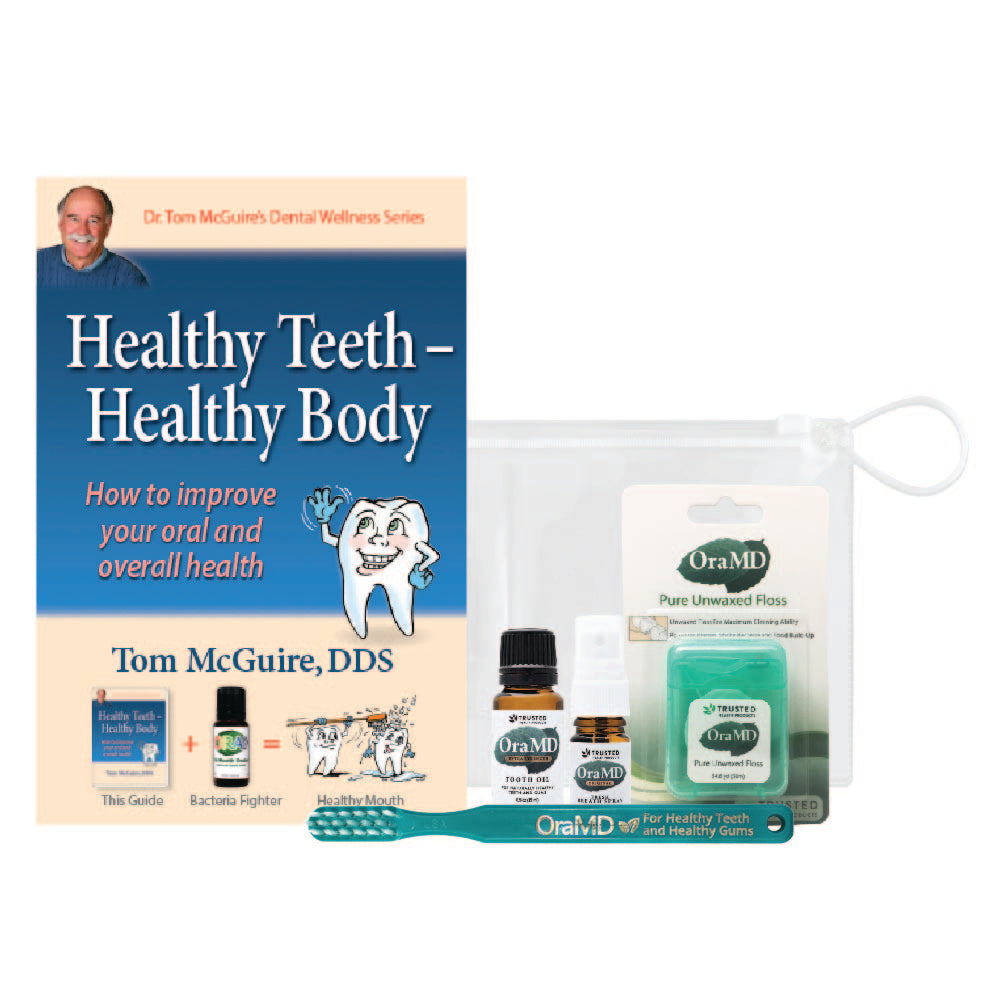
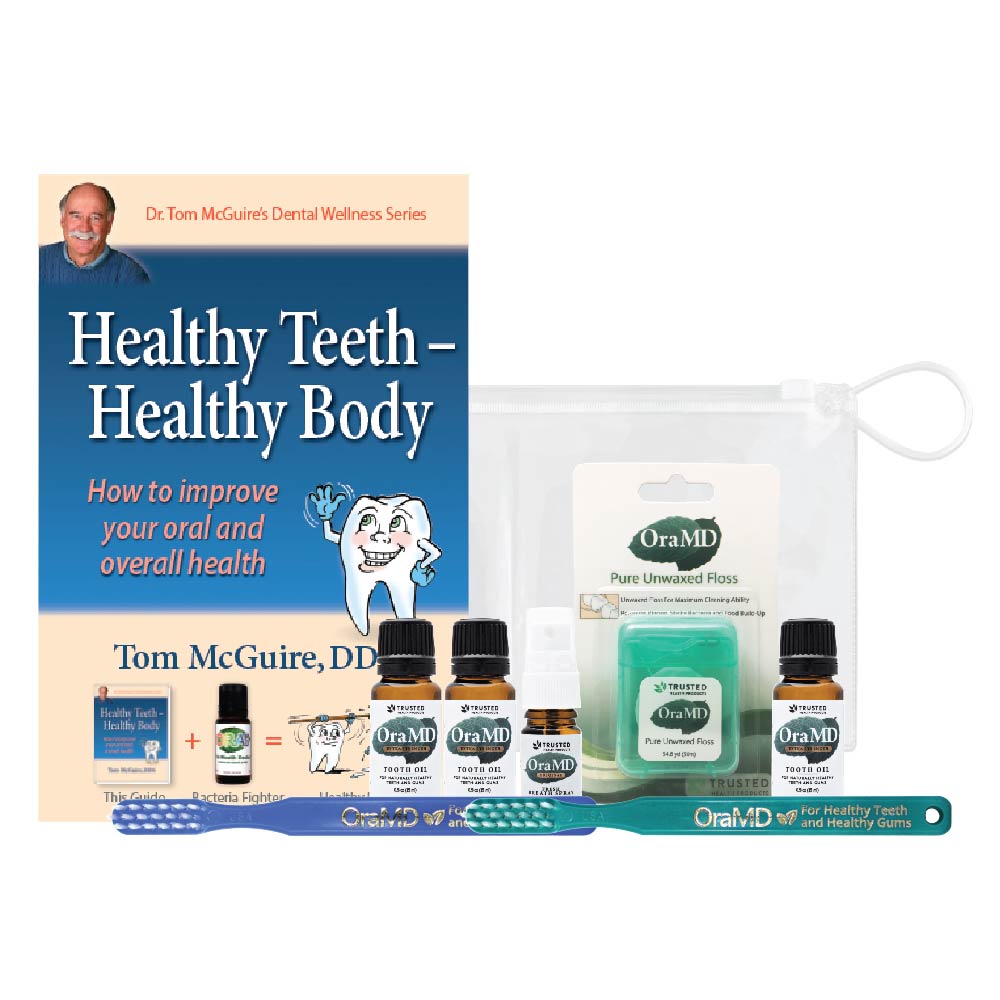
Stopping gum recession from progressing starts with gentler daily habits. A soft-bristle toothbrush paired with the modified Bass technique, angling bristles toward the gum line at 45 degrees, cleans effectively without wearing away tissue. Products like the OraMD Dr. Bass Toothbrush are designed with this exact technique in mind, using soft nylon bristles suited to sensitive or receding gum lines.
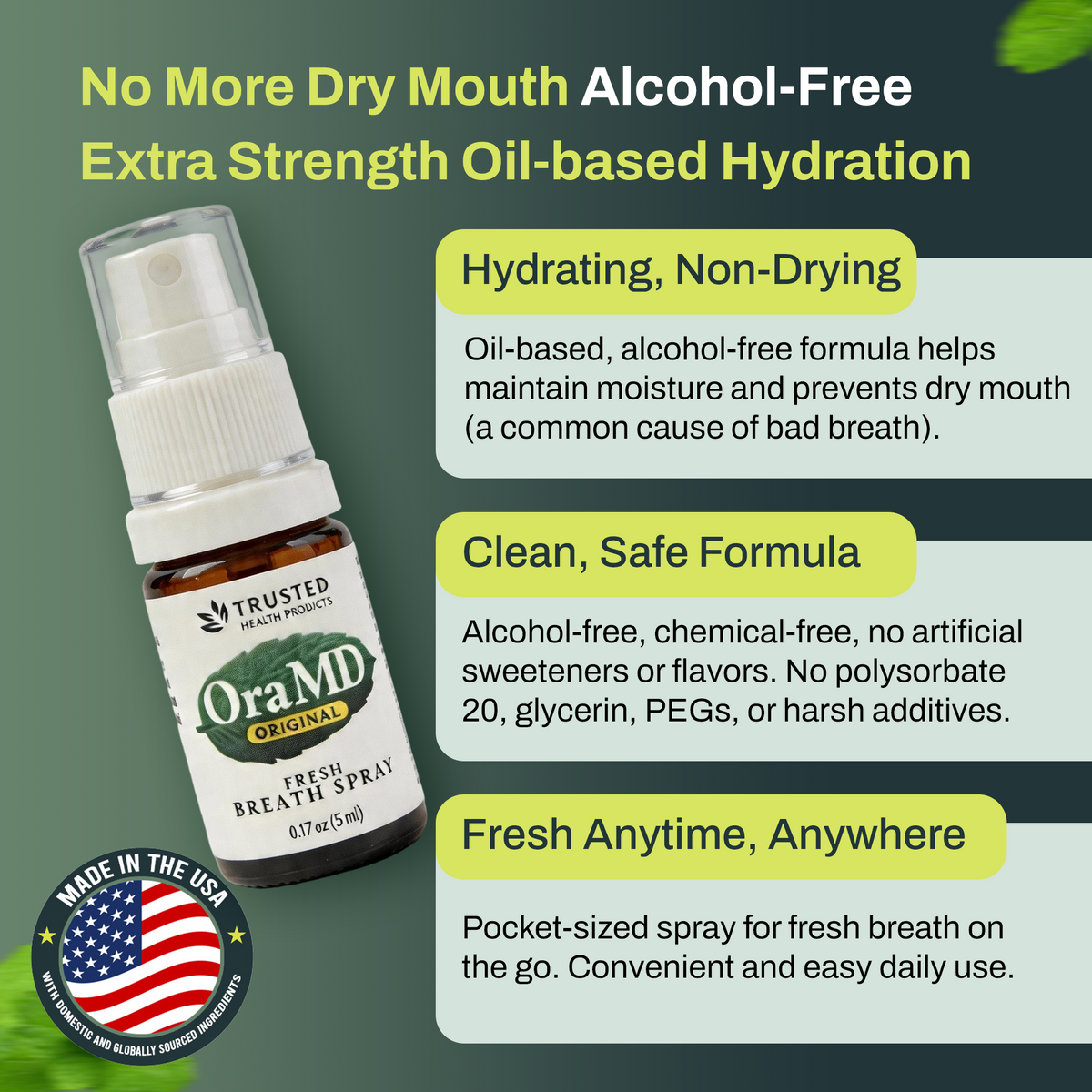
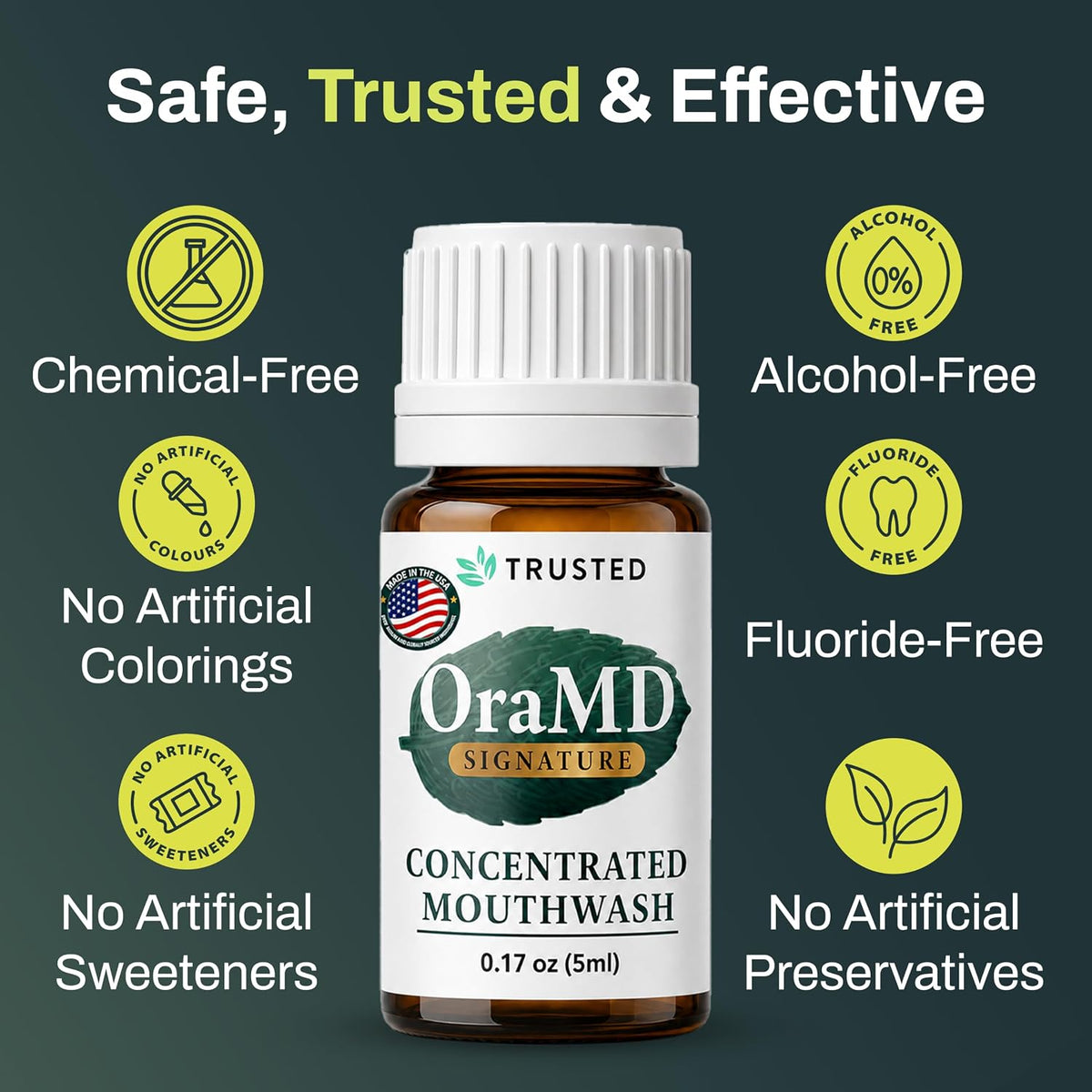
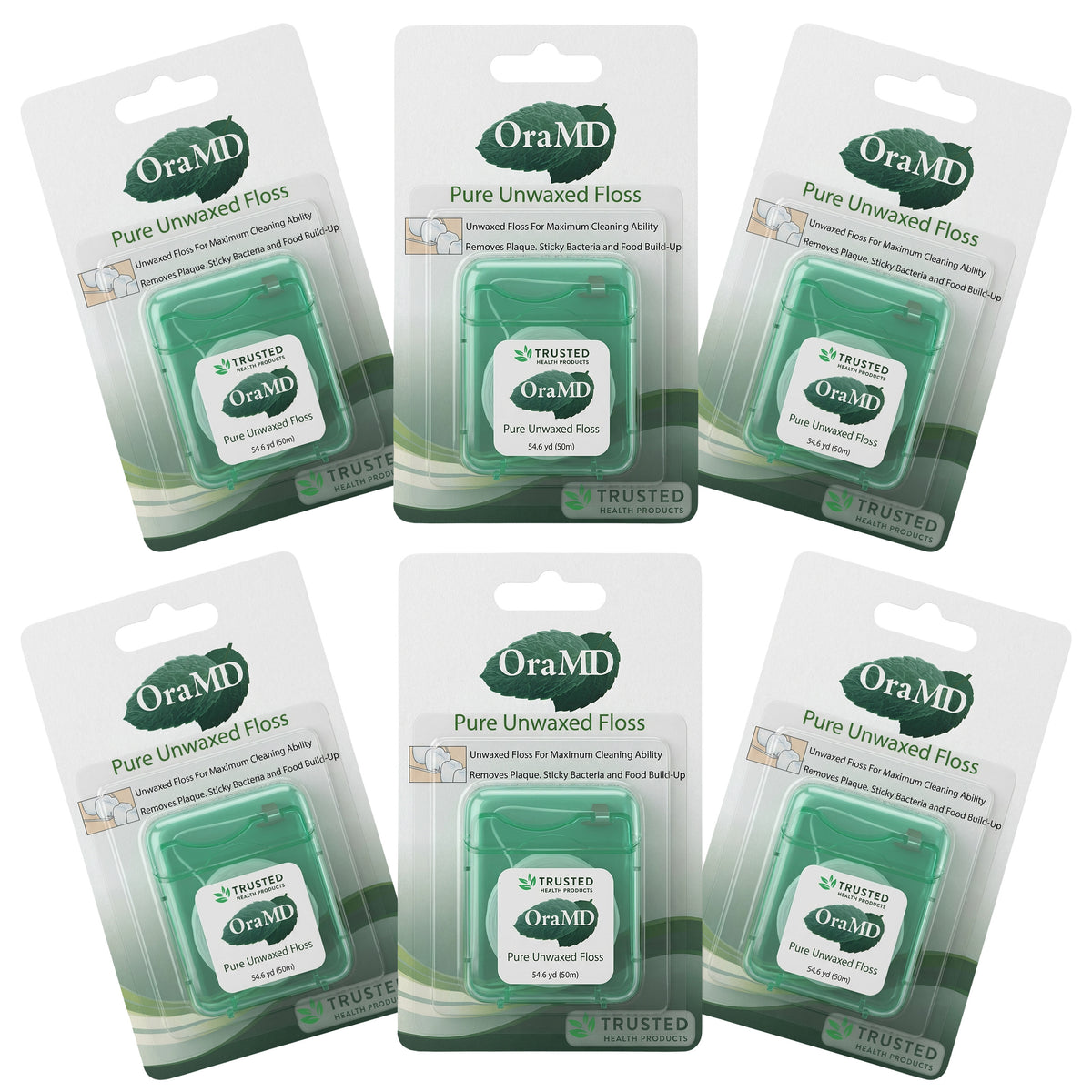
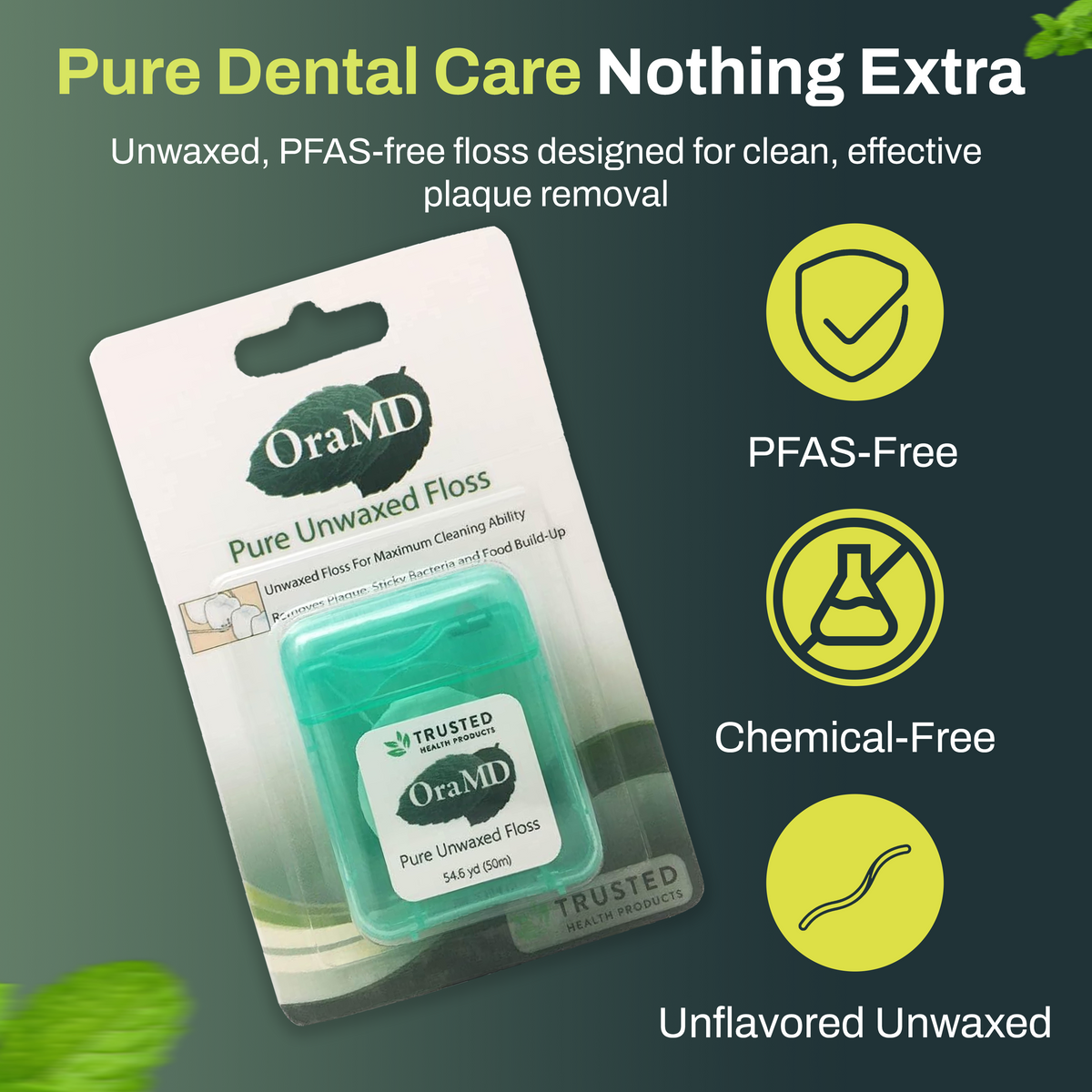
Daily flossing removes plaque from between teeth where a toothbrush cannot reach, which lowers the bacterial load that drives further recession. An unwaxed dental floss works well for tight spaces without shredding. Rinsing with an alcohol-free formula also helps, since alcohol-based mouthwashes can dry out the mouth and allow bacteria to multiply faster.
Quitting tobacco use and addressing nighttime teeth grinding, often with a dentist-fitted night guard, round out the habits that keep existing recession from advancing.
Professional Treatment for Receding Gums
Home care manages mild recession, but moderate to severe cases usually need a dentist's involvement. Scaling and root planing, a deep cleaning below the gum line, removes plaque and tartar that a regular cleaning cannot reach. The dentist also smooths the exposed root surface to make it harder for bacteria to reattach. Antibiotics, whether as a rinse, gel, or oral medication, sometimes accompany this step to control infection.
For more advanced recession, a periodontist may recommend flap surgery to clean deeper tissue, or a soft tissue graft to cover exposed roots using tissue taken from elsewhere in the mouth. Bone grafting can rebuild support in areas where the underlying bone has been damaged. A dentist determines which option fits based on the depth of recession and overall gum health.
How to Prevent Receding Gums Long-Term
Prevention relies on the same fundamentals as slowing existing recession, applied consistently. Brushing twice daily with a soft brush, flossing once a day, and scheduling regular dental checkups catch problems while they are still gingivitis rather than advanced periodontitis.
Avoiding smoking and treating teeth grinding early both reduce long-term risk. A dentist can also spot early warning signs, including bleeding after brushing, swollen or red gums, persistent bad breath, tooth sensitivity, and a visibly shrinking gum line, before they progress further.
Home Care vs. Professional Treatment: What to Weigh
Deciding between home care and a dental visit comes down to severity and how fast symptoms are changing. Mild cases with slight sensitivity and no bleeding often respond well to gentler brushing, flossing, and a dentist's routine monitoring.
Cases involving bleeding, pain, loose teeth, or a visibly deepening gum line need professional evaluation, since these signs point toward active periodontal disease rather than simple wear. Waiting too long narrows the treatment options later available, since surgical procedures become more likely once recession reaches an advanced stage.
Supporting Healthy Gums With Daily Oral Care
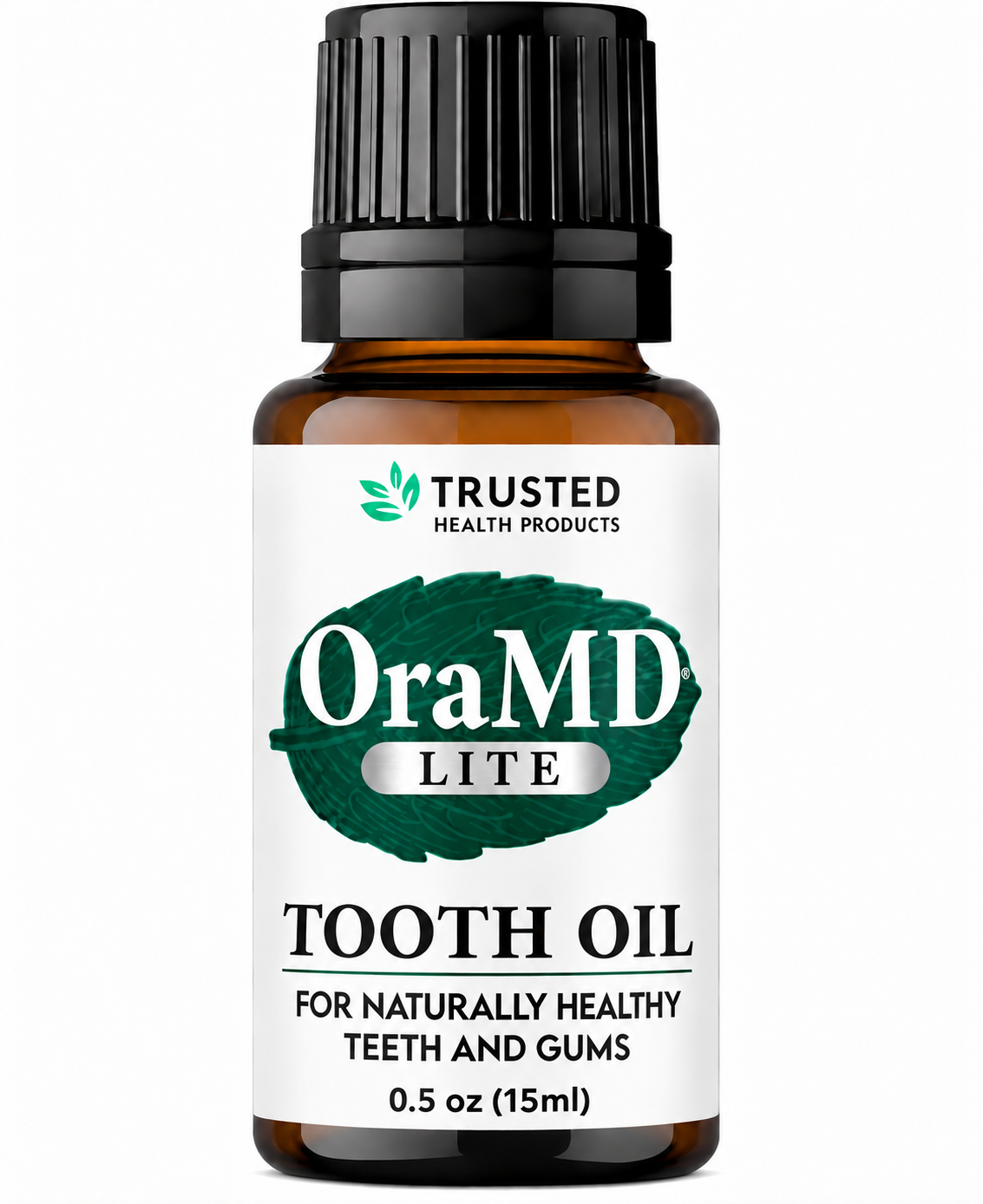
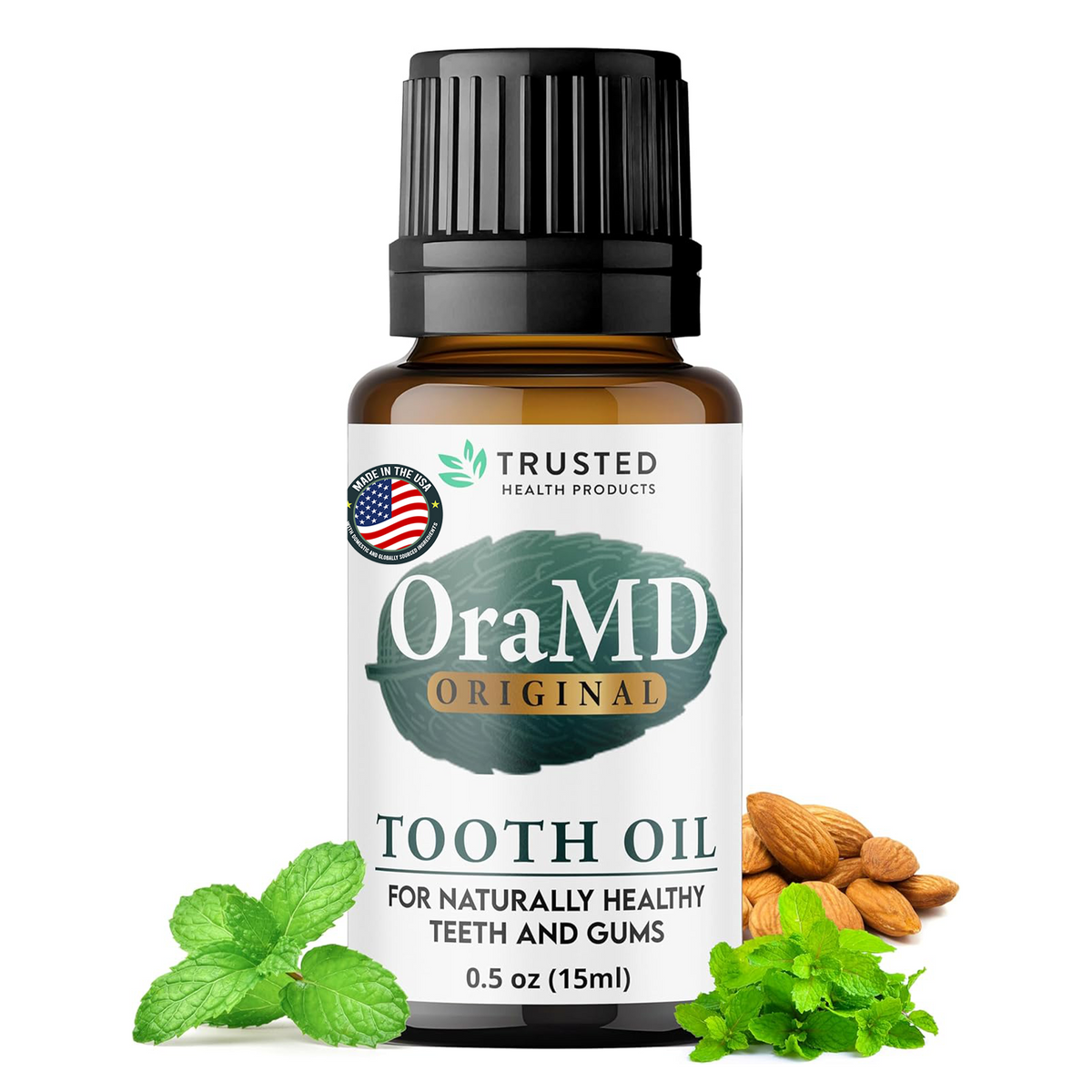
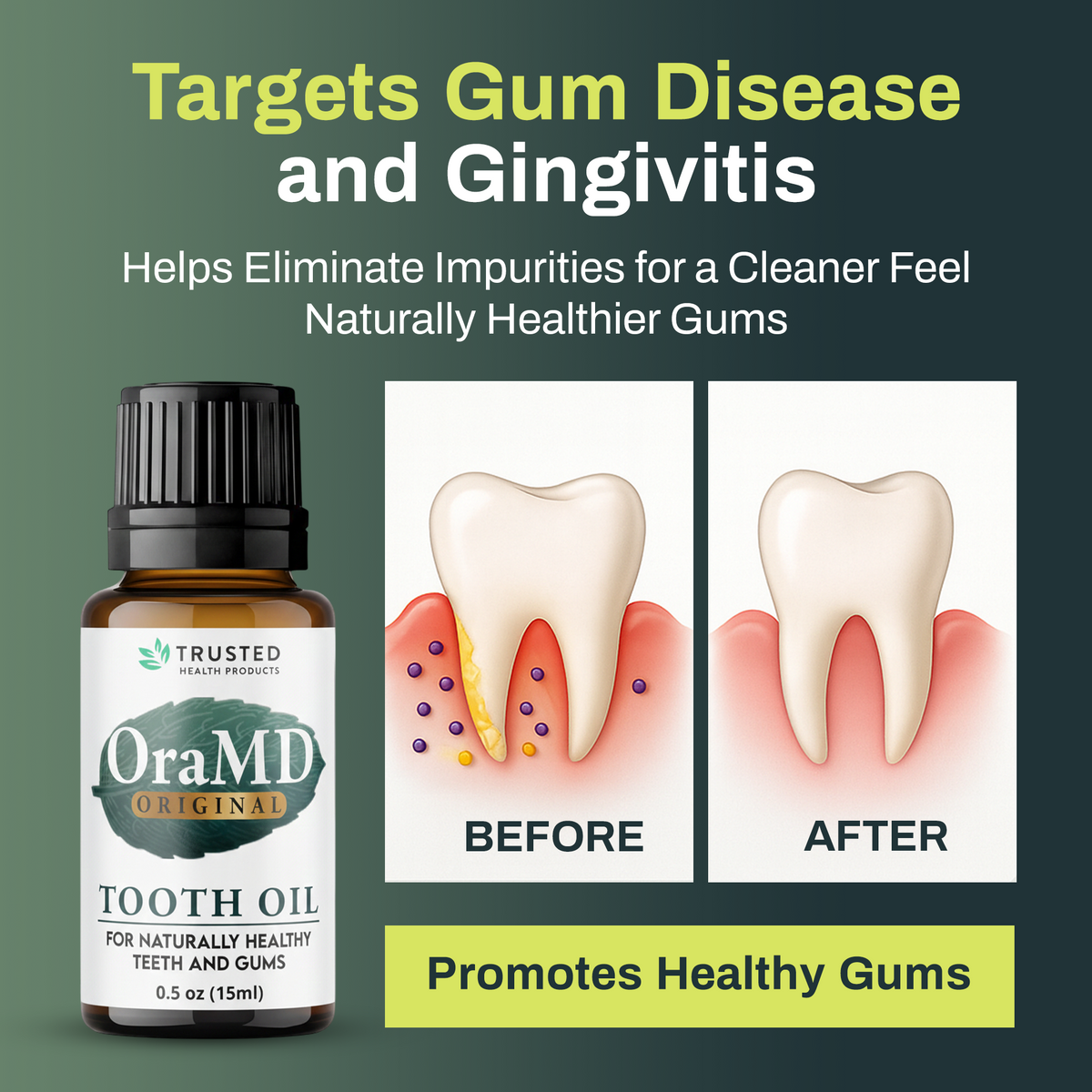
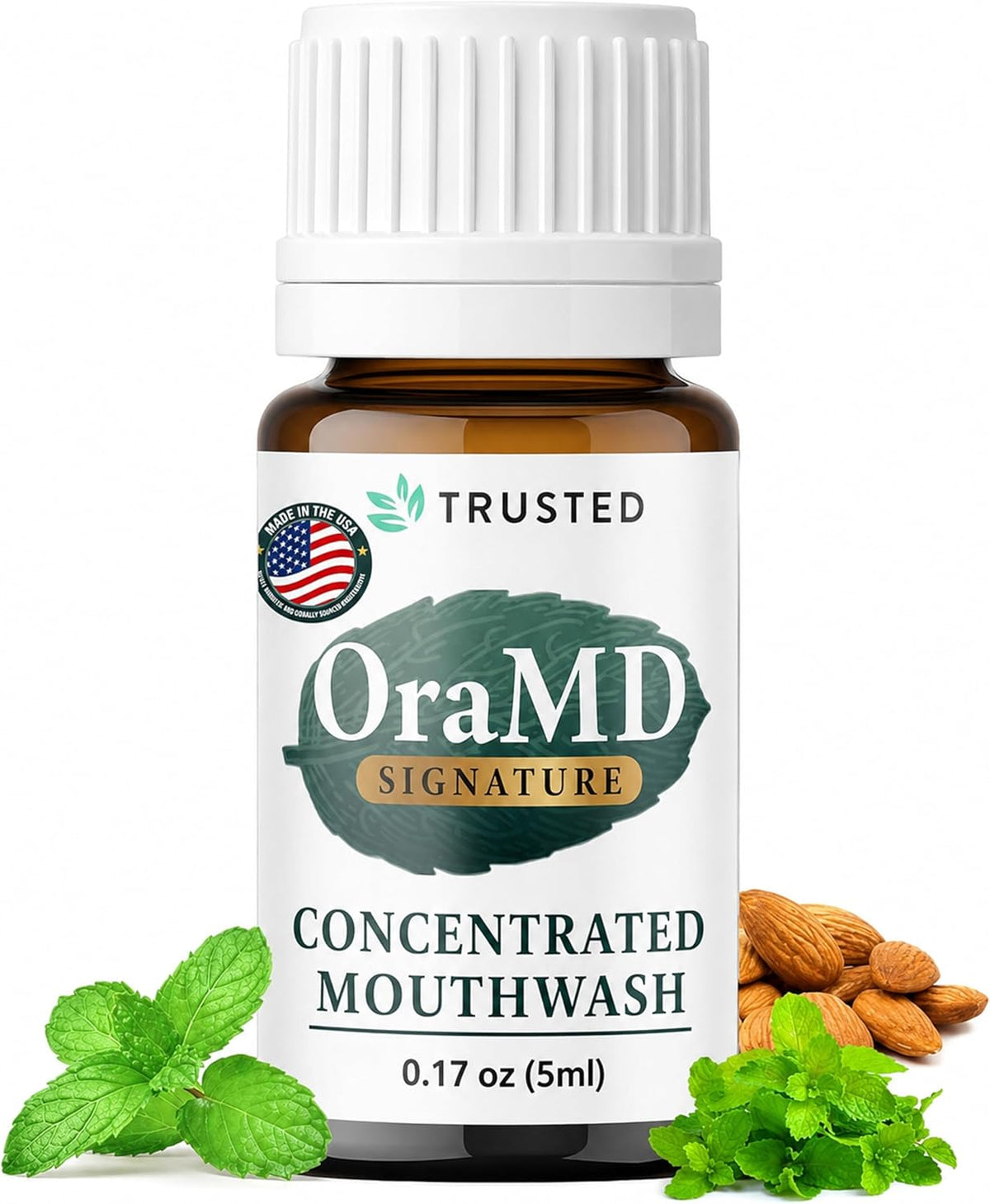
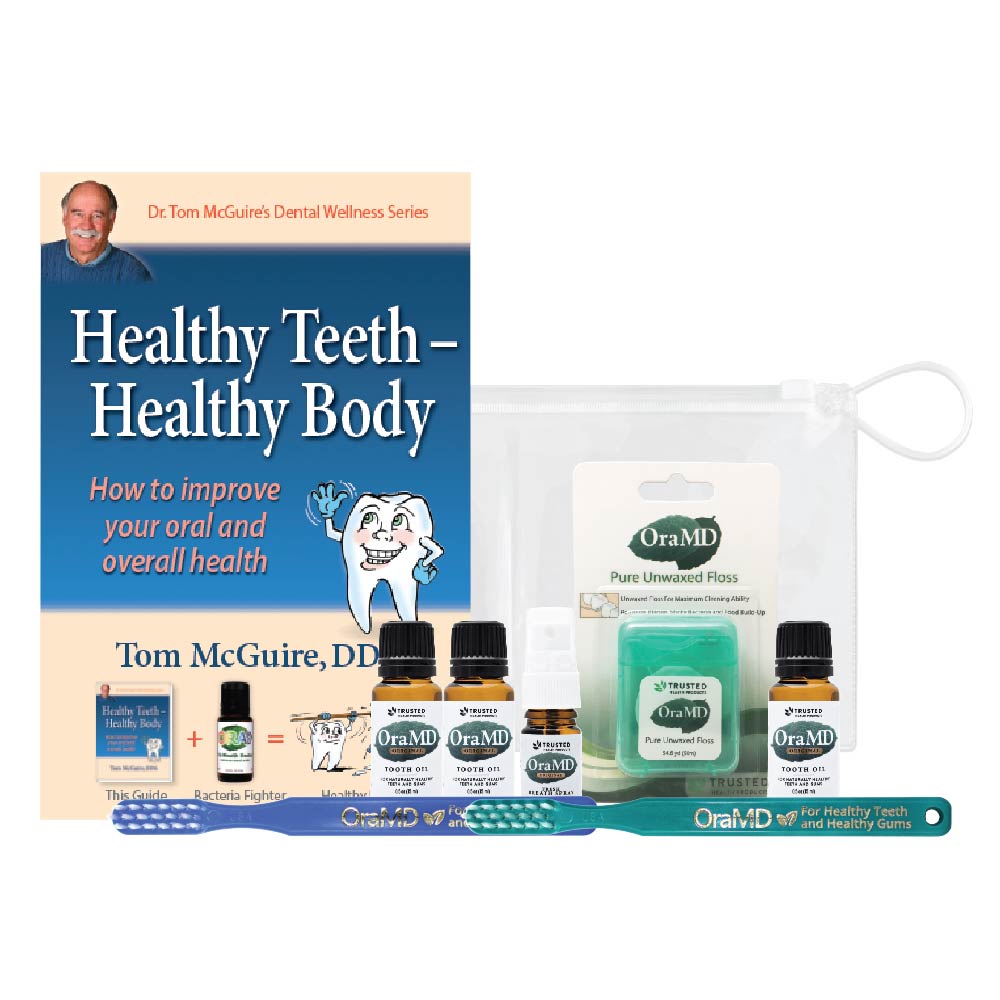
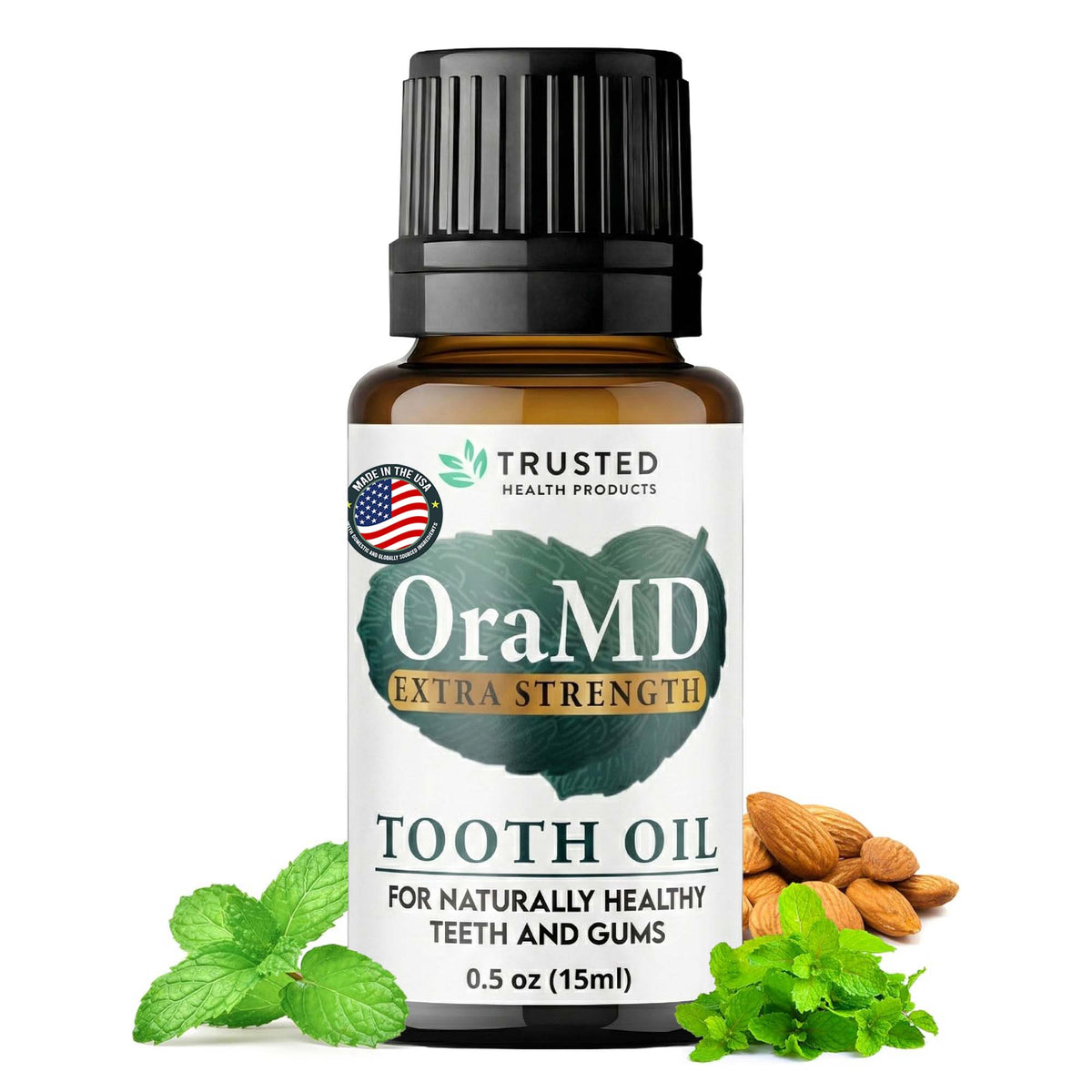
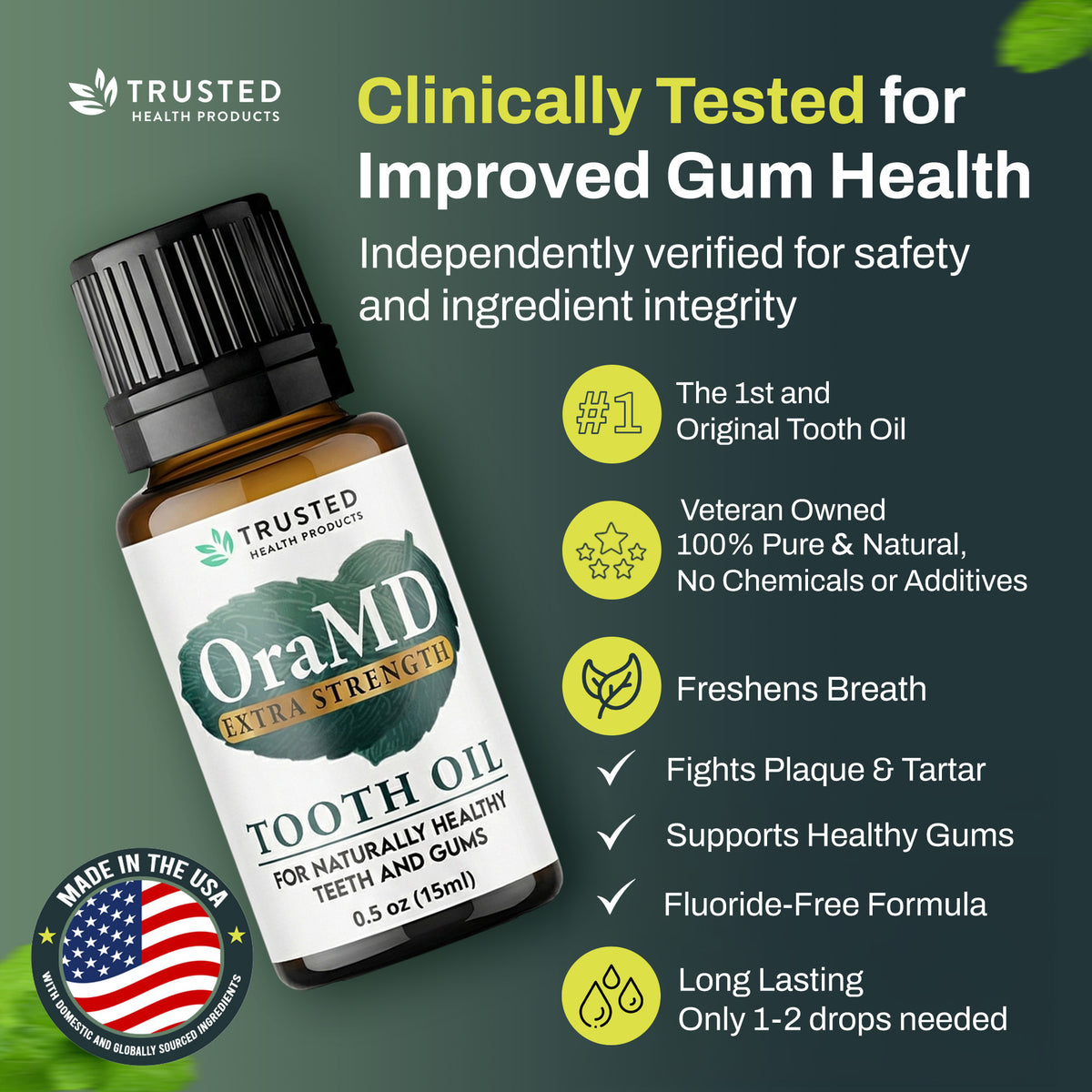
A gentler daily routine makes a real difference in slowing gum recession between dental visits. The OraMD Original Strength Tooth Oil is an alcohol-free, fluoride-free blend of almond, spearmint, and peppermint oils that doubles as a toothpaste and mouthwash alternative, formulated without sodium lauryl sulfate or other harsh foaming agents that can dry out the mouth. For those managing more advanced sensitivity or bleeding, the Extra Strength formula offers a higher concentration of the same natural oils.
Pairing either formula with a soft-bristle brush and consistent flossing supports the gentle, low-irritation routine that receding gums need. Readers looking to build out a full natural oral care routine can browse the complete oral care collection for additional options.
Conclusion
Receding gums respond best to early action. Recognizing the causes, understanding that reversal has real limits, and knowing which treatments actually work can prevent minor recession from becoming a serious dental problem.
A dentist remains the best resource for diagnosing the cause and recommending next steps, while a gentle daily routine with the Dr. Bass Toothbrush and an alcohol-free tooth oil supports healthy gums between visits.