What Are Tonsil Stones? Causes, Symptoms, and How to Get Rid of Them
April 15, 2026
Author: Admin Editor
Tags:
Tonsil stones form when calcified debris collects inside small pockets on the tonsils. So what are tonsil stones, exactly? They consist of hardened calcium and other minerals, trapped food particles, dead cells, and bacteria.
Most stay small and cause little beyond bad breath. Left untreated, tonsil stones can enlarge and trigger more noticeable discomfort. Doctors call them tonsilloliths, and they are one of the most common overlooked causes of chronic halitosis.
What Are Tonsil Stones and Where Do They Form?
The tonsils sit at the back of the throat, one on each side. They contain small folds called crypts, where immune cells called lymphocytes gather to fight infection entering through the mouth. According to Cleveland Clinic, tonsil stones — known medically as tonsilloliths, are small, hardened lumps of minerals, food debris, and bacteria that collect inside these crypts.
Chemical analysis published on PubMed shows tonsilloliths are largely made of calcium carbonate, along with magnesium, phosphate, and other trace minerals from saliva. Prevalence studies reviewed on PubMed show wide variation, with imaging-based estimates ranging from roughly 5% up to over 40% depending on the scanning method and population studied.
Most tonsil stones measure just a few millimeters, though larger stones can develop over months and, in rare documented cases, grow to several centimeters before requiring surgical removal.
What Causes Tonsil Stones to Form?
Poor oral hygiene is a leading cause. Food particles left behind after brushing feed bacteria that later migrate to the tonsil crypts. Chronic inflammation from repeated tonsillitis also deepens the crypts, giving debris more room to collect. A dry mouth reduces saliva flow, which normally rinses bacteria away, so people with reduced saliva production face higher risk.
Deep or irregularly shaped tonsil crypts, a trait some people are simply born with, also raise the odds of stone formation. Smoking and frequent alcohol use further disrupt the natural balance of bacteria in the mouth. Teenagers and adults with a history of frequent tonsil infections tend to develop tonsilloliths more often than young children, since repeated infection is what deepens the crypts in the first place.
Tonsil Stones Symptoms to Watch For
Bad breath is the most comon and often the only noticeable sign. Other tonsil stones symptoms include a sore throat, a persistent cough, and a nagging sensation that something is stuck at the back of the throat. Some people notice small white or yellow lumps visible in the tonsils.
Ear pain can also occur, since nerves in the throat and ear share pathways. Difficulty swallowing sometimes develops when a stone grows large enough to press against surrounding tissue. Many small tonsil stones cause no noticeable symptoms at all and are only discovered during a routine dental check or an x-ray taken for an unrelated reason.
How Tonsil Stones Progress and Potential Health Risks
Tonsil stones typically begin as soft, small clusters of bacteria and debris. Over weeks or months, this material can calcify and grow larger inside the crypt. Chronic cases often overlap with tonsillitis and recurring sore throat symptoms. Most tonsil stones remain harmless, but their odor can affect confidence in social or professional settings.
Persistent bad breath linked to tonsil stones tends to resist regular brushing, flossing, and mouthwash alone, since the source sits deep in the tonsil tissue rather than on the tooth surface. In rare, chronic cases a stone can become large enough to mimic the pain and swelling of a peritonsillar abscess, which is one reason recurring or growing stones deserve a proper check from a doctor.
How to Get Rid of Tonsil Stones at Home
Several home approaches can help loosen or dislodge smaller tonsil stones. This is often the first thing people search for once they notice the smell or the sensation of something stuck in the throat, and there is more than one safe method worth trying before considering a medical procedure.
- Warm salt water gargles. Mix about a teaspoon of salt into a cup of warm water and gargle several times a day. This helps reduce bacteria and soothes inflamed tissue.
- Hydration. Staying well hydrated keeps saliva flowing, which naturally washes debris from the crypts.
- A humidifier. Running a humidifier overnight can prevent the dryness that allows bacteria to thrive while asleep.
- Gentle oral irrigation. A low-pressure water flosser aimed carefully at the tonsil, used on the lowest setting, can flush smaller stones loose without touching the tissue directly.
- A soft cotton swab. Some people gently press a clean, soft-tipped swab against a visible stone to dislodge it. This should always be done gently, in front of a well-lit mirror, and stopped immediately if there is any bleeding or pain.
- Coughing. A firm cough sometimes dislodges a loose stone on its own, and swallowing one by accident is not harmful.
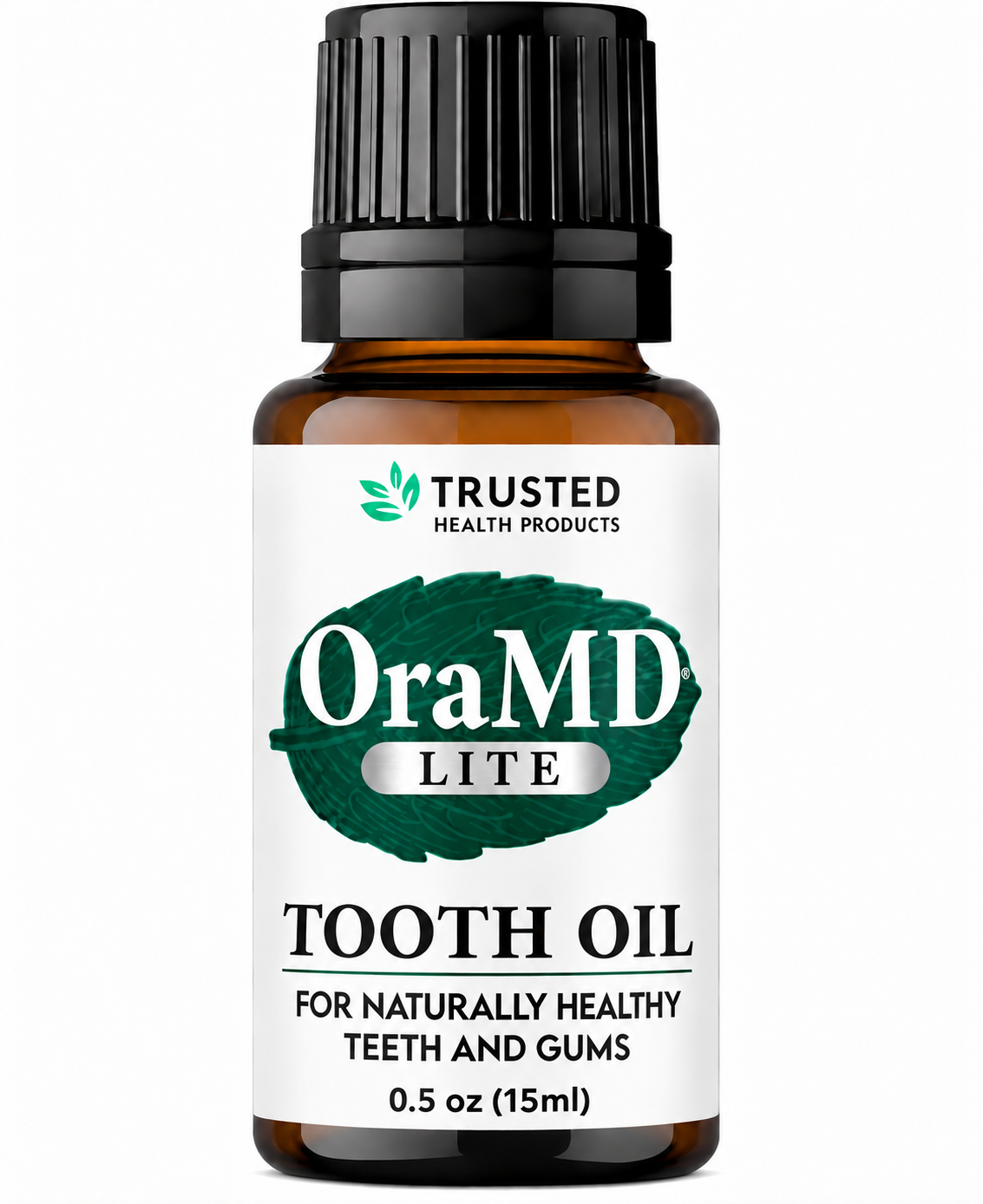
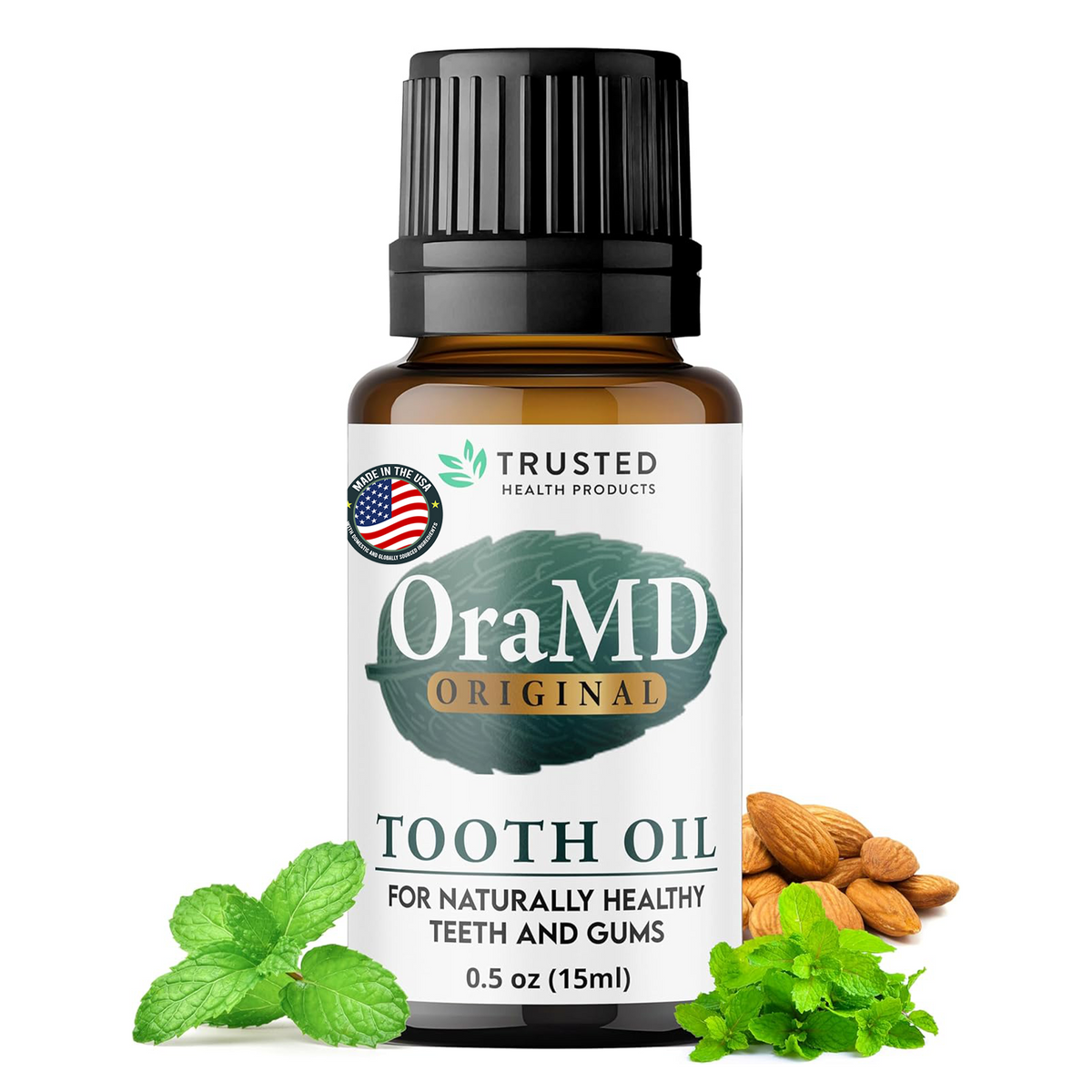
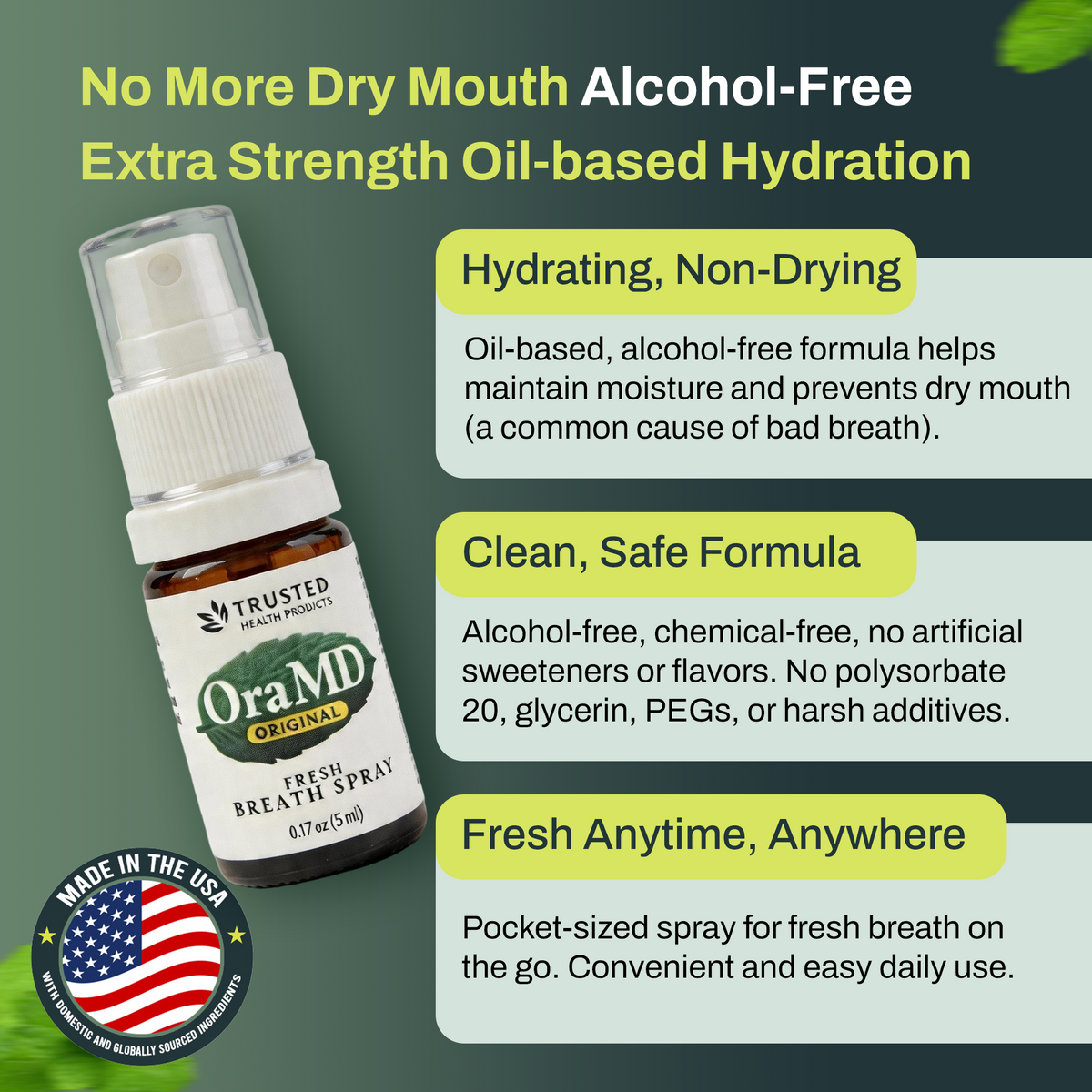
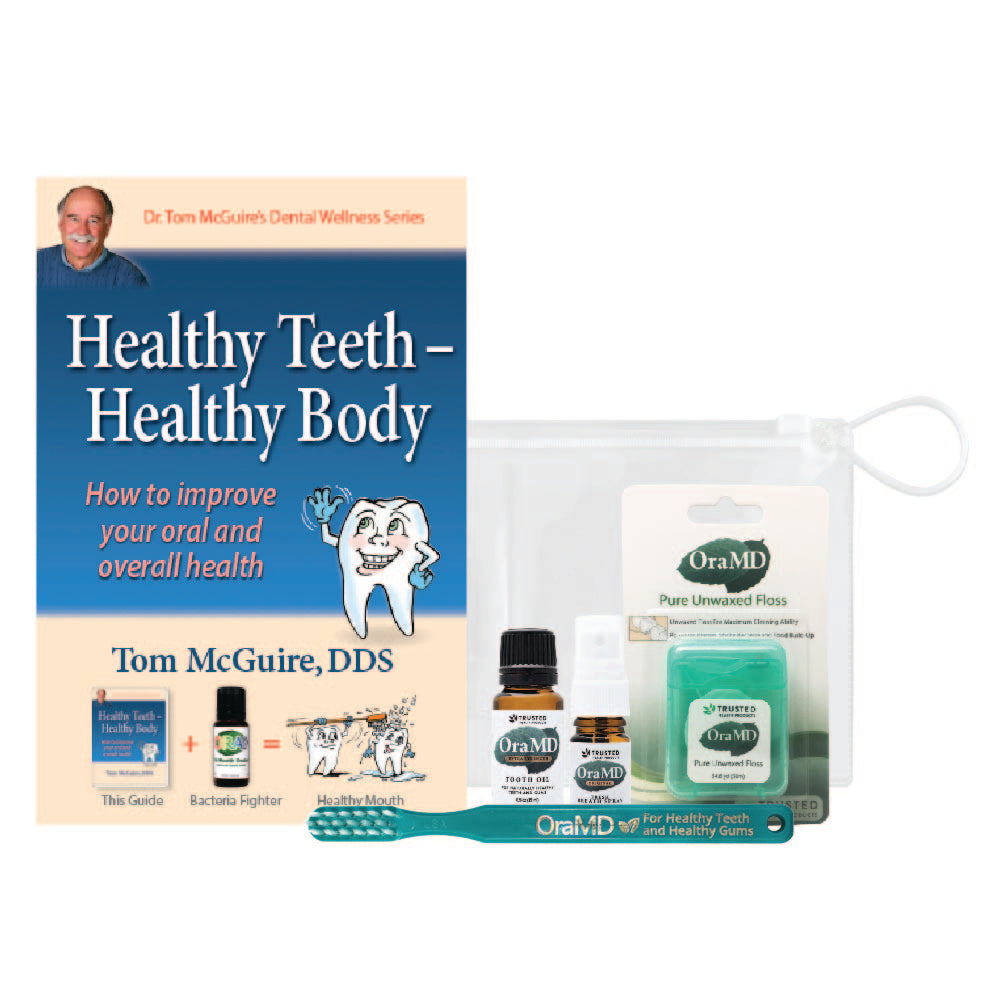
Consistent brushing and gentle tongue cleaning reduce the bacterial load available to form new stones in the first place. Pairing this daily routine with a natural tooth oil like OraMD Original Strength supports daily bacteria control without harsh chemical additives. The American Academy of Family Physicians notes that most tonsil stones fall out on their own and rarely require antibiotics.
One home method to avoid: digging at a tonsil stone with a sharp object such as a toothpick, pin, or fingernail. The tonsils sit near many small blood vessels, and sharp tools raise the risk of bleeding and infection rather than solving the problem.
Home Remedies vs. Medical Treatment: What to Consider
Deciding how to treat tonsil stones depends on frequency, size, and discomfort level. Home remedies work well for small, occasional stones that cause mild odor or irritation. Medical treatment becomes worth considering when stones return often, grow large, or cause ongoing pain.
A doctor may prescribe antibiotics if infection is present, though this addresses symptoms rather than the underlying crypt structure.
Procedures such as laser or coblation cryptolysis can reduce crypt depth and lower recurrence by flattening the pockets where debris collects, typically under local anesthesia with a shorter recovery than full tonsil removal.
A tonsillectomy remains the only permanent solution for chronic, severe cases, since it removes the tonsil tissue where the crypts form entirely. Anyone experiencing frequent fever, severe pain, or trouble breathing should consult a doctor rather than rely on home care alone.
Choosing an Alcohol Free Mouthwash for Tonsil Stones
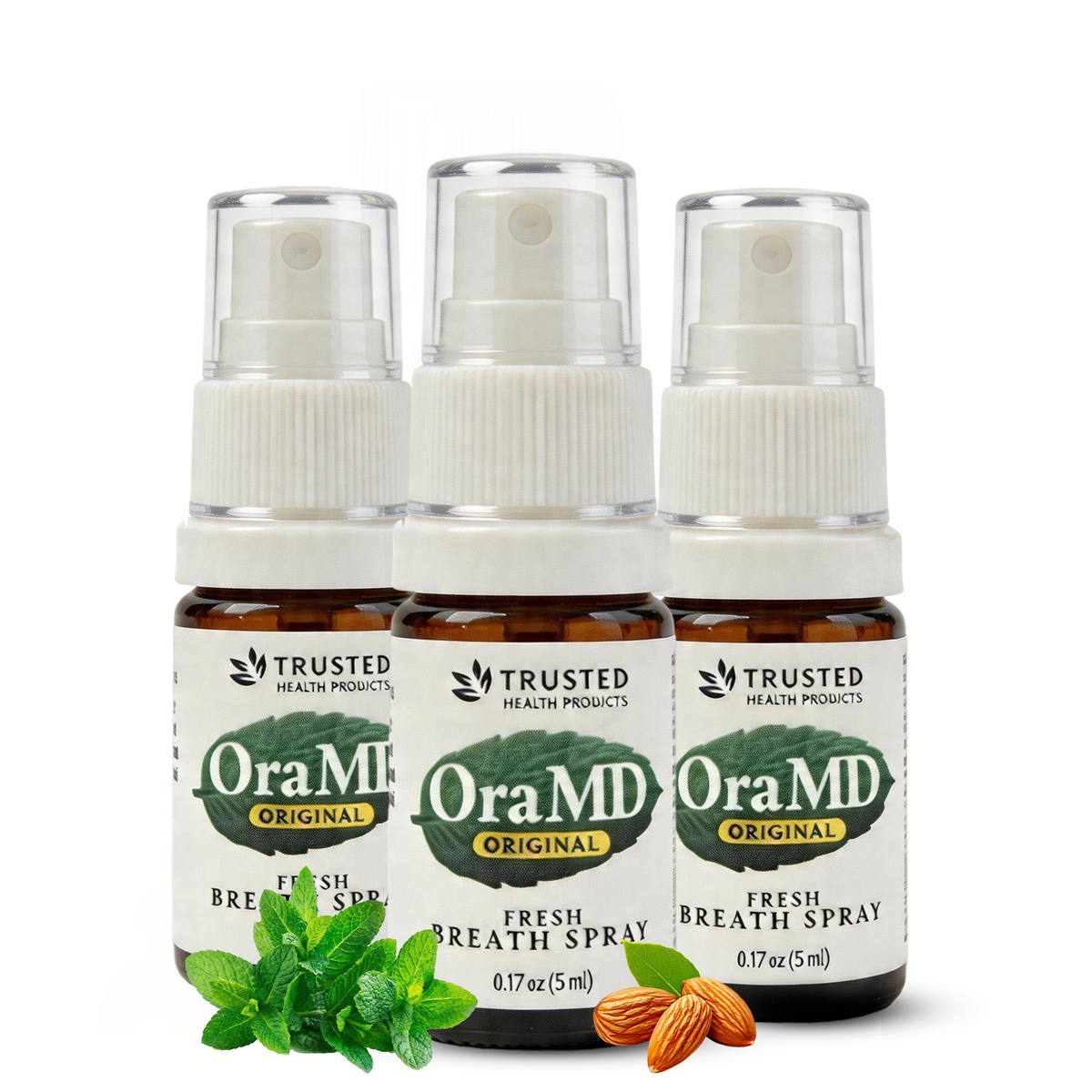
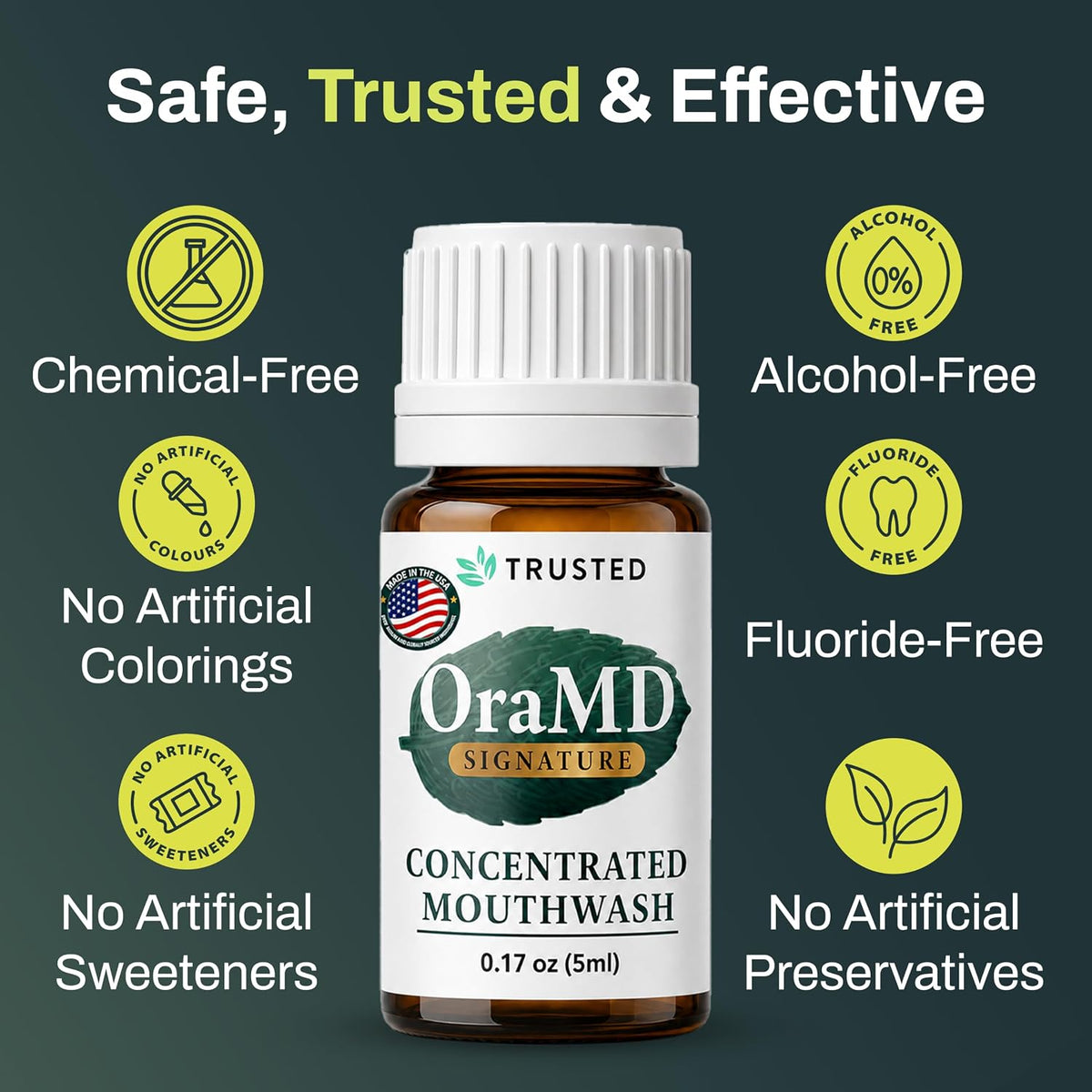
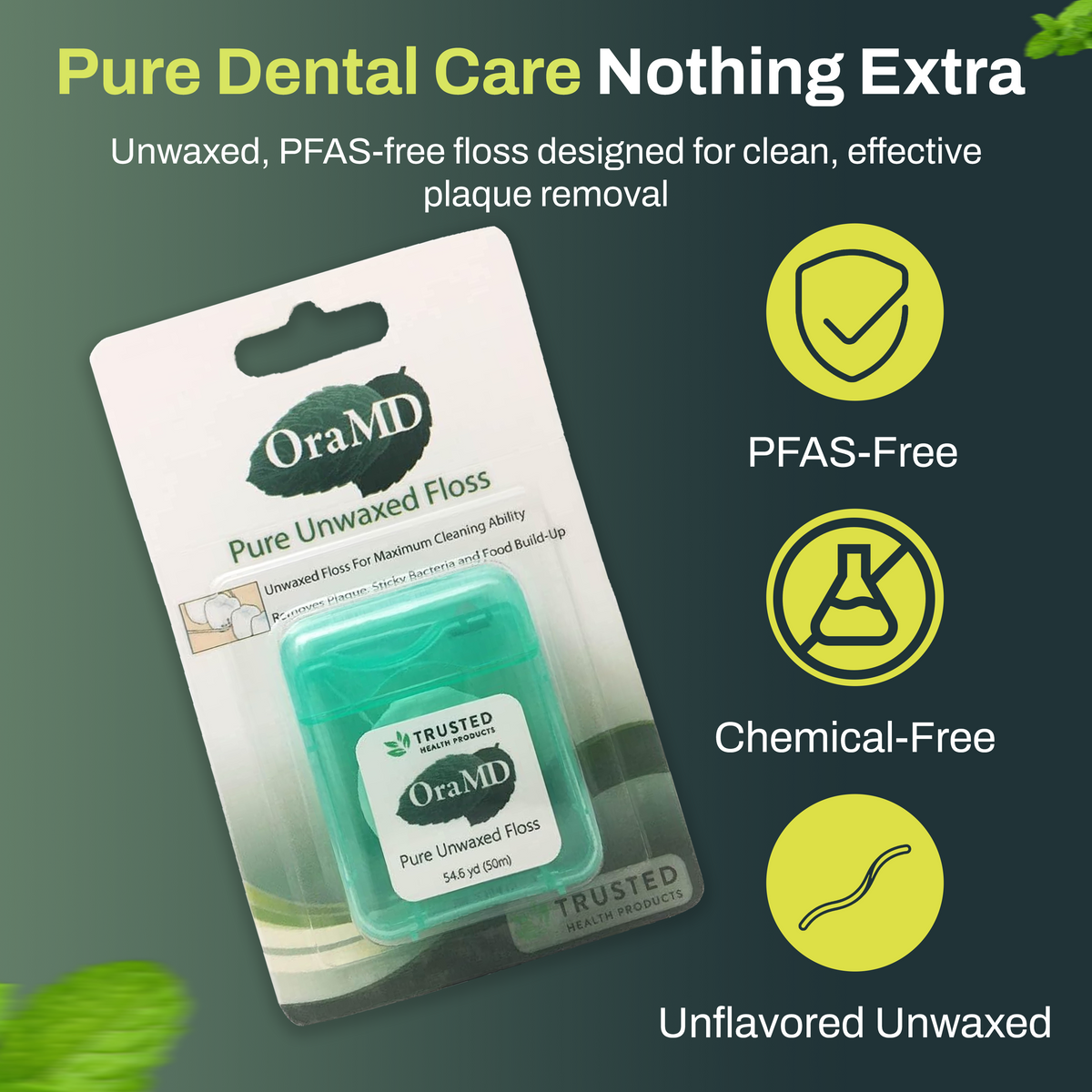
Many conventional mouthwashes contain alcohol, which dries out oral tissue and can worsen the very conditions that let bacteria collect in the tonsil crypts. An alcohol free mouthwash for tonsil stones helps control odor-causing bacteria without stripping natural moisture from the mouth. OraMD Extra Strength offers a concentrated, alcohol-free tooth oil formulated for sensitive mouths prone to dryness and irritation. For on-the-go freshness between brushings, the OraMD All-Natural Breath Freshener Spray provides a quick, alcohol-free option. Pairing either product with the OraMD Pure Unwaxed Dental Floss rounds out a gentle, natural routine built around the full oral care collection.
Preventing Tonsil Stones From Coming Back
Prevention matters most for people who develop tonsilloliths repeatedly rather than as a one-off. A few daily habits lower the odds of recurrence:
- Brush twice daily and floss once a day to reduce the bacteria available to migrate into the crypts.
- Clean the tongue with a scraper or brush, since bacteria collect on the tongue surface as much as the teeth.
- Gargle with warm salt water after meals, especially if stones tend to form often.
- Stay hydrated throughout the day rather than only when the mouth feels dry.
- Avoid smoking, which dries the mouth and disrupts the natural bacterial balance.
None of these habits guarantee tonsil stones will never return, since crypt shape is largely a matter of anatomy. But a consistent routine measurably reduces how often new stones form and how much odor they cause in the meantime.
Conclusion
Tonsil stones are common, usually harmless, and often manageable through consistent home care. Understanding what causes tonsil stones and recognizing early symptoms makes treatment far simpler. A daily routine built around gentle, alcohol-free oral care products supports long-term prevention alongside good hygiene habits. For readers building that routine, the natural oral care collection offers a starting point suited to sensitive mouths.