How to Get Rid of Ashy Elbows and Reveal Smoother Skin
April 16, 2026
Author: Admin Editor
Tags:
Ashy elbows are one of the most common skin complaints, even for people with an otherwise smooth, well-moisturized complexion. The skin can look fine everywhere else and still turn gray, dull, or patchy right at the elbow.
Anyone searching for how to get rid of ashy elbows usually falls into one of two groups: a small number with an underlying skin condition, and the majority dealing with simple external causes like dryness, friction, and dead skin buildup.
What Causes Ashy Elbows?
Ashy elbows happen for a few overlapping reasons. Genetics plays a role, since some people naturally produce drier skin than others, even with a solid skin care routine. The environment matters too. Cold, dry weather pulls moisture out of skin fast, and elbows lose hydration faster than most other areas.
Elbow skin also carries fewer oil-producing glands than skin elsewhere on the body. That means it holds less natural moisture to begin with. Add constant bending, desk friction, and rough fabric, and the skin thickens in response.
Dermatologists call this thickening lichenification, and it tends to worsen with repeated rubbing or picking at rough patches rather than improve. That thickened layer, combined with a buildup of dead skin cells, is what creates the dull, ashy look most people notice.
A few other everyday habits contribute as well. Frequent chlorine exposure from swimming strips natural oils from the skin, so regular swimmers often notice drier elbows than non-swimmers.
Smoking can also dry out skin over time by reducing blood flow to the surface. Certain medications, including diuretics and retinoids, list dry skin as a known side effect, so anyone starting a new prescription and noticing new dryness may want to mention it to their doctor.
Why Ashy Elbows Can Look Black or Dark
Black ashy elbows and dark ashy elbows describe the same process at a more advanced stage. As dead skin cells pile up and light scatters differently across a rough surface, the area can appear noticeably darker than surrounding skin. Repeated friction from resting on a desk or leaning on furniture speeds up this thickening and discoloration.
People with naturally deeper skin tones may notice this contrast more, since any buildup or thickening tends to stand out more visibly. In nearly every case, this coloring comes from dryness and dead skin, not a health problem. A dermatologist can rule out a skin condition for anyone concerned about a sudden or worsening change.
When Ashy Elbows Signal Something More
Most ashy or dry elbows trace back to weather, friction, and dead skin, not an underlying condition. But persistent dryness that does not respond to a consistent moisturizing routine is sometimes linked to eczema, psoriasis, diabetes, or a thyroid condition.
Redness, swelling, cracking, or intense itching alongside the dryness are worth mentioning to a doctor or dermatologist, since these symptoms go beyond what typical ashy elbows involve.
For the majority of people, though, the fix is a matter of adjusting a shower and moisturizing routine rather than treating a medical condition.
Ashy Elbows and Knees: Why Both Areas Are Affected
Elbows and knees share the same vulnerable traits. Both sit over a joint, both bend constantly, and both carry thicker, less oily skin than the rest of the body.
That combination makes ashy elbows and knees a common pairing rather than a coincidence. The same moisturizing and shower habits that help elbows tend to help knees too.
How to Fix Ashy Elbows: Shower Habits That Matter
Long, hot showers strip moisture from skin fast. Hot water breaks down the skin's natural oils, and skipping moisturizer afterward makes the problem worse. Switching to lukewarm water reduces that damage significantly.
A cleanser without alcohol, ideally one built with added moisturizing ingredients, protects the skin barrier rather than stripping it further.
Moisturize Immediately After Showering
Skin absorbs moisturizer best within a few minutes of stepping out of the shower, while it is still slightly damp. Patting skin dry, rather than rubbing it, keeps some of that moisture in place before a moisturizer locks it in.
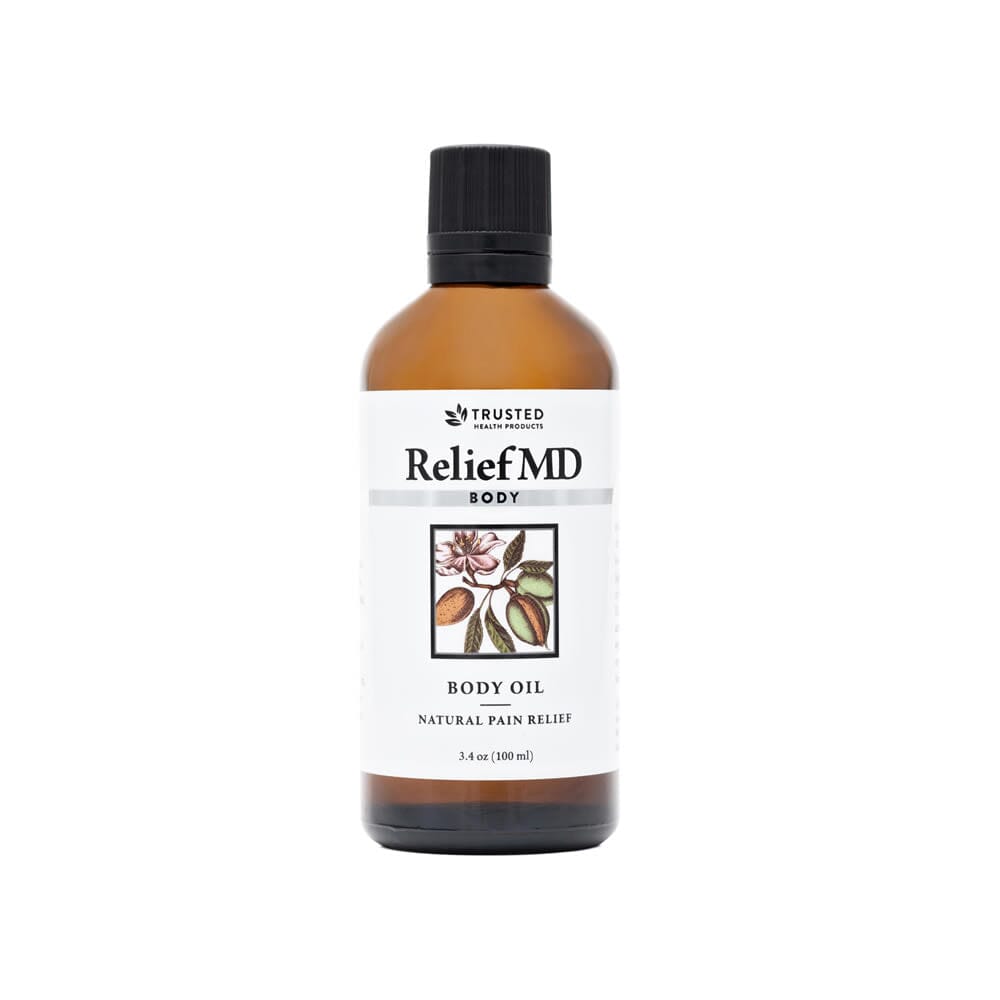
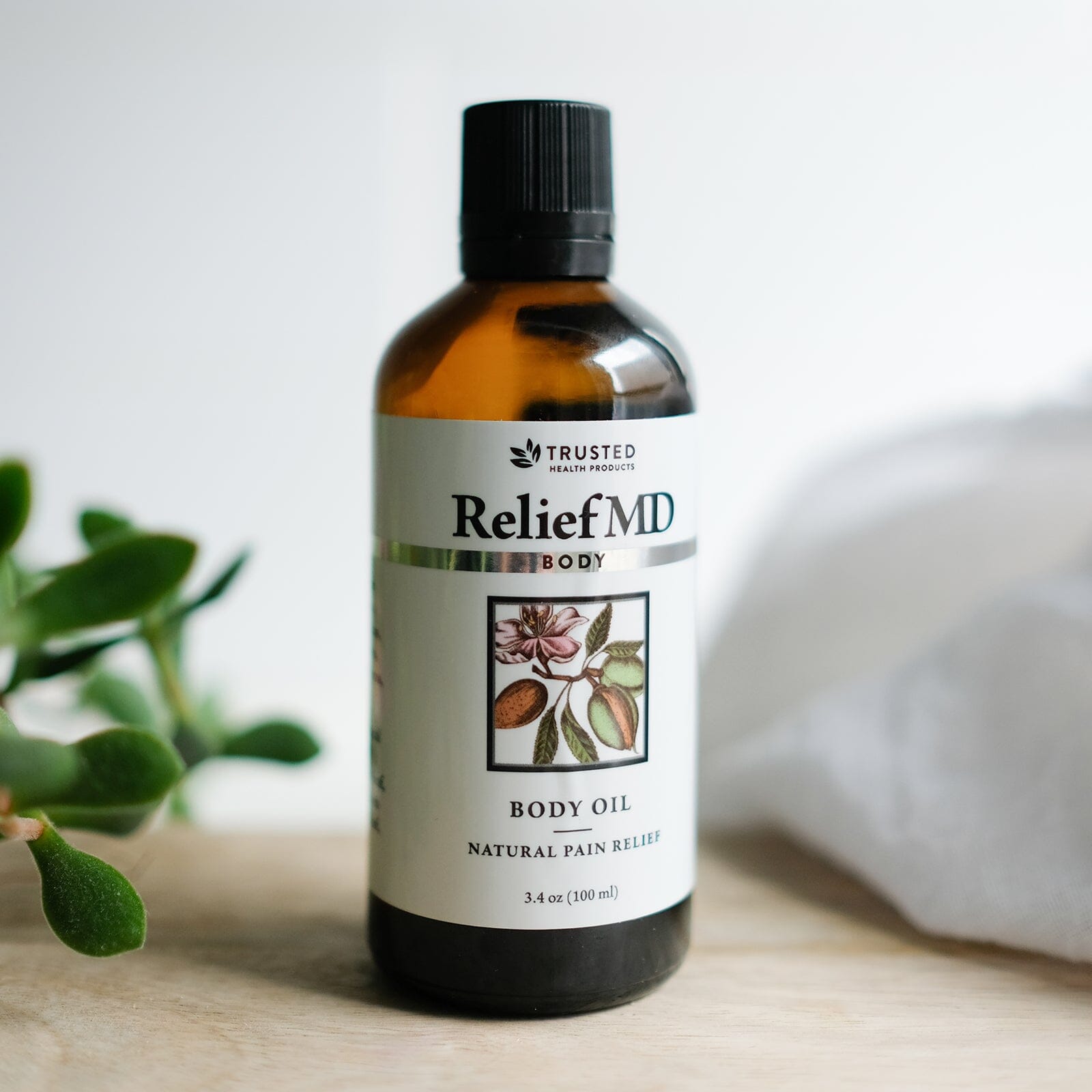
Look for a moisturizer for dry elbows built around natural, soothing ingredients like coconut oil. Trusted Health Products offers Earth & Elm Nourishing Body Oil for readers who want a straightforward, natural option to apply right after showering.
Gentle Exfoliation Helps Too
Moisturizer alone struggles to soften skin once dead cells have already built up on the surface. A gentle exfoliating scrub or soft washcloth, used once or twice a week, helps clear that buildup so moisturizer can absorb properly afterward. The key word is gentle: scrubbing hard or picking at rough patches irritates the skin further and can deepen the very thickening it is meant to fix.
Use a Humidifier for Long-Term Relief
Dry indoor air, whether from winter heating or summer air conditioning, pulls moisture straight out of skin. Research on skin hydration confirms that a compromised skin barrier struggles to retain moisture in these conditions, which makes the ashy, flaky look worse over time. Running a humidifier adds moisture back into the air and gives skin a better chance to stay hydrated between applications.
Watch the Weather and Adjust Skin Care by Season
Skin care needs change with the seasons. Too much sun exposure in summer dries out elbows just as much as cold winter air does. Broad-spectrum sunscreen and light protective clothing help in warmer months. Heavier, more frequent moisturizing matters most in winter, when indoor heating and cold outdoor air work together against the skin barrier.
Building a Full Moisturizing Routine
Fixing ashy elbows rarely comes down to one product used once. A consistent morning skin care routine and night skin care routine give skin repeated chances to rebuild moisture throughout the day. For anyone building a full-body approach, the Earth & Elm Set pairs face and body oil together, and the natural skin care collection offers additional formulas for those expanding beyond elbows into a complete routine.
Diet and hydration also play a supporting role. Drinking enough water and eating a balanced diet help skin maintain moisture from the inside, even when a strong topical routine is already in place.
Conclusion
Ashy elbows are common, manageable, and rarely a sign of anything serious. Cooler showers, prompt moisturizing, gentle exfoliation, a humidifier during dry months, and seasonal adjustments address the root causes rather than just the surface appearance. Readers ready to build a full routine around these habits can start with Earth & Elm Nourishing Body Oil and layer in a consistent morning and night routine from there.