Natural Ways To Remove Plaque And Tartar From Your Teeth
April 17, 2026
Author: Admin Editor
Tags:
Plaque forms on teeth within minutes of eating. It is a soft, sticky biofilm of bacteria, food particles, and saliva. Without consistent removal, plaque hardens into tartar — a calcified mineral deposit that clings to the tooth surface and gumline. This article covers how to remove plaque from teeth naturally at home and clarifies the critical point most articles skip: tartar cannot be removed at home. Only a dental professional can scale hardened tartar.
According to the American Dental Association, plaque begins hardening into tartar in as little as 24 to 72 hours when not removed. Catching it during the plaque stage is the entire strategy.
Plaque vs. Tartar: The Difference Every Person Should Understand
Plaque and tartar are related but distinct conditions. Confusing them leads to mismanaged oral care and unrealistic expectations about what home treatment can achieve.
Plaque is the soft, colorless biofilm that coats teeth after eating. It forms when oral bacteria metabolize sugars and carbohydrates, producing acids that attack enamel. Plaque is removable at home through brushing, flossing, and antimicrobial rinsing.
Tartar (also called dental calculus) is what plaque becomes when it mineralizes with calcium and phosphate from saliva. It appears as yellowish-brown or white deposits along the gumline and between teeth. Tartar bonds to tooth enamel and cannot be scraped away with a toothbrush. Attempting to remove tartar at home with sharp tools risks cutting the gum tissue and introducing bacteria into the wound.
|
Feature |
Plaque |
Tartar |
|
Texture |
Soft, sticky |
Hard, calcified |
|
Color |
Colorless to pale yellow |
Yellow, brown, or white |
|
Location |
Tooth surface, gumline |
At and below the gumline |
|
Removable at home? |
Yes — brushing and flossing |
No — requires professional scaling |
|
Forms within |
Hours of eating |
24–72 hours from plaque |
|
Causes |
Bacteria + sugar + saliva |
Unmineralized plaque left in place |
Understanding this distinction helps a person set realistic goals. Natural home methods effectively control plaque. Preventing plaque formation is the only true natural strategy against tartar.
Why Plaque Removal Matters Beyond Clean Teeth
Plaque is not simply a cosmetic problem. It is the root cause of the two most common dental diseases worldwide.
The World Health Organization reports that oral diseases affect nearly 3.5 billion people globally. Dental caries (tooth decay) and periodontal (gum) disease account for the vast majority of these cases — both driven primarily by uncontrolled plaque accumulation.
What untreated plaque leads to:
-
Tooth decay — Acid produced by plaque bacteria erodes enamel, creating cavities that require fillings, crowns, or extractions.
-
Gingivitis — Plaque at the gumline triggers inflammation. Gums bleed, swell, and pull away from teeth.
-
Periodontitis — Advanced gum disease where infection destroys the bone and tissue supporting the teeth. Tooth loss follows in severe cases.
-
Systemic health links — Research published by the NIH links chronic periodontal infection to cardiovascular disease, diabetes complications, and adverse pregnancy outcomes.
Removing plaque daily is not optional maintenance — it is disease prevention.
Method 1: Master Proper Brushing Technique First
Brushing is the foundation of plaque removal. However, brushing incorrectly removes far less plaque than brushing with technique — and many people brush incorrectly for years without knowing it.
The Bass Brushing Method
The Bass method, recommended by dental hygienists for gum-adjacent plaque removal, positions the bristles at a 45-degree angle to the gumline. The bristles point slightly under the gum margin, where plaque accumulates most aggressively.
Step-by-step Bass brushing technique:
-
Hold the toothbrush at a 45-degree angle to the gumline.
-
Apply gentle pressure — enough to feel the bristles at the gum margin, not enough to cause discomfort.
-
Move the brush in small, circular strokes (approximately 2mm per stroke).
-
Work across all outer surfaces, all inner surfaces, and all chewing surfaces.
-
Brush for a full two minutes — most people brush for under 45 seconds.
-
Brush the tongue to reduce bacterial load.
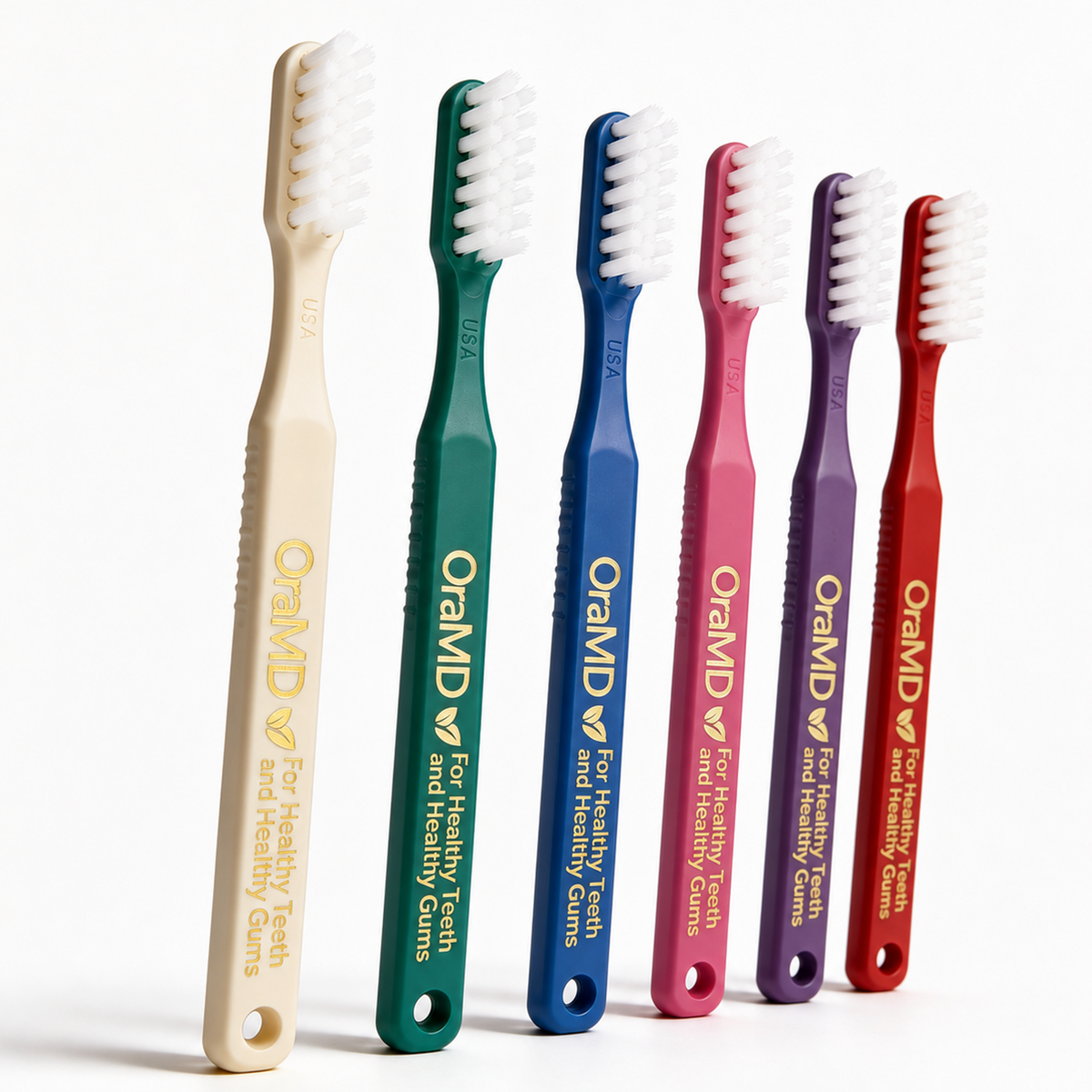
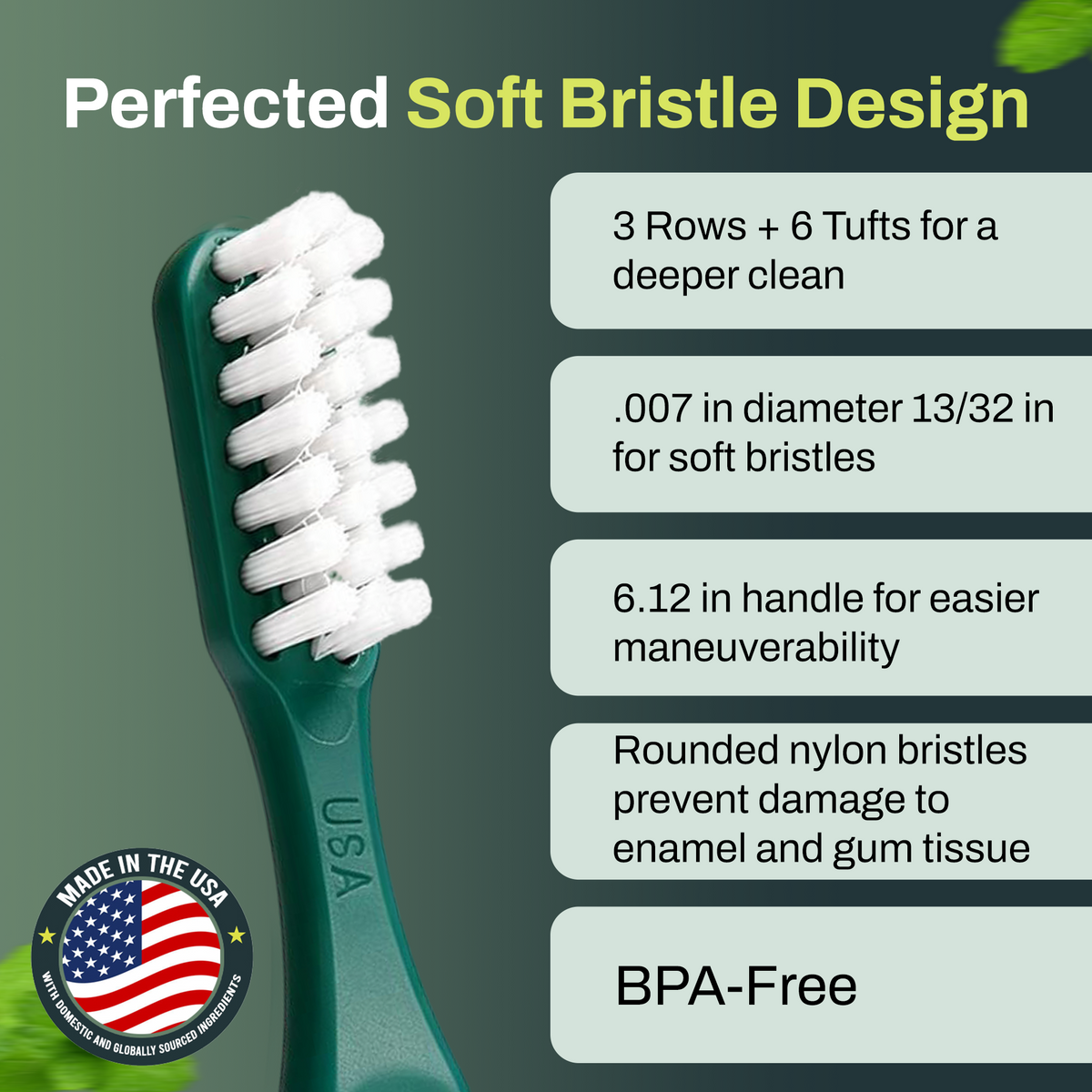
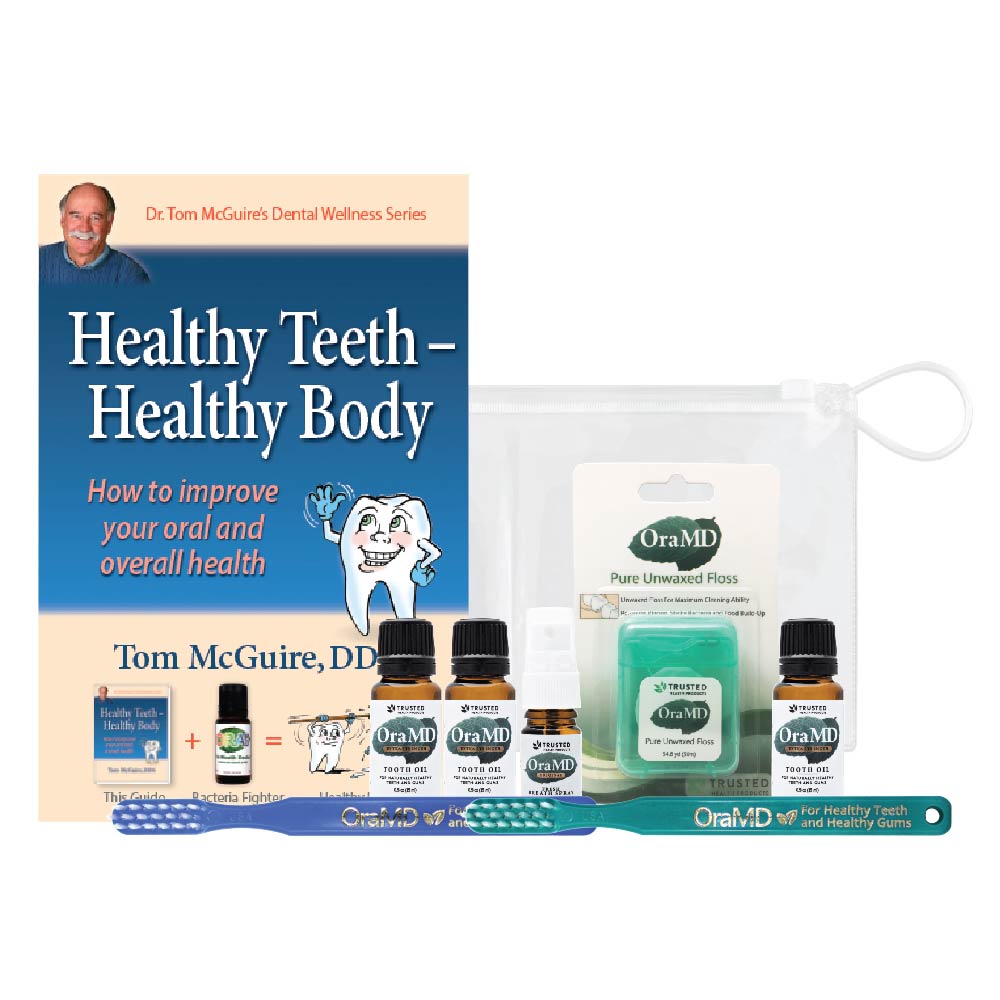
Hard-bristle toothbrushes abrade enamel and irritate gum tissue. The OraMD Dr. Bass Toothbrush uses a fine-bristle design engineered specifically for the Bass technique — gentle enough for sensitive gums and precise enough to clean at the gumline where plaque concentrates.
Brush twice daily — once in the morning and once before bed. Brushing before sleeping is the more critical session, as saliva flow decreases during sleep, giving oral bacteria less natural defense.
Method 2: Floss Daily — Before Brushing, Not After
Flossing removes plaque from the two surfaces a toothbrush cannot reach: between teeth and just below the gumline in the interproximal space. Skipping floss leaves approximately 35% of each tooth's surface unclean after brushing.
Dentists recommend flossing once per day. The timing matters: flossing before brushing dislodges interdental plaque, which the toothbrush then sweeps away during brushing.
Correct flossing technique:
-
Use approximately 18 inches of floss. Wind most around one middle finger.
-
Hold a 1–2 inch section taut between thumbs and forefingers.
-
Slide gently between teeth using a zigzag motion — never snap the floss into the gum.
-
Curve the floss into a C-shape around each tooth.
-
Slide it gently under the gumline, then move it up and down against the tooth surface.
-
Use a clean section of floss for each tooth gap.
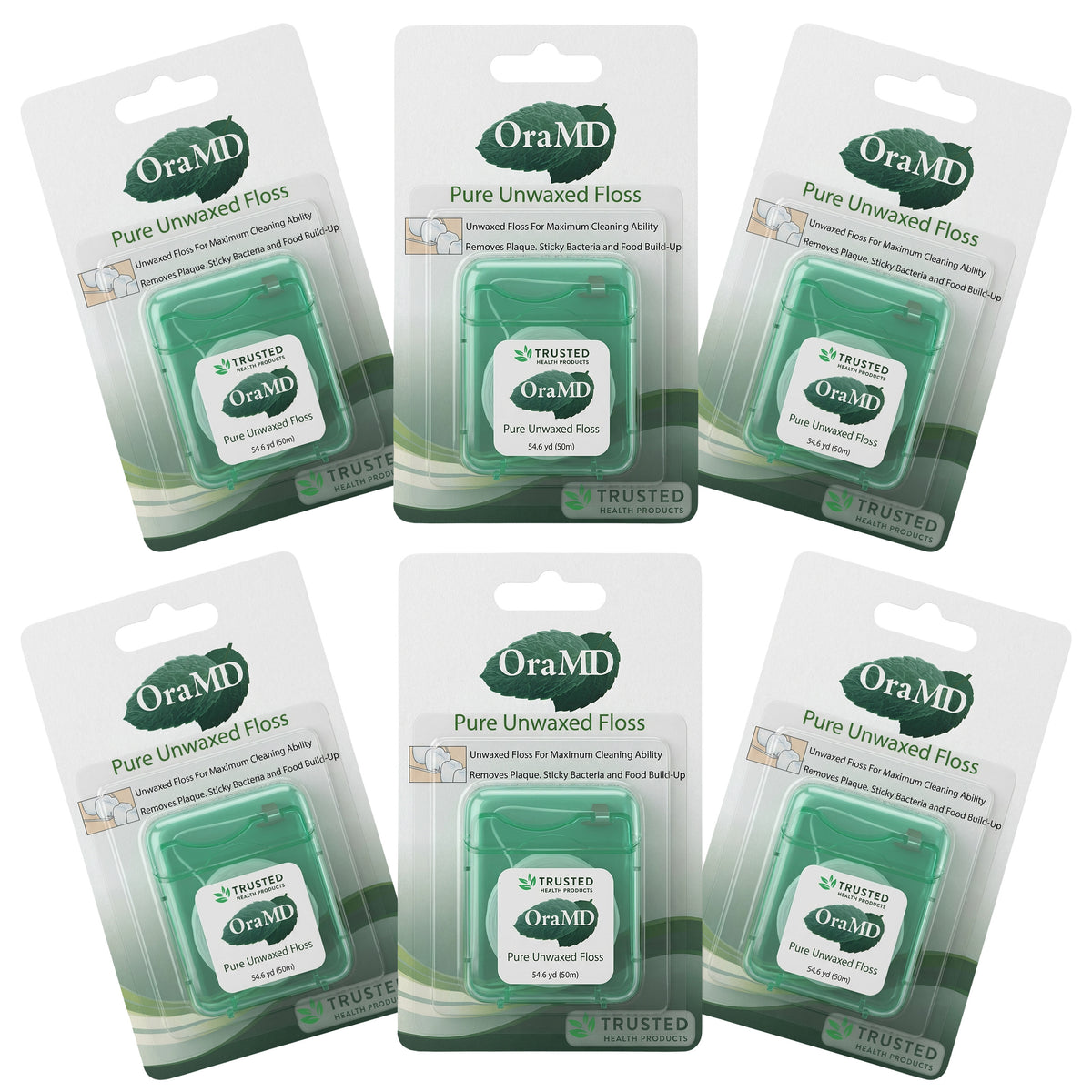
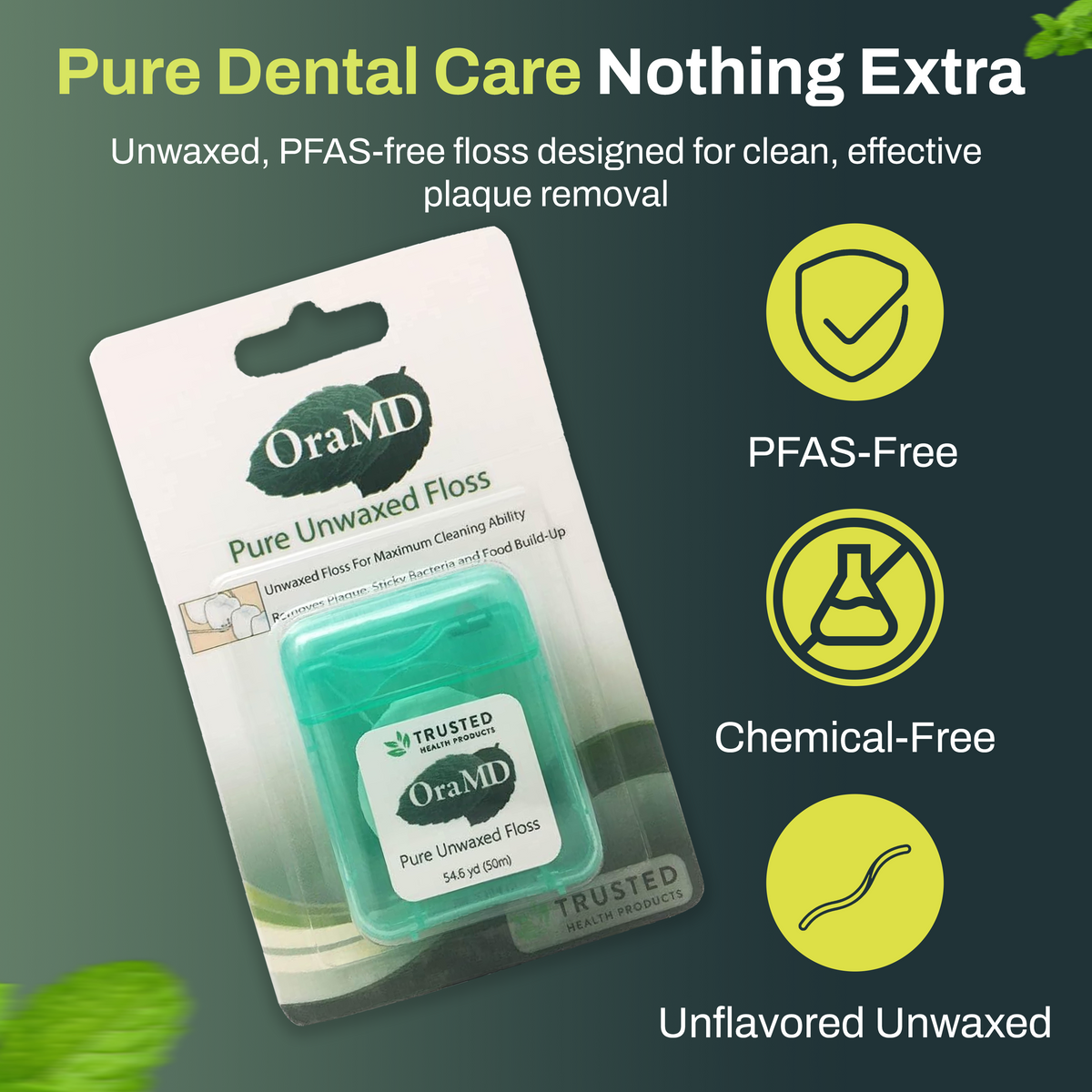
OraMD Pure Unwaxed Dental Floss uses unwaxed fibers that grip plaque-covered surfaces more effectively than waxed alternatives. Wax can leave a residue that masks rather than removes interproximal buildup.
Method 3: Use Baking Soda to Remove Plaque From Teeth Naturally
Baking soda (sodium bicarbonate) is one of the most evidence-backed natural plaque removal agents available. A review published in the Journal of the American Dental Association found that baking soda toothpastes remove plaque more effectively than non-baking soda formulas and protect enamel against demineralization.
Baking soda works through two mechanisms. Its mild abrasiveness physically scrubs plaque biofilm from the tooth surface. Its alkalinity neutralizes the acid environment in which plaque bacteria thrive.
How to use baking soda for plaque removal:
-
Mix one teaspoon of baking soda with enough water to form a thin paste.
-
Apply the paste to a soft-bristled toothbrush.
-
Brush for two minutes using the Bass technique described above.
-
Rinse thoroughly with water.
-
Use two to three times per week — not daily. Overuse can mildly abrade enamel over time.
Baking soda does not whiten teeth on its own, it removes stained plaque deposits, which reveals the natural tooth color underneath. This is a meaningful distinction for anyone expecting a whitening effect from baking soda alone.
Method 4: Try Oil Pulling for Daily Bacterial Reduction
Oil pulling is an Ayurvedic practice involving swishing an oil through the teeth and gums to trap and remove oral bacteria. A clinical trial published in the NIH-indexed Journal of Ayurveda and Integrative Medicine found that coconut oil pulling reduced dental plaque scores by approximately 50% over a four-week period — comparable results to chlorhexidine mouthwash in the same study.
Coconut oil is the most studied oil for this purpose. It contains lauric acid — a medium-chain fatty acid with established antimicrobial and anti-inflammatory properties.
How to perform coconut oil pulling:
-
Use one tablespoon of organic, unrefined coconut oil.
-
Warm it briefly if it is solid — it should be liquid before swishing.
-
Swish the oil through the teeth and gums for 10 to 20 minutes.
-
Do not swallow — the oil collects bacteria throughout the session.
-
Spit into a trash bin, not the sink. Coconut oil solidifies and clogs drain pipes.
-
Rinse with warm water, then brush normally.
Oil pulling works best as a morning routine before eating. It does not replace brushing or flossing but reduces the total bacterial load that generates plaque throughout the day.
Method 5: Use a Natural Antimicrobial Mouth Rinse
Mouthwash reaches surfaces a brush and floss cannot — the soft tissue on the inner cheeks, the tongue surface, and the throat — all of which harbor oral bacteria that migrate to teeth and form plaque.
Most commercial mouthwashes contain alcohol, artificial sweeteners, and synthetic preservatives. Alcohol-based mouthwashes dry out the oral mucosa. Dry mouth reduces saliva production, and saliva is the mouth's primary natural defense against bacterial overgrowth.
Ingredients to look for in a natural antimicrobial rinse:
-
Peppermint oil — Demonstrated antibacterial activity against Streptococcus mutans, the primary cavity-causing bacterium
-
Spearmint oil — Antimicrobial and anti-inflammatory; reduces gingival plaque indices in clinical studies
-
Tea tree oil — Broad-spectrum antibacterial with activity against multiple periodontal pathogens
-
Aloe vera — Reduces plaque and gingivitis at levels comparable to chlorhexidine in clinical research, without the side effects of staining or altered taste
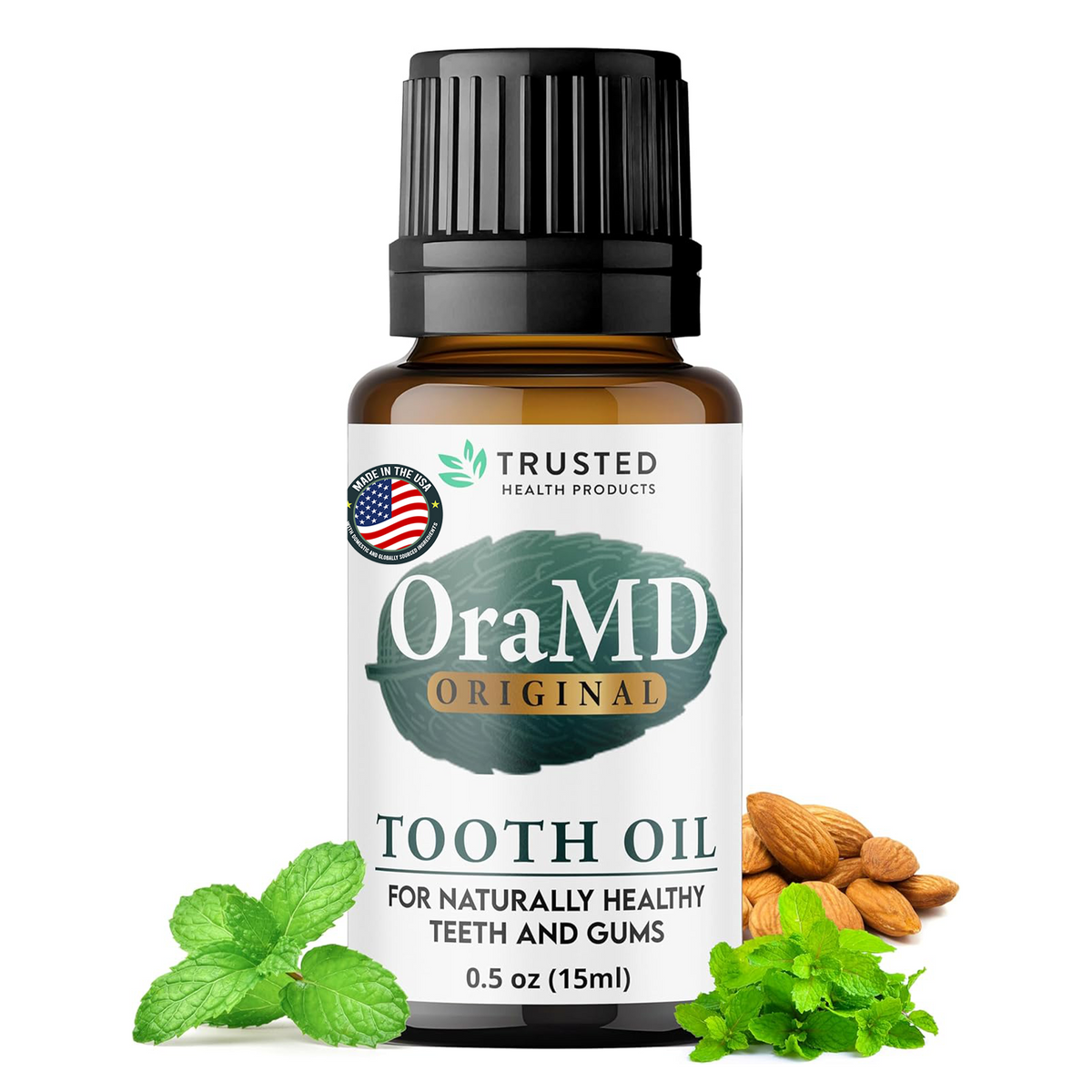
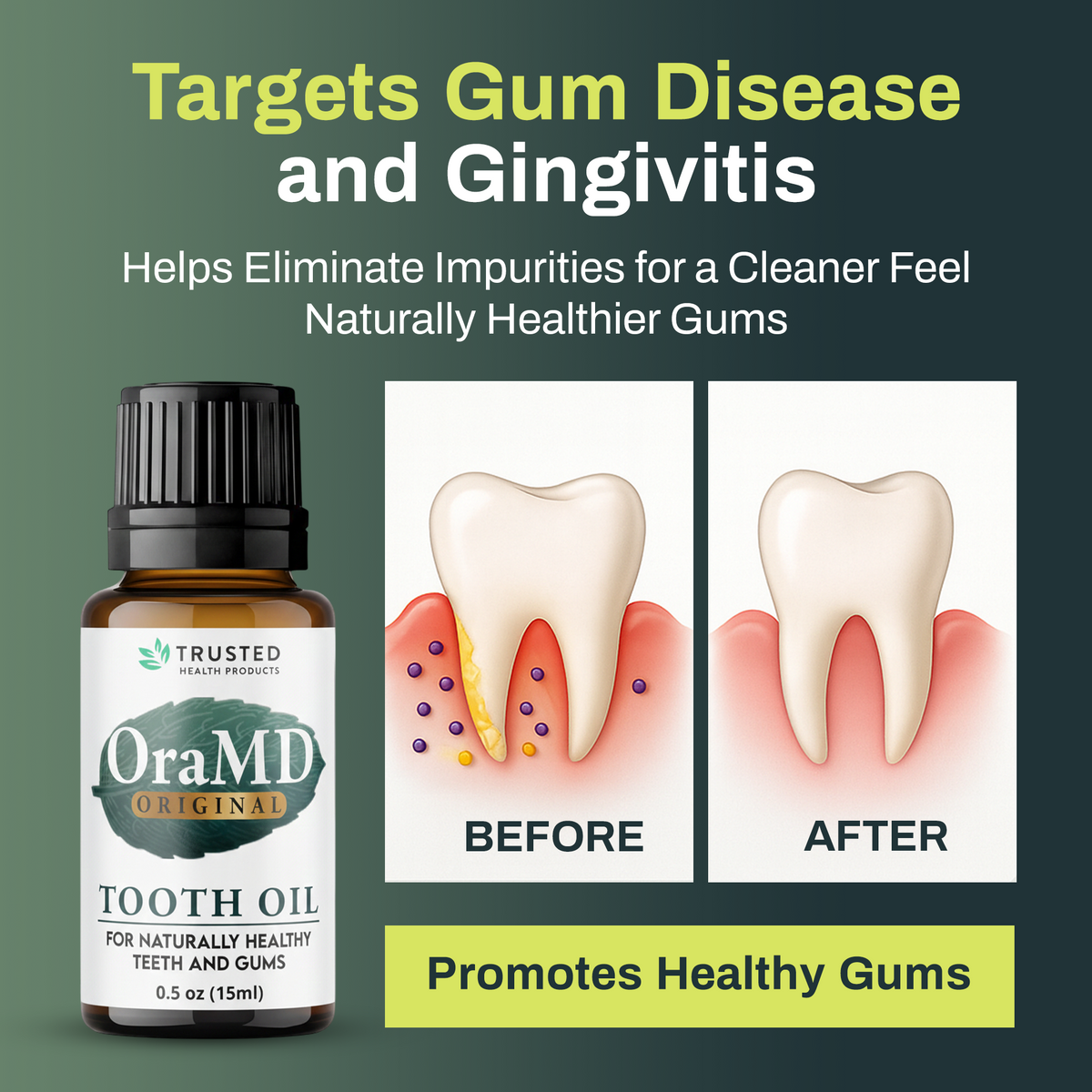
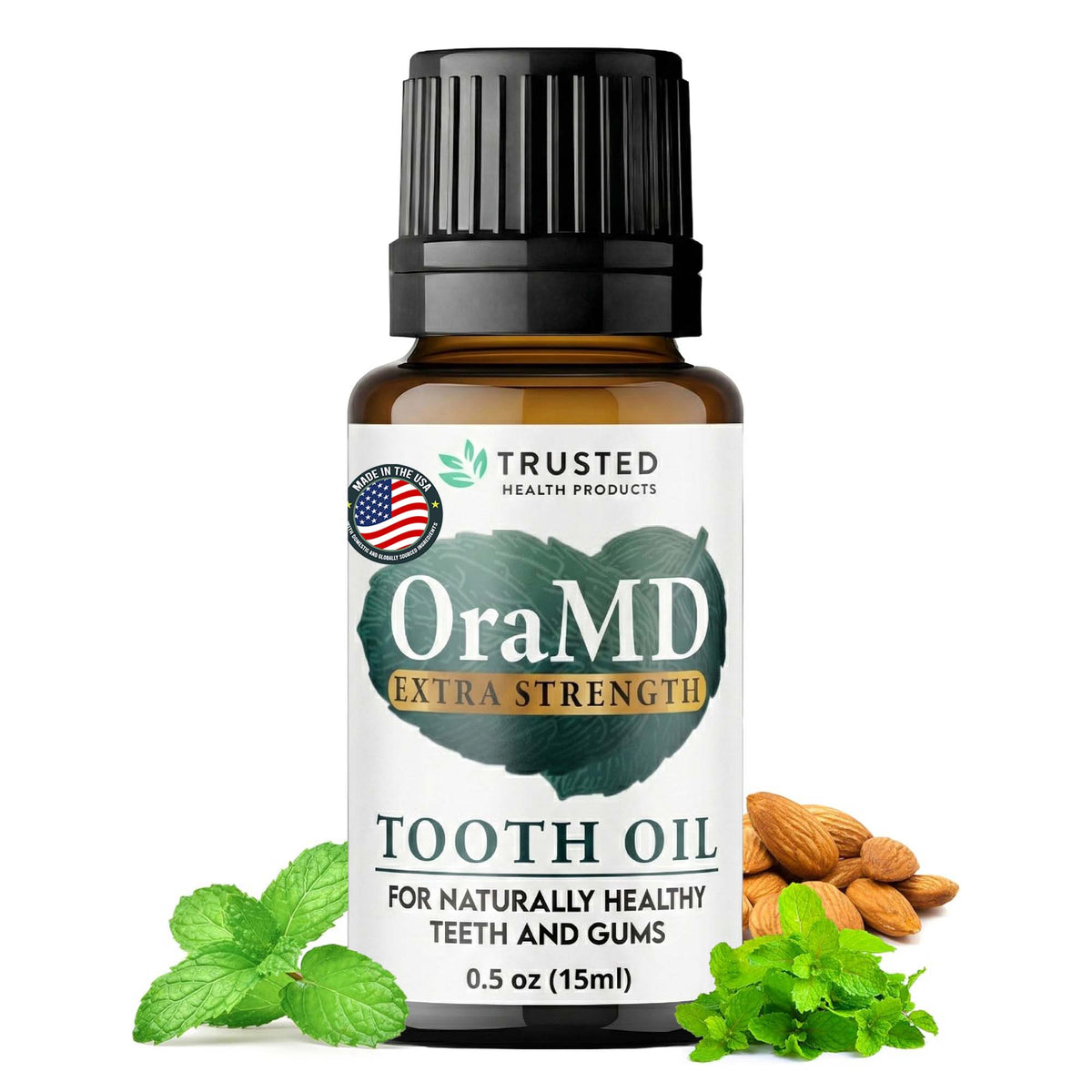
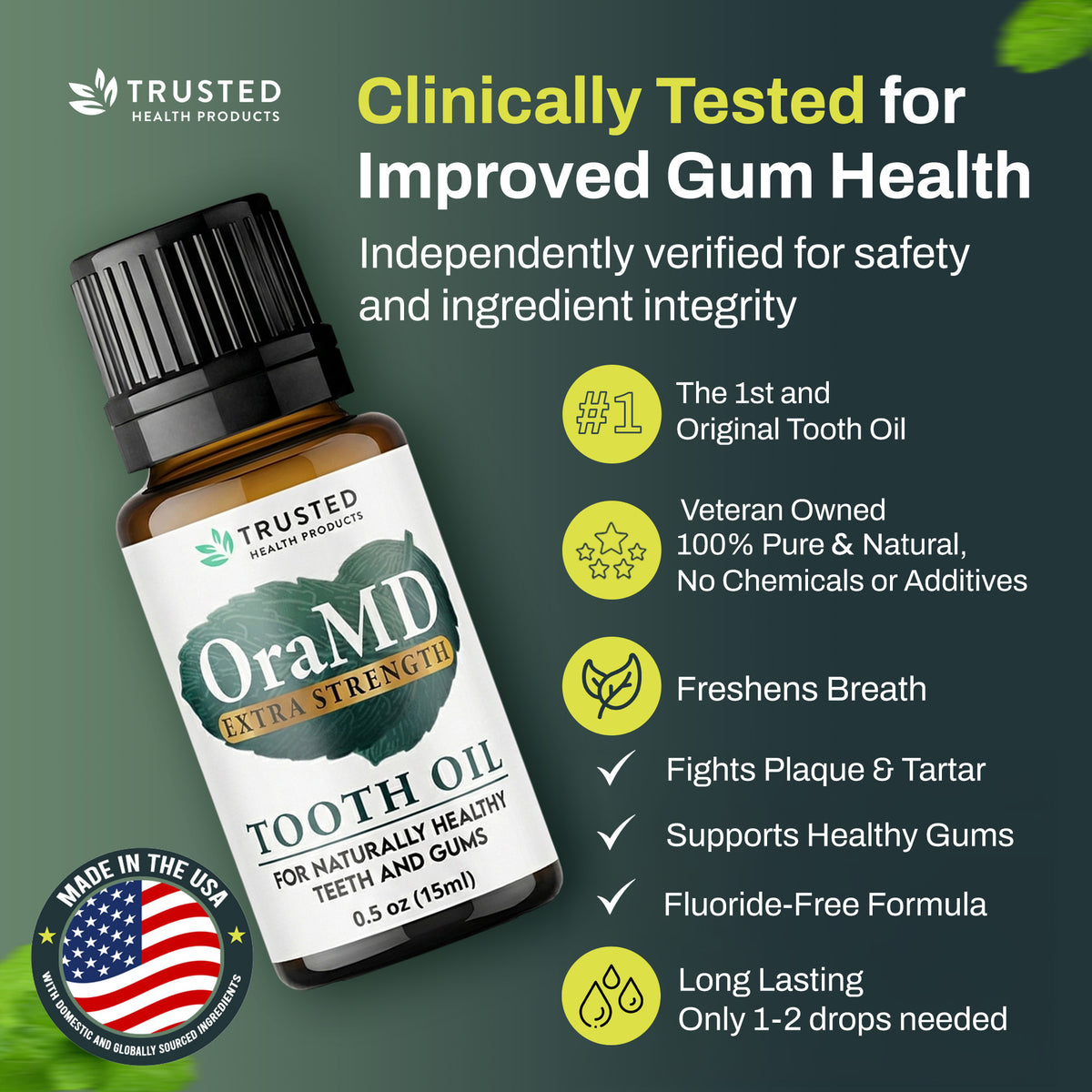
Trusted Health Products formulates OraMD Original Strength as a botanical tooth oil and mouth rinse combining peppermint, spearmint, and almond oil. It delivers antimicrobial action without alcohol, sodium lauryl sulfate, or artificial additives. Used after brushing and flossing, it targets residual bacteria that mechanical cleaning misses.
OraMD Extra Strength provides a higher botanical concentration for people dealing with more significant plaque buildup or early gum inflammation. Both formulas are free from synthetic chemicals and safe for daily use.
Method 6: Use a Saltwater Rinse to Disrupt Plaque Biofilm
A saltwater rinse creates a hypertonic environment in the mouth — one with higher salt concentration than bacterial cells can tolerate. Bacteria lose water through osmosis, disrupting the plaque biofilm and reducing bacterial counts.
A saltwater rinse also reduces gum inflammation and promotes healing of any minor irritation along the gumline.
How to make and use a saltwater rinse:
-
Dissolve half a teaspoon of plain sea salt or table salt in 8 ounces of warm water.
-
Swish vigorously for 30 seconds, working the solution between teeth.
-
Spit completely, do not swallow.
-
Repeat twice daily, ideally after meals.
Saltwater rinsing works best as a complement to brushing and flossing, not a replacement. It temporarily shifts the oral pH and disrupts early plaque biofilm but does not have the sustained antibacterial effect of a formulated botanical rinse.
Method 7: Change the Diet to Starve Plaque Bacteria
Oral bacteria require fermentable carbohydrates — sugars and refined starches — to produce the acids that fuel plaque formation. Reducing these foods starves the bacteria at the source.
Foods that accelerate plaque formation:
-
Refined sugars: candy, soft drinks, fruit juices, pastries
-
Sticky carbohydrates: crackers, chips, white bread, dried fruit
-
Acidic drinks: citrus juices, sports drinks, carbonated beverages
-
Frequent snacking — each eating episode triggers a 20-minute acid attack on enamel
Foods that naturally reduce plaque:
-
Fibrous raw vegetables — Celery, carrots, and apples mechanically scrub tooth surfaces while chewing
-
Dairy products — Cheese and milk neutralize oral acids and provide calcium that strengthens enamel
-
Green tea — Contains catechins that inhibit Streptococcus mutans and suppress plaque formation
-
Water — Rinses food particles from tooth surfaces and stimulates saliva production
-
Nuts — Stimulate saliva and provide phosphorus that supports enamel remineralization
Changing the diet does not eliminate the need for daily brushing and flossing. It reduces the speed at which plaque accumulates and gives mechanical cleaning methods a lower bacterial load to work against.
What Cannot Be Done at Home: Tartar Removal
No toothbrush, home remedy, or natural paste removes hardened tartar. Tartar is a mineralized deposit chemically bonded to the tooth surface. Scraping it with any sharp object at home risks damaging enamel and cutting soft gum tissue, which creates new entry points for infection.
Professional tartar removal, dental scaling, uses ultrasonic instruments and handheld scalers to break up and remove calculus above and below the gumline without harming the enamel. This cannot be replicated at home.
A person who visits the dentist every six months gives plaque no more than six months to mineralize. Most people who maintain consistent daily oral hygiene accumulate minimal tartar in that window. The combination of daily natural plaque removal and biannual professional cleaning covers both stages of the problem completely.
Natural Oral Care Routine: A Daily Schedule
|
Time |
Action |
Duration |
|
Morning (before eating) |
Coconut oil pulling |
10–15 minutes |
|
Morning (after eating breakfast) |
Floss with unwaxed floss |
2 minutes |
|
Morning |
Brush with Bass technique |
2 minutes |
|
Morning |
Natural antimicrobial rinse |
30 seconds |
|
After meals |
Saltwater rinse or plain water rinse |
30 seconds |
|
Evening (before bed) |
Floss first, then brush |
4 minutes total |
|
Evening |
Botanical tooth oil rinse |
30 seconds |
Consistency drives results. A person who follows this routine daily for four weeks will see measurable reductions in plaque buildup, gum bleeding, and bad breath. Skipping sessions allows plaque to begin mineralizing within 24 hours.
Explore the complete oral care collection from Trusted Health Products for tools suited to each step of this routine.
Conclusion
Removing plaque from teeth naturally requires consistency across three pillars: daily mechanical cleaning with the right technique, antimicrobial rinsing to target residual bacteria, and dietary habits that reduce acid and plaque formation.
No single remedy replaces the daily routine. All seven methods above work together, each targeting a different stage or location of plaque accumulation.
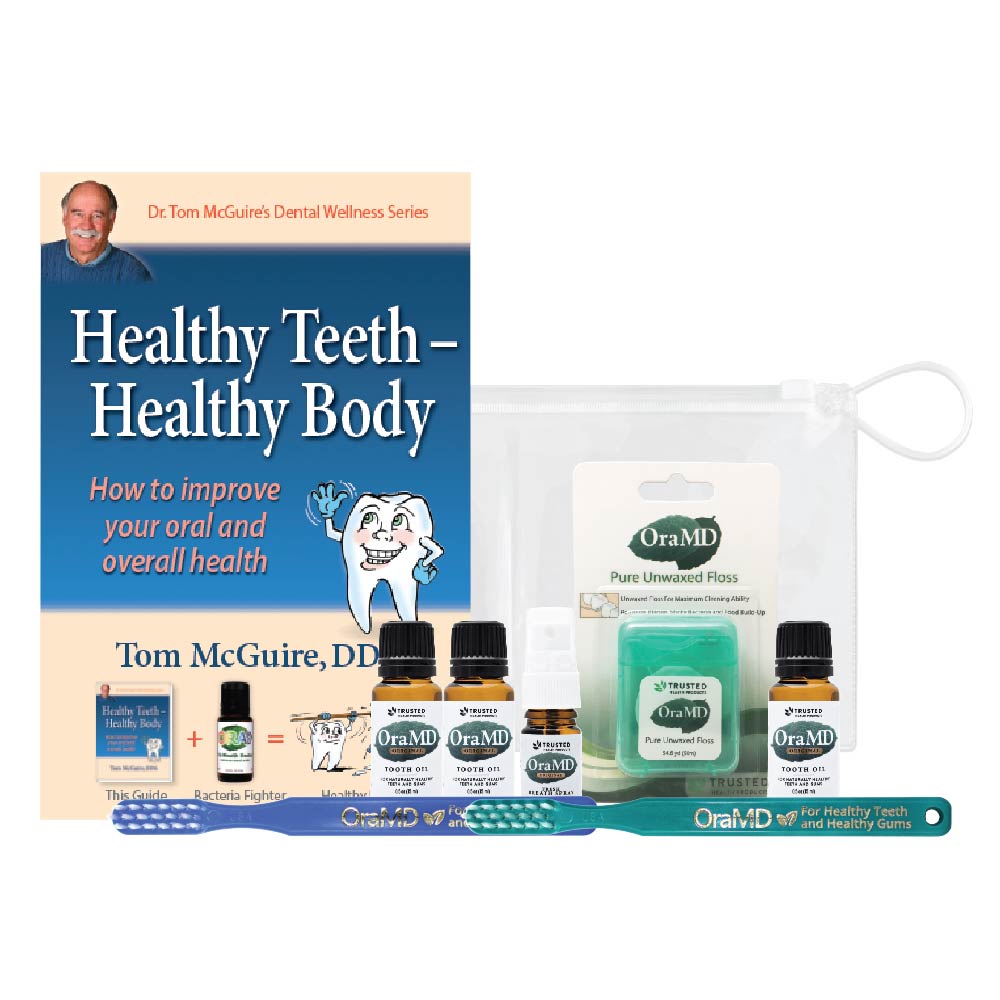
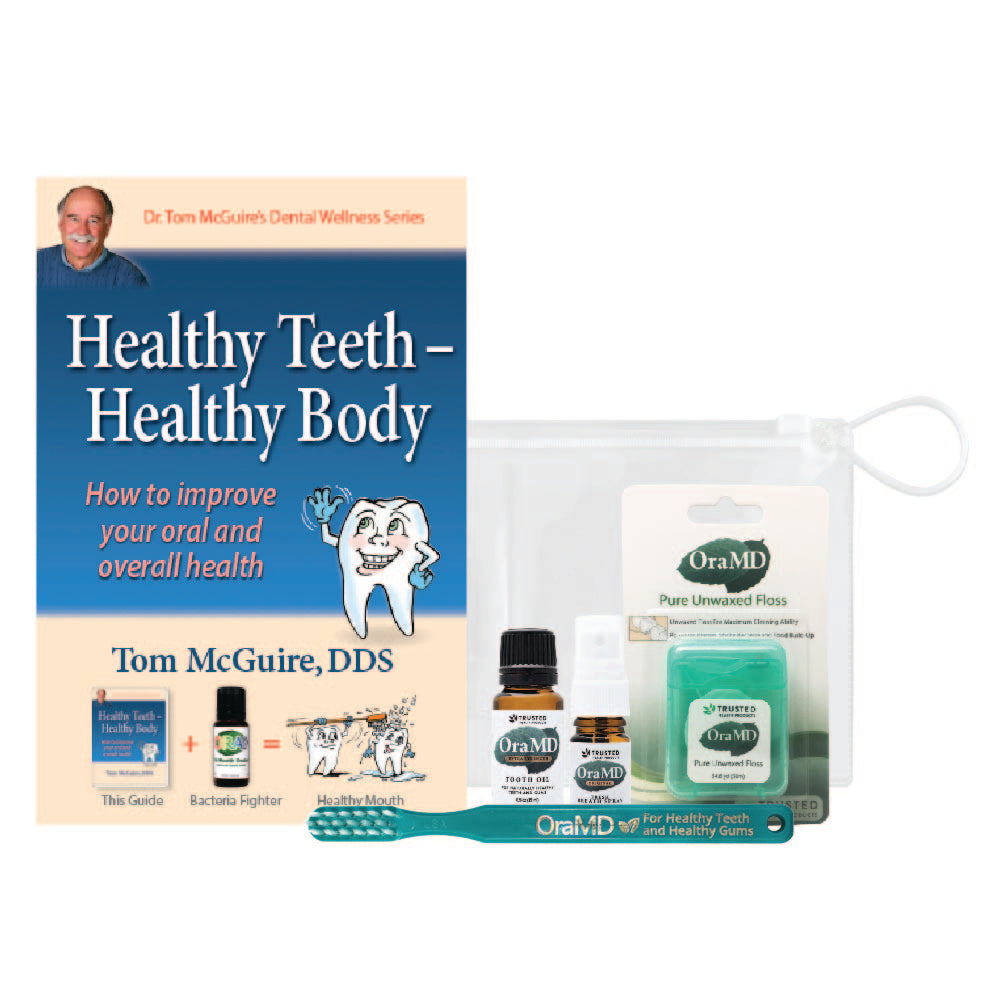
For readers building a natural daily oral care routine, Trusted Health Products provides the OraMD toothbrush and floss pack as a practical starting point for the mechanical cleaning steps, and OraMD Original Strength as a botanical antimicrobial rinse to complete the daily protocol, all without synthetic chemicals, alcohol, or artificial additives.