The Complete Guide to Oil-Based Toothpaste & Fluoride-Free Oral Care
April 22, 2026
Author: Team Farrisi
Tags:
The Complete Guide to Oil-Based Toothpaste & Fluoride-Free Oral Care
Most people have never questioned what's in their toothpaste. It foams, it freshens, it's been on the bathroom shelf for decades, so it must be fine, right?
But health-conscious consumers are reading labels more closely. And what they're finding is driving a quiet revolution in oral care, one centered on oil-based toothpaste, botanical ingredients, and fluoride-free alternatives that clean and protect without synthetic additives.
This guide covers everything you need to know: what oil-based toothpaste is, how it works, why people are going fluoride-free, and how to build a natural oral care routine that actually delivers results.
Why People Are Switching to Natural Oral Care
Conventional toothpastes rely on a cocktail of synthetic compounds, many of which people are now questioning:
-
Sodium lauryl sulfate (SLS) - the foaming agent linked to mouth ulcers and irritation
-
Artificial sweeteners - including saccharin and aspartame
-
Triclosan - an antibacterial agent currently under regulatory scrutiny
-
Synthetic whitening agents - which can cause enamel sensitivity with overuse
-
Fluoride - still endorsed by most dental bodies, but increasingly debated for long-term cumulative effects
Oil-based toothpastes and fluoride-free alternatives offer a cleaner path, one backed by both ancient tradition and emerging modern research.
What Is Oil-Based Toothpaste?
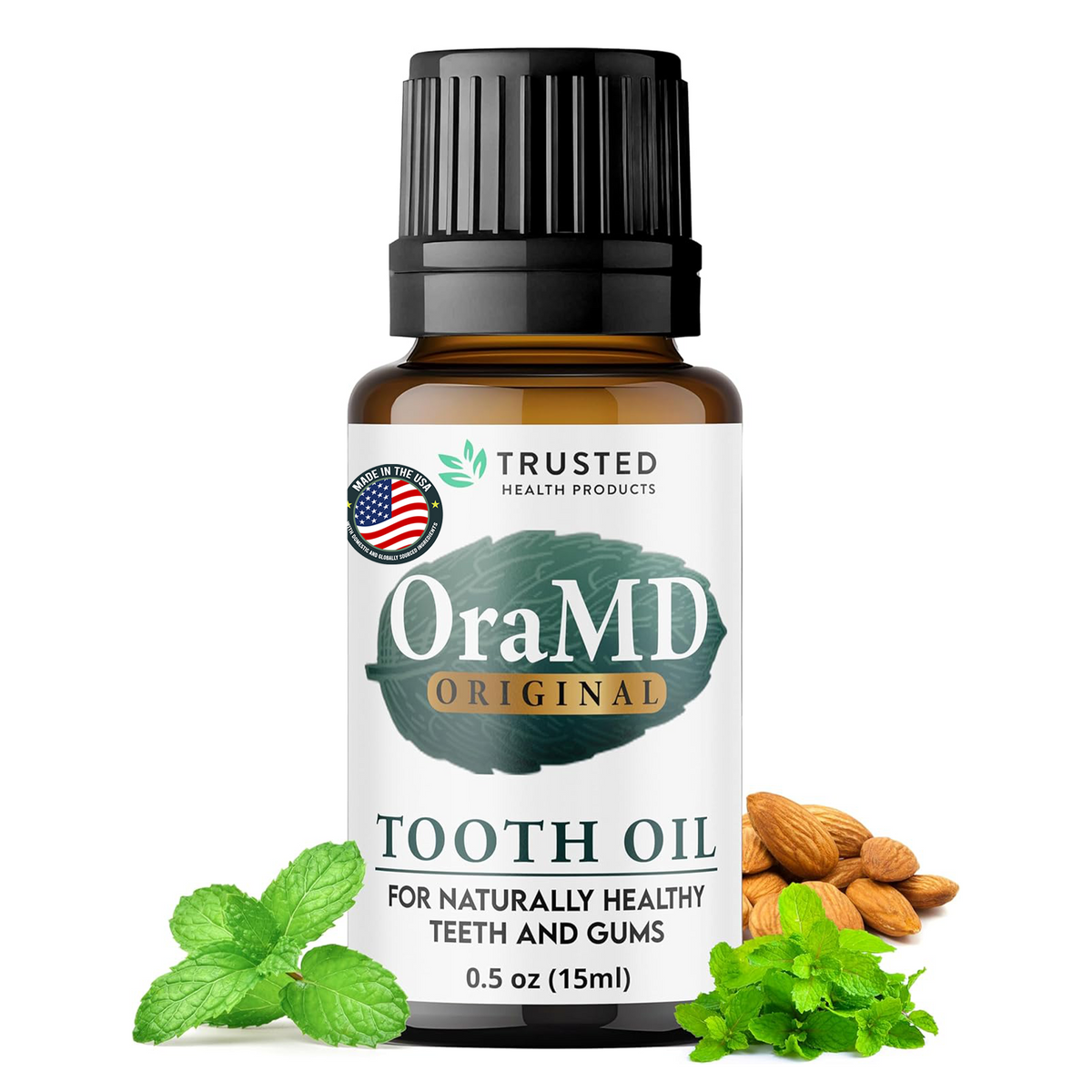
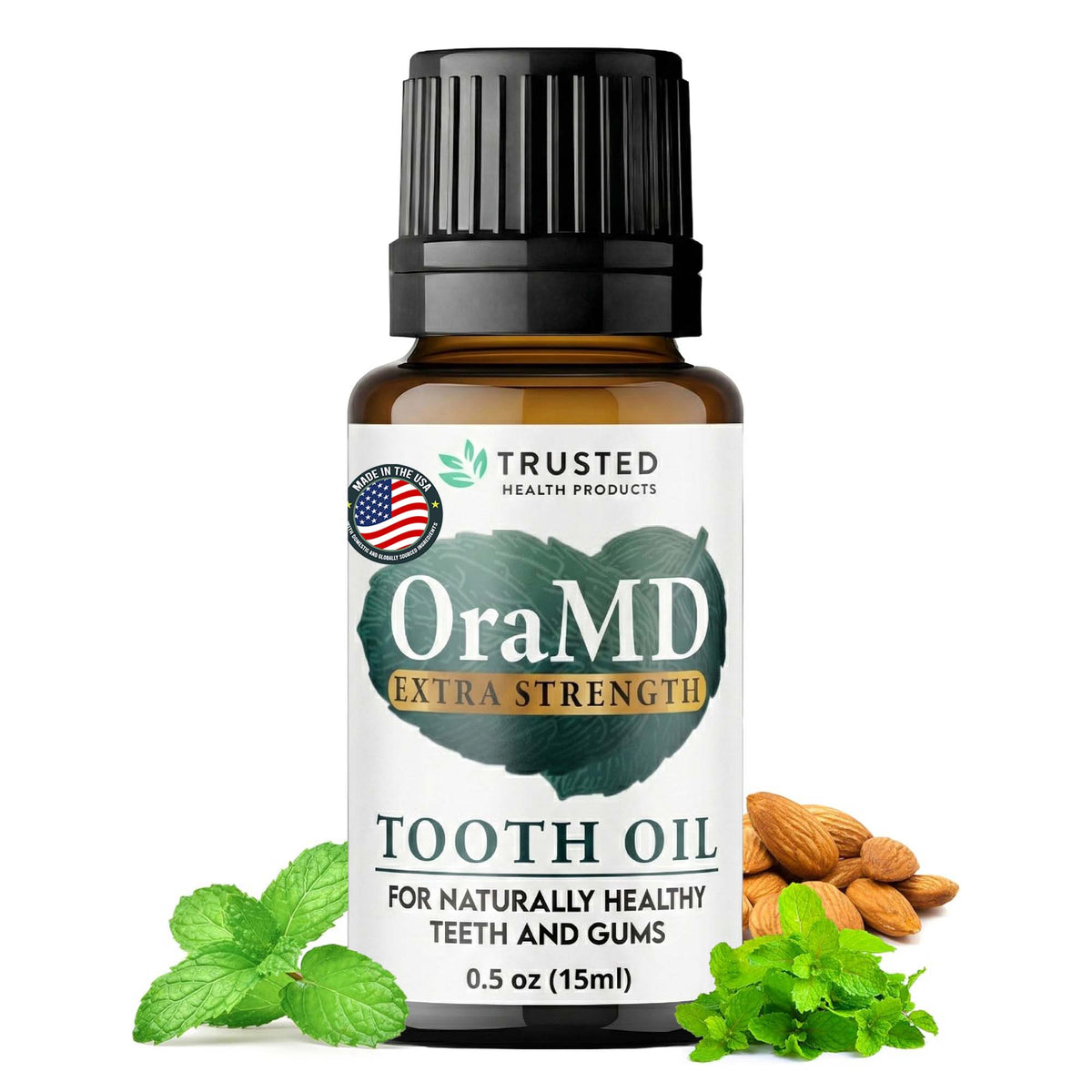
Oil-based toothpaste is a dental cleanser that replaces synthetic paste fillers, SLS foam, and artificial binders with concentrated botanical oils and plant-derived activities. Also called tooth oil or dental serum, it works by leveraging the natural antimicrobial, anti-inflammatory, and remineralizing properties of oils and herbal extracts. Unlike conventional paste, which sits on tooth surfaces, oils have the unique ability to penetrate along the gumline and coat areas that paste-based formulas often miss. This is not a new idea. Oil-based oral care has deep roots in Ayurvedic practice, where oil pulling with sesame or coconut oil has been used for thousands of years to clean teeth, reduce inflammation, and support gum health. Modern science is now validating what ancient practitioners long understood.
How Oil-Based Toothpaste Differs from Conventional Paste
|
Feature |
Oil-Based Toothpaste |
Conventional Toothpaste |
|
Base ingredient |
Botanical oils (coconut, sesame, sunflower) |
Water, silica, synthetic binders |
|
Foaming agent |
None (or minimal natural) |
Sodium lauryl sulfate (SLS) |
|
Antimicrobial action |
High - via lauric acid, carvacrol, terpenes |
Moderate - via chemical additives |
|
Gum support |
Excellent (anti-inflammatory botanicals) |
Varies by formula |
|
Whitening method |
Gentle enzymatic / mechanical |
Peroxide-based (can cause sensitivity) |
|
Fluoride-free |
Yes |
Usually no |
|
Packaging |
Minimal - often glass or small bottle |
Plastic tube |
Best Base Oils Used in Oil-Based Toothpaste
Not all oils deliver equal results. Quality oil-based toothpaste formulas typically feature one or more of these proven base oils:
1. Coconut Oil
The most widely used base oil in modern natural dental care. Coconut oil is rich in lauric acid, a naturally occurring fatty acid with well-documented antimicrobial properties. Clinical research shows lauric acid actively reduces Streptococcus mutans , the primary bacteria responsible for plaque buildup and tooth decay.
2. Sesame Oil
The traditional Ayurvedic choice. Sesame oil contains sesamin and sesamolin, potent antioxidants that reduce gum inflammation and have been used for centuries to support enamel strength. It remains the most studied oil in the context of oil pulling research.
3. Sunflower Oil
A lighter, more neutral alternative with solid antimicrobial activity. Sunflower oil is often preferred by those with sensitivities to coconut or sesame, while still offering comparable benefits in daily use.
Active Botanical Ingredients to Look For
A well-formulated oil-based toothpaste goes beyond the base oil. Look for these clinically-relevant botanical actives:
-
Clove oil - natural analgesic and antibacterial, used for centuries to relieve toothache and fight oral pathogens
-
Neem oil - clinically studied for reducing plaque and gingivitis scores
-
Peppermint or spearmint essential oil - provides natural freshness with antimicrobial action
-
Tea tree oil - a broad-spectrum natural antiseptic
-
Oregano oil - contains carvacrol, shown in studies to inhibit oral pathogens
Benefits of Oil-Based Toothpaste
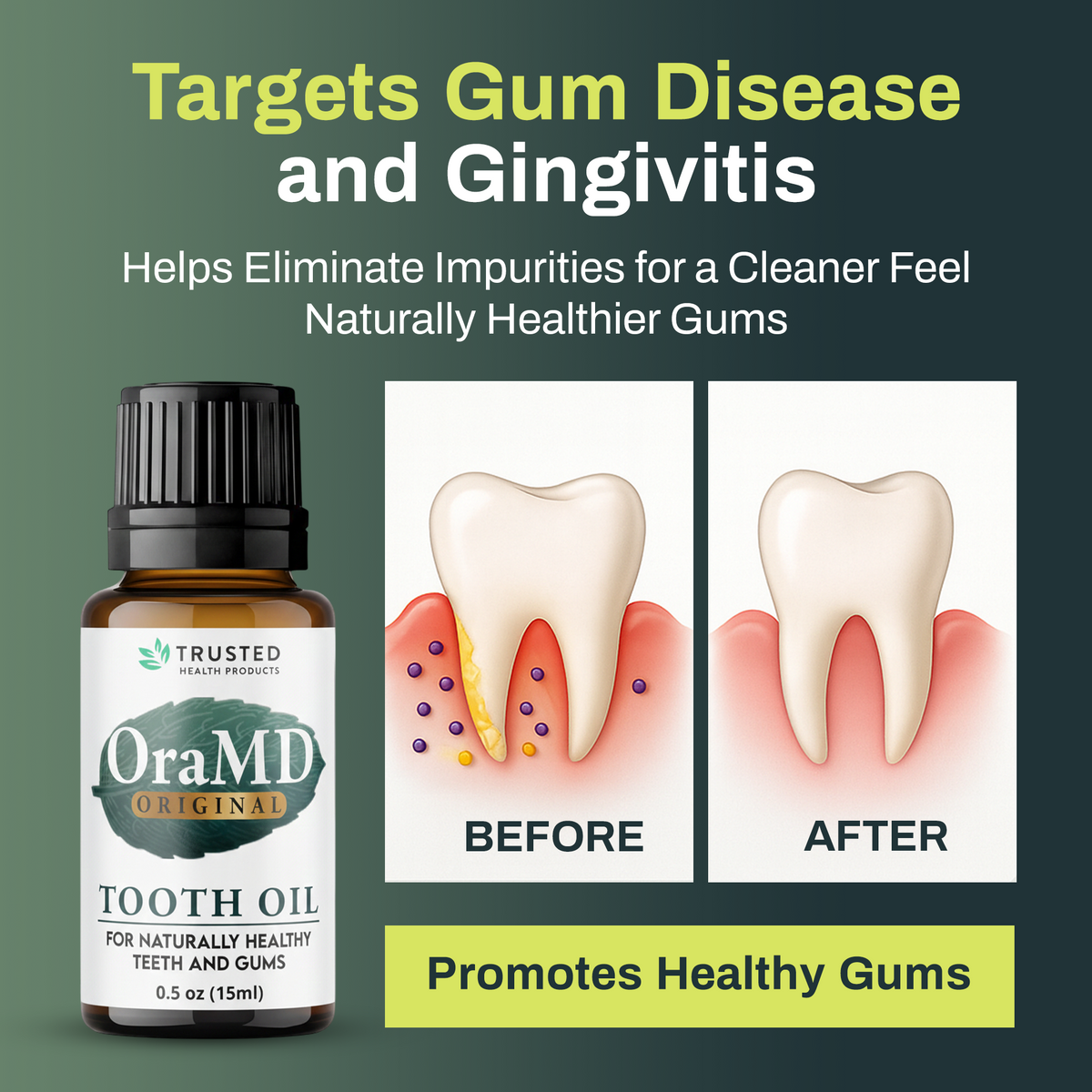
- Reduces plaque and helps combat gingivitis
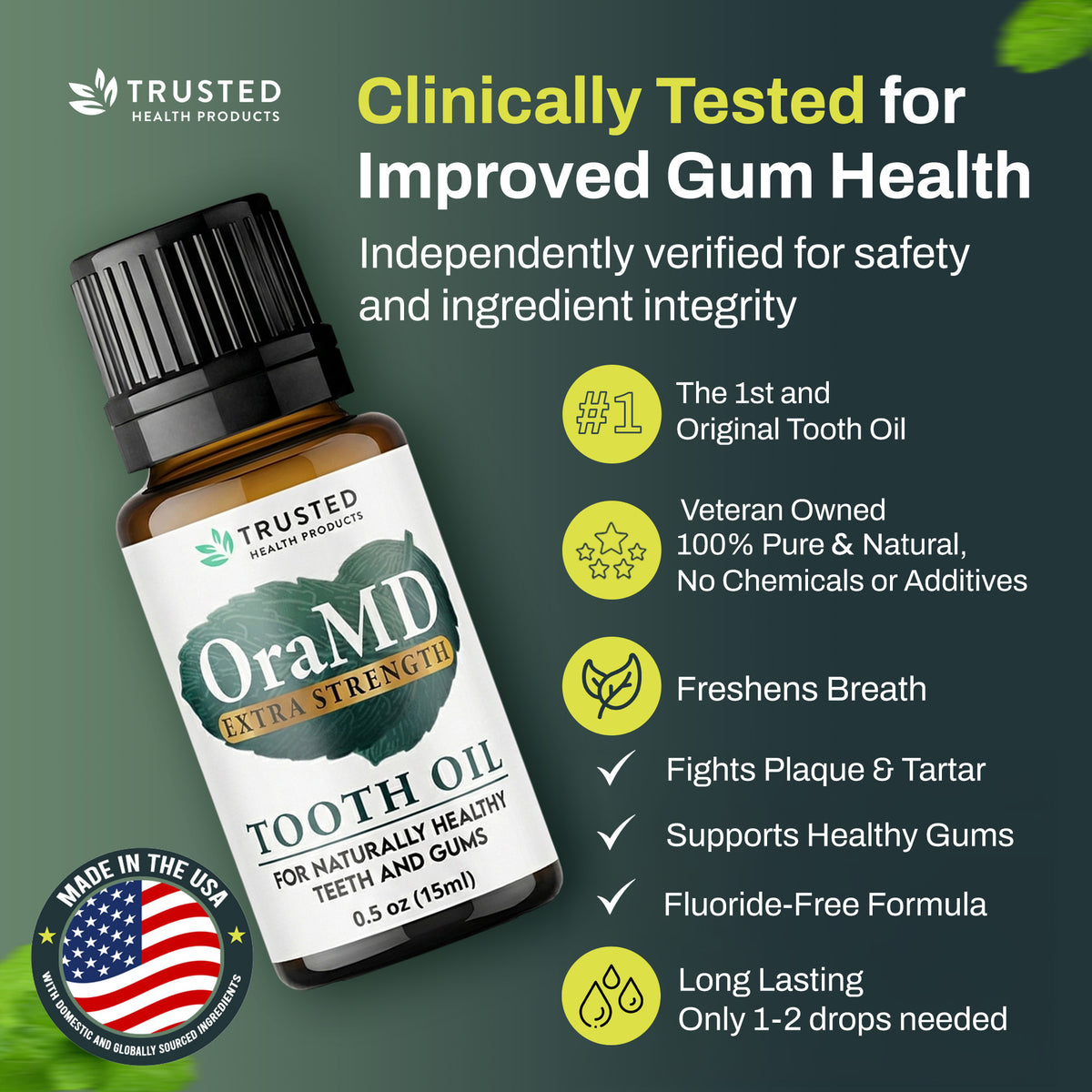
- Freshens breath naturally without artificial masking agents
- Supports healthy gums with anti-inflammatory botanical compounds
- May gradually whiten teeth through gentle enzymatic and mechanical action
- Removes harmful oral bacteria without disrupting the beneficial oral microbiome
- Free from SLS, artificial sweeteners, parabens, and synthetic fillers
How to Use Oil-Based Toothpaste
Using oil-based toothpaste is straightforward, but the technique matters:
- Place 3-5 drops directly on your toothbrush or fingertip
- Brush gently for 2 full minutes, covering all tooth surfaces and along the gumline
-
Spit thoroughly and rinse with water
- Use once or twice daily as part of your natural oral care routine
Some people use oil-based toothpaste as a complete replacement for conventional paste; others combine it with a fluoride-free remineralizing toothpaste. Either approach works, consistency is what drives results.

Fluoride-Free Oral Care: What You Need to Know
Fluoride has been a cornerstone of public dental health since the 1940s, and major dental organizations still endorse its use at recommended levels. But a growing number of health-conscious individuals are choosing to reduce or eliminate fluoride exposure, and with good reason to explore alternatives.
Why Some People Choose Fluoride-Free
-
Dental fluorosis - excessive fluoride intake during childhood can cause white spots or streaks on developing teeth
-
Cumulative exposure - fluoride consumed via water, toothpaste, food, and dental treatments may exceed recommended levels for some individuals
-
Emerging research - ongoing studies examine potential links between high fluoride intake and thyroid function or neurological development
Natural Alternatives That Support Enamel Without Fluoride
Nano-Hydroxyapatite (n-HA): A biocompatible mineral compound identical to the calcium found in natural tooth enamel. Multiple clinical trials have shown it remineralizes early enamel lesions and prevents cavity formation at rates comparable to fluoride. It is one of the most significant breakthroughs in modern natural oral care.
Xylitol: A natural sugar alcohol that actively inhibits Streptococcus mutants growth and stimulates saliva production, your mouth's natural defense system. Found in quality fluoride-free toothpastes and gums.
Dietary support for enamel health:
-
Calcium-rich foods: dairy, leafy greens, almonds
-
Vitamin D: supports calcium absorption and enamel formation
-
Vitamin K2: directs calcium toward teeth and bones, not soft tissue
-
Reduce sugar and acidic beverages - the primary triggers of enamel erosion
Building Your Complete Natural Oral Care Routine
Morning
- Brush with oil-based toothpaste or a fluoride-free remineralizing toothpaste, 2 full minutes
- Rinse with an alcohol-free herbal mouthwash
- Scrape your tongue to remove overnight bacteria buildup
Evening
- Floss or use a water flosser
- Brush again with oil-based toothpaste, pay special attention to the gumline
- Allow botanical compounds to continue working overnight without rinsing
Weekly
- Use a natural whitening powder (activated charcoal or baking soda based) 1–2 times per week
- Assess gum sensitivity and adjust your formula as needed
Conclusion
Oil-based toothpaste represents one of the most meaningful shifts in modern oral care, a return to plant-derived ingredients that work with your body's natural chemistry rather than against it. With antimicrobial base oils, active botanicals, and the growing science behind nano-hydroxyapatite as a fluoride alternative, going natural no longer means compromising on results. Paired with a smart daily routine, the right diet, and regular dental visits, a natural oral care approach can genuinely transform the health of your mouth. The key is consistency and quality. Start with a well-formulated oil-based toothpaste, give it 4 weeks, and let the results speak for themselves. Ready to make the switch? Explore our curated range of oil-based toothpastes, tooth oils, and fluoride-free remineralizing products at Trusted Health Products,every product selected with your long-term health in mind.
Frequently Asked Questions
What exactly is oil-based toothpaste, and how does it clean teeth?
Oil-based toothpaste uses concentrated botanical oils, primarily coconut, sesame, or sunflower, as a base instead of synthetic paste binders and SLS. These oils work through antimicrobial fatty acids (like lauric acid in coconut oil) and active botanical compounds (like carvacrol in oregano oil) that reduce harmful oral bacteria, break down plaque, and support healthy gums without synthetic foaming agents.
Can oil-based toothpaste replace conventional toothpaste entirely?
Yes, many people use oil-based toothpaste as a complete replacement. It cleanses effectively, supports gum health, and delivers active botanical ingredients without the fillers found in conventional formulas. If you're also going fluoride-free, pairing it with a nano-hydroxyapatite toothpaste adds enamel remineralization support.
How long does it take to see results from oil-based toothpaste?
Most users notice fresher breath within the first few days. Visible improvements in gum health, reduced sensitivity, and reduced plaque buildup typically appear after 2-4 weeks of consistent twice-daily use. Gradual whitening effects may take 4-8 weeks.
Is oil-based toothpaste the same as oil pulling?
Not exactly. Oil pulling involves swishing a plain oil (typically sesame or coconut) in your mouth for 10–20 minutes, then spitting. Oil-based toothpaste is a more concentrated formula, infused with active botanicals like clove, neem, and peppermint, designed for brushing. It delivers similar oil-based benefits in a much shorter routine.
Is fluoride-free toothpaste safe for children?
Many pediatric dentists still recommend fluoride for children given its proven role in cavity prevention during tooth development. Fluoride-free options with nano-hydroxyapatite are gaining scientific support, but any switch for children should be discussed with your child's dentist first.
What is nano-hydroxyapatite and does it really work?
Nano-hydroxyapatite (n-HA) is a biocompatible, lab-produced form of the mineral that makes up 97% of tooth enamel. Multiple peer-reviewed clinical trials have demonstrated it can remineralize early enamel lesions and prevent new cavities at rates comparable to fluoride, without the concerns around fluoride accumulation. It is widely considered the most promising fluoride alternative available today.
Are there any side effects of switching to oil-based toothpaste?
Oil-based toothpaste is generally well-tolerated. Those with known sensitivities to specific essential oils (such as clove, oregano, or tea tree) should review the ingredient list before use. The transition period may include a brief adjustment where your mouth feels less "squeaky clean" without SLS foam, this is normal and typically resolves within 1-2 weeks.
Which tooth oil is best for sensitive gums?
Look for formulas that include neem, chamomile, and clove at lower concentrations. These are gentle yet effective anti-inflammatories ideal for sensitive or receding gum tissue. Avoid formulas with high concentrations of oregano or cinnamon oil if you have sensitive mucous membranes.