Understanding The Term ‘Noncomedogenic’: The Complete Guide to Pore-Safe Skincare
April 16, 2026
Author: Admin Editor
Tags:
Every second tube of moisturiser and every face oil seems to carry the word "noncomedogenic" somewhere on its label. For buyers with acne-prone or oily skin, the term functions almost as a safety signal — a green light to proceed. But noncomedogenic is a term applied to cosmetic products when they are formulated to avoid blocking pores, and the reality behind it is more layered than any label suggests.
A 2025 review published in a peer-reviewed dermatology journal confirmed the problem clearly: no standardised testing requirement exists, and companies freely label products as noncomedogenic without any regulatory obligation to verify these claims. That gap matters for anyone making skincare decisions based on front-of-pack language.
This guide explains what noncomedogenic actually means, how comedogenicity gets measured, which ingredients and oils carry the lowest ratings, and what to read on an ingredient list when the label alone cannot be trusted.
What Does Noncomedogenic Mean?
A comedone is the basic unit of acne. The term covers both blackheads (open comedones) and whiteheads (closed comedones). Both form when keratin, sebum, and dead skin cells accumulate inside a follicle — the difference is whether the follicle opening stays exposed to air or remains sealed beneath the skin.
Noncomedogenic simply means that a formulation is created to minimise pore clogging or reduce the risk of comedone formation. The opposite term, comedogenic, describes ingredients or products with a documented tendency to block follicles and trigger this process.
What makes this complicated is the word "formulated." A product marketed as noncomedogenic is designed with that goal in mind, but individual skin response is never fully predictable from formulation alone. Even a combination of individually noncomedogenic ingredients can interact in a final formula and produce comedogenic effects. The American Academy of Dermatology noted this as early as 1989, recommending that manufacturers test complete formulations containing three or more noncomedogenic ingredients — not just the individual components.
The Comedogenic Scale: How Pore-Clogging Potential Gets Measured
The most widely referenced tool in this area is the comedogenic scale, originally developed by dermatologist Dr. Albert Kligman in the 1970s. The scale ranks ingredients from 0 to 5, with 0 indicating no pore-clogging potential and 5 indicating a high likelihood of causing comedones.
The comedogenic scale is an attempt to rank ingredients by their potential to cause blackheads or clogged pores. Ingredients are rated from 0 to 5, with 0 being noncomedogenic and 5 being highly comedogenic. This scale was originally developed to help people with acne-prone skin avoid products that could contribute to acne cosmetica — breakouts caused by cosmetics.
The original testing method, known as the Rabbit Ear Assay, exposed the inner ears of albino rabbits to substances at concentrations between 10% and 100% over two weeks, then assessed follicle changes. This method had significant limitations: rabbit ear skin is more sensitive than human skin, and the concentrations used far exceeded what any finished skincare product would contain.
Human patch testing, the alternative method, applies ingredients to actual human skin — typically the upper back — and tracks follicle response over several weeks. This produces more clinically relevant data, but testing entire finished formulations at realistic concentrations remains inconsistent across manufacturers.
The practical takeaway from the scale is this: ingredients rated 0 to 2 carry low comedogenic potential and suit most skin types, including oily and acne-prone skin. Ingredients rated 3 may be problematic for those with very oily skin but tolerable for drier skin types. Ratings of 4 to 5 indicate a meaningful risk of pore congestion, particularly in acne-prone individuals.
Why the Noncomedogenic Label Has Limits
The most important limitation of the noncomedogenic label is regulatory: no standardised testing requirement exists, allowing companies to freely label products as "noncomedogenic" regardless of their actual potential to cause acne.
Three further limitations affect how reliable any individual product claim can be.
Testing concentrated ingredients versus finished formulas. A study might confirm that an isolated ingredient carries a rating of 1. However, the same ingredient in a finished cream, at a different concentration, combined with emulsifiers, preservatives, and other actives, may behave differently than it did in isolation.
Individual skin variation. The comedogenic scale reflects population averages. An ingredient rated 2 may cause no reaction in most people and consistent breakouts in one individual. Skin type, hormonal environment, barrier health, and existing microbiome composition all influence how a given ingredient interacts with a specific person's follicles.
Label alternatives creating confusion. Products may carry "non-acnegenic," "won't clog pores," or "oil-free" in place of noncomedogenic. Each phrase implies a similar claim, but none are regulated or defined with consistent standards.
The correct approach to noncomedogenic labels is to treat them as a useful starting point, not a guarantee — and to cross-reference the ingredient list directly.
Noncomedogenic Oils: Which Ones Pass the Test
The inclusion of "oil" in a skincare formula does not automatically make it pore-clogging. Oils differ substantially in their fatty acid profiles, molecular weights, and comedogenic ratings. Linoleic acid content — an omega-6 fatty acid — tends to correlate with lower comedogenic ratings, while high oleic acid content correlates with ratings that climb higher on the scale.
Oils With a Comedogenic Rating of 0–1 (Lowest Risk)
Argan oil (rating: 0) is widely regarded as safe for acne-prone skin. It delivers vitamin E and essential fatty acids without congesting follicles. Despite its richness, argan oil absorbs readily and supports sebum regulation rather than adding to it.
Hempseed oil (rating: 0) carries no pore-clogging potential on the standard scale. It contains high concentrations of linoleic acid and also demonstrates antibacterial and anti-inflammatory properties. Research has linked hempseed oil to improvements in atopic dermatitis symptoms.
Grapeseed oil (rating: 1) is among the highest in linoleic acid content of commonly available oils, at approximately 70% omega-6. Its antioxidant profile and fast absorption make it practical for oily and combination skin types.
Rosehip oil (rating: 1) contains natural vitamin A and C compounds alongside its high linoleic acid content. It supports skin cell turnover and may reduce the appearance of post-acne marks with consistent use over several weeks.
Jojoba oil (rating: 0–2 depending on source) is technically a liquid wax rather than a true oil. Its molecular structure closely resembles human sebum, which allows it to regulate oil production rather than compete with it. Jojoba functions well as a carrier for botanical formulations on all skin types.
Neem oil (rating: 1–2) brings antibacterial and antifungal properties alongside a low comedogenic rating. It suits skin prone to infection-driven breakouts more than purely oil-driven ones.
Oils That Work for Dry or Mature Skin (Moderate Ratings)
Olive oil (rating: 2) provides antioxidant polyphenols and squalene, but its high oleic acid content makes it better suited to dry or mature skin than oily or acne-prone skin. Quality and extraction method matter considerably: cold-pressed, unrefined extra virgin olive oil retains more protective compounds than refined versions.
Sweet almond oil (rating: 2) hydrates dry skin without excessive heaviness and suits normal to dry skin types comfortably.
Coconut oil (rating: 4) is frequently included in natural skincare, but it sits high on the comedogenic scale due to its lauric acid concentration. It remains effective for very dry areas — heels, elbows, cuticles — but consistently causes breakouts for a significant proportion of acne-prone and oily skin types.
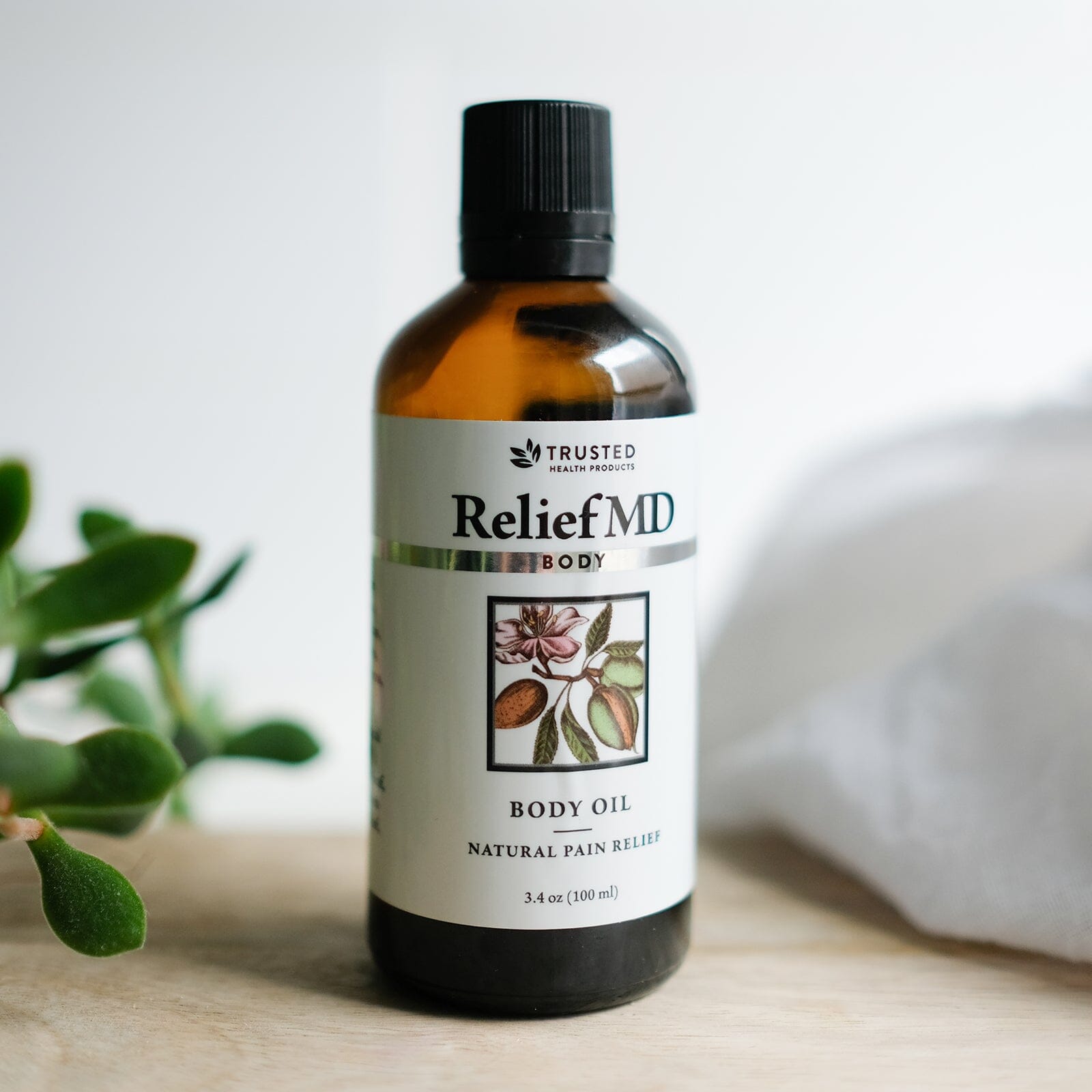
Trusted Health Products carries the Earth & Elm Nourishing Face Oil — a botanical face serum formulated for daily use — for readers looking for a plant-based facial oil built around skin-compatible actives. The Earth & Elm Nourishing Body Oil extends the same ingredient philosophy to full-body skin nourishment.
Noncomedogenic Moisturisers and Cleansers: What to Look For
Beyond oils, the noncomedogenic question applies to the full routine: moisturiser, cleanser, sunscreen, and any base or primer applied before makeup.
Noncomedogenic Moisturiser
The most reliable noncomedogenic moisturisers combine lightweight humectants with minimal occlusive agents. Humectants pull water into the skin from the environment; occlusives seal that moisture in. Heavy occlusives — cocoa butter, lanolin, beeswax in large quantities — tend to carry higher comedogenic ratings because they create a thicker barrier across the follicle opening.
Hyaluronic acid (a humectant) and glycerin are the two most widely studied low-comedogenic moisturising actives. Both draw hydration into the skin without depositing waxy or fatty material across the pore. Niacinamide, which regulates sebum production and reduces pore visibility over time, pairs effectively with both and adds to the anti-acne utility of a lightweight formula.
Oil-free formulas eliminate the comedogenic variable introduced by heavier carrier oils, but oil-free does not automatically mean hydrating. Reading the full ingredient list matters more than the front-panel claim.
Noncomedogenic Cleanser
A noncomedogenic cleanser removes sebum, surface bacteria, and dead skin cells without stripping the skin's natural moisture barrier. Stripping the barrier triggers compensatory sebum overproduction, which perpetuates the cycle of congestion that causes comedones in the first place.
Cleansers containing salicylic acid (a beta-hydroxy acid) dissolve the keratin plugs inside follicles directly — addressing the mechanical cause of comedone formation, not just the surface-level buildup. Glycolic acid functions at the skin surface, loosening the bonds between dead cells so they shed rather than accumulate inside pores.
Foaming sulphate-free cleansers and gentle micellar formulas tend to carry lower comedogenic risk than thick cream cleansers with high levels of heavy emollients.
Noncomedogenic Sunscreen
Sunscreen presents one of the more challenging contexts for noncomedogenic formulation. The physical blockers — zinc oxide and titanium dioxide — carry low comedogenic ratings but require suspension in a base that can itself be comedogenic. Chemical filters absorb into skin more readily and avoid this issue in certain formulations, but cause sensitivity reactions in some individuals.
Lightweight fluid SPF formulas and gel-based sunscreens tend to perform better than heavy cream SPF products for acne-prone skin. Tinted mineral sunscreens with zinc oxide and minimal additional ingredients represent a useful middle ground for those managing both acne and sun protection needs simultaneously.
How to Read an Ingredient List When the Label Cannot Be Trusted
Since the noncomedogenic label carries no regulatory weight, the ingredient list provides the most reliable information available.
Ingredients appear in descending order of concentration. The first five to seven ingredients make up the bulk of the formula. Any highly comedogenic ingredient appearing in the first half of the list warrants attention from oily or acne-prone skin types.
Common comedogenic ingredients to watch in the first half of a list: Isopropyl myristate (a synthetic emollient with documented pore-clogging history), cocoa butter, coconut oil, wheat germ oil, and beeswax in large quantities.
Ingredients that typically rate low and perform well: Jojoba, hempseed, grapeseed, rosehip, and argan oils — particularly when they appear in the latter portion of the formula at low concentrations in combination with lighter humectants.
The batch test remains the most practical consumer tool. Applying a small amount of a new product to a defined area — typically the inner forearm or a small section of the jaw — and monitoring for two weeks before adopting it into a full routine provides more individualised data than any scale rating or label claim.
Readers looking to explore a complete skin care range formulated without synthetic additives can browse the all-natural skin care collection at Trusted Health Products.
Skin Type Matching: Which Noncomedogenic Products Suit Which Skin
Not every skin concern requires the same approach, and noncomedogenic products serve different functions depending on skin type.
Oily and acne-prone skin benefits most strictly from ratings of 0 to 1. Lightweight gel moisturisers, salicylic acid cleansers, and linoleic-rich face oils represent the most practical daily toolkit. The morning skincare routine from Trusted Health Products offers a bundled starting point for readers structuring a consistent AM routine.
Combination skin tolerates slightly higher ratings in the drier zones (cheeks, temples) while benefiting from low-rated products in the T-zone. A single lightweight moisturiser rated 1 to 2 tends to work better than separate heavy and light formulas applied to different areas.
Dry and mature skin can often tolerate moderate ratings — 2 to 3 — without comedone formation, because drier skin produces less sebum to combine with topical ingredients inside follicles. Ingredients like olive oil and sweet almond oil, which rate moderately on the scale, provide the deeper hydration that dry and mature skin needs without the congestion risk they would pose for oilier types.
Sensitive skin benefits from minimal ingredient lists regardless of comedogenic rating. Fewer ingredients mean fewer potential irritants, and the comedogenic concern matters less than the sensitisation concern for this skin type. Pure single-ingredient oils — jojoba, hempseed, argan — remove the formulation variable entirely and allow clear identification of what the skin tolerates.
For readers wanting to combine face and body nourishment in one purchase, the Earth & Elm Set pairs the face and body oils at a bundled price point.
Conclusion
The word noncomedogenic communicates a formulation intent rather than a guarantee. For readers managing acne-prone, oily, or combination skin, the label provides a useful filter — but the ingredient list provides the actual answer.
Ingredients and oils rated 0 to 2 on the comedogenic scale, lightweight humectants like hyaluronic acid and glycerin, and salicylic acid cleansers that address pore congestion at the source represent the most reliable building blocks for a pore-safe routine. Skin type, formulation context, and individual response always modify how any single ingredient behaves in practice.
For readers looking to build a botanical skin care routine around plant-based, low-comedogenic oils, Trusted Health Products stocks the Earth & Elm Nourishing Face Oil and Earth & Elm Nourishing Body Oil for daily face and body use — part of the all-natural skin care collection formulated without synthetic additives.