How Do You Clean Teeth With A Miswak Stick: Benefits and Technique
April 17, 2026
Author: Kenneth Melicado
Tags:
What Is a Miswak Stick?
A miswak stick starts as a plain twig cut from the Salvadora persica tree, sometimes called the toothbrush tree. Chewing one end softens the wood and separates it into fine, brush-like bristles. Once prepared, the stick works much like a manual toothbrush.
The plant naturally contains compounds like benzyl isothiocyanate, along with minerals such as sodium chloride and sodium bicarbonate. These compounds give miswak its documented antibacterial properties, which researchers have studied for decades.
Miswak Stick Benefits for Oral Health
Multiple studies point to specific, measurable benefits behind this centuries-old practice.
Fights Harmful Bacteria
A systematic review published in PMC found that miswak extracts showed strong antibacterial and antiplaque activity against bacteria linked to cavities and gum disease. This antibacterial effect helps explain why miswak use correlates with lower rates of certain oral bacteria.
Reduces Plaque Buildup
Research comparing miswak mouth rinse to chlorhexidine, a common antiseptic, found meaningful reductions in plaque and cariogenic bacteria with regular miswak use. The chewing action itself also mechanically loosens plaque from tooth surfaces.
Supports Gum Health
A review of miswak's therapeutic effects on oral health noted strong antibacterial activity against specific bacteria tied to periodontitis, including Porphyromonas gingivalis. Consistent use may help reduce the bacterial load linked to gum inflammation.
Freshens Breath Naturally
The same antibacterial compounds that reduce harmful bacteria also target the bacteria responsible for bad breath. Regular miswak use, paired with proper technique, supports fresher breath throughout the day.
How to Use a Miswak Stick
Proper technique matters for getting the full benefit from a miswak stick.
Preparing the Stick
Cut about half an inch of bark from one end of the stick, exposing the raw wood underneath. Chewing this exposed end gently for one to two minutes softens the fibers into bristles.
Brushing Technique
Dip the bristled end in water before brushing. Move the stick gently across the teeth in short strokes, covering the outer, inner, and chewing surfaces of each tooth.
Cleaning the Gumline and Tongue
Angle the stick along the gumline to remove plaque without applying excessive pressure. The same stick can gently clean the tongue's surface to reduce bacteria linked to bad breath.
Aftercare and Replacement
Trim the used bristles after each session, or cut a fresh section of bark for the next use. Store the stick in a dry, ventilated place and replace it entirely every few days.
Miswak Stick vs. Traditional Toothbrush: What to Consider
Both tools serve the same core purpose, but they differ in a few practical ways worth weighing.
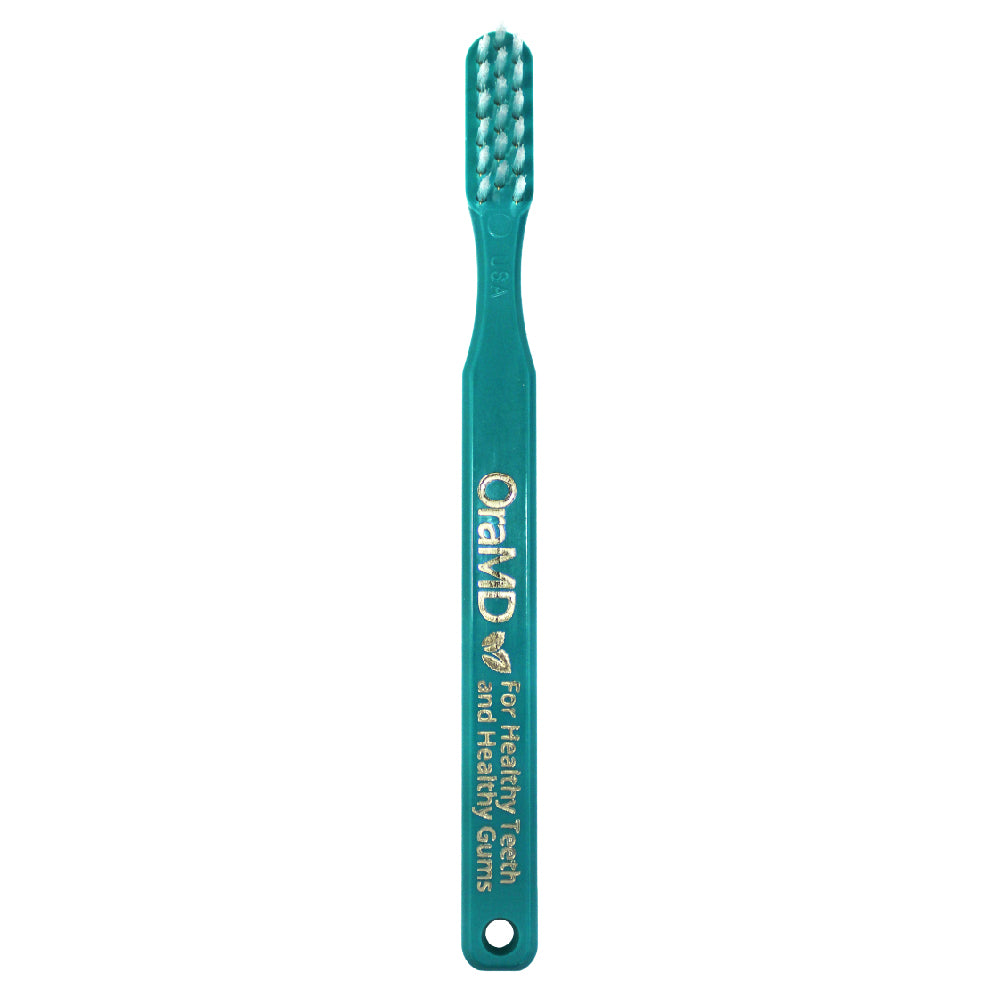
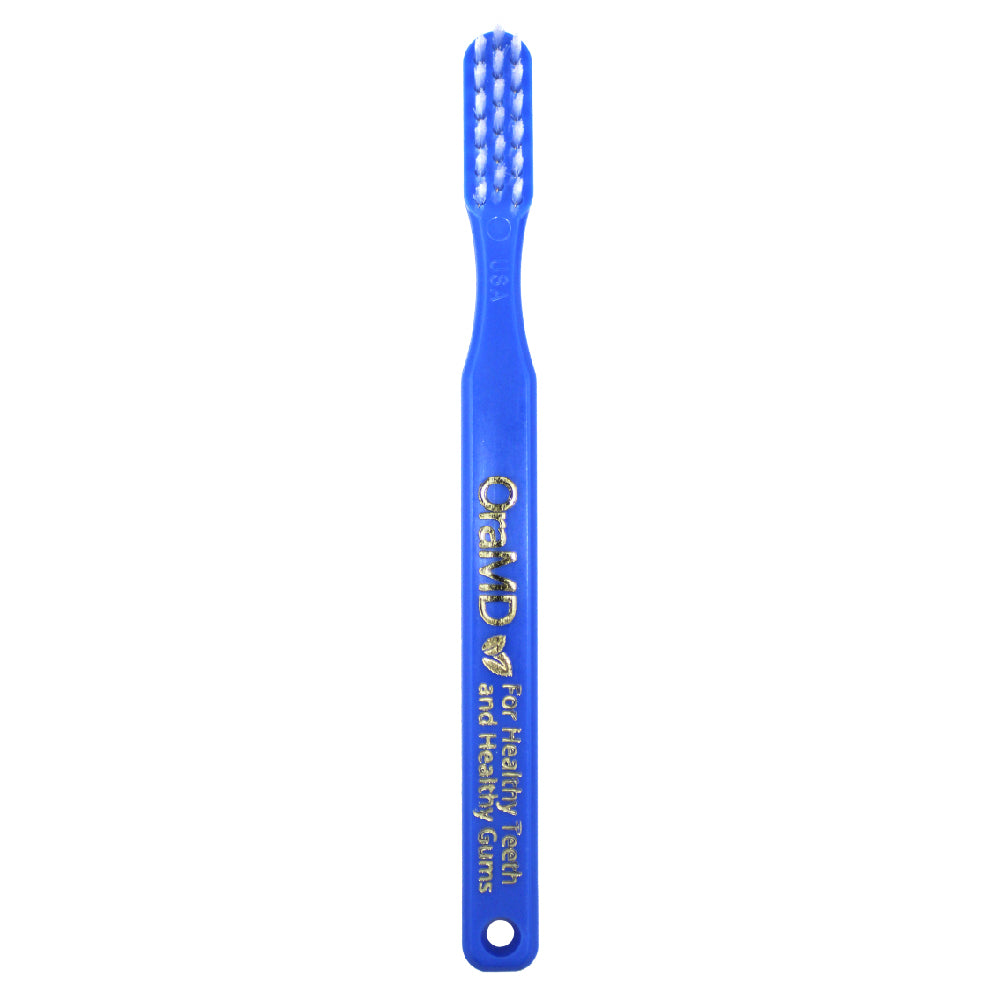
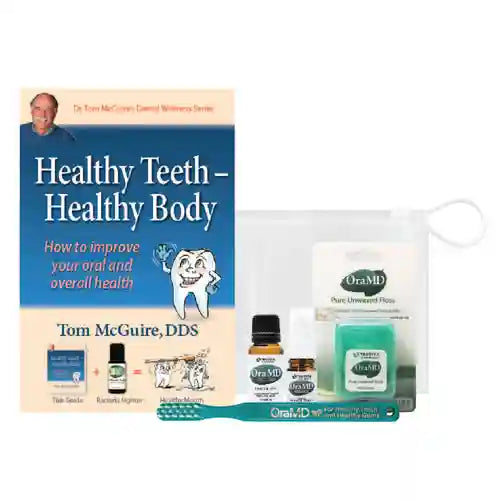
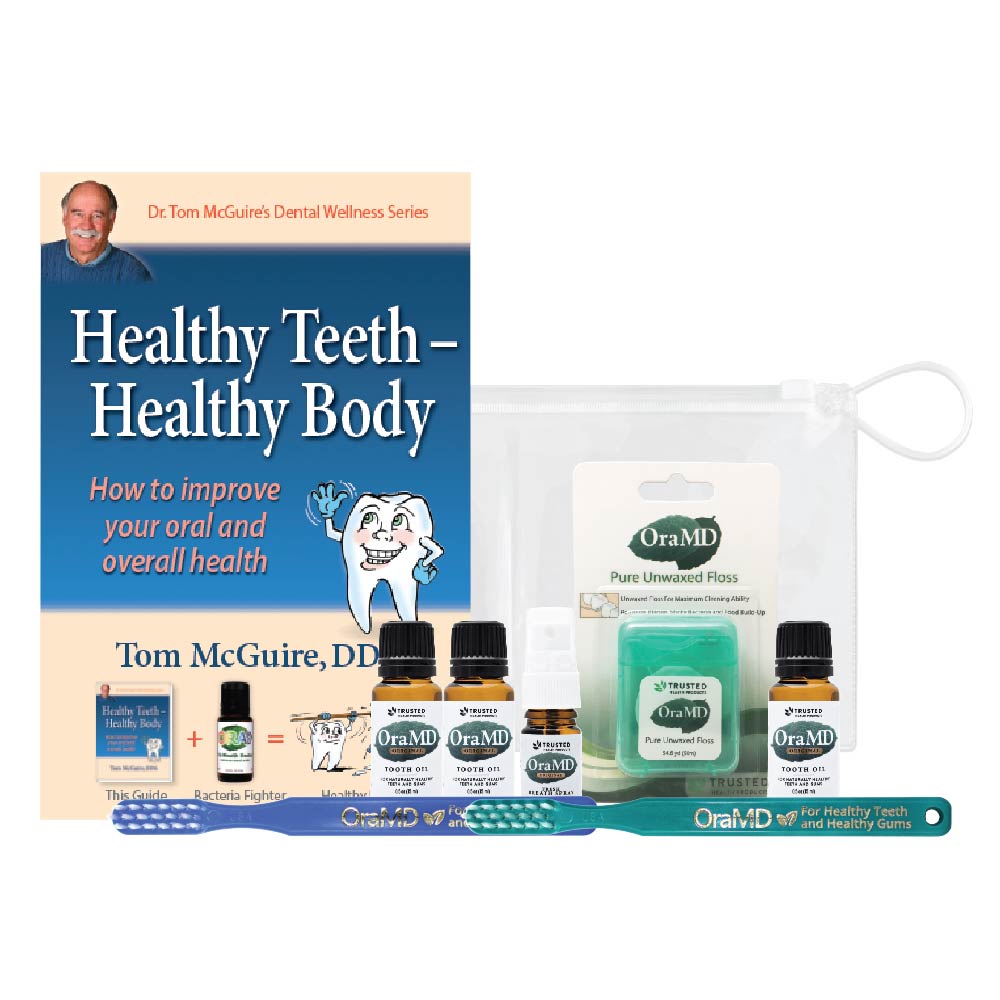
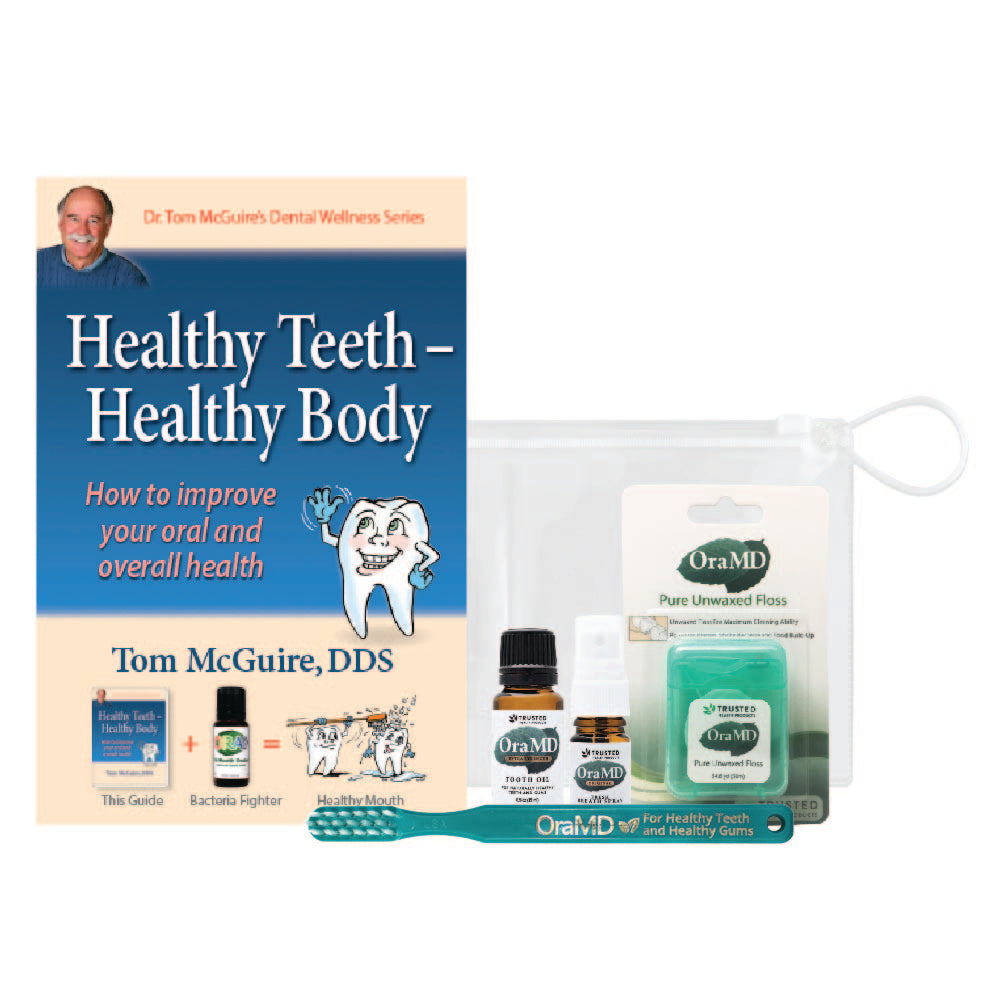
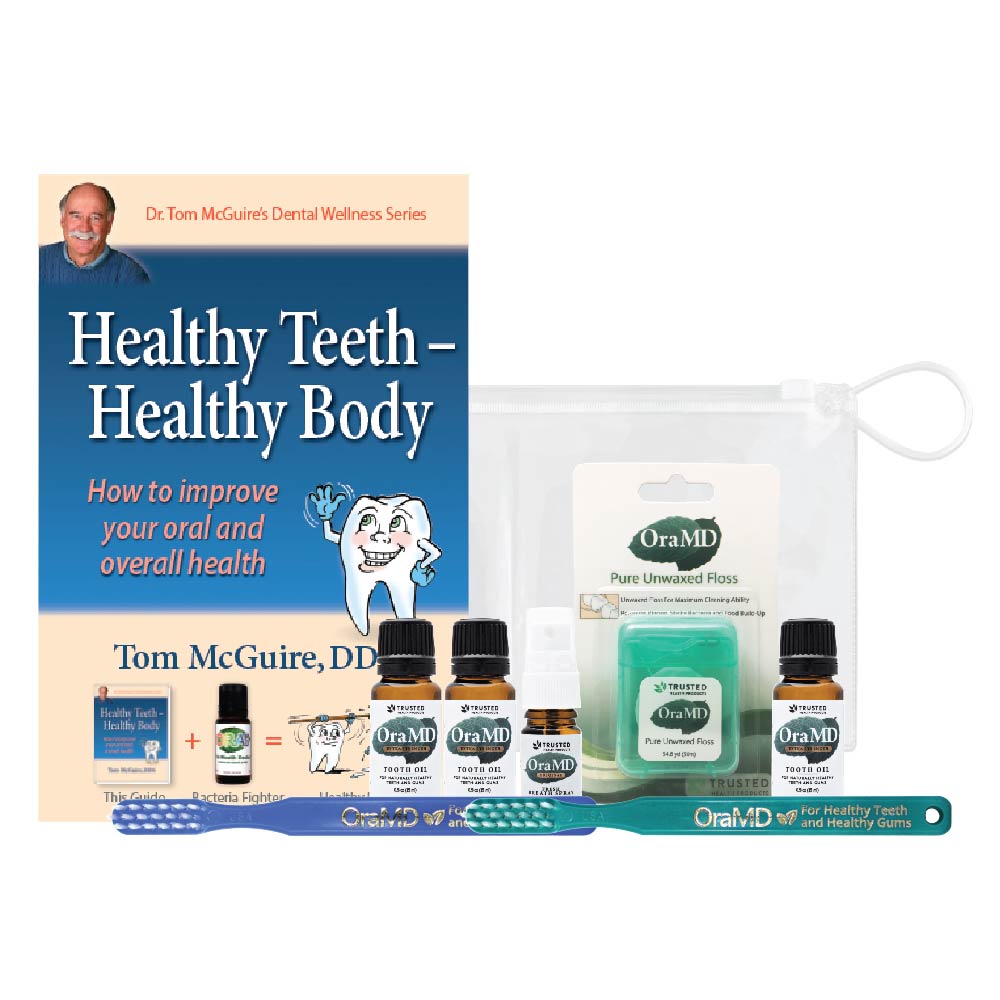
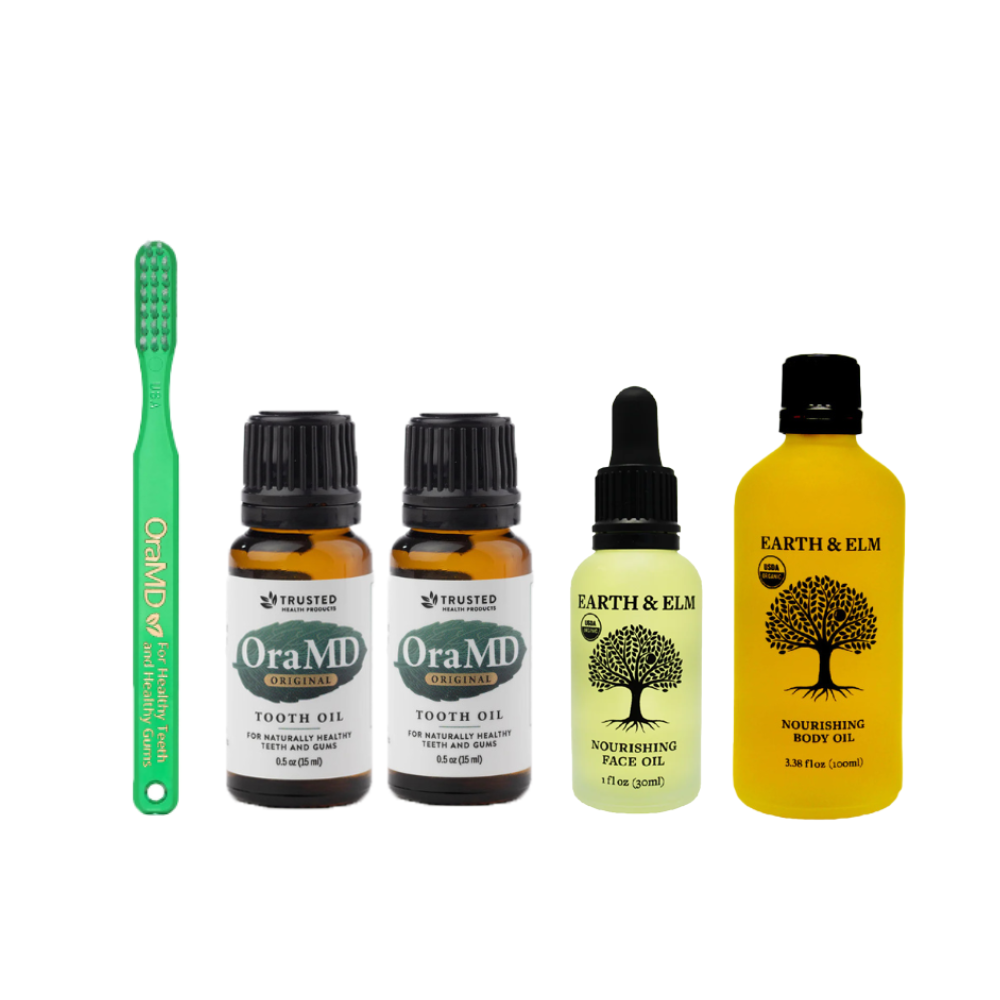
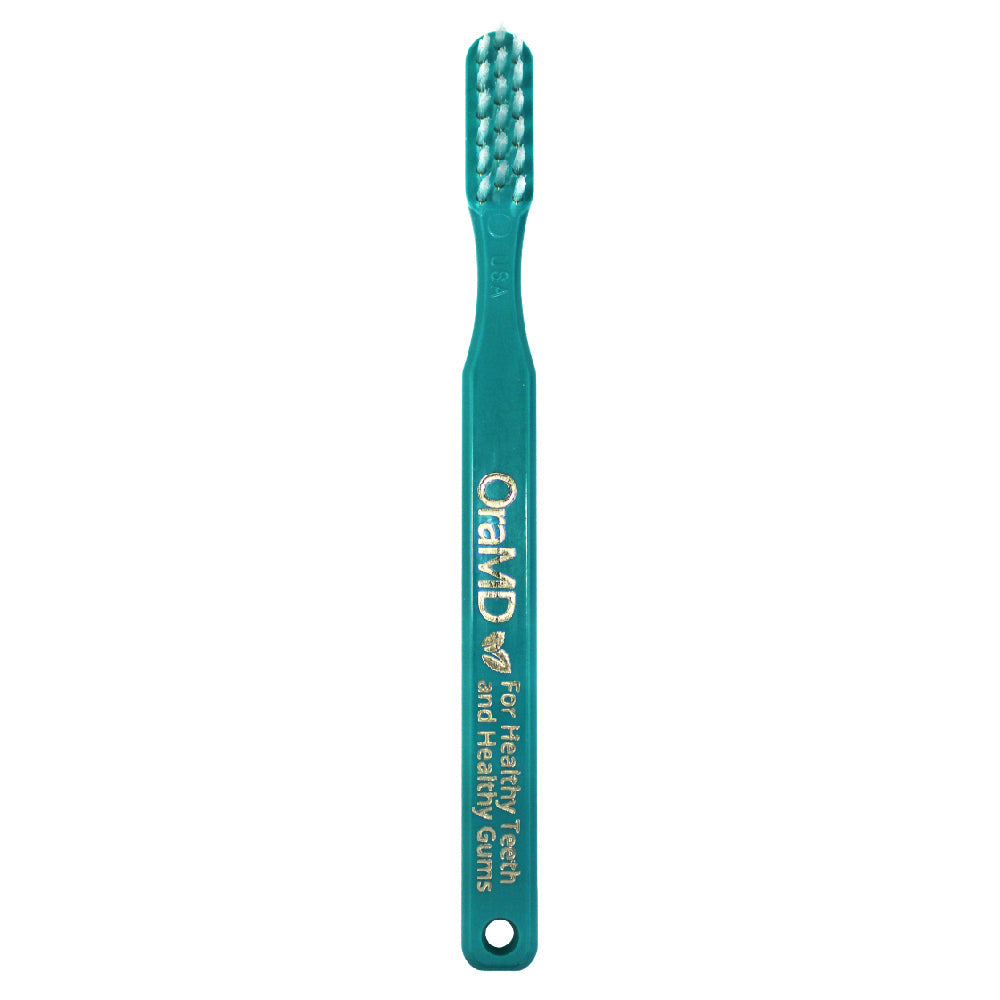
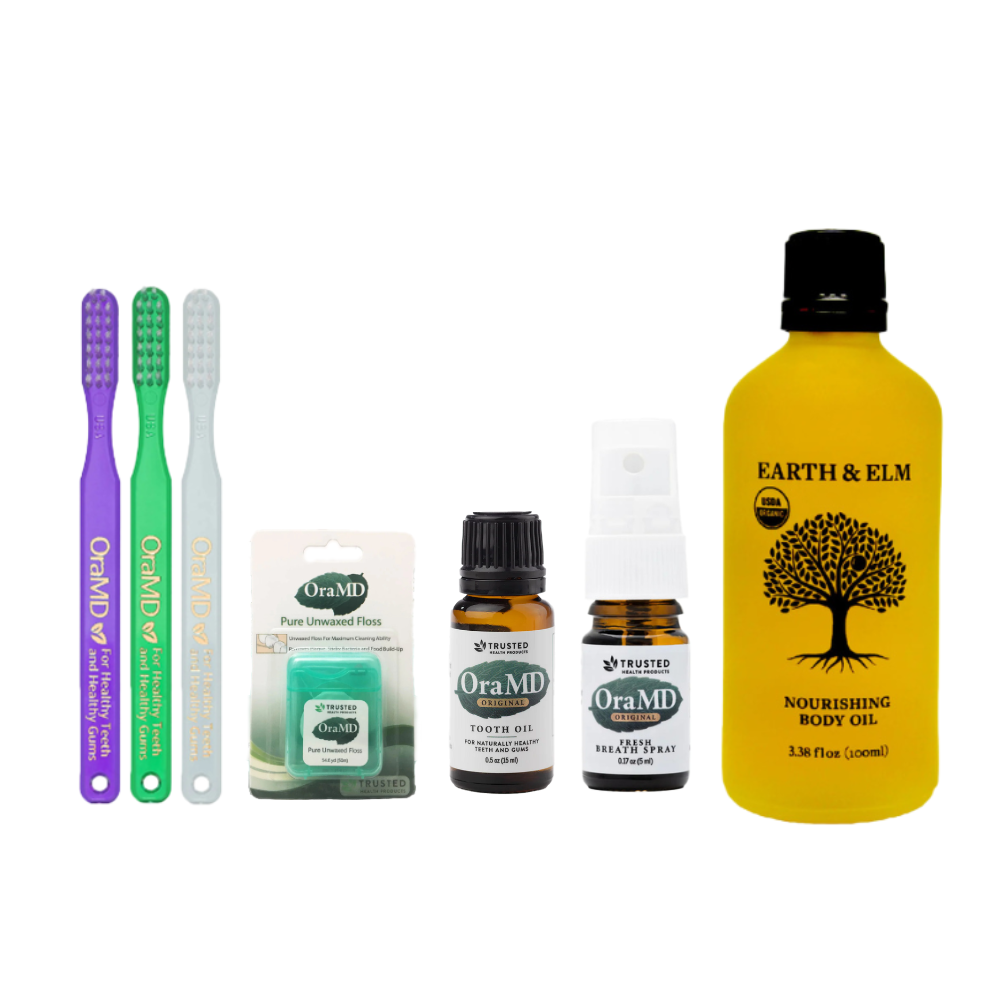
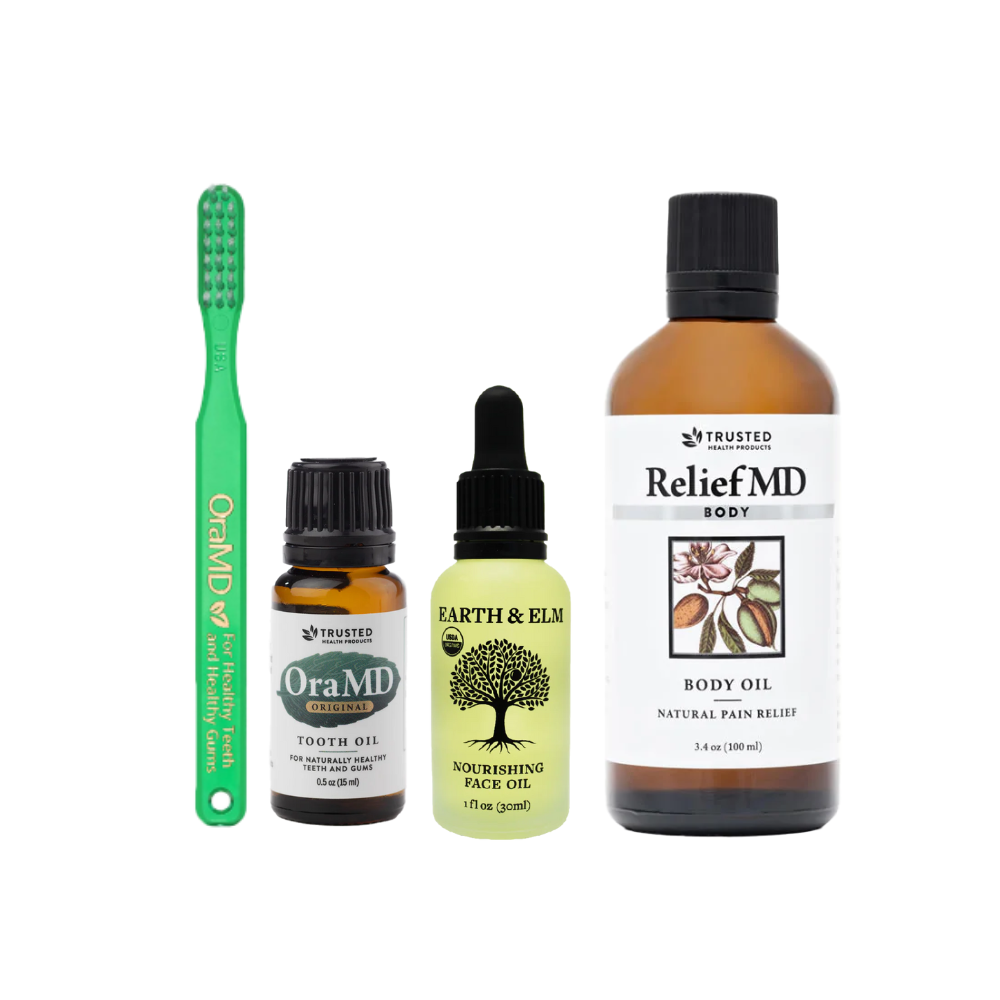
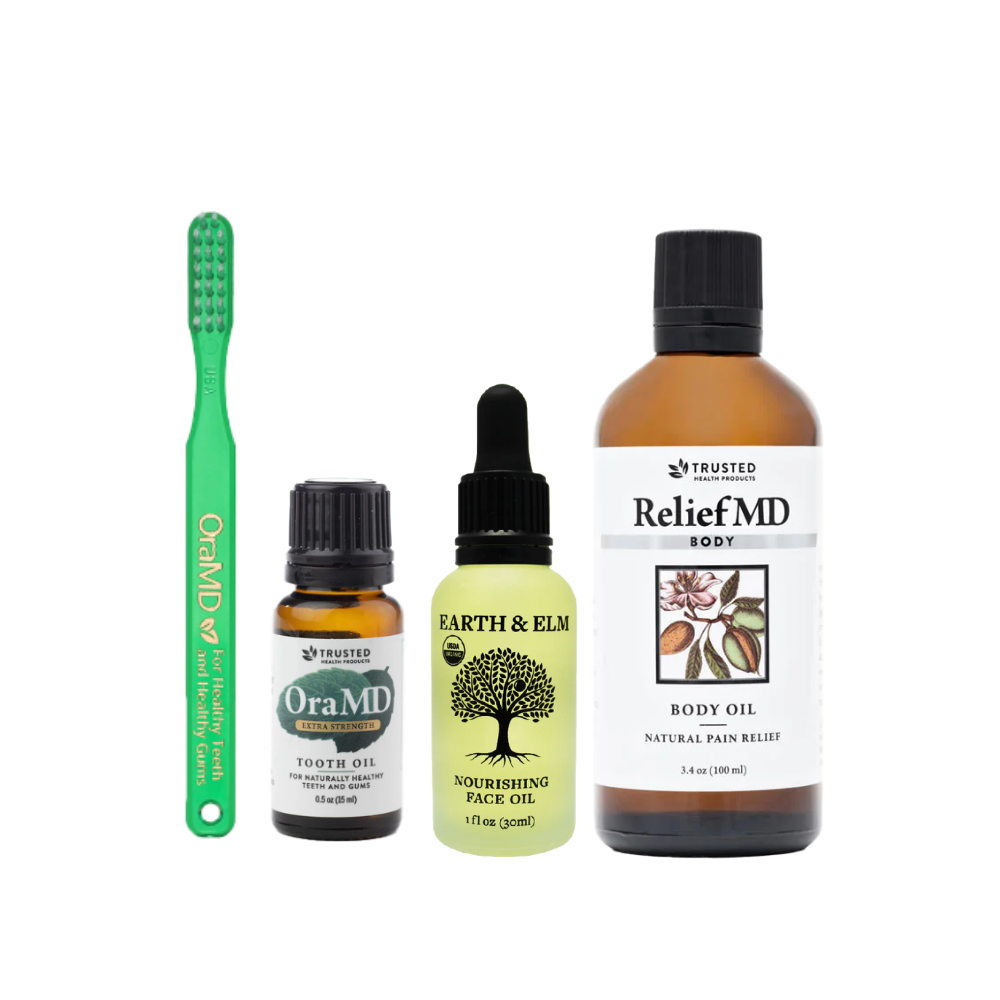
A miswak stick requires manual preparation and offers no bristle firmness options, unlike a standard toothbrush. The American Dental Association notes that proper toothbrushes should have soft bristles sized to fit the individual's mouth for full coverage. A soft-bristled option, such as the OraMD Dr. Bass Toothbrush, gives readers that customizable coverage alongside the natural bristle action of a miswak.
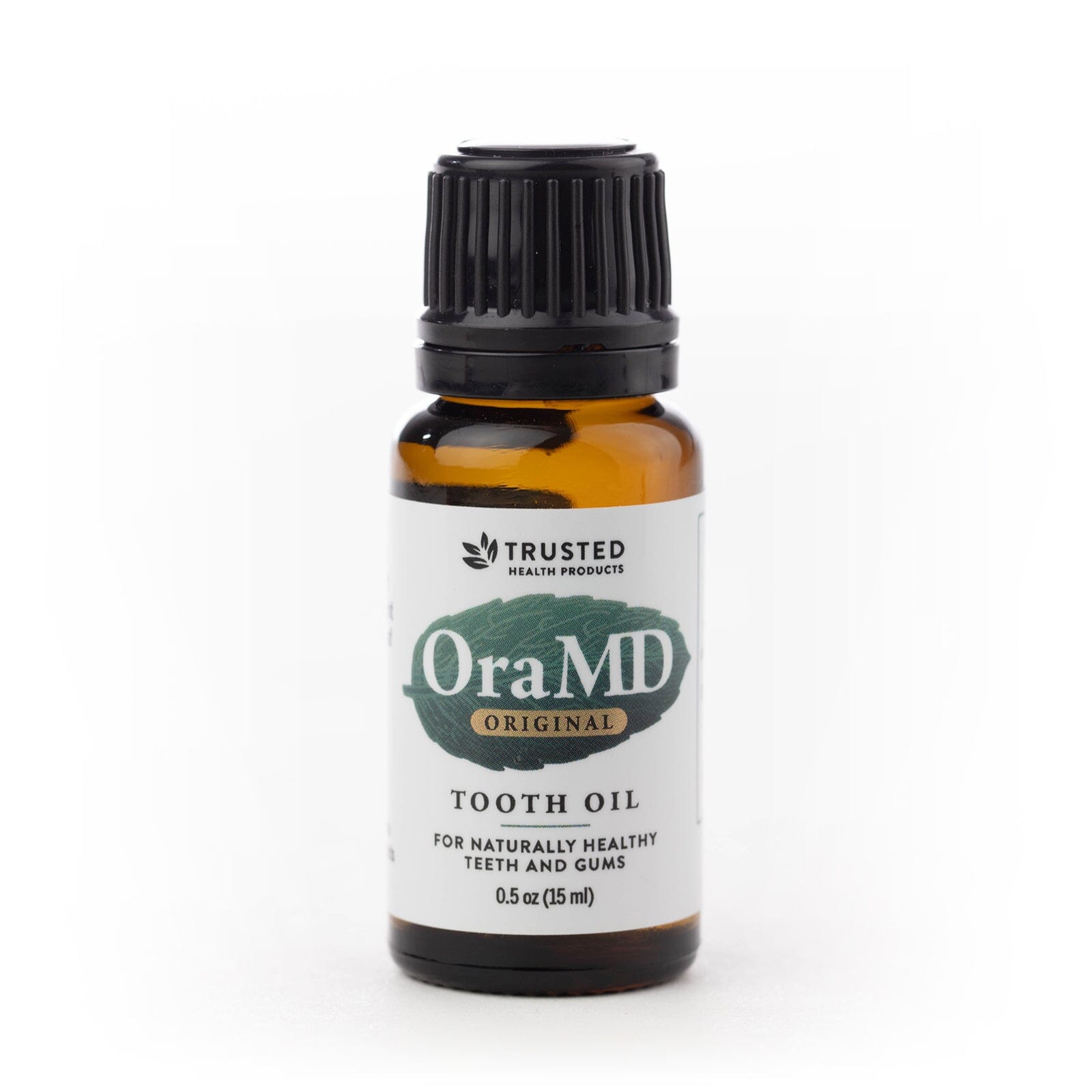
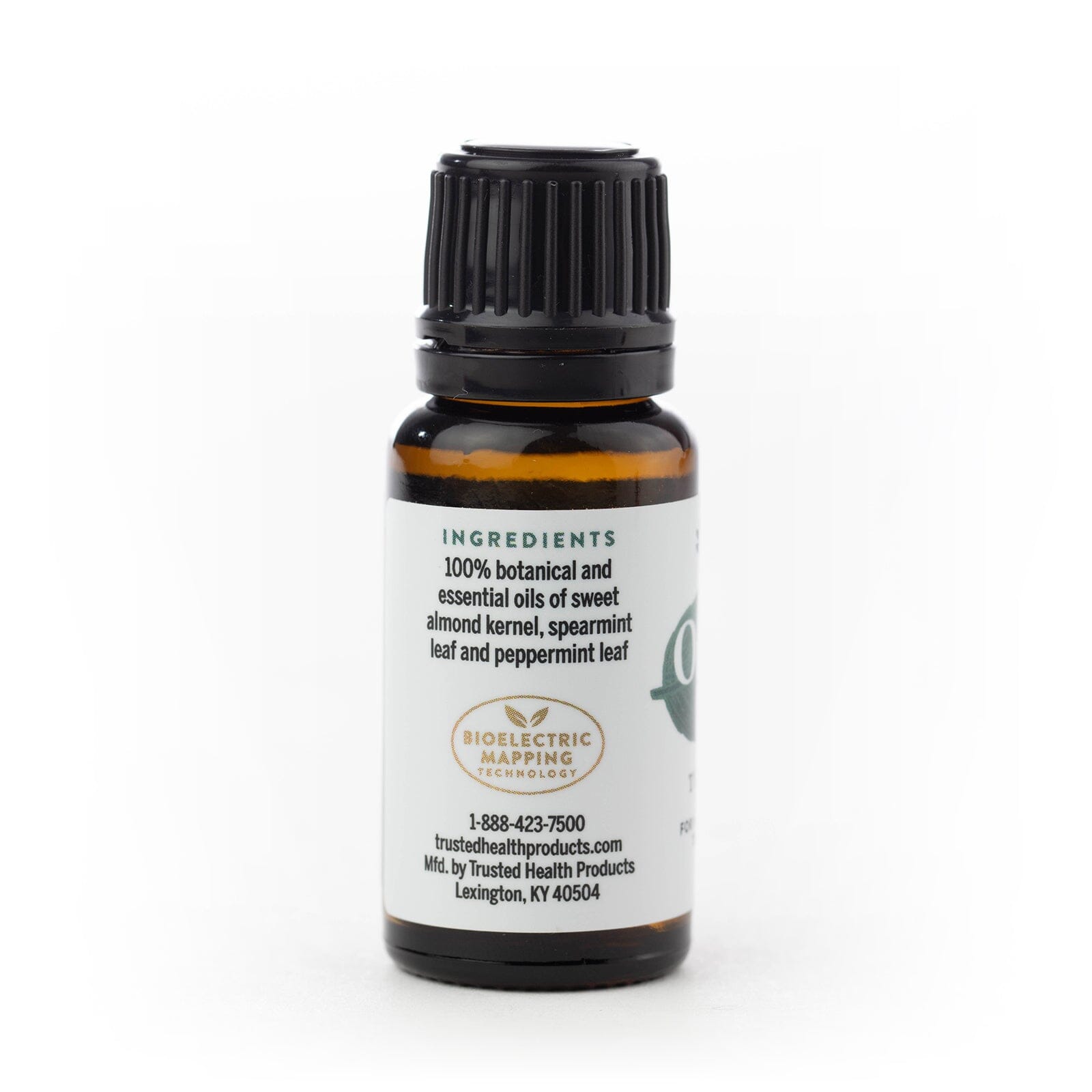
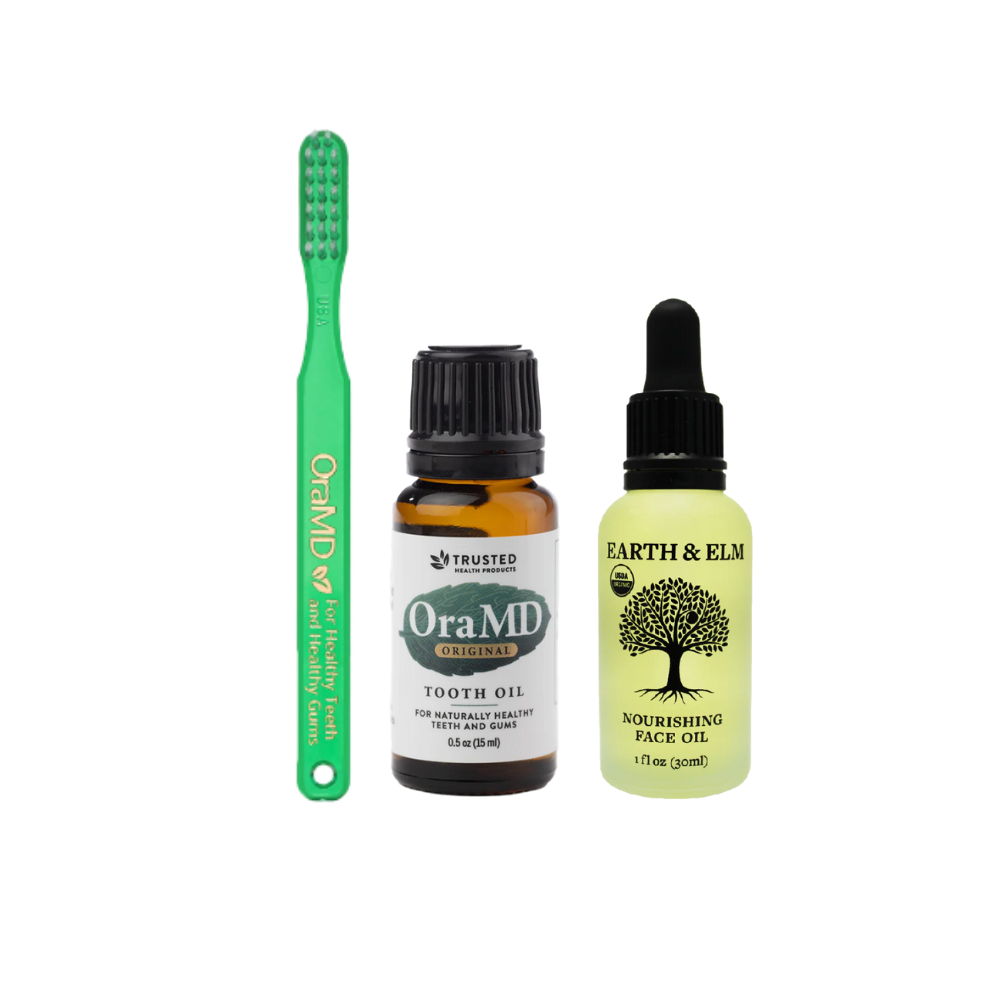
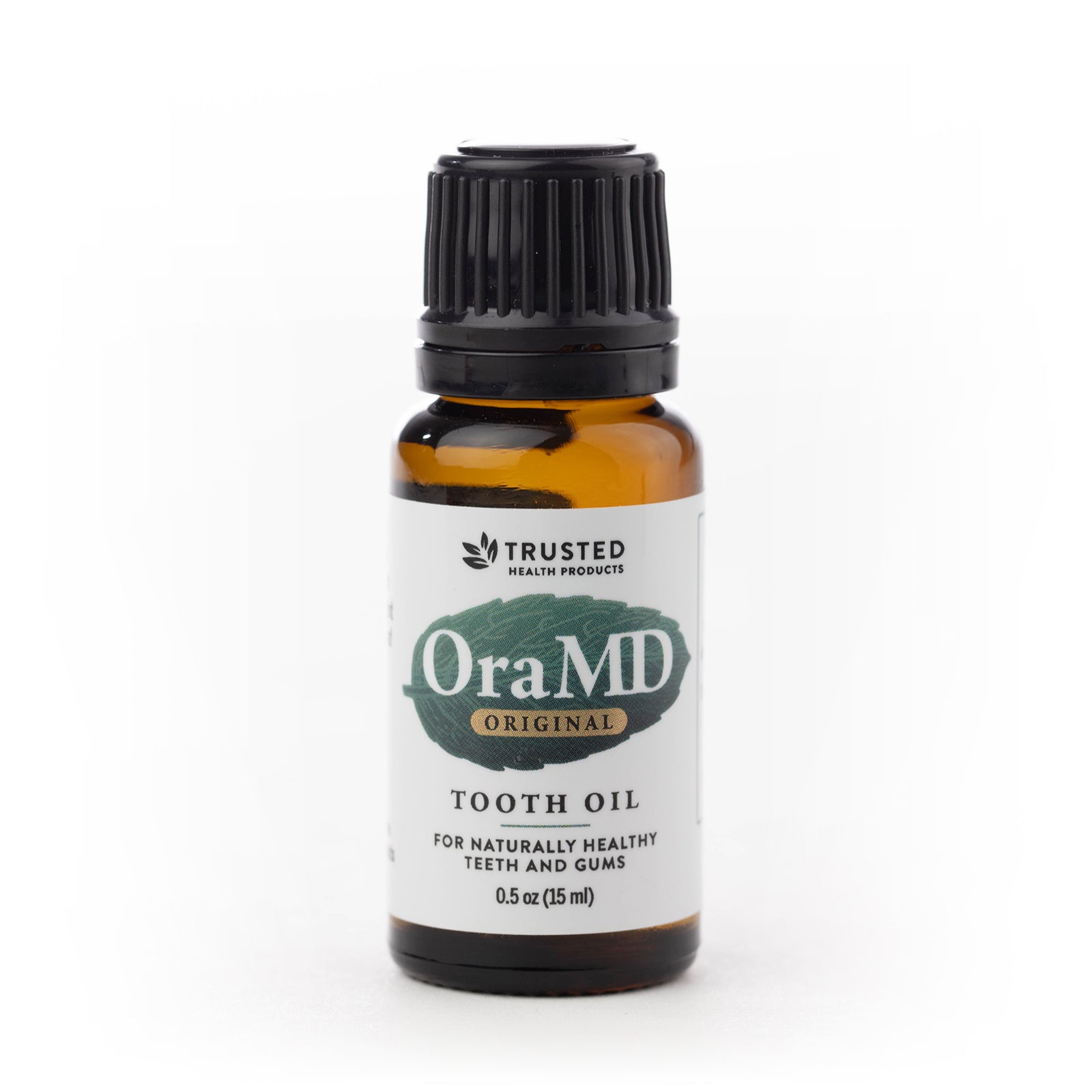
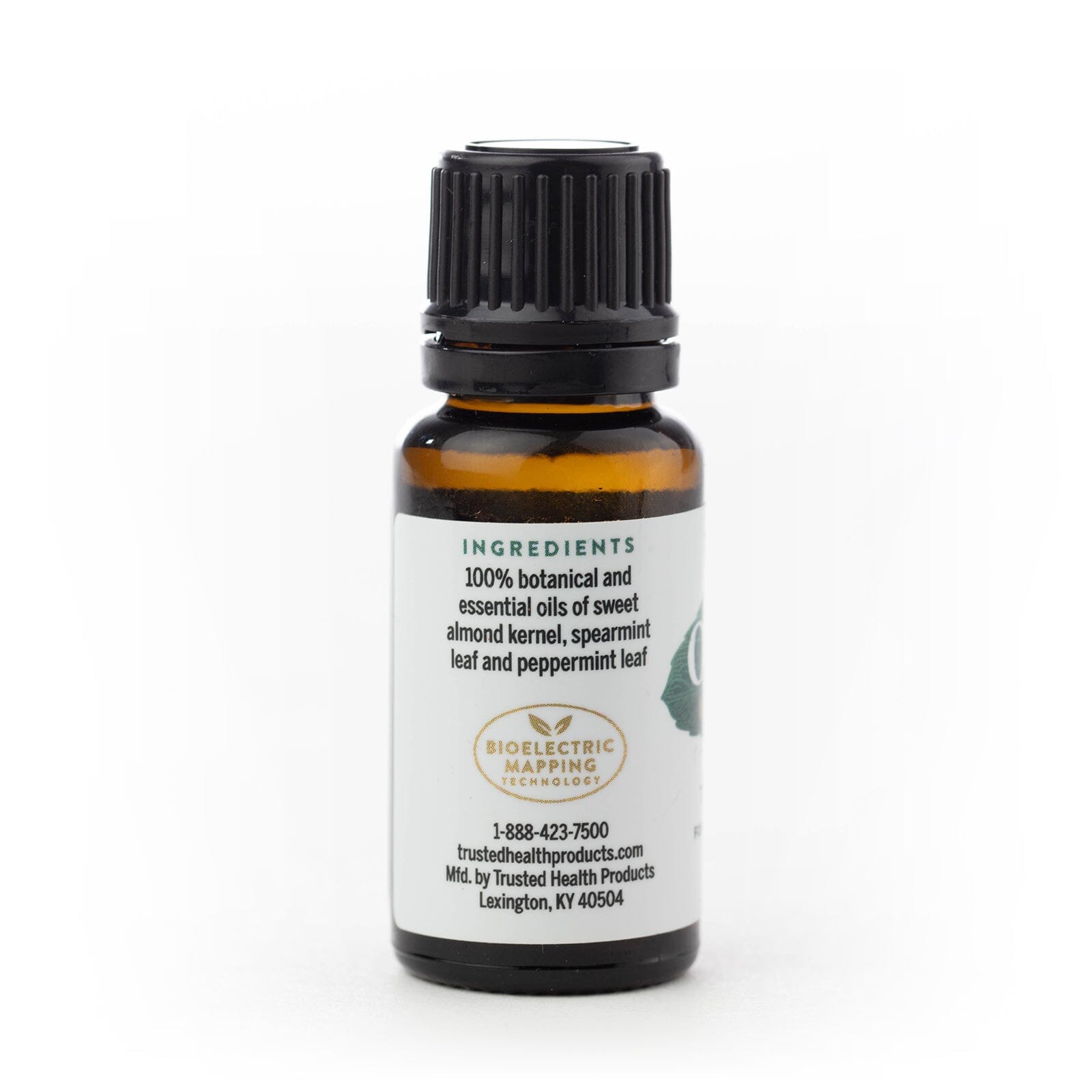
Miswak sticks also lack fluoride, which some dental professionals recommend for cavity prevention. Readers who prefer a fluoride-free but still effective option may find OraMD Original Strength Tooth Oil fits naturally into a plant-based oral care routine, whether used alongside or instead of a miswak stick.
Trusted Health Products for Natural Oral Care
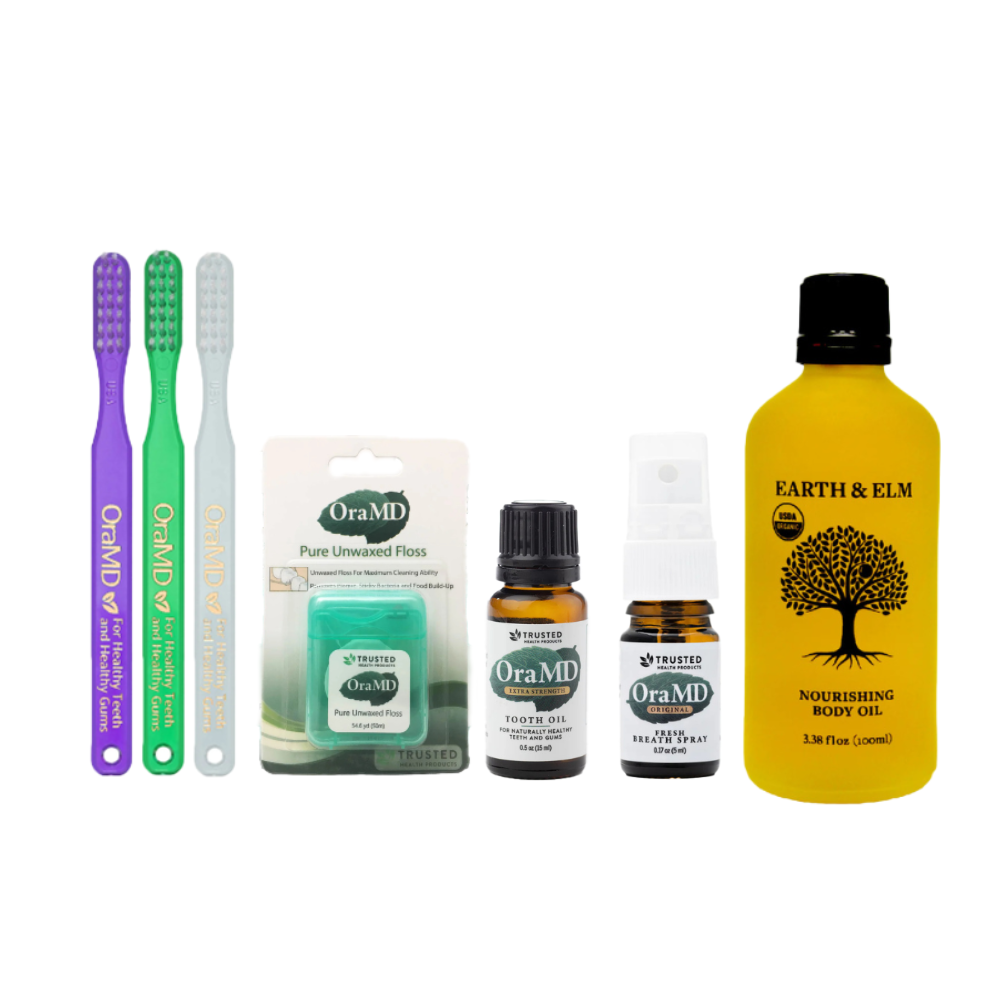
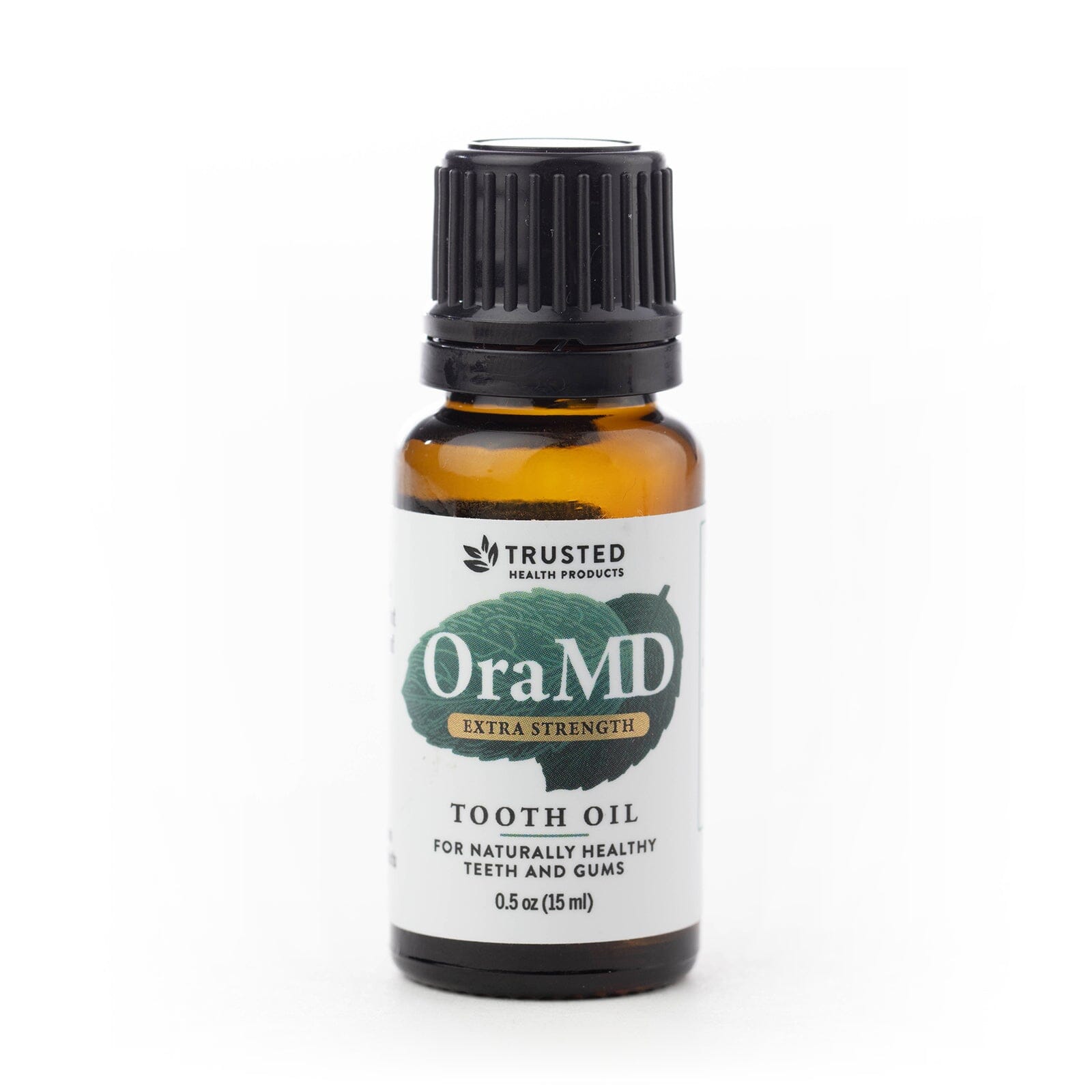
A miswak stick pairs well with a broader natural oral care routine built around consistency and clean ingredients. OraMD Extra Strength Tooth Oil offers a concentrated formula for readers managing sensitive teeth alongside their brushing routine.
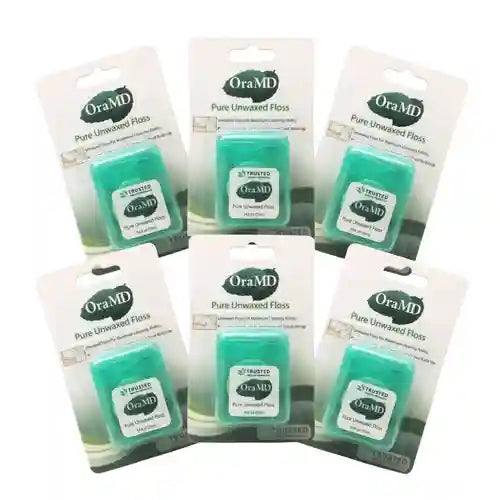
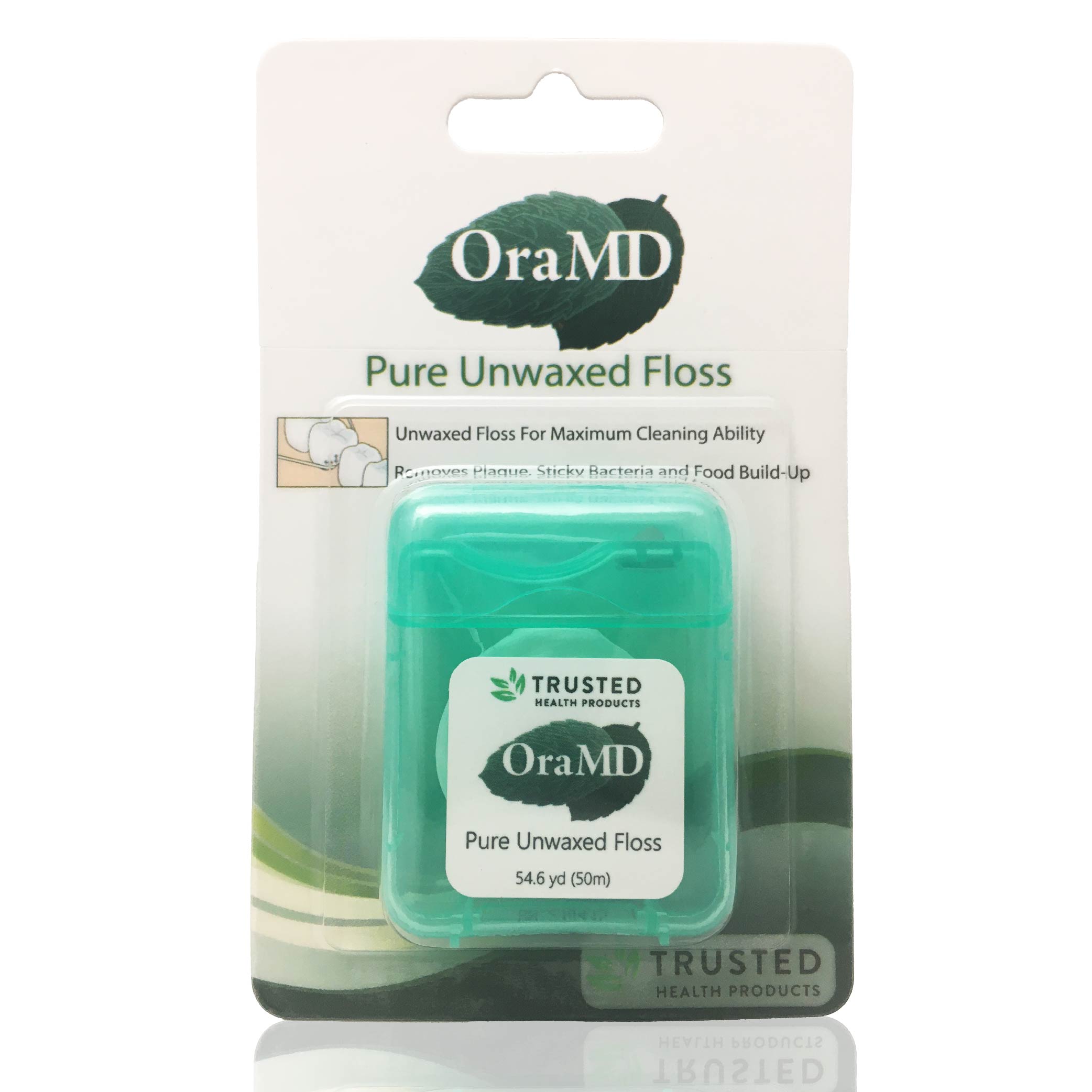
For the areas a miswak stick cannot easily reach, OraMD Pure Unwaxed Dental Floss clears plaque from between teeth daily. Readers focused on fresh breath between cleanings may also find a natural mouth spray useful as a complement, not a replacement, for the antibacterial action a miswak stick already provides.
Safety Considerations When Using a Miswak Stick
A few precautions help readers use a miswak stick safely and effectively.
Source sticks from a reputable supplier. Quality varies, and sticks should come from Salvadora persica specifically to match the studied benefits.
Avoid brushing too hard. Excessive pressure can irritate gums, regardless of which tool applies it.
Replace the stick regularly. A worn or old stick loses its bristle structure and becomes less effective at removing plaque.
Watch for gum irritation. Anyone experiencing persistent soreness or bleeding should pause use and consult a dentist.
Combine with flossing. A miswak stick cleans tooth surfaces well but cannot reach tightly spaced areas between teeth the way floss can.
Conclusion
A miswak stick offers a natural, research-supported way to reduce plaque and support gum health as part of a daily oral care routine. Proper preparation and gentle technique make the biggest difference in results. Readers looking to round out their routine with a fluoride-free option may find OraMD Original Strength Tooth Oil a natural next step.