Naar inhoud
Summer BOGO
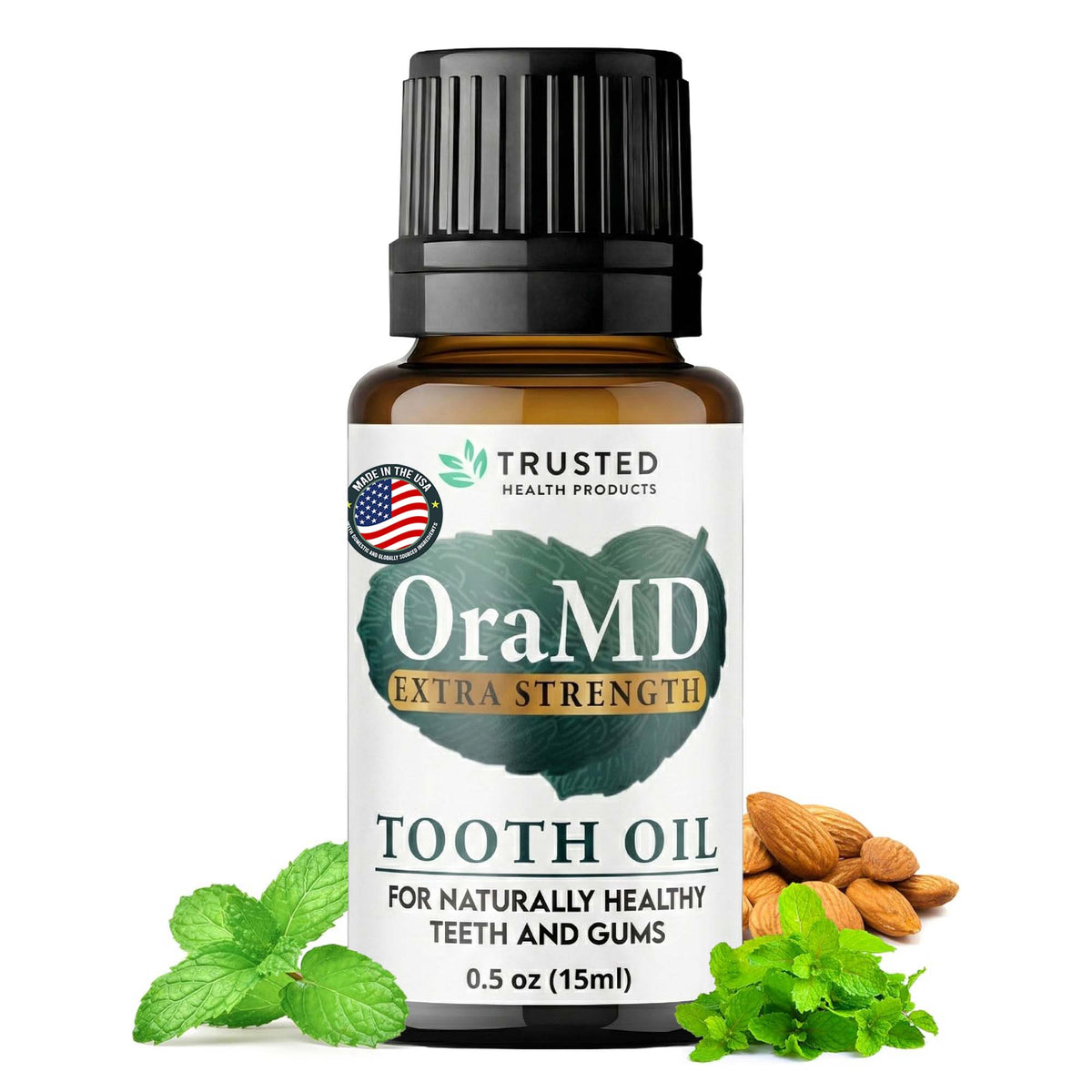
Toothpaste for sensitive teeth OraMD Extra Strength Tooth OilToothpaste Alternative OraMD Extra Strength Tooth Oil
OraMD Extra Strength
OraMD Tandolie met Extra Sterkte Aanbiedingsprijs$39.97 USD
(5.0)

5 Different Types of Braces and Which Is Right for You

Choosing the right types of braces is one of the most important decisions in orthodontic treatment. Five main options exist today, traditional metal, ceramic, lingual, self-ligating, and Invisalign, each suited to different dental needs, budgets, and lifestyles. Understanding what separates them helps patients make confident, informed choices alongside their orthodontist.

Orthodontic treatment corrects more than cosmetic concerns. The American Association of Orthodontists notes that misaligned teeth contribute to uneven wear, jaw strain, and difficulty cleaning between teeth, all of which affect long-term oral health. The right brace type addresses these issues while fitting the patient's daily life.


What to Consider Before Choosing a Brace Type

Several factors guide the decision between brace options. Orthodontists evaluate each of the following before recommending a treatment path.

Severity of misalignment. Traditional metal braces handle complex crowding, rotations, and bite correction. Invisalign aligners work best for mild to moderate cases. Lingual and ceramic braces fall between those two extremes.

Budget and insurance. Metal braces typically cost between $3,000 and $7,000 in the United States. Ceramic braces range from $4,000 to $8,000. Lingual braces are the most expensive option, often reaching $10,000 to $13,000. Invisalign treatment averages $3,500 to $8,000 depending on case complexity. Many dental insurance plans cover a portion of orthodontic treatment for patients under 18. Adults often pay more out-of-pocket.

Appearance during treatment. Lingual and Invisalign options are essentially invisible. Ceramic braces are discreet but visible up close. Metal braces remain the most noticeable option.

Lifestyle and compliance. Invisalign requires patients to wear aligners 20 to 22 hours per day. Patients who cannot maintain that discipline will see slower results. Fixed brace types remove the compliance variable entirely.

Oral hygiene habits. Ceramic braces stain more easily than metal. Lingual braces are harder to clean due to their position. Patients with strong hygiene routines have more brace options available to them.


The 5 Types of Braces Compared

Brace Type

Treatment Time

Visibility

Best For

Traditional Metal

18–36 months

High

Complex cases, all ages

Ceramic

18–36 months

Low–Medium

Aesthetics-conscious adults/teens

Lingual

18–36 months

None

Professionals, performers

Self-Ligating

12–30 months

Medium

Patients wanting fewer visits

Invisalign

6–18 months

Very Low

Mild to moderate cases


1 - Traditional Metal Braces: The Proven Standard

Traditional metal braces remain the most widely used orthodontic treatment in the world. High-grade stainless steel brackets attach to each tooth with dental adhesive. A thin archwire runs through each bracket and applies consistent pressure to shift teeth gradually into alignment.

Small elastic bands, called ligatures or o-rings, hold the archwire to the brackets. The orthodontist adjusts these every four to six weeks. Each adjustment moves the wire slightly closer to the target tooth position.

Modern metal braces are significantly smaller and lighter than versions from two decades ago. Brackets now cause less gum and cheek irritation. Patients can also choose colored elastics at each adjustment appointment.

Metal braces are best for: Children, teens, and adults with complex crowding, bite misalignment, or significant rotation issues. They handle the widest range of orthodontic cases and remain the most affordable fixed option.

Pros: Highly effective for all complexity levels. Durable and reliable. Most affordable option. No risk of misplacing removable components.

Cons: Most visible brace type. Require dietary adjustments, sticky and hard foods can damage brackets. Regular tightening appointments needed every four to six weeks.

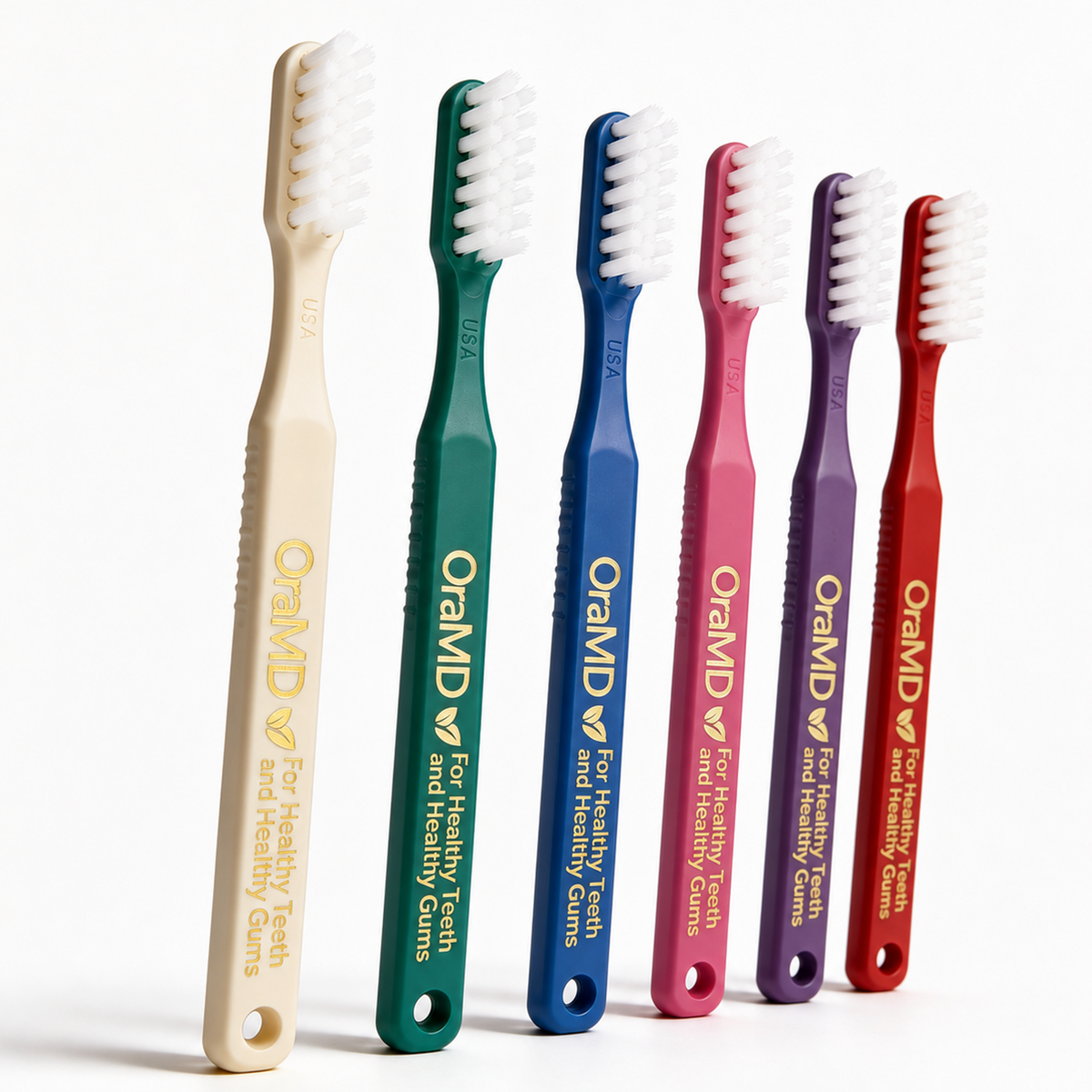
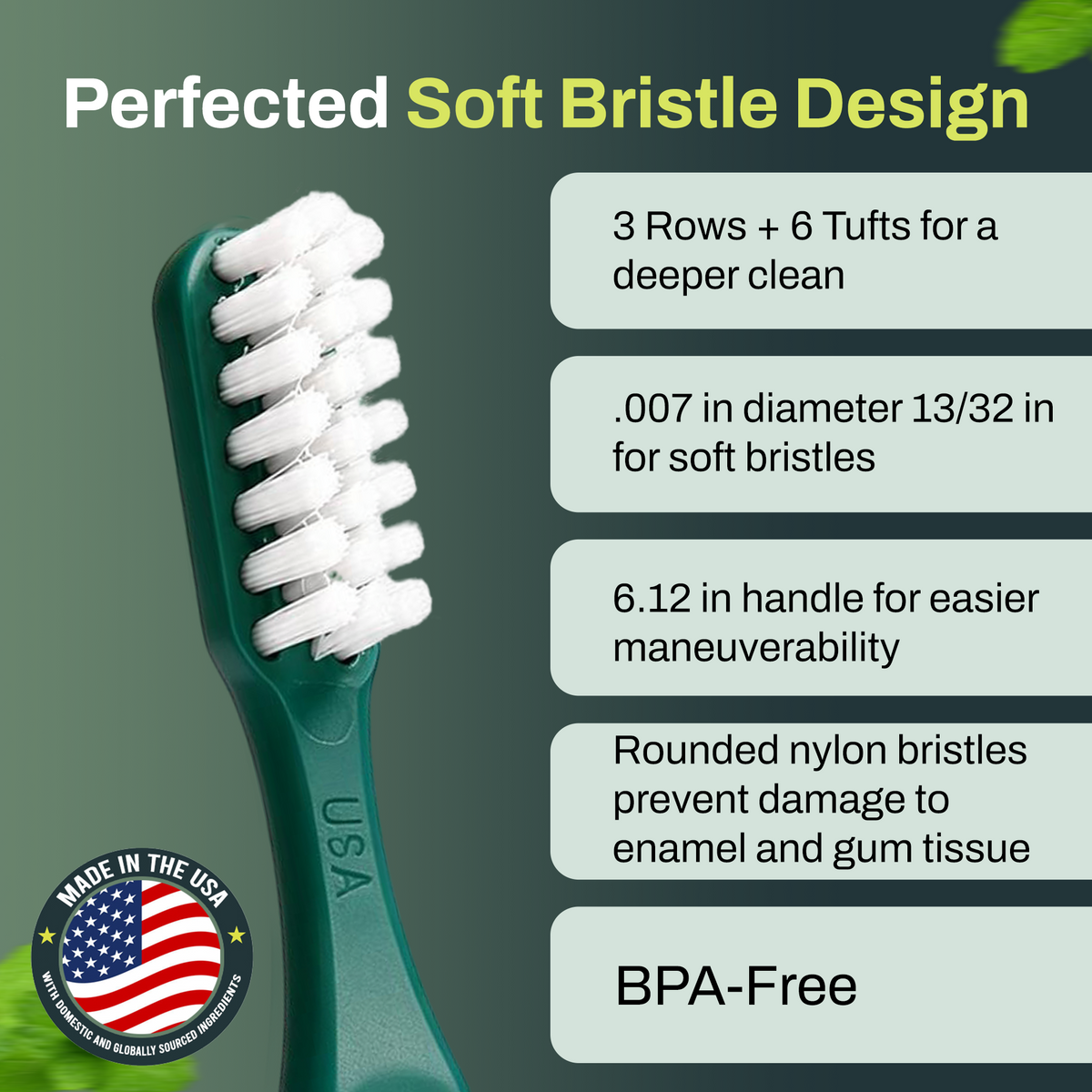
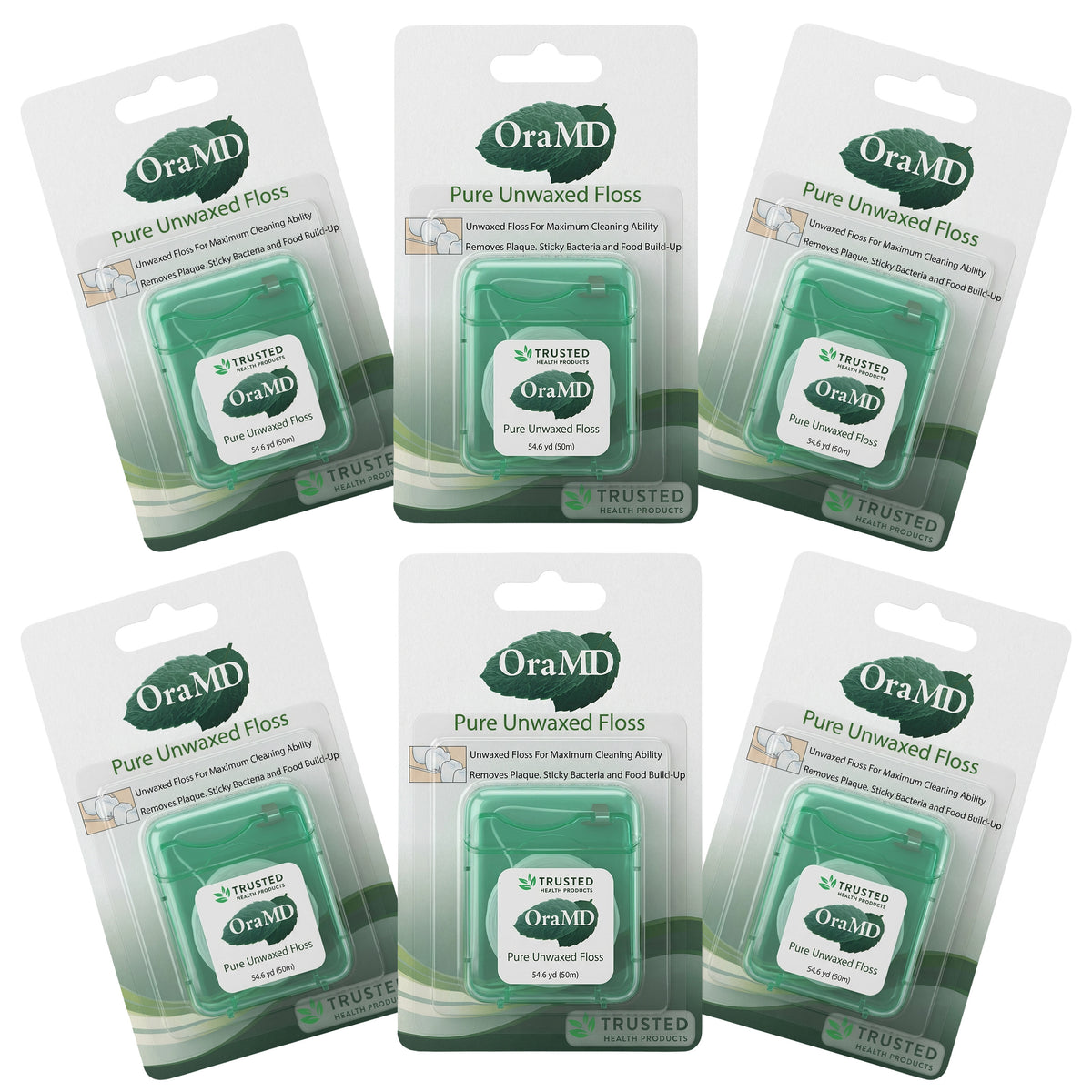
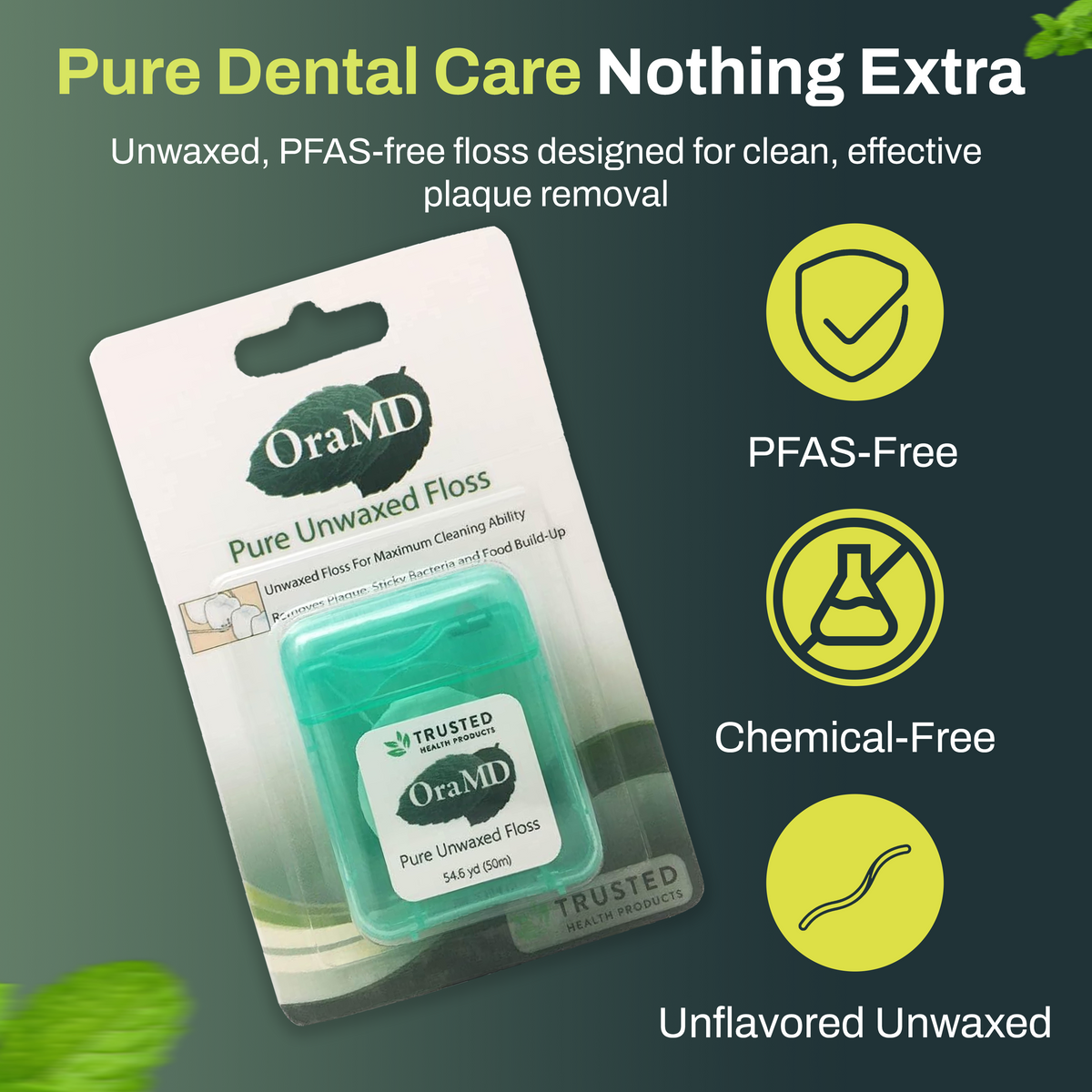
Oral hygiene note: Food collects easily around metal brackets. Patients benefit from a soft-bristled toothbrush designed for gum sensitivity. The OraMD Dr. Bass Toothbrush uses a precision-angled head that cleans around brackets without irritating the gum line. Pair it with OraMD Pure Unwaxed Dental Floss, which threads between teeth and braces more easily than standard waxed floss.


2 - Ceramic Braces: Discreet and Effective

Ceramic braces function identically to metal braces. The key difference is material — brackets are made from clear or tooth-colored ceramic composite that blends with natural enamel. This makes them far less visible from a normal conversational distance.

The ceramic material itself resists staining well. However, the elastic ligatures that hold the archwire can discolor from coffee, tea, red wine, and certain foods. Orthodontists typically replace these ligatures at each adjustment visit, which limits staining.

Ceramic brackets are more fragile than metal. Orthodontists generally avoid recommending them when significant force is needed to move teeth, since breakage can extend treatment time.

Ceramic braces are best for: Adults and older teenagers who want a discreet appearance but require a fixed brace for effectiveness. Popular for wedding seasons, professional settings, and anyone camera-conscious.

Pros: Much less visible than metal. Equal effectiveness for mild to moderate cases. Tooth-colored appearance throughout treatment.

Cons: More expensive than metal. Brackets can chip or break under heavy pressure. Ligatures stain between appointments if diet is not managed carefully.


3 - Lingual Braces: Completely Hidden

Lingual braces use the same bracket-and-archwire mechanics as traditional metal braces. The difference is placement, brackets attach to the back surface of the teeth, facing the tongue, rather than the front.

From the outside, lingual braces are completely invisible. Even in photographs taken at close range, the treatment does not show. Each bracket is custom-fabricated using digital impressions of the patient's teeth to fit the unique inner contour precisely.

The tongue-side placement creates an adjustment period of one to two weeks. Speech may sound slightly different initially, and the tongue may feel mild irritation from bracket contact. Most patients adapt within two weeks.

Lingual braces cost significantly more because of the custom fabrication process and the additional technical skill required to place and adjust them correctly.

Lingual braces are best for: Professionals, performers, athletes, public speakers, and anyone for whom complete invisibility during treatment is a non-negotiable requirement.

Pros: 100% invisible from the outside. Custom-fit for precision. Effective across a range of complex cases.

Cons: Most expensive brace type. More difficult to clean and maintain. Initial speech adjustment period. Fewer orthodontists specialize in lingual placement.


4 - Self-Ligating Braces: Fewer Visits, Gentler Movement

Self-ligating braces look similar to traditional metal or ceramic braces, but they use a built-in sliding clip mechanism instead of elastic ligatures to hold the archwire. The wire moves freely within the clip, which reduces friction between the wire and brackets.

Lower friction translates to several clinical advantages. Teeth move with less resistance, which often reduces pressure and soreness compared to conventional braces. Because the wire self-adjusts between visits, patients typically need fewer and shorter orthodontic appointments.

Self-ligating braces are available in both metal and clear ceramic versions, giving patients an aesthetic choice within this category.

Self-ligating braces are best for: Patients with busy schedules who want fewer orthodontic visits, and those who found conventional braces uncomfortable. Also suitable for teens and adults with mild to moderate alignment needs.

Pros: Reduced friction means less soreness during tooth movement. Fewer adjustment appointments needed. Easier to clean than conventional braces — no elastic ligatures trap debris. Available in clear ceramic versions.

Cons: Not significantly faster than traditional braces in all cases — research results vary. Still visible on the front of the teeth (unless ceramic version chosen). May cost slightly more than traditional metal.


5 - Invisalign: Removable Clear Aligners

Invisalign uses a series of custom-made, clear plastic aligners worn over the teeth. Each aligner is trimmed to fit precisely and applies gentle pressure to specific teeth in a planned sequence. Patients switch to a new aligner every one to two weeks, with each new tray advancing the teeth slightly further toward the target position.

The aligners are removable. Patients take them out to eat, drink anything other than water, brush, and floss. This eliminates the dietary restrictions associated with fixed braces and makes oral hygiene significantly easier.

Invisalign is generally recommended for mild to moderate crowding, spacing issues, and bite irregularities. Severe rotations, large vertical movements, and complex bite corrections typically require fixed braces for adequate control. An orthodontist assesses whether a case qualifies.

According to data from Align Technology, Invisalign has treated over 16 million patients globally since its introduction in 1999, making it the most recognized clear aligner system worldwide.

Patients must wear aligners 20 to 22 hours per day for results to remain on schedule. Aligners worn less than this extend treatment time and may reduce accuracy of tooth movement.

After completing active Invisalign treatment, orthodontists prescribe retainers to hold teeth in their new positions while the bone stabilizes. This phase typically lasts several months before moving to a night-only retainer schedule.

Invisalign is best for: Adults and teens with mild to moderate alignment needs who prioritize discretion and convenience. Also suitable for patients who have completed previous orthodontic treatment and need refinement.

Pros: Nearly invisible. Removable for eating, drinking, and oral hygiene. No food restrictions. Fewer in-office appointments than traditional braces. Comfortable smooth plastic surface.

Cons: Requires strict discipline, aligners must be worn nearly all day. Not suitable for complex cases. Aligners must be stored carefully when removed to avoid loss or damage. Higher cost than metal braces for equivalent case complexity.

Oral hygiene during Invisalign: Keeping aligners clean prevents bacterial buildup and odor. Patients should rinse aligners with cool water after removal. A natural, alcohol-free tooth oil such as OraMD Original Strength supports gum health throughout aligner treatment without leaving residue that could cloud the plastic.


Oral Hygiene During Orthodontic Treatment

Braces, fixed or removable, create additional spaces where plaque accumulates. Orthodontic patients face a higher risk of white spot lesions, gum inflammation, and decalcification if oral hygiene lapses during treatment.

The following routine addresses the specific needs of braces wearers.

Brushing: Brush after every meal, not just morning and night. Use a soft-bristled brush angled at 45 degrees toward the gum line to clear debris from under the archwire and around brackets.

Flossing: Standard floss requires a threader to pass under archwires. Unwaxed floss slides between contacts more cleanly than waxed. The OraMD Pure Unwaxed Dental Floss is designed for this purpose and does not shred or fray when navigating around brackets.

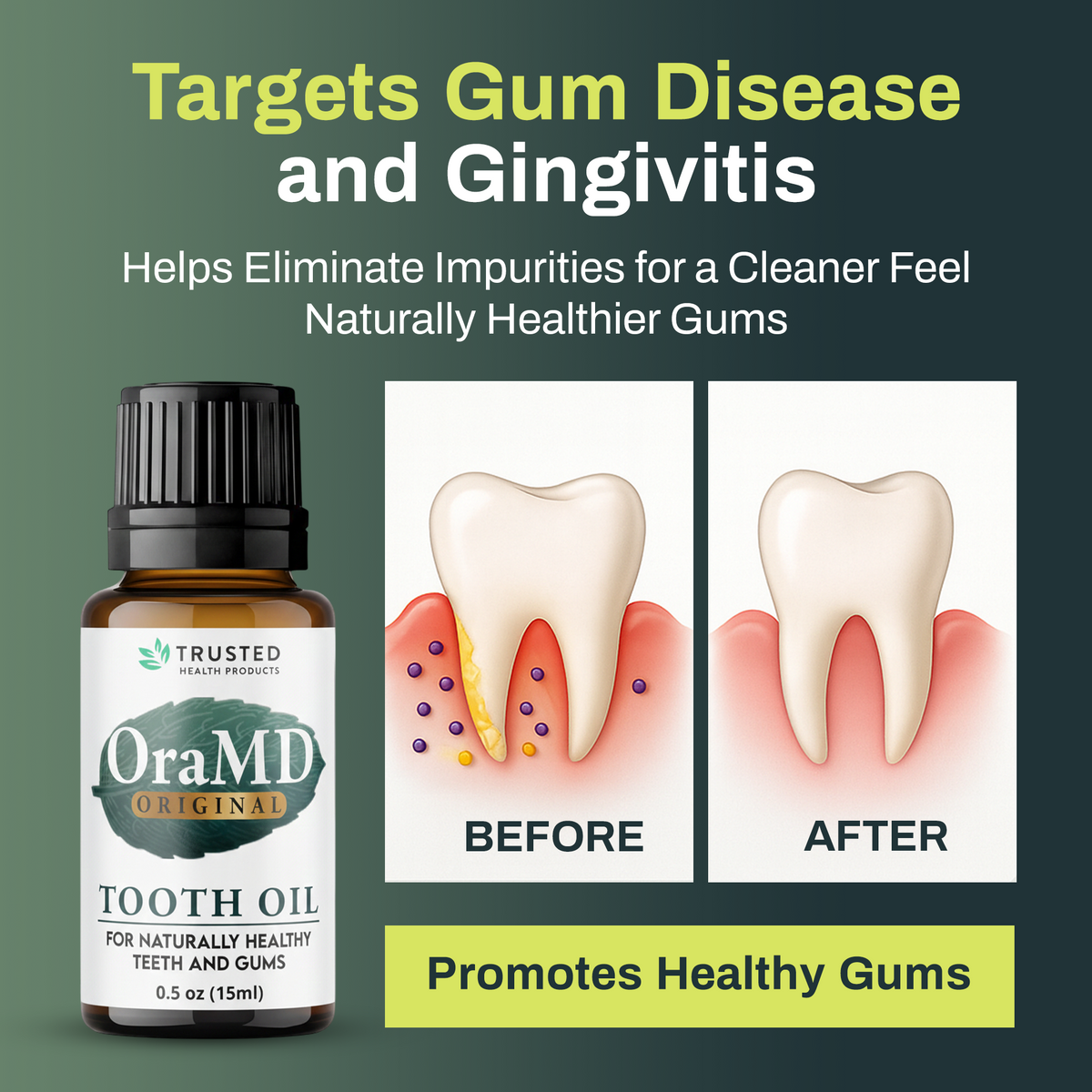
Rinsing: An alcohol-free antibacterial rinse or natural tooth oil used after brushing reaches areas the toothbrush cannot. Alcohol-based mouthwashes can dry oral tissue and irritate bracket contact points. OraMD Extra Strength Tooth Oil uses a concentrated botanical formula that penetrates the gum line without synthetic additives.

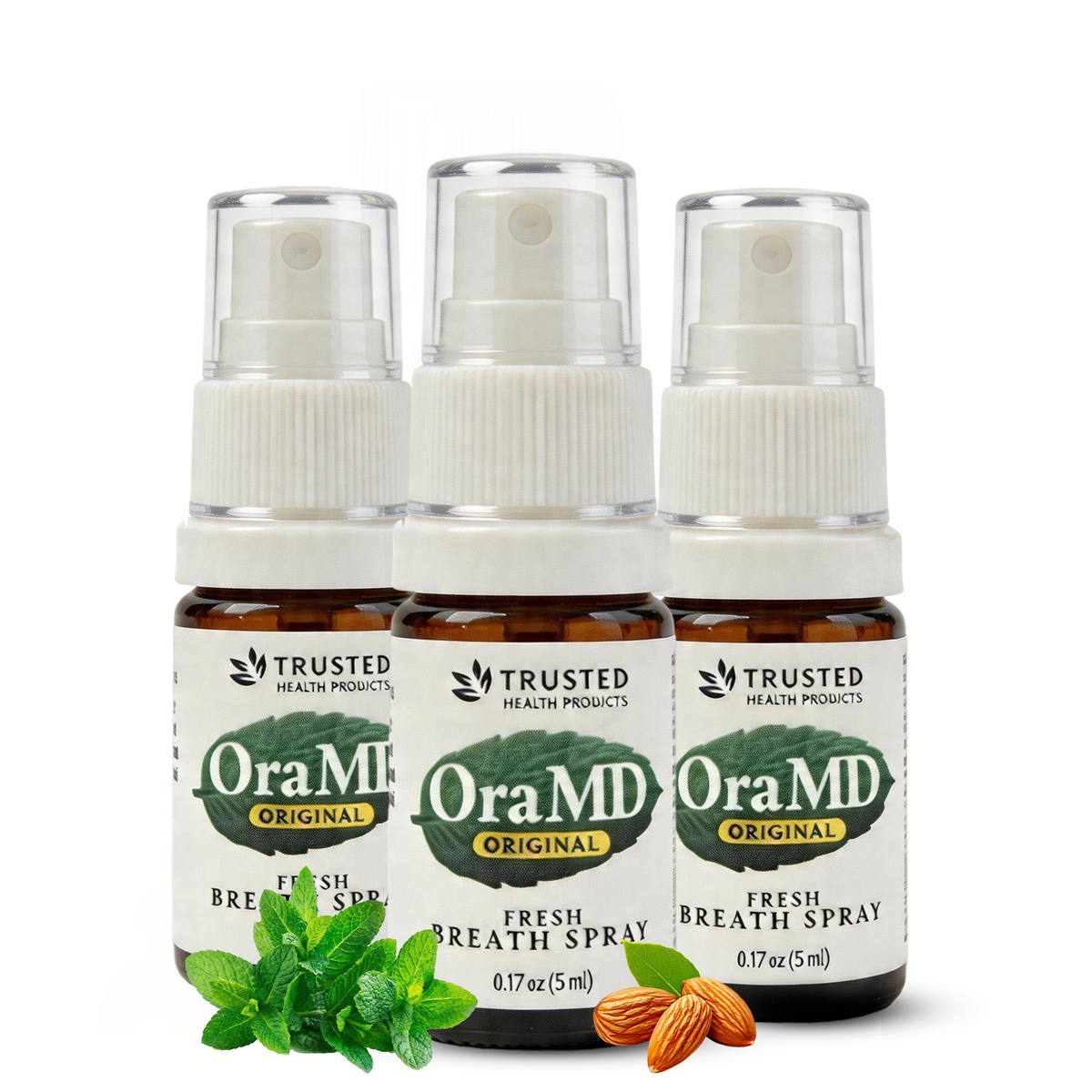
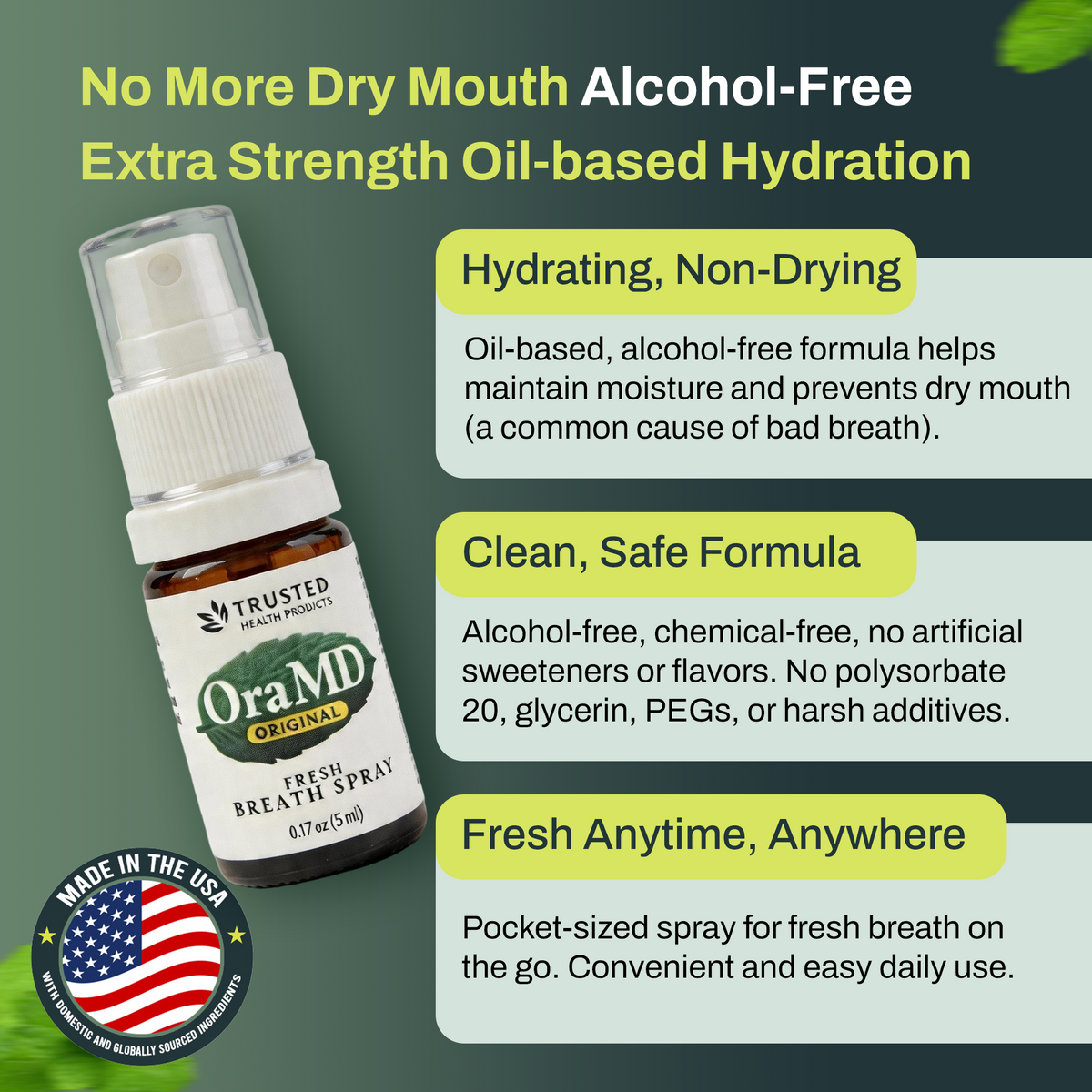
Freshness on the go: A compact breath spray provides antibacterial support between meals when brushing is not immediately possible. The OraMD All-Natural Bad Breath Freshener Spray offers botanical freshness without alcohol or artificial flavors, making it suitable for use throughout the school or work day.

For further reading on building a complete natural oral health routine during orthodontic treatment, visit the Trusted Health Products Oral Care collection.


What Happens After Braces: Retainers

Every type of orthodontic treatment requires a retention phase. After braces or aligners are removed, teeth naturally attempt to drift back toward their original positions. This process, called orthodontic relapse, happens because the periodontal ligaments surrounding teeth retain a memory of their original alignment.

Retainers prevent relapse by holding teeth in position while the surrounding bone remodels and stabilizes around the new tooth positions.

Two main retainer types exist. Removable retainers, either clear plastic or Hawley wire-and-acrylic, are worn full-time for the first three to six months post-treatment, then nightly thereafter. Fixed retainers consist of a thin wire bonded permanently to the back surfaces of the front teeth.

Orthodontists determine the appropriate retainer type based on the original case, the brace type used, and the patient's compliance history. Patients who skip the retention phase risk losing all gains from treatment.


Conclusion

The five main types of braces, metal, ceramic, lingual, self-ligating, and Invisalign, each serve different clinical needs. No single option is universally best. The right choice depends on case complexity, budget, appearance preferences, and how much daily management the patient is willing to take on.

Consulting a board-certified orthodontist is the essential first step. A full clinical evaluation, including digital imaging, gives the orthodontist the diagnostic data needed to match the patient with the most effective treatment path.

Throughout any orthodontic treatment, consistent oral hygiene protects the investment. Explore the full Trusted Health Products Oral Care range , including tooth oil, unwaxed floss, the Dr. Bass Toothbrush, and breath spray, to maintain a clean, healthy mouth from the first bracket placement to the final retainer check.
 

SHARE

Toothpaste Alternative OraMD Original Tooth Oil Toothpaste Alternative  OraMD Original Tooth Oil
OraMD Original
OraMD Tandolie met Originele Sterkte Aanbiedingsprijs$24.97 USD
(5.0)
Summer BOGO
Toothpaste for sensitive teeth OraMD Extra Strength Tooth OilToothpaste Alternative OraMD Extra Strength Tooth Oil
OraMD Extra Strength
OraMD Tandolie met Extra Sterkte Aanbiedingsprijs$39.97 USD
(5.0)
Mouth Spray OraMD All-Natural Bad Breath Freshener Spray Three Mouth Spray OraMD Breath Sprays
OraMD Breath Spray
(5.0)
OraMD Dr.Bass Toothbrush OraMD Dr.Bass Toothbrush - Trusted Health Products
by Trusted Health Products
OraMD Dr.Bass Tandenborstel Aanbiedingsprijs$3.50 USD
(5.0)
Face Serum Earth & Elm Nourishing Face OilEarth & Elm Face Oil Back
Earth and Elm
(5.0)
OraMD Pure Unwaxed Dental Floss - Trusted Health ProductsMorning Routine XS - Trusted Health Products
OraMD
OraMD Pure Ongewaxte Tandzijde Aanbiedingsprijs$24.99 USD
(5.0)
Face Oil and Body Oil setEarth & Elm Set - 10% Savings - Trusted Health Products
Earth and Elm
Earth & Elm Set - 10% Korting Aanbiedingsprijs$56.99 USD Normale prijs$63.98 USD
(5.0)
Earth & Elm Nourishing Body OilEarth & Elm Nourishing Body Oil Nourishing Body Oil Earth and Elm
Earth and Elm
Earth & Elm Voedende Lichaamsolie Aanbiedingsprijs$36.99 USD
(5.0)
ReliefMD Body OilReliefMD Body Oil Products ReliefMD
ReliefMD
ReliefMD lichaamsolie Aanbiedingsprijs$29.97 USD
(5.0)
OraMD Original Strength Tooth Oil All-In-One Oral Health Kits - Trusted Health ProductsOraMD Original Strength Tooth Oil All-In-One Oral Health Kits - Trusted Health Products
Trusted Health Products
OraMD Tandolie met Originele Sterkte Alles-in-één Mondverzorgingskits Aanbiedingsprijs$34.97 USD Normale prijs$37.99 USD
(5.0)
OraMD Extra Strength Tooth Oil All-In-One Oral Health KitsOraMD Extra Strength Tooth Oil All-In-One Oral Health Kits - Trusted Health Products
Trusted Health Products
OraMD Tandolie met Extra Sterkte Alles-in-één Mondverzorgingskits Aanbiedingsprijs$49.99 USD Normale prijs$51.99 USD
(5.0)
Muscle Pain ReliefTherapeutic - Trusted Health Products
Trusted Health Products
Pijnverlichting - 10% korting Aanbiedingsprijs$53.55 USD
(5.0)
ReliefMD Foot Oil ReliefMD Foot Oil Products ReliefMD
ReliefMD
ReliefMD Voetolie Aanbiedingsprijs$29.97 USD
(5.0)
Oil & Skin CareOil & Skin XL - Trusted Health Products
Trusted Health Products
Olie & Huid XL Aanbiedingsprijs$91.00 USD
(5.0)
Therapeutic BundleTherapeutic - Trusted Health Products
Trusted Health Products
Therapeutisch Aanbiedingsprijs$105.00 USD
(5.0)
Face toner with tooth oil and a toothbrushOraMD Dr.Bass Toothbrush
Trusted Health Products
Olie & Huid Aanbiedingsprijs$52.50 USD
(5.0)
All in One Body CareReliefMD Body Oil
Trusted Health Products
Alles-in-één XS Aanbiedingsprijs$140.00 USD
(5.0)
Dr. Tom McGuire's Book -  Healthy Teeth, Healthy Body - Trusted Health Products
Trusted Health Products
(5.0)
Morning Care Routine OraMD Dr.Bass Toothbrush
Trusted Health Products
Ochtendroutine Aanbiedingsprijs$77.70 USD
(5.0)
All in One OilAll in One Oil - Trusted Health Products
Trusted Health Products
Alles-in-één olie Aanbiedingsprijs$126.00 USD
(5.0)
night skin care routineOraMD Dr.Bass Toothbrush
Trusted Health Products
Nacht Routine Aanbiedingsprijs$77.70 USD
(5.0)
nighttime skincare routineOraMD Dr.Bass Toothbrush
Trusted Health Products
Nacht Routine XS Aanbiedingsprijs$91.00 USD
(5.0)
Natural Skincare BundleOraMD Dr.Bass Toothbrush
Trusted Health Products
Ochtendroutine XS Aanbiedingsprijs$105.00 USD
(5.0)

Which type of braces works fastest?

Treatment speed depends on the case, not the brace type alone. Invisalign can correct mild cases in six to twelve months. Self-ligating braces may reduce active treatment time slightly in certain cases. Complex cases almost always require eighteen months or more regardless of brace type.

Are braces covered by dental insurance?

Most dental insurance plans include an orthodontic benefit, typically covering $1,000 to $2,500 of treatment costs. Coverage is more common for patients under 18. Adults should verify their plan's orthodontic clause before starting treatment.

Do braces hurt?

Fixed braces cause mild soreness for two to three days after each adjustment as teeth respond to the new pressure. Over-the-counter pain relief manages this well. Invisalign causes similar pressure discomfort when switching to a new tray. Soreness diminishes after the first few adjustment cycles.

What foods should be avoided with braces?

Fixed braces require avoiding hard foods (raw carrots, nuts, ice), sticky foods (caramel, chewing gum), and foods that require biting with front teeth (apples, corn on the cob). These can bend wires, dislodge brackets, or snap ligatures.

Can adults get braces?

Adults make up approximately 20% of all orthodontic patients in the United States, according to the American Association of Orthodontists. All five brace types work for adults. Lingual braces and Invisalign are particularly popular with adult patients due to their low visibility.

How often are orthodontic appointments needed?

Traditional and ceramic braces require visits every four to six weeks for archwire adjustments. Self-ligating braces may extend this to six to eight weeks. Invisalign check-ins are typically every six to eight weeks, with patients managing tray changes at home.

What is the best brace type for complex cases?

Traditional metal braces offer the most control across the widest range of case complexity. Orthodontists can apply precise forces in multiple directions simultaneously, making metal braces the default choice for severe crowding, rotations, and skeletal corrections.

How do lingual braces affect speech? Lingual braces alter tongue positioning during speech for one to two weeks after placement. Most patients experience slight lisping or difficulty with "s" and "t" sounds initially. The vast majority adapt fully within two weeks.

Can Invisalign fix an overbite?

Invisalign with Mandibular Advancement features can treat mild to moderate overbites. Severe skeletal overbites, those involving jaw position rather than tooth position alone, typically require fixed braces combined with additional appliances or surgical correction.

Are self-ligating braces significantly better than traditional braces?

Research results are mixed. Some studies show reduced friction and fewer appointments with self-ligating systems. Others show comparable overall treatment times. The choice between them often comes down to patient preference and the orthodontist's clinical training.

How Are OraMD Products Made? Inside Our Biotech Lab
Oral Care
May 28, 2026
How Are OraMD Products Made? Inside Our Biotech Lab

At our core, we believe that true wellness begins with radical transparency....

How to Use Tooth Oil: Step-by-Step Guide for Beginners
Oral Care
May 22, 2026
How to Use Tooth Oil: Step-by-Step Guide for Beginners

Most people discover tooth oil through oil pulling traditions or natural oral...

How to Treat Sensitive Teeth Naturally at Home
Oral Care
May 22, 2026
How to Treat Sensitive Teeth Naturally at Home

Tooth sensitivity affects millions of people — that sharp, sudden discomfort when...

Fluoride in Toothpaste: The Truth Most Brands Don't Tell You
Oral Care
May 22, 2026
Fluoride in Toothpaste: The Truth Most Brands Don't Tell You

For decades, fluoride has been the undisputed champion of dental care, hailed...

Can You Reverse Gum Disease Naturally? A Science-Backed Guide
Oral Care
May 22, 2026
Can You Reverse Gum Disease Naturally? A Science-Backed Guide

The short answer is yes,  you can reverse gum disease naturally, but...

Oramd Tooth Oil vs Regular Toothpaste: What's Actually Better?
Oral Care
May 22, 2026
Oramd Tooth Oil vs Regular Toothpaste: What's Actually Better?

The oral care aisle isn't what it used to be. Gone are...

7 Best Natural Alternatives to Toothpaste in 2026
Oral Care
May 22, 2026
7 Best Natural Alternatives to Toothpaste in 2026

As more people seek to reduce their exposure to synthetic ingredients, the...

The Ultimate Natural Oral Care Guide: Building a Healthier Mouth Naturally
Oral Care
May 22, 2026
The Ultimate Natural Oral Care Guide: Building a Healthier Mouth Naturally

For generations, the oral care aisle has been dominated by a standardized...

The Toothpaste Alternative for Sensitive Teeth and Natural Tooth Whitening Protection
Oral Care
Apr 17, 2026
The Toothpaste Alternative for Sensitive Teeth and Natural Tooth Whitening Protection

Tooth sensitivity has become one of the most common concerns among people...

60+ Ways To Fight Oral Thrush Naturally
Oral Care
Apr 17, 2026
60+ Ways To Fight Oral Thrush Naturally

Technically known as oral candidiasis, oral thrush occurs when the type of...

The Toothpaste Alternative Transforming Gum Health and Long-Term Oral Wellness
Oral Care
Apr 17, 2026
The Toothpaste Alternative Transforming Gum Health and Long-Term Oral Wellness

Modern oral care is evolving. More people today are questioning traditional toothpaste...

Why a Toothpaste Alternative with Oil Pulling Benefits Is Revolutionizing Complete Oral Care
Oral Care
Apr 17, 2026
Why a Toothpaste Alternative with Oil Pulling Benefits Is Revolutionizing Complete Oral Care

For generations, toothpaste, mouthwash, and breath mints have been staples in daily...

Natural Toothpaste for Sensitive Teeth That Delivers Advanced Gum Defense: Exploring OraMD Original vs. Extra Strength
Oral Care
Apr 17, 2026
Natural Toothpaste for Sensitive Teeth That Delivers Advanced Gum Defense: Exploring OraMD Original vs. Extra Strength

Oral care continues to evolve as more people seek natural alternatives that...

Why Choosing a Toothpaste Alternative Like OraMD Can Transform Your Oral Health Routine
Oral Care
Apr 17, 2026
Why Choosing a Toothpaste Alternative Like OraMD Can Transform Your Oral Health Routine

More consumers than ever are rethinking their oral care products. With concerns...

Why a Toothpaste Alternative Like OraMD Is Transforming Deep Gum Care
Oral Care
Apr 17, 2026
Why a Toothpaste Alternative Like OraMD Is Transforming Deep Gum Care

When most people think about oral hygiene, they picture foamy pastes, artificial...

Natural Toothpaste for Sensitive Teeth That Supports Gum Regeneration and Lasting Oral Wellness
Oral Care
Apr 17, 2026
Natural Toothpaste for Sensitive Teeth That Supports Gum Regeneration and Lasting Oral Wellness

Oral health is far more complex than most people realize. Beneath the...

Natural Toothpaste for Sensitive Teeth for Enamel Strength and Long-Term Plaque Prevention
Oral Care
Apr 17, 2026
Natural Toothpaste for Sensitive Teeth for Enamel Strength and Long-Term Plaque Prevention

When it comes to maintaining a healthy smile, enamel protection and plaque...

Natural Toothpaste for Sensitive Teeth with Oil Pulling Benefits for a Deep Oral Detox
Oral Care
Apr 17, 2026
Natural Toothpaste for Sensitive Teeth with Oil Pulling Benefits for a Deep Oral Detox

For decades, brushing and flossing have been the cornerstones of oral care....

Natural Toothpaste for Sensitive Teeth and Tooth Whitening Support
Oral Care
Apr 17, 2026
Natural Toothpaste for Sensitive Teeth and Tooth Whitening Support

Tooth sensitivity is one of the most common concerns people face in...

The Mouth Spray That Delivers Botanical Freshness and True Antibacterial Action
Oral Care
Apr 17, 2026
The Mouth Spray That Delivers Botanical Freshness and True Antibacterial Action

Bad breath is one of the most common—and often most frustrating—oral health...

The Multi-Purpose Mouth Spray That Freshens, Hydrates, and Cleanses Naturally
Oral Care
Apr 17, 2026
The Multi-Purpose Mouth Spray That Freshens, Hydrates, and Cleanses Naturally

In today’s fast-paced world, oral care can’t always wait for a sink,...

The Mouth Spray Made from 100% Pure, Natural Ingredients
Oral Care
Apr 17, 2026
The Mouth Spray Made from 100% Pure, Natural Ingredients

Fresh breath is a daily essential—for confidence, comfort, and overall wellness. Yet...

The Dentist-Endorsed Mouth Spray Transforming Holistic Oral Care
Oral Care
Apr 17, 2026
The Dentist-Endorsed Mouth Spray Transforming Holistic Oral Care

Fresh breath might be the first thing that comes to mind when...

The Compact Mouth Spray That Delivers On-The-Go Fresh Breath Naturally
Oral Care
Apr 17, 2026
The Compact Mouth Spray That Delivers On-The-Go Fresh Breath Naturally

Fresh breath shouldn’t be something you only experience after brushing your teeth...

Toothbrush for Sensitive Gums Designed for Precision Cleaning and Total Comfort
Oral Care
Apr 17, 2026
Toothbrush for Sensitive Gums Designed for Precision Cleaning and Total Comfort

Finding the right Toothbrush for sensitive gums can transform your daily oral...

Toothbrush for Sensitive Gums That Delivers Gentle, Effective Daily Cleaning
Oral Care
Apr 17, 2026
Toothbrush for Sensitive Gums That Delivers Gentle, Effective Daily Cleaning

A healthy mouth begins with the right tools and for millions of...

Toothbrush for Sensitive Gums That Supports the Bass Brushing Technique
Oral Care
Apr 17, 2026
Toothbrush for Sensitive Gums That Supports the Bass Brushing Technique

Caring for sensitive gums requires a brushing method that is both gentle...

Toothbrush for Sensitive Gums with Eco-Friendly and Durable Design
Oral Care
Apr 17, 2026
Toothbrush for Sensitive Gums with Eco-Friendly and Durable Design

When choosing a Toothbrush for sensitive gums, most people focus on comfort,...

Toothbrush for Sensitive Gums That Works Seamlessly with OraMD Tooth Oil
Oral Care
Apr 17, 2026
Toothbrush for Sensitive Gums That Works Seamlessly with OraMD Tooth Oil

A gentle, effective oral care routine is essential for maintaining long term...

Mouth Floss for Complete Natural Cleaning
Oral Care
Apr 17, 2026
Mouth Floss for Complete Natural Cleaning

Daily brushing is essential for oral health, but it is only part...

Mouth Floss Designed for Sensitive Gums
Oral Care
Apr 17, 2026
Mouth Floss Designed for Sensitive Gums

Flossing is one of the most important steps in maintaining oral health,...

Mouth Floss Made from High-Quality, Unwaxed Fibers
Oral Care
Apr 17, 2026
Mouth Floss Made from High-Quality, Unwaxed Fibers

Flossing is one of the most essential parts of a complete oral...

Mouth Floss That Complements Natural Oral Care
Oral Care
Apr 17, 2026
Mouth Floss That Complements Natural Oral Care

Creating a healthy, balanced oral care routine goes far beyond brushing alone....

Mouth Floss Bundle for Eco-Friendly, Everyday Freshness
Oral Care
Apr 17, 2026
Mouth Floss Bundle for Eco-Friendly, Everyday Freshness

Flossing is one of the most important daily habits for maintaining long...

Ingredients to Avoid in Toothpaste: A Guide to Choosing the Best Toothpaste for Your Oral Health
Oral Care
Apr 17, 2026
Ingredients to Avoid in Toothpaste: A Guide to Choosing the Best Toothpaste for Your Oral Health

Toothpaste plays an essential role in maintaining healthy teeth and gums. Most...

Does Fluoride Help Sensitive Teeth? Understanding How Fluoride Toothpaste Protects Enamel
Oral Care
Apr 17, 2026
Does Fluoride Help Sensitive Teeth? Understanding How Fluoride Toothpaste Protects Enamel

Tooth sensitivity is a common dental concern that can make everyday activities...

Best Toothpaste for Sensitive Teeth: What Actually Works
Oral Care
Apr 17, 2026
Best Toothpaste for Sensitive Teeth: What Actually Works

Tooth sensitivity is one of the most common dental concerns people experience....

Is Sodium Lauryl Sulfate (SLS) Bad for Sensitive Gums? Understanding SLS in Toothpaste
Oral Care
Apr 17, 2026
Is Sodium Lauryl Sulfate (SLS) Bad for Sensitive Gums? Understanding SLS in Toothpaste

Toothpaste is a key part of daily oral hygiene. Most people use...

Natural Toothpaste for Sensitive Teeth: A Gentler Approach to Oral Care
Oral Care
Apr 17, 2026
Natural Toothpaste for Sensitive Teeth: A Gentler Approach to Oral Care

Toothpaste is an essential part of daily oral hygiene. Most people use...

Whitening Toothpaste for Sensitive Teeth: Protecting Your Smile During Whitening Treatments
Oral Care
Apr 17, 2026
Whitening Toothpaste for Sensitive Teeth: Protecting Your Smile During Whitening Treatments

A bright smile is one of the most common cosmetic goals in...

Fluoride vs Fluoride-Free Toothpaste: What’s the Difference?
Oral Care
Apr 17, 2026
Fluoride vs Fluoride-Free Toothpaste: What’s the Difference?

Choosing the right toothpaste is an important part of maintaining a healthy...

Tooth Oil vs Toothpaste: Which Is Better for Sensitive Teeth?
Oral Care
Apr 17, 2026
Tooth Oil vs Toothpaste: Which Is Better for Sensitive Teeth?

Traditional toothpaste has long been the standard for maintaining oral hygiene. However,...

Why Are My Teeth Sensitive? Understanding the Causes of Tooth Sensitivity
Oral Care
Apr 17, 2026
Why Are My Teeth Sensitive? Understanding the Causes of Tooth Sensitivity

If you have ever felt a sudden jolt of pain while drinking...

How to Strengthen Tooth Enamel Naturally
Oral Care
Apr 17, 2026
How to Strengthen Tooth Enamel Naturally

Tooth enamel is the strongest substance in the human body. However, despite...

The Ultimate Guide to Toothpaste: Types, Ingredients, and How to Choose the Best Toothpaste
Oral Care
Apr 17, 2026
The Ultimate Guide to Toothpaste: Types, Ingredients, and How to Choose the Best Toothpaste

Toothpaste is one of the most widely used tools in daily hygiene...

Tonsil Stones Progression And Dangers
Oral Care
Apr 17, 2026
Tonsil Stones Progression And Dangers

Tonsil stones usually are not serious, but they do often accompany tonsillitis...

Types, Signs And Symptoms Of Gum Boils
Oral Care
Apr 17, 2026
Types, Signs And Symptoms Of Gum Boils

Gum boils are a generic term that refers to various types of...

Easy Treatments For Dry Mouth
Oral Care
Apr 17, 2026
Easy Treatments For Dry Mouth

Reviewed By Ray Spotts A very common issue associated with age, medication...

Are Bad Teeth Genetic? What You Need To Know About Your Family Tree And Your Oral Health
Oral Care
Apr 17, 2026
Are Bad Teeth Genetic? What You Need To Know About Your Family Tree And Your Oral Health

Written By Jennifer Raskin / Reviewed By Ray SpottsDid Grandma lose her...

Can Swimming Hurt Your Teeth?
Oral Care
Apr 17, 2026
Can Swimming Hurt Your Teeth?

There are things that can be done to reduce the effect of...

Winkelwagen

Je winkelwagen is leeg