Why Are My Teeth Sensitive? Understanding the Causes of Tooth Sensitivity
March 12, 2026
Author: Ray Spotts
Tags:
If you have ever felt a sudden jolt of pain while drinking a cold beverage or eating something sweet, you may be experiencing tooth sensitivity.
Sensitive teeth affect millions of people and can make everyday activities like brushing or eating uncomfortable. Understanding why teeth become sensitive is the first step toward preventing the problem and protecting your oral health.
What Is Tooth Sensitivity?
Tooth sensitivity occurs when the inner layer of the tooth, called dentin, becomes exposed.
Under normal conditions, dentin is protected by enamel on the crown of the tooth and by gum tissue near the root. When these protective layers become damaged or worn down, dentin becomes vulnerable to temperature changes and acidic foods.
Dentin contains microscopic tubules that connect to nerve endings within the tooth. When stimuli reach these tubules, the nerves respond with the sharp pain associated with sensitive teeth.
Common Causes of Tooth Sensitivity
Enamel Erosion
Enamel is the hard outer surface that protects teeth. Acidic foods, sugary beverages, and bacterial plaque can gradually erode enamel over time.
When enamel becomes thinner, dentin underneath becomes exposed.
Gum Recession
Gum tissue protects the roots of teeth. When gums recede due to brushing too hard or gum inflammation, the root surface becomes exposed.
Unlike enamel, the root surface is not as well protected, making it more sensitive.
Brushing Too Hard
Using excessive force when brushing can wear down enamel and irritate gum tissue.
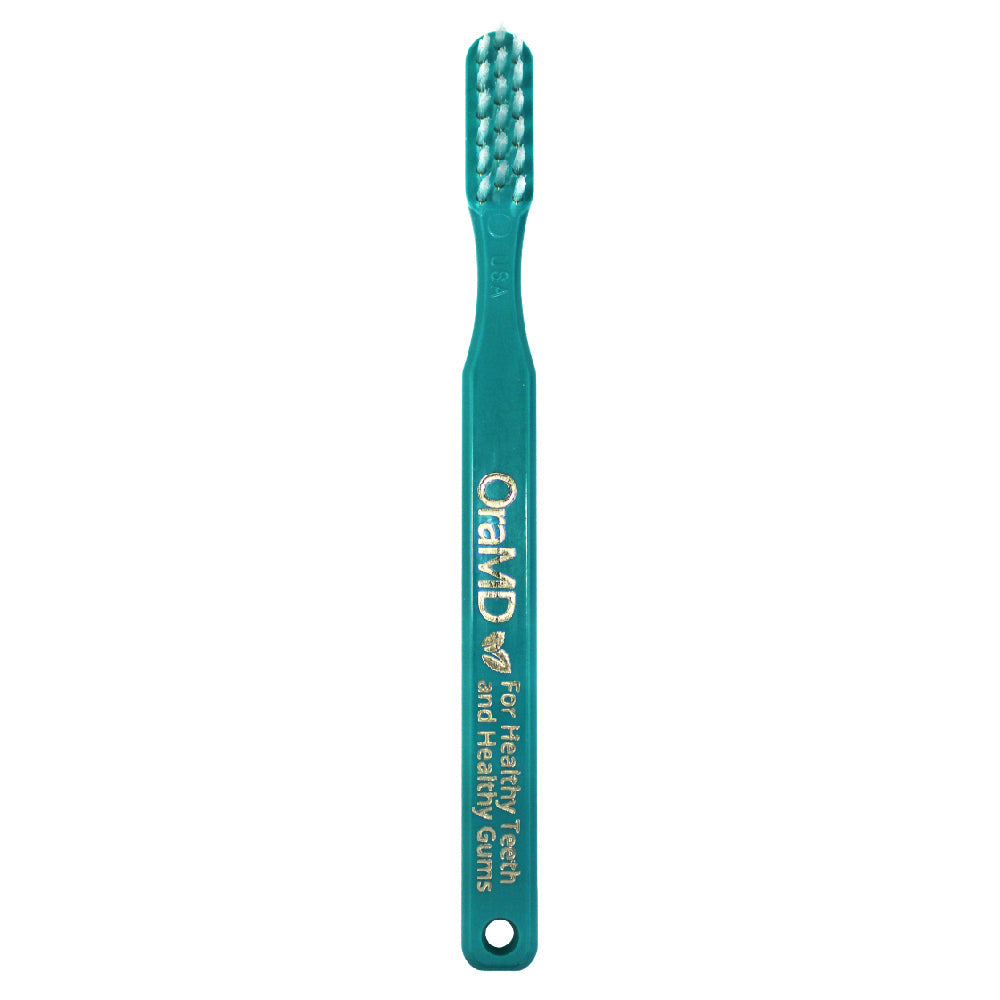
Dentists often recommend using a soft-bristle toothbrush and gentle brushing technique to protect teeth.
Teeth Grinding
Grinding teeth during sleep can gradually wear away enamel. Over time, this can expose dentin and increase sensitivity.
Many people who grind their teeth are unaware of the habit until symptoms appear.
Whitening Products
Some whitening treatments contain strong ingredients that temporarily increase tooth sensitivity.
While these treatments can improve tooth color, they may irritate exposed dentin if used frequently.
Preventing Tooth Sensitivity
Preventing sensitivity involves protecting enamel and maintaining healthy gums.
Key strategies include:
-
Brushing with gentle toothpaste designed for sensitive teeth
-
Avoiding aggressive brushing techniques
-
Limiting acidic beverages
-
Using a soft toothbrush
These steps help maintain the protective layers that keep dentin covered.
When to See a Dentist
Occasional sensitivity is common, but persistent pain may indicate a deeper issue such as a cavity or cracked tooth.
If sensitivity continues or worsens, a dental examination can help identify the cause and provide appropriate treatment.