Whitening Toothpaste for Sensitive Teeth: Protecting Your Smile During Whitening Treatments
March 12, 2026
Author: Ray Spotts
Tags:
A bright smile is one of the most common cosmetic goals in oral care. Many people use whitening products to remove stains and improve the appearance of their teeth. However, whitening treatments can sometimes increase tooth sensitivity, making everyday activities like drinking cold water or brushing your teeth uncomfortable.
For individuals with sensitive teeth, choosing the right toothpaste and maintaining a gentle oral care routine during whitening treatments is especially important. While whitening products focus on improving tooth color, supportive oral care products help protect enamel, maintain gum health, and keep the mouth comfortable throughout the whitening process.
Many people search for whitening toothpaste for sensitive teeth, hoping to brighten their smile while minimizing discomfort. However, understanding how whitening treatments interact with sensitive teeth can help you choose the best toothpaste and oral care products to maintain healthy teeth during whitening.
In this guide, we’ll explore:
-
Why whitening treatments can cause tooth sensitivity
-
The role toothpaste plays during whitening treatments
-
How gentle toothpaste can help protect enamel
-
How tooth oil and supportive oral care products fit into whitening routines
-
Practical tips for whitening teeth while managing sensitivity
With the right oral care approach, it is possible to pursue a brighter smile while protecting sensitive teeth and maintaining overall dental health.
Why Whitening Treatments Can Cause Tooth Sensitivity
To understand why whitening treatments sometimes cause discomfort, it helps to understand how tooth whitening products work.
Most whitening products are designed to remove stains from teeth or lighten the natural color of enamel. These products often use active ingredients that break down stain molecules on the tooth surface.
How Whitening Products Work
Many whitening products contain peroxide-based compounds that penetrate the enamel and break apart stain molecules. This chemical process helps lighten the appearance of teeth over time.
Whitening methods can include:
-
Whitening strips
-
Whitening trays
-
Whitening gels
-
Professional dental whitening treatments
These treatments can be effective at improving tooth color, but they may temporarily increase tooth sensitivity.
Why Sensitivity Occurs During Whitening
When whitening agents penetrate the enamel, they can reach the inner layer of the tooth called dentin.
Dentin contains microscopic channels that connect to nerve endings inside the tooth. During whitening treatments, these channels can become more exposed, allowing temperature changes or pressure to reach the nerves more easily.
As a result, some individuals may experience:
-
Sensitivity to cold drinks
-
Discomfort from hot foods
-
Temporary sensitivity while brushing
-
Increased reaction to air exposure
This sensitivity usually fades after whitening treatments are completed, but managing oral care properly during the process is essential for comfort.
Supporting Oral Health During Whitening Treatments
When using whitening treatments, maintaining a supportive oral hygiene routine can help protect enamel and reduce irritation.
Although whitening products focus on improving the color of teeth, other oral care products—such as toothpaste—play a crucial role in maintaining healthy teeth and gums throughout the whitening process.
Gentle oral care products can support whitening treatments by helping to:
-
Maintain oral cleanliness between whitening sessions
-
Protect tooth enamel
-
Support gum health
-
Reduce irritation caused by whitening ingredients
-
Keep the mouth hydrated and balanced
For individuals with sensitive teeth, choosing toothpaste designed for gentle cleaning can make whitening treatments more comfortable.
The Role of Toothpaste During Whitening Treatments
Toothpaste remains an essential part of oral hygiene, even when whitening treatments are being used.
Brushing with toothpaste helps remove plaque and bacteria that accumulate on teeth throughout the day. Maintaining good oral hygiene is especially important during whitening treatments because plaque buildup can interfere with whitening results.
Choosing Gentle Toothpaste for Whitening Routines
People with sensitive teeth may benefit from selecting toothpaste designed to support enamel health rather than using highly abrasive formulas.
Toothpaste that focuses on gentle cleaning can help remove plaque while protecting tooth surfaces.
Some helpful features to look for in toothpaste during whitening treatments include:
-
Mild abrasives that clean teeth without excessive polishing
-
Toothpaste designed for sensitive teeth
-
Formulas that support enamel protection
-
Toothpaste without harsh detergents or strong irritants
Gentle toothpaste can help maintain oral hygiene without contributing to additional sensitivity.
Why Abrasive Toothpaste Can Be Problematic
Some whitening toothpaste formulas rely on stronger polishing agents to remove surface stains.
While these ingredients can help remove discoloration, overly abrasive toothpaste may wear down enamel over time—especially when combined with whitening treatments.
Because enamel is the protective layer of the tooth, preserving it is important for preventing sensitivity.
Choosing a toothpaste with mild abrasives helps protect enamel while maintaining effective cleaning.
How Tooth Oil Can Complement Whitening Treatments
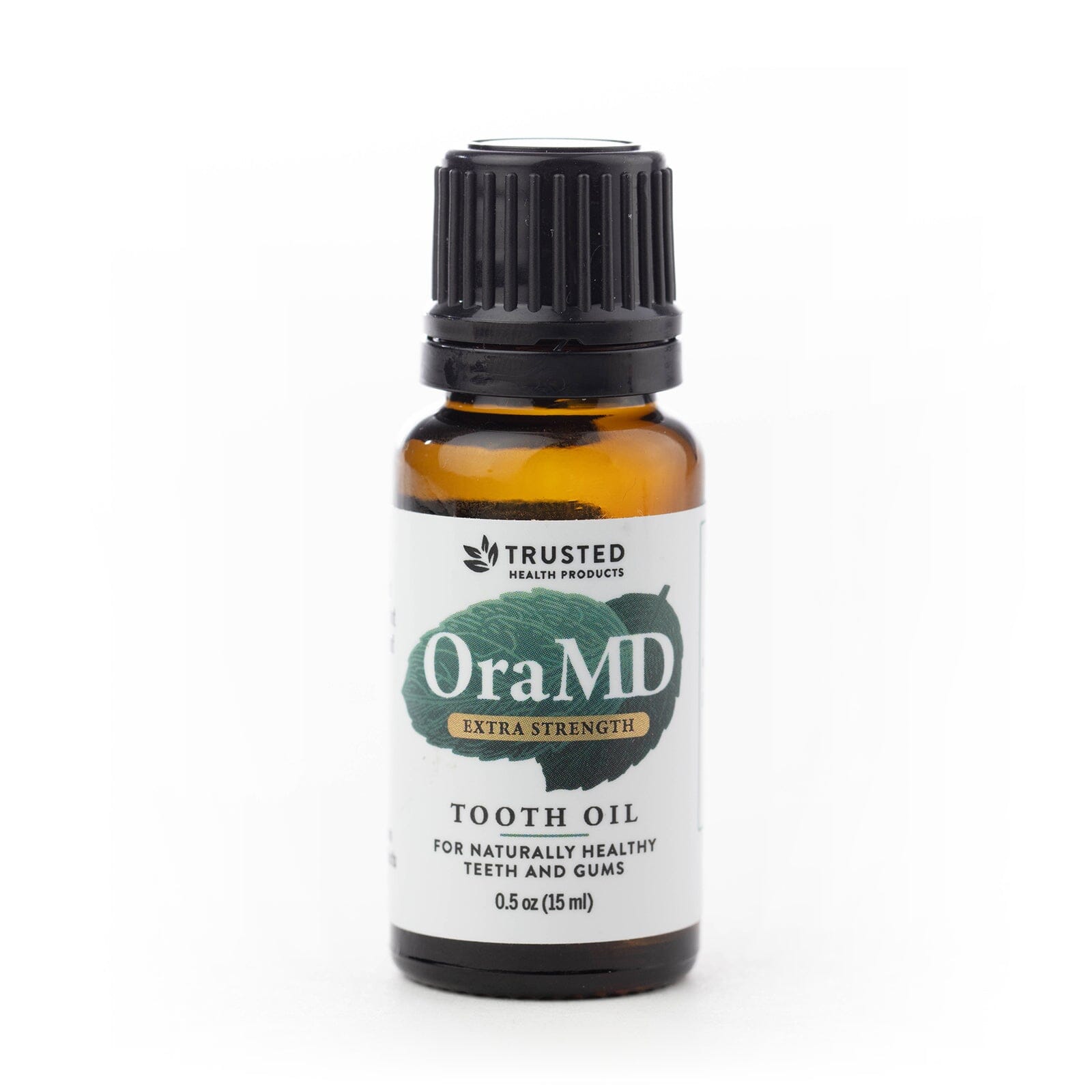
In addition to toothpaste, some people incorporate oil-based oral care products into their daily routine while whitening their teeth.
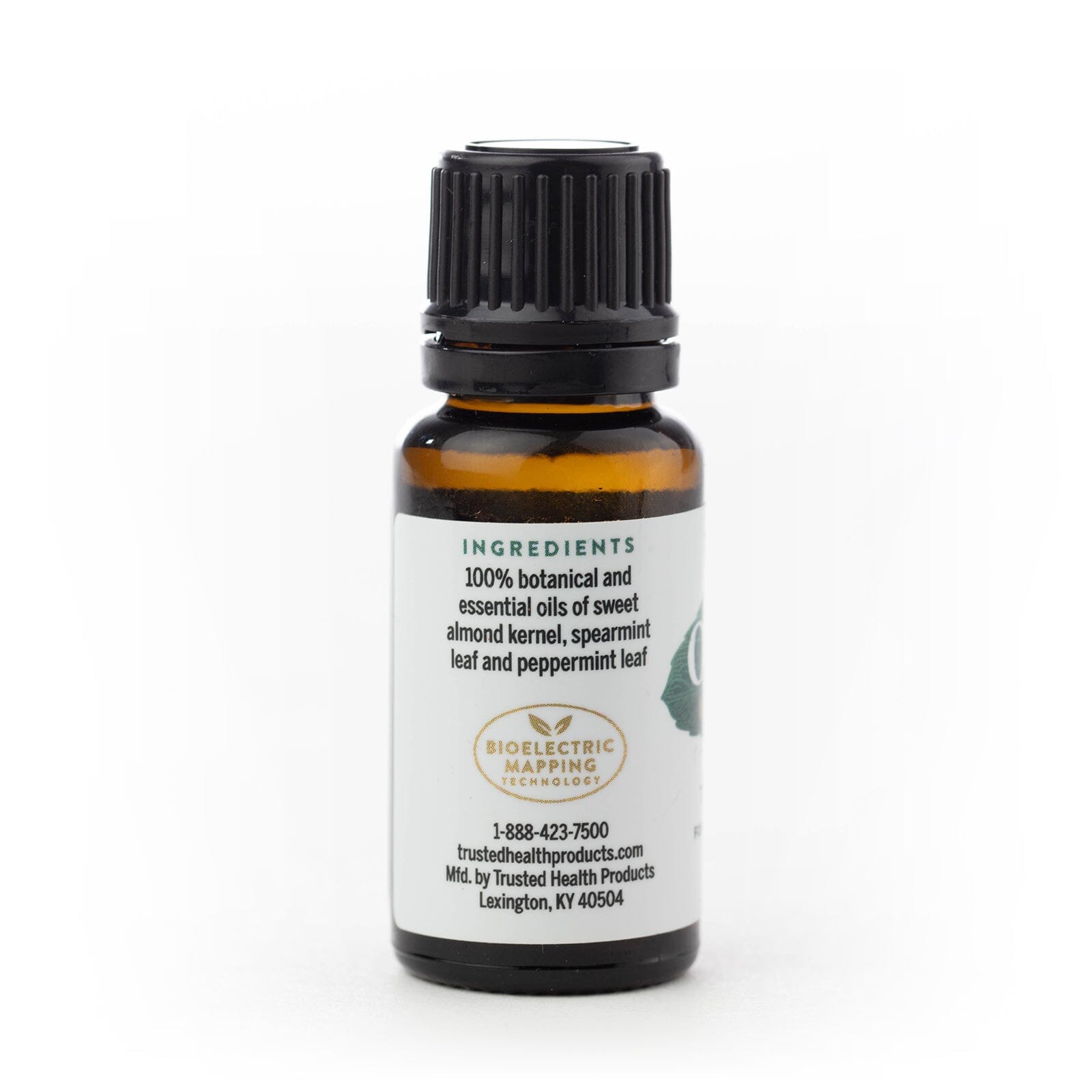
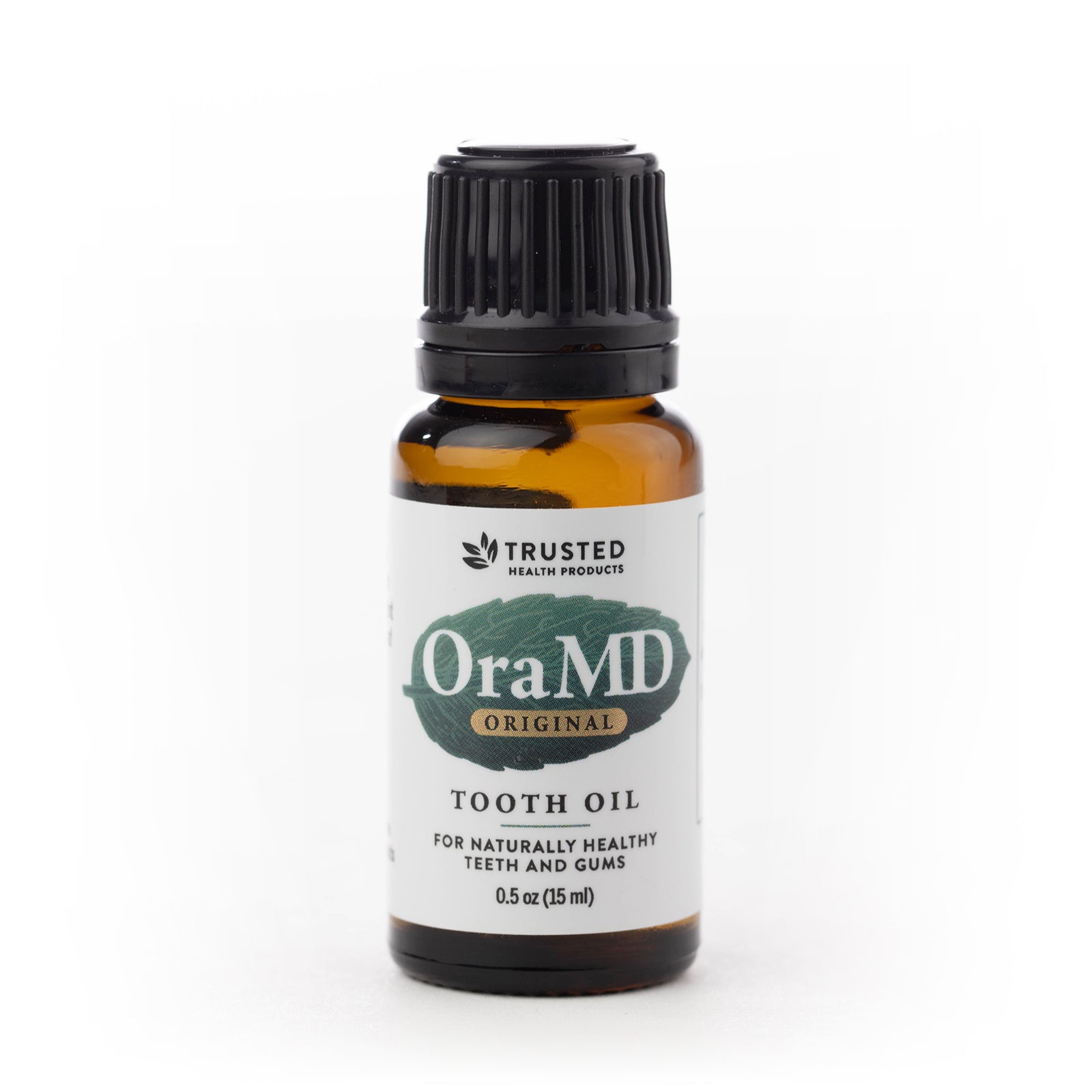
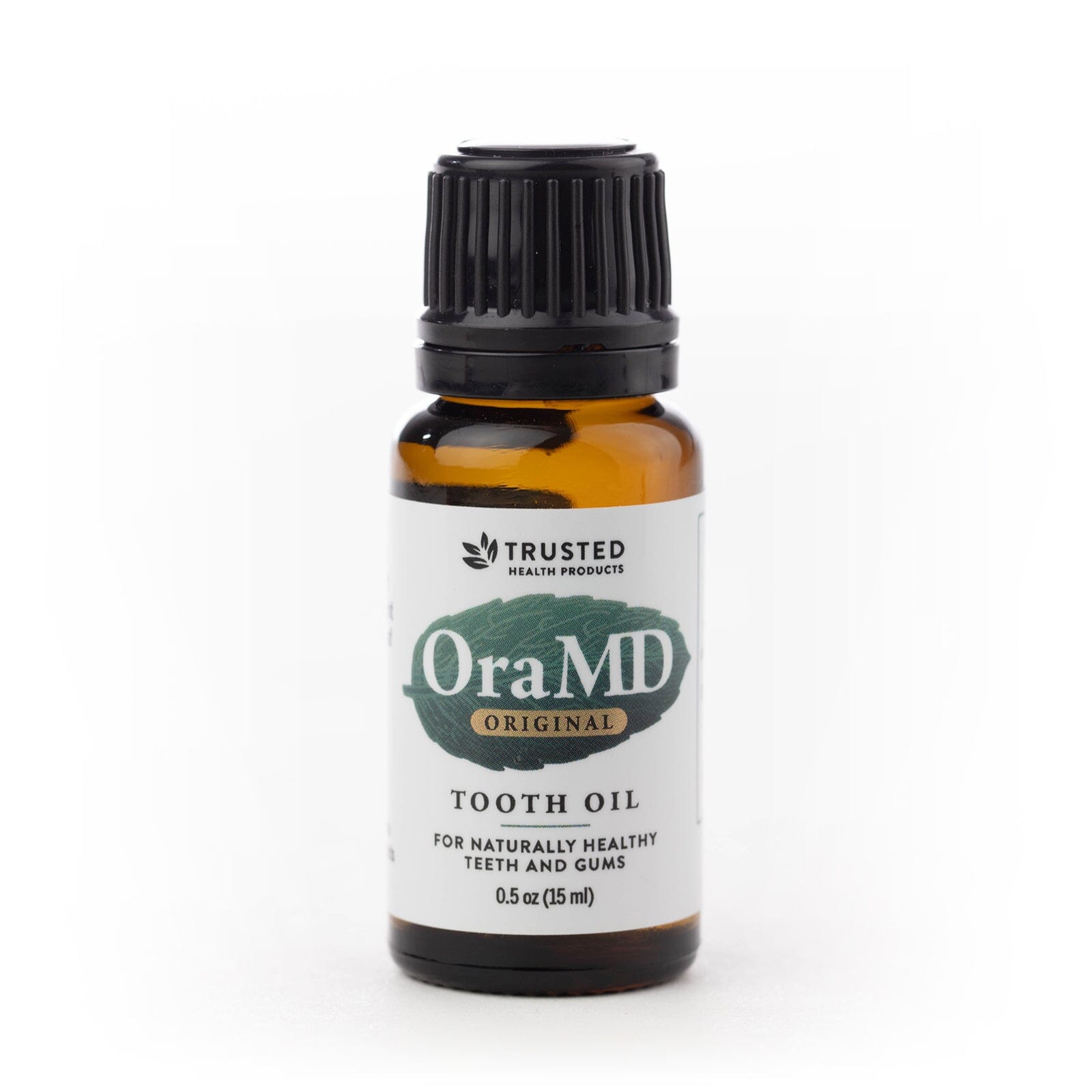
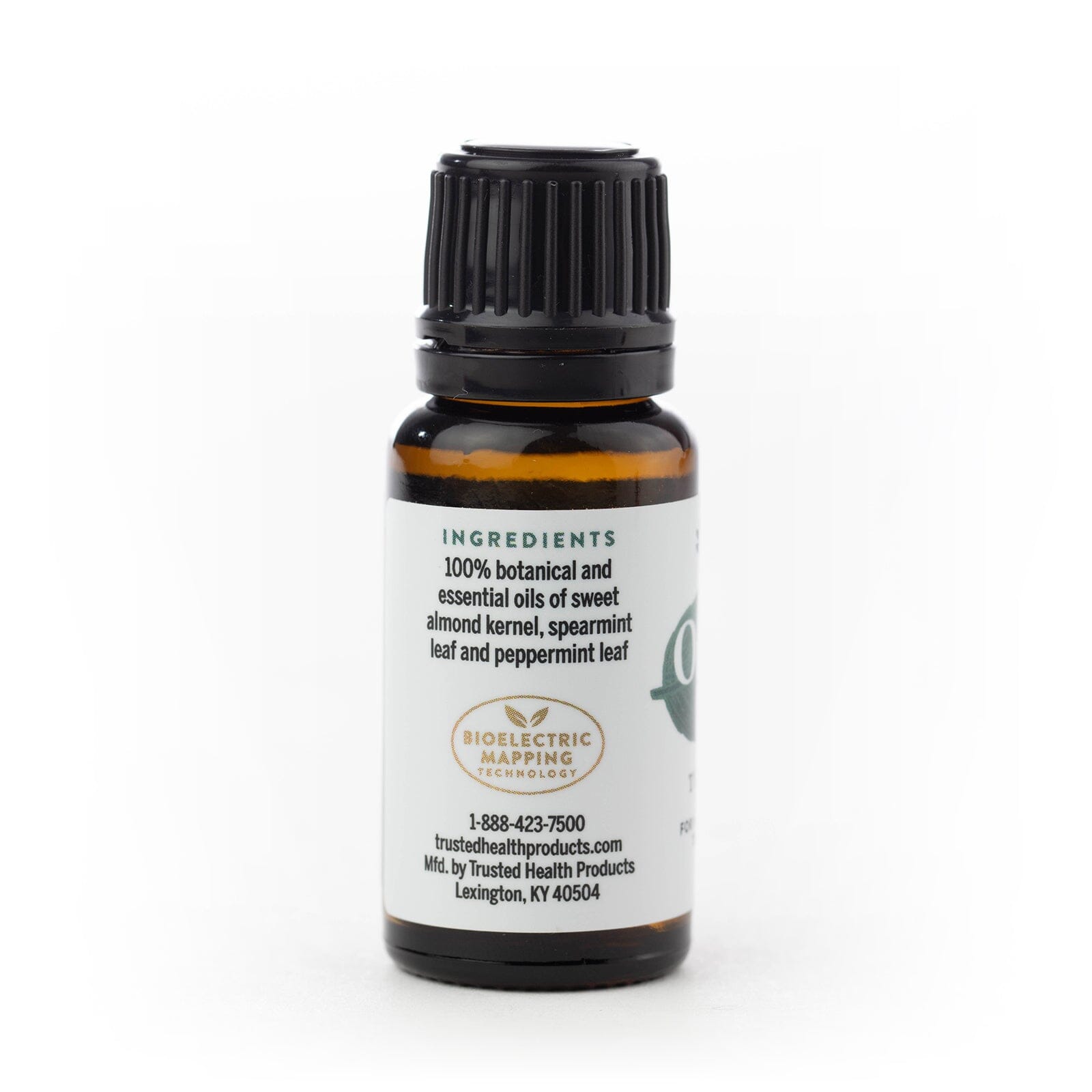
Tooth oil formulas are typically made with botanical oils designed to support oral freshness and gum health.
Unlike some traditional toothpaste formulas, tooth oil does not rely on abrasive cleaning particles.
Benefits of Tooth Oil During Whitening
When used alongside regular brushing and flossing, tooth oil may provide several supportive benefits during whitening treatments.
These benefits may include:
-
Helping maintain moisture in the mouth
-
Supporting gum health
-
Promoting oral freshness
-
Providing a gentle option for sensitive teeth
Because oil-based oral care products are typically non-abrasive, they can be used as a supportive step in an oral care routine that includes toothpaste and whitening products.
Incorporating Tooth Oil into an Oral Care Routine
Tooth oil is often used as part of a broader oral hygiene routine rather than as a replacement for toothpaste.
For example, a typical routine during whitening treatments might include:
-
Brushing with toothpaste twice per day
-
Flossing daily
-
Using supportive oral care products such as tooth oil
-
Following whitening instructions as directed
Combining multiple oral care practices can help maintain healthy teeth while working toward cosmetic goals.
Tips for Whitening Teeth With Sensitive Teeth
People with sensitive teeth can still pursue whitening treatments, but taking extra care during the process can help reduce discomfort.
Several strategies can make whitening treatments more comfortable.
Use Toothpaste Designed for Sensitive Teeth
Toothpaste formulated for sensitive teeth can help protect enamel and reduce irritation during whitening treatments.
These toothpaste formulas often focus on gentle cleaning and enamel support.
Avoid Overusing Whitening Products
Using whitening treatments too frequently may increase tooth sensitivity.
Following recommended treatment schedules helps prevent unnecessary irritation.
Maintain Good Oral Hygiene
Brushing and flossing regularly helps prevent plaque buildup, which can interfere with whitening treatments and contribute to oral discomfort.
Using toothpaste consistently is essential for maintaining oral cleanliness.
Stay Hydrated
Drinking water throughout the day helps wash away bacteria and acids that may contribute to enamel wear.
Hydration also helps maintain a balanced oral environment.
Use a Soft-Bristle Toothbrush
Soft-bristle toothbrushes are gentler on enamel and gums than harder brushes.
Using a soft toothbrush can help prevent additional irritation during whitening treatments.
Choosing the Right Toothpaste for Sensitive Teeth During Whitening
Selecting the right toothpaste during whitening treatments can make a significant difference in comfort.
People with sensitive teeth often prefer toothpaste that prioritizes:
-
Enamel protection
-
Mild abrasives
-
Gentle formulas
-
Support for gum health
Reading toothpaste ingredient labels and choosing formulas designed for sensitive teeth can help support both comfort and oral health.
Final Thoughts on Whitening and Sensitive Teeth
Whitening treatments can improve the appearance of your smile, but they may also increase tooth sensitivity for some individuals.
Maintaining a supportive oral care routine during whitening treatments is essential for protecting enamel and maintaining healthy gums.
Toothpaste plays an important role in this routine by helping remove plaque, protect enamel, and maintain overall oral hygiene. Choosing a gentle toothpaste designed for sensitive teeth can help reduce irritation while keeping teeth clean.
Incorporating supportive oral care practices—such as using mild toothpaste, maintaining hydration, and practicing consistent brushing and flossing—can help make whitening treatments more comfortable.
By combining whitening treatments with a balanced oral care routine, individuals can work toward a brighter smile while protecting their teeth and maintaining long-term oral health.