Does Fluoride Help Sensitive Teeth? Understanding How Fluoride Toothpaste Protects Enamel
March 12, 2026
Author: Ray Spotts
Tags:
Tooth sensitivity is a common dental concern that can make everyday activities uncomfortable. Simple things like drinking cold water, eating sweets, or brushing your teeth may cause sharp pain when sensitive areas of the tooth are exposed.
Because of this discomfort, many people search for toothpaste designed to help manage sensitive teeth. One of the most common ingredients found in toothpaste for enamel protection is fluoride. But does fluoride actually help sensitive teeth?
Fluoride toothpaste has been widely used in oral care for decades because of its ability to strengthen tooth enamel and support overall dental health. While fluoride does not directly block nerve signals that cause sensitivity, it plays an important role in protecting teeth from the conditions that lead to sensitivity.
In this guide, we’ll explore:
-
What causes tooth sensitivity
-
How fluoride works in toothpaste
-
Whether fluoride toothpaste helps sensitive teeth
-
Other ways to reduce tooth sensitivity
-
How to choose the best toothpaste for sensitive teeth
Understanding how fluoride toothpaste works can help you decide whether it should be part of your daily oral hygiene routine.
What Causes Tooth Sensitivity?
Tooth sensitivity typically occurs when the protective outer layer of the tooth becomes weakened or damaged. This layer, known as enamel, protects the inner parts of the tooth from temperature changes, bacteria, and physical wear.
When enamel becomes thinner or gum tissue recedes, the inner layer of the tooth called dentin can become exposed.
The Role of Dentin in Tooth Sensitivity
Dentin is a porous material that sits beneath the enamel. It contains microscopic channels called dentinal tubules that connect directly to nerves inside the tooth.
When dentin becomes exposed, these tubules allow heat, cold, or acidic substances to reach the nerves more easily. This can cause the sudden pain or discomfort people associate with sensitive teeth.
Common triggers for tooth sensitivity include:
-
Cold drinks or foods
-
Hot beverages
-
Sugary foods
-
Acidic foods and drinks
-
Brushing teeth too aggressively
Because dentin is more vulnerable than enamel, protecting the enamel layer is one of the most important ways to reduce tooth sensitivity.
Common Causes of Enamel Damage
Several factors can contribute to enamel wear and the development of sensitive teeth.
Acidic Foods and Drinks
Frequent consumption of acidic beverages such as soda, citrus juices, and sports drinks can gradually erode enamel.
Plaque and Bacteria
Bacteria in dental plaque produce acids that can weaken enamel and contribute to tooth decay.
Aggressive Brushing
Brushing teeth too hard or using a hard-bristle toothbrush can wear down enamel and irritate gum tissue.
Gum Recession
When gums recede, the root surface of the tooth can become exposed. These areas are often more sensitive because they are not protected by thick enamel.
Because enamel plays such an important role in protecting teeth, many toothpaste formulas are designed to strengthen enamel and support its natural defenses.
How Fluoride Toothpaste Works
Fluoride is a naturally occurring mineral that has been widely used in dental care for its ability to strengthen tooth enamel.
When fluoride is delivered through toothpaste during brushing, it interacts with the enamel surface and helps support a process known as remineralization.
What Is Remineralization?
Throughout the day, enamel is constantly exposed to acids from food, beverages, and bacteria in the mouth. These acids can remove minerals from enamel in a process called demineralization.
Remineralization is the natural repair process in which minerals such as calcium and phosphate are redeposited into enamel.
Fluoride toothpaste helps support this process by making it easier for enamel to regain lost minerals and rebuild weakened areas of the tooth surface.
Strengthening Enamel with Fluoride Toothpaste
Regular brushing with fluoride toothpaste can help strengthen enamel over time.
Stronger enamel is more resistant to acid attacks and less likely to wear down. This added protection helps prevent the exposure of dentin, which is one of the primary causes of tooth sensitivity.
Because of these benefits, fluoride toothpaste is commonly recommended as part of daily oral hygiene routines.
Does Fluoride Toothpaste Help Sensitive Teeth?
Fluoride toothpaste can help reduce the risk of tooth sensitivity by protecting enamel and preventing further enamel erosion.
While fluoride does not directly block nerve signals within dentin, it supports the protective enamel layer that shields dentin from external triggers.
Protecting the Enamel Barrier
One of the main reasons fluoride toothpaste helps sensitive teeth is that it strengthens the enamel barrier.
When enamel remains strong and intact, dentin is less likely to become exposed. This helps prevent the temperature changes and acids that trigger sensitivity.
Supporting Long-Term Tooth Protection
Fluoride toothpaste works gradually over time by strengthening enamel and protecting teeth from further damage.
With consistent brushing, fluoride can help maintain stronger tooth surfaces and reduce the likelihood that sensitivity will worsen.
Because of this protective role, fluoride toothpaste is often included in oral care routines focused on enamel health.
Choosing Toothpaste for Sensitive Teeth
People with sensitive teeth may benefit from selecting toothpaste specifically designed to support enamel health and reduce irritation.
When choosing toothpaste, it can be helpful to look for formulas that focus on gentle cleaning while protecting tooth surfaces.
Toothpaste That Supports Enamel
Toothpaste formulated to strengthen enamel can help protect dentin from exposure and reduce sensitivity triggers.
Fluoride toothpaste is commonly used for this purpose because it supports remineralization and enamel protection.
Toothpaste with Mild Abrasives
Some toothpaste formulas contain strong abrasives that may wear down enamel over time.
People with sensitive teeth often prefer toothpaste with milder abrasives, which clean teeth effectively without damaging enamel.
Toothpaste for Sensitive Gums
Healthy gums help protect the roots of teeth and reduce sensitivity.
Toothpaste designed for gum care may include ingredients that help maintain gum health and support the tissues that protect teeth.
Additional Ways to Reduce Tooth Sensitivity
In addition to using fluoride toothpaste, several daily habits can help reduce tooth sensitivity and protect enamel.
Use a Soft-Bristle Toothbrush
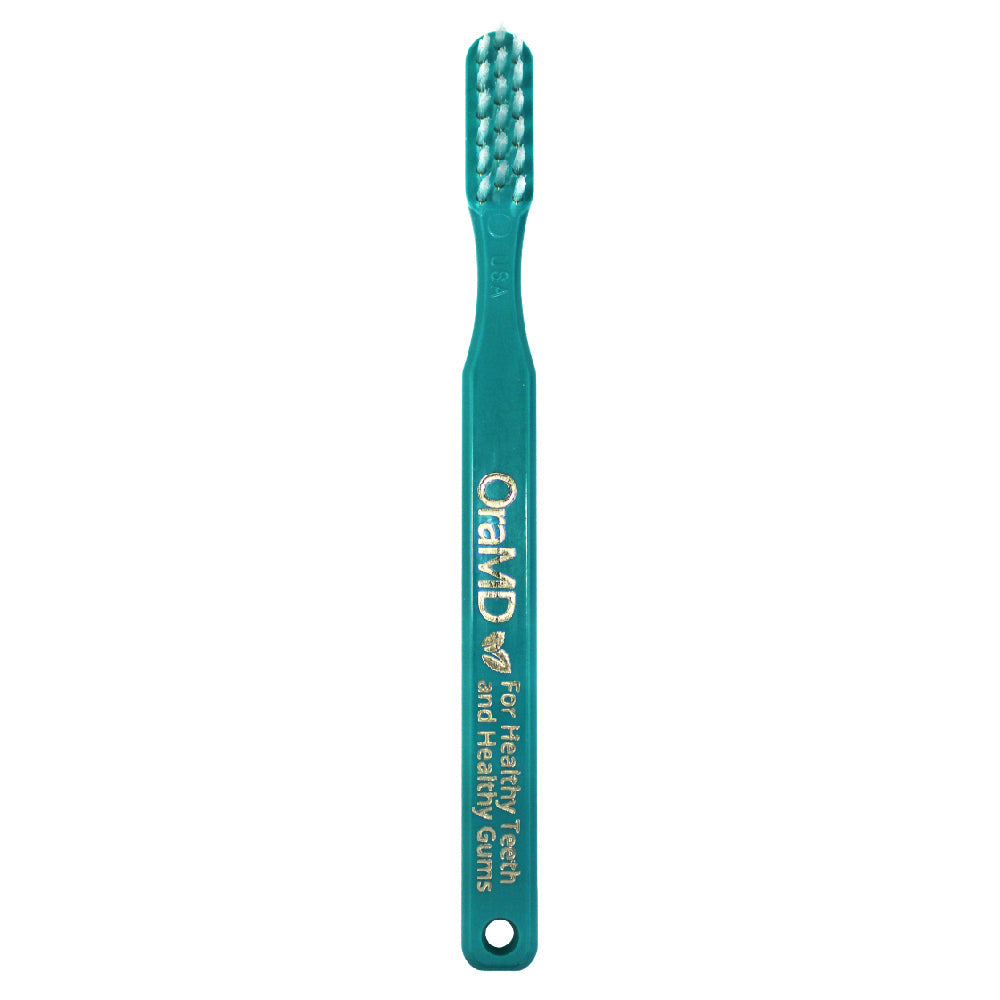
Soft-bristle toothbrushes are gentler on enamel and gum tissue compared with hard-bristle brushes.
Using a soft toothbrush can help reduce irritation and protect sensitive teeth.
Brush Teeth Gently
Brushing aggressively can wear down enamel and cause gum recession.
Using gentle brushing motions helps protect the teeth while still removing plaque effectively.
Limit Acidic Foods and Drinks
Reducing exposure to acidic beverages such as soda and citrus juices can help protect enamel and reduce the risk of sensitivity.
Drinking water after consuming acidic foods may also help rinse away acids.
Maintain Regular Dental Visits
Routine dental visits allow dentists to monitor enamel health and detect early signs of tooth damage.
Professional cleanings also help remove plaque and tartar that may contribute to enamel erosion.
Fluoride Toothpaste and Overall Oral Health
Fluoride toothpaste plays an important role in many oral hygiene routines because of its ability to support enamel strength and protect teeth from decay.
When used consistently, fluoride toothpaste helps maintain the protective outer layer of the tooth and reduce the conditions that lead to sensitivity.
Combined with proper brushing habits, flossing, and regular dental visits, fluoride toothpaste can help support long-term dental health.
Final Thoughts: Fluoride Toothpaste and Sensitive Teeth
Tooth sensitivity can be frustrating, but understanding its causes can help you protect your teeth and reduce discomfort.
Fluoride toothpaste helps strengthen enamel and supports the natural remineralization process that protects teeth from acid damage. While fluoride may not eliminate sensitivity entirely, maintaining strong enamel helps prevent the exposure of dentin that leads to pain.
For many people, using fluoride toothpaste as part of a consistent oral hygiene routine can help support enamel protection and reduce the likelihood of sensitivity over time.
Brushing twice per day with toothpaste, flossing regularly, and maintaining professional dental care remain the most effective steps for protecting teeth and maintaining healthy gums.