Panthenol for Skin: Benefits, How It Works, and What to Look For
April 16, 2026
Author: Admin Editor
Tags:
Panthenol for skin is not a new discovery. Scientists and formulators have used this ingredient for decades. It earns a place in moisturisers, serums, and healing creams across the price spectrum.
Panthenol is the alcohol derivative of pantothenic acid — commonly known as vitamin B5. The body converts it into its active form once it absorbs into the skin. That conversion is what makes panthenol so effective as a topical ingredient.
This article explains what panthenol does at a cellular level, which skin types benefit most, how the two main forms differ, and what concentration to look for on a product label.
What Is Panthenol? A Simple Explanation
Panthenol is a provitamin — a compound the body converts into a vitamin. Applied to the skin, it converts into pantothenic acid (vitamin B5), which the skin uses to repair, regenerate, and retain moisture.
On ingredient labels, panthenol appears under several names:
• Provitamin B5
• Dexpanthenol (the more bioactive D-form)
• DL-panthenol (a synthetic crystalline form)
• D-pantothenyl alcohol
• Butanamide
Panthenol occurs naturally in plant and animal tissues. Most cosmetic-grade panthenol is produced synthetically in controlled laboratory conditions. Both natural and synthetic versions are chemically identical in their effects on skin.
The ingredient is water-soluble, which means it mixes easily with most formulas. It also pairs well with a wide range of active ingredients, making it a formulator's staple.
D-Panthenol vs. DL-Panthenol: Which Form Works Better?
Panthenol comes in two molecular forms. Understanding the difference helps readers choose products more effectively.
|
Form |
Key Characteristics |
|
D-Panthenol (Dexpanthenol) |
Biologically active form. Penetrates the epidermis more effectively. Backed by more clinical research. Appears as a viscous oil in formulas. |
|
DL-Panthenol |
Synthetic racemic mixture. White crystalline powder. Widely used. Still delivers hydration and barrier support, but with less clinical evidence than D-form. |
Peer-reviewed studies, including research published in the Journal of Cosmetic Science (Camargo et al., 2011), confirm that D-panthenol delivers measurable improvements in skin hydration. Both forms appear in safe, effective products — but D-panthenol carries the stronger evidence base.
How Panthenol Works in the Skin
Panthenol acts through three distinct mechanisms. Each one addresses a different aspect of skin health.
1. Humectant Action — Drawing Moisture In
A humectant attracts water molecules from the surrounding environment. Panthenol is a classic humectant. It draws water into the upper layers of the skin and holds it there.
This is different from an occlusive ingredient, which simply seals moisture in. Panthenol actively pulls hydration into the skin — a meaningful distinction for dry or dehydrated skin types.
2. Reducing Transepidermal Water Loss (TEWL)
Transepidermal water loss — or TEWL — refers to water that evaporates through the outer skin layer. High TEWL is a marker of a compromised skin barrier and contributes to dryness, sensitivity, and irritation.
Research shows that panthenol-based formulations reduce TEWL significantly. The National Institutes of Health (NIH) has indexed multiple studies confirming this effect. By reducing TEWL, panthenol helps skin stay hydrated long after the product is applied.
3. Strengthening the Skin Barrier
The skin barrier is the outermost protective layer of the skin. A healthy barrier prevents moisture loss and blocks environmental aggressors — pollutants, bacteria, and allergens.
Panthenol stimulates skin barrier repair by encouraging healthy cell proliferation. Studies on dexpanthenol confirm this barrier-strengthening effect, particularly in people with conditions such as atopic dermatitis.
Key Panthenol Skin Benefits Backed by Research
Deep Hydration Without Greasiness
Panthenol hydrates skin without leaving a heavy or oily residue. This makes it suitable for people who want moisture without clogging pores. At concentrations between 0.5% and 5%, it delivers maximum hydration with minimal risk of irritation.
Calming Inflammation and Skin Sensitivity
Panthenol is a well-established anti-inflammatory ingredient. It soothes redness, calms irritation, and reduces the frequency of flare-ups in sensitive skin. A 2022 review published in peer-reviewed dermatology literature (Cho et al., Use of Dexpanthenol for Atopic Dermatitis) recommends dexpanthenol as a first-line supportive treatment for atopic dermatitis and similar inflammatory skin conditions.
The same anti-inflammatory action benefits people dealing with acne and reactive or post-procedure skin.
Supporting Wound Healing and Scar Recovery
Panthenol accelerates wound healing by stimulating fibroblast proliferation — the cell activity responsible for building new skin tissue. This is why many post-procedure creams and healing ointments list dexpanthenol as a primary ingredient.
For hyperpigmentation and post-inflammatory marks, panthenol supports faster skin renewal, which can reduce the visibility of dark spots over time. This action complements dedicated brightening ingredients rather than replacing them.
Anti-Aging and Skin Elasticity Support
Hydrated skin naturally looks plumper and smoother. By maintaining moisture levels and strengthening the barrier, panthenol helps reduce the appearance of fine lines caused by dehydration. It does not replace retinol or peptides for structural anti-aging, but it makes an effective supporting ingredient in anti-aging formulas.
Gentle Enough for Sensitive and Baby Skin
Panthenol's safety profile is exceptionally strong. Dermatologists recommend it for people with sensitive skin, reactive skin, and even infant skin. Patch testing is always advisable when introducing a new product, but panthenol rarely causes adverse reactions at standard cosmetic concentrations.
|
Earth & Elm Nourishing Face Oil contains botanical actives designed for clean-beauty skin hydration. Explore Earth & Elm Face Oil |
Which Skin Types Benefit Most from Panthenol?
Panthenol works across all skin types, but it is especially valuable for the following:
• Dry and dehydrated skin: Panthenol restores moisture quickly and reduces flaking.
• Sensitive and reactive skin: Its anti-inflammatory action calms redness without irritating skin further.
• Acne-prone skin: It hydrates without clogging pores and reduces inflammation around active breakouts.
• Post-procedure or compromised skin: It accelerates barrier repair after treatments like chemical peels or laser resurfacing.
• Mature skin: It maintains hydration, which directly improves the appearance of fine lines.
People with oily skin can also use panthenol, particularly in lightweight serum formulations, since it does not add heaviness to the skin.
How to Use Panthenol: Concentration, Formats, and Layering
What Concentration to Look For
Effective panthenol products typically sit between 0.5% and 5%. At this range, the skin benefits from measurable hydration and barrier support. Concentrations above 5% are generally used in pharmaceutical wound-healing applications, not everyday skin care.
Product Formats
Panthenol appears across a wide range of product types:
• Moisturisers and creams — ideal for dry or mature skin types
• Serums — best for layering under a moisturiser
• Cleansers — provides a mild protective effect during cleansing
• Toners and essences — lightweight daily delivery
• Healing ointments — high-concentration formulas for post-procedure use
• Body and face oils — when combined with lipid-rich botanicals for deep nourishment
How to Layer Panthenol with Other Ingredients
Panthenol is highly compatible with other skin-care actives. Apply it in the correct order to get the most benefit from each ingredient:
• With hyaluronic acid: Apply hyaluronic acid first for deep hydration, then follow with panthenol to lock moisture in.
• With niacinamide: Both ingredients are anti-inflammatory and pair without conflict. Layer in any order.
•With retinol: Apply retinol first. Use panthenol immediately after to reduce the dryness and sensitivity retinol can cause.
• With ceramides: Ceramides repair the lipid barrier; panthenol restores water content. Together they address both sides of barrier health.
• With vitamin C: Apply vitamin C first on clean skin. Follow with panthenol as part of the moisturising step.
As a general rule, apply lighter water-based products first and follow with heavier or oil-based formulas last.
Panthenol in Clean-Beauty Skin Care
Clean-beauty shoppers often question whether synthetic ingredients belong in their routine. Panthenol is one ingredient that earns a consistent pass in clean-beauty formulation.
The cosmetics industry's COSMOS organic standard — administered by ECOCERT — approves certain forms of panthenol for use in certified organic formulations. COSMOS Standard sets rigorous requirements for ingredient origin, processing, and safety, making it one of the most credible benchmarks for clean-beauty products.
Panthenol has no known endocrine-disrupting properties, no documented link to carcinogenicity, and is not listed on any major restricted-ingredient databases. The Environmental Working Group (EWG) Skin Deep database rates panthenol with a low hazard score.
For brands committed to chemical-free, botanical formulations, panthenol aligns well with transparency goals, provided the overall formula avoids synthetic fillers, parabens, and artificial fragrances.
|
Trusted Health Products formulates without harmful synthetics. Browse the full all-natural skin care range. Shop Natural Skin Care |
Panthenol and Trusted Health Products
Trusted Health Products builds its skin care line around clean, botanically grounded ingredients. The Earth & Elm Nourishing Face Oil and Earth & Elm Nourishing Body Oil reflect the brand's commitment to formulas free from harmful chemicals and synthetic additives.
Both products are designed for daily use on dry skin, sensitive skin, and skin dealing with inflammation or accelerated aging. The face oil works across the areas where panthenol-related benefits matter most: hydration, barrier repair, and a reduction in the appearance of fine lines.
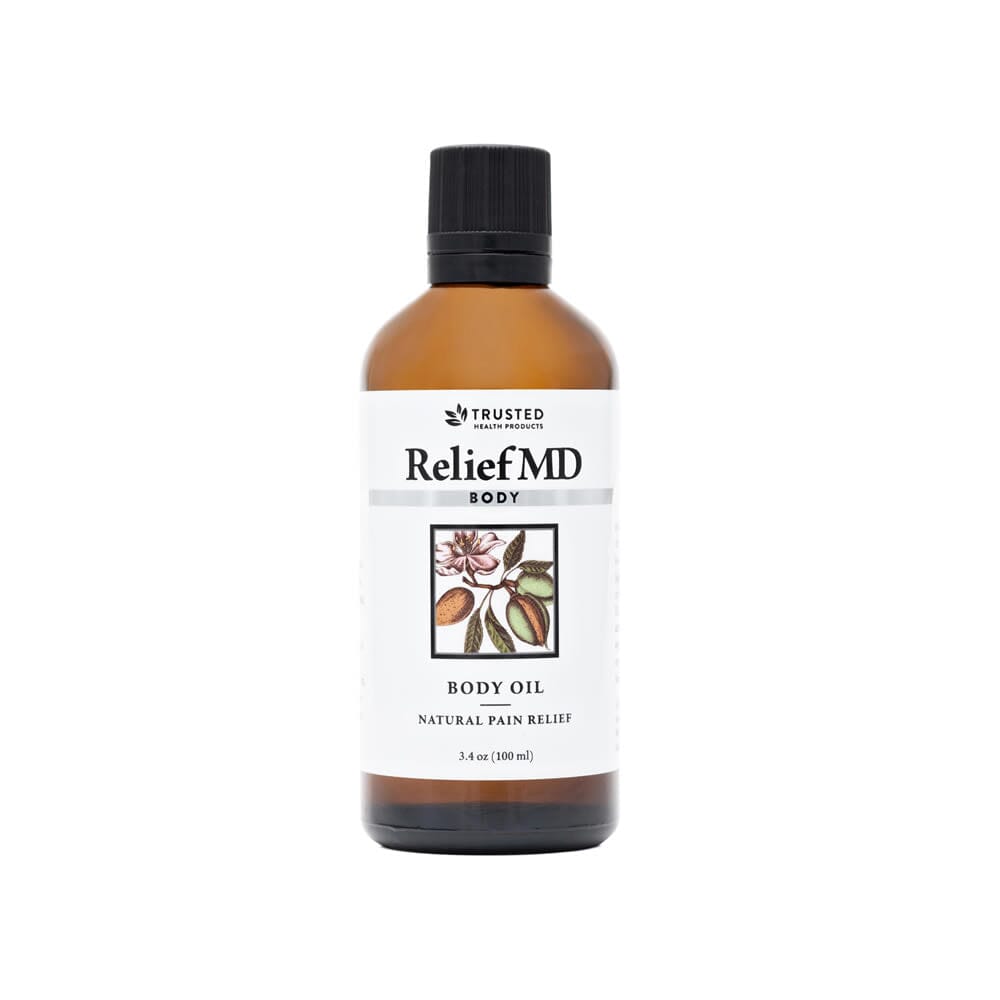
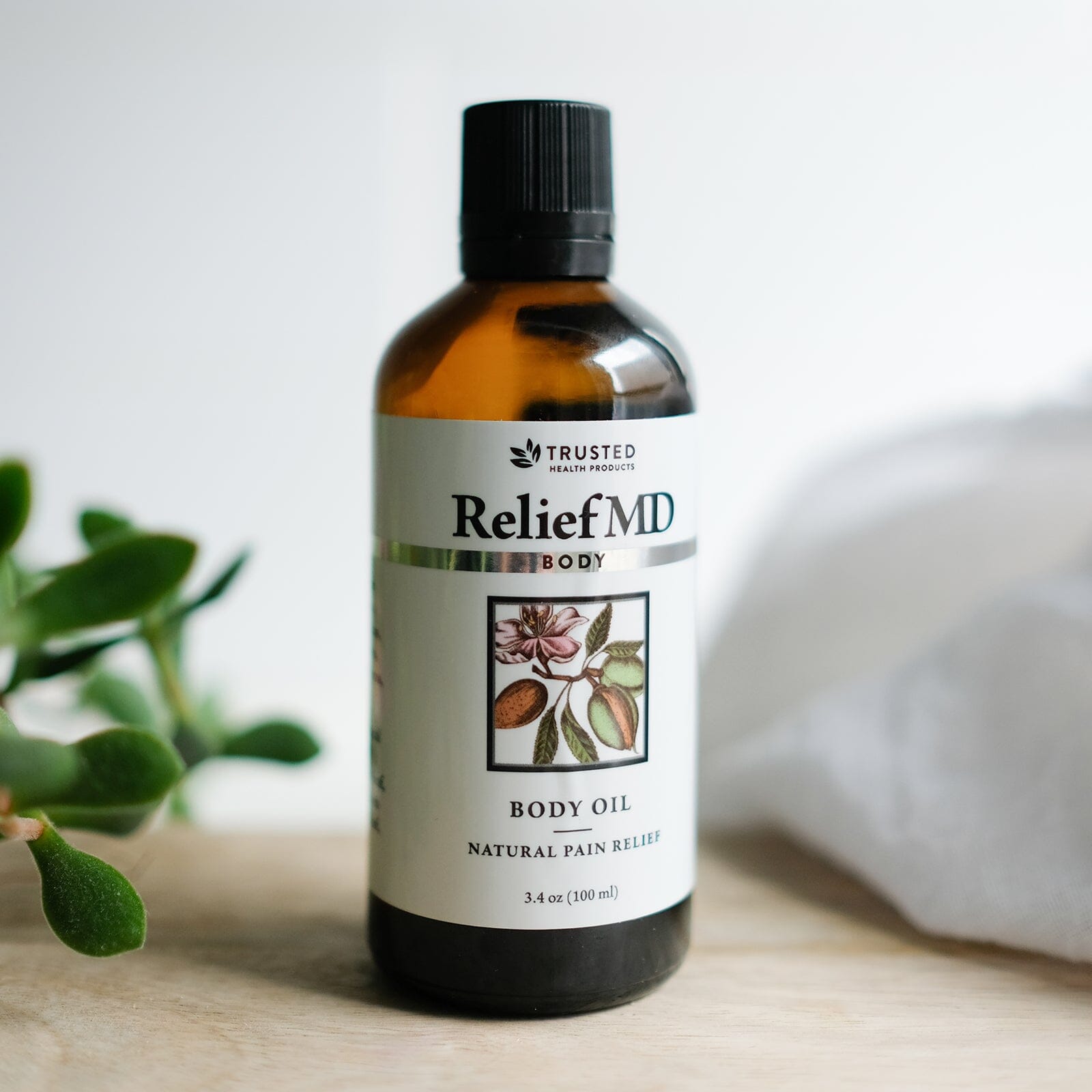
The body oil offers the same botanical approach for full-body nourishment, particularly for areas prone to dryness such as elbows, knees, and heels. Both oils are available individually or as a bundled set, offering a practical entry point for shoppers building a clean-beauty routine.
For readers looking for a broader selection of natural wellness and skin care products, the full product range includes oral care, pain relief, and body care items built on the same ingredient standards.
Conclusion
Panthenol for skin is a rigorously studied, broadly safe, and highly versatile ingredient. Its humectant action draws moisture in. Its barrier-repair function keeps moisture from escaping. Its anti-inflammatory properties calm reactive, acne-prone, and sensitive skin.
Shoppers looking for a panthenol-containing product should check labels for dexpanthenol or D-panthenol, confirm a concentration between 0.5% and 5%, and choose a formula free from artificial fragrances and parabens.
Trusted Health Products offers a skin care range built around exactly that standard — clean, botanically derived ingredients, without synthetic shortcuts.
|
Ready to build a clean-beauty routine? Explore the Earth & Elm skin care range from Trusted Health Products. View Earth & Elm Body Oil |