
How To Treat Gum Boils: Causes, Symptoms and Effective Treatment Options
April 17, 2026
Author: Admin Editor
Tags:
A gum boil signals a bacterial infection somewhere along the gumline. It often starts as a small, tender bump and grows more painful over time. Left untreated, the infection behind a gum boil can spread to the jaw, the bloodstream, or nearby teeth. Understanding the early signs makes it easier to catch a gum boil before it becomes a larger problem.
This guide explains what causes a gum boil, how to tell it apart from a dental abscess, and which treatments actually help. It also covers when a dentist visit becomes necessary and how daily habits lower the risk of future flare-ups.
What Is a Gum Boil?
A gum boil, sometimes called a parulis, forms when pus from an infection pushes up through a small channel and reaches the surface of the gum. According to the health resource Ada, a gum boil is a soft red bump that appears where a channel from a deeper abscess reaches the outside of the gum, often between the gum and the inner cheek. The bump itself is not the infection. It is the visible result of one.
A gum boil can develop near the root of a tooth, within the tissue that supports the tooth, or directly along the gumline. Regardless of location, the underlying cause is bacterial, and the treatment approach stays largely the same.
What Causes a Gum Boil to Form
Several factors allow bacteria to reach the gum tissue and trigger the infection behind a gum boil.
Untreated Tooth Decay
Cavities create small openings in the tooth's protective layers. Bacteria travel through these openings toward the tooth's inner pulp, then spread toward the root and surrounding gum tissue.
Gum Disease
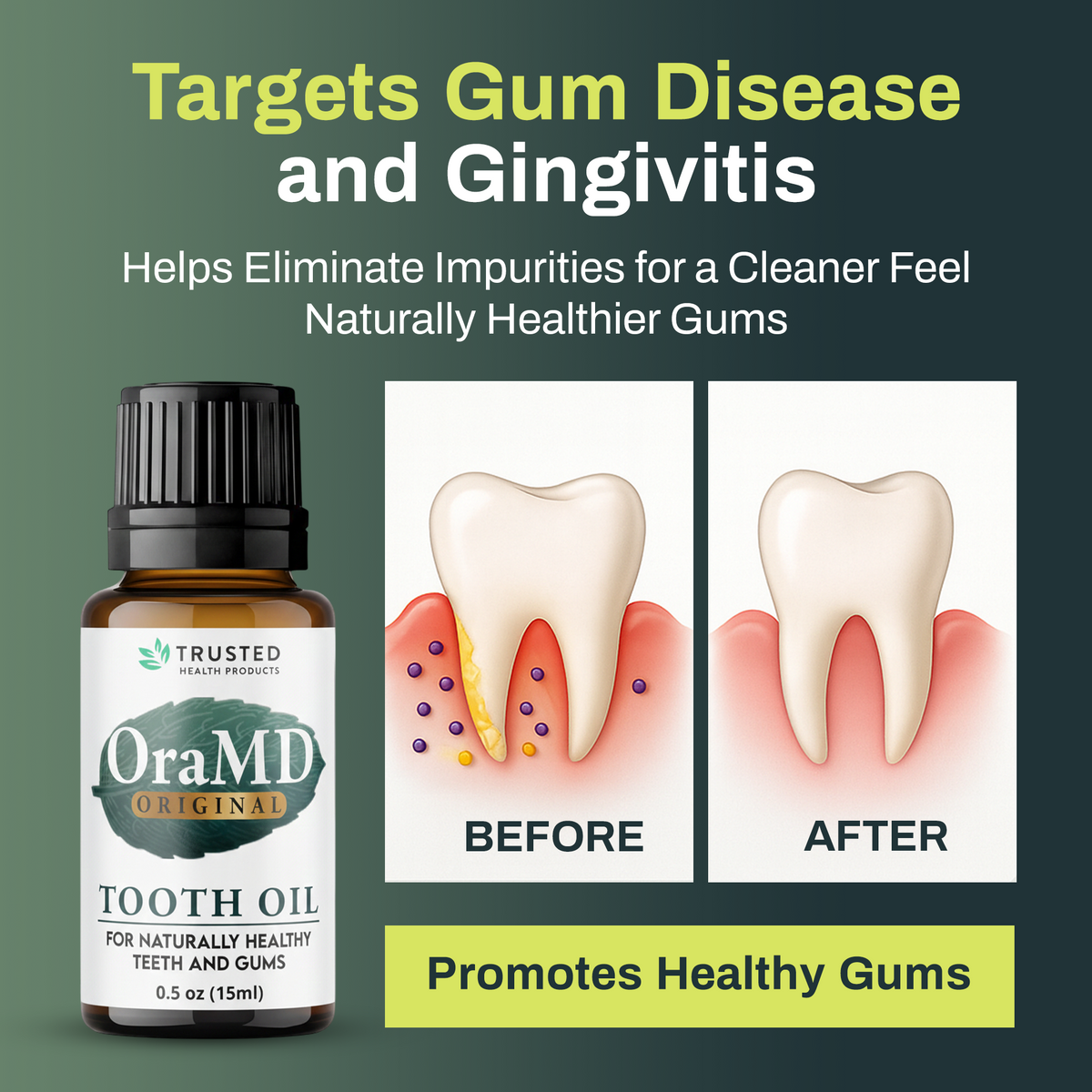
Plaque buildup along and below the gumline irritates gum tissue and creates pockets where bacteria multiply. According to the National Institute of Dental and Craniofacial Research, gum disease often starts with poor brushing and flossing habits that let plaque harden on the teeth, beginning with swollen, red, and bleeding gums. Untreated gum disease raises the risk of a gum boil forming later.
Cracked or Damaged Teeth
A crack, chip, or failing filling gives bacteria a direct path into the tooth. This type of damage can lead to an abscess even in a tooth that otherwise looks healthy.
Poor Oral Hygiene Habits
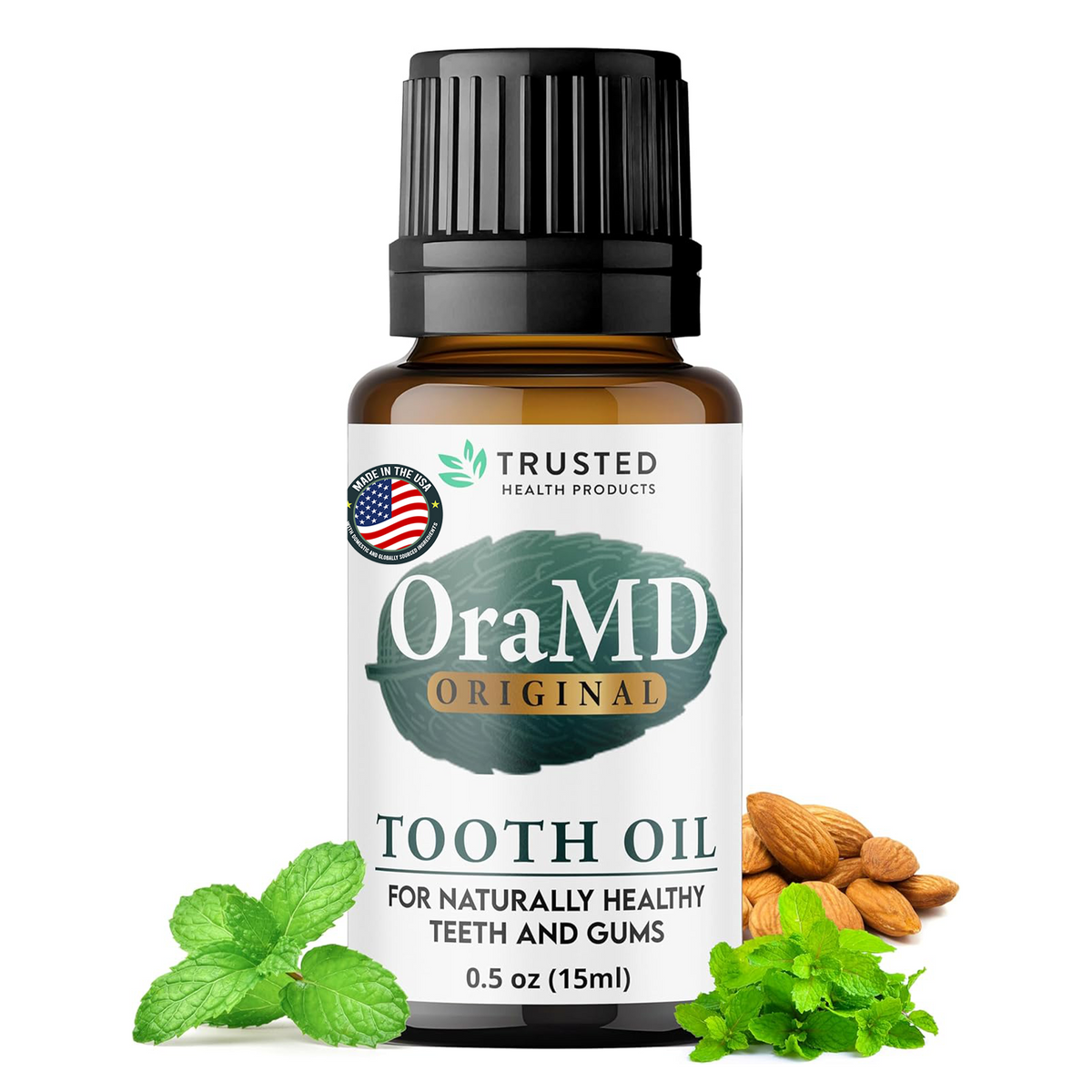
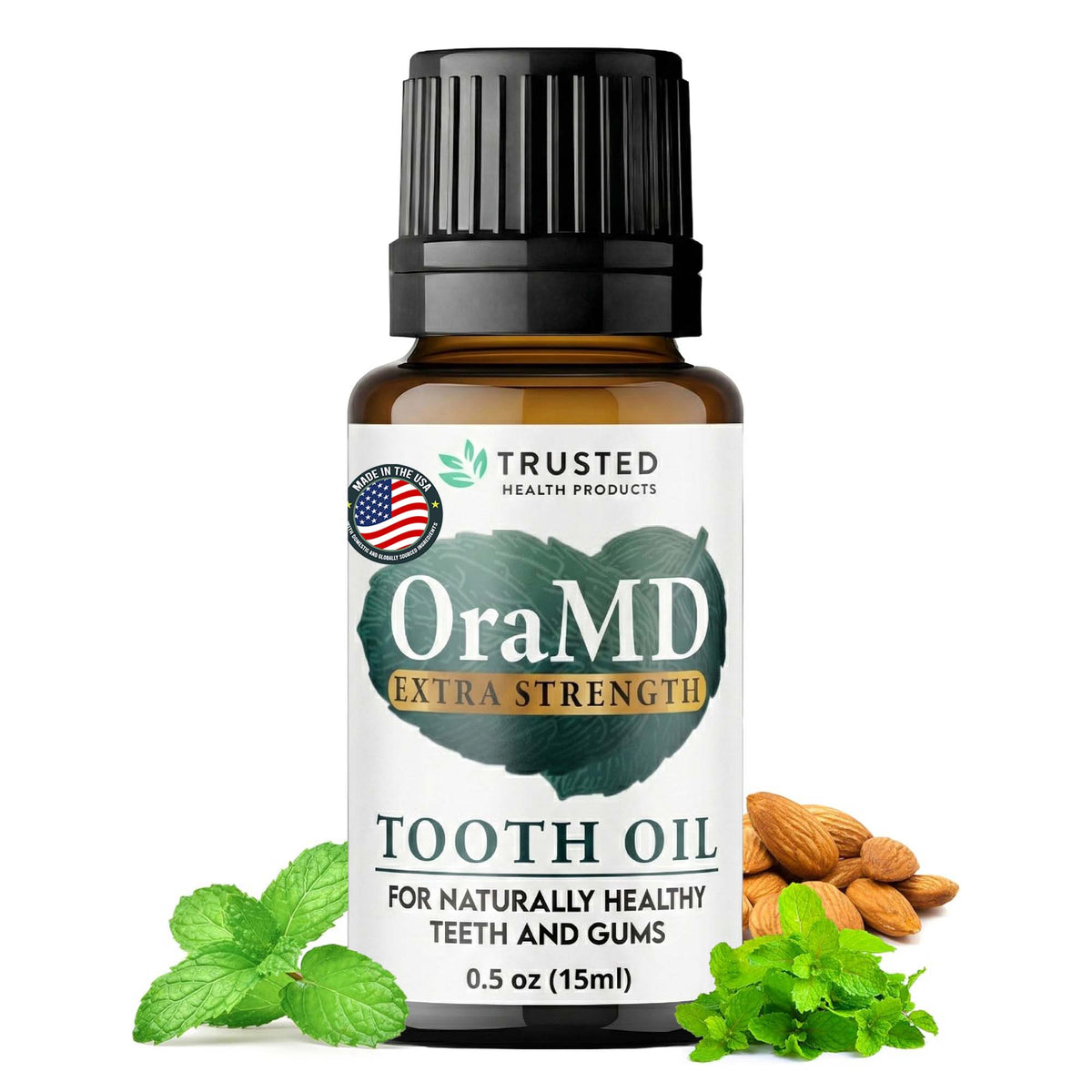
Irregular brushing and flossing allow bacterial buildup to continue unchecked. A consistent hygiene routine, paired with a low-abrasion tooth oil like OraMD Original Strength, supports the daily bacterial control that healthy gums depend on.
Common Signs and Symptoms of a Gum Boil
A gum boil rarely appears without other warning signs. Common symptoms include:
-
A soft, raised bump on the gum, often darker than surrounding tissue
-
Pain or tenderness near the affected area
-
Persistent bad breath that brushing and flossing do not resolve
-
Bleeding gums, especially around the bump
-
Sensitivity to hot or cold foods and drinks
-
Swelling that may extend to the jaw or cheek
-
A fever if the infection spreads
Cleveland Clinic notes that a periodontal abscess typically looks like a boil or pimple on the gums and appears darker and more swollen than the tissue around it. Anyone noticing these signs should monitor the area closely and begin appropriate care.
Gum Boil vs. Abscess: Understanding the Difference
The terms "gum boil" and "abscess" often get used together, but they describe different things. A gum boil is the visible bump. An abscess is the underlying pocket of infection that produces it.
Dental abscesses fall into distinct categories depending on where the infection originates. A periapical abscess forms at the tip of a tooth's root, usually from untreated decay. A periodontal abscess develops within the gum tissue itself, often linked to advanced gum disease. A gingival abscess affects only the gum surface without involving the tooth structure.
Every visible gum boil points to an abscess underneath it. That means at-home care can ease discomfort, but it cannot resolve the infection on its own. Professional treatment addresses the actual source of the problem.
At-Home Care for a Gum Boil
While waiting for a dental appointment, several methods can ease pain and reduce bacterial load. These steps do not replace professional treatment, but they offer meaningful relief in the short term.
Salt-Water Rinse
Dissolving regular table salt in warm water creates a simple antibacterial rinse. Swishing this mixture several times a day helps reduce bacteria and soothe irritated tissue.
Diluted Peroxide Rinse
A peroxide rinse diluted with water can help clean the affected area. It should always be diluted properly, since full-strength peroxide can irritate soft tissue.
Essential Oils
Clove, tea tree, and garlic oils have natural antibacterial properties. Applying a small amount near the affected area, or adding a drop to a rinse, may help manage symptoms. A daily rinse formulated for gum support, such as OraMD Extra Strength, fits naturally into this kind of routine for readers managing sensitive or irritated gums.
Turmeric and Mustard Oil Paste
A paste made from mustard oil, turmeric, and salt is a traditional remedy some people use to ease discomfort. Results vary, and this method works best alongside other care steps rather than as a standalone treatment.
These at-home methods should never replace a dental visit. An infection that goes untreated can spread beyond the mouth and into the bloodstream or bone.
When to See a Dentist for Gum Boil Treatment
Professional care becomes necessary once a gum boil appears, since the infection behind it will not resolve without treatment. The Cleveland Clinic explains that an abscess is a pocket of pus, and treatment often includes surgical drainage to clear the infection.
A dentist typically begins with an exam to locate the source of the infection. Treatment often includes antibiotics to control bacterial spread, along with a procedure to drain the abscess if pus has built up. In more advanced cases, a root canal or tooth extraction may be necessary to fully resolve the infection.
Symptoms that call for urgent dental care include facial swelling, fever, difficulty swallowing, or pain that spreads to the ear or jaw. These signs suggest the infection has moved beyond the original site and requires immediate attention.
Trusted Health Products for Oral Care Support
A consistent oral care routine plays a central role in preventing the bacterial buildup that leads to a gum boil. OraMD Original Strength Tooth Oil offers a natural liquid alternative to traditional toothpaste, formulated to support daily bacterial control along the gumline.
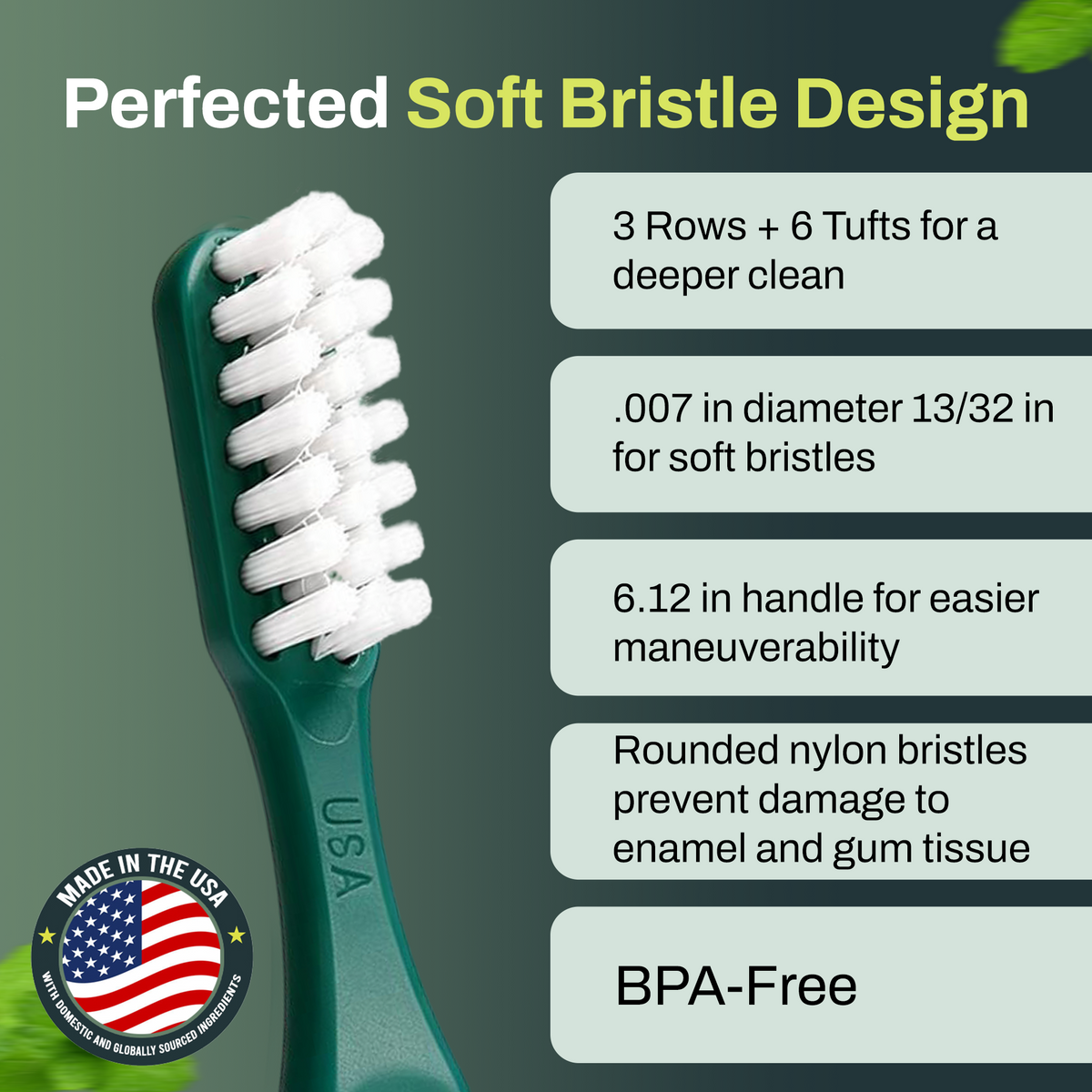
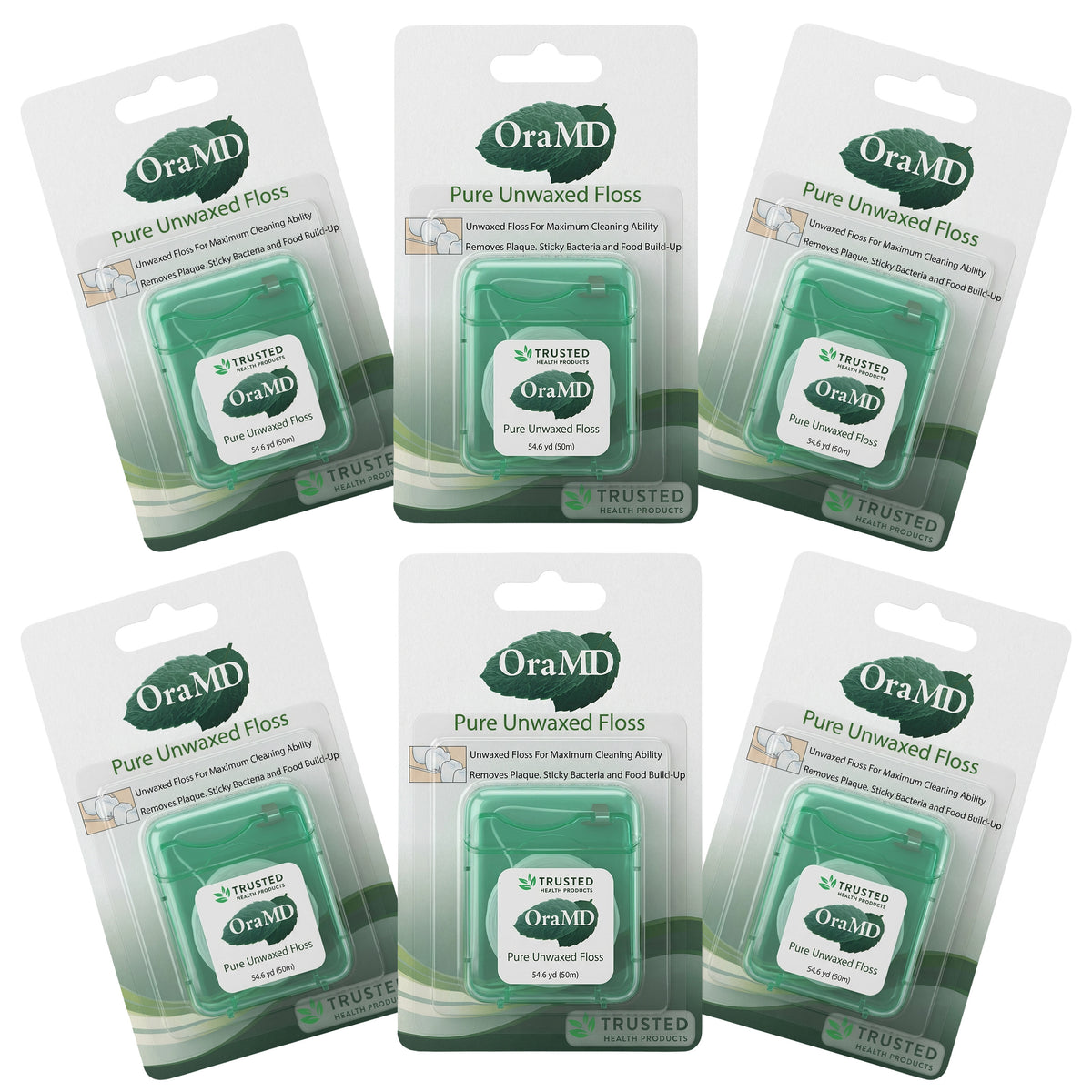
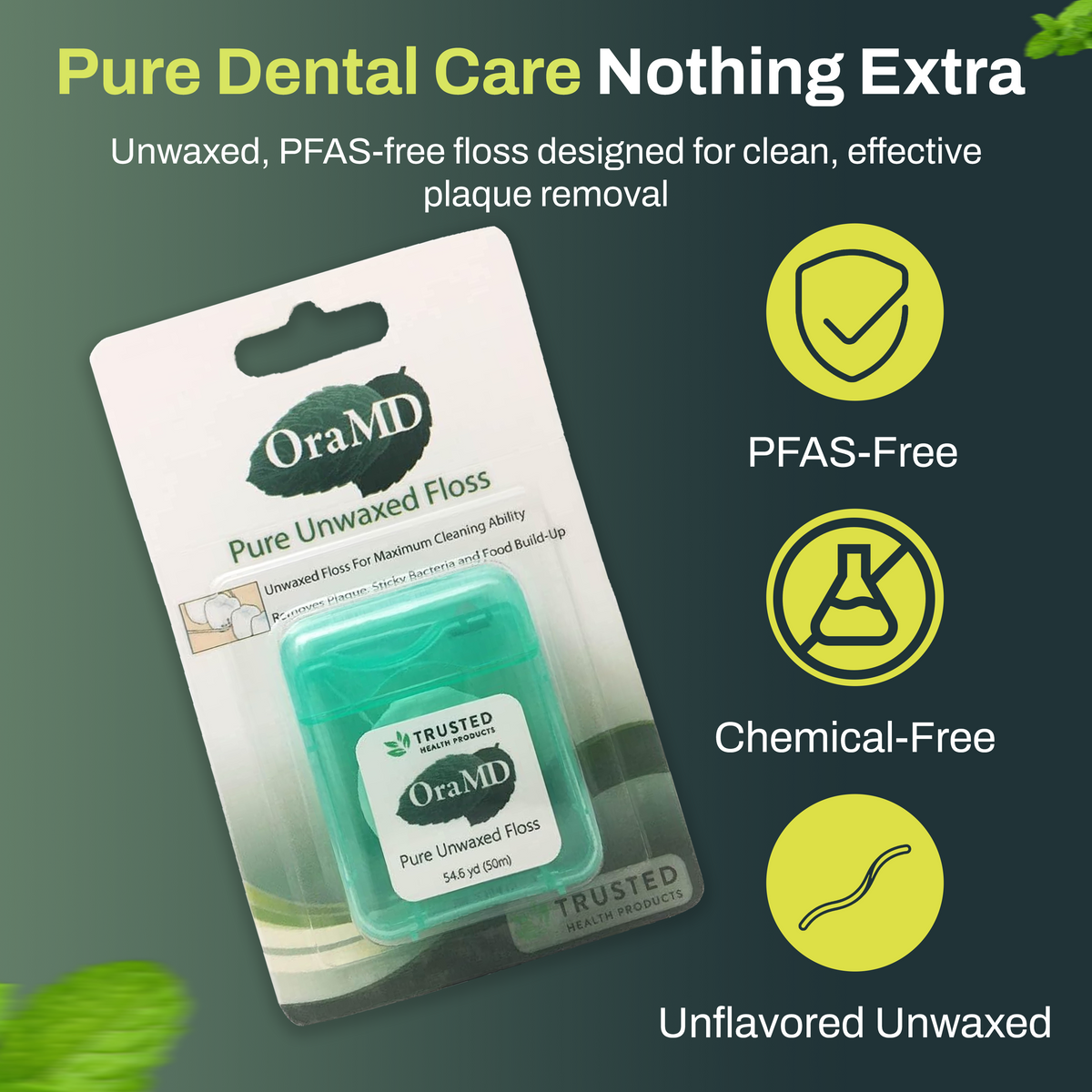
For readers managing sensitive gums or recovering from a recent gum boil, OraMD Extra Strength provides a stronger formula suited to ongoing gum support. Pairing daily brushing with OraMD Pure Unwaxed Dental Floss helps clear plaque from between teeth, an area where bacteria often accumulate unnoticed. A soft-bristle toothbrush designed for sensitive gums rounds out a routine built to protect gum tissue without causing further irritation.
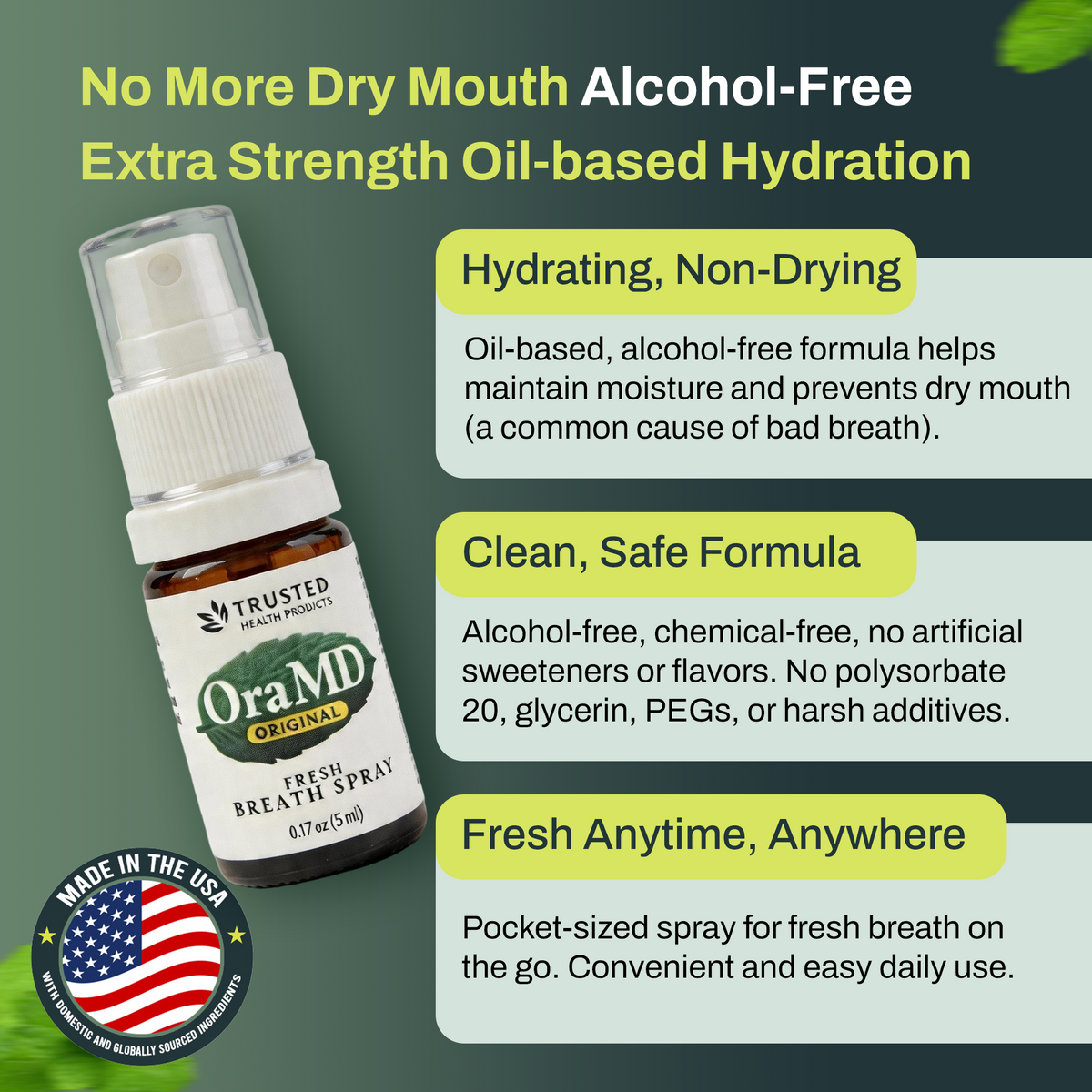
Readers dealing with persistent bad breath alongside gum concerns may also find a natural mouth spray useful for freshening breath between brushings, though it does not replace a full oral hygiene routine.
Preventing Future Gum Boils
Prevention centers on consistent daily habits and regular professional checkups.
Brush twice daily. A gentle, thorough brushing routine removes the plaque that leads to gum irritation and infection.
Floss every day. Flossing reaches areas a toothbrush cannot, clearing debris from between teeth before it hardens into plaque.
Schedule regular dental visits. Routine cleanings catch early gum disease before it progresses to an abscess. The American Dental Association notes that gingivitis, the earliest stage of gum disease, remains reversible with a professional cleaning and consistent daily brushing and flossing.
Address tooth damage promptly. A cracked or chipped tooth should be evaluated quickly, since delays give bacteria more time to reach the pulp.
Avoid tobacco products. Tobacco use significantly raises the risk of gum disease and slows healing after treatment.
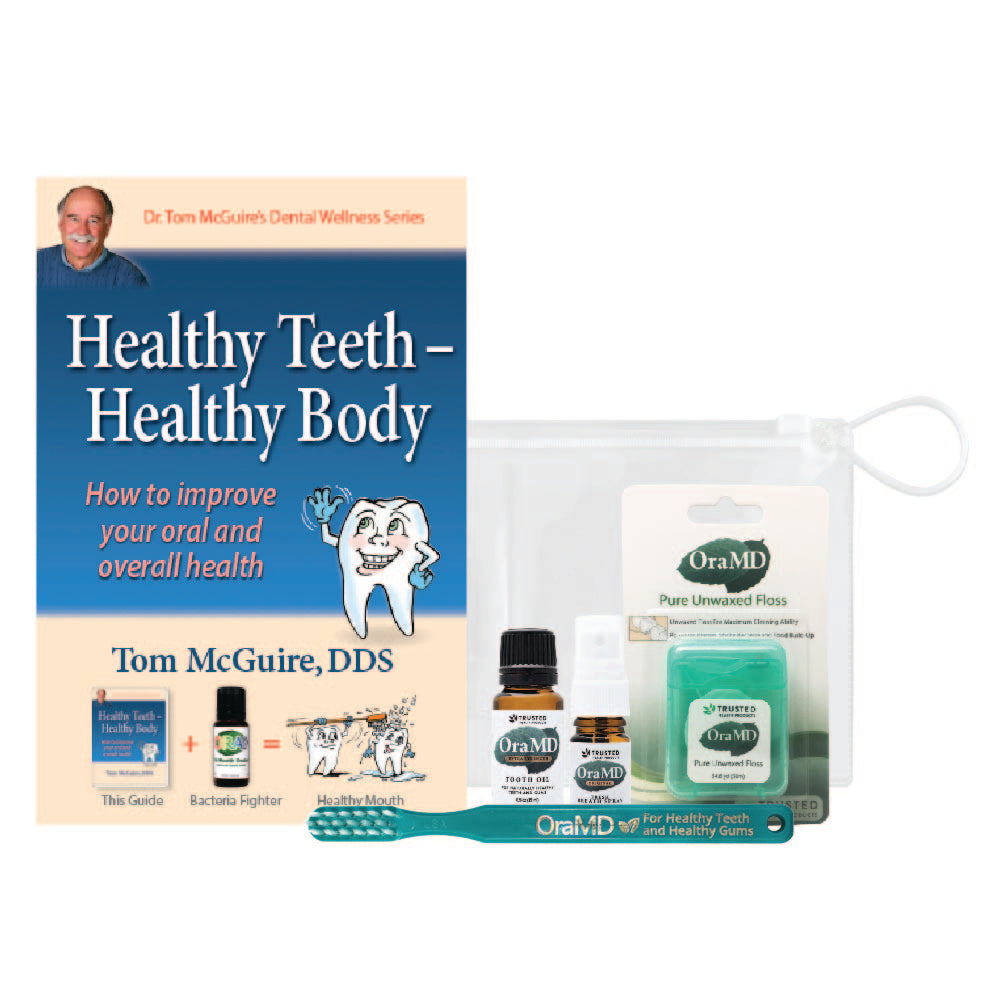
For readers exploring a complete oral care system, the OraMD Oral Care collection brings together tooth oil, floss, and a gentle toothbrush designed to work as a daily routine.
Conclusion
A gum boil is a clear signal that a bacterial infection has taken hold somewhere along the gumline or tooth root. At-home care like salt-water rinses can ease discomfort temporarily, but only a dentist can treat the infection at its source. Readers who notice a gum boil should schedule a dental appointment promptly and consider a supportive oral care routine, including OraMD Original Strength Tooth Oil, to help maintain healthy gums going forward.