Natural Antibiotics for Tooth Infections That Work
April 17, 2026
Author: Admin Editor
Tags:
Tooth pain ranks among the most disruptive forms of physical discomfort a person can experience. When bacteria invade the dental pulp, the result is swelling, throbbing pain, and sometimes radiating headaches that spread across the jaw and skull.
People searching for natural antibiotics for tooth infections often want fast, accessible relief while they wait to see a dentist, or they want to reduce their dependence on pharmaceutical antibiotics for early-stage irritation. This guide covers the most researched plant-based remedies, how to use each one safely, and the warning signs that demand professional care.
A critical note before reading further: Natural remedies ease symptoms and reduce bacterial load. They do not eliminate an established dental abscess. Anyone experiencing fever, significant facial swelling, or difficulty swallowing must seek emergency dental or medical care immediately.
What Causes a Tooth Infection?
A tooth infection begins when bacteria breach the outer layers of a tooth and reach the pulp, the soft inner tissue containing nerves, blood vessels, and connective tissue. This typically starts with a cavity or crack that allows bacteria to penetrate deeper layers of the tooth. Left unchecked, it can spread to surrounding tissues, causing swelling in the gums, jaw, or even the face and neck.
The most common oral pathogens involved include Streptococcus mutans, responsible for tooth decay, and Porphyromonas gingivalis, a key driver of periodontal disease. Both have been studied extensively in relation to botanical antimicrobial compounds.
Common triggers for tooth infections include untreated cavities, cracked teeth, failed dental work, and gum disease. Dry mouth, a high-sugar diet, and irregular brushing also increase susceptibility. Visiting a dentist regularly for check-ups and professional cleanings, and using an antiseptic mouth rinse, adds an extra layer of protection against decay.
How Natural Antibiotics for Tooth Infections Work
The term "natural antibiotic" refers to plant compounds with documented antimicrobial, anti-inflammatory, or analgesic properties. Unlike prescription antibiotics, these compounds do not eliminate deep-seated infections. They reduce surface bacterial load, calm inflammation, and provide temporary pain relief.
Researchers have identified several mechanisms: some phenolic compounds disrupt bacterial cell membranes; others inhibit enzyme systems that bacteria need to survive; and some reduce prostaglandin production, which lowers inflammation at the site of infection. Understanding these mechanisms helps explain why certain botanicals work better at the surface level and why they complement, but cannot replace, professional treatment.
Clove Oil: The Most Studied Oral Antimicrobial
Clove oil holds a longer history in dentistry than almost any other botanical. Eugenol, the principal chemical constituent of clove oil, has been used to address dental problems for a long time. It is an integral part of the dentist's kit due to its analgesic, local anesthetic, anti-inflammatory, and antibacterial effects.
The science supports this traditional use clearly. Research published on PubMed found that clove oil and eugenol could be employed as natural antibacterial agents against cariogenic and periodontopathogenic bacteria, the exact strains most commonly involved in tooth infections.
How to Use Clove for a Tooth Infection
Two application methods produce the best results. For clove bud paste: grind dried buds into a fine powder, mix with a small amount of coconut oil to form a paste, and apply directly to the infected tooth and surrounding gum tissue. Leave for two to three minutes, then rinse with warm water.
For clove oil: dilute two drops in one teaspoon of a carrier oil such as coconut or olive oil. Apply with a clean cotton ball and hold against the affected area for several minutes. Never apply undiluted clove oil directly to the gums, as concentrated eugenol can irritate soft tissue with prolonged contact.
Gargling with two drops of clove oil diluted in a glass of warm water twice daily targets the wider oral environment and helps reduce overall bacterial load.
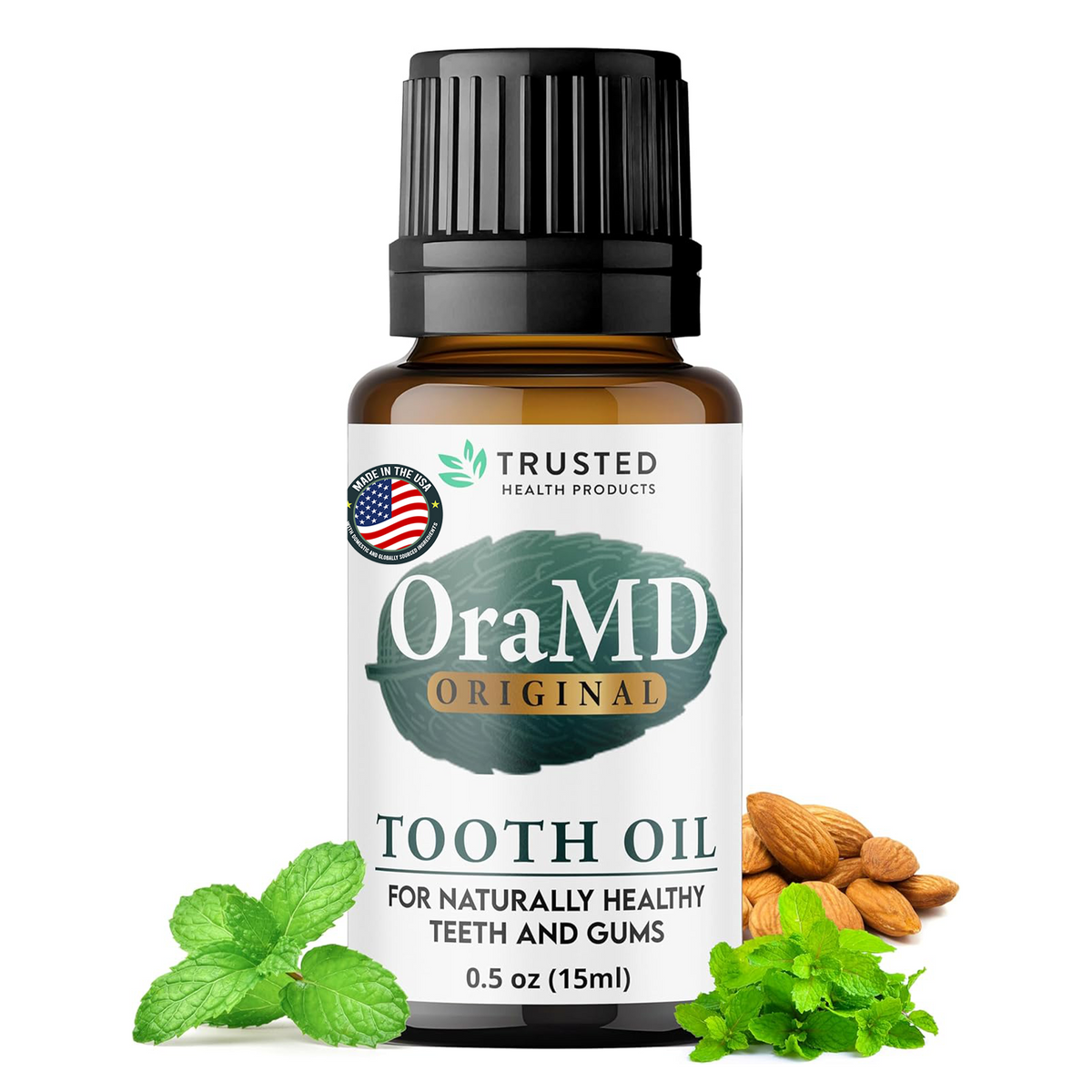
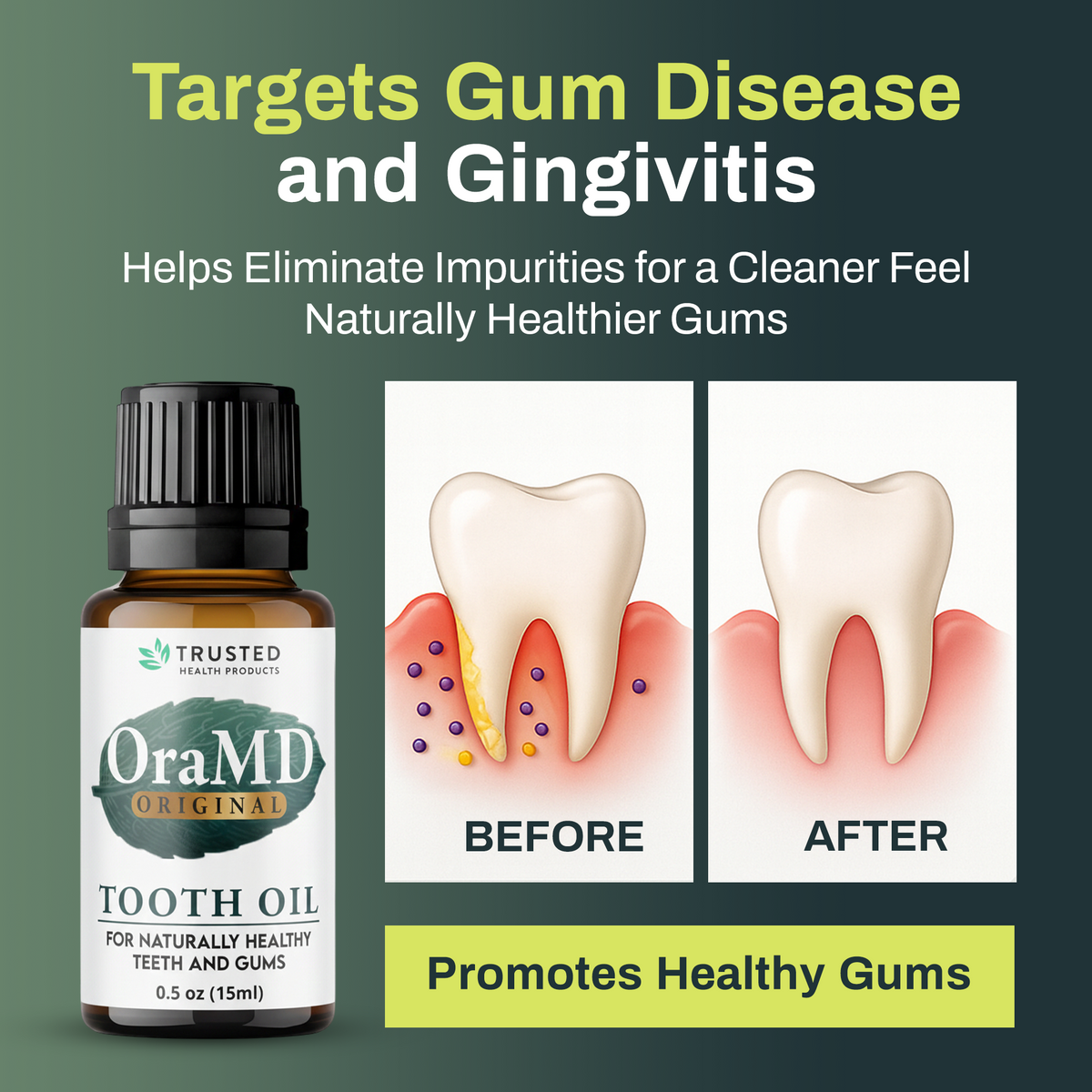
Trusted Health Products stocks OraMD Original Strength Tooth Oil for readers seeking a formulated liquid tooth oil built around pure plant-based ingredients for daily oral care.
Turmeric: Anti-Inflammatory Relief for Swollen Gums
Turmeric's active compound, curcumin, produces a dual action that makes it particularly useful for infected teeth. Curcumin has demonstrated significant efficacy in inhibiting the growth of bacterial strains commonly associated with oral infections. Research has shown that curcumin can help reduce inflammation and promote tissue healing, making it useful for individuals suffering from gum infections, abscesses, and post-extraction complications.
The yellow pigment also acts as a natural analgesic. Applied directly to inflamed gum tissue, it reduces both swelling and the pain that accompanies it.
How to Use Turmeric for a Tooth Infection
Mix one tablespoon of turmeric powder with two tablespoons of water to create a thick paste. Apply the paste to the infected area using a cotton ball or clean fingertip. Allow it to sit for three to five minutes before rinsing thoroughly with warm water. Repeat two to three times daily for sustained relief.
Turmeric mixed with warm water also works as a rinse. The solution reaches areas that paste cannot, including the back of the mouth and around the base of the gum line.
Note: turmeric stains fabric and can temporarily discolour tooth surfaces. Rinsing thoroughly after each application limits this effect.
Garlic: Allicin and Broad-Spectrum Antibacterial Action
Garlic contains allicin, a powerful organosulfur compound released when garlic cloves are crushed or chewed. Allicin demonstrates broad-spectrum antimicrobial activity against the bacteria commonly responsible for tooth infections, including Streptococcus mutans and Porphyromonas gingivalis.
When used for a tooth infection, garlic can be applied directly to the affected area or consumed orally to enhance immune function. Crushing a fresh clove and allowing it to sit for a few minutes maximises allicin formation. The paste can then be applied to the infected tooth for a few minutes before rinsing.
Mixing crushed garlic with a small amount of olive oil reduces the likelihood of soft tissue irritation. Prolonged direct contact with raw garlic can cause a burning sensation in the oral mucosa, so application time should stay under five minutes.
Garlic supplements provide an alternative for those who cannot tolerate the taste or odour. Follow the manufacturer's dosage instructions and avoid exceeding recommended amounts, as very high intake has been associated with adverse effects.
Hydrogen Peroxide: Oxygenating the Infection Site
Hydrogen peroxide works differently from plant-based compounds. It kills anaerobic bacteria, the oxygen-sensitive strains that thrive in the low-oxygen environment of an infected tooth socket, by releasing free oxygen radicals directly at the site of infection.
A 3% hydrogen peroxide solution, diluted with an equal part of water, provides a safe concentration for oral use. Apply a small amount to a cotton ball and hold it against the infected area for one to two minutes, then rinse thoroughly with plain water. Alternatively, use the diluted solution as a gentle swishing rinse. Never swallow hydrogen peroxide. Never use concentrations above 3% without professional guidance.
This approach works well as a supporting measure alongside other plant-based remedies rather than as a standalone treatment.
Saltwater Rinse: The Simplest Home Remedy for Tooth Infections
A warm saltwater rinse is one of the most accessible home remedies for infected teeth. Salt creates an osmotic environment that draws fluid out of swollen tissue, and the saline solution raises the pH in the mouth, making it less hospitable to acid-producing bacteria.
Dissolve half a teaspoon of plain salt in a cup of warm water. Swish the solution gently around the mouth for thirty seconds, concentrating on the affected side. Spit and repeat two to three times. This rinse works well after applying any of the plant-based remedies above, as it clears debris and supports healing at the tissue surface.
Saltwater alone will not address an established infection, but as part of a consistent home care routine, it meaningfully reduces inflammation and bacterial activity in the short term.
Oregano Oil: A Potent Supporting Antimicrobial
Oil of oregano contains carvacrol and thymol, two phenolic compounds with documented antibacterial properties. These compounds act on bacterial cell membranes in a manner similar to eugenol, disrupting structural integrity and limiting bacterial replication.
Add two drops of oregano oil to a small glass of water. Use as a mouth rinse twice daily, concentrating on the affected area. Oregano oil has a strong, spicy character that some people find intense, diluting it adequately before use prevents irritation.
Combining oregano oil with a colloidal silver rinse, as outlined in the original Trusted Health Products article on this topic, produces a broader-spectrum antimicrobial rinse that targets both the local infection site and the wider oral microbiome.
Comparing Natural Remedies: What to Choose and When
|
Remedy |
Primary Action |
Best For |
Application |
|
Clove oil |
Analgesic + antibacterial |
Acute pain + bacteria |
Topical, 2–3x daily |
|
Turmeric |
Anti-inflammatory + antibacterial |
Swelling + tissue healing |
Paste or rinse, 2–3x daily |
|
Garlic |
Broad-spectrum antibacterial |
Early-stage infection |
Topical, 2x daily |
|
Hydrogen peroxide |
Oxygenating antiseptic |
Anaerobic bacteria |
Rinse, 1–2x daily |
|
Saltwater |
Osmotic anti-inflammatory |
Swelling + pH balance |
Rinse, 3–4x daily |
|
Oregano oil |
Phenolic antibacterial |
Supporting bacterial control |
Rinse, 2x daily |
No single remedy addresses every aspect of a tooth infection. Rotating between two or three options — or combining a topical application with an antimicrobial rinse — covers more bacterial strains and provides more consistent relief.
The Role of Daily Oral Care in Preventing Tooth Infections
Natural remedies address active symptoms, but consistent daily oral hygiene prevents infections from developing in the first place. Brushing twice daily with a fluoride-free tooth oil removes plaque mechanically without introducing synthetic detergents or abrasives that can disrupt the oral microbiome.
Flossing daily removes the interproximal debris that toothbrushes cannot reach, the same debris that feeds the bacteria most associated with cavities and periodontal disease.
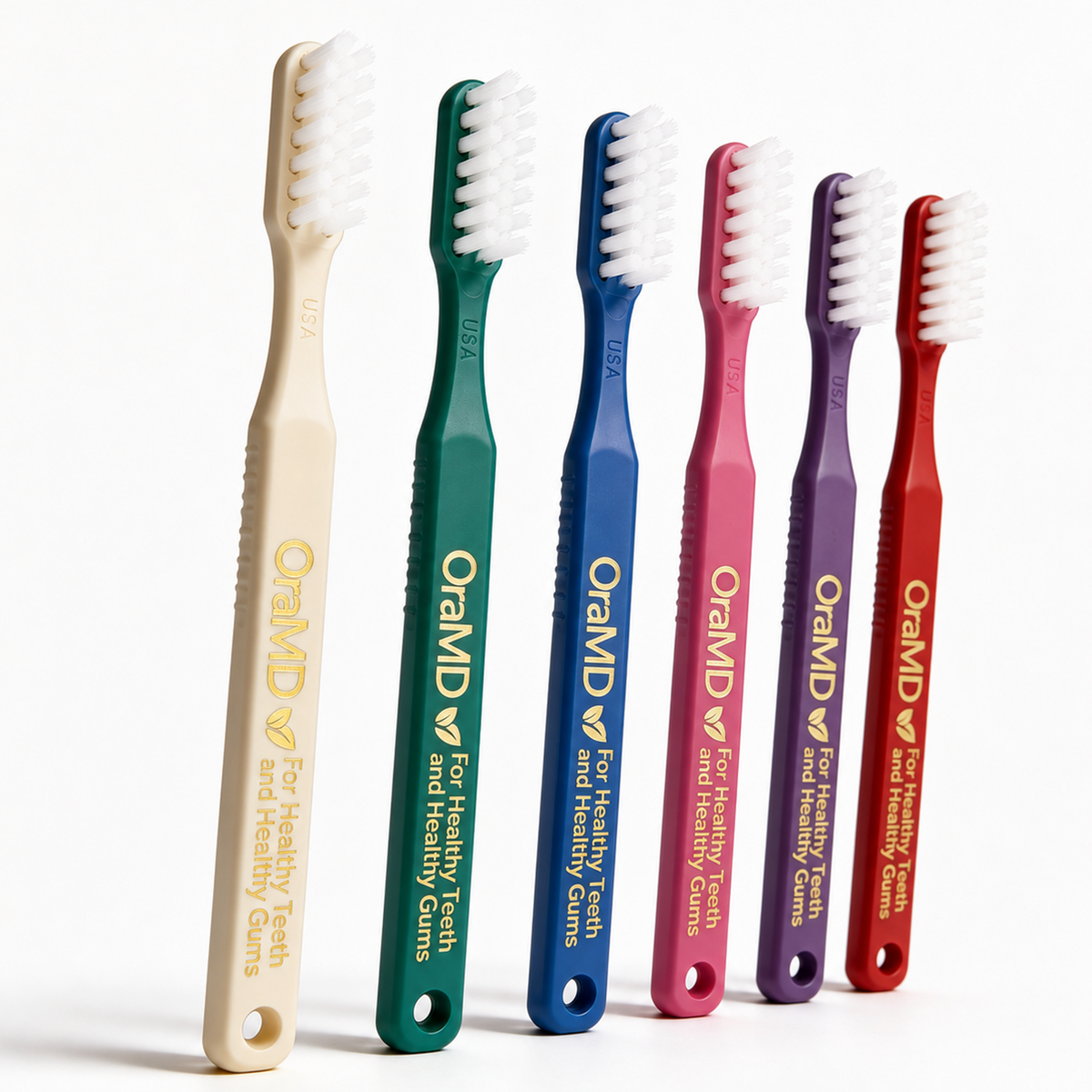
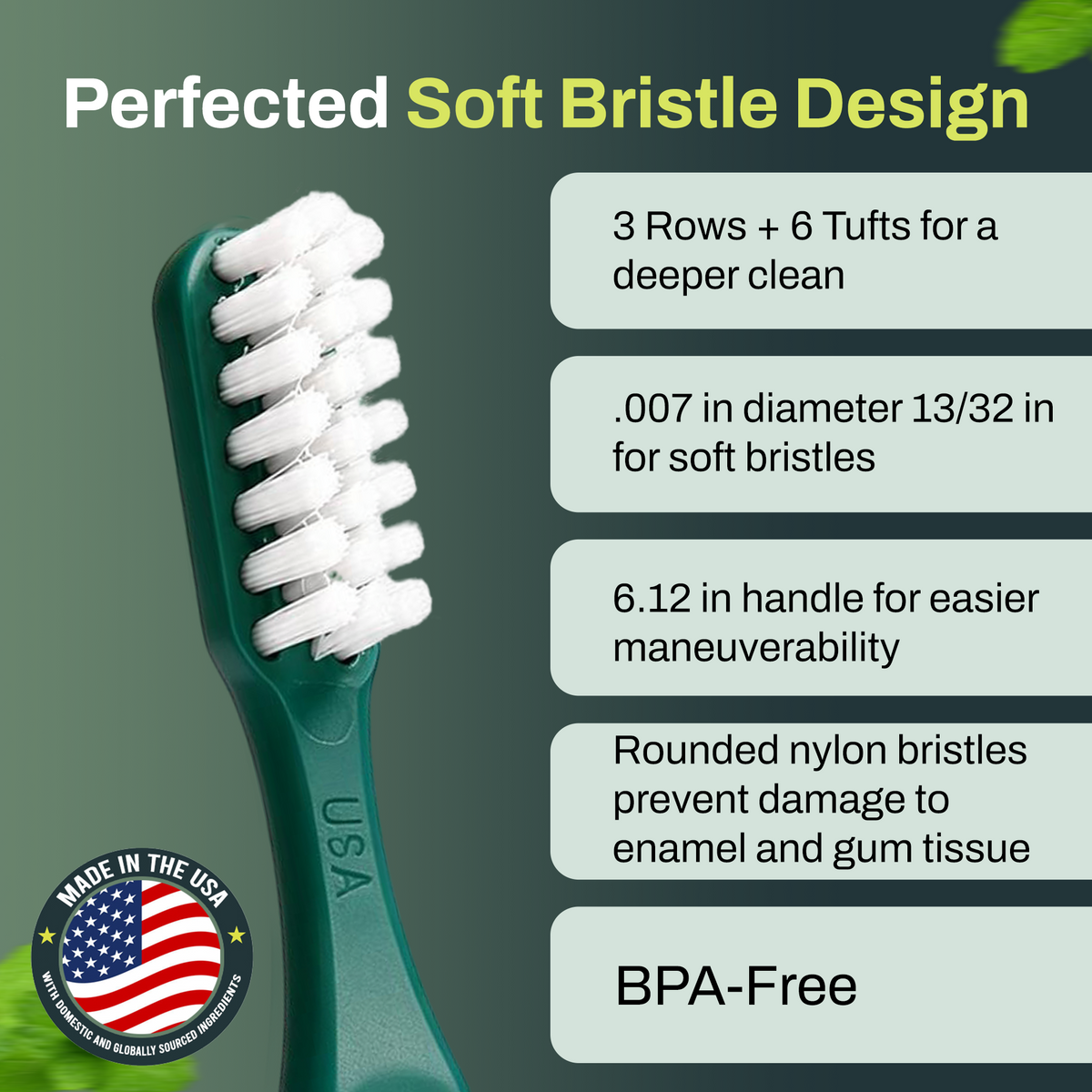
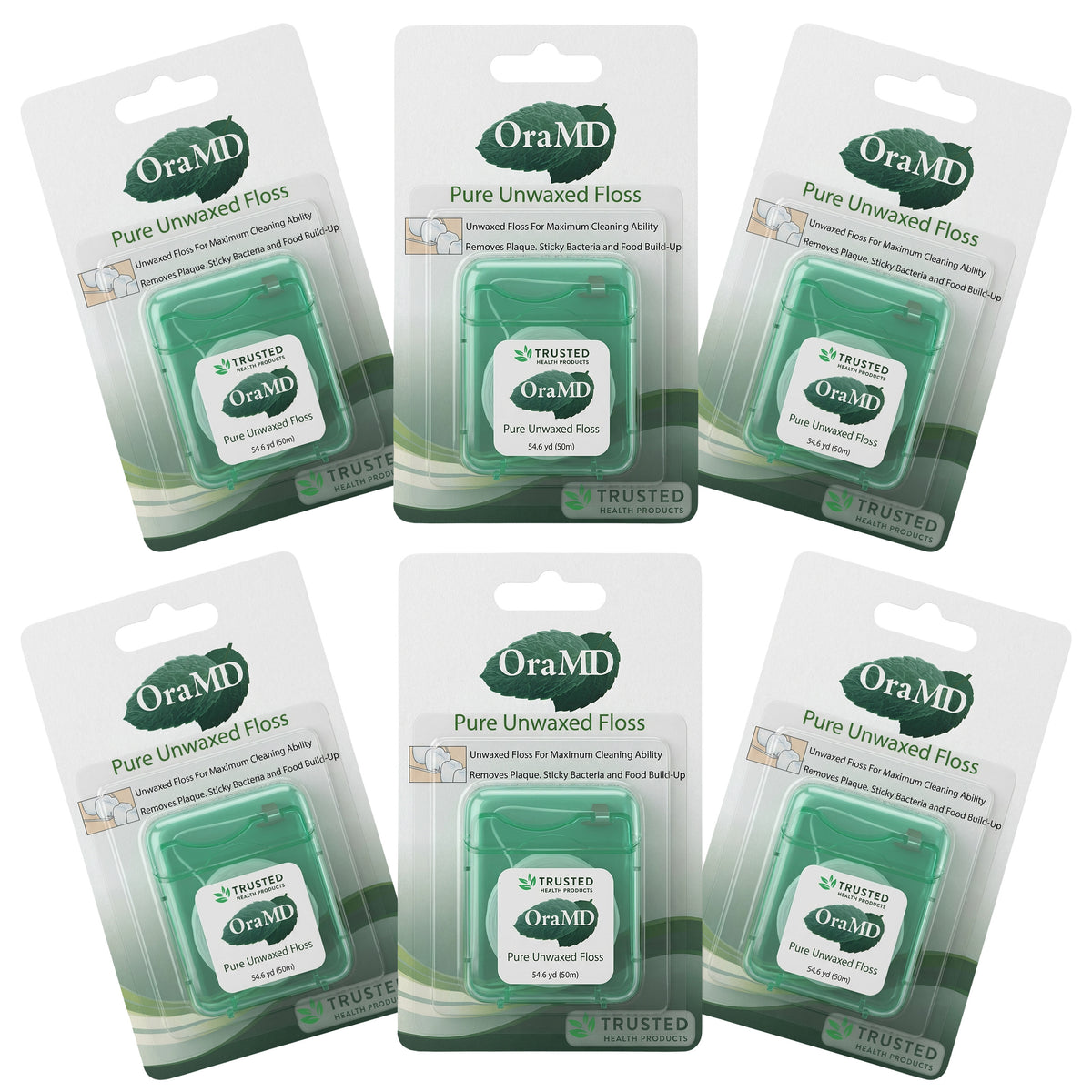
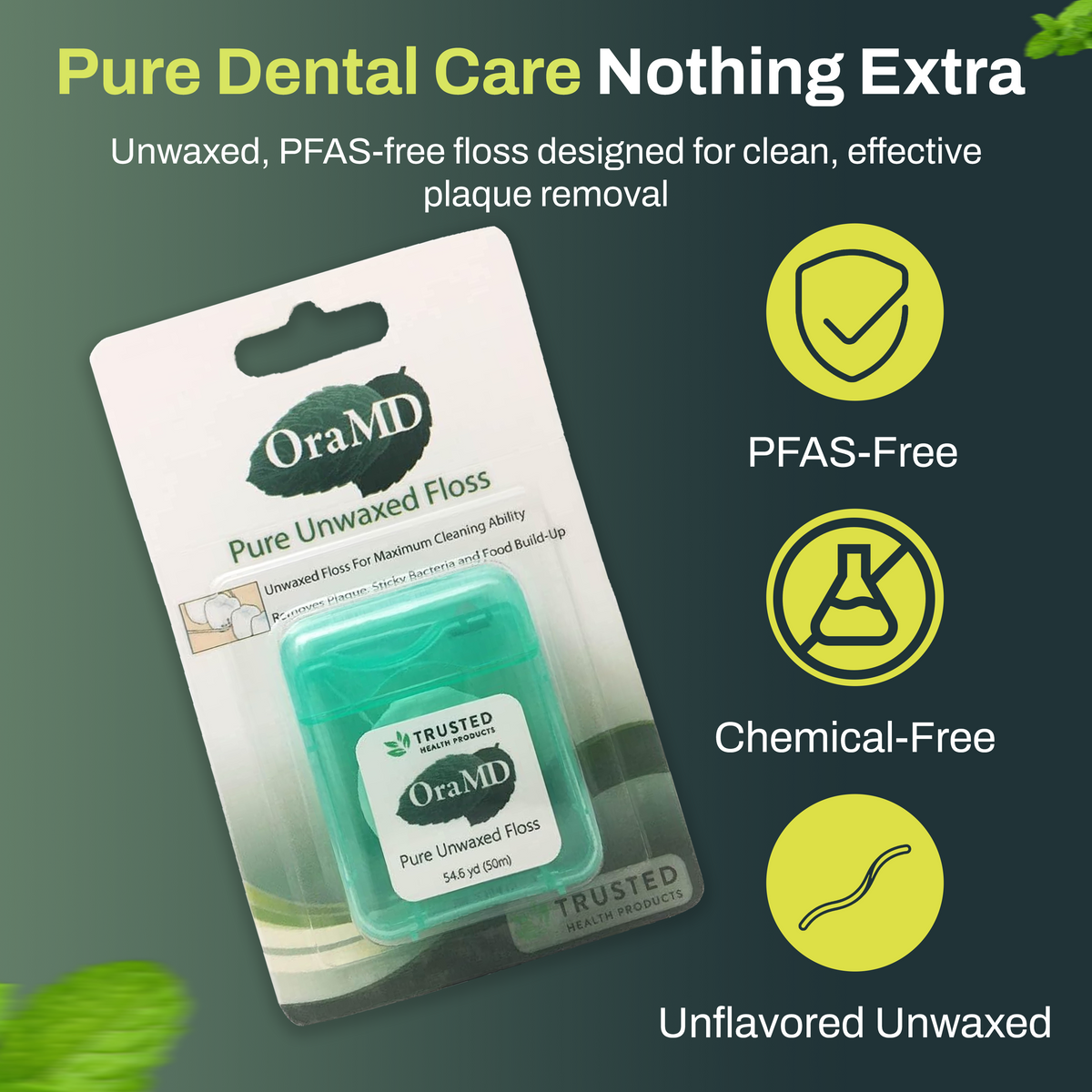
Trusted Health Products offers the OraMD Dr. Bass Toothbrush specifically for readers managing sensitive gums, and OraMD Pure Unwaxed Dental Floss for a clean daily flossing routine that avoids wax coatings and added fragrances.
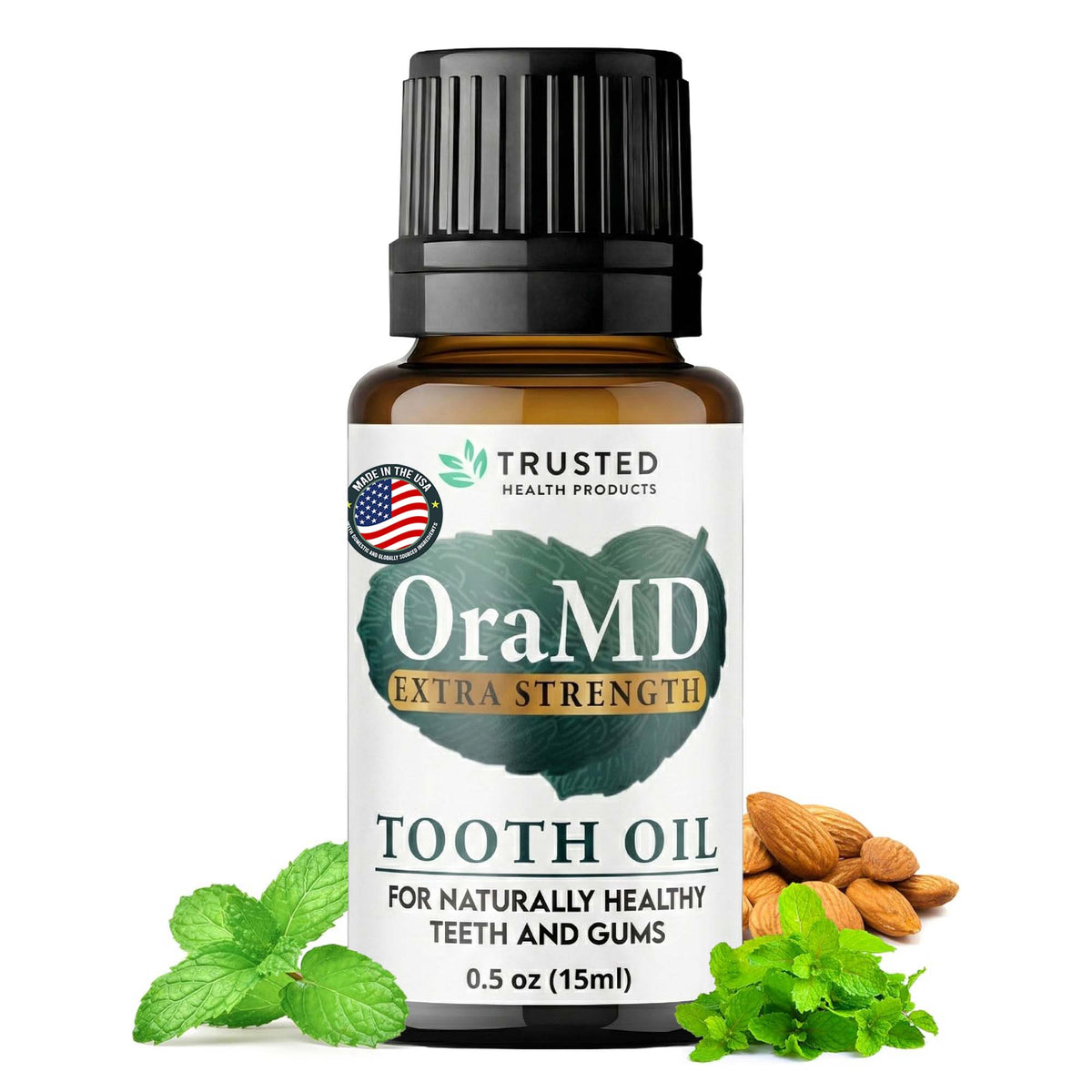
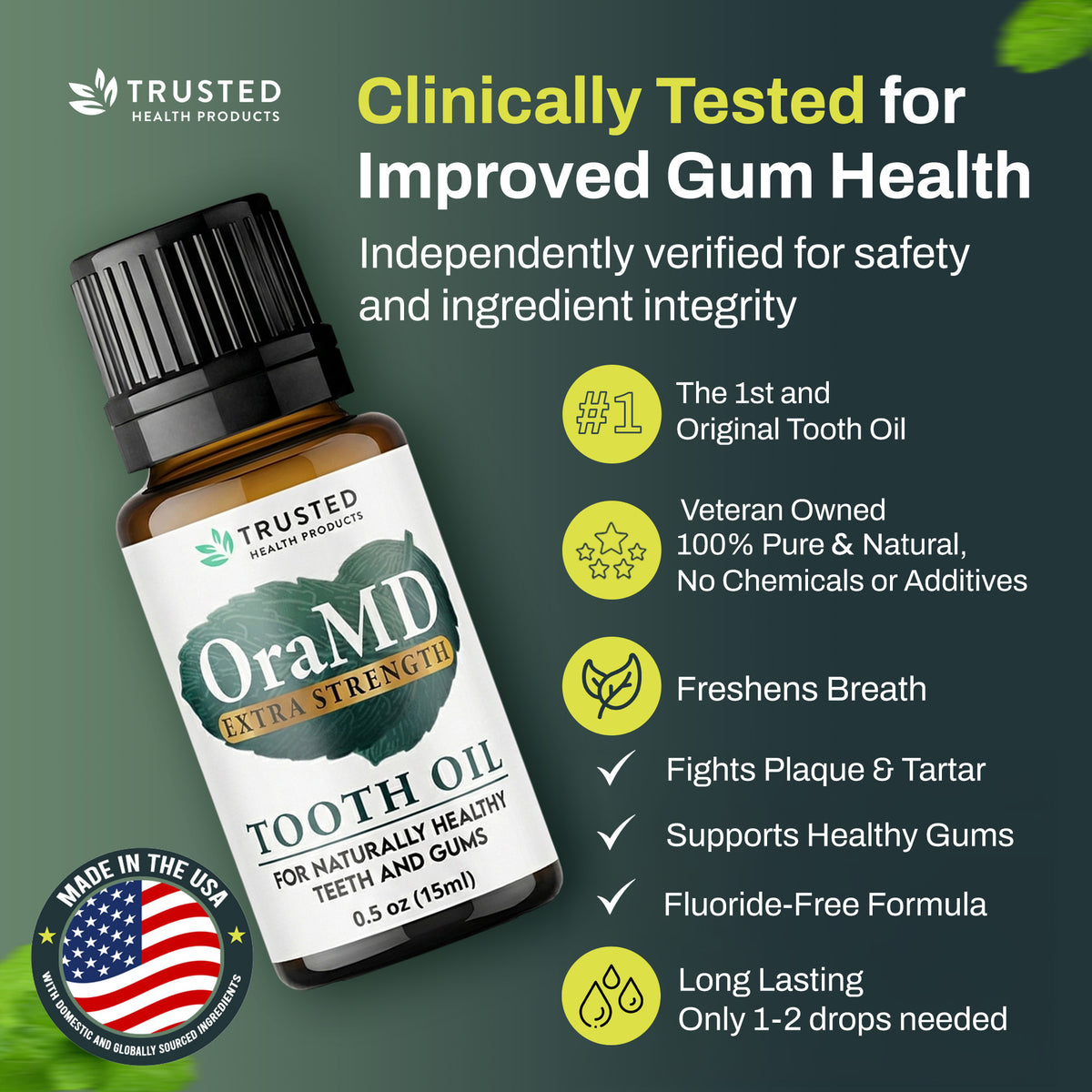
For those who want a comprehensive natural oral care system, the OraMD Extra Strength Tooth Oil provides a stronger formulation for individuals dealing with ongoing gum sensitivity or persistent oral bacteria.
Warning Signs That Require Immediate Dental or Medical Care
Natural home remedies have a defined and limited role. Certain symptoms signal that an infection has progressed beyond what any home treatment can address.
Swelling in the cheek, jaw, or neck indicates the infection is moving into soft tissue. Dental pain accompanied by a fever signals that the infection has spread beyond the tooth. If there is a fever and swelling in the face and a dentist cannot be reached, go to an emergency room. Also go to the emergency room if there is trouble breathing or swallowing. These symptoms may indicate that the infection has spread deeper into the jaw, throat, or neck, or to other areas of the body.
Signs of sepsis, a life-threatening systemic response, include fever, chills, shivering, a rapid pulse, and difficulty breathing. People who suspect a tooth infection has spread should seek immediate medical treatment.
Stopping natural remedy use and calling a dentist or going to an emergency room is the correct response to any of these symptoms. No home treatment, however well-formulated, substitutes for professional drainage, antibiotic therapy, or root canal treatment at this stage.
Trusted Health Products: Natural Oral Care Options
Trusted Health Products formulates its oral care line around plant-based ingredients. OraMD Original Strength and OraMD Extra Strength are liquid tooth oils designed to replace conventional toothpaste and mouth rinse with a single, clean-ingredient product. Both formulas work with the natural chemistry of the oral environment rather than against it.
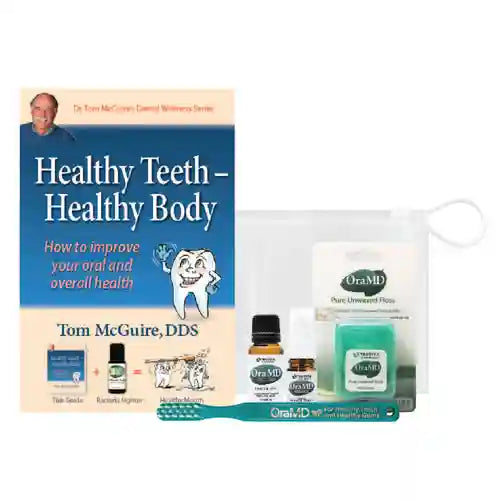
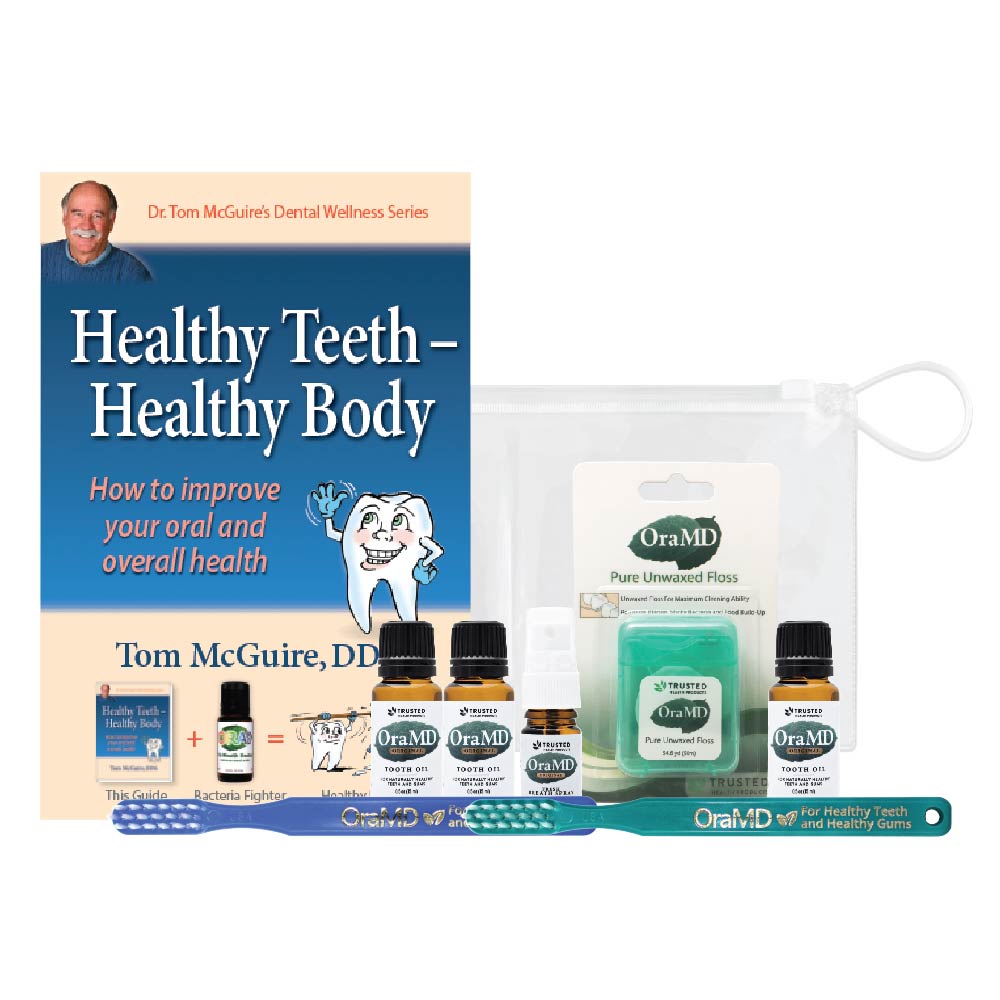
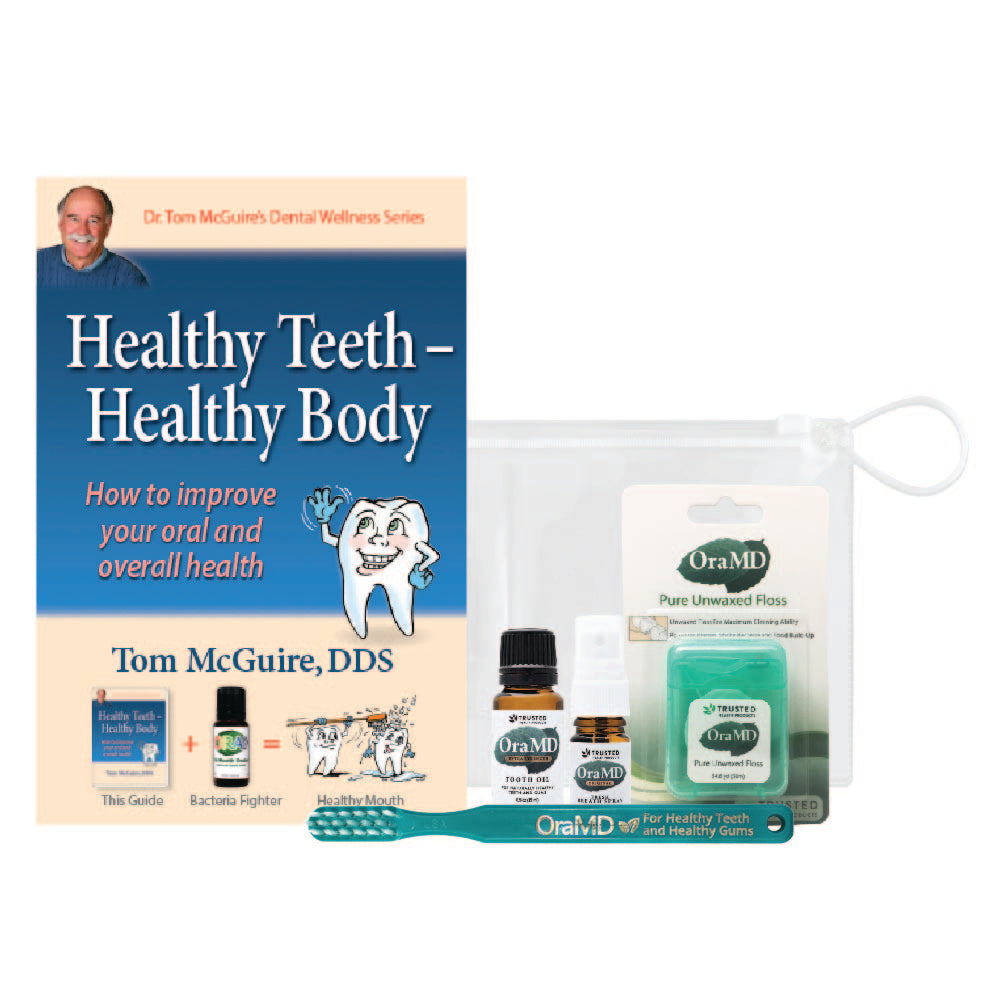
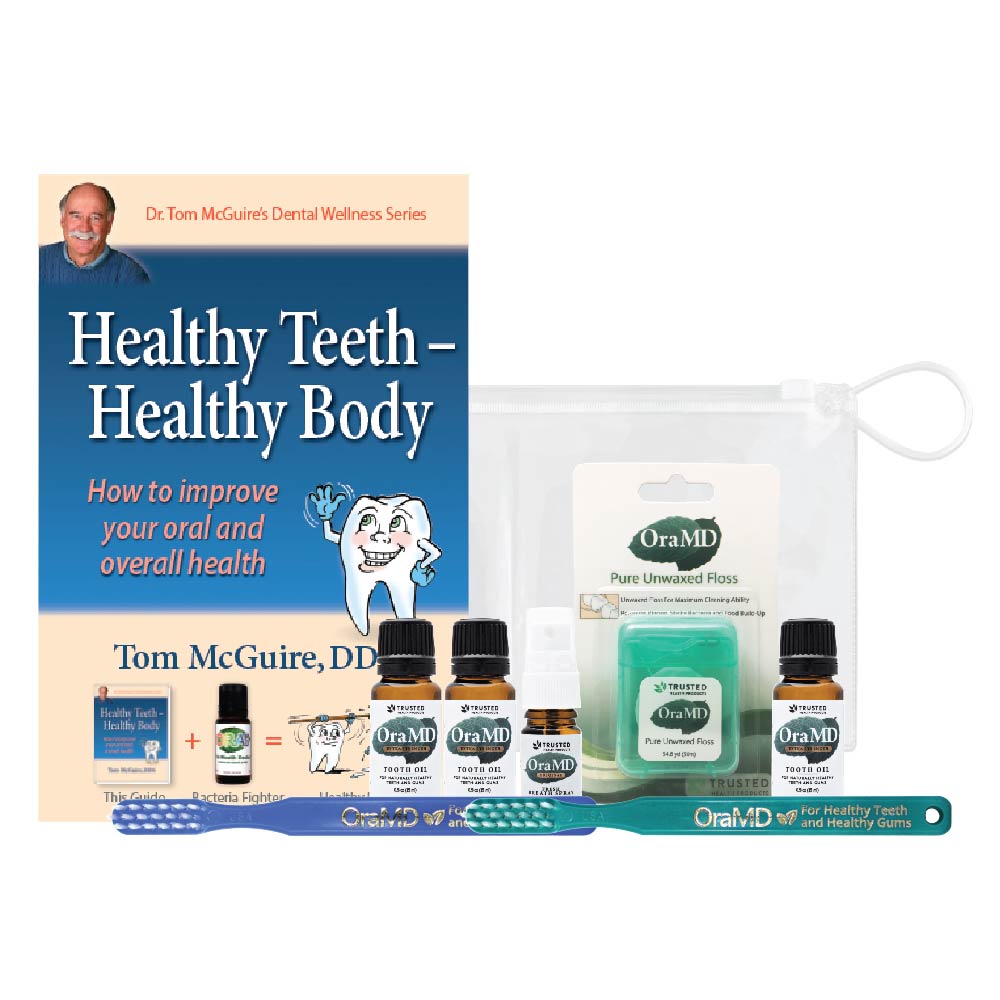
For readers building a complete natural oral health routine, the OraMD Original Strength All-In-One Oral Health Kit and the OraMD Extra Strength All-In-One Oral Health Kit bundle the tooth oil with complementary products for a streamlined daily routine.
Browse the full Oral Care collection to find options suited to different sensitivities and oral health goals.
Conclusion
Natural antibiotics for tooth infections provide real, evidence-backed relief for pain, swelling, and surface bacterial activity. Clove oil, turmeric, garlic, hydrogen peroxide, and saltwater each address different aspects of the infection process. Used consistently and correctly, these remedies reduce discomfort and support the body's healing response during mild early-stage infections.
The limits of home treatment matter as much as the remedies themselves. Any tooth infection that produces fever, spreading swelling, systemic symptoms, or uncontrollable pain requires professional dental care, not a longer list of home remedies. Recognise those warning signs early and act on them.
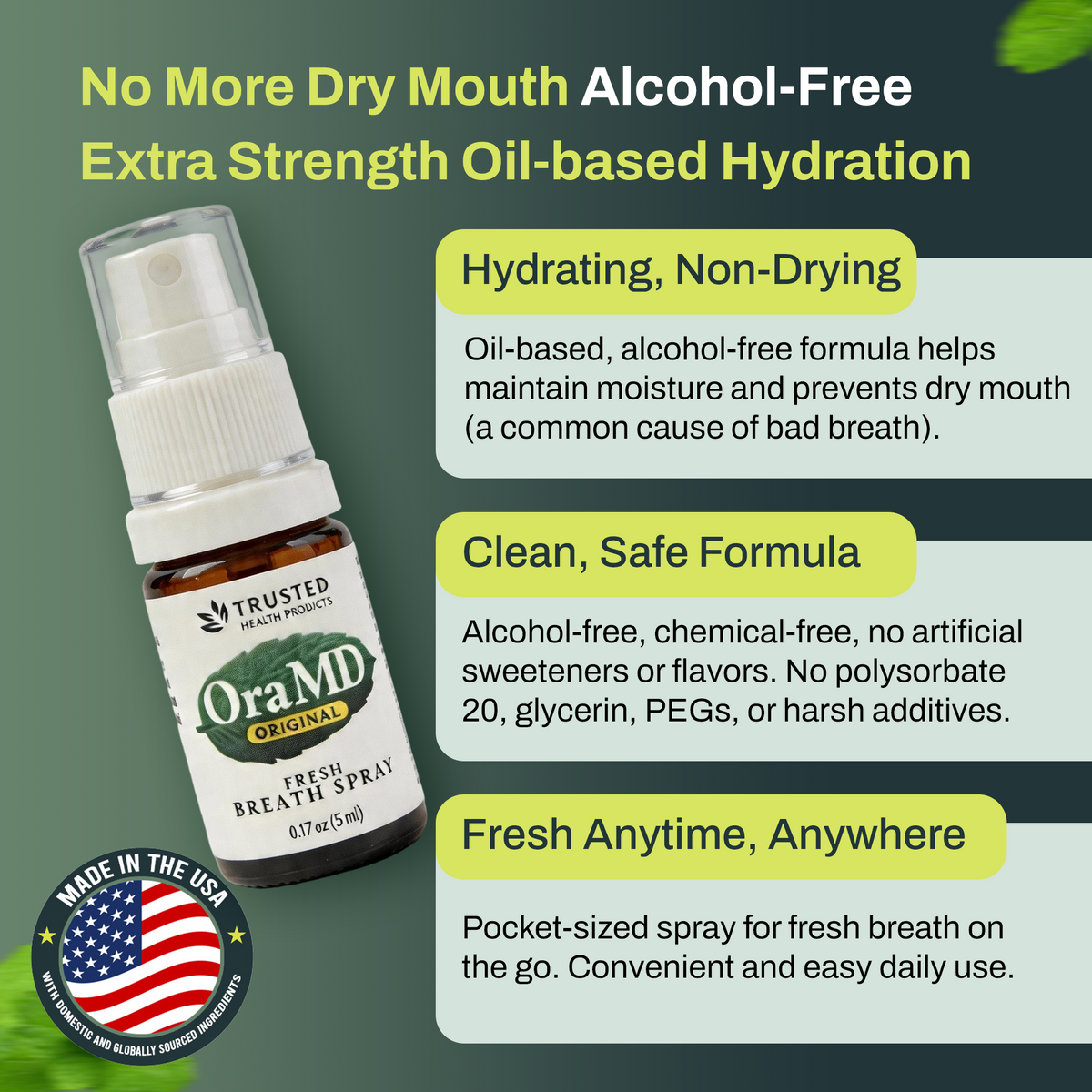
For readers building a daily oral care routine that reduces the risk of future infections, Trusted Health Products stocks a complete range of natural oral care products, from liquid tooth oils to the OraMD Dr. Bass Toothbrush, designed to support a clean, chemical-free approach to long-term oral health.