Essential Oils for Tooth Pain: 9 Remedies Worth Knowing
April 17, 2026
Author: Kenneth Melicado
Tags:
Tooth pain signals a problem that demands attention. While professional dental care remains the only lasting solution, a gap almost always exists between the moment pain starts and the earliest available appointment. During that window, essential oils for tooth pain offer documented short-term relief — not as a cure, but as a clinically grounded bridge strategy.
A recent systematic review published in a peer-reviewed journal identified clove oil, along with
several other plant-derived compounds, as one of the phytotherapeutic agents demonstrating the strongest analgesic properties in dental applications. Research on additional oils, including peppermint and tea tree, continues to grow. The nine oils below represent the most studied options for managing dental discomfort at home.
Why Essential Oils Affect Tooth and Gum Pain
Essential oils are concentrated plant extracts. Many contain terpenes, phenolic compounds, and bioactive molecules that act on the same pain pathways and bacterial species responsible for oral problems.
Botanical oils such as peppermint, clove, and tea tree are rich in terpenes and phenolic compounds that penetrate bacterial cell membranes, disrupting their ability to adhere to tooth enamel. When bacteria cannot bind effectively, biofilm formation slows down, reducing plaque density.
Three mechanisms drive most of the benefits seen across these oils. First, analgesic compounds temporarily interrupt pain signals at the nerve. Second, anti-inflammatory molecules reduce swelling in gum tissue. Third, antimicrobial activity targets the bacteria that cause the underlying infection or decay.
None of these actions replace the work a dentist performs. Each oil below offers temporary relief only.
1. Clove Oil — The Most Researched Natural Dental Analgesic
Clove oil stands apart from every other entry on this list because its active compound, eugenol, has been a formal fixture in dentistry for well over a century.
Eugenol has been used in dentistry since the 19th century. In 1837, scientists discovered zinc oxide and eugenol (ZOE), which dentists later began to use as a filling material. Today, dentists still use ZOE to fill root canals until the treatment is complete.
Eugenol constitutes 70 to 90 percent of the aromatic oil extracted from cloves. In vitro, eugenol has demonstrated antibacterial, antifungal, antioxidant, and antiseptic activity. It has long been associated with gentle local anesthetic properties in dentistry.
A 2006 clinical trial of 73 adults found that clove oil proved as effective as benzocaine, a standard topical anesthetic, for toothache pain relief. Both performed significantly better than a placebo.
How to use it: Dilute two to three drops in one teaspoon of a neutral carrier oil such as coconut or olive oil. Apply the mixture to a cotton ball and press it gently against the affected tooth and surrounding gum for two to three minutes, then rinse thoroughly. Never swallow the mixture.
Caution: Undiluted clove oil causes tissue burns and gum damage. Always dilute before application.
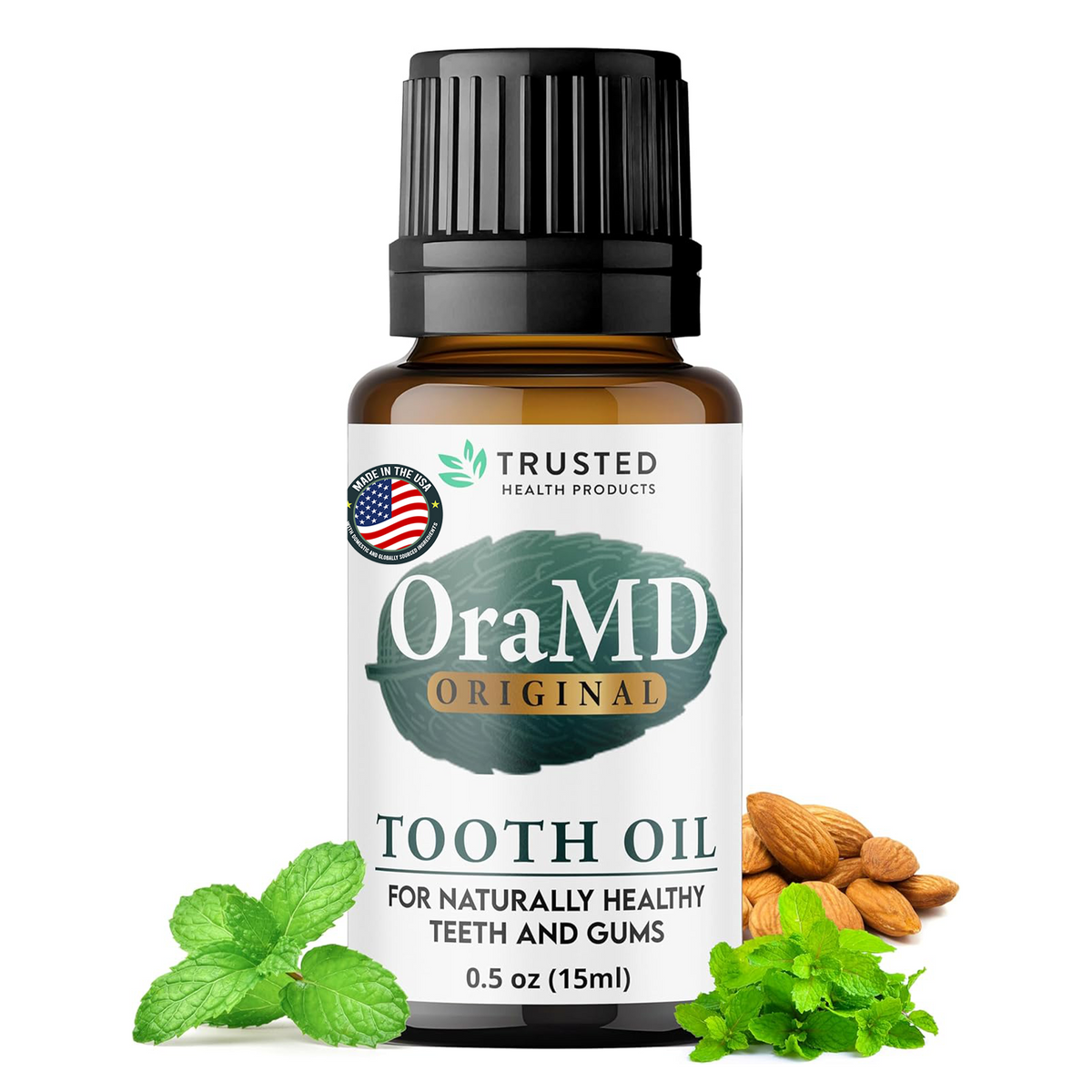
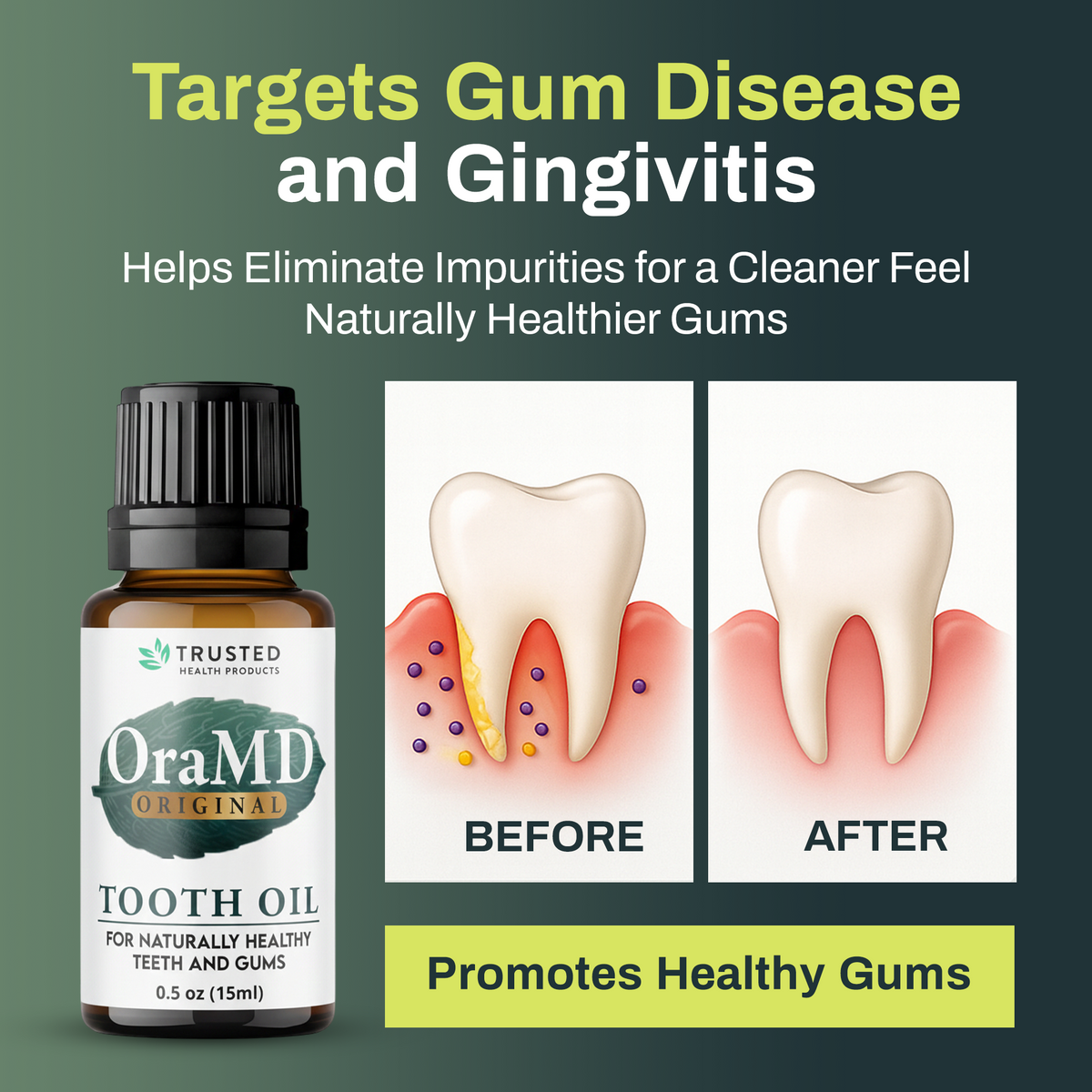
Trusted Health Products carries OraMD Original Strength Tooth Oil — a liquid tooth oil formulated with essential oil actives for daily oral hygiene support. Readers looking for a ready-to-use botanical oral care option can explore the OraMD Original Strength product page.
2. Peppermint Oil — Cooling Relief and Antibacterial Action
Peppermint oil delivers a two-part benefit. Its menthol content provides the cooling, numbing sensation familiar from commercial toothpastes and mouthwashes. Its antimicrobial compounds simultaneously target oral bacteria.
Peppermint oil contains menthol, a component with analgesic, anti-inflammatory, and antibacterial properties. Scientific studies support its use against common oral bacteria, including Streptococcus mutans — a primary driver of tooth decay.
A laboratory study examining five essential oils against oral pathogens found peppermint oil exhibited significant inhibitory effects, with measurable activity against Staphylococcus aureus, Enterococcus fecalis, Escherichia coli, and Candida albicans.
Peppermint oil also reduces biofilm on tooth surfaces and contributes to fresher breath by neutralizing sulfur-producing bacteria in the oral cavity.
How to use it: Add one drop to a teaspoon of carrier oil and apply to the painful area. Alternatively, steep a peppermint tea bag in warm water, allow it to cool slightly, and press it directly against the sore gum.
3. Clove vs. Peppermint — Different Mechanisms, Complementary Benefits
Clove oil targets pain at a deeper level by inhibiting the prostaglandins and enzymes responsible for inflammation. Peppermint oil works closer to the surface, activating cold receptors that temporarily override pain signals.
A study published in the Avicenna Journal of Phytomedicine suggests that eugenol modulates pro-inflammatory prostaglandins responsible for the swelling and pain associated with toothache — which explains why clove oil can act as a natural anesthetic. Peppermint's menthol, by contrast, works as a counter-irritant: the cooling response it triggers competes with and dulls pain perception.
Readers dealing with sharp, throbbing tooth pain generally report better short-term relief from clove oil. Those managing gum sensitivity, early-stage inflammation, or bad breath alongside mild discomfort often find peppermint oil a practical daily option.
4. Tea Tree Oil — Fighting the Bacteria Behind the Pain
Tea tree oil (Melaleuca alternifolia) belongs in a separate category from clove and peppermint. Its primary value is antimicrobial rather than analgesic.
Tea tree oil demonstrates strong antibacterial activity against oral pathogens associated with plaque, gum inflammation, and early periodontal imbalance. Research confirms its ability to reduce bacterial colonies without harming surrounding tissues.
This makes tea tree oil especially relevant for toothaches caused by gum infection, early-stage periodontitis, or bacterial buildup around a damaged tooth. It addresses the infection driving the pain rather than masking the sensation itself.
Critical safety note: Tea tree oil is toxic when swallowed. Always dilute it in a carrier oil, apply it topically to the gum line, and spit out any residual liquid completely. Tea tree oil must never be ingested.
5. Frankincense — Anti-Inflammatory Support for Gum Tissue
Frankincense (Boswellia sacra) has a documented history in traditional medicine as an anti-inflammatory agent. Oral care applications focus on gum health rather than direct tooth pain relief.
The boswellic acids in frankincense inhibit inflammatory enzymes, which reduces swelling of gum tissue. For toothaches caused by infected or inflamed gums rather than tooth decay, frankincense may reduce the pressure component of the pain. Its antiseptic properties also help reduce bacterial populations in the gum pocket.
How to use it: Dilute one to two drops in a carrier oil and apply directly to swollen gum tissue with a clean cotton swab.
6. Myrrh — Traditional Antiseptic With Documented Dental Use
Myrrh resin, extracted from the Commiphora tree, has appeared in dental applications across multiple ancient healing traditions. Modern research confirms some of the traditional claims.
Myrrh contains sesquiterpenes and other bioactive compounds with confirmed anti-inflammatory and antimicrobial activity. It inhibits bacterial growth in the oral cavity and helps strengthen gum tissue integrity. For readers dealing with gingivitis-related pain or bleeding gums alongside toothache, myrrh addresses both concerns simultaneously.
Myrrh supports gum resilience and healing while helping inhibit pathogens that compromise soft tissue integrity.
7. Eucalyptus — Gum Recession, Gingivitis, and Bad Breath
Eucalyptus oil's antimicrobial and anti-inflammatory profile makes it particularly effective against gingivitis — the earliest stage of gum disease, which frequently causes tooth sensitivity and dull aching pain.
Botanical oils including eucalyptus contain terpene compounds that maintain a stable oral pH and protect the saliva enzymes responsible for daily enamel remineralization. This protective function reduces sensitivity in teeth already compromised by early enamel damage.
The compound 1,8-cineole, eucalyptus oil's primary active molecule, also kills bacteria responsible for bad breath and reduces the sulfur compounds these bacteria produce.
How to use it: Dilute heavily — at least one drop per tablespoon of carrier oil — before applying to gums. Eucalyptus oil is potent and causes irritation at high concentrations.
8. Lavender Oil — Calming Sensitivity and Reducing Inflammation
Lavender oil occupies a different position in the essential oils for tooth pain discussion. Its analgesic contribution is milder than clove or peppermint, but its anti-inflammatory and antimicrobial activity makes it relevant for mild sensitivity and gum irritation.
Lavender contains linalool and linalyl acetate — compounds that reduce nerve excitability and dampen inflammatory responses in soft tissue. For readers whose tooth pain presents as persistent low-grade sensitivity rather than acute throbbing, lavender oil applied to the gum area may reduce discomfort enough to improve sleep and daily function.
Lavender oil also carries the lowest irritation risk of the nine oils listed here, making it a practical option for those with sensitive gum tissue or previous reactions to stronger essential oils.
9. Cinnamon and Oregano — Additional Antimicrobial Options
Cinnamon Oil
Cinnamon oil contains cinnamaldehyde, a compound with documented antibacterial activity against Streptococcus mutans and Lactobacillus acidophilus — the two bacterial species most closely linked to tooth decay. Research confirms improved blood circulation in gum tissue following topical application, which accelerates the delivery of immune cells to an infected area.
Cinnamon oil functions well as an addition to a daily mouth rinse for readers dealing with cavity-prone teeth or recurrent gum inflammation.
Oregano Oil
Oregano oil contains carvacrol, a phenol compound with significant antimicrobial and anti-inflammatory activity. Some studies suggest oregano oil may help reduce the bacteria responsible for tooth decay and gum infections. Carvacrol inhibits the enzyme systems bacteria depend on for survival and reproduction.
Oregano oil is considerably more potent than cinnamon oil and requires thorough dilution. Its flavour intensity also makes it less comfortable for daily use than the mint-family oils.
How to Use Essential Oils for Tooth Pain Safely
Every essential oil on this list requires dilution before oral application. Applying concentrated essential oils directly to gum tissue risks chemical burns, mucosal damage, and allergic sensitisation.
General dilution guidelines:
-
Standard topical application: 2–3 drops of essential oil per 1 teaspoon (approximately 5 ml) of carrier oil
-
Sensitive gum tissue or first-time use: 1 drop per 1 teaspoon of carrier oil
-
Suitable carrier oils: fractionated coconut oil, olive oil, almond oil
Application method: Dip a clean cotton ball or cotton swab into the diluted mixture. Apply gently to the painful tooth and surrounding gum area. Leave in contact for two to three minutes, then rinse the mouth thoroughly with water. Never swallow the oil mixture.
Patch test: First-time users should apply a diluted drop to the inner forearm and wait 20 minutes before oral application to check for allergic reaction.
When Essential Oils Are Not Enough
Essential oils offer temporary relief. They do not treat the structural causes of tooth pain. The following conditions require prompt professional dental care regardless of how much short-term relief a botanical remedy provides.
A dentist should be contacted when pain is severe, persistent beyond 48 hours, or accompanied by fever, facial swelling, or swollen lymph nodes. These signs indicate a spreading infection that may require antibiotics or emergency drainage. Similarly, a cracked tooth, lost filling, exposed root, or abscess requires clinical intervention that no topical oil can replace.
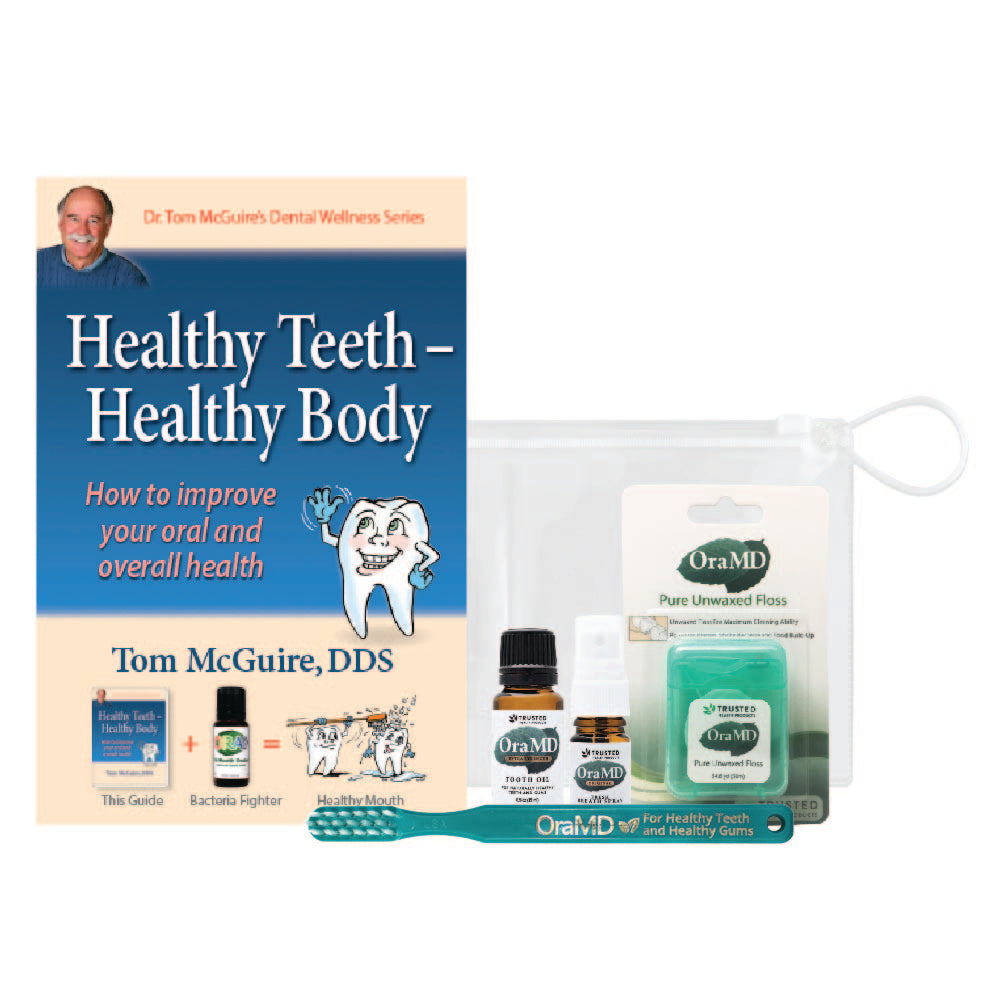
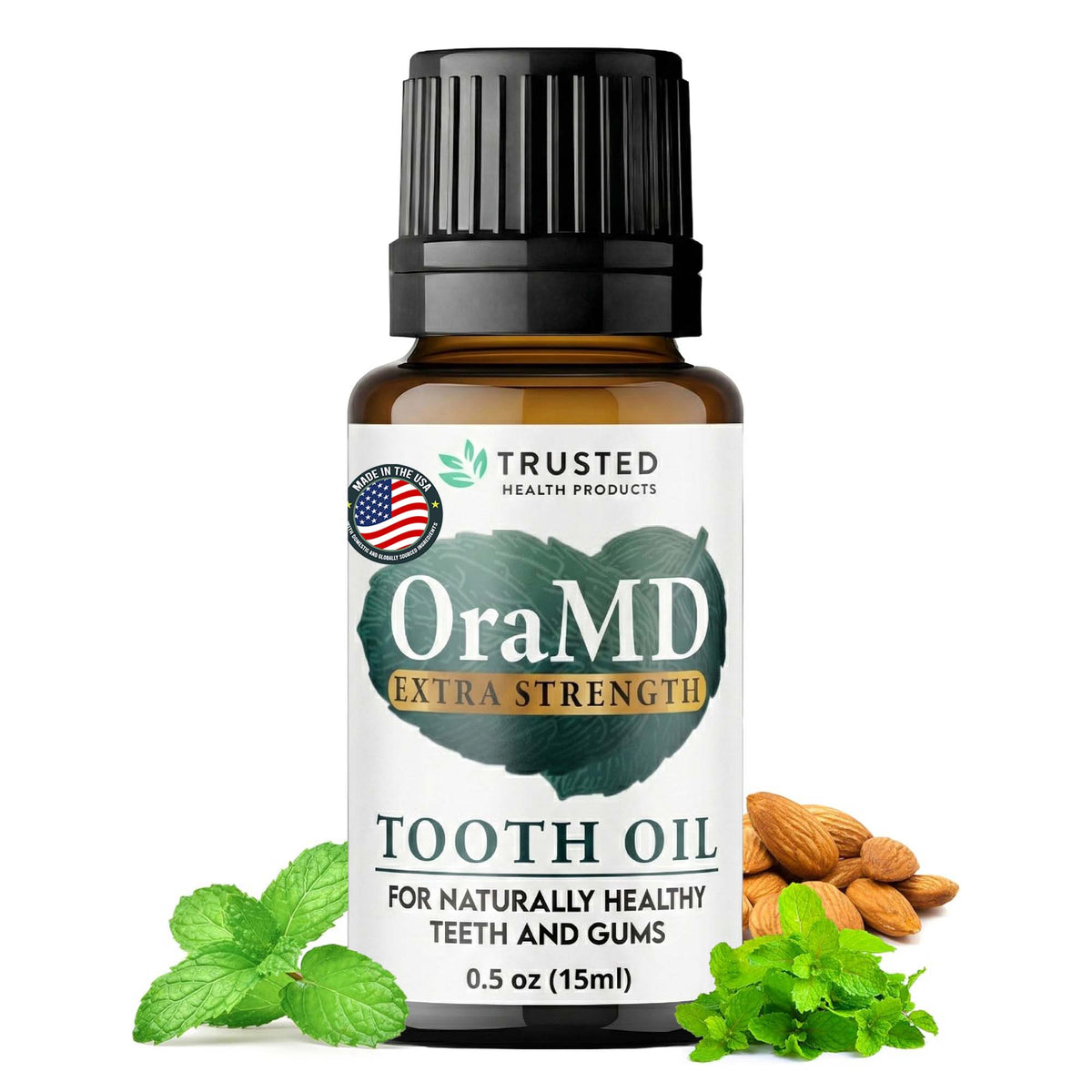
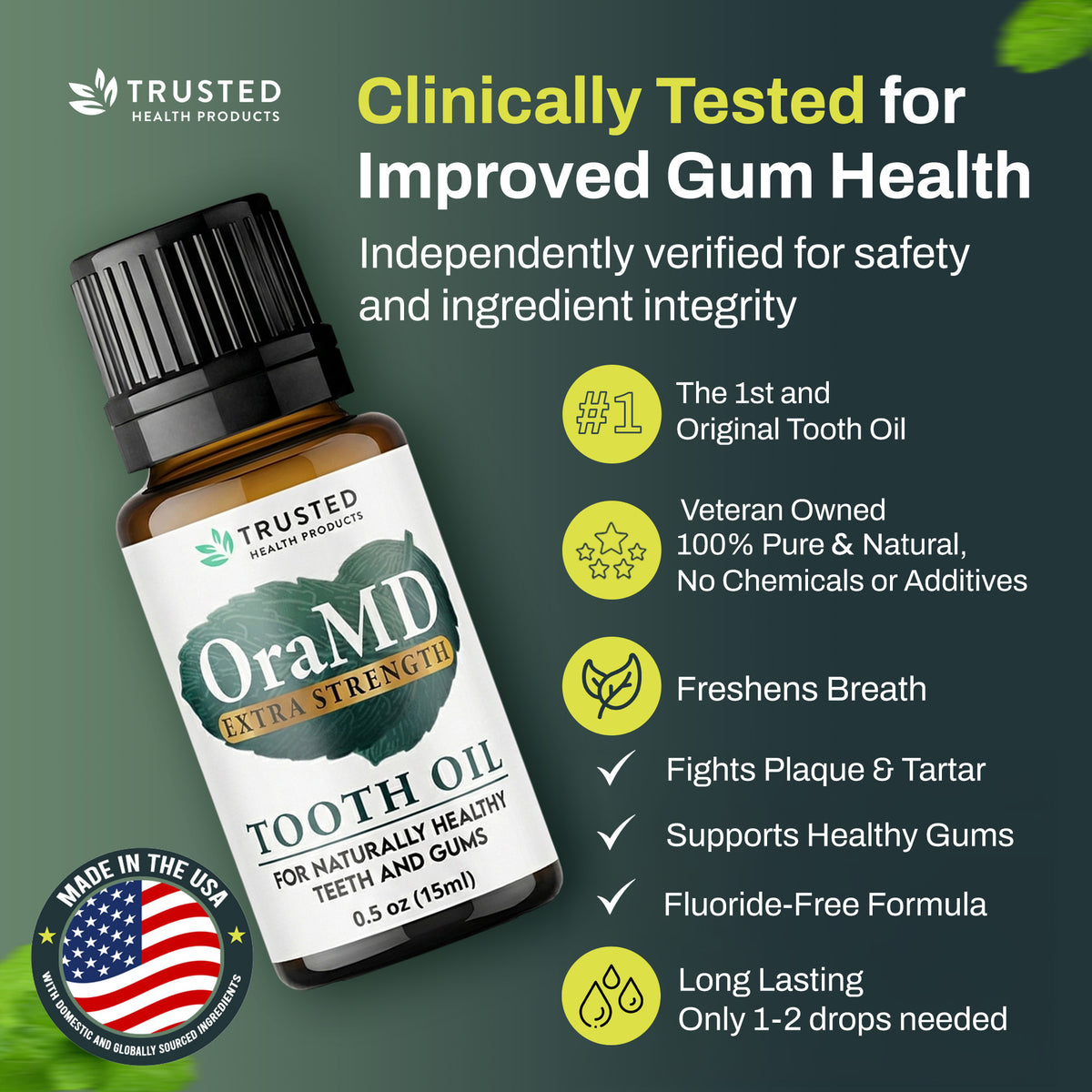
Trusted Health Products offers the OraMD Extra Strength Tooth Oil for readers managing sensitive teeth and looking for daily botanical oral hygiene support between dental appointments. Readers who prefer a complete oral care system can explore the oral care collection for available product combinations.
Choosing the Right Essential Oil for the Situation
|
Situation |
Recommended Oil |
Primary Mechanism |
|
Acute throbbing tooth pain |
Clove oil |
Eugenol — local anesthetic |
|
Mild sensitivity, surface discomfort |
Peppermint oil |
Menthol — cold receptor activation |
|
Gum infection or swelling |
Tea tree oil |
Antimicrobial action |
|
Gingivitis, gum recession |
Eucalyptus oil |
Anti-inflammatory, pH stabilisation |
|
Gum swelling, soft tissue pain |
Frankincense or myrrh |
Anti-inflammatory boswellic acids |
|
Cavity prevention, daily hygiene |
Cinnamon or oregano oil |
Antibacterial against S. mutans |
|
Mild sensitivity, low irritation risk |
Lavender oil |
Linalool, nerve calming |
Conclusion
Essential oils for tooth pain offer a documented, science-grounded option for short-term relief during the window between onset and professional treatment. Clove oil, backed by the longest clinical record in dentistry, remains the most effective single option for acute pain. Peppermint, tea tree, eucalyptus, frankincense, myrrh, lavender, cinnamon, and oregano each address specific aspects of oral discomfort — from bacterial load to gum inflammation to sensitivity.
Safe use requires consistent dilution, proper application technique, and an honest understanding of what botanical remedies can and cannot achieve. None of these oils substitute for the professional evaluation that any persistent, severe, or worsening toothache demands.
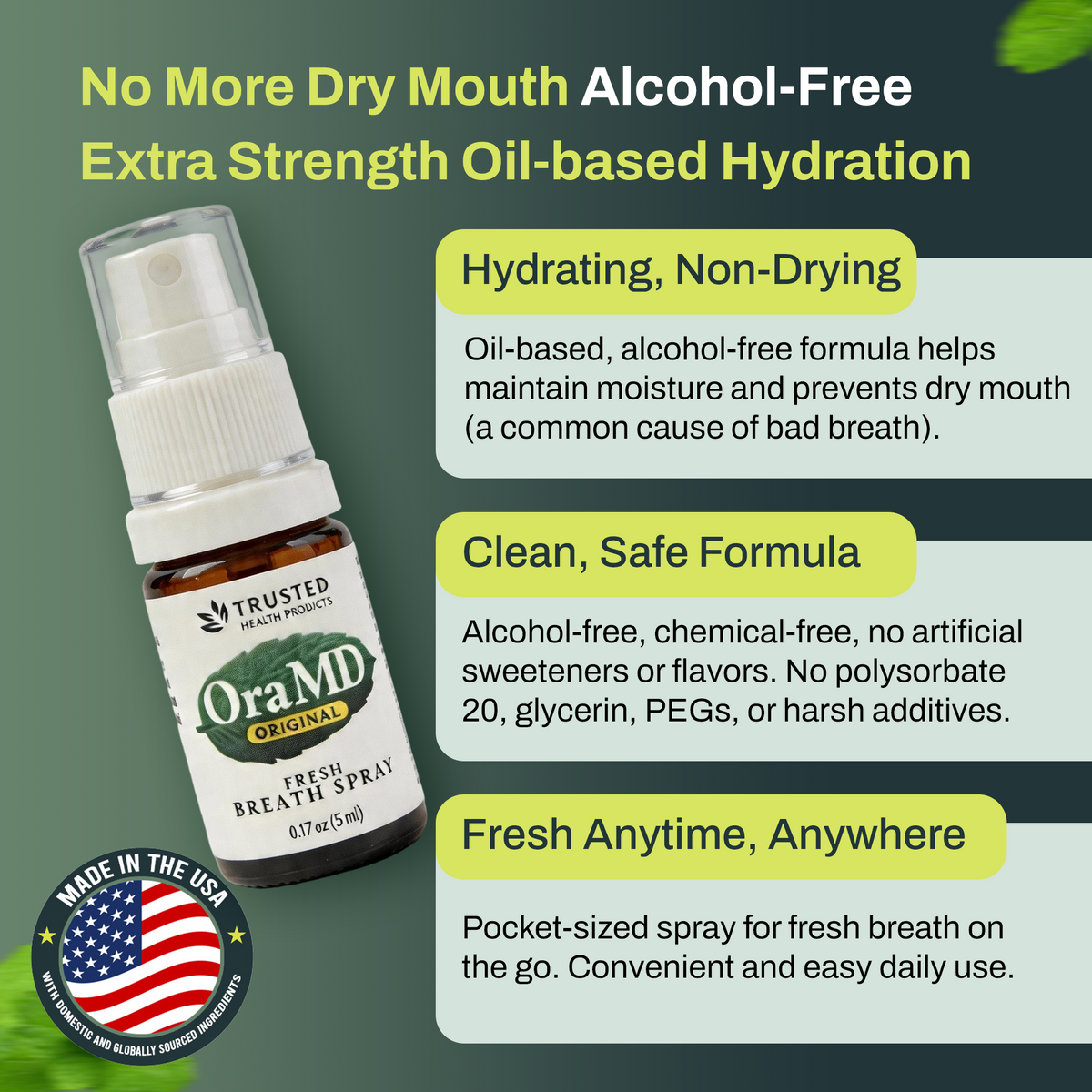
For readers seeking a daily oral care solution built around essential oil actives, Trusted Health Products offers OraMD Original Strength and OraMD Extra Strength — liquid tooth oils designed for ongoing use as part of a complete oral hygiene routine.