
5 Different Types of Braces and Which Is Right for You
April 17, 2026
Author: Kenneth Melicado
Tags:
Choosing the right types of braces is one of the most important decisions in orthodontic treatment. Five main options exist today, traditional metal, ceramic, lingual, self-ligating, and Invisalign, each suited to different dental needs, budgets, and lifestyles. Understanding what separates them helps patients make confident, informed choices alongside their orthodontist.
Orthodontic treatment corrects more than cosmetic concerns. The American Association of Orthodontists notes that misaligned teeth contribute to uneven wear, jaw strain, and difficulty cleaning between teeth, all of which affect long-term oral health. The right brace type addresses these issues while fitting the patient's daily life.
What to Consider Before Choosing a Brace Type
Several factors guide the decision between brace options. Orthodontists evaluate each of the following before recommending a treatment path.
Severity of misalignment. Traditional metal braces handle complex crowding, rotations, and bite correction. Invisalign aligners work best for mild to moderate cases. Lingual and ceramic braces fall between those two extremes.
Budget and insurance. Metal braces typically cost between $3,000 and $7,000 in the United States. Ceramic braces range from $4,000 to $8,000. Lingual braces are the most expensive option, often reaching $10,000 to $13,000. Invisalign treatment averages $3,500 to $8,000 depending on case complexity. Many dental insurance plans cover a portion of orthodontic treatment for patients under 18. Adults often pay more out-of-pocket.
Appearance during treatment. Lingual and Invisalign options are essentially invisible. Ceramic braces are discreet but visible up close. Metal braces remain the most noticeable option.
Lifestyle and compliance. Invisalign requires patients to wear aligners 20 to 22 hours per day. Patients who cannot maintain that discipline will see slower results. Fixed brace types remove the compliance variable entirely.
Oral hygiene habits. Ceramic braces stain more easily than metal. Lingual braces are harder to clean due to their position. Patients with strong hygiene routines have more brace options available to them.
The 5 Types of Braces Compared
|
Brace Type |
Treatment Time |
Visibility |
Best For |
|
Traditional Metal |
18–36 months |
High |
Complex cases, all ages |
|
Ceramic |
18–36 months |
Low–Medium |
Aesthetics-conscious adults/teens |
|
Lingual |
18–36 months |
None |
Professionals, performers |
|
Self-Ligating |
12–30 months |
Medium |
Patients wanting fewer visits |
|
Invisalign |
6–18 months |
Very Low |
Mild to moderate cases |
1 - Traditional Metal Braces: The Proven Standard
Traditional metal braces remain the most widely used orthodontic treatment in the world. High-grade stainless steel brackets attach to each tooth with dental adhesive. A thin archwire runs through each bracket and applies consistent pressure to shift teeth gradually into alignment.
Small elastic bands, called ligatures or o-rings, hold the archwire to the brackets. The orthodontist adjusts these every four to six weeks. Each adjustment moves the wire slightly closer to the target tooth position.
Modern metal braces are significantly smaller and lighter than versions from two decades ago. Brackets now cause less gum and cheek irritation. Patients can also choose colored elastics at each adjustment appointment.
Metal braces are best for: Children, teens, and adults with complex crowding, bite misalignment, or significant rotation issues. They handle the widest range of orthodontic cases and remain the most affordable fixed option.
Pros: Highly effective for all complexity levels. Durable and reliable. Most affordable option. No risk of misplacing removable components.
Cons: Most visible brace type. Require dietary adjustments, sticky and hard foods can damage brackets. Regular tightening appointments needed every four to six weeks.
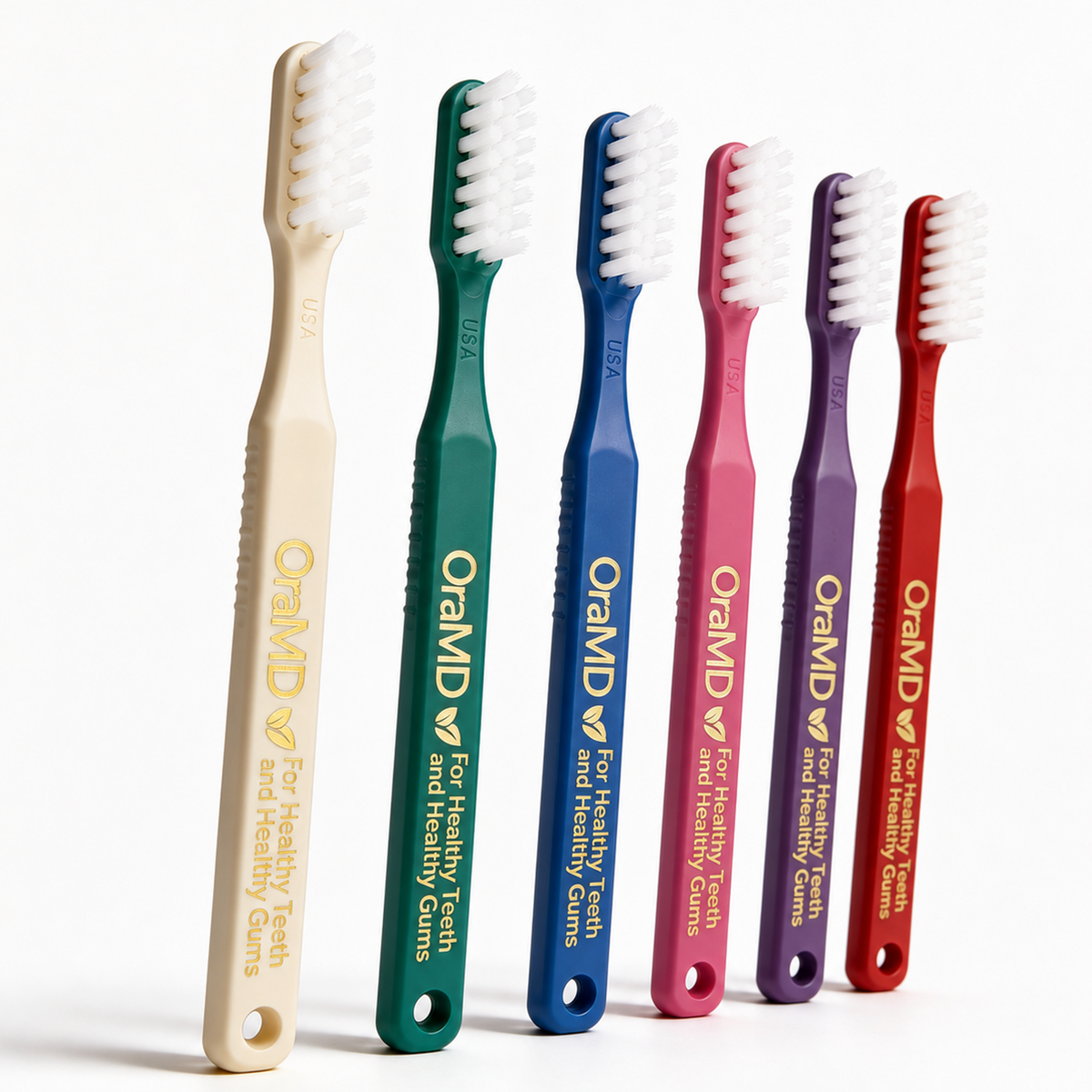
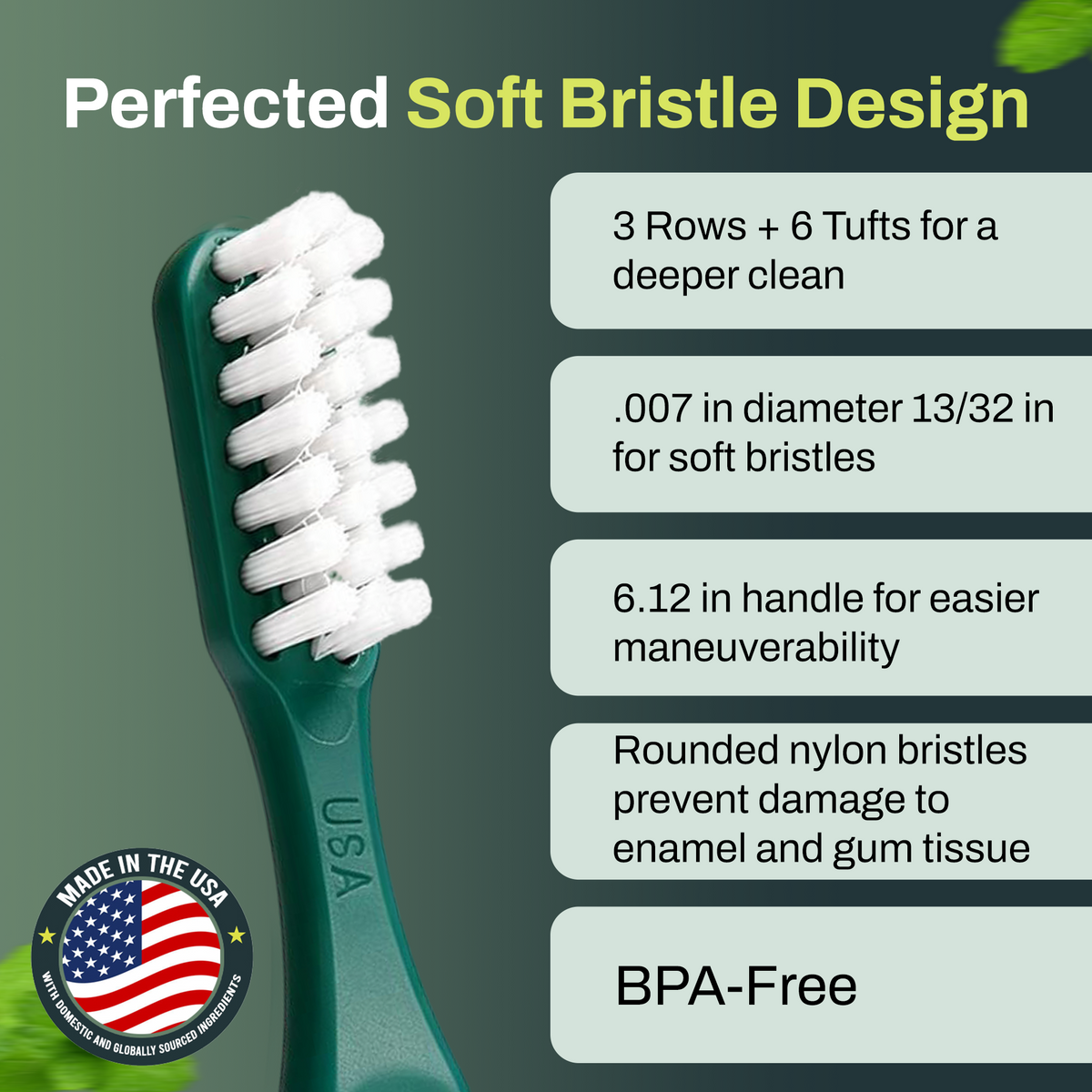
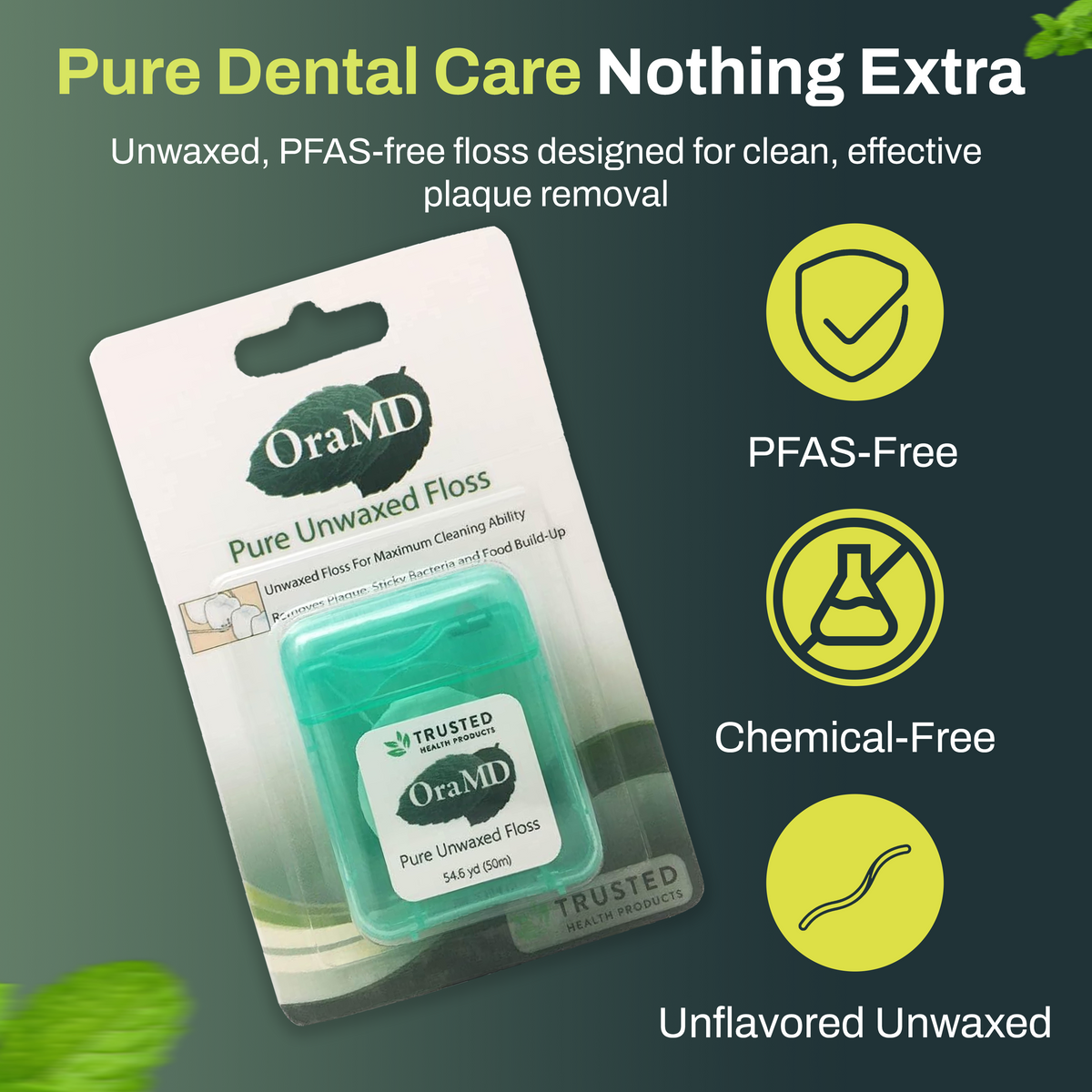
Oral hygiene note: Food collects easily around metal brackets. Patients benefit from a soft-bristled toothbrush designed for gum sensitivity. The OraMD Dr. Bass Toothbrush uses a precision-angled head that cleans around brackets without irritating the gum line. Pair it with OraMD Pure Unwaxed Dental Floss, which threads between teeth and braces more easily than standard waxed floss.
2 - Ceramic Braces: Discreet and Effective
Ceramic braces function identically to metal braces. The key difference is material — brackets are made from clear or tooth-colored ceramic composite that blends with natural enamel. This makes them far less visible from a normal conversational distance.
The ceramic material itself resists staining well. However, the elastic ligatures that hold the archwire can discolor from coffee, tea, red wine, and certain foods. Orthodontists typically replace these ligatures at each adjustment visit, which limits staining.
Ceramic brackets are more fragile than metal. Orthodontists generally avoid recommending them when significant force is needed to move teeth, since breakage can extend treatment time.
Ceramic braces are best for: Adults and older teenagers who want a discreet appearance but require a fixed brace for effectiveness. Popular for wedding seasons, professional settings, and anyone camera-conscious.
Pros: Much less visible than metal. Equal effectiveness for mild to moderate cases. Tooth-colored appearance throughout treatment.
Cons: More expensive than metal. Brackets can chip or break under heavy pressure. Ligatures stain between appointments if diet is not managed carefully.
3 - Lingual Braces: Completely Hidden
Lingual braces use the same bracket-and-archwire mechanics as traditional metal braces. The difference is placement, brackets attach to the back surface of the teeth, facing the tongue, rather than the front.
From the outside, lingual braces are completely invisible. Even in photographs taken at close range, the treatment does not show. Each bracket is custom-fabricated using digital impressions of the patient's teeth to fit the unique inner contour precisely.
The tongue-side placement creates an adjustment period of one to two weeks. Speech may sound slightly different initially, and the tongue may feel mild irritation from bracket contact. Most patients adapt within two weeks.
Lingual braces cost significantly more because of the custom fabrication process and the additional technical skill required to place and adjust them correctly.
Lingual braces are best for: Professionals, performers, athletes, public speakers, and anyone for whom complete invisibility during treatment is a non-negotiable requirement.
Pros: 100% invisible from the outside. Custom-fit for precision. Effective across a range of complex cases.
Cons: Most expensive brace type. More difficult to clean and maintain. Initial speech adjustment period. Fewer orthodontists specialize in lingual placement.
4 - Self-Ligating Braces: Fewer Visits, Gentler Movement
Self-ligating braces look similar to traditional metal or ceramic braces, but they use a built-in sliding clip mechanism instead of elastic ligatures to hold the archwire. The wire moves freely within the clip, which reduces friction between the wire and brackets.
Lower friction translates to several clinical advantages. Teeth move with less resistance, which often reduces pressure and soreness compared to conventional braces. Because the wire self-adjusts between visits, patients typically need fewer and shorter orthodontic appointments.
Self-ligating braces are available in both metal and clear ceramic versions, giving patients an aesthetic choice within this category.
Self-ligating braces are best for: Patients with busy schedules who want fewer orthodontic visits, and those who found conventional braces uncomfortable. Also suitable for teens and adults with mild to moderate alignment needs.
Pros: Reduced friction means less soreness during tooth movement. Fewer adjustment appointments needed. Easier to clean than conventional braces — no elastic ligatures trap debris. Available in clear ceramic versions.
Cons: Not significantly faster than traditional braces in all cases — research results vary. Still visible on the front of the teeth (unless ceramic version chosen). May cost slightly more than traditional metal.
5 - Invisalign: Removable Clear Aligners
Invisalign uses a series of custom-made, clear plastic aligners worn over the teeth. Each aligner is trimmed to fit precisely and applies gentle pressure to specific teeth in a planned sequence. Patients switch to a new aligner every one to two weeks, with each new tray advancing the teeth slightly further toward the target position.
The aligners are removable. Patients take them out to eat, drink anything other than water, brush, and floss. This eliminates the dietary restrictions associated with fixed braces and makes oral hygiene significantly easier.
Invisalign is generally recommended for mild to moderate crowding, spacing issues, and bite irregularities. Severe rotations, large vertical movements, and complex bite corrections typically require fixed braces for adequate control. An orthodontist assesses whether a case qualifies.
According to data from Align Technology, Invisalign has treated over 16 million patients globally since its introduction in 1999, making it the most recognized clear aligner system worldwide.
Patients must wear aligners 20 to 22 hours per day for results to remain on schedule. Aligners worn less than this extend treatment time and may reduce accuracy of tooth movement.
After completing active Invisalign treatment, orthodontists prescribe retainers to hold teeth in their new positions while the bone stabilizes. This phase typically lasts several months before moving to a night-only retainer schedule.
Invisalign is best for: Adults and teens with mild to moderate alignment needs who prioritize discretion and convenience. Also suitable for patients who have completed previous orthodontic treatment and need refinement.
Pros: Nearly invisible. Removable for eating, drinking, and oral hygiene. No food restrictions. Fewer in-office appointments than traditional braces. Comfortable smooth plastic surface.
Cons: Requires strict discipline, aligners must be worn nearly all day. Not suitable for complex cases. Aligners must be stored carefully when removed to avoid loss or damage. Higher cost than metal braces for equivalent case complexity.
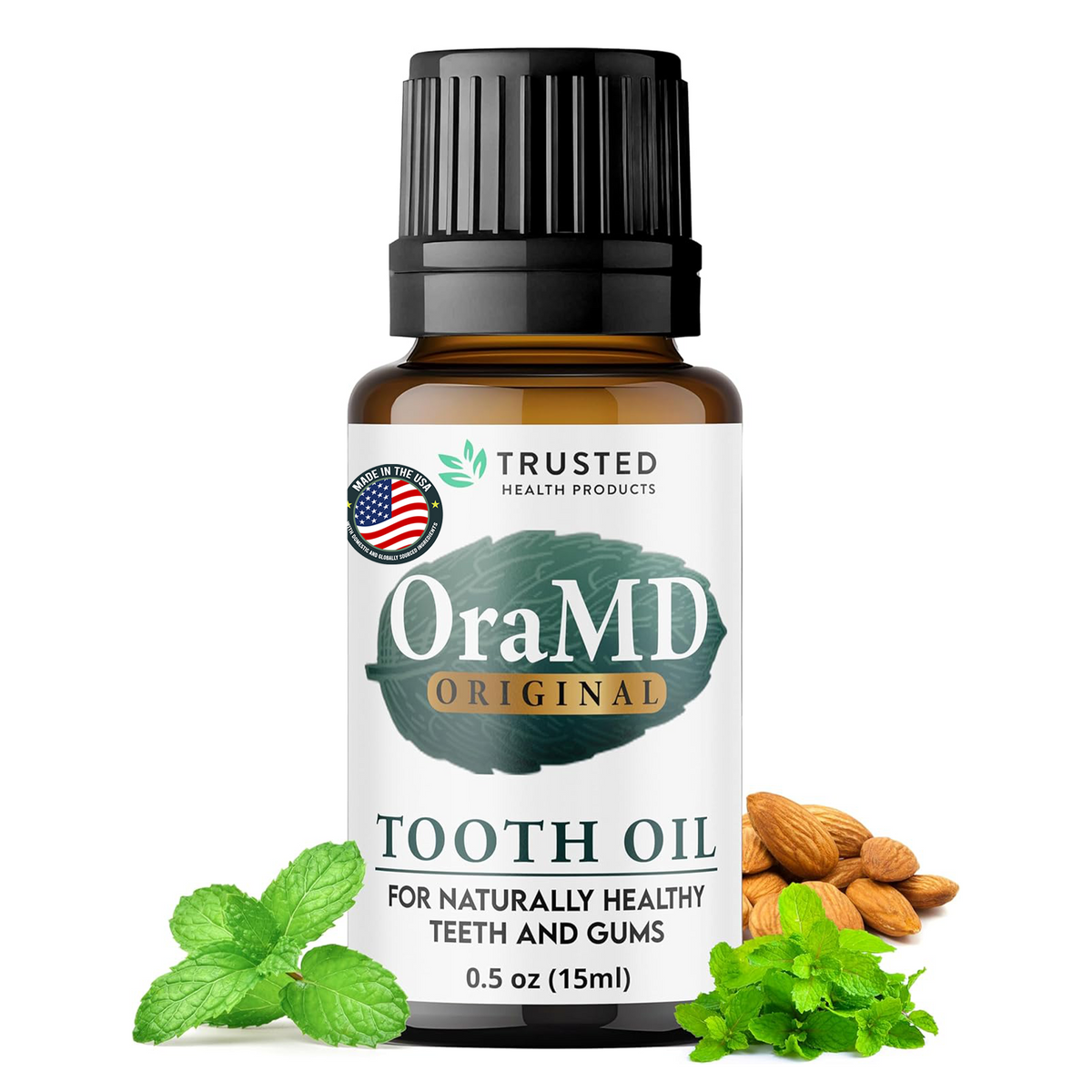
Oral hygiene during Invisalign: Keeping aligners clean prevents bacterial buildup and odor. Patients should rinse aligners with cool water after removal. A natural, alcohol-free tooth oil such as OraMD Original Strength supports gum health throughout aligner treatment without leaving residue that could cloud the plastic.
Oral Hygiene During Orthodontic Treatment
Braces, fixed or removable, create additional spaces where plaque accumulates. Orthodontic patients face a higher risk of white spot lesions, gum inflammation, and decalcification if oral hygiene lapses during treatment.
The following routine addresses the specific needs of braces wearers.
Brushing: Brush after every meal, not just morning and night. Use a soft-bristled brush angled at 45 degrees toward the gum line to clear debris from under the archwire and around brackets.
Flossing: Standard floss requires a threader to pass under archwires. Unwaxed floss slides between contacts more cleanly than waxed. The OraMD Pure Unwaxed Dental Floss is designed for this purpose and does not shred or fray when navigating around brackets.
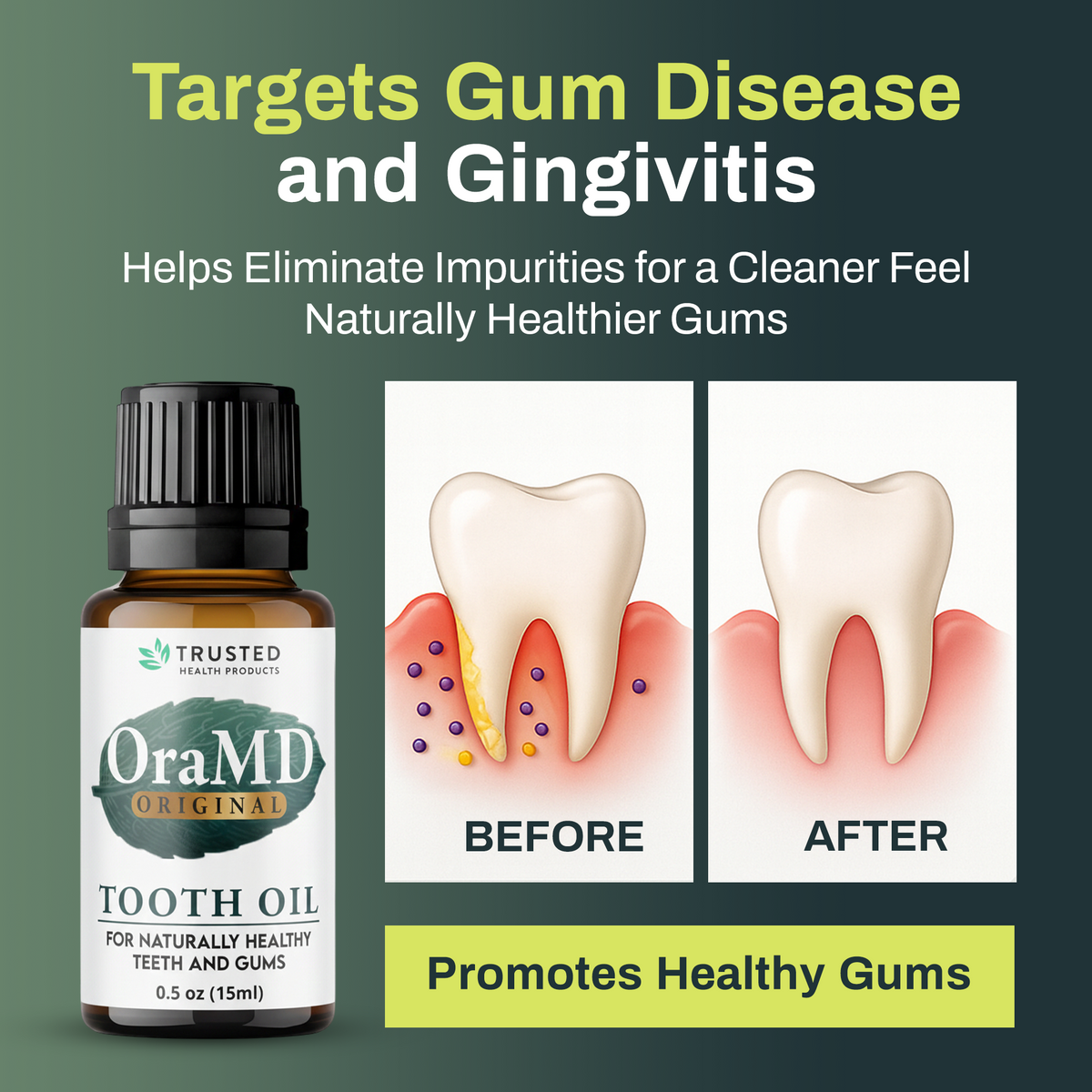
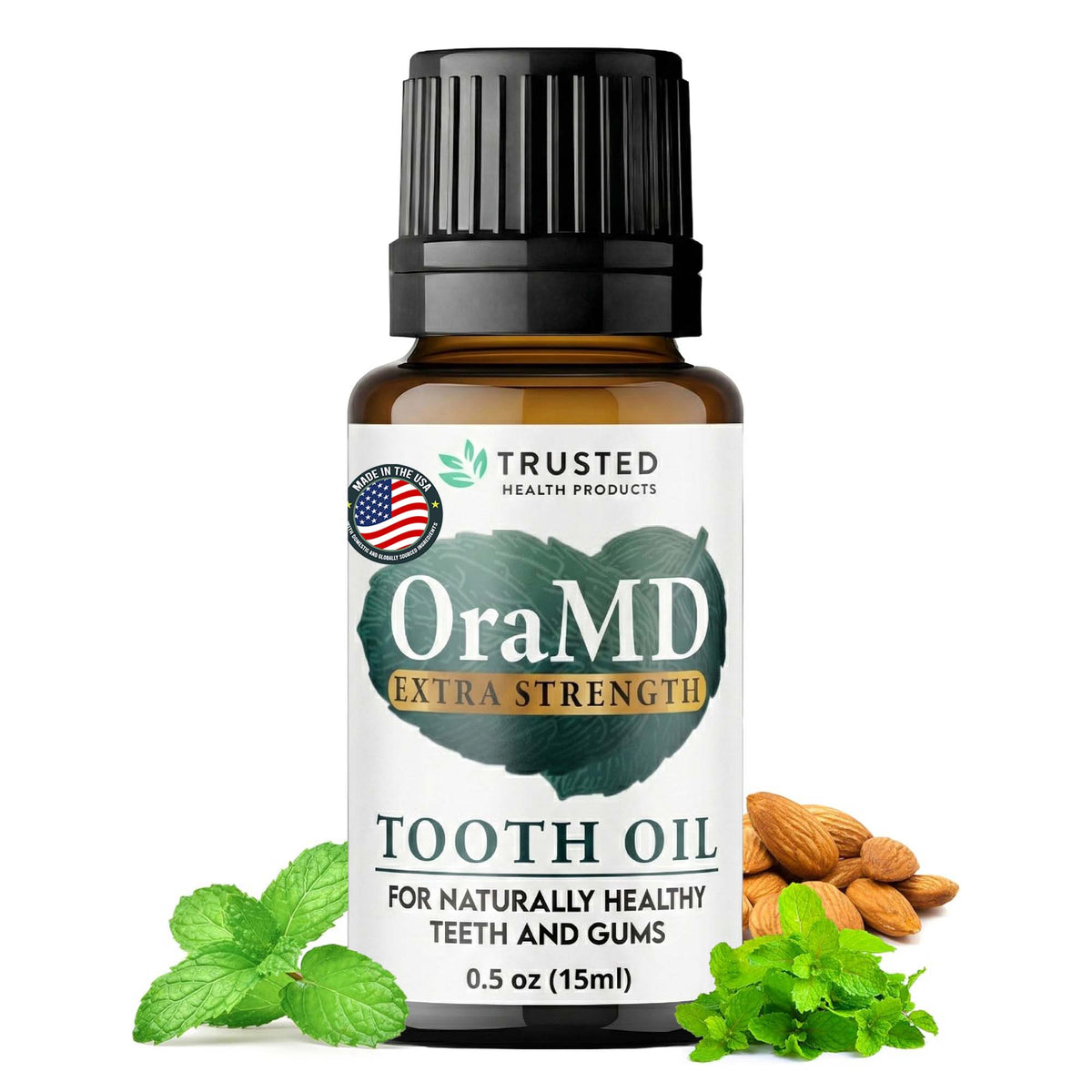
Rinsing: An alcohol-free antibacterial rinse or natural tooth oil used after brushing reaches areas the toothbrush cannot. Alcohol-based mouthwashes can dry oral tissue and irritate bracket contact points. OraMD Extra Strength Tooth Oil uses a concentrated botanical formula that penetrates the gum line without synthetic additives.
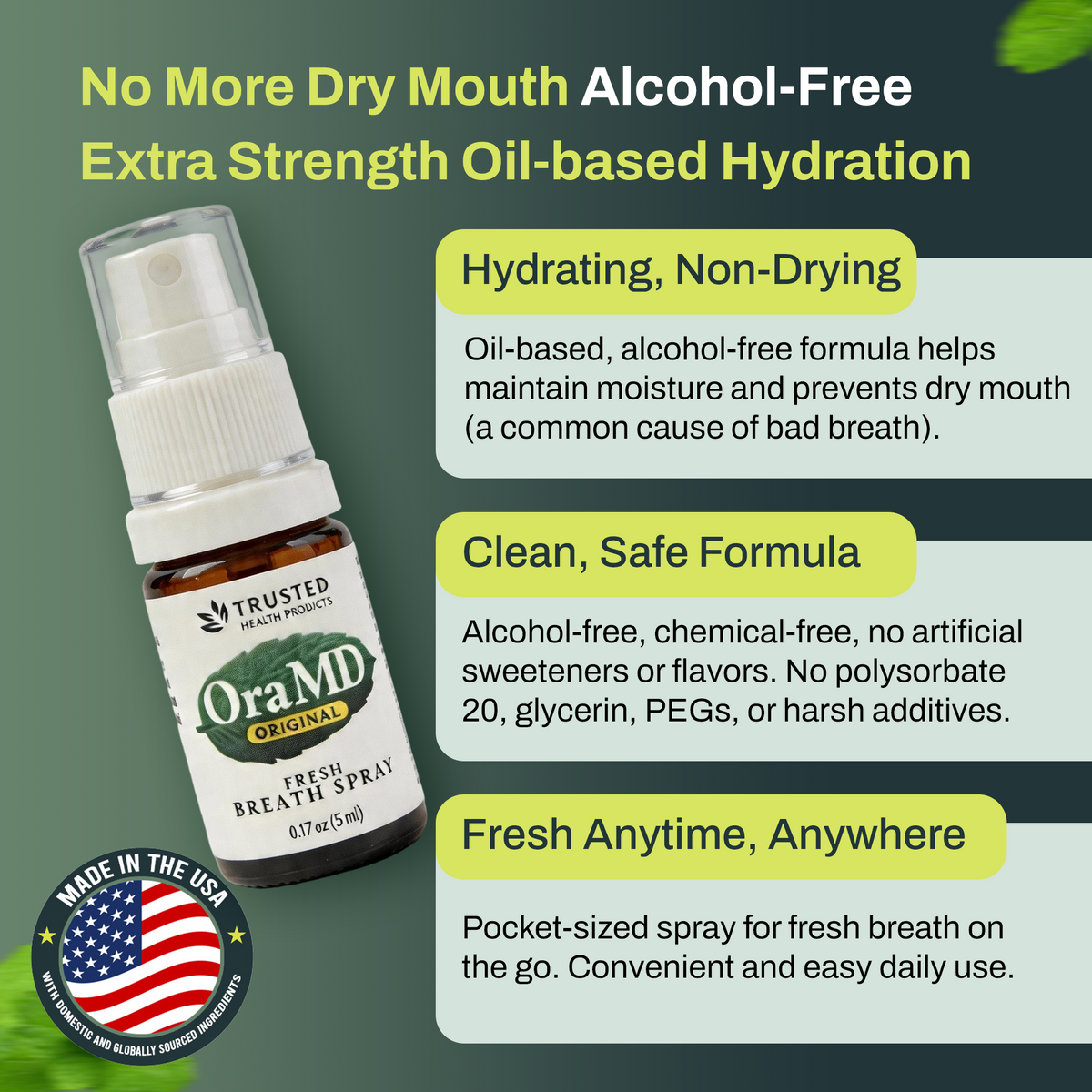
Freshness on the go: A compact breath spray provides antibacterial support between meals when brushing is not immediately possible. The OraMD All-Natural Bad Breath Freshener Spray offers botanical freshness without alcohol or artificial flavors, making it suitable for use throughout the school or work day.
For further reading on building a complete natural oral health routine during orthodontic treatment, visit the Trusted Health Products Oral Care collection.
What Happens After Braces: Retainers
Every type of orthodontic treatment requires a retention phase. After braces or aligners are removed, teeth naturally attempt to drift back toward their original positions. This process, called orthodontic relapse, happens because the periodontal ligaments surrounding teeth retain a memory of their original alignment.
Retainers prevent relapse by holding teeth in position while the surrounding bone remodels and stabilizes around the new tooth positions.
Two main retainer types exist. Removable retainers, either clear plastic or Hawley wire-and-acrylic, are worn full-time for the first three to six months post-treatment, then nightly thereafter. Fixed retainers consist of a thin wire bonded permanently to the back surfaces of the front teeth.
Orthodontists determine the appropriate retainer type based on the original case, the brace type used, and the patient's compliance history. Patients who skip the retention phase risk losing all gains from treatment.
Conclusion
The five main types of braces, metal, ceramic, lingual, self-ligating, and Invisalign, each serve different clinical needs. No single option is universally best. The right choice depends on case complexity, budget, appearance preferences, and how much daily management the patient is willing to take on.
Consulting a board-certified orthodontist is the essential first step. A full clinical evaluation, including digital imaging, gives the orthodontist the diagnostic data needed to match the patient with the most effective treatment path.
Throughout any orthodontic treatment, consistent oral hygiene protects the investment. Explore the full Trusted Health Products Oral Care range , including tooth oil, unwaxed floss, the Dr. Bass Toothbrush, and breath spray, to maintain a clean, healthy mouth from the first bracket placement to the final retainer check.